Why Your Pink Princess Philodendron Is Growing Slowly?
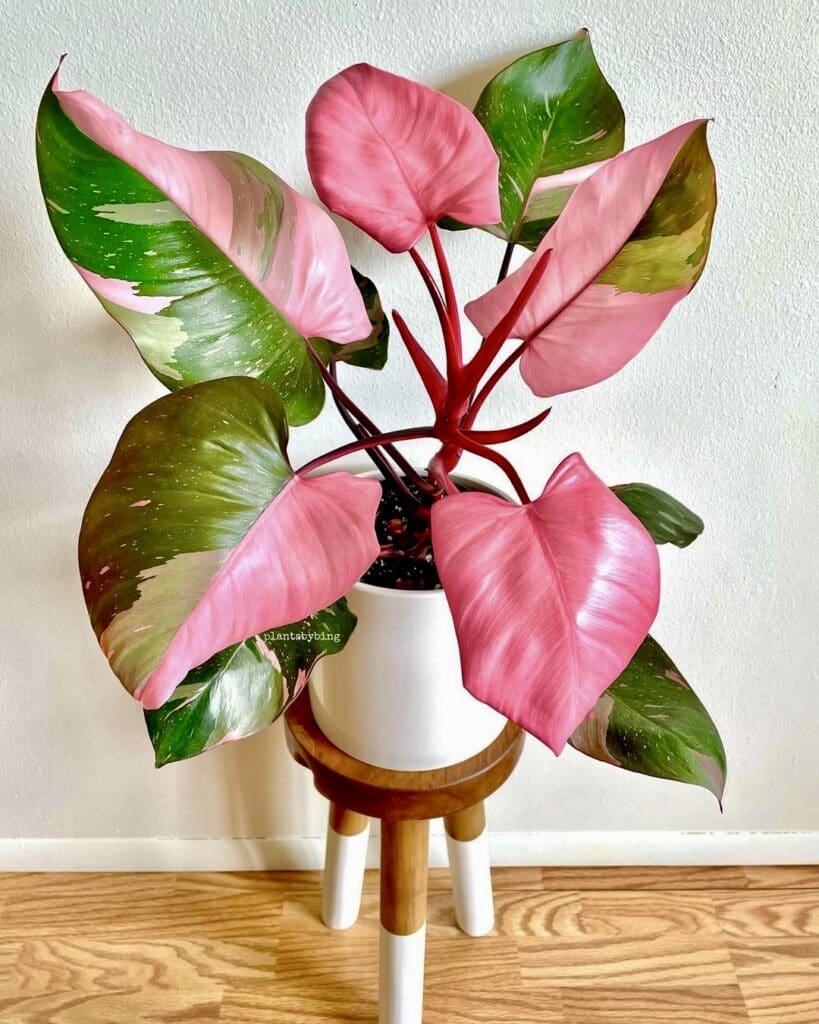
Your Pink Princess Philodendron is one of the most eye-catching plants you can grow at home. The pink and green leaves make it a favorite among plant lovers. But if yours seems stuck in place, you’re not alone.
Slow growth usually happens because of lighting problems, watering mistakes, or environmental conditions that don’t match what the plant needs. The good news is that most of these issues are easy to fix once you know what to look for.
I’ll walk you through the common reasons your plant might be dragging its feet and what you can do to get it growing again. We’ll cover everything from light and water to soil quality and pests.
Please note: Simplify Plants is reader-supported. As an Amazon Associate, I earn from qualifying purchases made by our readers with no extra cost added to you all! Some links in the post are affiliate links and I get a commission from purchases made through links in the post.
1) Insufficient bright, indirect light
Pink Princess Philodendrons need plenty of bright, indirect light to grow at a decent pace. Without enough light, they basically put themselves on pause.
The plant won’t die right away, but growth slows down to a crawl.
I’ve noticed that when these plants sit in dim corners or far from windows, they stop pushing out new leaves.
The variegation also fades because the plant can’t produce enough energy. It’s trying to survive, not thrive.
Quick Tip: Place your Pink Princess within 3-5 feet of an east or west-facing window where it gets filtered sunlight throughout the day.
Direct sun will scorch those beautiful leaves, so avoid south-facing windows unless you use a sheer curtain.
If your space doesn’t get much natural light, a grow light can work wonders. Just keep it on for about 10-12 hours daily.
Watch for signs like leggy stems reaching toward light sources or long gaps between leaves. These tell you the plant is desperate for more brightness.
2) Overwatering and poor drainage
I’ve seen so many Pink Princess Philodendrons struggle because their roots are sitting in soggy soil.
When you water too often or your pot doesn’t drain well, the roots can’t breathe. They start to rot, and your plant stops growing.
Check the soil before you water. Stick your finger about an inch down into the pot. If it feels damp, wait a few more days.

Your pot needs drainage holes at the bottom. Without them, water pools at the base and creates a swampy mess.
I also recommend using a chunky potting mix with perlite or bark to help water flow through faster.
Quick Tip: Yellow leaves that feel mushy usually mean you’re watering too much.
If you live somewhere humid, your soil stays wet longer than it would in a dry climate. You might need to water less often than the care guide says.
3) Low humidity around plant (and why your Pink Princess feels like it’s in a desert)
Pink Princess Philodendrons come from tropical rainforests where the air is naturally humid.
When the air in your home is too dry, the plant slows down its growth because it can’t breathe and drink water through its leaves as easily.
I’ve noticed that dry air makes the leaf edges turn brown and crispy first. The plant puts its energy into survival instead of growing new leaves.
Most homes sit around 30-40% humidity, but your Pink Princess really wants 60% or higher.
You can check humidity with a simple meter from any garden store. If it’s low, try grouping your plants together so they create their own little humid zone. A humidifier nearby works great too.

Quick Tip: Mist your plant every few days or set it on a pebble tray filled with water (just don’t let the pot sit directly in the water).
Winter heating and air conditioning both zap moisture from the air. That’s when I see the most complaints about slow growth and sad-looking leaves.
4) Root-bound in small pot (When roots run out of room to grow)
Your Pink Princess might be stuck in a pot that’s too small for her roots. When roots circle around the inside of the pot with nowhere else to go, they can’t absorb water and nutrients properly. This slows down growth big time.
I always check for roots poking out of drainage holes or growing in tight circles on the soil surface. These are clear signs your plant needs more space.
If you pop the plant out of its pot and see more roots than soil, it’s time to repot. Choose a container that’s 1-2 inches larger in diameter than the current one.
Quick Tip: Spring and early summer are the best times to repot because your plant will recover faster during its active growing season.
Use fresh, well-draining soil when you repot. The new soil gives your Pink Princess the nutrients she needs to start growing again.
Don’t go too big with the new pot though—oversized containers hold too much moisture and can cause root rot.
5) Nutrient-poor potting mix (and why your plant is basically starving in there)
Your Pink Princess needs food to grow, and it gets most of that from the potting mix.
If you’re using cheap soil or the same mix from when you first bought the plant, it’s probably run out of nutrients by now.
Most bagged potting mixes only have enough fertilizer to last a few months. After that, your plant is living in what’s basically just dirt and air pockets.
I’ve seen Pink Princesses sit in the same tired soil for years, wondering why they won’t push out new leaves.
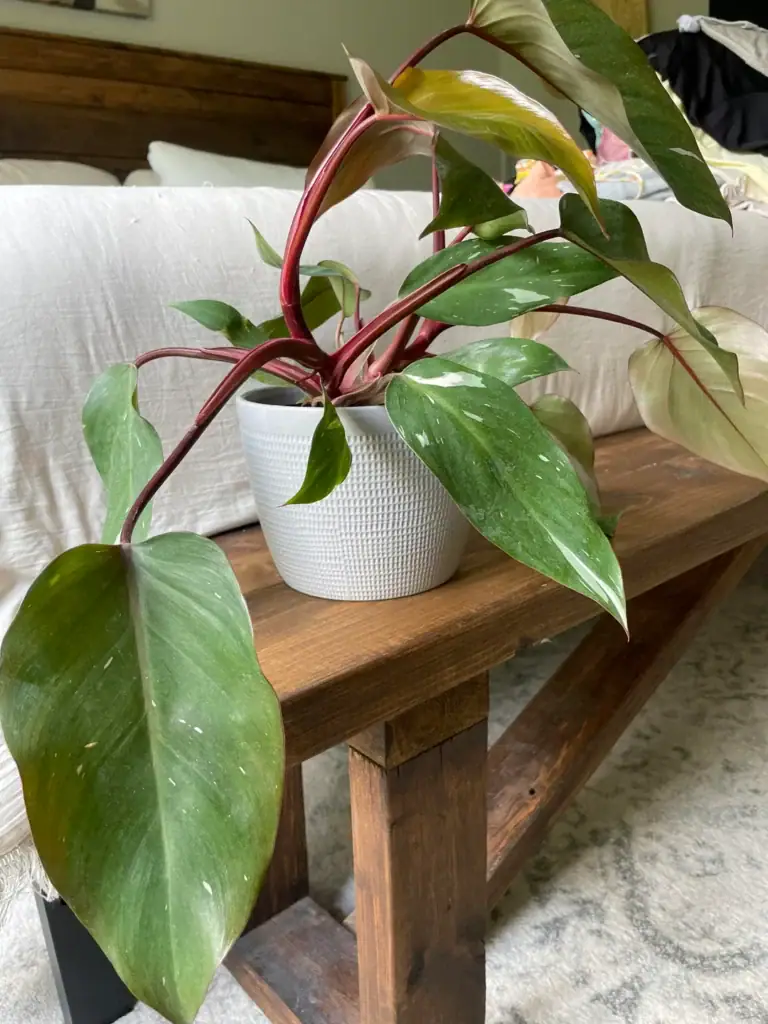
Quick Tip: Mix fresh potting soil with a bit of worm castings or slow-release fertilizer to give your plant the nutrients it actually needs.
You can also feed your plant with liquid fertilizer during the growing season. Use a balanced houseplant fertilizer every few weeks from spring through summer. Just don’t go overboard because too much can burn the roots.
If your plant hasn’t been repotted in over a year, it’s probably time for fresh soil anyway.
6) Cold drafts or temperature below 60°F (15°C)
I’ve noticed that pink princess philodendrons really hate the cold. When temperatures drop below 60°F, their growth slows down or stops completely.
Cold air from windows, doors, or air conditioning vents can shock your plant. The leaves might look droopy or develop brown edges. You’ll see new growth pause or come in smaller than usual.
These tropical plants need warmth to thrive. I always keep mine in rooms that stay between 65-80°F. Even a drafty spot near a window during winter can cause problems.
Quick Tip: Place your hand near your plant’s location and feel for cold air movement—if you notice a chill, your plant definitely does too.
Move your pink princess away from AC units and heating vents. Check windowsills during winter months since cold glass radiates chilly air.
A simple room thermometer helps you track the actual temperature where your plant sits, not just what your thermostat says.
7) Pests: spider mites or mealybugs
Spider mites and mealybugs love to sneak onto Pink Princess Philodendrons and suck out the plant’s sap. When pests feed on your plant, it loses energy and nutrients it needs to grow new leaves.
Spider mites are tiny bugs that leave fine webbing on stems and leaves. You might notice yellow spots or a dusty look on the foliage.
Mealybugs look like small white cotton balls hiding in leaf joints and under leaves.
Both pests cause your plant to slow down or stop growing. The leaves might turn yellow or look droopy even when you water correctly.

Quick Tip: Check your plant every week by looking under the leaves and along the stems for any signs of bugs or webbing.
I remove pests by wiping leaves with a cotton ball dipped in rubbing alcohol. You can also spray the plant with insecticidal soap or neem oil every few days until the bugs are gone.
Make sure to treat your plant away from other houseplants so the pests don’t spread.
8) Incorrect pH (too alkaline) – When Your Soil is Too Sweet for Comfort
Pink Princess Philodendrons like their soil slightly acidic, with a pH between 5.5 and 6.5. When the pH creeps above 7, the soil becomes alkaline, and that’s when problems start.
Alkaline soil locks up iron and other nutrients your plant needs to grow. Your Pink Princess can’t absorb these nutrients even if they’re in the soil. The result is slow growth and pale leaves that look washed out.
Tap water in some areas is alkaline, which gradually raises your soil’s pH over time. If you notice your plant isn’t growing much despite good care, pH might be the issue.
Quick Tip: Pick up a simple pH test kit from a garden center to check your soil – it takes five minutes and solves the mystery.
You can lower pH by adding a bit of sulfur or using fertilizers designed for acid-loving plants.
Switching to filtered or rainwater helps prevent the pH from climbing again. Small adjustments make a big difference in helping your Pink Princess thrive.
9) Using slow-release fertilizer only once a year
I get it—slow-release fertilizer sounds convenient. You sprinkle it once and forget about it for months.
But if you’re only feeding your Pink Princess once a year, that’s probably why she’s dragging her feet.
Slow-release pellets break down over time, usually three to six months depending on the brand. After that window closes, your plant isn’t getting the nutrients it needs to push out new growth.
Pink Princess philodendrons are active growers during spring and summer, so they burn through food faster than you’d think.
I like to refresh slow-release fertilizer every three to four months during the growing season. If you skip those top-ups, your plant basically runs on empty for half the year.
Quick Tip: Mark your calendar when you fertilize so you remember to reapply before the nutrients run out.
You can also switch to liquid fertilizer every two to four weeks if you want more control.
That way, you’re feeding her consistently when she’s actively growing instead of hoping those pellets last.
10) Compacted or old soil mix that’s suffocating your plant’s roots
Old soil turns into a brick over time. When I water my pink princess, I watch how the water behaves.
If it pools on top or runs straight down the sides without soaking in, that’s compacted soil talking.
Roots need air pockets to breathe and grow. Packed-down soil squeezes out those gaps, leaving roots gasping.
Your plant slows down because it can’t absorb nutrients or water properly anymore.
Soil also breaks down after a year or two. The organic matter decomposes and loses its fluffiness. What’s left is dense, tired mix that holds too much moisture and not enough oxygen.
I like to repot my pink princess every 18 to 24 months with fresh, airy soil. Look for a chunky mix with perlite or orchid bark mixed in.
Quick Tip: Poke a chopstick gently into the soil. If it barely goes in or the soil feels rock-hard, it’s time for new mix.
Understanding Pink Princess Philodendron Growth Patterns

Pink Princess Philodendrons grow in bursts rather than at a steady pace, and they naturally slow down or stop growing when temperatures drop or light becomes scarce.
Natural Growth Phases: What to Expect When Your Plant Hits Pause
My Pink Princess goes through active and rest periods throughout the year. During active growth, you’ll see new leaves unfurling every few weeks.
The plant pushes out bright green or pink-splashed leaves that slowly harden off over time.
Then growth just stops. This is completely normal.
The plant enters a rest phase where it focuses on strengthening existing leaves instead of making new ones.
These pauses can last anywhere from a few weeks to a couple months. I’ve noticed my plant does this even when conditions seem perfect.
Quick Tip: A growth pause doesn’t mean something’s wrong—your plant is just taking a breather between growth spurts.
Young Pink Princess plants grow slower than mature ones. A small plant might only give you 3-5 new leaves per year while it builds a strong root system.
Once the roots fill the pot and the plant matures, growth speeds up noticeably.
Seasonal Changes and Dormancy: Why Winter Means Waiting
Pink Princess Philodendrons slow down dramatically in fall and winter.
Shorter days and cooler temperatures tell the plant to conserve energy. Mine basically stops growing from November through February.
This isn’t true dormancy like some plants experience. The leaves stay healthy and green, but new growth halts almost completely. You might see one tiny leaf in three months, and that’s expected.
Quick Tip: Don’t fertilize during winter slowdowns—your plant isn’t eating much and you’ll just build up salts in the soil.
Spring triggers active growth again when daylight increases and temperatures warm up. I usually see the first new leaf emerging in late March or early April. Growth picks up speed through summer when my plant is happiest.
In warmer zones (10-11), you might see year-round growth with only slight winter slowing.
Environmental Factors Influencing Development

Your Pink Princess needs the right light, warmth, and moisture in the air to grow at a healthy pace. When these conditions fall short, growth slows down fast.
Light and Temperature Considerations (and why getting them wrong stunts your plant)
I’ve seen too many Pink Princesses stuck in dim corners, barely pushing out new leaves. These plants need bright, indirect light for at least 6-8 hours each day.
Direct sun burns those gorgeous pink leaves, but too little light means slow growth and barely any pink variegation.
Place yours near an east-facing window or a few feet back from a south or west window. If the light is too low, the stems get leggy and weak.
Temperature matters just as much. Pink Princesses grow best between 65-80°F. Anything below 60°F slows growth down to a crawl.
Cold drafts from air conditioners or windows in winter can shock the plant and cause it to stop growing altogether.
Quick Tip: If you notice long gaps between leaves on new growth, that’s your plant telling you it needs more light.
Watch for temperature swings too. These plants hate sudden changes, so keep them away from heating vents and exterior doors.
Optimal Humidity Levels (because dry air makes everything worse)
I always check humidity when a Pink Princess isn’t growing well. These tropical plants need 60-80% humidity to thrive. Most homes sit around 30-40%, which is way too dry.
Low humidity causes brown leaf edges, crispy tips, and stunted growth. The plant spends energy just trying to survive instead of pushing out new leaves.
Use a humidifier nearby or group your plants together to create a more humid microclimate.
Pebble trays with water work in a pinch, but they don’t raise humidity as much as you’d think.
Quick Tip: If your home drops below 50% humidity regularly, invest in a small humidifier—it makes a real difference.
In winter, indoor heating makes the air even drier. I run my humidifier more during those months and keep my Pink Princess away from heat sources that dry out the air.
Frequently Asked Questions
Pink Princess Philodendrons can be tricky, and many of the same issues pop up for plant owners.
Light problems, watering mistakes, and cramped roots are usually behind slow growth.
What light level does my Pink Princess Philodendron need to grow faster?
I’ve found that bright, indirect light works best for Pink Princess Philodendrons. Direct sun will scorch those pretty pink leaves, but too little light slows growth way down.
Place your plant near an east or west-facing window where it gets plenty of brightness without harsh midday rays.
If you only have a north-facing window, growth might be slower than you’d like.
You can tell if light is the problem when your plant produces small leaves with little or no pink variegation. The stems might also stretch out and look leggy.
Quick Tip: Rotate your plant every week or two so all sides get equal light exposure.
How often should I water my Pink Princess Philodendron to avoid slow growth?
I water mine when the top inch or two of soil feels dry to the touch. This usually works out to once a week in summer and every 10-14 days in winter.
Overwatering is actually worse than underwatering for these plants. Soggy soil leads to root rot, which completely stops growth and can kill your plant.
Make sure your pot has drainage holes at the bottom. Water should run through freely and never sit in a saucer underneath.
Quick Tip: Stick your finger into the soil before watering—if it feels damp, wait another day or two.
Could my Pink Princess Philodendron be root-bound, and how can I tell?
A root-bound plant has roots that have run out of space and started circling around inside the pot. I check for this by gently lifting my plant and looking at the drainage holes.
If roots are poking out the bottom or wrapping around the soil in tight circles, it’s time to repot.
Root-bound plants can’t absorb water or nutrients well, which really slows down growth.
You might also notice water running straight through the pot without soaking in. The plant might need watering more often than before because there’s barely any soil left.
Quick Tip: Move up to a pot that’s 1-2 inches larger in diameter, not much bigger, or you risk overwatering.
Why are my Pink Princess Philodendron leaves not unfurling properly?
New leaves that stay stuck or unfurl damaged usually mean humidity is too low. Pink Princess Philodendrons come from tropical areas and like moisture in the air.
I keep humidity around 60% or higher for best results. Low humidity causes the delicate new leaves to dry out and stick together before they can open properly.
You can boost humidity by grouping plants together, using a humidifier, or placing a tray of water with pebbles near your plant. Misting doesn’t really help much because the effect only lasts a few minutes.
Quick Tip: If a leaf is stuck, you can gently help it along with damp fingers, but be careful not to tear it.
What causes Pink Princess Philodendron leaves to curl or turn yellow while growth stalls?
Curling leaves often mean your plant isn’t getting enough water or the humidity is too low. The leaves curl inward to reduce moisture loss.
Yellow leaves usually point to overwatering or poor drainage. When roots sit in wet soil, they can’t breathe and start to rot. This cuts off nutrient supply and turns leaves yellow.
Check your soil and watering schedule first. If the soil stays wet for days after watering, you need better drainage or a pot with more holes.
Nutrient deficiency can also cause yellowing, especially in older leaves. If you haven’t fertilized in months, that might be your problem.
Quick Tip: Use a balanced liquid fertilizer diluted to half strength once a month during spring and summer.
When and how should I prune my Pink Princess Philodendron to encourage new growth?
I prune my Pink Princess in spring or early summer when the plant is actively growing. Cut just above a node (the bump on the stem where leaves grow) using clean, sharp scissors.
Pruning helps the plant branch out and produce multiple new growth points instead of just one long vine. This makes your plant fuller and bushier over time.
You can also remove any fully green or fully pink leaves since they don’t help the plant much. Green leaves without pink won’t photosynthesize as well, and all-pink leaves can’t photosynthesize at all.
Save your cuttings! You can root them in water or soil to make new plants.
Quick Tip: Always sterilize your cutting tools with rubbing alcohol before pruning to avoid spreading diseases.
Note: Some images in the articles are sourced from Reddit and Other Platforms For Reference Purpose.