10 Reasons Your Plants Need More Light This Winter
When the days get shorter and the sun feels weaker, I can really tell my plants start to struggle.
The green leaves lose some of their shine, and growth slows down more than I’d like.
I’ve learned that giving plants enough light in winter is one of the most important steps to keep them healthy.
I want my plants to stay strong, colorful, and full of life even when sunlight is limited.
That’s why I pay close attention to how much light they’re getting and make small changes to help them through the season.
Please note: Simplify Plants is reader-supported. As an Amazon Associate, I earn from qualifying purchases made by our readers with no extra cost added to you all! Some links in the post are affiliate links and I get a commission from purchases made through links in the post.
1) Reduced Photosynthesis Slows Growth

I notice my plants slow down in winter because they get less sunlight. With fewer daylight hours, they just can’t make as much energy through photosynthesis.
This process is what fuels their growth. When light is limited, my plants produce less food for themselves.
That means I see fewer new leaves, smaller shoots, and slower overall growth. Less light equals less energy.
Even hardy indoor plants feel this change. They might not die, but they often look less vibrant.
Their leaves can lose color, and new growth might take much longer to appear. By giving them more light, I help balance this slowdown.
A sunny window or a grow light can make a big difference. It gives my plants the energy they need to stay healthy through the season.
2) Lower Light Causes Leaf Yellowing
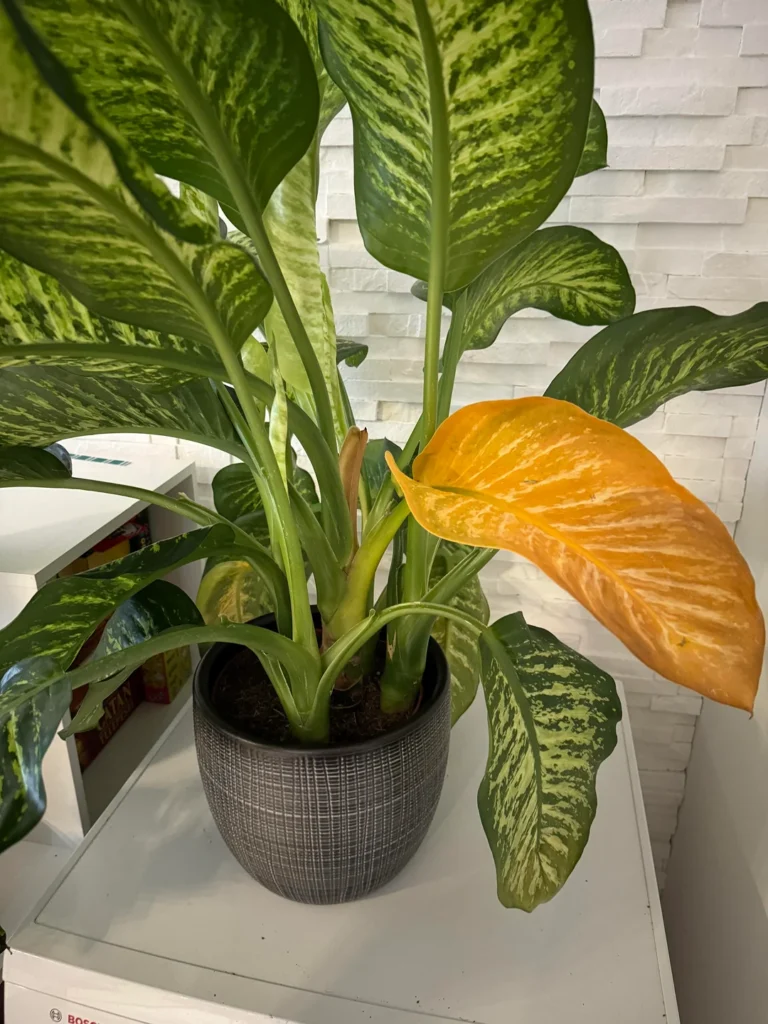
When my plants don’t get enough light, their leaves start to turn yellow. This happens because the plant can’t make enough energy through photosynthesis.
Without the right amount of light, the leaves lose their healthy green color. Sometimes the yellowing starts at the bottom leaves first.
These leaves are older and the plant sends energy to the newer growth instead. If the light stays too low, more leaves can turn pale or drop off.
Yellow leaves don’t always mean overwatering or pests. Low light is often the cause, especially in winter when days are shorter.
Checking the light levels helps me figure out what’s really going on. To help, I move my plants closer to a window or use a grow light.
Even a small boost in brightness keeps the leaves green and healthy. My plants respond pretty quickly when I give them the light they need.
3) Insufficient Light Weakens Stems

When my plants don’t get enough light, their stems grow thin and weak. Instead of standing tall, they often lean or bend toward the nearest window.
Without steady light, plants stretch out more than they should. This makes them long, leggy, and fragile.
I’ve had to stake some of mine just to keep them upright. Weak stems also make it harder for plants to support new leaves.
Growth slows down, and the plant just looks less healthy overall. When I move my plants to a brighter spot, the difference is clear.
The stems grow thicker and stronger, and the plant holds itself up better. Even a few extra hours of light each day can help.
Sometimes I use a small grow light in winter, and it keeps my plants from becoming floppy.
4) Plants Enter Dormancy Without Light
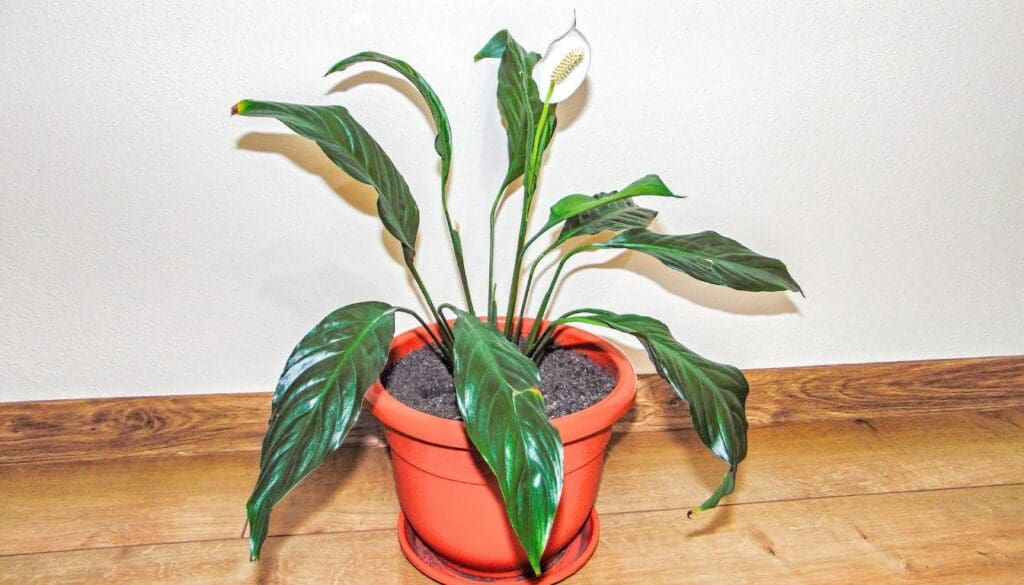
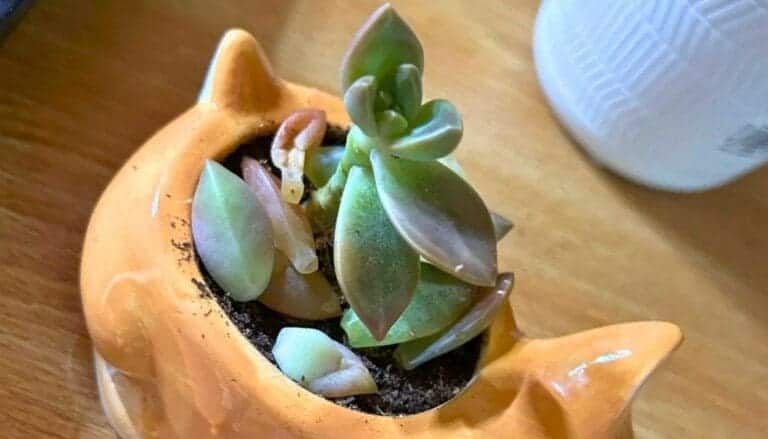
When my plants don’t get enough light, they start to slow down. Their leaves stop growing, and new shoots don’t appear.
Many plants naturally enter dormancy when light levels drop. Dormancy is a way for plants to save energy.
Without enough sunlight, they can’t make the food they need through photosynthesis. So instead of wasting energy, they rest until conditions improve.
I see this happen most often in the winter months. Shorter days and weaker sunlight signal plants to pause growth.
Some plants may even drop leaves or look less lively, but they’re not dead—just conserving energy. When I give my plants more light indoors, they usually stay more active.
Even a small boost from a grow light can help them avoid slipping too deeply into dormancy. This keeps them healthier and ready to grow again when spring arrives.
5) Less Light Means Lower Energy
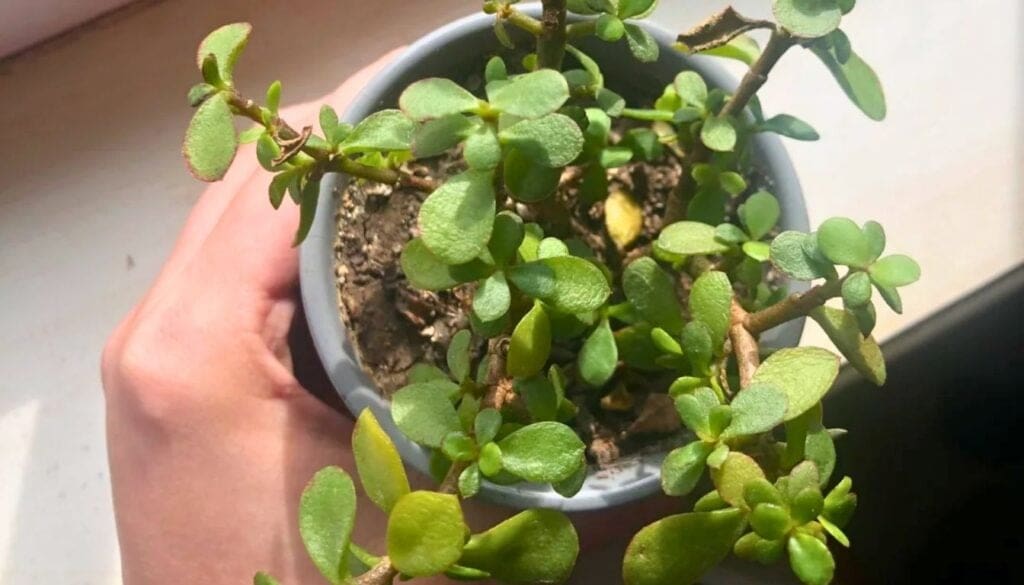
When my plants get less light, they don’t grow as quickly. Light gives them the energy they need to make food through photosynthesis.
Without enough of it, their energy levels drop. With lower energy, my plants often look slower and weaker.
New leaves may take longer to appear, and growth can stall. It’s not that they stop growing completely, but everything just slows down.
Low energy makes my plants less resilient. They don’t bounce back as easily from stress like repotting or changes in temperature.
When I give them more light, I see a big difference. My plants stay stronger, greener, and more active.
They have the energy to keep growing, even during the shorter days of winter. That’s why I make sure to place my plants near bright windows or use a simple grow light.
A little extra light helps them maintain the energy they need to stay healthy through the season.
6) Poor Flowering Due to Dim Conditions

When my plants don’t get enough light, their flowers just don’t bloom as much. Low light makes it harder for plants to produce the energy they need.
Without that energy, buds may stay small or never open at all. I’ve seen this happen with my indoor plants during winter.
The days are shorter, and the sunlight is weaker. This drop in light slows growth and reduces flowering.
Some plants that normally bloom with bright colors may produce fewer flowers. Others might skip flowering altogether until conditions improve.
Dim conditions often lead to weak or delayed blooms. To help, I try moving my plants closer to windows or adding a grow light.
Even a small boost in light can encourage better flowering. It doesn’t always fix everything, but it gives plants the support they need.
I also keep an eye on how often my plants bloom compared to other times of the year. If I see fewer flowers, I know light may be the reason.
By giving plants more light, I notice stronger buds and brighter flowers. Consistent light makes a big difference in flowering success.
7) Increased Susceptibility to Pests
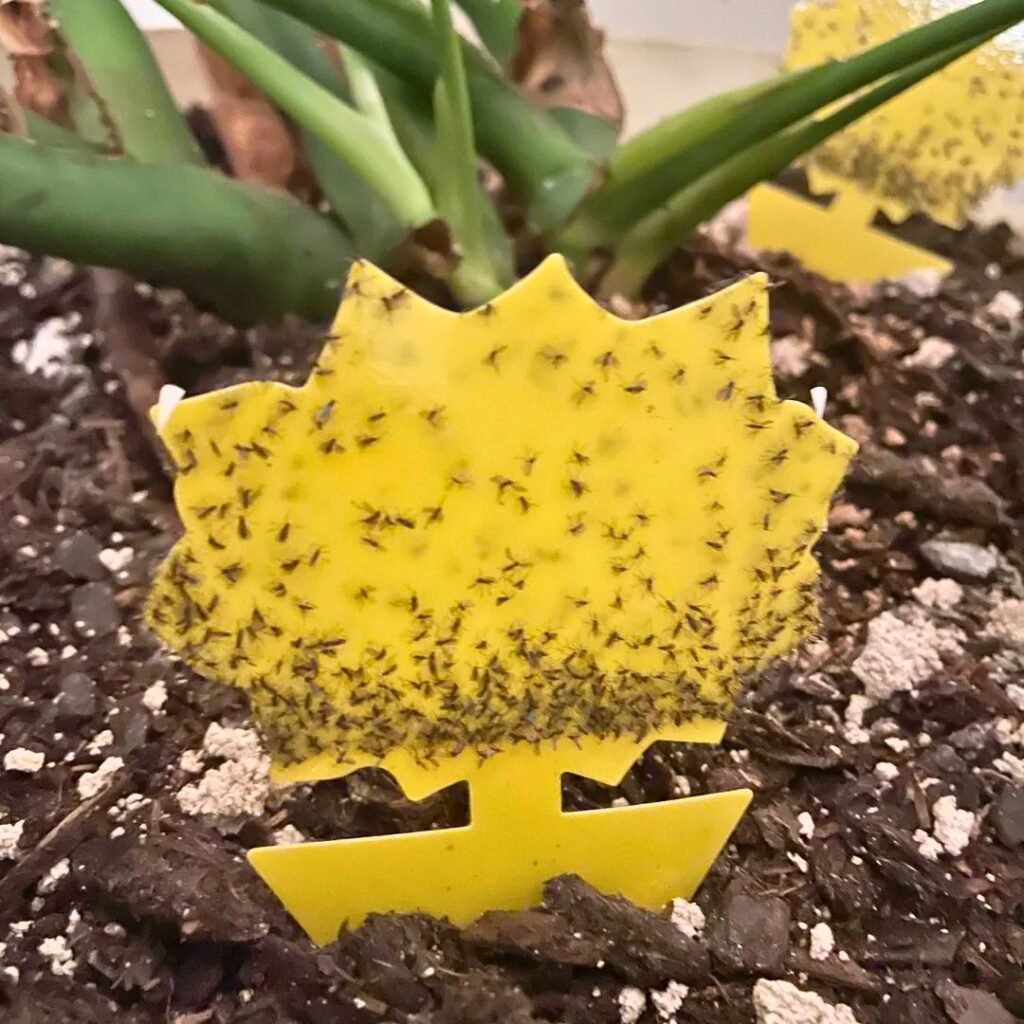
When my plants don’t get enough light, they grow weaker and slower. Weak plants can’t fight off small problems as easily.
This makes them more open to pest attacks. In low light, leaves may stay damp longer after watering.
That extra moisture creates a good spot for fungus gnats, spider mites, or aphids to show up. I’ve seen this happen more often in the winter.
Healthy plants usually produce natural defenses. But when mine don’t get the energy from light they need, those defenses drop.
Pests can spread faster because the plant isn’t strong enough to push them back. I’ve found that giving my plants better light exposure helps reduce these issues.
Even moving a plant closer to a window or adding a grow light can make a big difference. When I keep the light levels steady, my plants stay stronger.
That strength makes it harder for pests to take hold, and I spend less time dealing with infestations.
8) Light Deficiency Affects Nutrient Uptake
When my plants don’t get enough light, they struggle to use the nutrients in the soil. Light gives plants the energy they need to process food.
Without it, even well-fed plants can look weak or pale. When light levels drop, the roots can still take in water and minerals, but the plant can’t turn them into energy as easily.
This slows growth and makes leaves lose their healthy color. I’ve also seen that low light can cause extra nutrients to build up in the soil.
Too many unused nutrients can harm roots over time. That’s why I try to balance fertilizer with the amount of light my plants get.
Good light helps plants use every bit of food I give them. When I place them near a sunny window or add a grow light, I see stronger stems, greener leaves, and better overall growth.
Even in winter, I make sure my plants get steady light so they can keep using nutrients the right way. Light and nutrients work together, and one doesn’t work well without the other.
9) Chlorophyll Production Drops
When my plants don’t get enough light, their chlorophyll levels drop. Chlorophyll is the green pigment that helps plants turn light into energy.
Without steady light, this process slows down. When chlorophyll production drops, the leaves often look pale or yellow.
I can tell my plant is struggling because the green color fades. This is a clear sign it needs more light.
Less chlorophyll also means less photosynthesis. My plant can’t make enough food to stay strong.
Over time, this can lead to weak growth and fewer new leaves. I’ve found that even a small boost in light helps.
Moving my plants closer to a window or adding a grow light keeps their color bright. Healthy green leaves tell me the chlorophyll is working the way it should.
By paying attention to leaf color, I can catch light problems early. Bright, green leaves = healthy plants.
Pale leaves remind me to adjust the light before the plant gets too weak.
10) Stunted Root Development
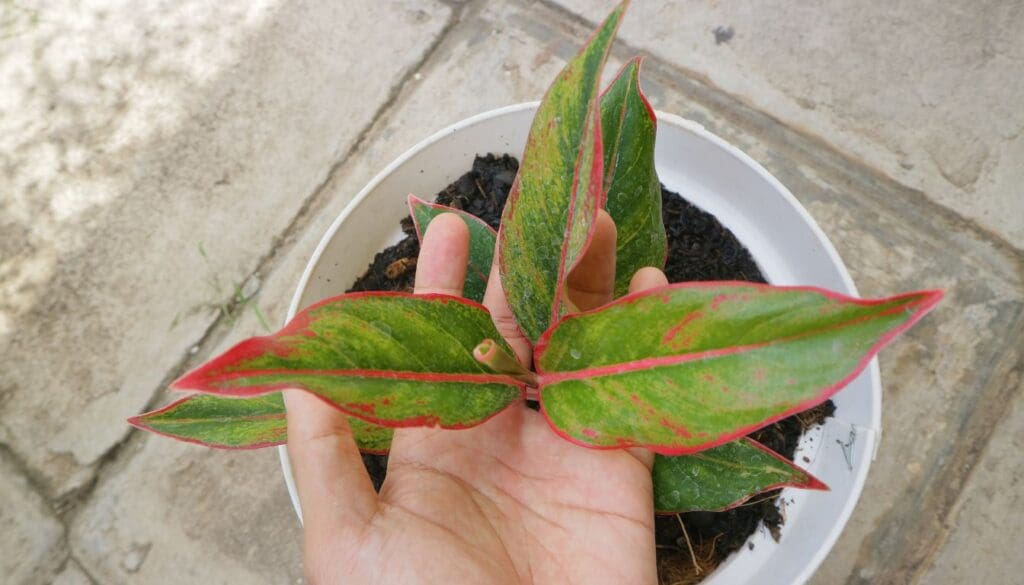
When my plants don’t get enough light, their roots grow much slower. Light gives plants the energy they need to build strong root systems.
Without it, the roots stay small and weak. Weak roots make it harder for the plant to take up water and nutrients.
I see this most in the winter when the days are short and the sun is low. Less light means less growth below the soil.
When roots stay small, the plant struggles to support healthy leaves and stems. I often see plants look fine on top at first, but the weak roots catch up with them later.
To help, I try to give my plants more light during the winter months. Even a small boost in light can encourage stronger root growth.
This keeps the plant healthier and better prepared for spring. Plants with stronger roots bounce back faster from stress.
They handle changes in water and temperature much better. That’s why I always pay attention to how much light they’re getting in the darker months.
How Light Affects Plant Health
I’ve noticed that plants really react quickly to how much light they get. Sometimes they perk up, sometimes they get a bit sad-looking—it’s all about the light.
The way they grow, their strength, and even their color can change depending on what kind of light they’re soaking up.
Photosynthesis and Growth
Photosynthesis is basically how plants make their own food. They use light to turn carbon dioxide and water into energy—pretty wild, honestly.
If my plants don’t get enough light, they just can’t make enough sugars for strong stems and healthy leaves.
When there’s not much light, I’ve seen my plants grow slower, their leaves go pale, and their stems get a bit floppy. It’s like they’re reaching out, trying to find the sun.
But with enough light? The leaves stay green, and growth looks balanced—nothing too wild, just healthy.
Here’s a quick breakdown of what I’ve noticed:
| Light Level | Plant Response |
|---|---|
| Low Light | Thin, pale, slow growth |
| Moderate | Steady growth, average color |
| Bright | Strong stems, deep green leaves |
Light really is fuel for my plants. If they don’t get enough, they’re just not going to thrive.
Seasonal Changes in Sunlight
In winter, the days get shorter, and the sun hangs lower in the sky. That means my plants get less natural light, and what they do get isn’t as strong.
Even if I keep them in the same spot, the intensity drops off compared to summertime. Windows that seemed bright before start to feel a bit gloomy.
I’ve found that south-facing windows are the best bet for catching whatever daylight there is. Sometimes I’ll move plants closer to the glass, or just give the windows a good clean to let more light through.
When the sun shifts, I have to shift things around too. Paying attention to these changes helps keep my plants from struggling during the darker months.
Choosing the Right Supplemental Lighting
When I add extra light for my plants, I focus on two things: what kind of light I use, and how long I keep it on. Both make a noticeable difference, especially through winter.
Types of Grow Lights
Not all grow lights are made equal. LED grow lights are my personal favorite—they’re efficient, stay cool, and last ages.
They also give off the full spectrum of light that plants seem to love.
Fluorescent lights, especially T5 bulbs, are another solid choice. They’re cheaper up front and give off a nice, even light. I like using them for seedlings or smaller plants that don’t need anything too intense.
Incandescent bulbs? I avoid them. They waste energy, get way too hot, and honestly, they just don’t have the right kind of light for plants.
Here’s a quick comparison:
| Light Type | Cost | Efficiency | Best For |
|---|---|---|---|
| LED | High | Very High | Most indoor plants |
| Fluorescent T5 | Medium | Medium | Seedlings, small plants |
| Incandescent | Low | Low | Not recommended |
Picking the right type saves energy and gives my plants what they actually need.
Setting Up a Lighting Schedule
I try to keep my plants on a steady 12–16 hours of light each day in winter. It’s kind of like pretending it’s spring or summer indoors.
A basic outlet timer does the trick so I don’t forget to turn the lights on or off.
I keep the lights about 6–12 inches above the leaves, close but not so close that they get scorched. As the plants grow, I move the lights up a bit to keep things even.
I also make sure they get at least 8 hours of darkness at night. Plants need that downtime to process energy and just chill out. Too much light can stress them out just as much as too little.
With a consistent schedule, I’ve noticed stronger growth and fewer problems with weak or leggy stems.
Frequently Asked Questions
My plants really change in winter. Shorter days, weaker sunlight, and chilly air make it tough for them to stay happy. Light is a huge factor for growth, color, and strength, so I try to pay extra attention during this season.
How can I tell if my plants are getting enough light during winter?
I look for steady growth and healthy leaf color. If my plants keep their shape and aren’t stretching toward the window, they’re probably getting enough.
What are the signs of light deficiency in indoor plants?
Yellowing leaves, weak stems, and slow growth are all red flags for low light. Sometimes, plants even drop a few leaves or stop making new ones.
What types of plants require more light in the colder months?
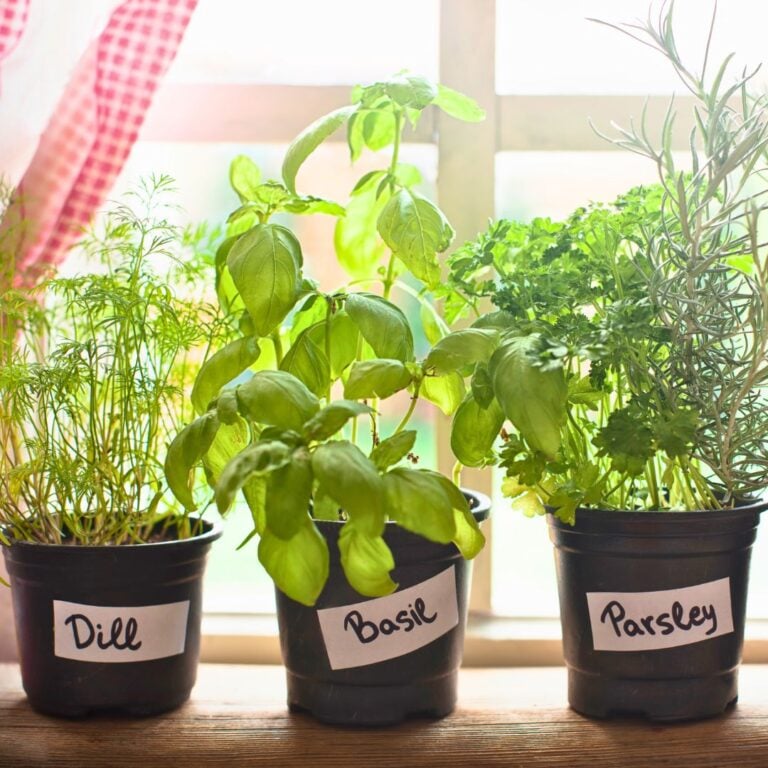
Flowering plants, succulents, and herbs are the ones I’ve found to be the neediest. They really rely on strong light to keep their energy up.
Can artificial lighting compensate for shorter daylight hours in winter?
Absolutely. I use grow lights to make up for the lack of sun, and it helps my plants keep growing when days are short.
How can I increase natural light for my plants when it’s cold outside?
I move my plants closer to south-facing windows and keep the glass clean. Rotating the pots also helps make sure every side gets a bit of sun.
What are the benefits of providing more light to my plants in winter?
Honestly, when I give my plants extra light in winter, I see faster growth and sturdier stems. The leaves usually turn a richer green too—it’s pretty satisfying.
More light seems to help them skip that sluggish dormancy phase. Overall, they just look a lot happier and healthier inside.
Note: Some images in the articles are sourced from Reddit and Other Platforms For Reference Purpose.