African Violet Care and Blooming Secrets?
African violets are one of the most popular houseplants around, and it’s easy to see why. Their fuzzy leaves and colorful blooms add charm to any room. But getting them to flower year-round can feel tricky if you don’t know what they need.
The good news is that African violets will bloom reliably when you give them the right light, water, soil, and temperature. I’ve learned that small tweaks to your care routine can make a big difference. In this article, I’ll walk you through the basics of keeping your plant healthy and encouraging those beautiful flowers to show up again and again.
You’ll find tips on everything from choosing the best potting mix to setting up grow lights in winter. I’ll also cover how to understand your plant’s natural growth cycle and create the ideal indoor environment. With a little attention to detail, your African violet can thrive and bloom for years to come.
Please note: Simplify Plants is reader-supported. As an Amazon Associate, I earn from qualifying purchases made by our readers with no extra cost added to you all! Some links in the post are affiliate links and I get a commission from purchases made through links in the post.
1) Optimal bright indirect light near east-facing window
I always place my African violets near an east-facing window because they get gentle morning sun without the harsh afternoon rays.
The light there is bright enough to encourage blooms but won’t scorch those delicate fuzzy leaves.
East windows give your plant about 3-4 hours of soft direct light in the morning, then bright indirect light for the rest of the day.
That’s the sweet spot for African violets. If the leaves start looking pale or the plant isn’t flowering, it probably needs more light.
Quick Tip: Keep your violet about 1-2 feet from the window so it gets bright light without touching the cold glass in winter.
Watch for sunburn signs like brown spots or bleached leaves. If you see those, just move the plant back a few inches.
In really hot climates, you might need a sheer curtain during peak summer mornings to filter the light a bit.
2) Use well-draining African violet potting mix (e.g., African Violet Mix by Espoma)
Regular potting soil holds too much water and can drown your African violet’s roots.
These plants need a light, airy mix that lets water flow through quickly while still holding some moisture.
I always reach for a bagged African violet mix like Espoma’s because it’s already blended with the right stuff—peat moss, perlite, and vermiculite.
Your plant’s roots need oxygen just as much as water, and dense soil cuts off that air supply.
When you water, the mix should feel damp but never soggy or heavy. If water sits on top instead of soaking in, the mix is too compact.
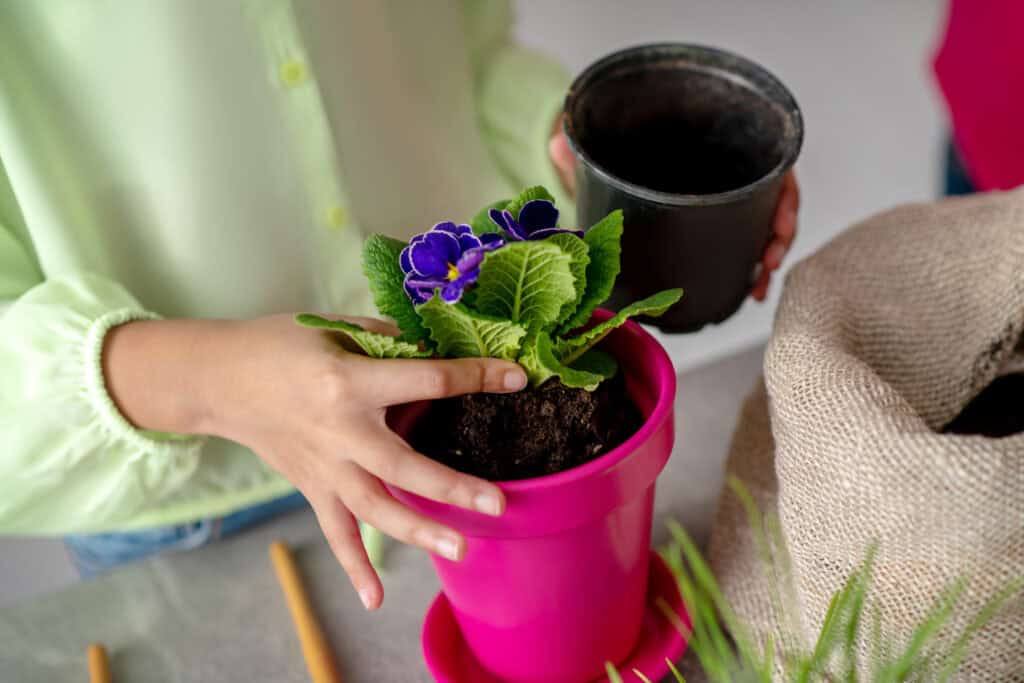
Quick Tip: Repot every year with fresh mix to keep roots healthy and blooms coming.
Some growers add extra perlite to store-bought mixes for even better drainage. That works great in humid climates where soil stays wet longer.
3) Maintain soil pH 6.0–6.5
I always check my African violet soil pH because it makes a huge difference in how well the plant absorbs nutrients.
These plants like slightly acidic soil, right in that sweet spot between 6.0 and 6.5.
When the pH drifts too high or too low, my violets can’t take up iron and other key minerals even if they’re sitting right there in the soil. The leaves start looking pale or yellowish, and blooms slow down or stop completely.
I test my soil every few months with an inexpensive pH meter from the garden center. If the number creeps above 6.5, I mix in a tiny bit of sulfur or use a fertilizer made for acid-loving plants.
Quick Tip: Water with distilled or filtered water if your tap water is hard—it can push pH up over time.
Most African violet potting mixes come pre-balanced, but it’s worth checking after a year or so.
I’ve learned that preventing pH problems is way easier than fixing them after my plant starts looking sad.
4) Water with lukewarm, filtered or rainwater using bottom-watering
I always use lukewarm water for my African violets because cold water causes ugly spots on the leaves.
Filtered or rainwater works best since tap water often has chlorine and minerals that build up over time.
Bottom-watering is my favorite method. I place the pot in a shallow dish of water and let the soil soak it up from the drainage holes for about 30 minutes. The roots pull up exactly what they need without getting the leaves wet.
Quick Tip: Empty any leftover water from the dish after 30 minutes so the roots don’t sit in moisture and rot.
This method keeps the crown and leaves dry, which stops those brown spots and mold problems.
I water when the top inch of soil feels dry to the touch, usually once a week. In hot summer weather, I check more often since the soil dries out faster.
5) Fertilize with balanced 14-12-14 African violet fertilizer monthly (e.g., Schultz Violet Food)
I feed my African violets once a month with a balanced fertilizer made just for them.
The 14-12-14 formula works great because it gives these plants the right mix of nutrients without overdoing it. Schultz Violet Food is one brand I’ve used with good results.
Regular feeding helps my violets bloom more and keeps their leaves looking healthy. Without fertilizer, the flowers get smaller and the plant just sits there looking tired.
I mix the fertilizer at half the strength listed on the bottle. African violets are sensitive, and full-strength food can burn their roots or leave crusty white buildup on the soil.
Quick Tip: Always water with plain water first, then apply diluted fertilizer to damp soil—never feed a bone-dry plant.
During winter when growth slows down, I cut back to every six weeks instead of monthly. The plants need less food when they’re resting in cooler, darker months.
6) Keep daytime temperatures 70–75°F, nighttime 65–70°F
African violets are picky about temperature, and I’ve learned that keeping them in the sweet spot makes all the difference for blooms.
During the day, aim for 70–75°F. At night, let it drop to 65–70°F.
That slight temperature dip at night mimics their natural environment and encourages flower production.
If your home runs warmer or cooler, your plant might survive but won’t bloom as reliably.
I check the room temperature with a simple thermometer near my violets. Avoid placing them near drafty windows, air vents, or radiators. These spots create temperature swings that stress the plant.
Quick Tip: If you live in a hot climate, move your African violet to a cooler room during summer afternoons to prevent heat stress.
Watch for signs of temperature trouble. Leaves that curl under or look limp often mean it’s too cold. Brown edges can signal too much heat. Adjust placement until your plant looks perky and starts pushing out buds.
7) Provide 12–14 hours light using a 6500K LED grow light (e.g., Spider Farmer SF Series) in winter
Winter days get short and your African violets notice. I use a 6500K LED grow light to keep mine blooming when natural light drops off.
The 6500K color temperature mimics daylight, which is what these plants need for healthy growth and flowers.
I set a timer for 12 to 14 hours each day so my violets get consistent light without me having to remember.
Spider Farmer SF Series lights work well because they don’t run too hot and they spread light evenly. You can hang them about 12 inches above your plants.
Quick Tip: Place the light close enough that your violet leaves look flat and happy, not reaching upward.
If you live somewhere with mild winters and big windows, you might get away with less artificial light.
But if your rooms feel dim during the day, your plants probably need help. Watch for pale leaves or long stems, which mean they’re stretching for more light.
8) Rotate plant weekly to maintain even growth
African violets naturally grow toward their light source. If you leave yours in the same spot without turning it, one side will stretch and lean while the other stays compact.
I rotate my plants a quarter turn each week, usually when I check the soil. This keeps all sides getting equal light and encourages balanced growth.
Your plant will look fuller and more attractive from every angle.
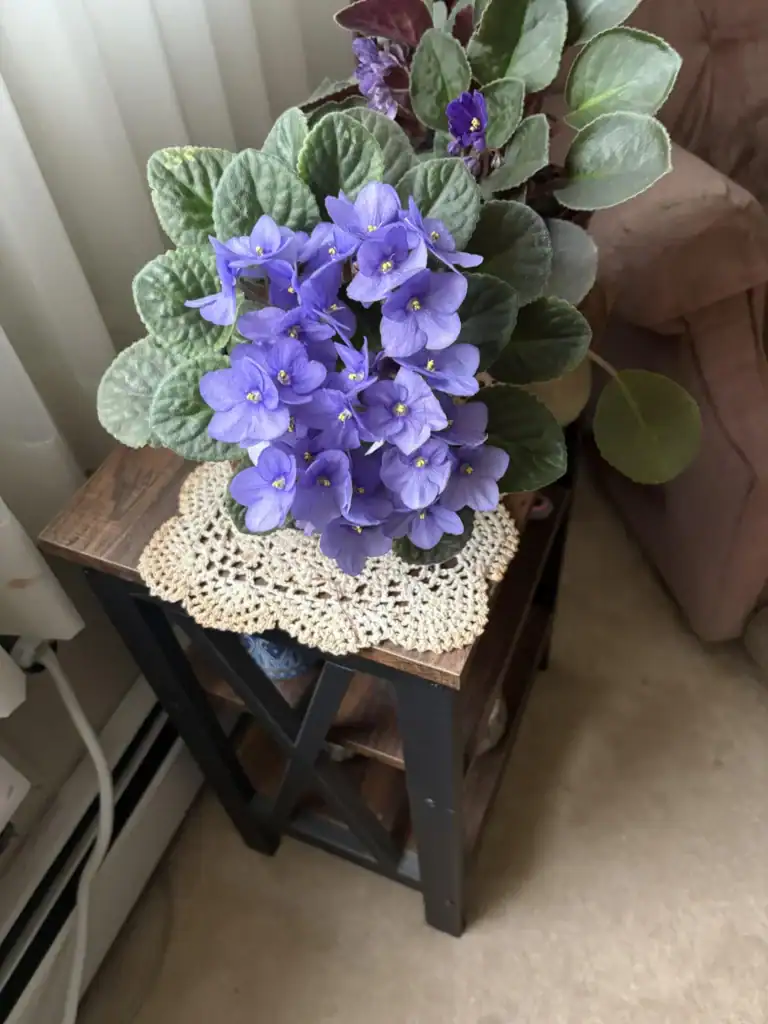
Quick Tip: Mark one side of the pot with a piece of tape or a small dot so you remember which way you’ve turned it.
Watch for leaves crowding one direction or stems bending hard toward the window.
That’s your plant telling you it needs a turn. If you forget a week, don’t panic—just get back on schedule.
In rooms with very even light from multiple windows, you might get away with rotating every two weeks instead.
But most of us have one main light source, so weekly turns make a real difference in how your African violet fills out.
9) Remove spent blooms and dead leaves promptly
I always pluck off faded flowers as soon as they start to look sad and droopy. This keeps the plant from wasting energy on dying blooms and encourages it to make new buds instead.
Dead or yellowing leaves should come off too. They can attract pests or trap moisture that leads to rot. I just pinch them at the base with my fingers or use clean scissors.
Quick Tip: Check your African violet every few days and do a quick cleanup—it only takes a minute and makes a big difference in how many flowers you get.
In humid climates, dead plant material breaks down faster and can cause fungal problems. Staying on top of this simple task keeps your violet looking fresh and blooming like crazy.
10) Repot every 12–18 months into slightly larger pot with fresh mix
I repot my African violets once a year or so because the soil gets tired and compacted. Old potting mix stops draining well, which makes roots sad and blooms scarce.
When I move a violet to a new pot, I only go one size up. A pot that’s too big holds extra moisture that can rot the roots. The new pot should be about one-third the width of the plant’s leaf span.
Fresh potting mix gives roots access to nutrients and air pockets they need. I gently shake off the old soil and trim any brown or mushy roots before placing the plant in its new home.
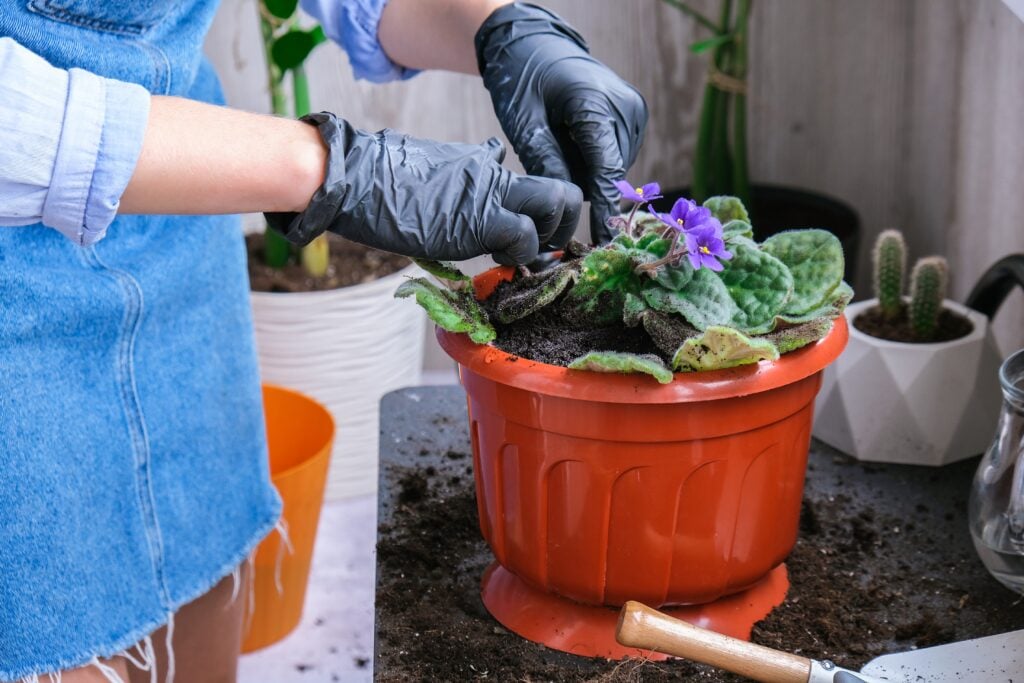
Quick Tip: If your violet looks crowded with baby plantlets around the base, repotting time is perfect for separating them into their own pots.
Spring and fall work best for repotting since the weather is mild. Your plant bounces back faster when it’s not dealing with extreme heat or cold stress.
Understanding African Violet Growth Cycles
African violets grow in predictable patterns throughout the year, and knowing when they’re actively growing versus resting helps you adjust care and get more blooms.
Life Stages and What to Expect (From Baby Leaf to Full Bloom)
African violets start as tiny plantlets with just a few leaves. During the first few months, they focus on growing their root system and producing new leaves. You won’t see flowers yet, and that’s normal.
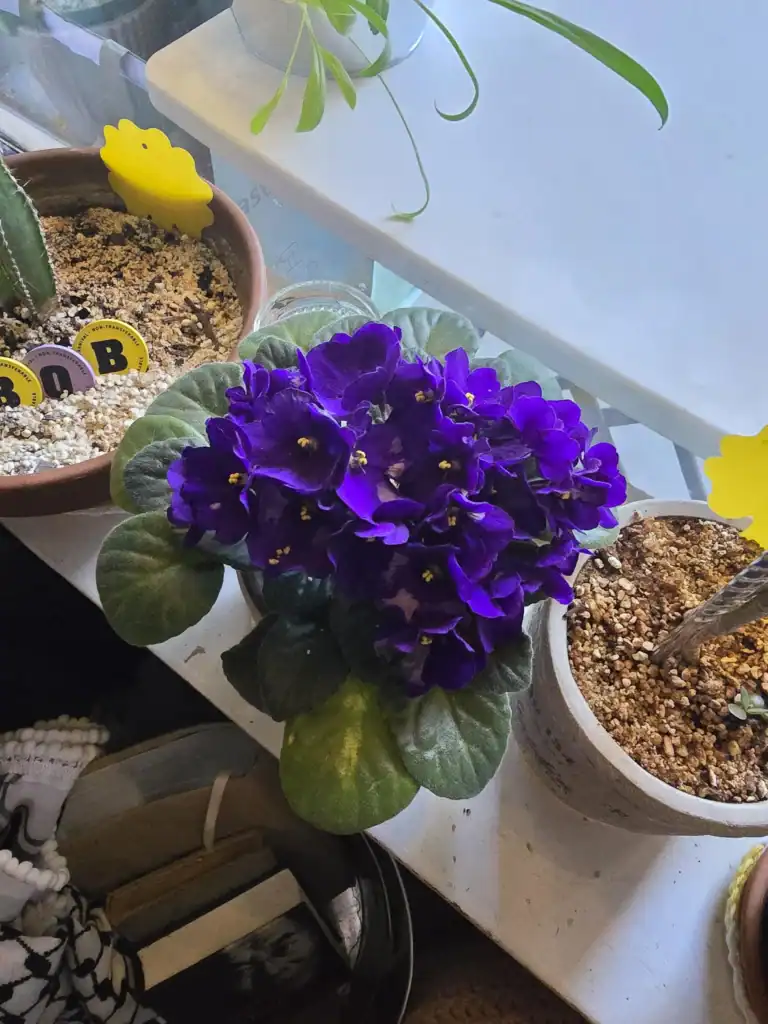
Once a plant reaches about six months old and has at least eight mature leaves, it can start blooming.
This is when proper light and feeding really matter. I’ve found that plants at this stage respond quickly to good care.
Mature African violets alternate between active growth and rest periods.
The active phase is when you’ll see new leaves emerging from the center and flower buds forming. This typically happens in spring and fall when temperatures are moderate.
Quick Tip: Count the leaf rows—once you have three complete rings of leaves around the center, your plant is mature enough to bloom.
The rest phase is less obvious. Growth slows down, and blooming might stop for a few weeks.
This often happens in very hot or cold weather. Your plant isn’t dying—it’s just taking a break.
Factors That Influence Bloom Timing (What Makes Them Flower or Wait)
Light is the biggest factor. African violets need 10-12 hours of bright, indirect light daily to bloom consistently. Too little light means lots of leaves but no flowers.
Temperature swings affect bloom cycles too. These plants bloom best between 65-75°F. When it gets above 80°F or below 60°F, they often stop producing buds and wait for better conditions.
Age matters more than most people think. Young plants under six months won’t bloom no matter what you do. They need time to build strength first.
Fertilizer timing plays a role. I use a bloom-boosting formula every two weeks during active growth, but I cut back during rest periods.
Too much fertilizer during dormancy can actually delay the next bloom cycle.
Quick Tip: If your plant hasn’t bloomed in three months and it’s mature, check your light first—that’s usually the problem.
Optimizing the Indoor Environment
African violets need the right mix of light and warmth to bloom reliably. Getting these two factors right makes all the difference between a plant that just sits there and one that rewards you with flowers.
Light Quality and Placement: Why Your African Violet Isn’t Blooming (and How to Fix It)
I always start with light when troubleshooting bloom problems. African violets need bright, indirect light for about 10-12 hours each day.
Too much direct sun burns their leaves, but too little light means no flowers.
East-facing windows work best in my experience. The gentle morning sun gives them energy without scorching.
North-facing windows can work too, but you might need to move the plant closer to the glass or add a grow light.
If you only have south or west windows, I suggest placing your violet 3-4 feet back from the window. You can also filter the light with a sheer curtain.
Quick Tip: Rotate your plant a quarter turn every week so all sides get equal light and it grows evenly.
Watch the leaves for clues. Dark green leaves stretched upward mean the plant needs more light. Pale, bleached leaves with brown spots mean it’s getting too much sun.
Managing Temperature and Humidity: The Comfort Zone That Triggers More Blooms
African violets like the same temperature range most people keep their homes. I aim for 65-75°F during the day and no lower than 60°F at night.
Avoid placing them near heating vents, air conditioners, or drafty windows. Sudden temperature swings stress the plant and stop bud formation.
Humidity matters too. These plants prefer 40-60% humidity, which can be tricky in dry climates or during winter heating season.
I group my African violets together to create a slightly more humid microclimate around them.
You can also set pots on a tray filled with pebbles and water. Just make sure the pot sits on the pebbles above the water line, not in it.
Quick Tip: If leaf edges turn brown and crispy, your air is too dry—try moving the plant to a naturally humid spot like a kitchen or bathroom with good light.
Frequently Asked Questions
African violets need the right balance of water, light, and soil to keep blooming. Small changes in watering method, pot size, or fertilizer timing can make the difference between a plant that struggles and one that flowers all year.
How often should I water an African violet, and what’s the best way to do it without turning roots into mush?
I water my African violets when the top inch of soil feels dry to the touch. This usually happens every 5 to 7 days, but it depends on your home’s humidity and temperature.
Bottom-watering works best for me. I set the pot in a shallow tray of lukewarm water for about 20 minutes, then let it drain completely. This keeps water off the leaves and crown, where rot loves to start.
Cold water shocks the roots and can cause those telltale yellow ring spots on leaves. I always use room-temperature or slightly warm water, and filtered or rainwater when I can.
Tap water with heavy minerals can build up white crusty deposits on the soil over time.
Quick Tip: If you see water sitting in the saucer an hour after watering, dump it out—soggy roots rot fast.
What kind of light do African violets need indoors to bloom well?
Bright indirect light near an east-facing window gives me the best results. African violets want about 10 to 12 hours of light each day to produce flowers reliably.
Direct sun through south or west windows scorches the leaves, leaving brown patches. If those are my only options, I move the plant back a few feet or use a sheer curtain to soften the light.
North-facing windows work in summer, but they’re usually too dim in winter.
That’s when I add a small grow light on a timer to keep blooms coming. Without enough light, the plant grows leaves just fine but skips the flowers.
Quick Tip: If leaves point upward, the plant wants more light; if they droop flat or curl down, it’s getting too much.
Why did my African violet stop blooming, and how can I coax it back into flower mode?
Most of the time, my violet stops blooming because of low light or inconsistent fertilizer. I check the light first—move it closer to a bright window or add a small LED grow light.
Fertilizer matters more than people think. I use a balanced 14-12-14 African violet fertilizer like Schultz Violet Food once a month during active growth.
Skipping fertilizer for a few months leaves the plant short on nutrients for buds.
Temperature swings also stall blooms. African violets like steady warmth between 65 and 75 degrees. A cold draft from a window or AC vent can make the plant hunker down instead of flowering.
Old age plays a role too. If the plant has a long woody neck and fewer leaves, it’s spent. I take a leaf cutting to start fresh.
Quick Tip: Pinch off spent blooms right away so the plant puts energy into new buds instead of seed production.
What’s the best pot size and soil mix for healthy African violets and consistent blooms?
I keep my African violets in pots that look almost too small—about one-third the diameter of the leaf spread.
A 4-inch pot works for most mature plants. Oversized pots hold too much water and the roots just sit there getting soggy.
African violet potting mix drains fast and stays light. I use bagged mixes like African Violet Mix by Espoma, which usually contain peat, perlite, and vermiculite.
Regular potting soil holds too much moisture and doesn’t let air reach the roots.
Soil pH between 6.0 and 6.5 keeps nutrients available. If leaves turn pale yellow between the veins, the pH might be off or the soil is old and broken down. I refresh the soil every 8 to 12 months.
Plastic pots hold moisture longer than clay, which helps in dry homes. I always use pots with drainage holes—no exceptions.
Quick Tip: When roots start circling out the drainage hole, move up just one pot size to avoid shocking the plant.
How should I care for African violets in winter when my home turns into a dry, chilly cave?
Winter air drops humidity and temperatures, so I move my violets away from cold windowpanes and heating vents. Even a few degrees below 60 can slow growth and stop blooms.
I group plants together on a tray of pebbles filled with water just below the pot bottoms.
As the water evaporates, it raises humidity around the leaves. A small humidifier nearby works even better if you have several plants.
Watering slows down in winter because cooler temps mean slower evaporation. I check soil moisture more often but water less frequently—maybe every 8 to 10 days instead of weekly.
Light gets weaker in winter, so I either move plants closer to windows or run a grow light for 12 hours a day. Without enough light, the plant won’t bloom no matter what else I do right.
Quick Tip: If leaf edges turn crispy brown, humidity is too low—mist the air around the plant (not the leaves) or add a pebble tray.
What are the most common African violet problems (like yellow leaves or crown rot), and how can I fix them?
Yellow lower leaves usually mean overwatering or old age. If the soil smells sour or stays wet for days, I repot into fresh mix and cut back on watering. Older leaves naturally yellow and drop—just pinch them off.
Crown rot shows up as a mushy, dark center where new leaves grow. It happens when water sits in the crown or soil stays too wet.
Once crown rot starts, the plant is almost impossible to save. I take healthy leaf cuttings before it spreads.
Powdery mildew looks like white dust on leaves and comes from poor air circulation and high humidity.
I wipe it off with a damp cloth and move the plant to a spot with better airflow. A small fan nearby helps if the room feels stuffy.
Brown leaf tips usually mean fertilizer burn or chlorine buildup from tap water. I flush the soil with filtered water and switch to half-strength fertilizer for a month.
Quick Tip: If you spot tiny white bugs (mealybugs) in leaf crevices, dab them with a cotton swab dipped in rubbing alcohol—they’ll disappear fast.
Note: Some images in the articles are sourced from Reddit and Other Platforms For Reference Purpose.