9 Tips to Keep Houseplants Thriving During a Heatwave
Summer heatwaves seriously test my ability to keep houseplants alive. Extra sunlight and high temps stress them out fast.
I want my plants to stay happy and strong, even when it’s roasting outside. So, here’s what I do—simple tricks that actually help houseplants survive the heat.
Please note: Simplify Plants is reader-supported. As an Amazon Associate, I earn from qualifying purchases made by our readers with no extra cost added to you all! Some links in the post are affiliate links and I get a commission from purchases made through links in the post.
1) Move plants to shaded areas during peak sunlight hours
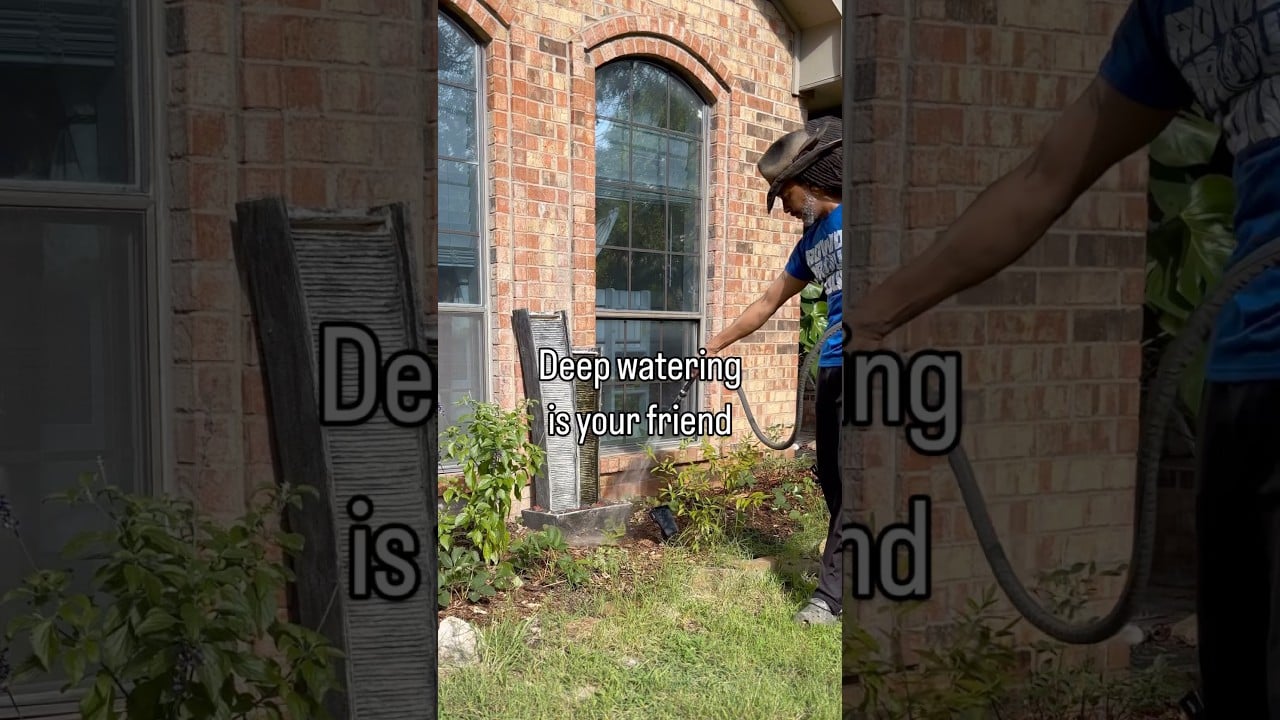
When the sun’s blazing, I move my houseplants out of direct light. Bright afternoon rays can burn the leaves way too easily.
I like to park them near windows with sheer curtains or set them back from the sunniest spots. Shade really helps.
During those brutal noon-to-3 p.m. hours, I try to keep them out of sunbeams. If I’ve got a bunch, I’ll group them in a cooler, shadier room for backup.
Sometimes I get creative and use a light cloth or paper screen to block harsh rays. It’s surprisingly effective at preventing wilting and scorched leaves.
But I’m careful not to overdo it—most houseplants want bright, indirect light, not total darkness. If I use a curtain or shade, I make sure some natural light still gets through.
2) Water houseplants early in the morning

I’ve learned to water my houseplants first thing in the morning when it’s hot. They get a good drink before the sun starts zapping moisture away.
Morning watering lets the leaves dry off by midday. That means less risk of fungus or pests sneaking in.
If I water at noon, I swear half the water just evaporates. So I avoid midday watering, especially when it’s scorching.
Evenings aren’t great either. Wet soil and cool nights can lead to root rot, so mornings are my go-to.
Starting the day with water really helps my plants handle the heat. They look perkier and are less likely to flop over by afternoon.
3) Use mulch to retain soil moisture
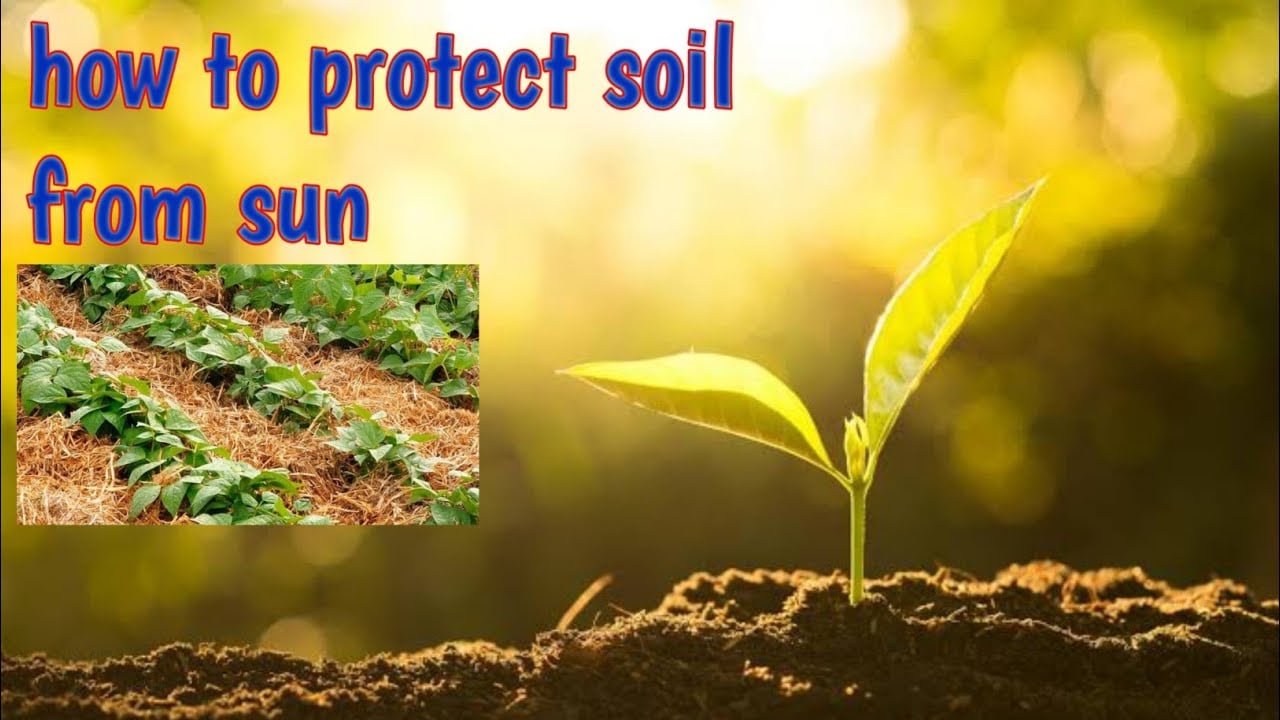
I’m a big fan of mulch for my houseplants, especially when it’s hot. Mulch keeps the soil cool and traps moisture for longer stretches.
I use shredded bark, coco coir, or even just dried leaves. About an inch on top of the soil works great, but I keep it away from the plant’s stem to avoid rot.
Mulch really makes a difference. Without it, the soil dries out in no time. With it, things stay damp a lot longer.
After spreading mulch, my plants don’t wilt as fast. Even indoor plants appreciate mulch when the air’s dry or the sun’s relentless.
Plus, it keeps weeds down and makes my plants look tidier. Super easy, and totally worth it for summer heat.
4) Mist leaves regularly to increase humidity

Hot weather makes houseplants lose water faster. I’ve found that misting the leaves helps a ton—adds some humidity and keeps leaves from crisping up.
I use a spray bottle with clean water and mist the tops and undersides of the leaves. Once or twice a day when it’s hot is usually enough for me.
Morning or late afternoon is best, so the sun doesn’t fry wet leaves. I learned that the hard way.
Not all plants love misting. Fuzzy-leafed ones like African violets? Nope, they get spots or mold. I stick to ferns, spider plants, and pothos—they’re into it.
Misting’s nice, but it’s not a substitute for actual watering. I always check the soil too.
Sometimes I cluster my plants together after misting—they make their own little humid zone. If I see yellow leaves or brown spots, I back off. Every plant’s got its own personality, honestly.
5) Check for signs of heat stress like wilting
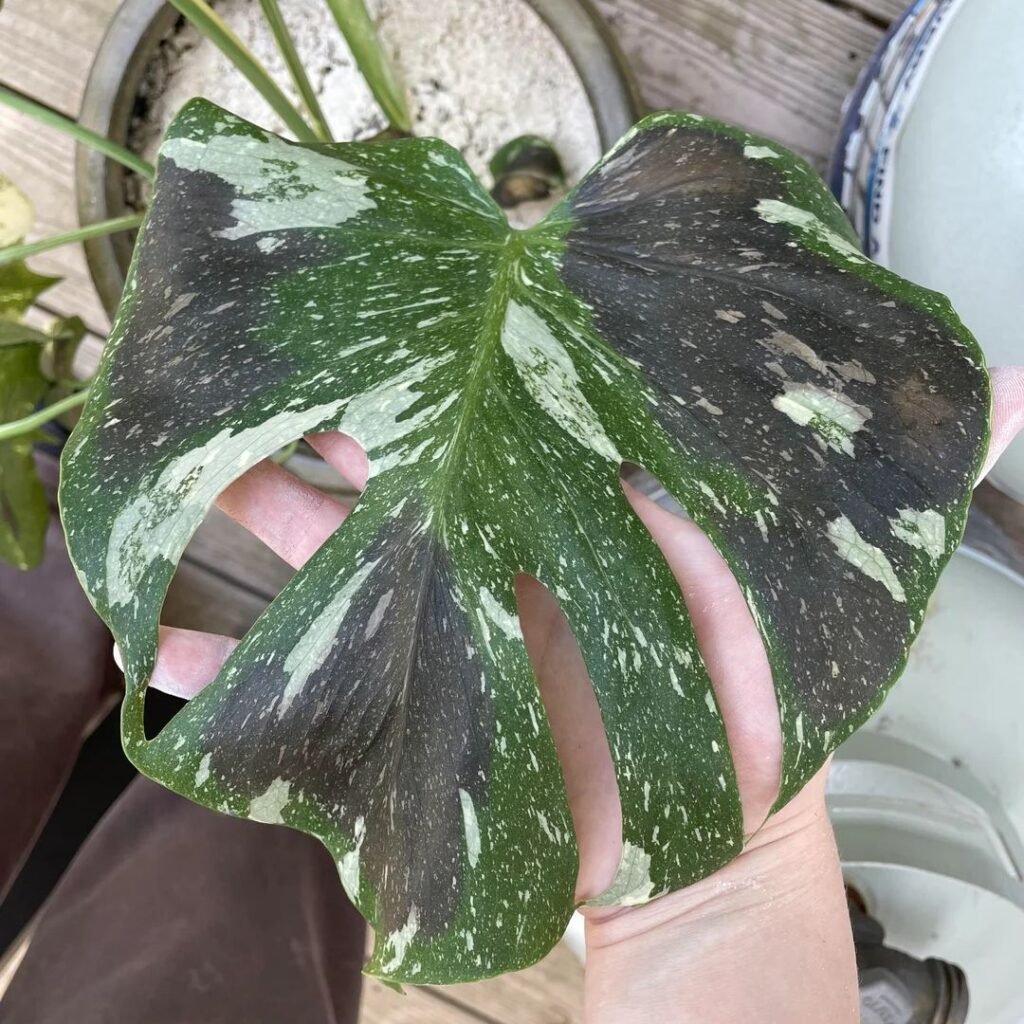
When my plants get too hot, they let me know. First sign? Wilting. Leaves go limp or droop, and sometimes the whole plant looks miserable.
I watch for yellow or brown edges on leaves. Crispy spots mean the plant’s had too much sun or heat.
If leaves start dropping suddenly, that’s another red flag. And if the soil dries out faster than usual, things can get worse quickly.
I touch the soil to check—if it’s dry, I water right away. Faded or pale leaves are another warning. Healthy plants should keep their regular green color.
If I spot any of these signs, I move the plant out of the sun and check its water. Acting fast usually saves them.
6) Use self-watering pots to keep soil consistently moist

In a heatwave, plants dry out way faster. I rely on self-watering pots to keep soil moist so my plants don’t get thirsty too quickly.
Self-watering pots have a water reservoir at the bottom. The roots and soil just take what they need, when they need it.
This keeps the moisture level steady, which is a lifesaver when it’s hot. Sometimes I can’t water daily, so these pots are a huge help.
Most have a clear gauge or window so I know when to refill. No more guessing if the soil’s dry or soggy.
They help prevent both overwatering and underwatering, which I appreciate. My leafy houseplants do especially well in them during heatwaves.
I do make sure to pick the right pot size—too big or too small messes with how well the system works.
7) Avoid fertilizing during heatwaves
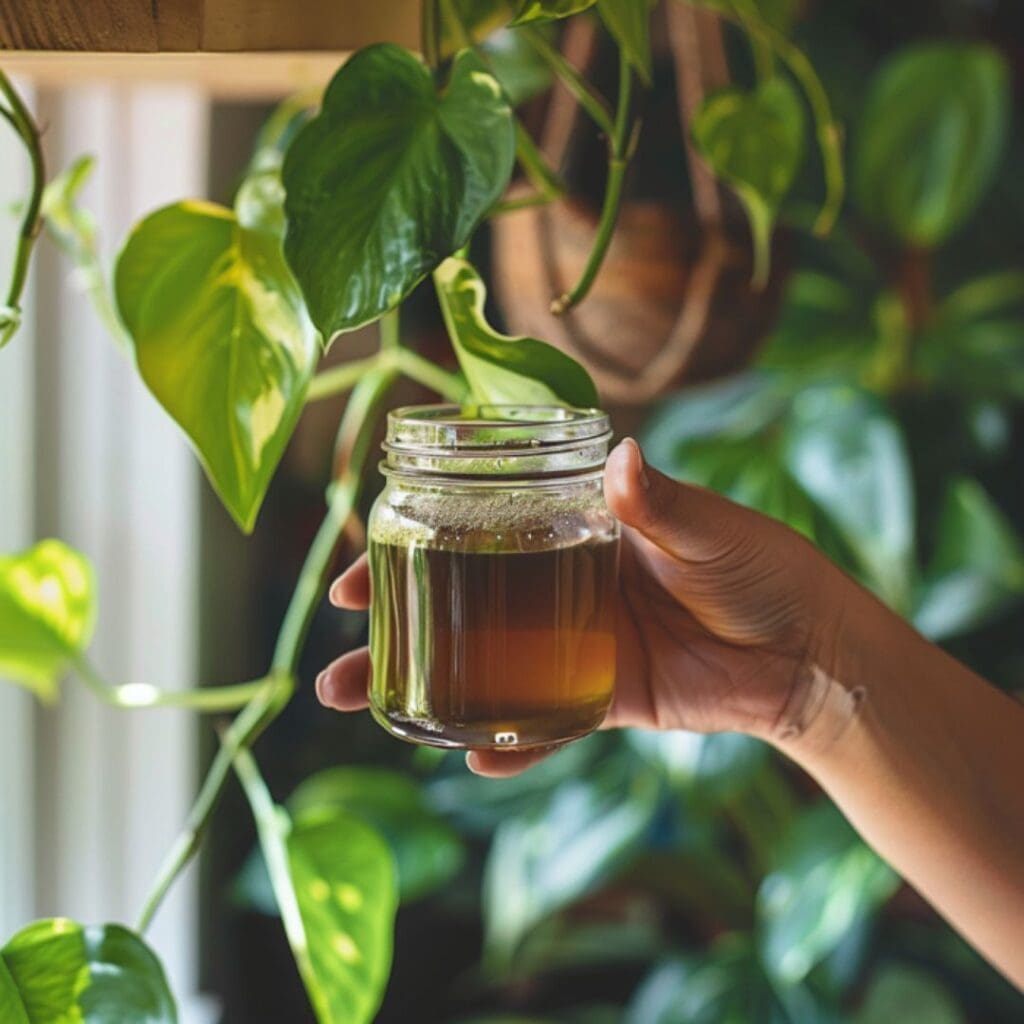
I always skip fertilizer when it’s super hot. Fertilizer just stresses plants more during a heatwave.
When it’s blazing, plants focus on surviving, not growing. Fertilizing now can burn roots and damage leaves.
I check for stress signs like wilting or leaf drop. If I see those, I stick to water and shade, not extra nutrients.
If I’ve fertilized recently, I don’t add more. Too much can cause salt buildup and make things worse.
I’ve found that less is more for plant care in hot weather. Keeping things simple helps my houseplants ride out the summer.
8) Group plants together to create a microclimate
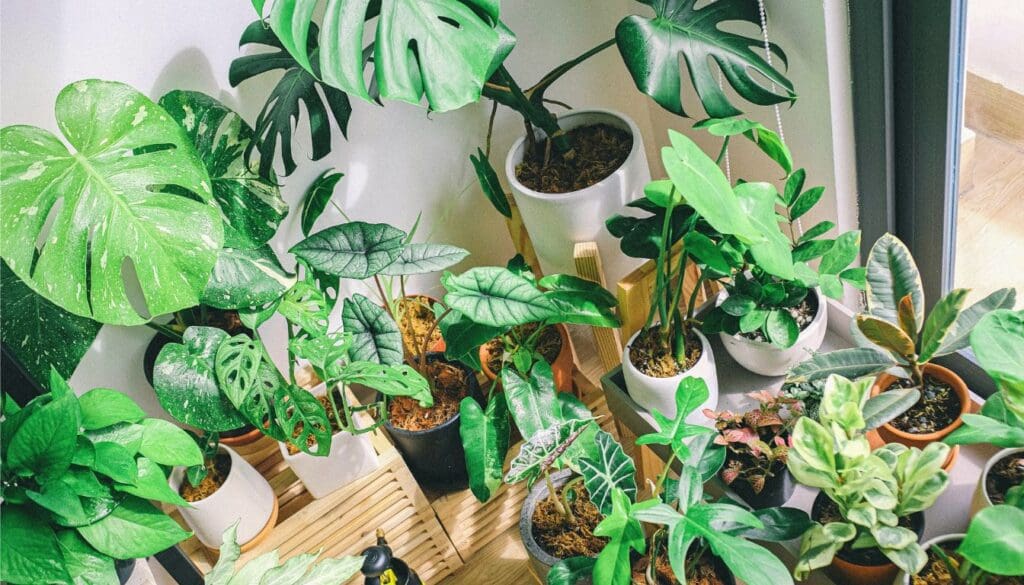
When it’s really hot, I like to group my plants together. That way, they make their own little microclimate.
Grouping keeps the air more humid around their leaves. Each plant gives off a bit of moisture, and together, they all benefit.
I usually put similar plants together—tropicals with tropicals, for example. They all like the extra humidity.
I keep them out of direct sun and aim for bright, indirect light so the group doesn’t overheat.
If the air feels super dry, I’ll set a shallow tray of water nearby. It bumps up the humidity with almost no effort.
I think grouped plants really help each other out during heatwaves. They’re stronger together, honestly.
9) Place humidity trays with water and pebbles
I like to use humidity trays to help my houseplants during hot weather. It’s simple and doesn’t take much time.
I just grab a shallow tray, fill it with pebbles, and add water until it reaches just below the top of the stones.
This method works because the water evaporates slowly from the tray. The extra moisture in the air helps to stop leaves from drying out.
I can see a difference in how happy my plants look, especially during a heatwave.
It’s important that the plant pots sit on the pebbles, not directly in the water. This keeps my plant roots safe from rot.
If the water touches the bottom of the pot, I pour a little out until only the pebbles are wet.
I check the tray every few days and refill it when the water gets low.
Sometimes, when it’s extra hot, I add more water more often.
Humidity trays are a great way for me to help my plants without extra gadgets or machines.
I don’t need to mist the plants every day, which saves me time.
If I have several plants together, I share one larger tray among them.
This helps keep an area of my plant corner more humid, which my plants seem to enjoy.
For anyone worried about mess, I keep the trays on waterproof mats or plates.
It’s an easy step that really helps my green friends in the summer heat.
Understanding How Heatwaves Impact Houseplants
A heatwave can quickly stress indoor plants. I notice their needs change fast, and missing small warning signs can lead to wilting or damage.
Common Signs of Heat Stress in Indoor Plants
When my houseplants face too much heat, they show clear warning signs. Wilting is usually the first thing I see, even if the soil is still damp.
Leaves may turn yellow or brown at the edges. Sometimes, the whole leaf curls up or drops off.
I check for dry, crispy tips and leaf spots. If I find them, it means my plant is hot and dehydrated.
Fast-growing plants may slow down or stop new growth. Flowers can wilt quickly and petals might fall off faster than usual.
I use touch to help me know if the leaves feel hotter than usual. Soft or limp stems are a sign too.
If I spot these problems early, I can often save my plant from lasting harm.
Factors That Make Plants Vulnerable to High Temperatures
Several things make my indoor plants more likely to suffer during a heatwave. Direct sunlight through windows can quickly raise the temperature around a plant, even if it’s inside.
Small pots dry out much faster than large ones.
Plants in poorly ventilated rooms get hotter because air stays still. Plastic pots can get warmer than clay pots, which offer better insulation for roots.
Some plants, like ferns or tropical varieties, need more water and extra care when it gets hot.
A table helps me remember what to watch for:
| Factor | Effect |
|---|---|
| Small container | Dries out faster, roots overheat |
| Direct sunlight | Leaves burn, soil heats up |
| Poor airflow | Heat stays trapped, plants can’t cool |
| Sensitive species | More likely to wilt or drop leaves |
I always check these risks when a heatwave is on the way.
Knowing what makes my plants vulnerable helps me protect them better.
Long-Term Strategies for Heat-Proofing Your Indoor Garden

I focus on both the types of plants I grow and how my living space can support them.
Making good choices now helps keep my plants healthy during future heatwaves.
Choosing Heat-Resilient Houseplant Varieties
I always pick plants that can handle high temperatures. Some of my favorites are snake plants, zebra plants, and jade plants.
These species don’t wilt easily when heatwaves hit. They also need less water, which means I worry less about drought stress.
Here’s a quick reference:
| Plant Name | Heat Tolerance | Water Needs |
|---|---|---|
| Snake Plant | High | Low |
| ZZ Plant | High | Low |
| Jade Plant | High | Low |
| Pothos | Moderate | Moderate |
I avoid delicate varieties like ferns or some tropicals during hot seasons.
Hardy options look good and need less care when it’s hot.
Optimizing Room Layout and Insulation for Plant Health
I organize my room so my plants get the right balance of sunlight and shade. If afternoon sun gets too strong, I use sheer curtains or move my plants a few feet from the window.
Plants near vents or radiators can dry out, so I keep them away from those spots.
Insulation also matters. I seal any gaps in windows to keep outside heat from coming in.
Sometimes I group plants together to help them stay cooler and hold more humidity.
A small fan on low can keep air moving, but I make sure it doesn’t blow directly on the plants.
Simple layout changes and basic insulation help my plants face the next heatwave with less stress.
Frequently Asked Questions
I always try to keep my plants comfortable in hot weather, so I pay close attention to watering times, sunlight exposure, and any signs of stress.
I make simple changes to help my plants stay healthy when temperatures rise.
How often should I water my plants in extreme heat?
I water my houseplants early in the morning during a heatwave, usually every day or every other day, depending on how dry the soil feels.
I make sure the top inch of soil is slightly moist, not soggy.
What are the best ways to shade my indoor plants from intense sunlight?
I move my plants away from direct sun, placing them near north- or east-facing windows.
Sometimes, I use sheer curtains or blinds to soften the sunlight.
Placing a piece of cardboard or a lightweight shade can also help protect delicate leaves.
Can misting help keep my plants cool during a heatwave?
Misting helps raise the humidity around my plants, which keeps their leaves from drying out too quickly.
I mist lightly in the morning and afternoon, but I avoid overdoing it.
I’m careful not to soak the leaves, especially at night, to prevent mold.
Should I change the location of my houseplants during hot weather?
Yes, I move my plants to shaded areas or further inside the room, away from windows with strong sun during the hottest part of the day.
If possible, I place them in spots with gentle light, where temperatures stay moderate.
How can I tell if my plant is suffering from heat stress?
I look for signs like wilting leaves, brown edges, droopy stems, or yellowing.
If the soil is dry and the plant looks weak, it may be overheated or dehydrated.
Checking daily helps me spot problems early before they get worse.
Are there any particular houseplant species that are more resistant to high temperatures?
I’ve found that succulents, snake plants, and ZZ plants tend to handle heat better than most.
They don’t really mind dry air, and you can forget to water them for a bit without much drama.
If you’ve got a hot, sunny room, these tough, low-maintenance plants might just be your best bet.
Note: Some images in the articles are sourced from Reddit and Other Platforms For Reference Purpose.