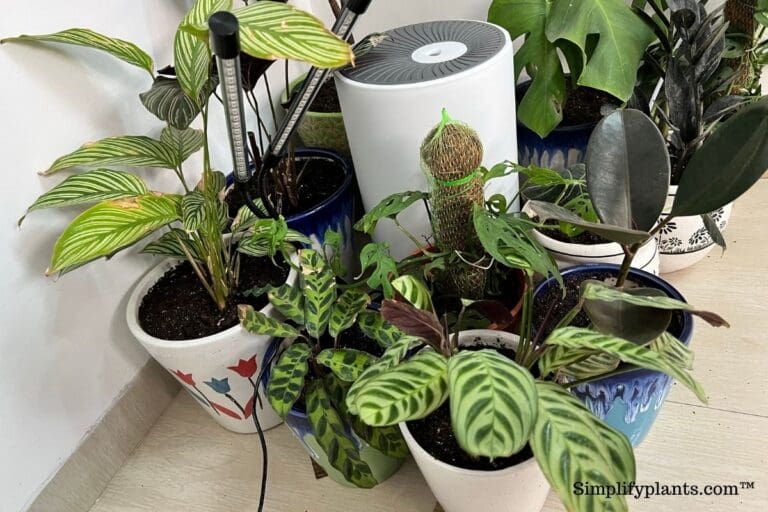
Prayer Plant Leaves Folding Too Much: Common Causes and Simple Solutions
Prayer plants are known for their unique habit of folding their leaves at night. But when those leaves start folding up too much during the day or staying closed when they should be open, something’s off.
Excessive leaf folding usually means your prayer plant is stressed by watering issues, light problems, humidity levels, or root health.
The good news is that most of these problems are fixable once you know what’s causing them.
I’ll walk you through the most common reasons your prayer plant might be folding its leaves more than normal.
You’ll learn how to spot the difference between natural movement and stress signals, plus what you can do to help your plant get back to its usual rhythm.
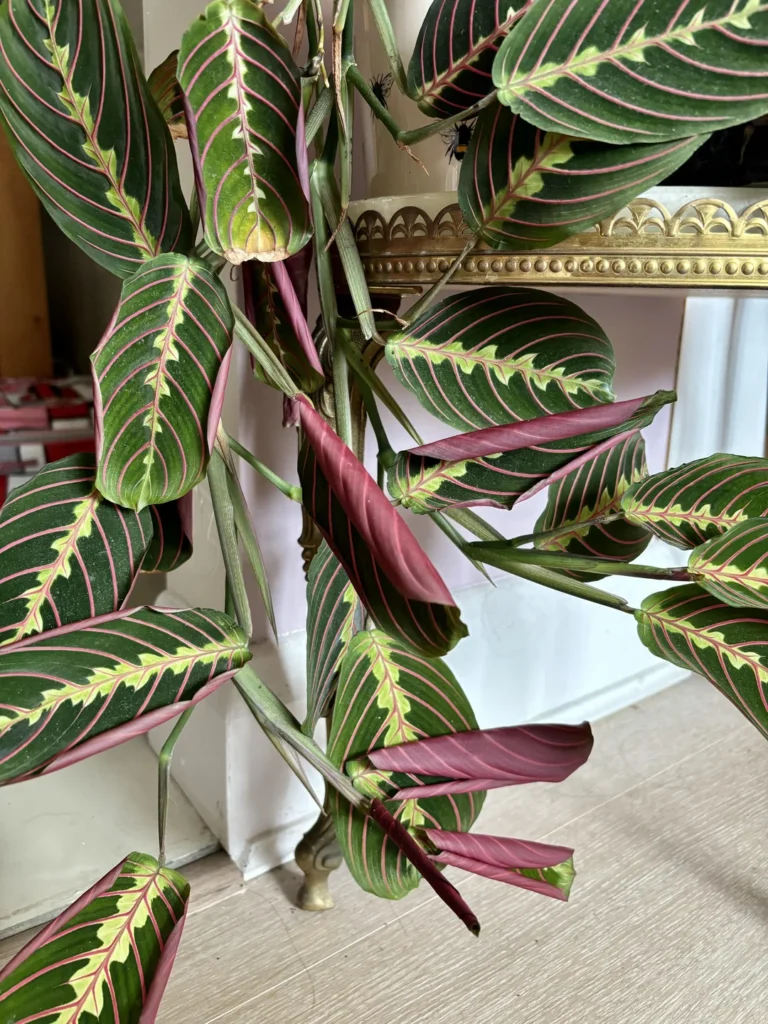
Please note: Simplify Plants is reader-supported. As an Amazon Associate, I earn from qualifying purchases made by our readers with no extra cost added to you all! Some links in the post are affiliate links and I get a commission from purchases made through links in the post.
1) Overwatering — soggy soil symptoms
When I stick my finger into the soil and it feels like a wet sponge that won’t dry out, that’s my first clue something’s off.
Prayer plants like moisture, but they don’t want to sit in waterlogged dirt day after day.
I’ve noticed the leaves start folding way too tight when the roots are drowning. The soil smells a bit funky sometimes, almost like a basement that needs air. You might see the stems turning mushy near the base, which is never a good sign.
Quick Tip: Press your finger about two inches down into the soil—if it’s still damp after a week, you’re watering too often.
Yellow leaves that feel soft and droopy often show up with overwatering. The pot might feel heavy even days after watering. If water pools on top of the soil instead of soaking in, the roots can’t breathe properly.
2) Underwatering — dry, crispy edges
When I don’t water my prayer plant enough, the leaf edges turn brown and feel papery to the touch. The leaves might still fold at night, but they fold up way tighter than usual because they’re stressed.
I check the soil by sticking my finger about an inch down. If it feels bone dry, my plant needs a drink. Prayer plants like their soil to stay slightly moist, not soaking wet or completely dried out.
Quick Tip: Water thoroughly until it drains from the bottom, then let the top inch dry before watering again.
Underwatered leaves won’t bounce back to green once they’ve crisped up. I trim off the damaged edges with clean scissors so the plant can focus energy on new growth. In hot summer months or if I’m running the AC a lot, I need to water more often since the air dries things out faster.
3) Low humidity — edges curling inward
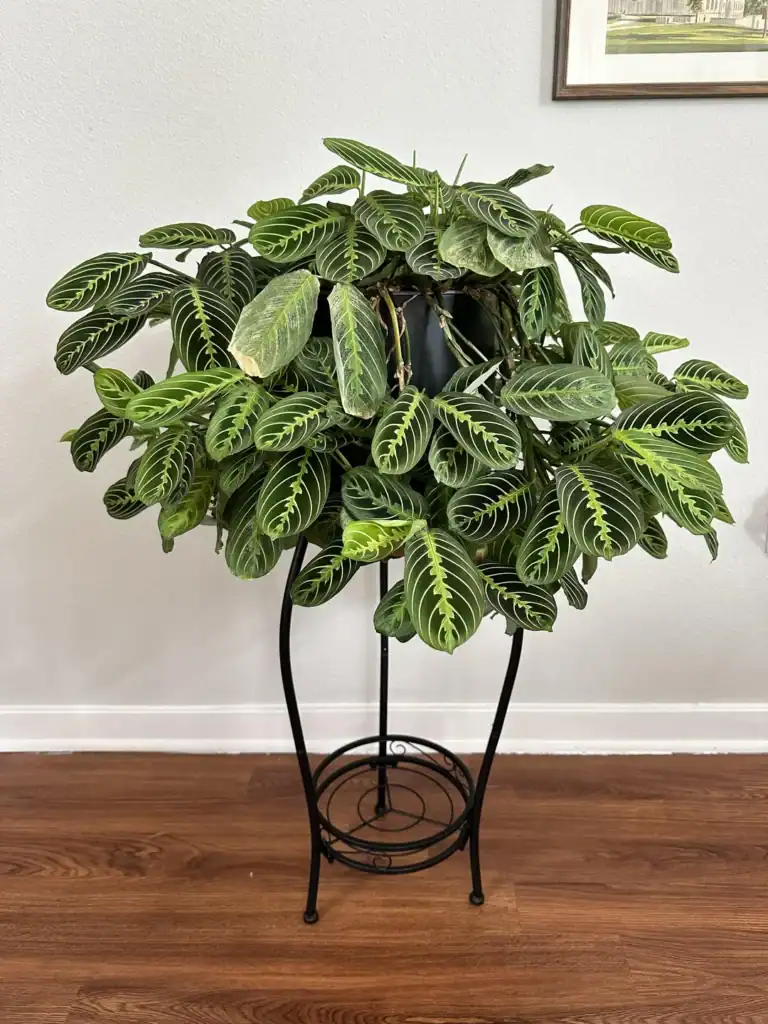
I’ve noticed my prayer plant leaves curl at the edges when the air gets too dry. The plant tries to protect itself by rolling its leaf edges inward to reduce water loss.
Most prayer plants come from tropical areas where humidity stays around 50-60%. When indoor air drops below 40%, the leaves start to struggle. You’ll see the edges curl first, then the whole leaf might start to look tight and crispy.
Quick Tip: Set up a small humidifier near your plant or group it with other plants to create a mini humid zone.
I like to mist my prayer plant a few times a week during winter when the heater runs. You can also put the pot on a tray filled with pebbles and water. Just make sure the pot sits on the pebbles, not in the water itself.
Check your plant in the morning. If the leaves feel papery or the curled edges look brown, your humidity is probably too low.
4) Direct sunlight scorch — bleached folds
Prayer plants aren’t built for harsh sun. When mine sits in direct light for too long, the leaves fold up tight and the color starts to fade. You’ll notice pale, washed-out spots where the sun hit hardest, almost like the leaf got bleached.
The folding happens because the plant is trying to protect itself. But if the damage is already done, those bleached areas won’t bounce back. I’ve learned this the hard way after leaving mine on a south-facing windowsill during summer.
Move your plant away from windows with strong afternoon sun. An east-facing spot works well since it gets gentle morning light without the intensity. If you only have bright windows, try placing your prayer plant a few feet back or use a sheer curtain to filter the rays.
Quick Tip: If the leaves feel papery and look faded where they fold, it’s sun damage—relocate immediately.
Check your plant every few days after moving it. Healthy leaves should unfold at night and show rich green color with those beautiful patterns intact.
5) Root bound — roots circling pot
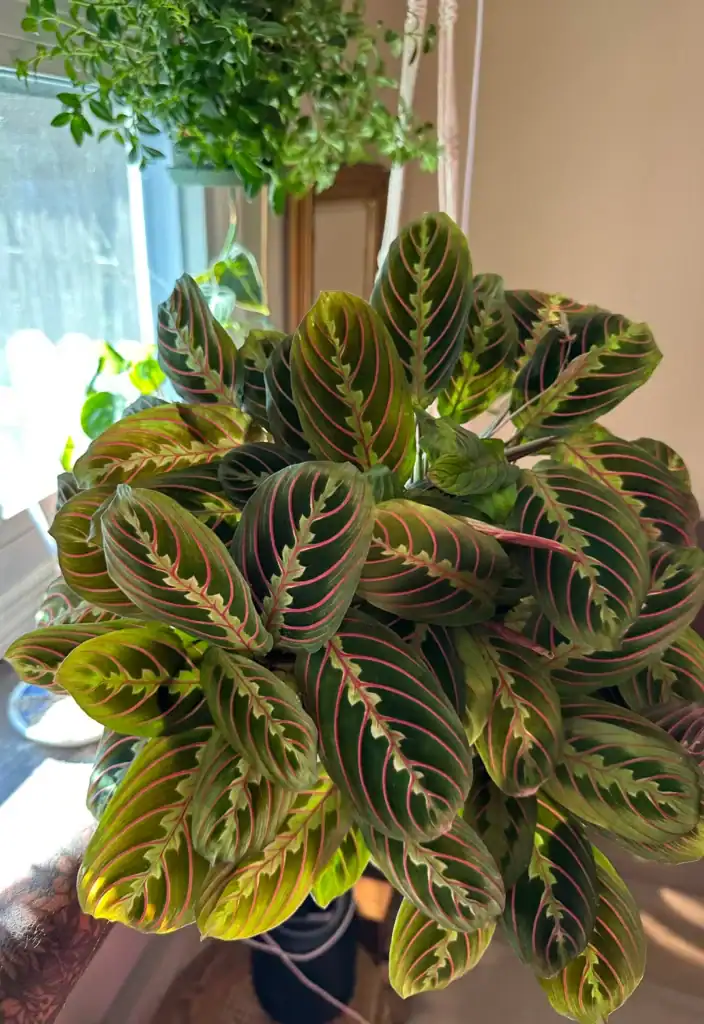
When my prayer plant’s roots run out of space, they start circling around the inside of the pot like they’re trapped in a maze. This creates stress for the plant because the roots can’t spread out to absorb water and nutrients properly.
I’ve noticed that root-bound prayer plants often fold their leaves way more than usual. The cramped roots struggle to support healthy leaf movement, so the leaves stay folded tight or at weird angles throughout the day.
To check if this is your problem, gently lift the plant from its pot. If you see thick roots coiling around the edges or poking through drainage holes, it’s time to repot. The roots might look like a dense mat instead of spreading freely through the soil.
Quick Tip: Move your prayer plant to a pot that’s 1-2 inches wider than the current one, and use fresh potting mix.
Don’t wait too long to repot once you spot circling roots. The longer the plant stays cramped, the harder it becomes for the leaves to function normally.
6) Cold draft exposure — sudden folding
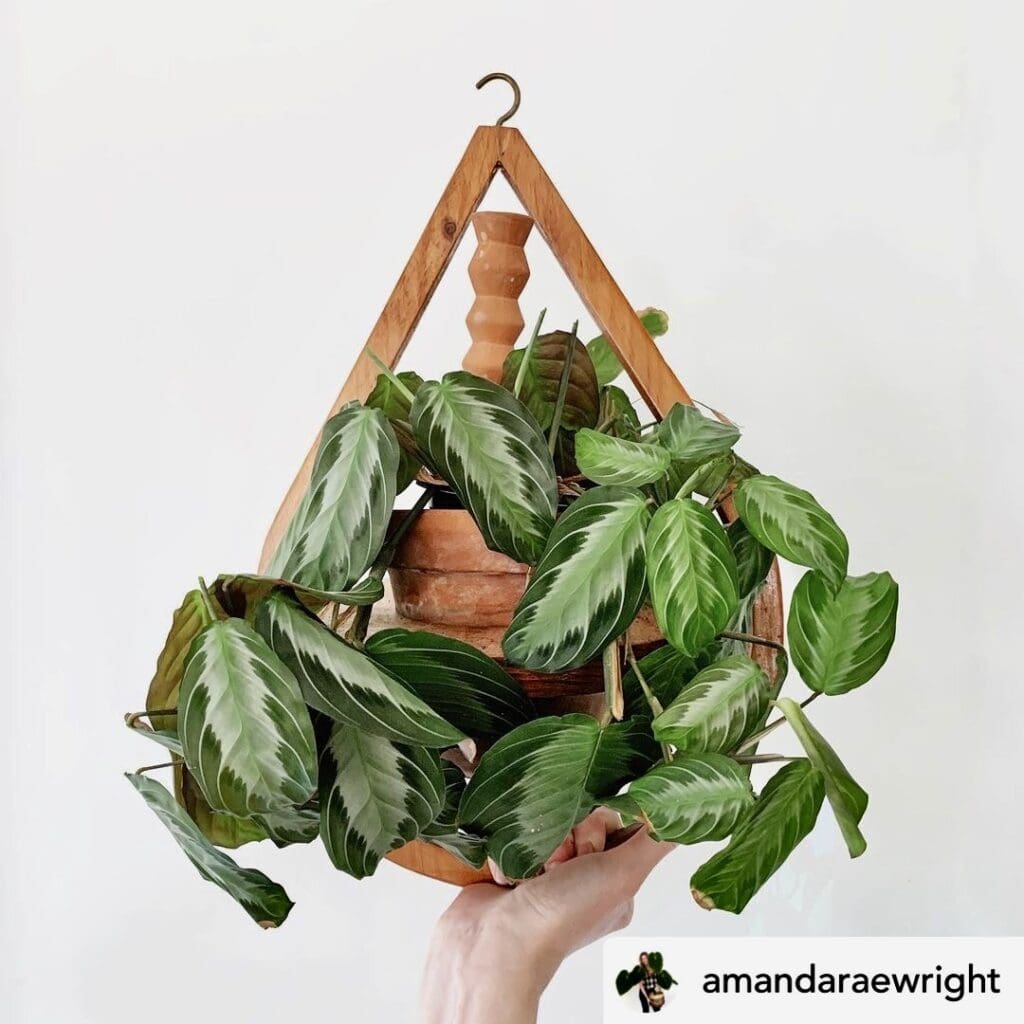
Prayer plants hate cold air blowing on them. I’ve seen leaves fold up tight within hours when a plant sits near an air conditioning vent or a drafty window. The cold shocks the plant and triggers its natural response to protect itself.
If your prayer plant suddenly folds its leaves and won’t unfold them during the day, check for cold drafts nearby. Feel around the area with your hand. You might notice a cool breeze you didn’t realize was there before.
Move your plant away from AC units, cold windows in winter, and doors that open frequently. Prayer plants prefer stable temperatures between 65-75°F. A drop of just 10 degrees can stress them out.
Quick Tip: Place your hand near the leaves for 30 seconds to feel if cold air is hitting the plant throughout the day.
The good news is that most plants bounce back once you relocate them to a warmer spot. Keep them in a room with consistent temperatures and away from heating or cooling vents.
7) Potting mix compacted — poor aeration
Compacted soil is like trying to breathe through a pillow. When my prayer plant’s potting mix gets packed down too tight, the roots can’t get enough oxygen. They start to stress out, and the leaves respond by folding up way more than they should.
I usually notice this problem when water starts pooling on the surface instead of soaking in. The soil feels hard when I poke it with my finger. Roots need air pockets to stay healthy, and compacted mix squeezes all those tiny breathing spaces out.
If I suspect my soil has turned into a brick, I gently loosen the top layer with a fork or chopstick. Sometimes the whole plant needs repotting with fresh, fluffy mix that drains well. I look for potting soil that contains perlite or bark chips to keep things airy.
Quick Tip: Squeeze a handful of your potting mix—if it clumps into a solid ball that doesn’t crumble, it’s too compacted.
8) Pest infestation — spider mites or thrips
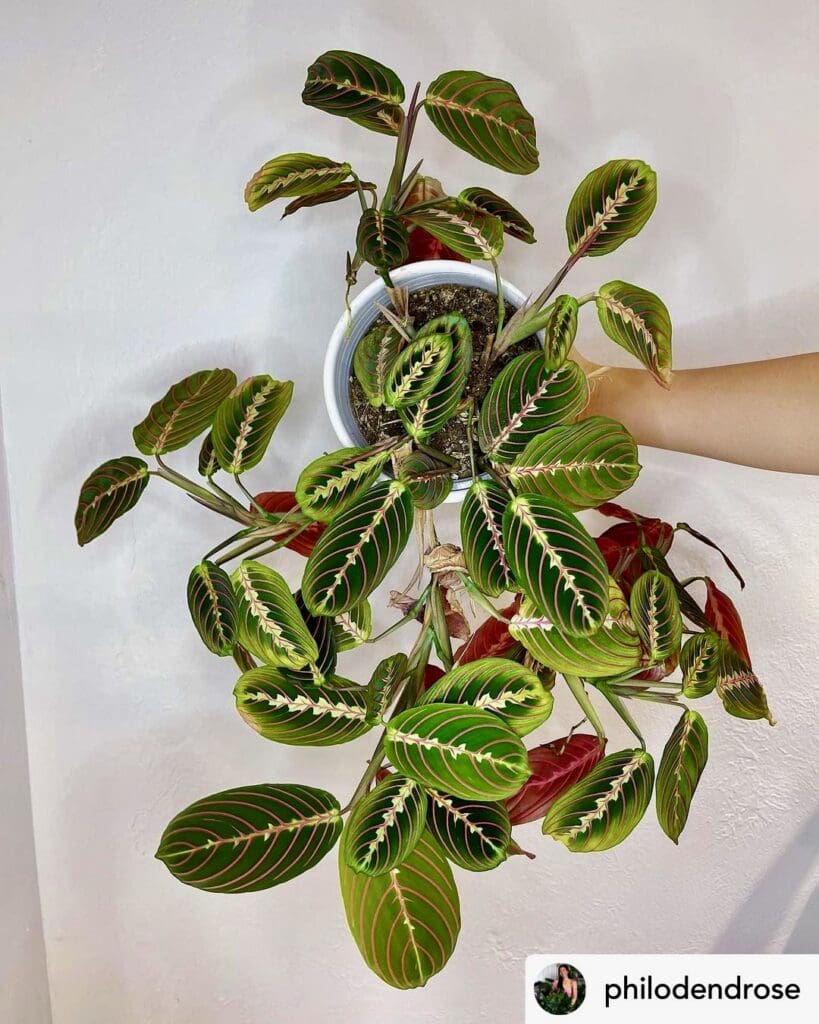
Tiny pests can stress your prayer plant so much that its leaves fold up more than usual. Spider mites and thrips are the usual suspects here.
Spider mites are almost invisible to the naked eye, but you’ll notice fine webbing between leaves or on stems. They suck sap from the plant, which weakens it and causes leaves to curl or fold defensively. Thrips are slightly bigger and leave behind silvery streaks or black spots on the foliage.
Both pests thrive in dry conditions, so if your indoor air is really dry, they’re more likely to show up. Check the undersides of leaves regularly with a flashlight.
Quick Tip: Wipe leaves down with a damp cloth weekly to catch pests early and keep dust off.
If you spot an infestation, isolate your plant right away. Spray it down with insecticidal soap or neem oil, making sure to coat both sides of every leaf. Repeat the treatment every few days until the pests are gone.
9) Fertilizer burn — brown, folded tips
I’ve seen this happen when I get a little too generous with plant food. Too much fertilizer causes salts to build up in the soil, and those salts literally burn the delicate leaf edges and tips of your prayer plant.
The leaves start folding more than usual, and you’ll notice crispy brown spots along the margins. It’s your plant’s way of protecting itself from the damage.
If you’ve been feeding your prayer plant more than once a month during growing season, that might be the problem. These plants don’t need much food at all.
Flush the soil by running room-temperature water through the pot for a few minutes to wash out excess salts. Let it drain completely. Then hold off on fertilizer for at least six weeks.
Quick Tip: Dilute your fertilizer to half the recommended strength, and only feed during spring and summer.
10) Improper watering schedule — inconsistent moisture
Prayer plants get confused when you water them randomly. One week they’re swimming, the next they’re bone dry. That kind of chaos makes their leaves fold up like they’re protecting themselves from the unpredictability.
I’ve learned that these plants want a rhythm they can trust. When the moisture levels swing wildly, the leaves respond by curling more than usual. They’re basically stressed out.
The trick is checking the soil regularly instead of guessing. I stick my finger about an inch down into the pot. If it feels dry at that depth, it’s time to water. If it’s still damp, I wait another day or two.
Quick Tip: Set a weekly reminder on your phone to check the soil, then adjust based on what you find.
Keep in mind that your plant will need more water during hot summer months and less during winter. But the checking routine stays the same. Once you find a pattern that works, your prayer plant will stop folding so dramatically.
How Environmental Factors Influence Leaf Movement
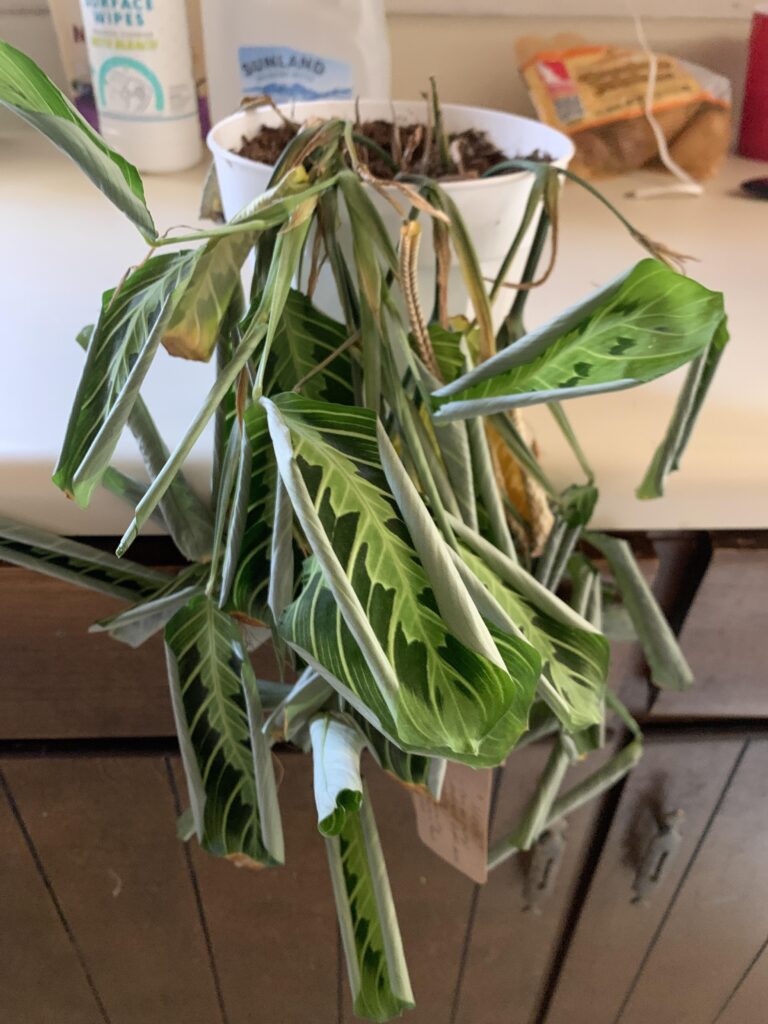
Prayer plants respond to their surroundings in ways that directly affect how much their leaves fold. Light, temperature, and humidity all play specific roles in triggering the dramatic leaf movements these plants are known for.
Light Exposure and Phototropism: Why Your Prayer Plant Tracks the Sun Like a Tiny Solar Panel
Light is the main trigger for prayer plant leaf movement. These plants evolved on forest floors where sunlight comes in scattered patches throughout the day. Their leaves naturally follow light sources during the day and fold upward at night.
I’ve noticed that prayer plants in low-light spots often keep their leaves partially folded even during the day. They’re trying to maximize whatever light they can catch. The plant uses special cells called pulvini at the base of each leaf to control this movement.
If your plant gets too much direct sun, the leaves might fold more than usual as a defense mechanism. This protects the leaf surface from burning. I’ve seen prayer plants near south-facing windows fold their leaves almost closed during peak afternoon hours.
Quick Tip: Place your prayer plant where it gets bright, indirect light for most of the day, and you’ll see normal folding patterns return within a week.
The sweet spot is usually 4-6 feet from an east or west-facing window. In dimmer areas, the leaves may stay folded longer or move less dramatically between day and night.
Impact of Temperature Fluctuations: What Happens When Your Plant Gets Too Hot or Too Cold
Temperature changes affect how quickly and how far prayer plant leaves fold. These plants prefer steady temps between 65-75°F. When temperatures drop below 60°F, the leaf movement slows down noticeably.
Cold drafts from air conditioners or windows can cause leaves to fold up tight, almost like the plant is trying to protect itself. I’ve had prayer plants near AC vents that stayed partially folded all summer until I moved them.
Heat stress does the same thing but in reverse. When temps climb above 80°F, the leaves may curl inward or fold excessively. The plant is conserving moisture and reducing the leaf surface area exposed to hot air.
Quick Tip: Keep your prayer plant away from heating vents, radiators, and cold drafty windows to prevent temperature-triggered folding.
Humidity Levels and Leaf Behavior: The Moisture Connection That Controls Those Daily Folds
Prayer plants need humidity levels between 50-60% for normal leaf movement. Low humidity makes the pulvini cells less responsive, which means leaves might not fold properly at night or might stay folded during the day.
When the air is too dry, I’ve noticed prayer plant leaves fold inward at the edges first. This is different from the normal up-and-down folding motion. The plant is trying to reduce water loss through its leaf surfaces.
In really humid conditions above 70%, the leaves might move more dramatically than usual. Sometimes they’ll fold so tightly at night that new growth gets trapped underneath older leaves.
Quick Tip: If your home’s humidity drops below 40%, use a pebble tray or humidifier within 3 feet of your prayer plant to restore normal leaf movement.
You can test if humidity is the problem by checking your plant in the morning. If the leaves are still tightly folded an hour after sunrise, dry air might be preventing them from opening fully.
Common Misconceptions About Leaf Folding
Many plant owners panic when they see their prayer plant’s leaves folding, but not all folding means something is wrong. The key is knowing when the movement is just part of the plant’s natural rhythm and when it signals a real problem.
Distinguishing Between Natural and Problematic Movements (And Why Your Plant Isn’t Broken)
Prayer plants fold their leaves up at night and open them during the day. This is completely normal behavior. I see people worry about this all the time, thinking their plant is dying when it’s actually just doing what it’s supposed to do.
The folding becomes a problem when leaves stay folded during the day or fold so tightly that they won’t unfold at all. Healthy daily movement looks smooth and predictable. Your plant should open its leaves within an hour or two of sunrise.
Quick Tip: Check your plant at the same time each morning for a week to learn its natural pattern.
Problem folding looks different. The leaves might curl inward instead of folding along the midrib. They might stay partially closed all day. You might notice the leaves feel crispy or the stems look weak.
If your plant folds up before sunset or stays closed past mid-morning, something else is going on. This usually points to stress from light, water, or humidity issues.
Role of Circadian Rhythms in Prayer Plants (The Internal Clock You Can’t Reset)
Prayer plants have an internal clock that controls their leaf movement. This rhythm runs on a roughly 24-hour cycle, even in total darkness. Scientists call this nyctinasty, and it happens because of changes in water pressure at the base of each leaf.
The plant doesn’t need to see sunrise to know when to open. Its cells respond to light exposure over time, which sets the rhythm. If you move your plant to a new spot with different light timing, it will adjust over several days.
You can’t force a prayer plant to stop folding at night. This movement is built into how the plant works. Trying to keep leaves open with clips or ties will only damage them.
Some prayer plants fold more dramatically than others based on their specific variety. Maranta leuconeura varieties tend to have the most noticeable movements. The amount of folding can also change with the seasons as day length shifts.
Frequently Asked Questions
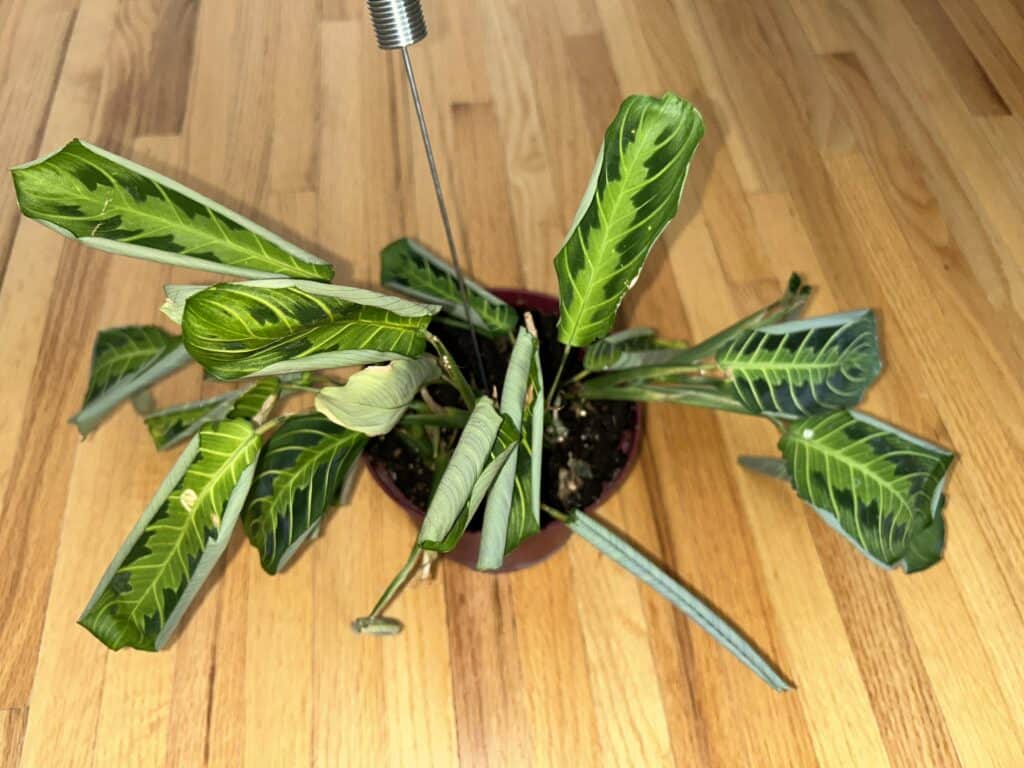
Prayer plant leaves can fold too much for several reasons, from watering problems to humidity issues. Root crowding and sunlight exposure also affect how leaves curl and fold throughout the day.
Why are my prayer plant leaves folding more than usual after watering?
Your prayer plant might be dealing with overwatering if the leaves stay folded and the soil feels soggy. When roots sit in too much water, they can’t breathe properly, and the plant responds by keeping its leaves closed even during the day.
I check the top inch of soil before watering again. If it’s still damp, I wait.
Soggy soil can lead to root rot, which makes the whole plant struggle. The leaves might feel limp or look darker than usual when this happens.
Quick Tip: Let the soil dry out slightly between waterings, and make sure your pot has drainage holes.
What causes prayer plant leaves to curl and turn yellow?
Yellow leaves with curling edges usually mean the plant isn’t getting enough water consistently. When soil dries out completely, the leaves protect themselves by curling inward and eventually turning yellow from stress.
Low humidity can make this worse. Prayer plants come from tropical areas where the air stays moist.
Sometimes yellow leaves happen because of too much direct sunlight. The leaves fade or look bleached where the sun hits them hardest. I move my plant away from bright windows when I see this pattern.
Quick Tip: Keep humidity around 50-60% and water when the top inch of soil feels dry to the touch.
Why are my prayer plant leaves curling and getting brown, crispy edges?
Brown, crispy edges show up when the air is too dry or the plant isn’t getting enough water. The leaf tips curl inward first, then turn brown and feel papery.
Underwatering causes the edges to dry out because the plant pulls moisture from the leaf edges to keep the center alive. This looks different from overwatering, where leaves stay soft and dark.
I place a small humidifier near my prayer plant during winter when indoor heating dries out the air. You can also group plants together to create a more humid microclimate.
Quick Tip: Mist the leaves every few days or set the pot on a tray with pebbles and water to boost humidity.
Why did my prayer plant leaves start curling after repotting?
Repotting causes temporary stress even when you do everything right. The plant needs time to adjust to its new soil and pot, and leaves might curl or droop for a week or two.
Root damage during repotting can make the problem worse. If you accidentally tore some roots, the plant can’t take up water as well until it heals.
Sometimes the new pot is too big, which keeps soil wet for too long. I use a pot that’s only 1-2 inches wider than the old one.
Quick Tip: Water lightly after repotting and keep the plant in indirect light while it recovers.
How can I fix prayer plant leaves that keep curling and won’t open fully?
Check if your plant is root bound by looking at the drainage holes. If roots are circling the pot or poking out the bottom, the plant needs more space to grow properly.
Root bound plants can’t absorb water and nutrients well, even if you water correctly. The leaves stay curled because the roots are too crowded.
I gently remove the plant from its pot and look at the root ball. If roots form a tight mat, I loosen them before repotting into fresh soil.
Low humidity and inconsistent watering also keep leaves from opening fully. I make sure the soil stays lightly moist and raise humidity levels around the plant.
Quick Tip: Repot when roots fill the container, and maintain consistent care with regular watering and humidity above 50%.
Is it normal for prayer plant leaves to fold up at night, and when should I worry?
Prayer plants naturally fold their leaves upward at night and open them again in the morning. This daily movement is completely normal and happens because of light changes.
You should worry if the leaves stay folded during the day or fold more tightly than usual. This signals a problem with water, light, or humidity.
I watch for leaves that won’t open by mid-morning or that stay partially closed all day. If the soil is soggy or bone dry, that’s usually the issue. Direct sunlight can also make leaves fold too much as they try to protect themselves from heat and brightness.
Quick Tip: Healthy folding happens on a regular schedule, while problem folding looks uneven or happens at odd times throughout the day.
Note: Some images in the articles are sourced from Reddit and Other Platforms For Reference Purpose.