Why Is My Snake Plant Not Growing New Leaves?
It is unsettling when a snake plant sits in the same spot for months with no fresh leaf in sight. The good news is that a firm, green plant is almost always a living, stable plant, and the cause is usually something you can spot with a few quick checks.
A snake plant that isn’t growing new leaves is most often resting through fall and winter, sitting in light that’s too dim to fuel growth, or dealing with wet or crowded roots.
Sansevieria grows slowly even in good conditions, so the first step is deciding whether you’re seeing a normal pause or a true stall during spring and summer.
Once you know which one you have, small changes go a long way. I’d rather move a plant a few feet or check its roots than overhaul everything at once, and then give it time to respond.

Please note: Simplify Plants is reader-supported. As an Amazon Associate, I earn from qualifying purchases made by our readers with no extra cost added to you all! Some links in the post are affiliate links and I get a commission from purchases made through links in the post.
When Is a Pause in New Leaves Normal?
A pause is normal when it happens in fall or winter, or when only a few months have passed since the last new leaf.
Snake plants grow in slow bursts, rest during cooler, darker months, and often push new growth from the soil in places owners don’t think to look.
How Slowly Do Snake Plants Grow?
Snake plant growth is slow by design. A typical indoor plant puts out a handful of new leaves per year, and in lower light, one or two in a year is common.
Each new leaf takes several weeks to emerge and reach full height. A plant might make two leaves one year and several the next, depending on light and warmth.
I don’t start worrying until a full growing season passes with nothing new.
Does Growth Stop in Fall and Winter?
Yes. Most snake plants slow down or stop making new leaves from late fall through winter, when days are short and homes run cooler.
Fresh growth usually picks back up in early spring. If your plant went quiet in October or November, waiting until spring is a sound plan, as long as the snake plant leaves stay firm and the soil dries between waterings.
Where Should You Look for New Shoots?

New leaves come up from the soil, so look at the base of the plant. Check for a tight, pointed spike in the center of a leaf cluster, or a small pup poking up near the pot’s edge.
Pups grow from underground stems called rhizomes, and they sometimes appear an inch or two away from the main plant. I’ve mistaken a pup for a weed before.
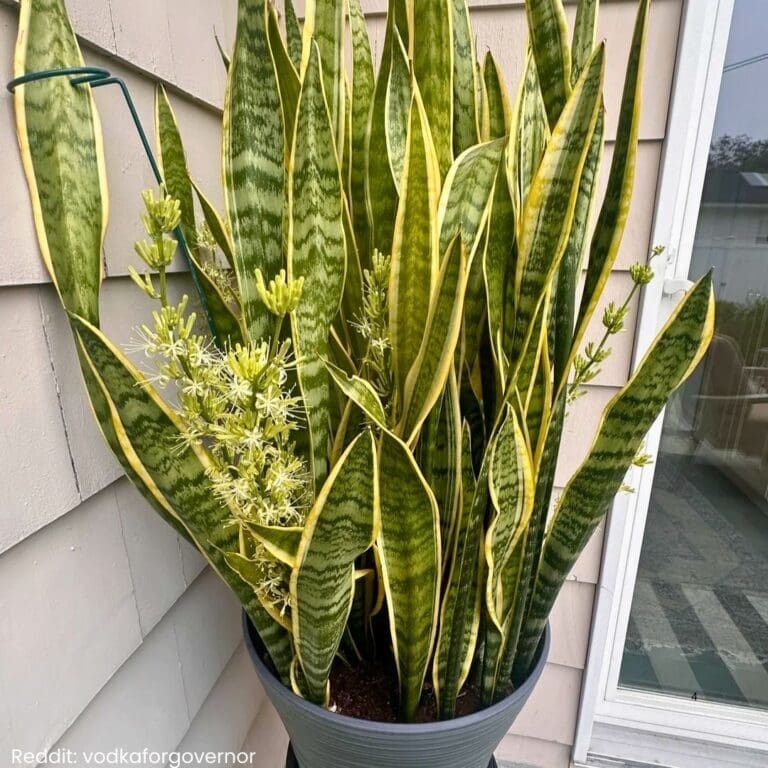
One more clue: if a rosette has flowered, that particular growing point won’t make new leaves again, though the plant can still grow from other points.
| What you see | What it likely means |
|---|---|
| No new leaves, fall or winter | Normal seasonal rest |
| No new leaves, a few months only | Normal slow growth |
| No new leaves, a full spring and summer | Conditions need a closer look |
| A rosette that flowered | That point is done; others can still grow |
Is Your Snake Plant Getting Enough Light to Grow?
Light is the most common reason a healthy-looking snake plant stops growing.

These plants tolerate low light well, and that tolerance hides the problem: the plant survives but has little energy left over for new leaves.
Why Can It Stay Green Without Producing Leaves?
Low light gives a snake plant enough energy to maintain the leaves it has, with not enough left to build new ones. So the plant sits there looking fine, sometimes for years.
A few signs point to dim conditions:
- Leaves turn a deeper, darker green than when you bought the plant.
- Variegation or banding looks faded.
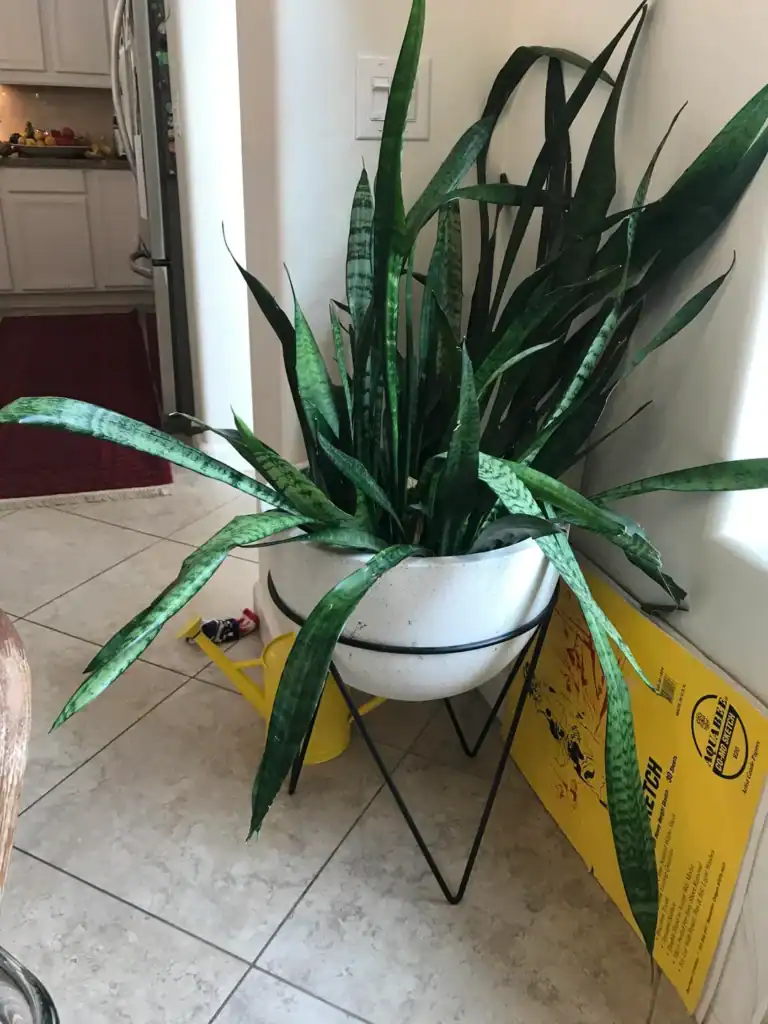
- Leaves lean or stretch toward a window.
- New leaves, when they come, look narrower or weaker than older ones.
Where Should You Move It for Better Light?
Bright indirect light is the goal. A spot near an east- or north-facing window works well, and a few feet back from a south-facing or west-facing window keeps strong afternoon sun from scorching the leaves.
A quick shadow test helps. Hold your hand over the plant at midday: a crisp shadow means bright light, while a faint, fuzzy one means low light.
If your plant has been in a dim corner, move it gradually over a week or two. A sudden jump into hot direct sun can leave pale or tan scorch patches.
In rooms with poor natural light, a full-spectrum LED grow light placed within a few feet of the plant fills the gap, especially in winter. I also wipe dusty leaves and clean the window glass, since both block more indirect sunlight than people expect.
Are Water, Roots, or the Pot Holding It Back?
Soil that stays wet for too long is the next thing I check, because damaged roots can’t support new leaves no matter how good the light is.
Dry soil and crowded roots matter too, though less often than most guides suggest.
How Can You Tell Whether the Roots Are Too Wet?

Press the bottom inch of a few leaves where they meet the soil. Healthy tissue feels stiff and dense, while soft, rubbery, or translucent bases point to overwatering and possible root rot.
Other clues include a pot that stays heavy for days after watering, a sour or swampy smell, and yellowing on several leaves at once. One old outer leaf fading slowly is normal aging.
If the soil stays wet, check the roots before you add fertilizer. Tip the plant out and look:
- Firm white, tan, or orange roots: healthy; let the soil dry and water less often.
- Black, slimy roots: trim them back to firm tissue with clean scissors.
- Soft rhizome through the center: save firm leaves or rhizome pieces to restart.
Also check decorative outer pots. Water trapped around a nursery pot keeps roots soggy even when the top of the soil looks dry.
When Does Dry Soil Call for More Water?
Water when the soil is dry all the way down and the leaves look thinner, wrinkled, or slightly curled while still feeling firm at the base.
That combination means the plant has been drawing on its stored water.
Soak the soil until water runs out the drainage holes, then let it dry fully again.
In bright spots, that might mean every week or two in summer; in dim rooms or winter, every three to four weeks is common. I check the soil with a finger instead of following a fixed calendar.
When Should You Change the Soil or Repot?
A little root crowding is normal, and snake plants grow happily when snug. Repot only when you see clear signs:
- Roots pushing out of the drainage holes
- A pot that’s bulging, cracked, or tipping over
- Soil that dries out within a day or two of watering
- Dense, heavy soil that stays wet for a week or more

When you do repot, go only one size up. An oversized pot holds extra wet soil that roots can’t use. Use well-draining snake plant soil, such as a cactus or succulent mix with added perlite or pumice, in a pot with drainage holes.
Spring and early summer are the easiest times, since the plant settles in faster while it’s actively growing.
What Else Can Stall Growth, and How Can You Help?
Cold rooms, recent repotting, pests, and very lean soil can all slow a snake plant down. Each is easy to check once light and roots look fine, and the fixes are small.
Could Cold Conditions or Recent Repotting Be the Cause?
Yes, both are common. Snake plants prefer steady warmth, and a spot against cold winter glass, near an exterior door, or in a drafty hallway slows growth and can leave brown or water-soaked patches.
Repotting causes a different pause. The plant spends its energy rebuilding roots first, so a few weeks to a couple of months with no new leaves after a move to a fresh pot is expected. Water lightly during that time.
Should You Check for Pests or Add Fertilizer?
Check for pests first, because they’re quick to rule out. Look between leaves and near the base for white cottony clusters (mealybugs), small brown bumps (scale), or fine webbing (spider mites).
Dab mealybugs with a cotton swab dipped in rubbing alcohol and keep the plant away from your other houseplants until it’s clean.
Fertilizer helps only once the basics are right. For a healthy plant in good light with roots that dry out normally, a balanced houseplant fertilizer at quarter to half strength, once a month in spring and summer, gives a modest boost.
Skip it in winter and skip it entirely while you’re sorting out wet soil, since stressed roots can’t use it well.
How Long Should You Wait After Changing Its Care?
Plan on several weeks to a few months before new leaves show up. Snake plant care changes work slowly, and a leaf that starts in the rhizome takes time to break the soil surface.
I make one change at a time, such as better light first, then watch through a full growing season.
If a snake plant is not growing after a spring and summer of good light and healthy roots, that’s when I’d look at repotting or feeding.
Give Better Conditions Time to Produce New Leaves
Most snake plants that stop making new leaves are resting, short on light, or sitting in soil that stays too wet.
Start by checking the season and how long it’s been, then look at light, soil moisture, and the leaf bases in that order.
Treat light crowding as normal and save repotting for clear warning signs. Make one measured change, keep the soil drying between waterings, and give the plant a full spring and summer to answer before changing anything else.
Frequently Asked Questions
Why is my snake plant not growing new leaves if it looks healthy?
The most likely cause is low light or a normal seasonal rest. A snake plant can hold its leaves green and firm for a long time in dim conditions while saving no energy for new growth.
How do I get my snake plant to grow new leaves?
Give it bright indirect light, warmth, and soil that dries out fully between waterings. During spring and summer, a diluted balanced fertilizer once a month helps a healthy plant, and new leaves usually follow within weeks to a few months.
Why did my snake plant stop growing after repotting?
The plant is putting its energy into new roots first. Water sparingly, keep it in bright indirect light, and expect a pause of several weeks to a couple of months before leaves appear.
How long does it take for a baby snake plant to grow?
A young pup or rooted cutting grows slowly and may make only one or two leaves in its first year. In bright, warm conditions it fills out faster, while dim rooms stretch that timeline further.
Can a snake plant grow new leaves from an older leaf?
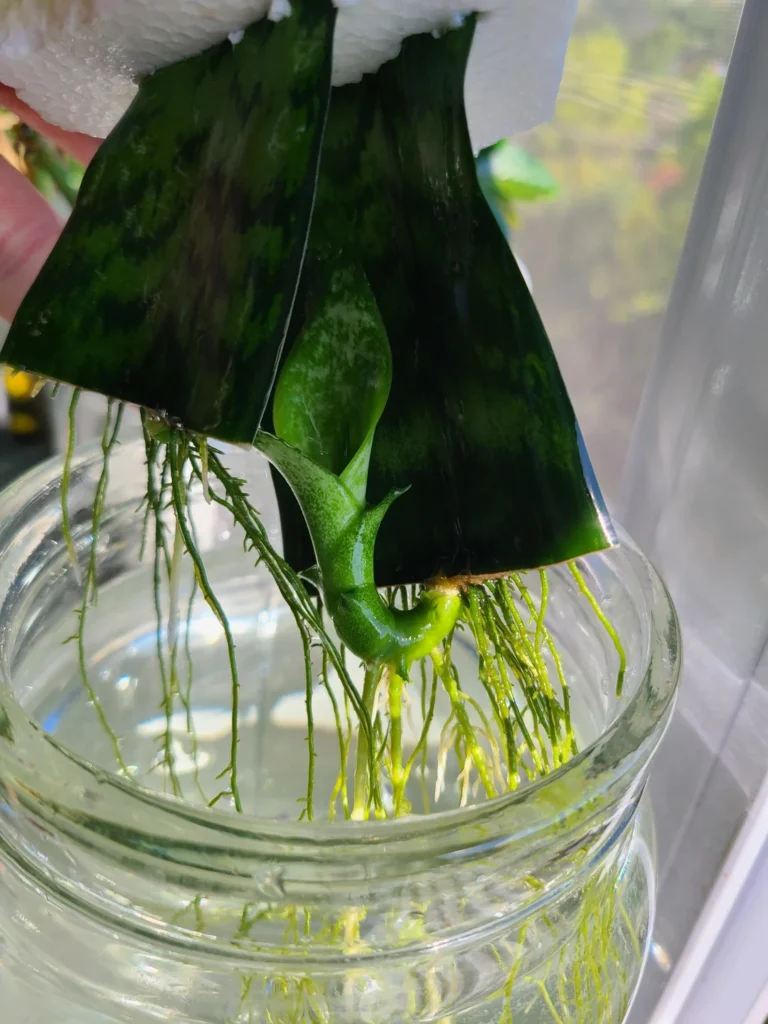
An existing leaf won’t sprout new leaves while it’s attached to the plant, and a cut tip won’t grow back. A leaf cutting placed in water or soil can root and send up new pups, which often takes a few months.
Note: Some images in the articles are sourced from Reddit and Other Platforms For Reference Purpose.