21 Gorgeous Trailing Plants For Hanging Baskets
Honestly, I’m always amazed by how a hanging basket can totally transform a space with barely any effort. Trailing plants just bring this burst of color, a bit of movement, and a whole lot of life to porches, balconies, or even those forgotten indoor corners.
They turn plain containers into these lush, graceful displays that immediately catch your eye and lift your mood.
In this article, I’ll share some of my favorite trailing plants that really thrive in hanging baskets. You’ll find options with bold leaves, soft vines, and some with charming blooms that just add a little magic to any spot.
Each one is a simple, satisfying way to help your space feel more natural and alive.
Please note: Simplify Plants is reader-supported. As an Amazon Associate, I earn from qualifying purchases made by our readers with no extra cost added to you all! Some links in the post are affiliate links and I get a commission from purchases made through links in the post.
1) String of Pearls (Senecio rowleyanus)

The String of Pearls is just so striking with those tiny, round leaves that look like green beads. The way they trail down in long strands gives any hanging basket a clean, modern vibe.
It’s honestly one of those plants that always gets people talking.
I find it super easy to care for since it doesn’t need much water. It stores moisture in its leaves, so I let the soil dry out between waterings.
Too much water? The pearls get mushy or start to rot, so I’m careful there. A bright spot near a window is perfect, but I avoid blasting it with direct sun.
When I want mine to look fuller, I just trim a few strands and stick them back in the pot. The cuttings root fast and make the basket lush again.
In the warmer months, I sometimes move it outside to a shaded patio. The strings grow even longer and look fantastic.
This plant doesn’t just add greenery—it brings a cool texture that stands out from the usual trailing plants.
2) English Ivy (Hedera helix)

There’s something about English Ivy that feels classic and timeless in a hanging basket. Its long, trailing vines grow quickly, creating a soft green curtain that brightens up corners or balconies.
The leaves stay lush and vibrant year-round, at least if the weather’s mild.
I really appreciate how easy this plant is to care for. It does best in bright, indirect light but can handle lower light better than most trailing plants.
I water it when the top inch of soil is dry, keeping things a bit damp but never soggy.
You get leaves in different shades of green, sometimes with these pretty white or yellow edges. That makes it easy to pair with other plants or different décor.
I like mixing it with colorful flowers or ferns for more texture and contrast.
English Ivy adapts well to both indoor and outdoor spots. Indoors, it loves a spot near a bright window, but outside I keep it in partial shade so the leaves don’t get scorched.
This plant can trail several feet, which gives a hanging basket a really full, cascading look. If it gets too long, I just trim the vines—pruning keeps it neat and encourages new growth.
Since it grows fast, regular trimming is key to keeping it healthy and attractive. I sometimes dust or rinse the leaves to help them breathe and look fresh.
Clean leaves mean better light absorption, after all.
English Ivy just creates a calm, refreshing vibe. Its rich greenery instantly adds life and a sense of balance to my room or patio.
It’s one of those plants that always gets a compliment for its simple, classic beauty.
3) Spider Plant (Chlorophytum comosum)
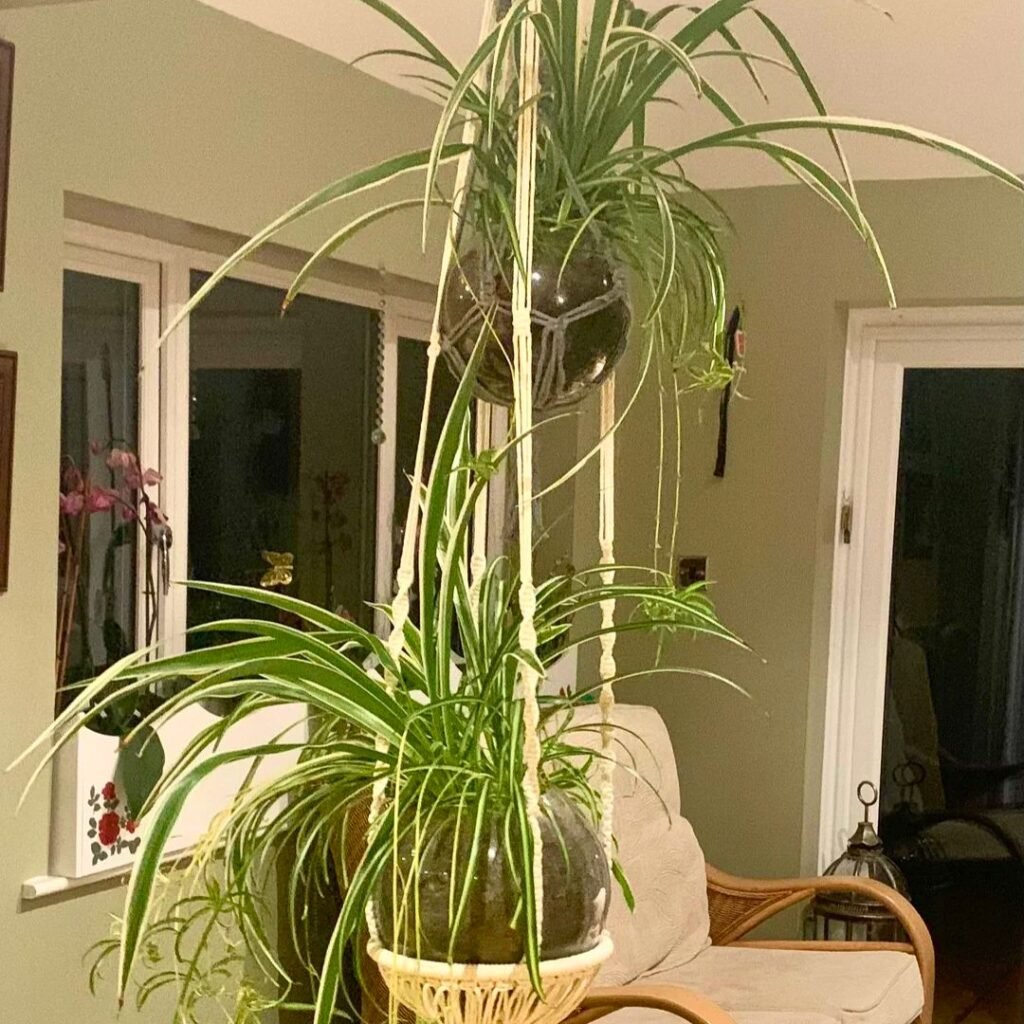
The Spider Plant is honestly one of the easiest plants I’ve ever cared for. Its long, arching leaves spill beautifully from a hanging basket, and the striped green and white foliage always looks crisp and clean.
It grows best with indirect light. I usually set mine near a window where the sun filters in softly.
It does well with moderate watering, and I let the soil dry a bit between waterings to keep the roots healthy.
One thing I love about Spider Plants is how easily they produce baby plants, those little “spiderettes” that dangle from the main plant. They create a lovely cascading effect.
Sometimes I snip them off and start new plants in water or soil, which is always fun.
Spider Plants also help freshen indoor air, so they’re great for small spaces or offices. They stay beautiful through lots of seasons and don’t ask for much.
If you’re new to hanging plants, a Spider Plant is a forgiving, cheerful place to start.
4) Creeping Jenny (Lysimachia nummularia)
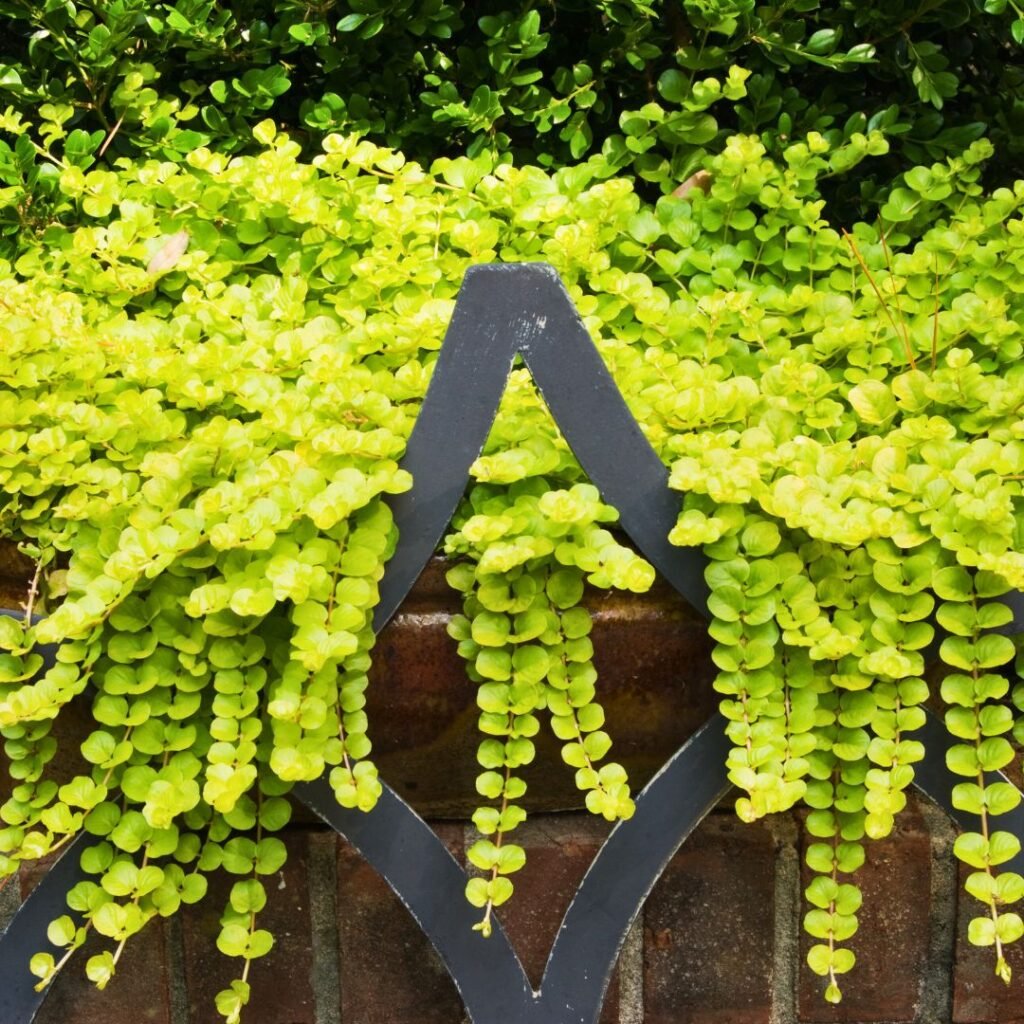
I’m a big fan of Creeping Jenny in hanging baskets because it adds this shock of bright green that’s hard to miss. The small, round leaves trail gracefully over the edges, giving a soft, lively texture that looks fantastic with colorful flowers.
This plant thrives in partial sun to full sun, so it fits pretty much anywhere on my porch or balcony. It grows faster with regular watering, especially when the weather heats up.
If the soil stays a little moist, the vines spread quickly and stay lush. I really appreciate how low-maintenance it is—I don’t have to fuss, and it bounces back even if I forget to water now and then.
Creeping Jenny works well as a filler since it spreads evenly and softens the look of any container. For extra color, I like pairing its golden-green leaves with purple or deep red flowers.
That combo really pops and draws attention without being too much. If I trim the vines now and then, it keeps things neat and easy to manage.
What’s most satisfying is how Creeping Jenny adds movement and texture to my outdoor space. Even a light breeze makes the vines sway gently, giving baskets a lively, natural look.
It’s a simple way to make any small garden area feel full and inviting.
5) Burro’s Tail (Sedum morganianum)

I love putting Burro’s Tail in my hanging baskets for its long, trailing stems that create a soft, full look. The thick, gray-green leaves look like beads strung together and hang down in a way that’s just really eye-catching.
This succulent likes bright, indirect light. I keep mine near a sunny window where it’s warm but not blasted by direct sun.
Too much sun can burn the leaves, but too little makes the stems get all thin and leggy.
I water my plant only when the soil’s dry. Overwatering is a no-go; the leaves fall off if you’re not careful.
A light, well-draining potting mix is a must to keep the roots happy.
The leaves are a bit fragile, so I always support the base with both hands when moving the basket. If any leaves do fall off, I save them to root and start new plants.
Sometimes in summer, you’ll see small pink or red flowers at the stem tips, which are cute but not really the main attraction.
With a little patience, this plant turns into a long, lush cascade that makes any space feel calm and a bit whimsical.
6) Boston Fern (Nephrolepis exaltata)
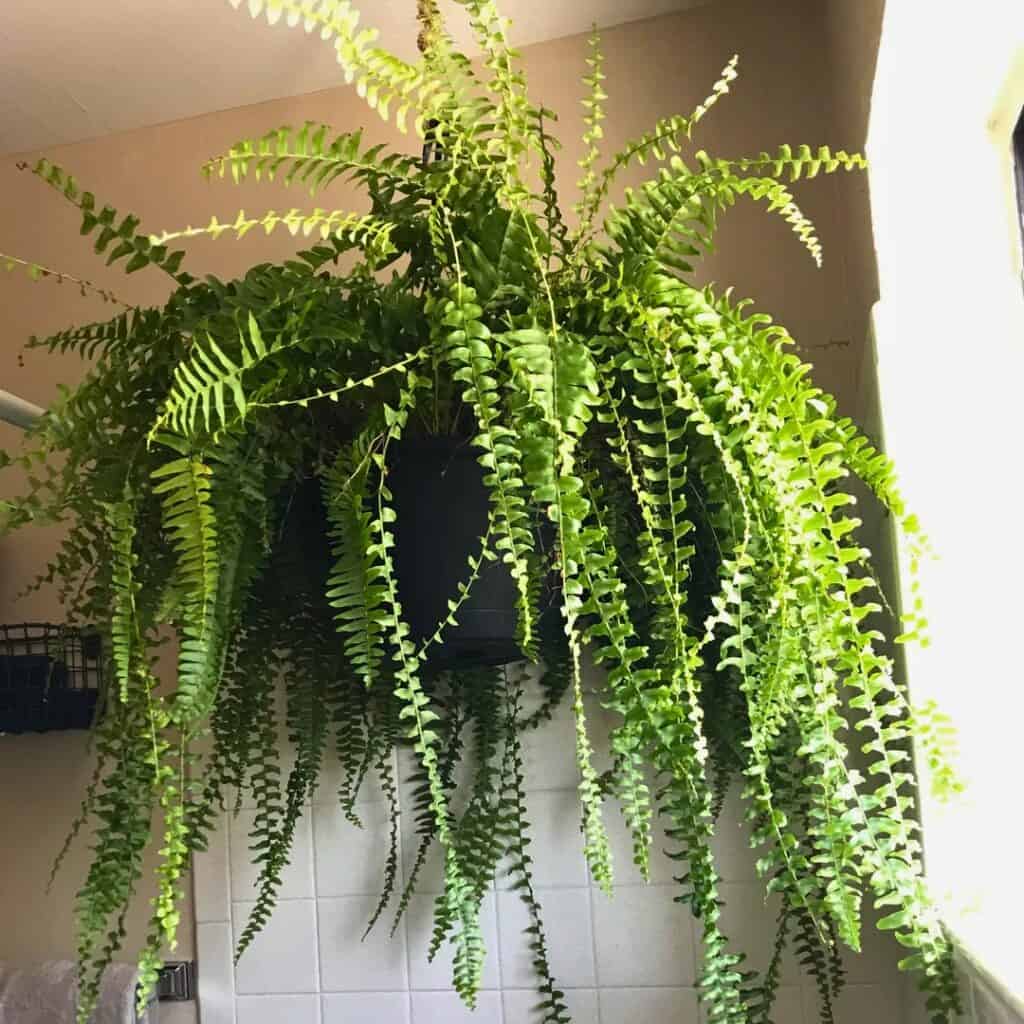
The Boston Fern instantly brings a soft, natural vibe to any hanging basket. Its lush, arching fronds spill over the sides, creating a full, graceful shape that’s just so inviting.
The green color looks fresh and calming, making it perfect for bright porches or shaded patios.
I find it grows best in indirect light and high humidity. I like to mist the fronds regularly to keep them from drying out.
If the air’s dry, I’ll put a small tray of water nearby to bump up the moisture.
When watering, I keep the soil slightly damp but never soggy. If it dries out too much, the leaves turn brown at the tips, so I keep an eye on that.
A quick finger check in the soil usually does the trick.
I feed my Boston Fern with a balanced liquid fertilizer every month during spring and summer. That helps keep the fronds green and healthy.
When winter rolls around, I ease up on the feeding and let the plant rest.
What I love most is how versatile this fern is. It looks great in a hanging basket, on a plant stand, or even as a centerpiece in a bright bathroom where it can soak up the humidity.
The soft texture of the fronds just makes any space feel more relaxed.
I really do think the Boston Fern is one of the easiest ways to bring nature indoors. With a little care and attention, it stays full and vibrant all year.
7) Sweet Potato Vine (Ipomoea batatas)
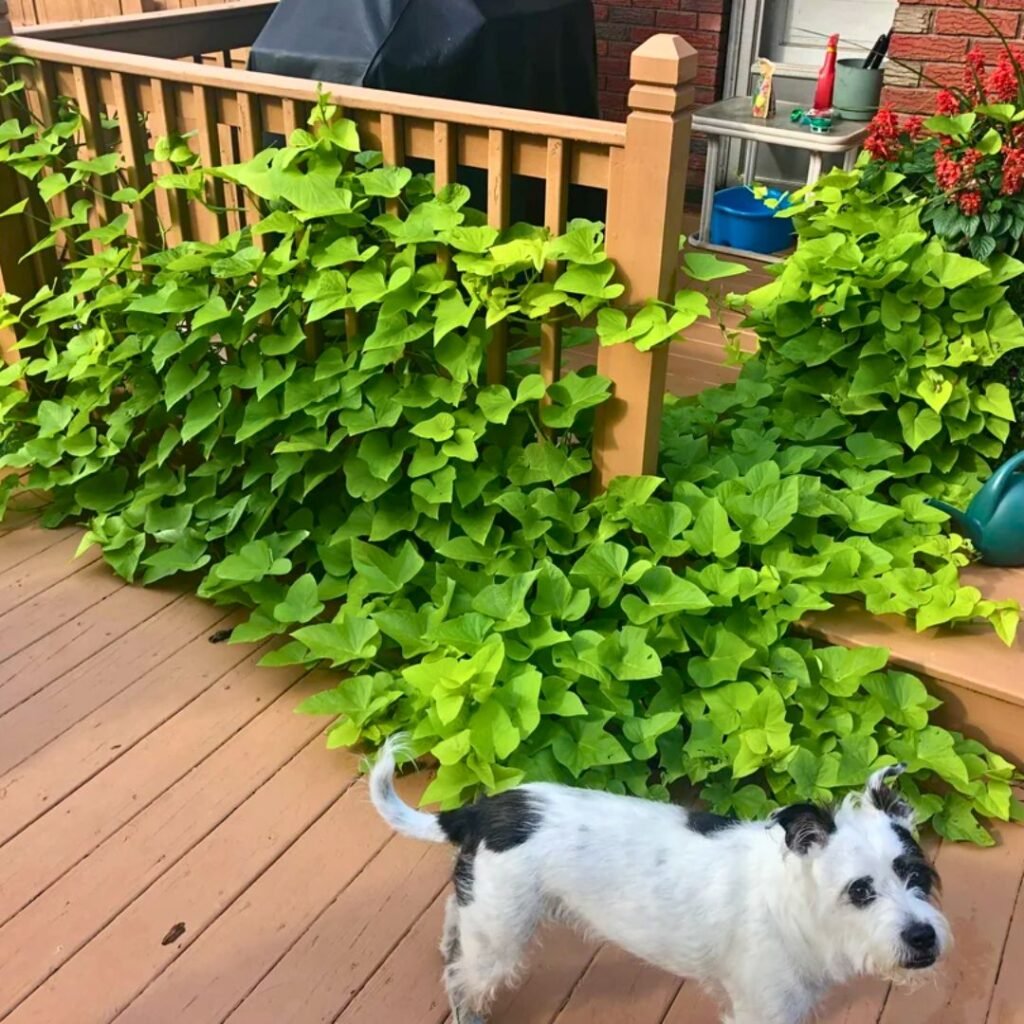
Sweet Potato Vine is my go-to when I want instant color and texture in a hanging basket. Its long, flowing stems create a lush look that softens the edges of any container.
The leaves come in these wild shades of lime green, deep purple, and bronze, so there’s always something that fits.
If I want fast growth and quick coverage, this is the plant. It loves warm, sunny spots but can handle a bit of shade, too.
The more sunlight it gets, the more vibrant the colors. Regular watering keeps the foliage full and happy.
This isn’t the kind you grow for the roots—it’s all about the decorative leaves that spill over the basket edges. I find that trimming the tips every few weeks helps it get bushier.
Sweet Potato Vine pairs well with flowers like petunias, verbena, or calibrachoa. The contrast between the trailing leaves and bright blooms is really eye-catching.
Sometimes I just mix different leaf colors for a more subtle look.
It’s super low-maintenance and rewards you with bold, trailing greenery all season. A little sun, water, and care, and your hanging basket is suddenly a showstopper.
8) Swedish Ivy (Plectranthus australis)

Swedish Ivy brings such a soft, lively feel to any space. Its rounded, glossy green leaves spill over the edge of a hanging basket, and the scalloped edges give it a neat look without much effort.
This plant grows fast, and I’m always noticing new trails forming. Trimming them encourages even fuller growth.
Bright, indirect light keeps the leaves lush, though it can handle a bit of shade if needed.
Swedish Ivy isn’t fussy. I water mine when the top of the soil feels dry, making sure it never sits in water.
Too much moisture can lead to root rot, so drainage is important.
Sometimes, I spot tiny clusters of white or pale lavender flowers, but honestly, they’re easy to miss. The real charm is in the clean green foliage that hangs like a living curtain.
The light scent is a nice bonus when I brush past it.
Because it grows so easily, I love sharing cuttings with friends. Stem cuttings root quickly in water or soil, so it’s one of the easiest plants to propagate.
A few pieces can fill a new pot before you know it.
Swedish Ivy fits just about anywhere—kitchens, patios, or sunny windows. Its easy care and classic look make it great for both beginners and seasoned plant folks.
I really enjoy how a single basket can brighten up a whole corner of my home.
9) Purple Heart (Tradescantia pallida)
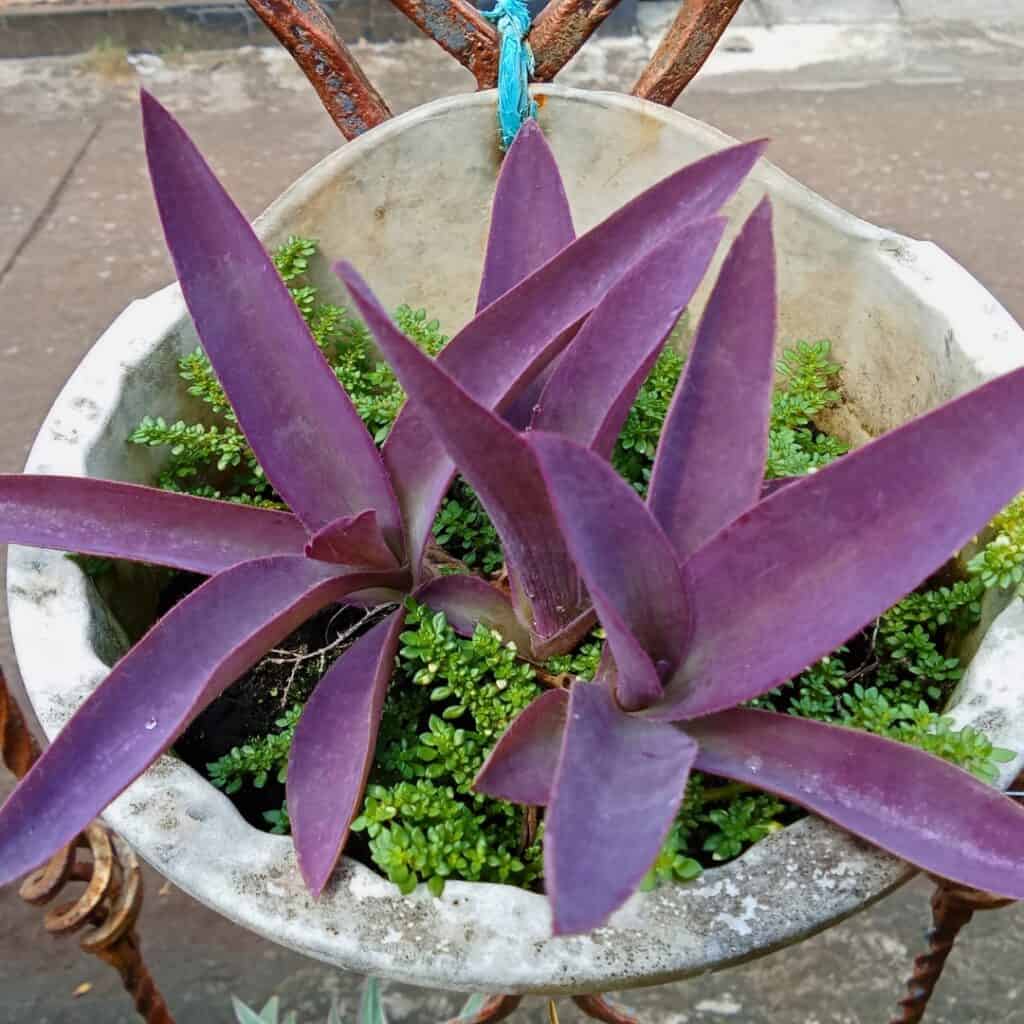
I just love how the Purple Heart brings such a bold splash of color to my hanging baskets. Those deep purple leaves really pop, no matter where I put it—inside or out.
The stems grow long and spill over the edges, giving my basket a soft, flowing look that feels a little wild in the best way. This plant fills out a container fast and doesn’t need much fussing.
I usually keep mine in bright, indirect light to keep that rich color. If it’s too shady, the purple fades, but too much sun can actually scorch the leaves, so it’s a bit of a balancing act.
The care routine is easy enough. I let the soil dry out a bit between waterings since soggy roots are a no-go.
In summer, I water more often, but once the weather cools, I slow down. Honestly, it tolerates a dry spell better than being overwatered.
I snip the tips now and then to keep it bushy and prevent it from getting leggy. The cuttings root easily in soil or water, so it’s fun to make new plants to share.
Sometimes, you’ll spot small pink flowers among the purple leaves. They don’t last long, but they’re a nice surprise.
Even when it’s not blooming, the foliage stays bright and eye-catching. For me, the Purple Heart is one of the easiest trailing plants to grow, and it brings warmth and color to my space with barely any work.
When the light hits those leaves just right, the purple tones really shine. It makes the whole basket look fresh and lively.
10) Golden Pothos (Epipremnum aureum)

I can’t get enough of how the Golden Pothos brightens up any corner. The heart-shaped leaves have these green and golden-yellow streaks that look so fresh.
The vines trail beautifully over the edge of a basket, instantly making the space feel more alive. It’s one of those plants that forgives you if you forget to water now and then.
Golden Pothos grows well in low to bright, indirect light, so it’s perfect for offices or rooms that don’t get much sun. I let the soil dry out a bit before watering again, which keeps it happy.
I trim the vines when they get too long or if I want to make new plants. Stem cuttings root super easily in water, and before you know it, you’ve got more vines to fill baskets or share.
This plant just makes my room feel fresher. While people say it improves air quality, I mostly love the calming, green vibe it brings.
Hanging one near a window or on a porch keeps it looking full and healthy. The leaves stay glossy with barely any effort.
If it starts to stretch or lose color, I just move it to a brighter spot. With a bit of light and some regular pruning, Golden Pothos stays lush all year and keeps giving that easy tropical vibe I love.
11) Muehlenbeckia (Creeping Wire Vine)
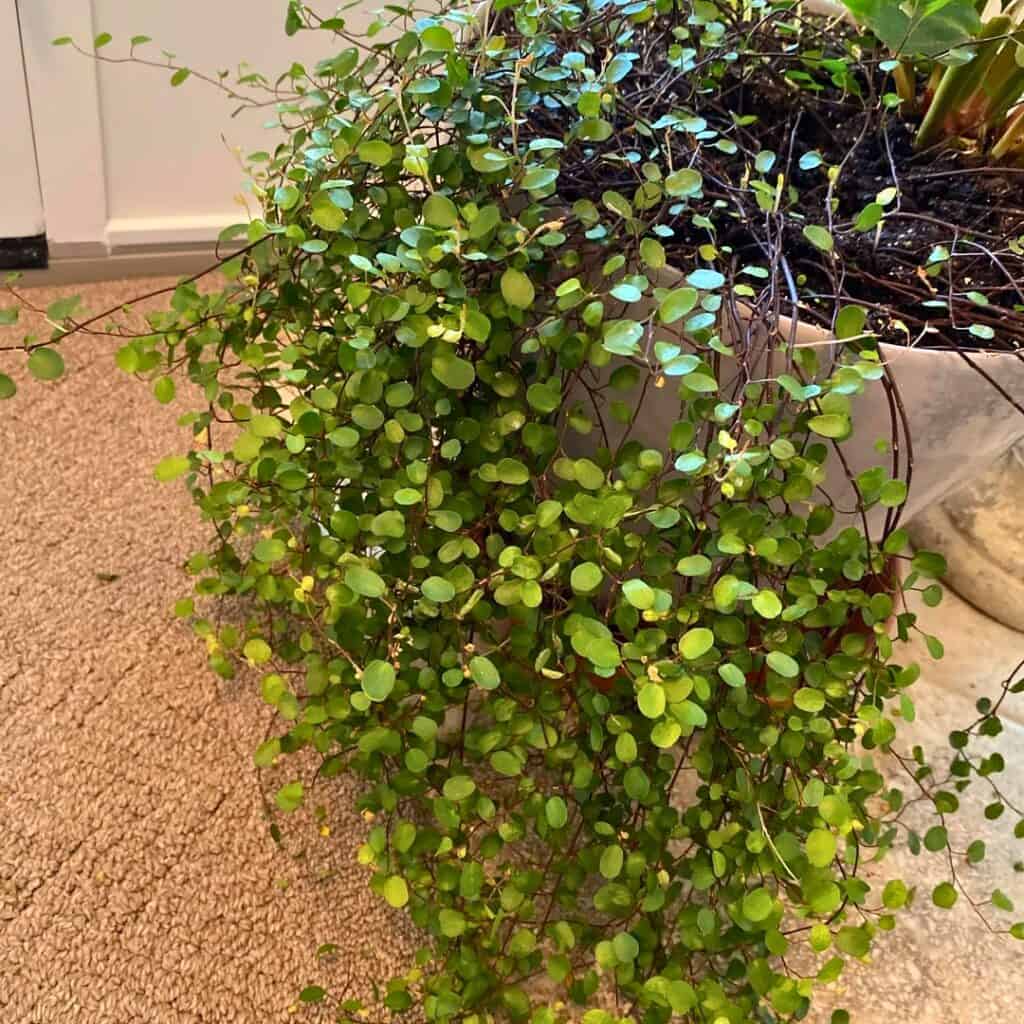
There’s something about Muehlenbeckia that brings instant texture and movement to a hanging basket. Its thin, wiry stems and tiny round leaves create this airy, flowing look that softens up any spot.
The stems can drape nicely or even climb if you give them something to grab. This plant stays compact but still manages to spread well, so it’s easy to shape.
I like using it as a filler—it spills gently over the sides while letting other plants take center stage. Its dark stems and small green leaves add a bit of contrast that mixes well with flowers.
It adapts to different light conditions, though it prefers bright, indirect light. Partial shade works too, but I always make sure it has good drainage.
Soggy soil is a no-go—root rot is not fun. When I water, I let the top inch dry out first.
This keeps the roots healthy and prevents overwatering. I’ll trim it back if it gets too long, and it bounces back quickly.
Regular pruning keeps it neat and encourages new growth. Muehlenbeckia works indoors or outdoors.
In warm weather, it thrives on patios and balconies. When it gets cooler, I bring it inside where it keeps trailing gracefully from a basket.
If you want an easy-care plant that adds texture without taking over, this one’s a great pick. Its simple charm and tidy growth have made it a favorite for me.
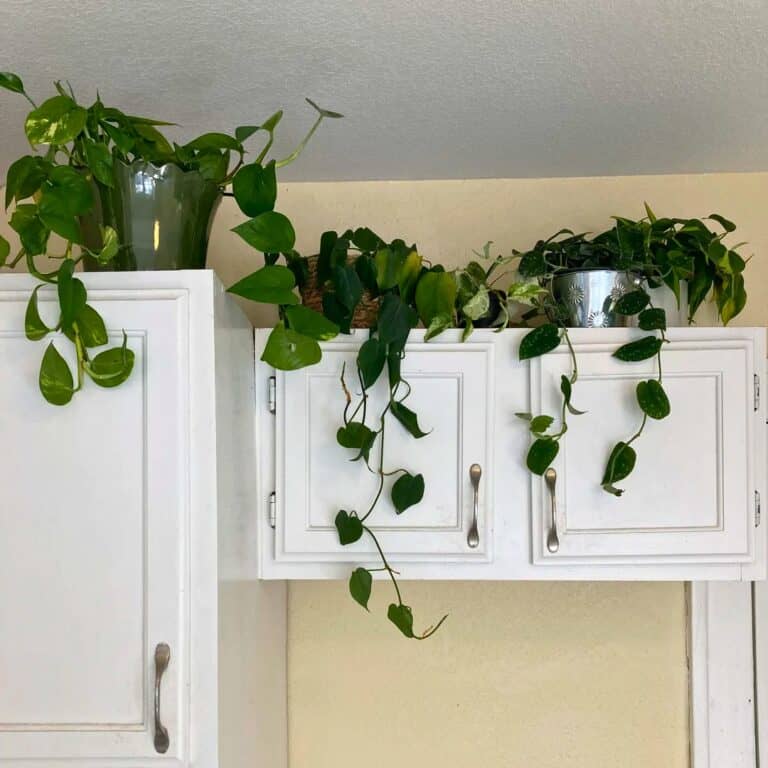
12) Heartleaf Philodendron (Philodendron hederaceum)

The Heartleaf Philodendron is so easy to care for, it almost feels like cheating. Its smooth, heart-shaped leaves give any hanging basket a soft, graceful vibe.
The vines can trail several feet, creating a lush green curtain before you know it. I usually put mine in bright, indirect light, but it does just fine in lower light too.
That makes it perfect for offices or those shaded corners at home. I try to keep the soil slightly moist, but never soggy—this plant doesn’t like wet feet.
It doesn’t ask for much. A light trim keeps the vines from getting unruly, and the cuttings root easily in water.
It’s simple to grow more plants to share or just spread around the house. I also like that the Heartleaf Philodendron helps clean the air.
It keeps its fresh green color all year. Whether your style is modern or cozy, it fits right in and adds a natural touch.
Honestly, it’s one of the best trailing plants to start with. Forgiving, attractive, and always brightening up the space.
13) Lipstick Plant (Aeschynanthus radicans)
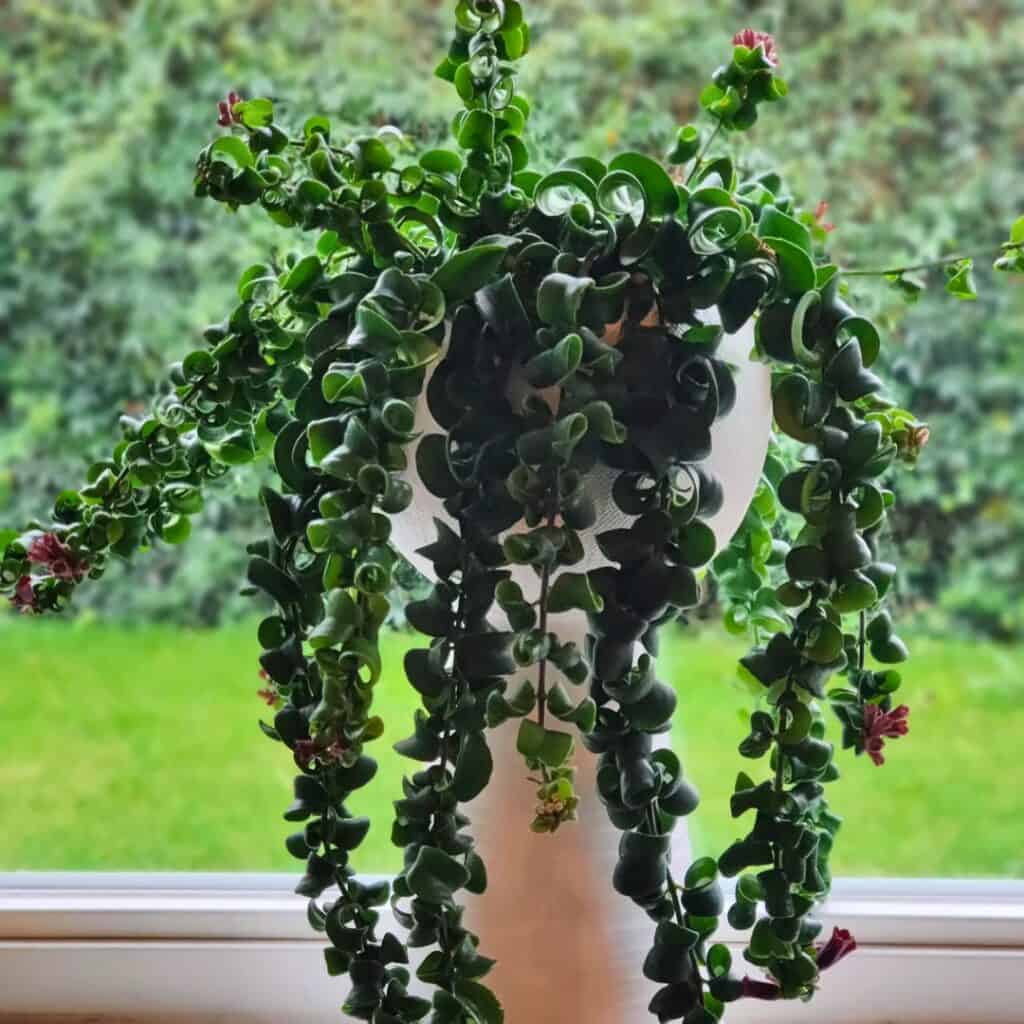
The Lipstick Plant is such a cheerful addition to any space. Its glossy green leaves and those bold, tube-shaped red flowers really catch the eye.
When the buds open, they look just like little tubes of lipstick—no wonder it got its name. I hang mine near a bright window since it loves bright, indirect light.
Too much sun can scorch the leaves, but not enough light means fewer blooms. I’ve found it grows best when the soil is slightly moist but not soggy.
This plant really thrives in warm and humid conditions. Bathrooms or kitchens with good light work great.
In drier rooms, I’ll mist the leaves or use a small humidifier. It’s a simple trick to keep the plant happy.
I trim the stems every now and then to keep it full and encourage new growth. Pruning helps it stay neat and lush, especially since the vines can get long fast.
With just a little care, the lipstick plant rewards me with months of fresh color. It’s a fun one to have around.
14) Fuchsia

Watching fuchsia spill over the edges of a hanging basket never gets old. The drooping flowers look like tiny lanterns swaying in the breeze.
They bring a bright touch to shaded patios or balconies where other flowers might not do so well. The blooms come in bold mixes of pink, purple, red, and white.
I usually go for the two-toned varieties—they stand out even more. These plants bloom from late spring into fall, so there’s steady color for months.
Fuchsias grow best in bright, indirect light. Too much sun can scorch the leaves, but too little light means fewer flowers.
I water often enough to keep the soil moist, but never soggy. Well-draining soil is a must to avoid root rot.
When the flowers fade, I pinch off the spent blooms to encourage new growth. It keeps the plant looking tidy.
I feed it with a balanced fertilizer every couple of weeks during the growing season. Fuchsias can handle cooler weather, but I always bring my baskets inside before the first frost.
With the right care, they can even survive winter indoors and bloom again next year. There’s something rewarding about that.
15) Hoya (Wax Plant)

Adding a Hoya, or Wax Plant, to my hanging baskets is always a good idea. The thick, shiny leaves look neat and polished, and the vines trail gracefully over the edge.
When it’s happy, it puts out clusters of fragrant, star-shaped flowers that are just so satisfying to see. I keep mine in bright, indirect light for the best results.
Too much sun burns the leaves, but not enough slows growth and delays flowering. Hoyas actually like being a bit root-bound, so I don’t rush to repot.
I water only when the top few inches of soil feel dry. Overwatering is a big no—good drainage is key.
It appreciates some humidity, so I’ll mist the leaves or group it with other plants. The vines can grow several feet long.
Sometimes I wrap them around a small trellis, or just let them cascade for a relaxed look. New vines start soft and flexible before turning woody.
One of the best things about Hoyas is how long they live with minimal care. My plant’s been with me for years and keeps rewarding me with glossy leaves and blooms that smell sweet at night.
It’s easily one of my favorite trailing plants, whether indoors or on a shaded porch.
16) Black Mondo Grass (Ophiopogon planiscapus ‘Nigrescens’)
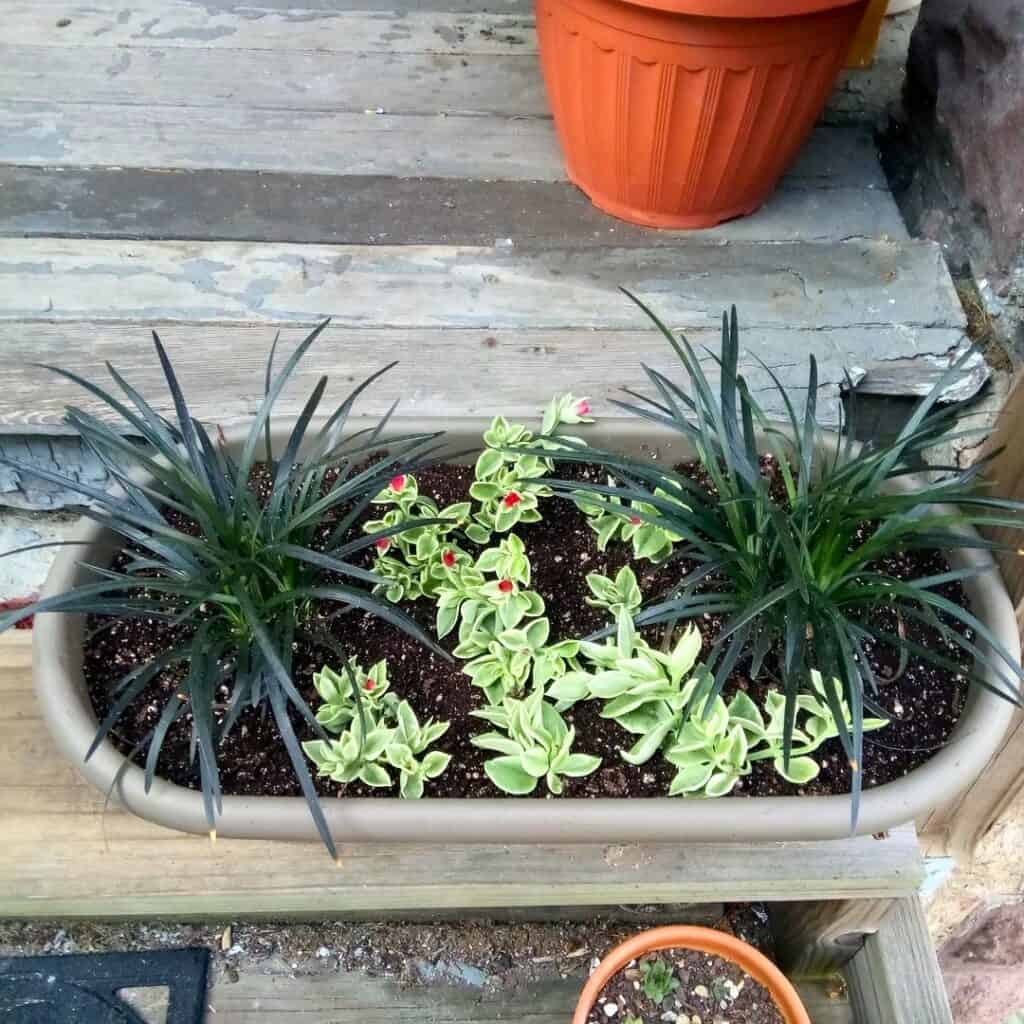
I love adding Black Mondo Grass to hanging baskets for its dramatic, dark leaves. The fine, arching blades spill gently over the sides, giving any basket a layered, elegant look.
The rich purple-black color holds strong all season. In summer, it surprises me with small lavender or pale pink flowers, which turn into shiny, dark berries.
Even though the blooms are tiny, they add a touch of texture and interest. I find Black Mondo Grass easy to care for—it grows slowly and doesn’t need much attention.
It likes partial shade and moist, well-drained soil. I water regularly but never let it sit in soggy soil.
Mixing it with bright greens or silvery plants makes the dark leaves stand out. It pairs well with creeping Jenny, fern, or sweet alyssum.
That combo makes my basket look polished without much extra effort. Even in cooler weather, Black Mondo Grass stays evergreen in mild climates.
That means I get to enjoy its color for more than one season. It’s a low-maintenance choice that adds depth and style to any hanging display.
17) Wandering Jew (Tradescantia zebrina)

The Wandering Jew is a classic for instant color and texture. Its striped leaves mix green, silver, and purple, making it pop in any hanging basket.
When the light hits, those colors get even brighter. It’s easy to care for and grows fast, trailing beautifully to create a lush, full display in just a few weeks.
I trim the stems now and then to keep things tidy and encourage new growth. The cuttings root quickly in water, so growing more plants is a breeze.
I keep mine in bright, indirect light. Too little light fades the purple, but too much sun can burn the leaves.
Letting the soil dry out slightly between waterings helps avoid root rot. It likes a bit of humidity but still does fine with regular indoor air.
This plant just makes any space feel more lively. I hang mine near a window so the vines can spill over the basket’s edge.
It’s a great way to bring color and movement into small spots like balconies or patios. With just light, water, and a bit of pruning, the Wandering Jew rewards me with vibrant, trailing beauty all year.
18) Golden Creeping Jenny (Lysimachia nummularia ‘Aurea’)
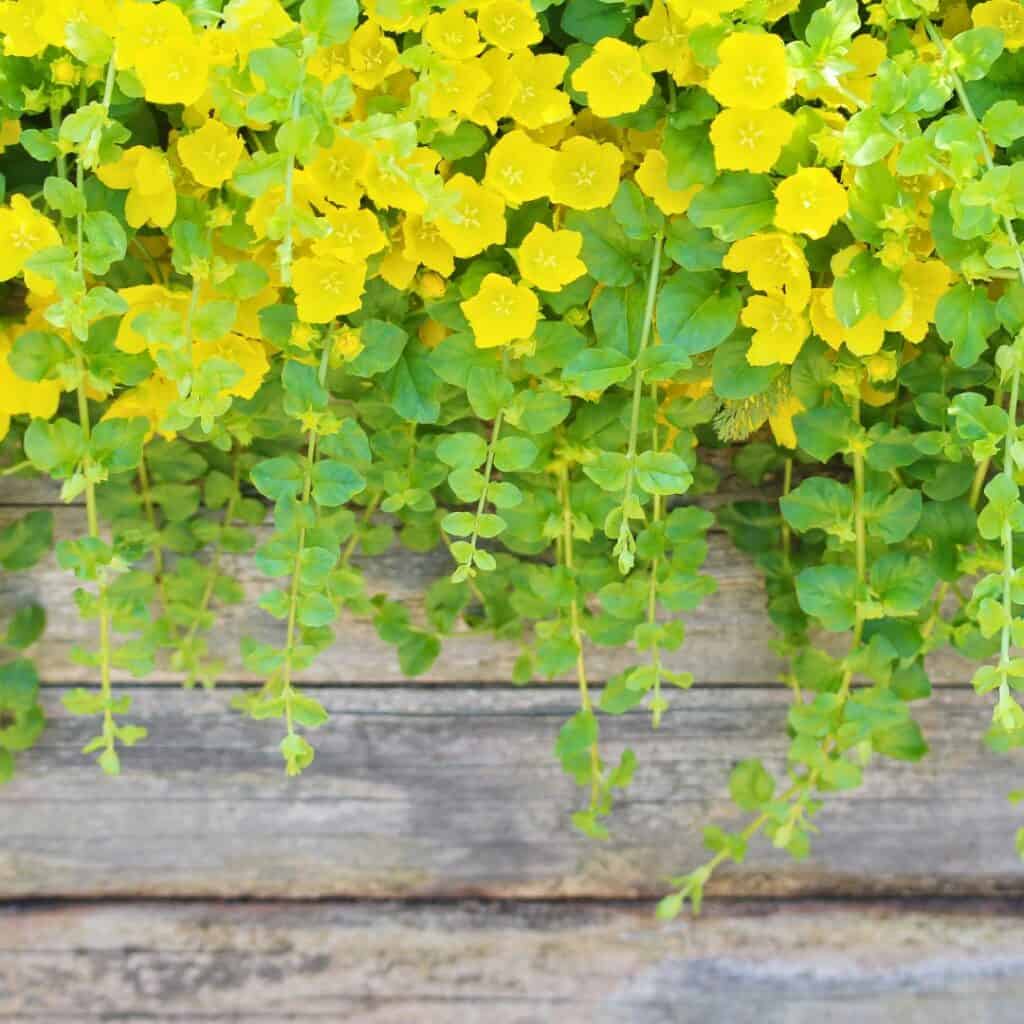
I’ve always loved how Golden Creeping Jenny adds instant brightness to a hanging basket. Those vibrant golden-yellow leaves really pop against green plants, and honestly, they bring a bit of cheer even when the sky’s gray.
The small, round leaves spill over the edges and create this soft, trailing curtain that feels so inviting. It grows pretty quickly and stays full, which is perfect for filling in any gaps.
I find it super easy to care for—it adapts to all sorts of conditions. It likes moist soil and partial sun, but I try to keep it out of that harsh afternoon glare to protect the color.
If I water it regularly, it stays lush and bright. The leaves wilt if I let the soil dry out too much, so I check on it pretty often.
I trim it every now and then to keep the trails neat and to encourage new growth. Golden Creeping Jenny looks amazing with purple or blue flowers—such a good contrast.
I usually mix it with violas or petunias for a little extra color. The trailing vines can get up to two feet long, so baskets end up looking really full and lively.
For something simple but eye-catching, I just plant a few stems together and let them drape. Its low maintenance and bold color make it a go-to for brightening up patios and balconies.
19) Dichondra Silver Falls
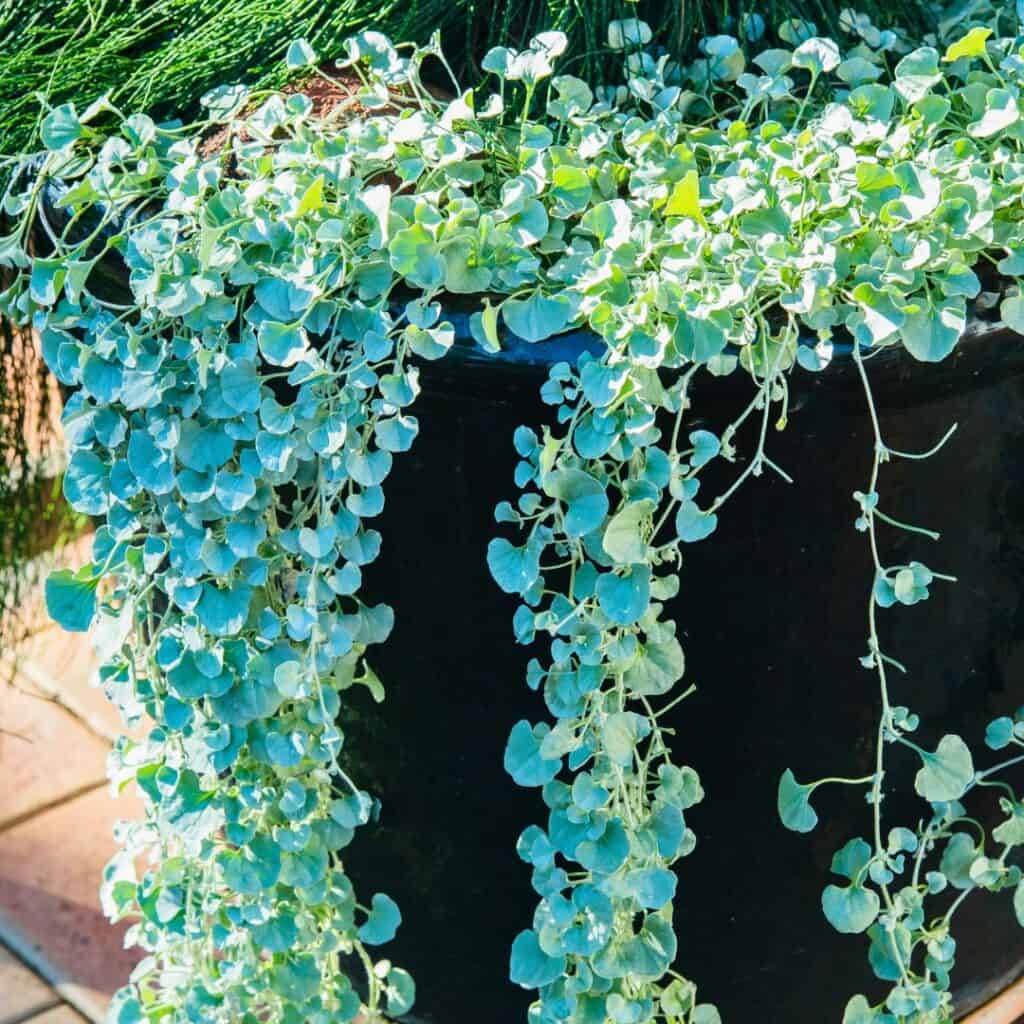
Honestly, Dichondra Silver Falls is one of the easiest and prettiest plants for hanging baskets. The soft, silvery-green leaves drape down like a waterfall—how cool is that?
It’s perfect if you want a calm, modern look without fussing much. It grows best in full sun, but it’ll handle a bit of light shade too.
I notice it’s fuller and happier with at least six hours of sun every day. Mine gets plenty of light, and it rewards me with steady growth.
Dichondra Silver Falls doesn’t care much about rich soil. I use a dry, well-draining mix and let the soil dry out a bit between waterings—root rot is not my friend.
That makes it great for busy days since I don’t have to water constantly. It’s also tough in the heat and handles drought better than most trailing plants.
When summer gets hot, this one keeps its color and shape without any drama. I give it a light trim if vines get too long, just to keep things tidy.
I like pairing it with colorful plants—purple petunias or bright verbena look fantastic next to those silver leaves. Whether it’s on a porch or balcony, Silver Falls adds a soft, elegant touch that just works almost anywhere.
20) Columbine Vine (Senecio macroglossus)
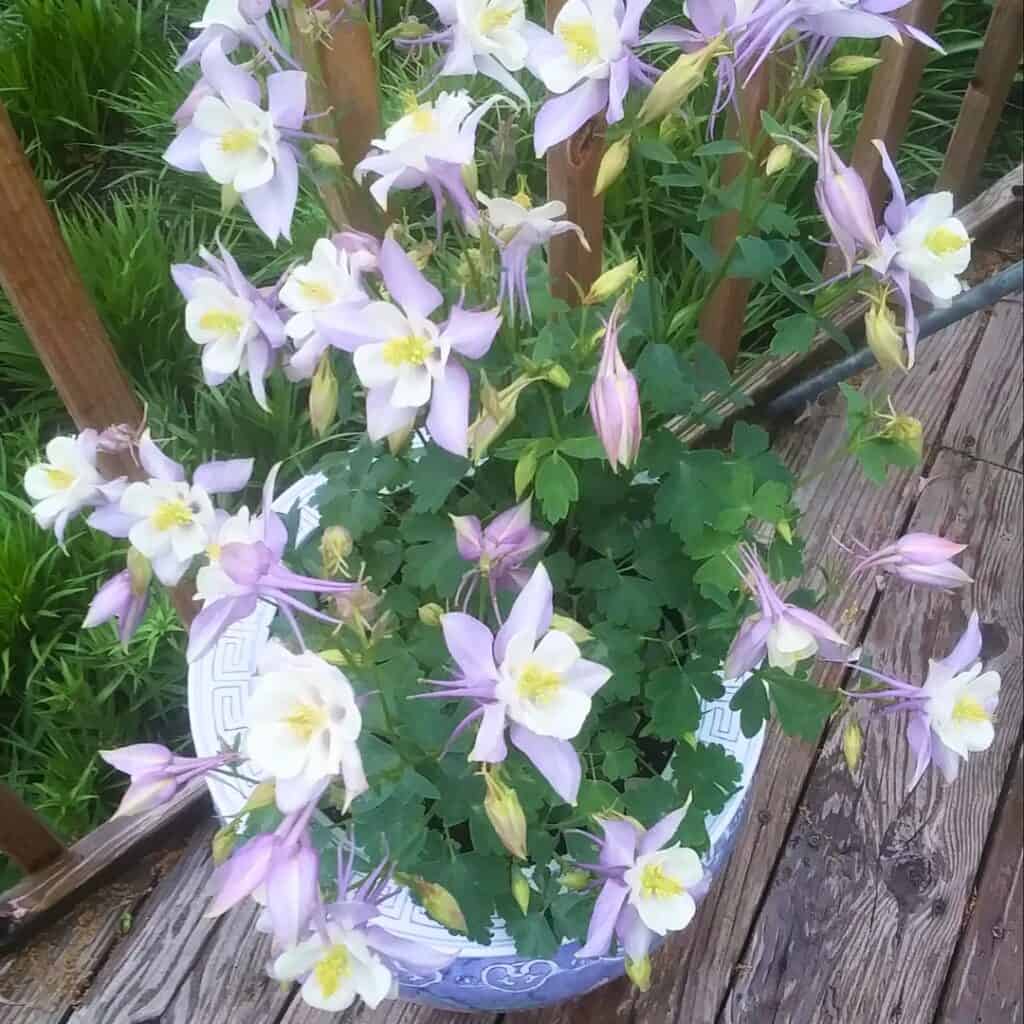
The Columbine Vine is such a cheerful addition to a hanging basket. Its glossy, ivy-shaped leaves stay green all year in warm climates, so there’s always a bit of life in the garden—even in cooler months.
What sets this plant apart are the star-shaped yellow flowers. They look like little daisies and mostly pop up in summer.
The blooms attract bees and other pollinators, which keeps the garden buzzing. I’ve found it grows best in bright, indirect sunlight—too much direct sun scorches the leaves, but not enough light and it gets leggy.
I hang mine where it gets morning sun and some light afternoon shade. Watering is easy: once the top inch of soil feels dry, I give it a drink.
A well-draining potting mix helps prevent root rot. Every few weeks, I’ll add a bit of balanced fertilizer to keep the foliage healthy.
As it grows, the stems trail down and fill up space with lush greenery. If it gets too long or starts looking scraggly, I just trim the ends to encourage fuller growth.
I love using the cuttings to propagate new plants—they root easily in water or moist soil. This vine does great indoors too, as long as it gets enough light.
I keep one near a bright window, and it adds a fresh touch of green to my living room. It’s a solid pick if you want a low-maintenance plant that still looks elegant.
21) Blue Star Fern (Phlebodium aureum)

The Blue Star Fern brings such a soft, calming vibe to any room. Those blue-green leaves have a wavy shape that adds gentle movement to a hanging basket.
The leaves grow in little clusters, so the plant always looks full and textured. It does best in bright, indirect light—direct sun is too harsh and burns the leaves.
I keep mine away from windows with intense sun, and it loves humid air. I’ll mist it often or just place it near other plants to help with moisture.
The Blue Star Fern prefers loose, well-draining soil. I keep the soil slightly damp but not soggy—too much water and the roots will rot.
I always check the top inch of soil before watering. The subtle blue color really stands out among deeper greens.
It adds a cool tone that pairs nicely with warmer shades in my home. When it trails over the edge of a basket, those curved fronds create a soft, relaxing look that just feels right.
It’s also pretty low-maintenance, which is why I keep reaching for it. With a little light, some moisture, and basic care, the Blue Star Fern stays healthy and grows all year.
How to Care for Trailing Plants in Hanging Baskets
Keeping my trailing plants happy comes down to three things: the right soil mix, careful watering and feeding, and finding the best spot for sunlight and airflow. When I get these right, the plants stay greener and trail beautifully from their baskets.
Choosing the Right Potting Mix
I always use a lightweight, well-draining mix for hanging baskets. Heavy soil just holds too much water and causes root rot.
A mix with peat moss, perlite, and compost keeps roots healthy and well-aerated. Sometimes I’ll add pine bark or coarse sand to improve drainage, especially for outdoor baskets that get a lot of rain.
I like tossing in a slow-release fertilizer before planting. That way, the plants get nutrients for the first few months and I don’t have to feed them as often.
Refreshing the top layer of soil each season helps prevent compacted roots and adds new nutrients.
Watering and Fertilizing Tips
Hanging baskets dry out fast, particularly on hot or windy days. I check the soil daily by touching it—when the top inch feels dry, I water until it drips from the bottom.
A long-spout watering can makes it easier to reach the center without making a mess. I water slowly so the roots can really soak it up.
For fertilizer, I use a water-soluble plant food every two to three weeks. That keeps the leaves bright and the vines growing. I cut back on feeding in winter since growth slows down.
Here’s a quick schedule I use:
| Task | Frequency | Notes |
|---|---|---|
| Deep watering | Every 2–3 days (check first) | More often in dry weather |
| Fertilizing | Every 2–3 weeks | Use half-strength if growth slows |
Best Locations for Display
I hang my baskets where they get bright, indirect light for most of the day. Direct afternoon sun can burn leaves, so I look for spots with gentle morning light or filtered shade.
For indoor baskets, I put them near a south or east-facing window. Airflow matters too—stagnant air can lead to mildew or pests.
If plants start growing unevenly, I rotate the basket every few weeks so all sides get light. That keeps the shape balanced.
Outside, I avoid spots with strong wind or heavy rain to prevent broken stems and tangled vines. When it gets cold, I bring sensitive plants indoors to protect them.
Common Issues and Solutions
I run into a few classic problems with trailing plants in hanging baskets. Too much water, pests, and unchecked growth are usually the main culprits.
Spotting these issues early makes it way easier to keep the plants looking good.
Preventing Root Rot
Root rot usually happens because of overwatering or poor drainage. I always check that my baskets have enough holes at the bottom for water to escape.
A light, well-draining mix with perlite or coco coir helps keep roots from sitting in soggy soil. I test the soil before watering—if the top inch feels damp, I wait.
Trailing plants like ivy or pothos handle a little dryness better than being soaked. I also skip saucers under baskets that collect water.
I watch for yellowing leaves or a sour smell as a sign of root problems. If that happens, I trim off damaged roots and repot in fresh mix.
A steady watering routine helps keep things on track.
Managing Pests
Spider mites, aphids, and whiteflies seem to love hiding in hanging baskets, especially in warm, crowded spots.
I check the undersides of leaves often. When I spot bugs, I wipe the leaves with a mild soap and water solution or spray a mix of neem oil and water.
Good airflow helps keep pests away, so I don’t let baskets touch walls or other plants. Every few weeks, I rinse the foliage to remove dust and discourage insects.
If pests get out of hand, I separate the plant and repeat treatments weekly until new growth looks clean. Regular checks keep pest issues small.
Pruning for Healthy Growth
Pruning stops trailing plants from getting leggy or tangled. I trim long vines just above a leaf node to encourage new shoots.
I take off brown or shriveled leaves right away, so the plant can focus on healthy growth. Every few months, I check for stems blocking light and cut them back.
For fast growers like string of hearts or English ivy, pruning also prevents breakage. I use clean scissors and make small cuts—nothing too drastic.
Keeping up with this routine helps me grow neat, vigorous plants that trail beautifully all season.
Frequently Asked Questions
People often ask how to keep trailing plants looking full, healthy, and colorful in hanging baskets. In my experience, it’s all about picking plants that match your light, watering just enough, and understanding how each one grows.
What are some popular trailing plants that thrive in hanging baskets?
Some of my favorites are String of Pearls, English Ivy, Spider Plant, and Creeping Jenny. They grow fast and spill beautifully over the edges.
Burro’s Tail is another great pick with thick, textured leaves that hang down gracefully.
How often should I water my trailing plants in hanging baskets?
I check the soil pretty often, especially during warm weather. Most hanging plants need water when the top inch feels dry.
Overwatering can cause root rot, so I always make sure my baskets have good drainage.
Can you recommend any flowering trailing plants suitable for shady areas?
For shady spots, I like fuchsia, lobelia, and begonia. They bloom well even without a ton of sunlight and bring gentle color to darker corners.
What kind of care do trailing succulents in hanging baskets need?
Succulents like Burro’s Tail really thrive with lots of bright light and, honestly, barely any water at all. I stick with a sandy soil mix and always let it dry out completely before giving them another drink.
Too much water? That’s a quick way to mess up their roots, so I’m careful not to overdo it.
Are there any trailing plants that can withstand full sun in hanging baskets?
Definitely! Creeping Jenny, string of pearls, and trailing lantana are champs when it comes to handling strong sunlight.
When it’s extra hot, I’ll water them a bit more often, just so the soil doesn’t turn bone dry.
What trailing plants are best for attracting butterflies or hummingbirds?
I really like planting petunias, verbena, and fuchsia. Their bright blooms seem to pull in butterflies and hummingbirds, bringing a bit of excitement and color to any hanging basket.
Note: Some images in the articles are sourced from Reddit and Other Platforms For Reference Purpose.