15 Best Plants For Your Kitchen Window
I’ve always felt that a bit of greenery can totally change the vibe in a kitchen.
There’s just something about having a living plant nearby—whether it’s a sunny herb or a low-maintenance houseplant—that makes the space feel fresher and a little more alive.
The best kitchen window plants do more than just look good; they help keep the air fresh and can even lift your mood.
Let me share some of my favorites for a kitchen window garden.
I’ll throw in a few care tips and fun ideas for displaying them, too. From tough greens to fragrant herbs, there’s something here for every style.
Please note: Simplify Plants is reader-supported. As an Amazon Associate, I earn from qualifying purchases made by our readers with no extra cost added to you all! Some links in the post are affiliate links and I get a commission from purchases made through links in the post.
1) Spider Plant
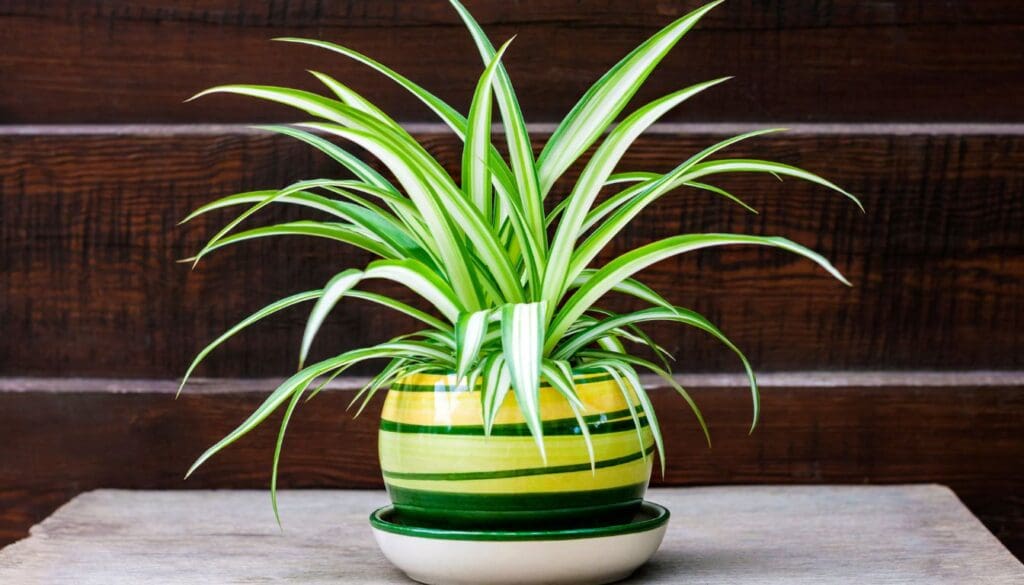
I really enjoy having a Spider Plant on my kitchen windowsill. It’s honestly one of the easiest plants you could ask for—just bright, indirect light and a bit of water when the soil feels dry.
The long green and white leaves arch out in a way that always catches my eye. Sometimes, they send out little plantlets that dangle down, which is fun and makes the plant look even more lively.
Whenever those baby spider plants show up, I’ll snip them off and pop them in a glass of water to root. It’s a simple way to get more plants without spending a dime, and I’ve given a few away to friends.
Spider Plants are also known for helping to freshen the air. They’re tough, too—if I forget to water for a few days, it just keeps on going.
I like how it thrives with minimal effort. It’s one of those plants that just feels rewarding to have around.
2) Herbs like Basil

There’s nothing quite like having basil on the kitchen windowsill. The smell alone is enough to make the space feel inviting, and the leaves always look so bright.
Basil needs at least six hours of sunlight daily, so I keep it in the sunniest spot and turn the pot every now and then to keep it growing straight. When the top of the soil is dry, I water it lightly—too much water and it’s game over for the roots.
I love snipping off a few leaves for pasta or sandwiches. Fresh basil just has a flavor that dried can’t compete with.
I’ll sometimes grow sweet basil for cooking and lemon basil for the scent. They both do well if they stay warm, so I avoid putting them near drafty windows in winter.
To keep it going strong, I pinch off any flowers that pop up. That way, the plant puts its energy into making more leaves, which is what I really want.
3) Aloe Vera
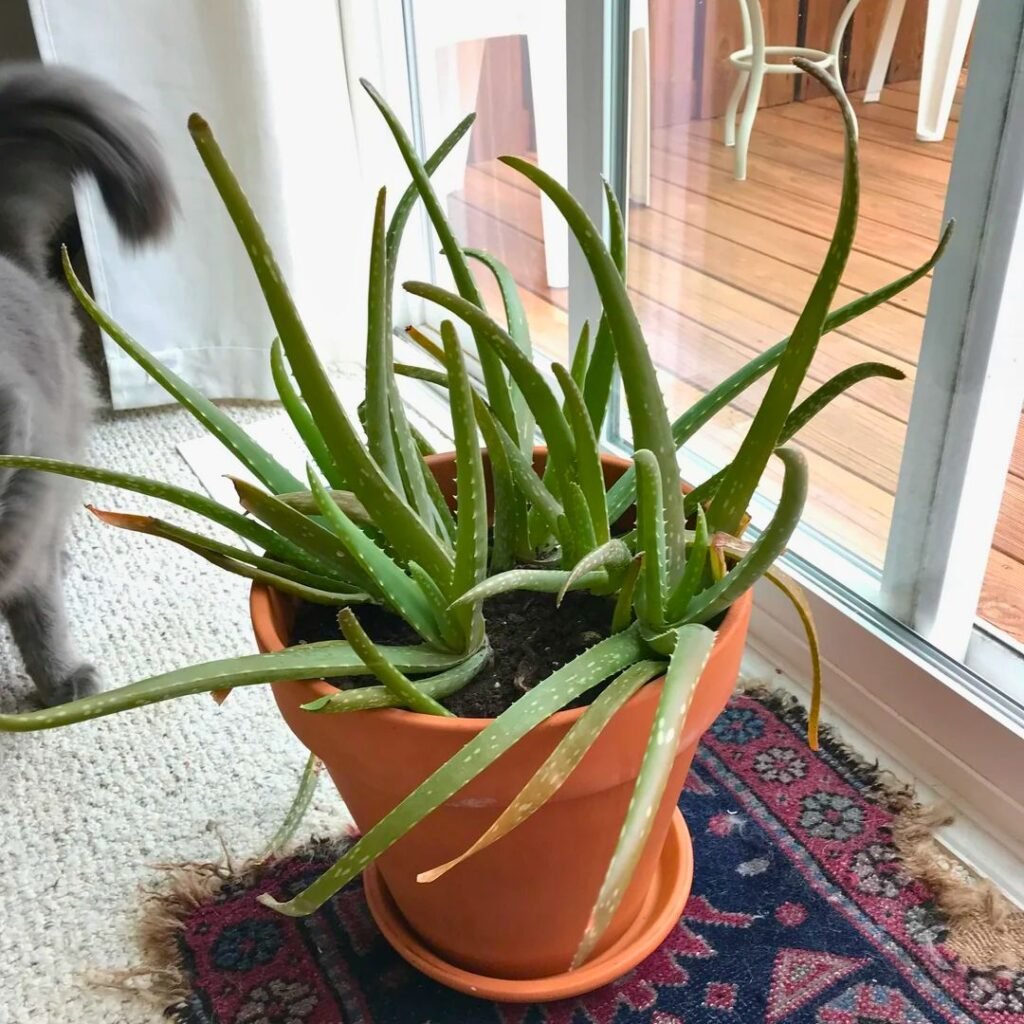
Aloe Vera is one of those plants I always keep on the kitchen window. It’s useful, looks good, and takes almost no effort.
It likes bright, indirect sunlight, so I let it soak up the light but not too much direct sun—otherwise the leaves can get a bit crispy. I water every couple of weeks, letting the soil dry out completely in between.
One thing I love is having the soothing gel handy for little kitchen burns. Just slice a leaf and you’ve got instant relief.
Aloe does best in well-draining soil, so I use cactus mix and a pot with drainage holes. That way, I don’t have to worry about root rot sneaking up on me.
Even if I forget about it for a while, Aloe Vera just keeps growing. It’s a plant that’s always there, making the window look green and alive.
4) Snake Plant
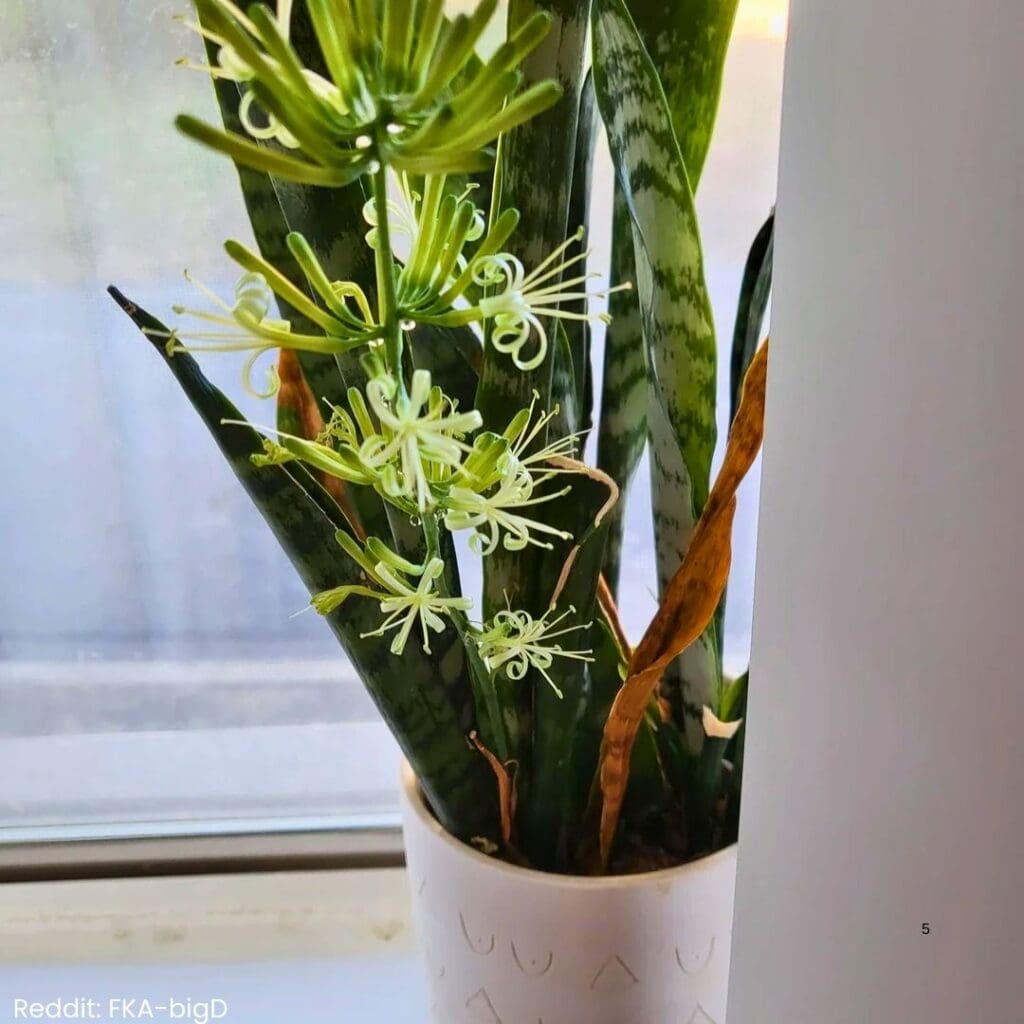
The Snake Plant is a lifesaver for anyone who forgets to water. It’s basically indestructible and perfect for a kitchen window.
The tall, upright leaves with their green and yellow stripes add a bit of drama to the space. They always look neat, which I really appreciate.
I keep mine in bright, indirect light, though it’ll tolerate low light if the weather’s gloomy. That makes placement super easy.
It’s nice to know it also cleans the air a bit—just sitting there, doing its thing.
I let the soil dry out completely before watering, and I use a well-draining pot to avoid soggy roots.
Now and then, I’ll wipe the leaves with a damp cloth to keep them dust-free. It’s a small thing, but it helps.
Honestly, the Snake Plant is just a simple, stylish choice. It fits in almost anywhere and never asks for much.
5) Pothos

Pothos is a classic for a reason. I love keeping it on the kitchen window—it’s fast-growing, forgiving, and those glossy heart-shaped leaves always look cheerful.
It thrives in indirect light, but I’ve noticed it still looks healthy even on cloudy days. It’s not picky about light, which is a relief.
When watering, I wait until the top inch of soil dries out. Too much water is a no-go, so drainage is a must. Once a week is usually enough.
One cool thing: Pothos can grow in soil or water. I sometimes snip a stem and let it root in a jar on the sill. Watching the roots grow is oddly satisfying.
It’s also an air purifier, which is a bonus when cooking smells hang around. All in all, it’s a pretty and practical kitchen buddy.
6) Succulents

I can’t get enough of succulents on the kitchen window. They’re basically foolproof and look good no matter what time of year it is.
Since they store water in their leaves, I don’t stress about missing a watering. They’re made for people who forget sometimes.
Bright light is key, so I keep them where they’ll get a few hours of direct sun. If they start stretching out, I know they need more.
I use cactus or succulent mix for well-draining soil and only water when it’s dry—usually every week or two.
Succulents come in so many shapes and colors. I like mixing aloe, echeveria, and haworthia for a bit of variety. It makes the window look more cheerful without taking up much room.
I’ll feed them a little during spring and summer, but in winter, I mostly leave them alone and water less.
Swapping out their pots is fun, too. Small mugs, jars, or classic pots all work—as long as there’s a drainage hole.
Succulents just make the kitchen feel calmer. They’re stylish and really easy to care for, which is perfect for a busy kitchen.
7) Peace Lily
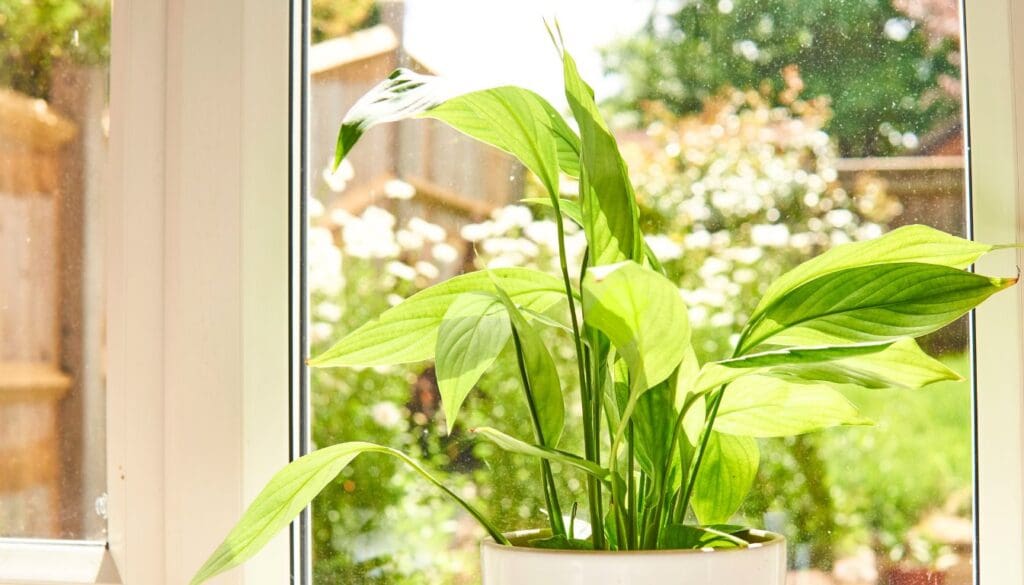
The Peace Lily is one of my go-to plants for a calm, tidy look. The glossy green leaves always seem to catch the light, and the white blooms add a subtle touch of elegance.
It’s easy to care for. I keep mine near the window but out of direct sun, and water when the top inch of soil feels dry. If it droops, a quick drink perks it right back up.
I also like that it helps purify the air. That’s always a plus in the kitchen.
Even in lower light, it keeps growing, though it blooms less. I’ll wipe the leaves now and then to keep them shiny and dust-free. The white flowers can last for weeks, which is nice.
If you want something simple and attractive, the Peace Lily is a solid pick. It doesn’t ask for much, and it brings a little peace to the cooking space.
8) English Ivy
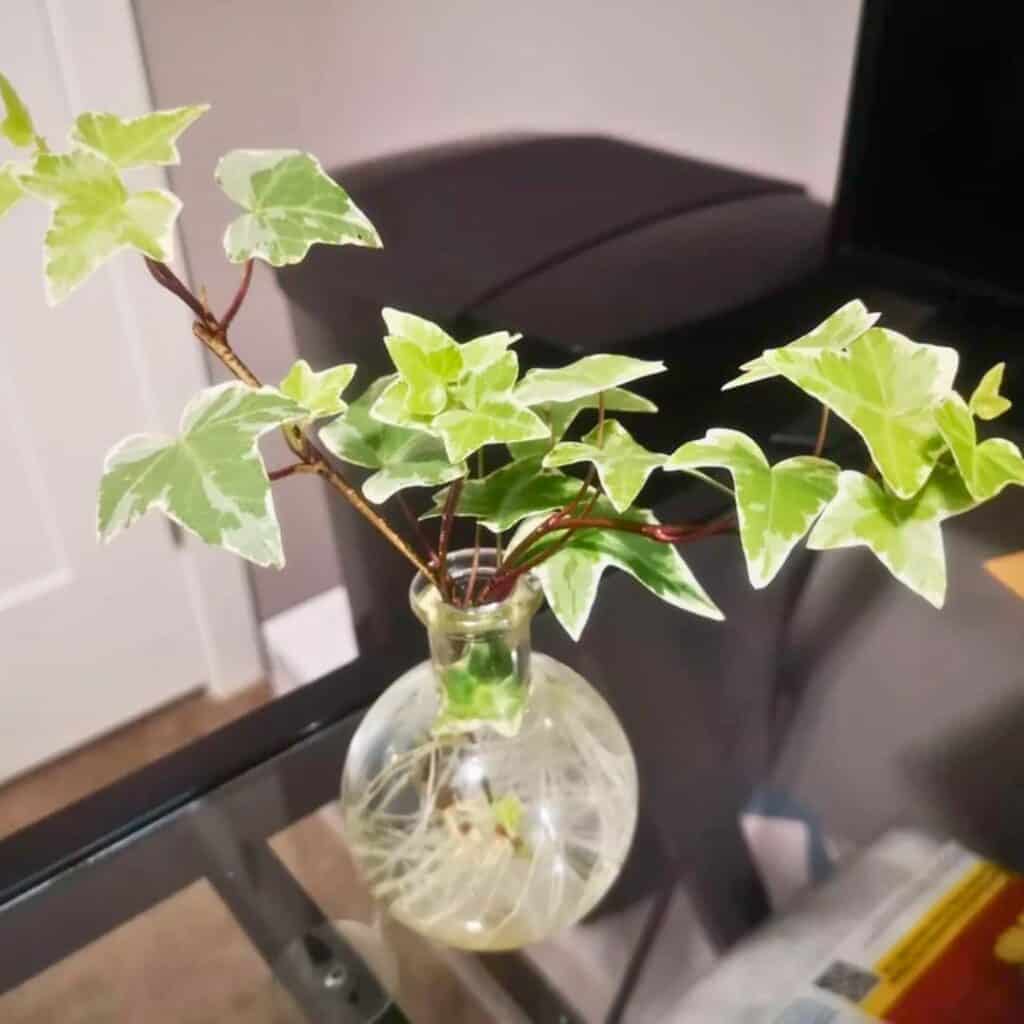
English Ivy is a fun one for the kitchen window. It adds a splash of green without taking up much space, and the vines look great trailing from a pot or climbing along a little shelf.
It grows well in indirect sunlight, so it’s perfect if your kitchen isn’t super sunny. I just keep the soil a bit moist, watering when the top layer feels dry.
I’ve noticed it helps freshen the air, which is always welcome when I’m cooking. It doesn’t mind the usual kitchen temperature swings, just keep it away from the stove.
To keep it tidy, I trim the vines every few weeks. That encourages new growth and stops it from getting out of hand. Sometimes I’ll root a cutting in water for a new plant.
For a little extra color, I’ll go for a variegated type—the cream or yellow edges really brighten things up. English Ivy is low-fuss, which is just what I need most days.
Having it in the kitchen gives me a bit of nature that’s easy to look after and always nice to come home to.
9) African Violet
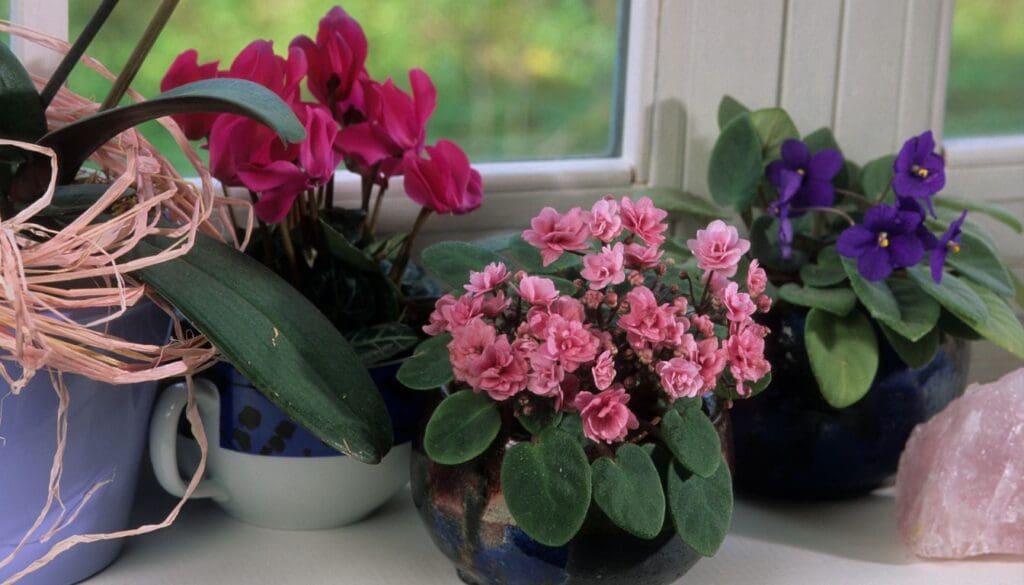
There’s just something lovely about African violets on a kitchen windowsill. Their soft, fuzzy leaves and bright little blooms instantly make the space feel warmer and more cheerful.
They stay small, so I can tuck them right onto a narrow sill without any trouble. I keep mine in bright, indirect light—direct sun is a no-go since it’ll scorch those delicate leaves.
A sheer curtain helps soften the light. When I notice the flowers fading on one side, I just give the pot a gentle turn so every leaf gets a fair share.
The soil should be slightly moist but never soggy. I water from the bottom, letting the pot soak in a shallow dish for a few minutes. That way, the fuzzy leaves stay dry and I don’t have to worry about spots or rot.
Every couple of weeks, I use a balanced liquid fertilizer when it’s blooming. It seems to love the routine and keeps sending out fresh buds. I also gently brush off dust so the plant can breathe—clean leaves really do make a difference.
With the right care, African violets bloom several times a year. It’s honestly one of the easiest ways I know to bring life and color to a kitchen window.
10) Cast Iron Plant

The Cast Iron Plant is a favorite of mine, mostly because it’s so forgiving. It handles low light and doesn’t fuss if I forget to water it for a while.
Its long, deep green leaves look simple but somehow add a classic, clean vibe. I like that it stays green all year, even when everything outside is gray.
It grows slowly, so I don’t have to repot it very often. The plant shrugs off temperature and humidity swings, which is great since my kitchen gets pretty steamy sometimes.
If it gets too much sun, I just scoot it a bit away from the window and it’s fine. The Cast Iron Plant can live for years with minimal care.
I only have to trim off the odd yellow leaf and wipe the dust once in a while. It’s honestly satisfying to have a plant that looks good without much fuss.
For anyone who wants greenery but doesn’t have a lot of time, this one’s a winner. Quiet, reliable, and strong—just what I want in a busy kitchen.
11) Philodendron

I like having a Philodendron on my kitchen windowsill because it brings in green without demanding much. This plant thrives in bright, indirect light—perfect for most kitchen windows.
Its glossy leaves stay fresh-looking, even if I forget to water for a few days. What I appreciate most is how low-maintenance it is.
I water only when the top inch of soil feels dry. It’s happy with normal household humidity, so I rarely bother with misting. If the leaves start to droop, that’s my cue for a drink.
The heart-shaped leaves are charming and fit nicely in a small pot by the sink. Sometimes I let the vines trail, and it perks up the whole area.
Philodendrons help purify the air, which is a nice bonus in the kitchen. I keep it out of direct sunlight to avoid scorched leaves, but a bright window nearby does the trick.
For anyone new to indoor plants, I always say start with a Philodendron. It’s forgiving, pretty, and easy to look after. Plus, that pop of green brightens my mornings while I make coffee.
12) Jade Plant

A Jade Plant on the kitchen window just feels right. Its thick, shiny leaves catch the light and make the whole space look fresh.
It grows slowly, so I never have to worry about it outgrowing its pot too soon. Being a succulent, it stores water in its leaves—meaning I only water when the soil’s dry.
I’m careful not to overdo it, and always use a pot with good drainage. My Jade Plant loves bright, indirect sunlight, and a sunny windowsill usually works best.
When it gets enough sun, the leaves sometimes develop red edges, which look amazing. This plant fits perfectly with a busy schedule.
It doesn’t complain if I forget to water for a week or two. Sometimes I wipe the leaves to keep them looking shiny and clean.
The coolest part? It’s super easy to propagate. Just take a leaf or a small cutting, let it dry for a day, and stick it in soil.
Soon, you’ll see tiny roots and a new plant—great for gifts or just spreading more green around the house. The Jade Plant can live for years if you treat it well. It’s one of those plants that just grows with you and brings a calm, natural vibe to the kitchen.
13) Parsley

Parsley is a must for my kitchen window. It’s easy, colorful, and the fresh scent is always welcome. The crisp green leaves just make the kitchen feel more alive.
I start parsley from seeds or small starter plants. It does best in a sunny window—about six hours of light a day is ideal.
When I water, I keep the soil slightly damp but never soggy. The best part is how handy parsley is for cooking.
I sprinkle it on soups, salads, or pasta for a burst of flavor. Fresh parsley tastes so much cleaner than dried, honestly.
To keep it happy, I trim the outer stems often, which encourages new leaves from the center. Regular harvesting keeps the plant healthy and growing.
Parsley likes cooler indoor spots, so my kitchen window is perfect. If it gets too hot, the leaves might wilt or yellow, so sometimes I move the pot for better air flow.
One tip—feed parsley with a balanced liquid fertilizer every few weeks. The extra nutrients help keep it strong and flavorful.
I love how low-maintenance it is. As long as it gets water and light, parsley keeps growing and makes everyday cooking more fun.
14) Rosemary

Rosemary is one of my favorite kitchen window plants—pretty and practical. Its thin green leaves give off a fresh scent that fills the room, and it stays tidy even in a small pot.
This herb really thrives in bright sunlight. I make sure it gets at least six hours of direct light every day.
When the light is strong, the leaves stay healthy and full of flavor. I only water rosemary when the soil feels dry; it hates soggy roots.
A pot with holes and a light soil mix keeps things draining well. I snip a few sprigs for cooking—roasted potatoes, chicken, or even bread get a boost from fresh rosemary.
It’s so handy to have it right there, no grocery run needed. Regular trimming keeps the plant bushy and green.
If I spot woody stems, I cut them back to encourage softer new growth. Every now and then, I check for dust or dead leaves to keep it looking fresh.
Rosemary adds a bit of charm to my kitchen. The scent is calming, and the narrow leaves look neat against the window light. It’s simple to care for but always feels a little special.
15) Mint
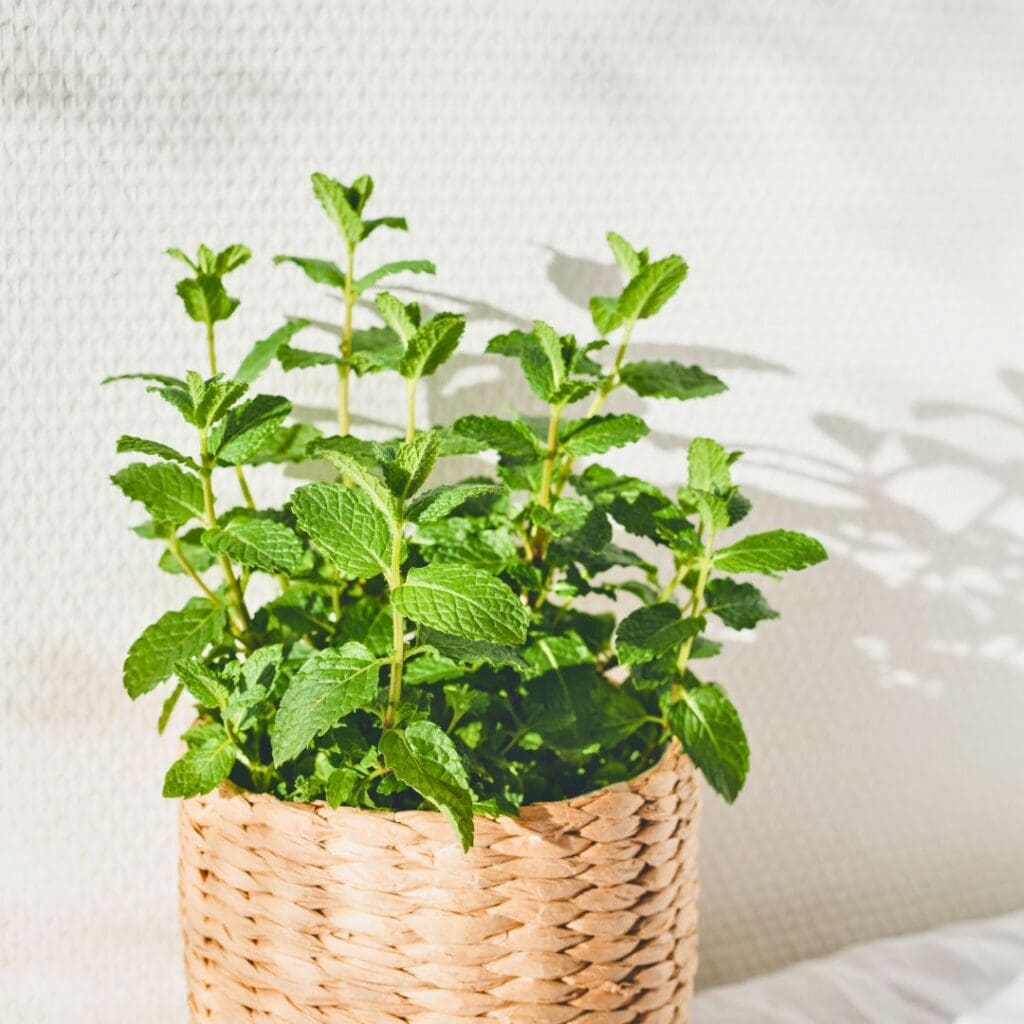
Mint is a staple on my kitchen window. It grows fast, smells amazing, and makes it easy to grab a leaf for tea or cooking. The bright green leaves just liven up the whole space.
Mint likes sunlight, but not too much heat. I keep it where it gets a few hours of morning or late afternoon sun.
The soil should stay slightly moist, but never soggy. I check it often so it doesn’t dry out.
Regular trimming keeps the plant full and healthy. Cutting it encourages new leaves, and I always save a few for drinks or desserts.
Fresh mint adds a crisp taste to water, salads, and sauces. One thing I’ve learned: mint spreads like crazy.
I keep it in its own pot so it doesn’t take over. A small container is all it needs to thrive.
If the leaves look pale or droopy, I know it’s time for more light or water. Mint usually perks up quickly once I fix the problem.
It’s honestly one of the easiest herbs to care for, even for beginners. Having it close by encourages me to use fresh herbs more often.
Every time I pick a few leaves, the scent fills the kitchen and lifts my mood. Mint gives my window a touch of green I can enjoy year-round.
How to Care for Kitchen Window Plants
I keep my kitchen plants healthy by paying attention to light, water, soil, and nutrients. Small tweaks here can make a big difference, especially in a bright, sometimes warm, window spot.
Light and Water Needs
I place my plants where they get bright but indirect sunlight. South- or east-facing windows usually do the trick without burning any leaves.
If the sun’s too strong, a thin curtain helps soften it. For watering, I use the finger test—just poke my finger about an inch into the soil.
If it feels dry, I water slowly until it drains out the bottom. Overwatering is a real risk, so I always empty out extra water from the saucer.
Different plants have their own quirks. For example:
| Plant Type | Light | Watering Frequency |
|---|---|---|
| Herbs (basil, parsley) | Bright, direct light | Every 2–3 days |
| Succulents | Bright, indirect light | Every 7–10 days |
| Ferns | Low to medium light | Every 3–4 days |
I check leaves often. Droopy leaves usually mean not enough water; yellow ones often mean too much.
Potting and Soil Tips
I go for pots with drainage holes. Without them, water just sits and roots can rot.
Clay pots are nice because they let air flow through the sides, which helps keep roots from staying soggy. I fill pots with well‑draining soil.
For herbs and leafy greens, I mix potting soil and compost. For succulents, I toss in some sand or perlite for better drainage. Loose soil lets roots breathe.
Every few months, I check if the plant is rootbound—if roots circle the edge or poke out, it’s time for a bigger pot. Repotting gives it more space and fresh nutrients.
Fertilizing for Healthy Growth
Most plants get a balanced liquid fertilizer about once a month during the growing season. I always dilute it so it’s gentle on the roots.
For edible herbs, I stick with an organic fertilizer—safer for cooking. Too much fertilizer can burn plants, so I go easy.
Smaller plants usually need only half the recommended dose. I stop fertilizing in colder months when growth slows.
Instead, I just focus on steady light and watering. Consistent care keeps my kitchen window plants healthy and green all year.
Creative Display and Styling Ideas
I like my kitchen window to feel bright and balanced. The right layout and containers make a big difference, even if I only have a few plants.
Switching up plant heights, shapes, and textures gives the space a fresh, interesting look. Sometimes it’s the little changes that make the window really pop.
Arranging Plants for Maximum Appeal
I like to mix up plant sizes and heights to keep things visually interesting. Taller plants, like snake plants or pothos, usually go at the ends of the window frame so your eyes naturally wander outward.
Shorter herbs—basil or mint, for example—fit nicely in the center. That way, everyone gets their fair share of sunlight.
I try to avoid clutter by grouping plants in sets of three or five—it just feels more balanced somehow. Sometimes I’ll use shelves or tiered stands to make layers, so each pot gets enough light.
Putting trailing plants up high lets their vines spill down, which adds some cool texture.
Every now and then, I’ll rotate the plants. It helps them grow evenly, and you won’t end up with those lopsided, light-hungry stems.
Giving the leaves a quick wipe makes them look shiny—plus, they soak up more sun that way. It’s surprising how just tidying up a bit can make the whole spot feel refreshed.
Choosing Decorative Containers
I’m a fan of simple pots that go with the kitchen’s vibe. White or pale gray pots really make the greens pop, but terracotta gives everything a cozy, warm feel.
If I’m feeling casual, I’ll repurpose mugs, jars, or even baskets with a plastic liner. Those little quirks bring some personality to the mix.
Mixing up textures—like matte ceramics, glass, or woven containers—keeps things from looking too one-note. I try not to go wild with container sizes, though, or it can start to look a bit chaotic.
For watering, pots with drainage holes are a lifesaver. If not, I’ll just toss some pebbles at the bottom.
Grouping everything on trays helps catch drips, and honestly, it just keeps the window ledge from turning into a mess. A few matching details here and there help the whole thing look intentional, even if it’s not perfect.
Frequently Asked Questions
In my experience, healthy kitchen plants need the right mix of light, care, and a good spot to thrive. The best ones? They’re usually compact, low-maintenance, and adaptable—plus, they add a nice pop of green.
What types of plants thrive best in a kitchen window environment?
From what I’ve seen, plants that like bright, indirect light tend to do the best. Spider plants, pothos, and aloe vera are pretty forgiving and don’t need constant fussing.
Are there any low-maintenance plants suitable for busy homeowners to place in the kitchen?
Absolutely. I’d go with the snake plant or pothos—they don’t mind low light or if you forget them for a few days.
They stay green and cheerful, even when life gets hectic.
Can I grow herbs in my kitchen window, and if so, which are best for this setting?
For sure. I keep basil, mint, and parsley by the window.
They grow quickly, smell great, and are super handy when you’re cooking.
How can I ensure my kitchen plants receive adequate light?
I usually keep my plants close to the window but not right in the harsh sun. Rotating them every few days helps them grow straight instead of leaning.
If the window’s a bit gloomy, I’ll use a small grow light to help out.
What are the ideal plants for improving air quality in the kitchen?
Honestly, spider plants, snake plants, and pothos are my go-tos for fresher air.
They’re known for filtering out some indoor pollutants, and they just make the kitchen feel more alive.
How often should I water my kitchen window plants?
I usually check the soil every couple of days, just to see how things are going. If the top layer feels dry to the touch, that’s when I’ll give the plants a drink.
Honestly, it’s safer to underwater than overdo it—too much water can spell trouble for the roots. Root rot? Nobody wants that.
Note: Some images in the articles are sourced from Reddit and Other Platforms For Reference Purpose.