21 Low-Mess Potted Plants Around Pools
I love relaxing by the pool, but honestly, cleaning up leaves and petals just ruins the vibe. That’s why I went searching for low-mess potted plants that keep the poolside looking sharp and inviting.
With the right plants, you can have greenery that stays neat—no endless sweeping or trimming needed.
In this article, I’m sharing my favorite easy-care options that look fantastic next to water and can handle sun, splashes, and heat. These plants really do make it easy to enjoy a fresh, calm space with almost no extra work.
Please note: Simplify Plants is reader-supported. As an Amazon Associate, I earn from qualifying purchases made by our readers with no extra cost added to you all! Some links in the post are affiliate links and I get a commission from purchases made through links in the post.
1) Succulent varieties for minimal leaf drop

I’m a fan of succulents around pools because they genuinely stay neat. They barely drop any leaves, so the water and deck stay clean—what more could you want?
Most succulents need very little care, which is a big plus for anyone who’s busy (like me). I usually stick with aloes or haworthias in pots by my pool; they’re compact, sturdy, and their leaves just don’t make a mess.
Echeverias are another go-to. The rosettes hold up even in blazing sun, and they come in a bunch of colors that add a little variety—without the constant cleanup.
I also keep jade plants and zebra plants nearby for their steady, reliable growth. They can take bright light and dry air and still look tidy year-round.
Succulents do best in well-draining soil and pots with drainage holes. I water sparingly and let the soil dry out between drinks.
Honestly, with their clean look and easy upkeep, succulents make my pool area feel organized and calm. I love that they bring in greenery without the hassle.
2) Snake Plant (Sansevieria) benefits around pools

I’m all for the snake plant because it’s just so easy to care for. Its tall, upright leaves add a modern vibe, and it handles sun, shade, and unpredictable weather without any complaints.
I never stress about mess with this one. The leaves stay put, so the pool area stays clean—less sweeping, more relaxing.
Snake plants can even improve air quality. Maybe it’s outside, but hey, every little bit helps, right? It just makes the space feel fresher.
They also grow well in pots, which means I can move them wherever—beside lounge chairs, in corners, along the path—and they always look good.
The green and yellow leaves really pop next to the blue water. That bold color and shape just pull the space together.
3) ZZ Plant’s drought tolerance
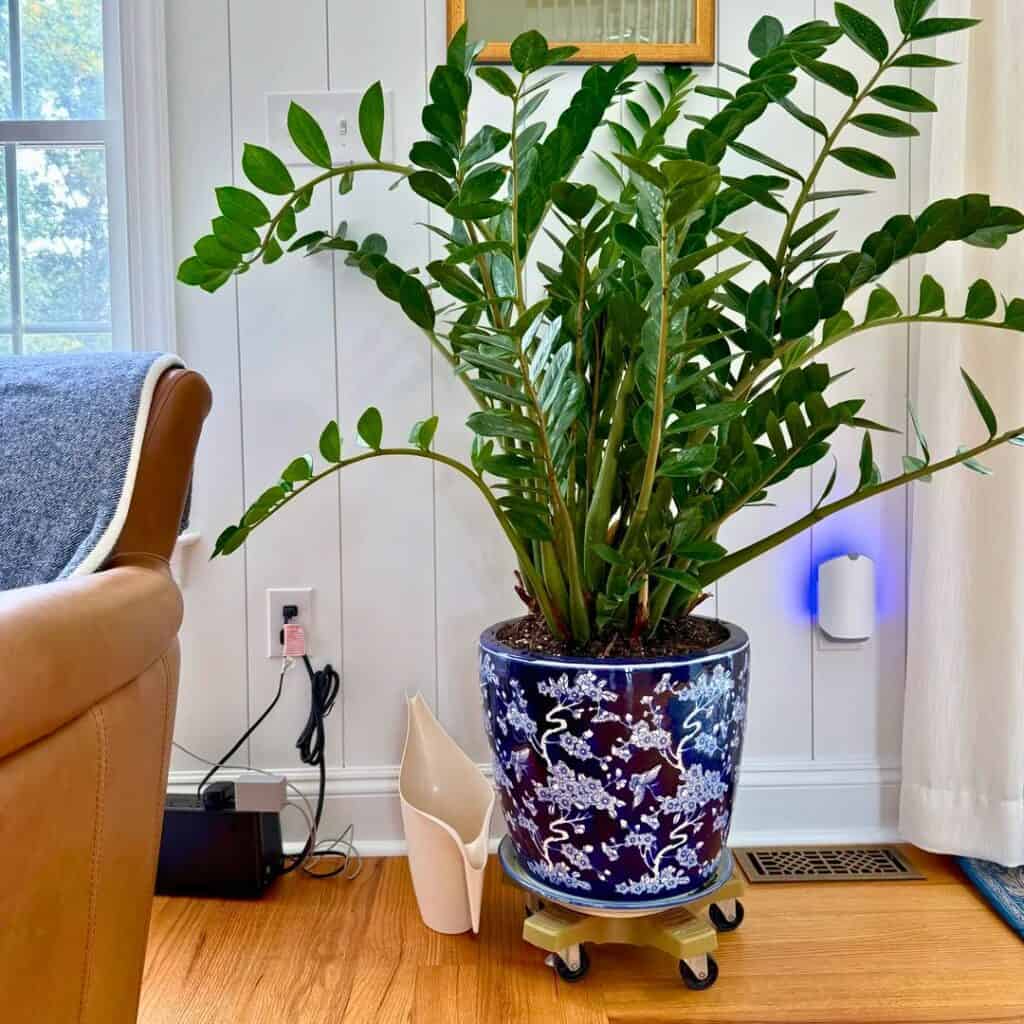
I keep a ZZ Plant by the pool because it’s honestly one of the lowest-maintenance plants I’ve found. It barely needs water, so there’s less worry about splashing or overwatering.
Its thick, waxy leaves hold moisture, so even if I forget to water, it stays happy. This plant can go weeks without watering, which is perfect for hot or dry spots.
I keep mine in partial shade, and it still grows—just at its own slow, steady pace. It’s nice not having to panic if I skip a watering.
The ZZ Plant hardly drops any leaves, too. My pool area stays tidy, and I get to spend more time relaxing.
Thanks to its natural drought tolerance, I don’t have to worry about constant care. It’s a reliable pick that always looks good with barely any effort.
4) Spider Plant’s easy cleanup
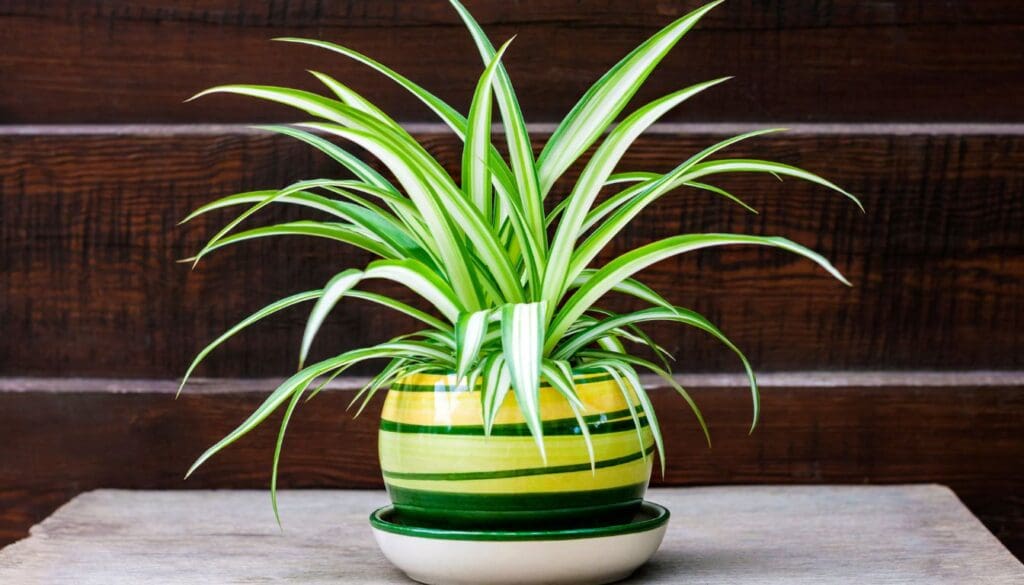
I keep a Spider Plant near the pool because it’s fresh-looking and super low-maintenance. It doesn’t drop many leaves, so I don’t find myself sweeping up after it.
The narrow, arching leaves look bright and clean, even after a hot summer day. If there’s any dust or splash marks, I just wipe them off and it’s good to go.
It doesn’t shed flowers or heavy debris, which is a relief. The plant’s small offshoots (“spiderettes”) grow on long stems but don’t scatter everywhere.
When they get too long, I just snip them off and pop them in new pots—takes no time, and there’s barely any mess.
Spider Plants love partial shade, so I can tuck them in decorative pots along the shaded edges. They like a bit of moisture, but they don’t make puddles, so the pool area stays dry.
Overall, Spider Plants are a simple way to add some green without any extra work. Their easy cleanup and gentle growth really fit that relaxed poolside mood.
5) Air Plants in Hanging Glass Globes

I’m a big fan of air plants by the pool because they don’t drop leaves or soil—so much less mess. They don’t even need dirt, which is a win.
I just mist them once or twice a week and they look fresh. Hanging glass globes make them look modern and a bit fancy.
I hang them from hooks, tree branches, or pergolas to catch the light. The glass globes also help keep them safe from pool splashes.
Air plants do best in bright, indirect light. I’ve noticed they need good airflow to dry out after misting.
If it rains a lot, I just bring them under cover for a bit. I like mixing up different sizes and shapes of globes for variety.
Some have open sides for easy misting, and a few have decorative stones or shells for extra color. Since these plants don’t shed or make messes, they’re probably my lowest-maintenance poolside pick.
They keep the area looking green and fresh, and I barely have to think about them.
6) Aloe Vera’s low maintenance charm
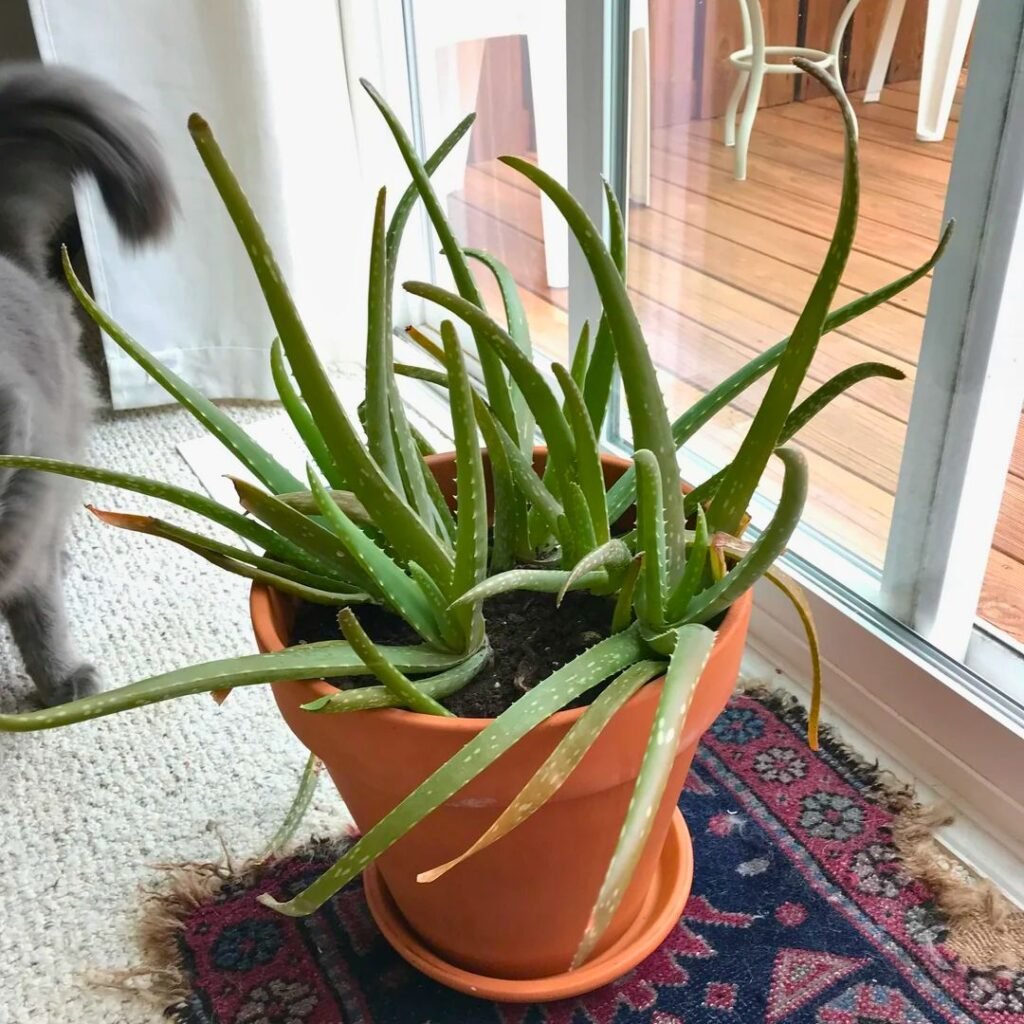
I love how Aloe Vera brings a fresh, green pop to my pool area without adding work. Its thick, pointed leaves look sleek and stay tidy—even after a windy afternoon.
Aloe Vera doesn’t shed much, so it helps keep things easy. It thrives in sunny spots, making it perfect for poolside.
I just make sure the pot has drainage holes and good soil, then leave it alone. It grows best when watered only after the soil dries out, so I don’t have to keep track all the time.
The plant’s succulent nature means it stores water in its leaves, letting it handle dry spells and heat. That’s a relief during the hottest months.
Aloe Vera keeps its shape year-round and fits nicely with other plants. Its clean lines and soothing green color give the space a calm, tropical feel.
Plus, the gel inside the leaves comes in handy for minor burns or dry skin. Having a plant that looks good and is useful? That’s a win.
If I want more, it’s easy to propagate Aloe Vera from the offshoots at the base. A few cuts, fresh soil, and suddenly I’ve got new pots to fill or share.
For anyone looking for a poolside plant that’s low-mess, low-care, and just plain nice to look at, Aloe Vera is a smart pick. It’s a small effort for a big return.
7) Bamboo Palm for subtle greenery
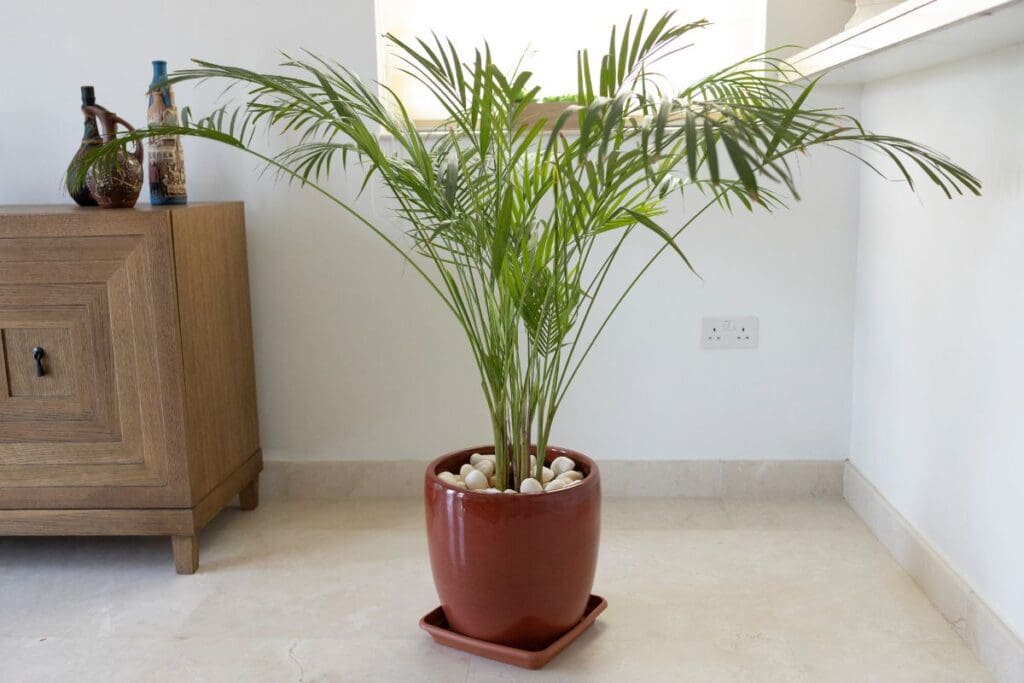
I like putting bamboo palms by the pool for a calm, tropical vibe that doesn’t take over. Their thin stems and soft leaves add a light touch of green that looks clean, not overwhelming.
They grow slowly and stay tidy, so I’m not constantly trimming or sweeping. Bamboo palms don’t drop many leaves, which really helps.
Their upright shape saves space for chairs and other plants. I usually keep mine in medium planters with good drainage.
They like bright, indirect light and steady moisture, but nothing complicated. I just check the soil—if it’s dry an inch down, I water a bit.
Bamboo palms also do fine in shaded corners where other plants might struggle. The soft green looks fresh even without full sun.
I like grouping two or three pots together for a relaxed feel. The feathery fronds move gently in the breeze and make the pool area feel peaceful.
8) Cast Iron Plant’s toughness
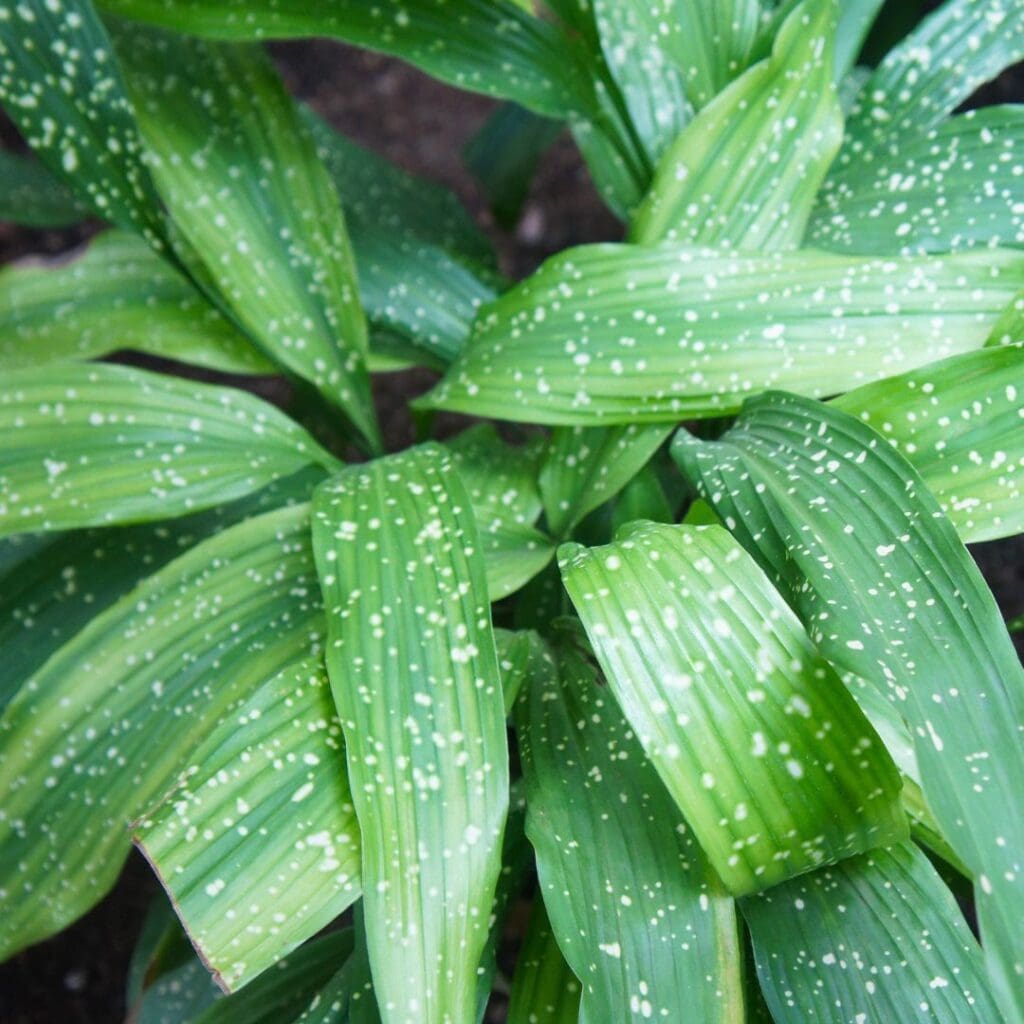
The Cast Iron Plant is honestly as tough as its name suggests. It’s strong, steady, and basically impossible to kill.
Even when other plants wilt in heat or shade, this one keeps its deep green leaves looking healthy. I can put it by the pool and not worry about splashing or blazing sun.
It handles both low light and humidity, so it fits just about anywhere. I don’t fuss over it daily.
The upright leaves don’t drop much debris, so my pool area stays clean and low-maintenance. The smooth, broad leaves give everything a tidy, organized look.
I keep mine in a sturdy pot with drainage. It doesn’t like soggy soil, but once it’s settled, it’s happy with just the occasional drink.
If I forget to fertilize or skip a week of care, the Cast Iron Plant just keeps going. It’s tough, forgiving, and reliable—definitely one of my poolside favorites.
9) Orchid species with minimal petals on ground
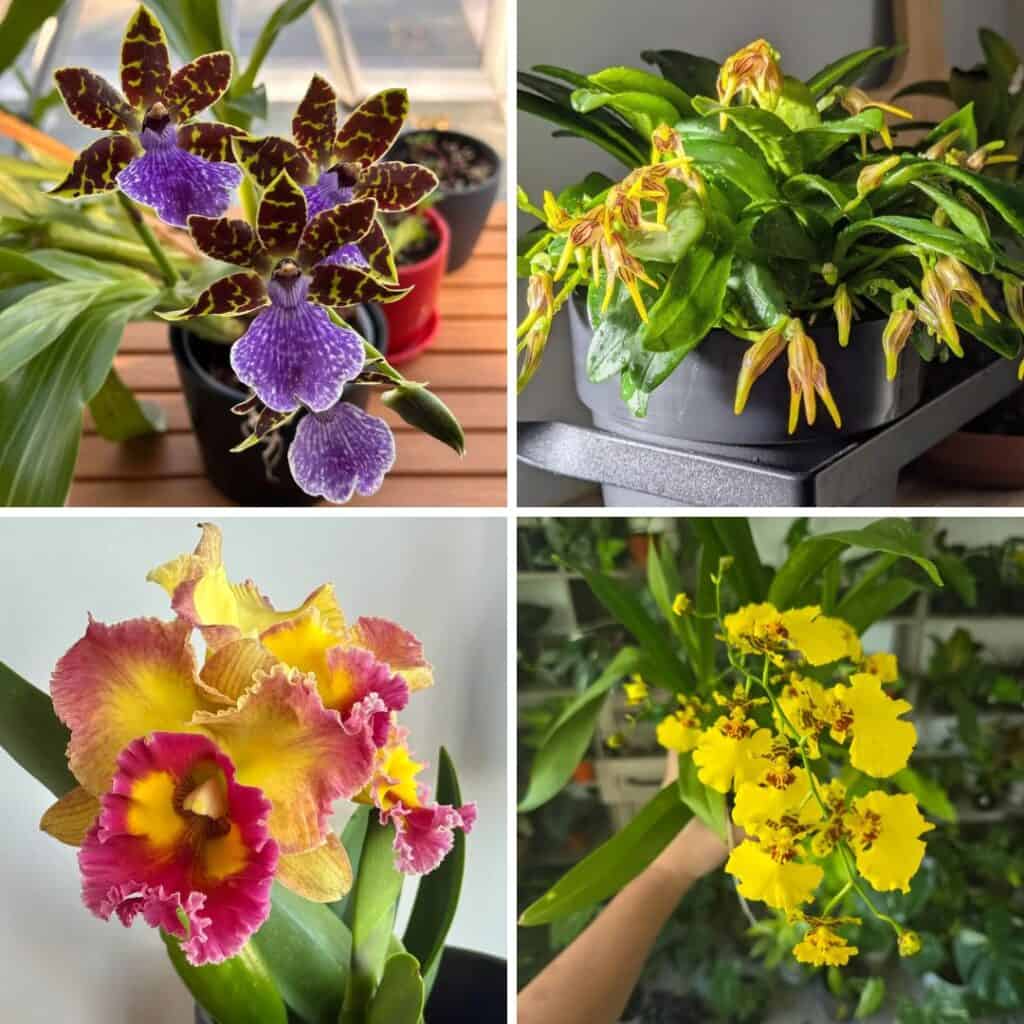
I love orchids that stay neat around my pool. Some orchid species barely drop petals, so the patio stays clean.
Phalaenopsis (moth orchids) are my top pick—their petals last ages and, when they do fall, they’re light and easy to sweep up. These thrive in shaded spots with filtered sun and warm air.
Dendrobium orchids are also great by the pool. Their blooms stick close to the stems before dropping, so there’s less mess than with other flowers.
I use raised pots to avoid splashes and soil stains. Well-draining containers protect the roots, especially in humid areas.
The leaves stay glossy with just a quick mist. What I like most is how orchids add color and order—beauty without the clutter of fallen flowers.
When friends come over, the orchids always look fresh and clean beside the water, blending right into that calm poolside scene.
10) Ponytail Palm for splash-resistant decor

I really like how the Ponytail Palm brings that tropical vibe to a pool area without causing a mess. The long, thin leaves arch in a way that looks relaxed and tidy, even if the wind picks up or water splashes nearby.
Its thick trunk stores water, so I don’t have to fuss over it much. That means less constant care and definitely less cleanup.
I keep mine in a simple pot with drainage holes—nothing fancy, just practical. That way, soggy soil isn’t a problem, which is a real bonus around pools where water seems to find its way everywhere.
It grows pretty slowly, so I barely ever need to repot or worry about dropping leaves. That’s a relief.
The Ponytail Palm does great in bright sun, making it perfect for those sunny pool decks. When it gets super hot, I’ll move it into partial shade just to keep the leaf tips from drying out.
It’s also fine with dry air, which is handy for outdoor setups. I like that this plant works as a natural accent for any size patio or pool area.
It looks good with stones, citrus pots, or even some bright chairs. And it doesn’t drop petals or sticky sap, so there’s nothing to stain or clog up filters.
Because it’s so low-maintenance, I can actually relax by the pool instead of thinking about chores. For me, the Ponytail Palm just gets it right—stylish, durable, and easy.
11) Jade Plant’s thick leaves for less mess

I’ve got a soft spot for Jade Plants because they keep my pool area looking neat. Their thick, fleshy leaves don’t shed much, so I’m not out there sweeping all the time.
The leaves store water, so I don’t have to remember to water them constantly. That’s a lifesaver when I get busy or just want to chill.
It grows slowly and stays pretty compact in a pot, which helps keep debris to a minimum. I usually give it a well‑draining soil mix and a sunny spot.
Bright light is best, but if the sun gets too intense, I’ll move it under some shade. I like how Jade Plants look clean and sculptural, almost like living art.
Their shiny green leaves reflect sunlight and add a nice pop of color near the pool. They handle dry conditions well, so even if there’s a splash, no big deal.
When I trim the plant, it’s just once or twice a year—nothing high-maintenance. The stems are sturdy and easy to shape, so I don’t have to fuss with it.
With such little effort, I get a tidy, green accent that fits right in with the rest of my outdoor space. The Jade Plant just keeps things green without the clutter.
It’s definitely one of those plants that lets me enjoy the view instead of worrying about mess.
12) Cactus types safe near water

Cactus plants around pools? Honestly, I think they’re underrated. They bring a clean, sculptural look and barely drop any debris.
Some folks think cactus and water don’t mix, but certain types handle humid air and the occasional splash just fine. One of my favorites is the Golden Barrel Cactus.
Its round shape looks neat, and it doesn’t spread or shed. I keep it in a sturdy pot by the pool, and it’s happy with minimal care.
The Bunny Ear Cactus stays small, so it won’t crowd your pool deck. I make sure the pot drains well since cactus roots really hate sitting in water.
A light splash now and then? No problem. The Blue Candle Cactus grows tall and upright, giving a cool, modern vibe next to outdoor seating.
Its blue-green color looks awesome against water and stone. It needs full sun but not much watering, so it’s super easy to manage.
If I’m after a softer look, I’ll go for a Christmas Cactus. This one actually enjoys more humidity and can bloom indoors or out, especially in partial shade.
It’s a nice pick for those shaded pool corners. I always keep cactus pots raised or somewhere rainwater drains off quickly.
Good drainage and airflow keep them healthy, especially in humid places. I check for pests sometimes but don’t usually have issues.
Adding these cactus types keeps my pool area looking neat and low-maintenance. They offer variety in shape and color, and they’re totally fine near water.
13) String of Pearls vine neatness
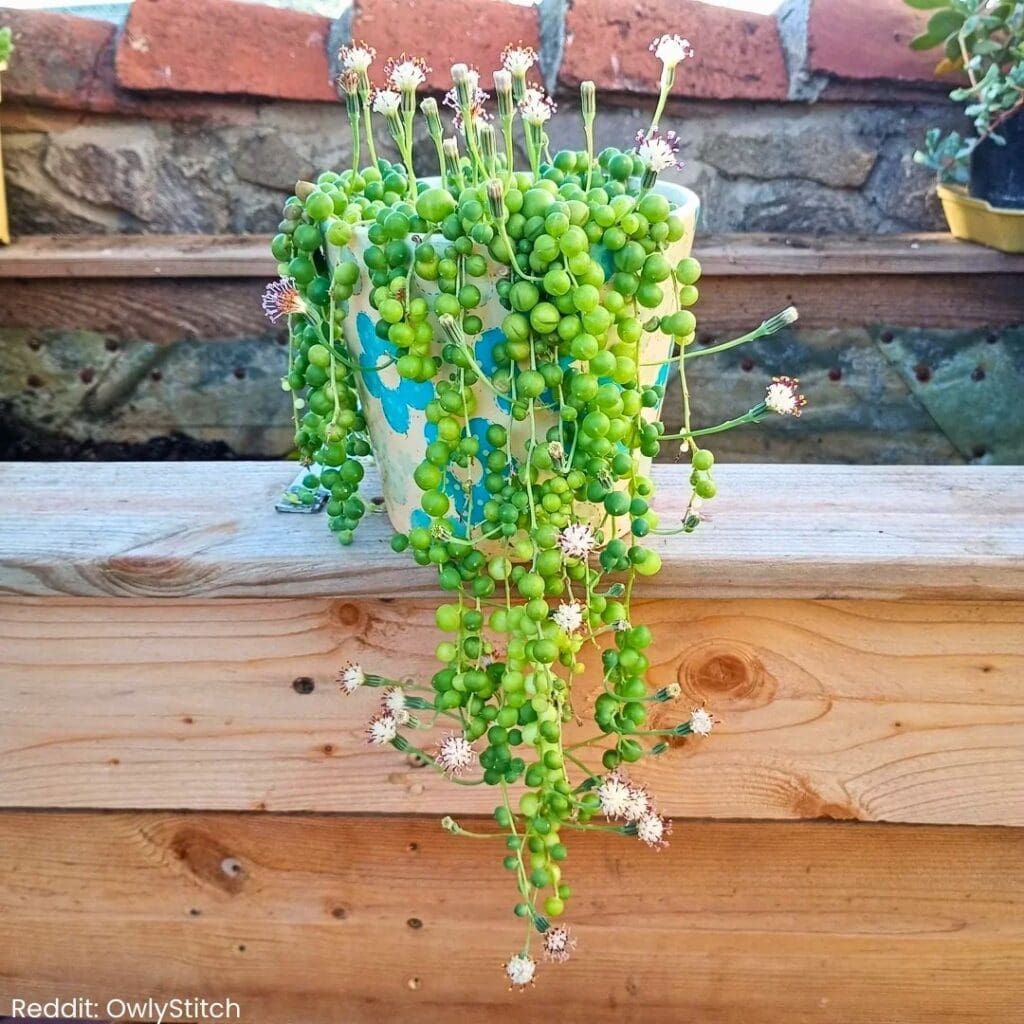
I’m a big fan of the String of Pearls vine for poolside spots. Its tiny, round leaves look just like beads and drape gracefully over the edge of a pot.
The trailing shape gives a soft, tidy vibe without taking over the space. This plant is low-mess because it grows slowly and barely drops any debris.
I might spot a few leaves if I move or prune it, but cleanup is a breeze. It’s easy to keep the area around the pool looking fresh.
I keep my String of Pearls in a well-draining pot to avoid soggy soil and leaf rot. Letting the soil dry out between watering keeps it healthy and compact.
Too much water can make the leaves split or drop, so I stick with light, occasional watering. This vine likes bright but filtered sunlight.
I place mine where it gets morning sun and afternoon shade. If it gets too much direct sun, the pearls can shrivel or lose their color.
A shaded poolside corner works perfectly. The neat hanging strands make trimming easy—I just snip uneven growth with scissors.
Since it grows slowly, I don’t have to trim often. That saves me time and effort.
The String of Pearls fits right in with modern or tropical styles. It looks great with smooth pots and other low-maintenance plants.
Honestly, I think it adds a calm, elegant touch to the pool area without getting in the way. For me, this vine is the perfect mix of style and easy upkeep.
I get to enjoy its unique look without constant cleaning or pruning, so my pool zone stays neat and inviting.
14) Bird of Paradise height and neatness

I love the Bird of Paradise for its bold, tropical flair without all the mess. Those tall, upright leaves remind me of banana plants, but they’re sturdier and don’t shed as much.
That’s a huge plus for keeping the pool area tidy. This plant usually grows 4 to 6 feet tall in pots, though some can get taller with good light and care.
I find this height just right—it gives privacy but doesn’t block out the sun. It sits nicely next to lounge chairs or garden walls.
What I like most is how neatly it grows. The leaves fan out and mostly stay clean.
I only trim off older leaves once in a while to keep it fresh. The flowers, when they show up, are bright and striking but not too messy when they fade.
For the neatest look, I keep mine in a large, sturdy pot. That helps control its size and keeps the roots safe.
I’ll wipe dust off the leaves now and then so they keep their shine. With just a bit of attention, the Bird of Paradise brings a tropical touch without the hassle.
It stands tall, stays tidy, and adds a lively energy to any poolside space.
15) Peace Lily’s lush look with minimal debris
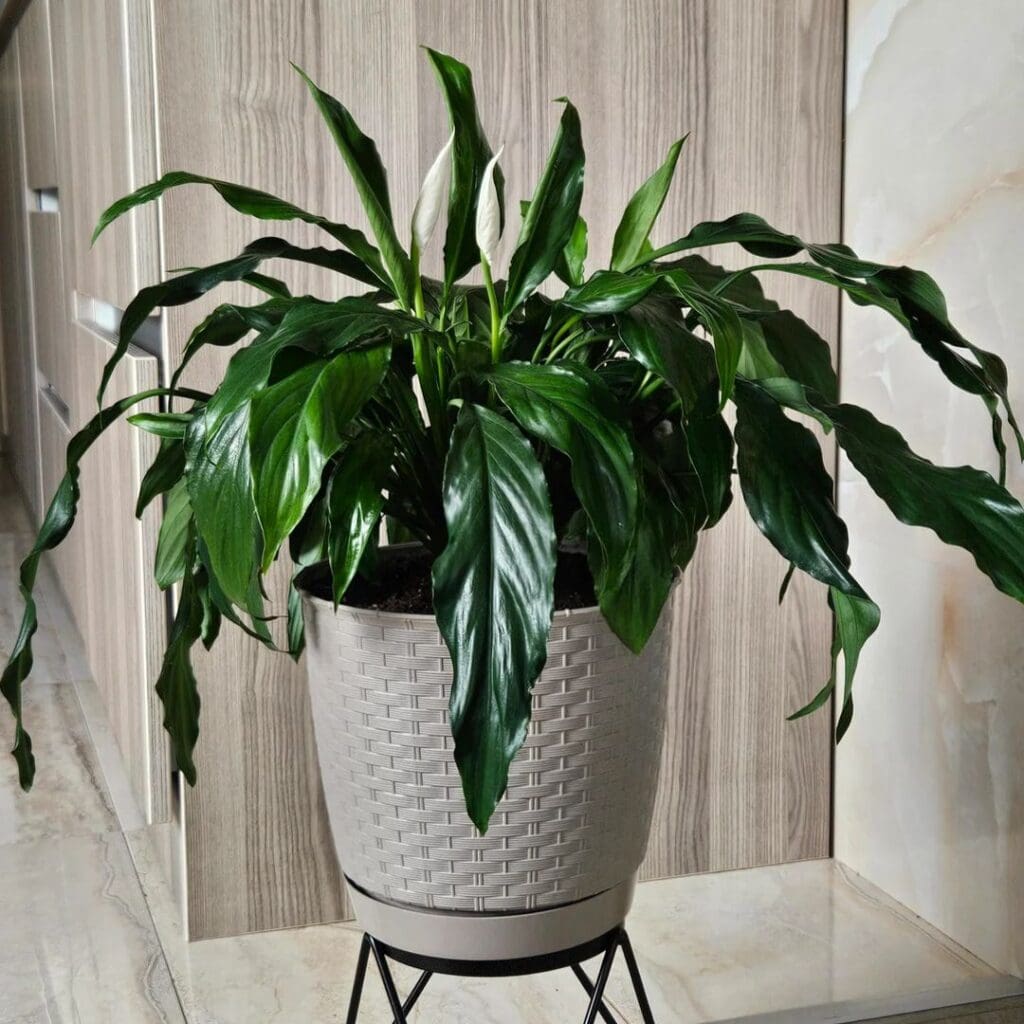
Adding Peace Lilies by the pool is one of my favorite tricks for a fresh, tropical look—without the mess. Their shiny green leaves stay neat, and those white blooms really pop against the water.
These plants barely drop leaves or petals, so I don’t have to fish debris out of the pool all the time. Peace Lilies grow best in pots, which makes it easy to move them for sunlight or shade.
I keep mine where they get filtered light, and they stay healthy and green. They handle humidity well, which is perfect for poolside spots.
They don’t need constant watering—just moist soil and a bit of care. If the leaves droop a bit, it’s a clear sign they need water, and they bounce back quickly.
The Peace Lily also helps with air quality. As a natural air purifier, it removes some indoor toxins, which is a nice bonus if I bring the pots inside during cooler months.
I like how their upright shape keeps things looking tidy and organized. Sometimes I’ll group a few together for a fuller look.
Their even growth keeps everything balanced, and I don’t have to trim them much. With minimal mess and steady greenery, my pool area feels calm and inviting all year.
16) Rubber Plant’s sturdy leaves
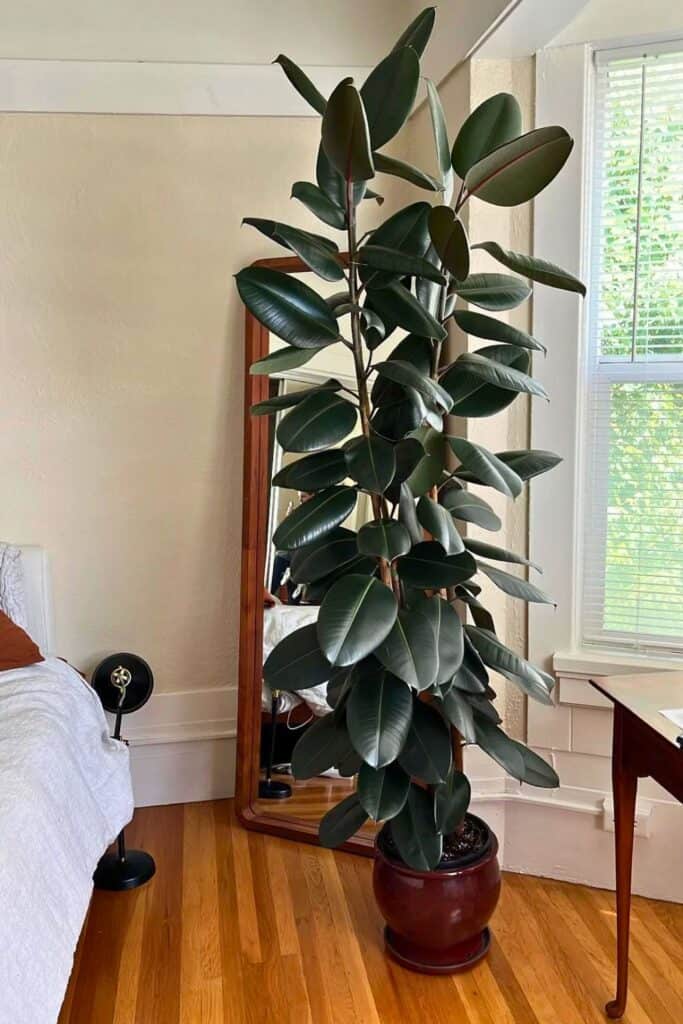
The Rubber Plant is a solid pick if you want something neat that holds up near water. Its thick, glossy leaves stay firm even when the air’s humid.
I don’t have to stress about leaves dropping into the pool, which keeps cleanup easy. This plant likes bright, indirect light.
I keep mine in a big pot so the roots have space. Every so often, I’ll wipe the leaves clean to keep them shiny.
The sturdy structure of the Rubber Plant makes it great for poolside areas. It rarely sheds and doesn’t attract many bugs.
It seems to handle brief splashes of water just fine, as long as the soil drains well. I water it when the top inch of soil is dry—overwatering can cause leaf drop, so I try not to let it sit in water.
With simple care, it stays looking polished and strong. The bold green leaves pop against light patio tiles or blue pool water.
It gives a clean, tidy look without being too flashy. For an easy, low-mess option by the pool, the Rubber Plant just works.
17) Dracaena marginata’s slim profile
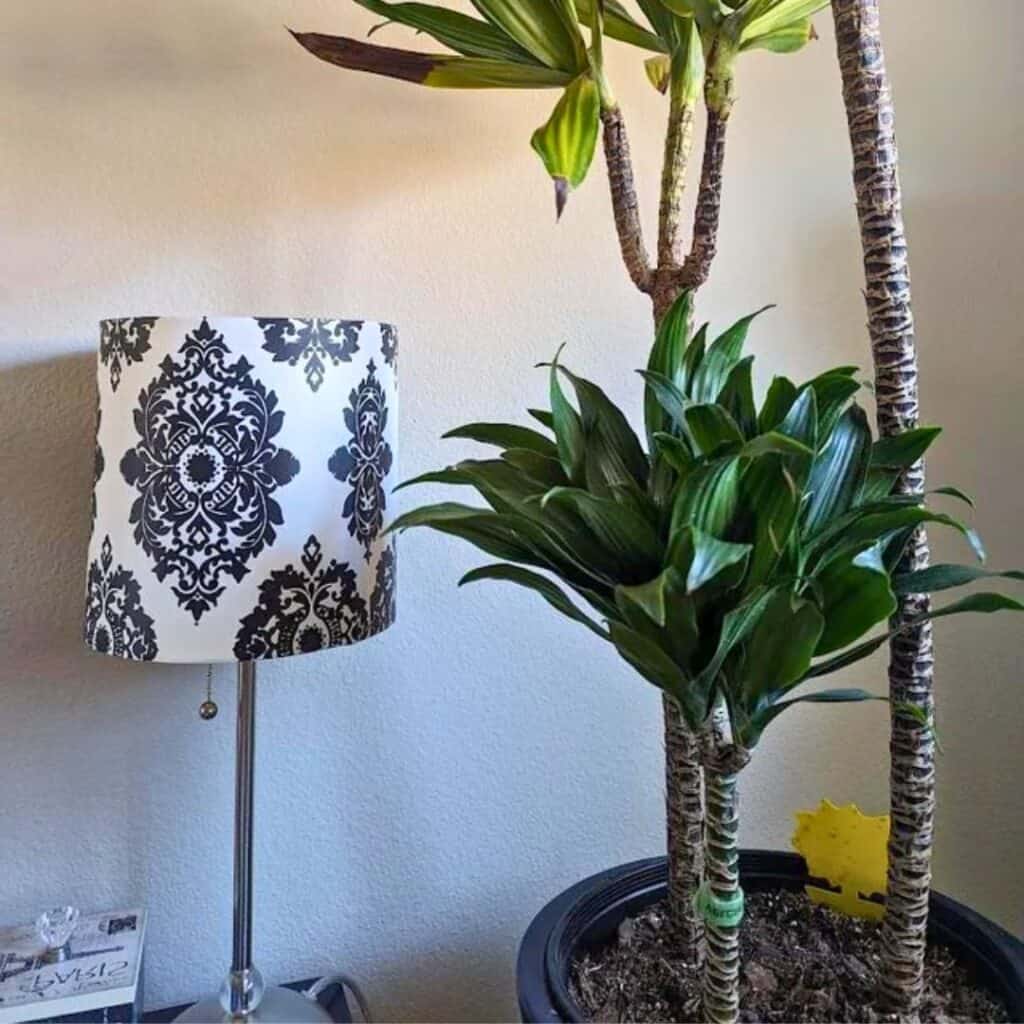
I’m a big fan of Dracaena marginata for poolside spots. Its long, narrow leaves grow in neat clusters, giving it a tropical but tidy look.
The plant stays slim, so it doesn’t sprawl into walkways or drop many leaves into the water. The leaves are firm and thin, so I don’t have to worry about heavy debris or messy shedding.
Even in breezy areas, it stays neat, which really makes pool upkeep easier. I like that the trunk grows tall without spreading out, so there’s still plenty of space for chairs or people to move around.
Dracaena marginata grows well in pots, which makes it easy to move around. Sometimes I’ll shift mine to catch more sun or tuck it into the shade on really hot days.
It tolerates bright light, but direct afternoon sun can scorch the leaves, so partial shade is usually best. Watering is simple too—I let the top soil dry out before watering again.
Its low-water needs are perfect for sunny spots where things dry out fast. I love how its slender form adds height without crowding the space.
When grouped with broader plants, it adds a nice vertical contrast that looks modern. The deep green leaves with those thin red edges bring in a bit of color, which works well with natural stone or bright pool tiles.
Honestly, the best part is how little maintenance it needs. I just trim the lower leaves every few months and wipe dust off the top.
That’s about it. It stays elegant and sharp almost all year.
I always recommend Dracaena marginata to friends who want greenery near the pool but don’t want to fuss with daily care. It handles heat, doesn’t shed much, and keeps its shape for ages.
It’s a great pick when space is tight but you still want a bit of style.
18) Parlor Palm’s compact growth

I really enjoy the Parlor Palm because it’s just so manageable around the pool. Even when the wind kicks up, it stays looking neat—so I’m not constantly chasing leaves with a broom.
Its compact growth is a lifesaver for small corners or side tables. The fronds grow in gentle, upright clusters that don’t sprawl everywhere.
I appreciate that it keeps its shape naturally—no trimming drama or fussy care routines. Plus, it hardly sheds at all, which is honestly a relief for anyone who doesn’t want to spend their weekends cleaning the pool deck.
It thrives in bright, indirect light, so I’ll often set it near windows or in a bit of shade outside. Filtered sunlight works too, making it surprisingly flexible.
As long as the water drains well, I don’t have to worry about soggy roots. Because it grows slowly, it fits into most planters and doesn’t outgrow its spot overnight.
I can move it around without worrying about a mess or a wild overgrown look. It just adds this mellow, tropical vibe without being a handful.
Honestly, I think of it as a peaceful, easygoing plant that brings a calm energy to my pool area. If you want greenery but not extra chores, this palm’s a solid pick.
19) Chinese Evergreen’s easy leaf cleanup

The Chinese Evergreen is one of my favorites for poolside spots. Its thick, smooth leaves don’t break up or scatter, so cleanup is a breeze.
When older leaves do drop, they’re big enough to grab—no tiny bits to chase around. I usually just wipe the leaves with a damp cloth every so often, and that keeps them looking fresh.
No worries about debris blowing into the pool, which is always nice. The plant grows slowly and stays compact, so trimming is rare and simple.
Even when I do prune, the leaves don’t scatter everywhere. That’s honestly why I keep mine near the lounge chairs in a decorative pot.
It’s also pretty adaptable with light. Whether it’s in a shady corner or a brighter spot, the Chinese Evergreen just seems to roll with it.
Its easy care and low-mess personality make it a top pick for my poolside setup.
20) Ferns with less needle drop

I’m a fan of ferns by the pool—they’ve got that soft, lush look and don’t make a mess like some other plants. Some types barely shed their fronds, which really helps keep things tidy.
When I’m picking, I usually go for Boston ferns or bird’s nest ferns. They hold their leaves well and stay nice and full without dropping much.
They do best in shaded or partly shaded spots, so I tuck them where they get some cover. Regular moisture and good drainage seem to make all the difference.
I keep my ferns in lightweight containers so I can move them if the weather gets rough. It’s an easy way to protect them from wind that might cause leaf drop.
Every now and then, I’ll give them a gentle rinse to keep the dust off. One thing I love is how they add color and texture without constant sweeping.
Their shape—whether upright or spreading—softens the hard edges around the pool and fills in empty corners. If you pick the right fern, you’ll spend way less time skimming leaves.
Keeping the soil damp (not soggy) helps them stay green longer. That little bit of care saves me hours of cleanup.
When I’m planning my plant layout, I always reach for ferns that look good and stay tidy through the season.
21) Calathea’s decorative thick leaves

I can’t get enough of Calathea plants by the pool—their broad, thick leaves look almost painted, with stripes and colors that stand out even in low light. The patterns are just so unique and really brighten up a space.
They don’t shed much or create debris, which is a huge bonus for a clean pool area. Less cleanup means more time to just enjoy being outside.
I’ve noticed Calatheas love indirect sunlight and a bit of shade, so they’re great for patios or covered pool areas. They don’t need harsh sun to look good.
I water mine when the topsoil feels dry—keeping it slightly moist, but never soggy. The leaves seem happiest when the air’s a bit humid.
On warm days, I’ll mist them lightly to keep their color bright and prevent crispy edges. Regular care keeps the leaves lush and looking sharp.
A decorative pot makes them look even more intentional and polished. Their upright growth adds a nice shape and balance to the poolside setup.
I also like that Calatheas grow well indoors, so I can bring them inside when it gets cold. If you want easy beauty year-round without fuss, they’re a flexible choice.
Best Practices for Low-Mess Poolside Potted Plants
Keeping my pool area neat is all about using sturdy containers, smart watering methods, and basic cleaning habits. A few little tweaks can really cut down on clutter and help plants handle the heat.
Choosing the Right Containers
I look for containers made of durable, weather-resistant materials like resin, fiberglass, or sealed ceramic. These hold up well against sun, splashes, and pool chemicals—no chipping or fading.
Good drainage is a must. I always make sure pots have drainage holes to keep water from pooling and staining the deck.
To catch runoff, I use drip trays or risers that keep the base dry. Containers in muted shades—tan, gray, or soft green—blend in nicely with most pool designs.
Lighter colors also help keep plant roots cooler. I skip pots with rough textures, since they just trap dirt and algae.
Here’s a simple table I use to keep track:
| Material | Advantages | Avoid When… |
|---|---|---|
| Fiberglass | Light, weatherproof | Strong winds may tip light pots |
| Resin | Affordable, fade-resistant | Overfilled—can crack under weight |
| Sealed Ceramic | Classic look, holds moisture | Unsealed edges may stain deck |
Watering Tips to Avoid Mess
I water plants early in the morning so the soil has time to soak it up before it gets hot. This keeps splashing to a minimum.
A watering can with a long, narrow spout helps me target the soil, not the leaves or deck. Self-watering planters are handy too—they keep roots moist without overflow.
I check the reservoirs weekly to avoid stale water and bugs. For bigger pots, I go slow—no dumping buckets of water all at once.
When water starts coming out the drainage holes, I stop. A thin layer of mulch or small pebbles on top of the soil helps cut down on splashing and evaporation.
Maintenance for Clean Surroundings
I make a habit of removing dead leaves and blooms weekly. It keeps debris out of the pool and off the tiles.
I’ll check pots for algae or mineral buildup and wipe them down with a damp cloth when needed. To keep bugs away, I inspect the soil and container rims every so often.
If I spot mold or buildup, I use a mild soap and water mix to scrub it off. It’s quick and keeps things smelling fresh.
I move pots around now and then to avoid water rings on the deck. When I trim plants, I toss the cuttings in a bucket instead of letting them scatter.
These small steps really help keep my poolside space tidy and safe.
Enhancing Poolside Ambiance with Potted Plants
It’s amazing how the right plants can make a pool area feel so much more inviting. For me, it’s all about picking colors, textures, and arrangements that add style without turning into a mess.
Color and Texture Selection
I stick to plants with steady color and easy upkeep—they always look fresh near the water. Soft greens, silvery leaves, and gentle blooms create a calm vibe that doesn’t fight with pool tiles or furniture.
Mixing plants with different textures keeps things interesting. For example:
| Plant Type | Texture | Ideal Placement |
|---|---|---|
| Succulents | Smooth, compact | Tabletop pots |
| Palms | Feathery | Corners or backgrounds |
| Lavender | Soft, aromatic | Border areas |
Pairing smooth succulents with tall grasses adds depth, without adding cleanup. I avoid plants that shed a lot, because who wants to skim leaves out of the pool?
Arranging Pots for Visual Appeal
I like to group pots in odd numbers—three or five always looks more natural and draws your eyes toward the water.
I use large pots for tall plants and smaller ones for pops of color. It makes things look relaxed, not cluttered.
When I set up pots, I leave plenty of space for walking and seating. Using similar materials—like all ceramic or all concrete—brings the whole look together.
Lining up pots along edges or corners frames the pool nicely and keeps the area open. These small choices really make the space feel organized and welcoming.
Frequently Asked Questions
I like a pool area that stays neat, so I go for potted plants that don’t make a mess, can handle humidity, and add color without constant work. The right plants can even help with privacy and stand up to a little pool splash.
What are some plants that don’t drop leaves into the pool area?
I’ve had good luck with succulent varieties—they hardly shed at all. Snake Plants keep their shape and don’t lose leaves much, so cleanup is easy.
The ZZ Plant is also a solid pick since it holds onto its foliage even in heat or dry weather.
Which potted plants can withstand high humidity near swimming pools?
Spider Plants and Air Plants both love humidity and stay green without much fuss.
Snake Plants are also champs at handling steamy conditions and always look tidy.
Can you suggest easy-to-maintain plants suitable for poolside pots?
I’d go with ZZ Plants—they’re forgiving if you forget to water. Succulents are another no-stress option since they don’t need much attention.
Spider Plants grow fast and are easy to trim if they get too wild.
Are there any colorful flowering plants that are also low-mess for poolsides?
Definitely. Small succulent blooms add a gentle pop of color and don’t drop petals everywhere.
Air Plants sometimes have bright, compact flowers that won’t make a mess. I like using a few ceramic pots for a clean, decorative touch.
What kind of potted plants are best for creating privacy around a pool?
Tall Snake Plants are great for making natural screens. I also use dense ZZ Plants along fences for a soft, green barrier.
Grouping several pots together helps build more height and coverage if you want a little extra privacy.
How do I protect my potted plants from pool water splashes and chemicals?
I like to keep my pots a bit farther from the pool edge—just enough so they’re not in the splash zone.
Using drainage-friendly soil seems to help, since any residue can drain away more easily.
If I notice splashes, I’ll sometimes rinse the leaves with clean water. It’s not a perfect fix, but it does make me feel like I’m helping!
Note: Some images in the articles are sourced from Reddit and Other Platforms For Reference Purpose.