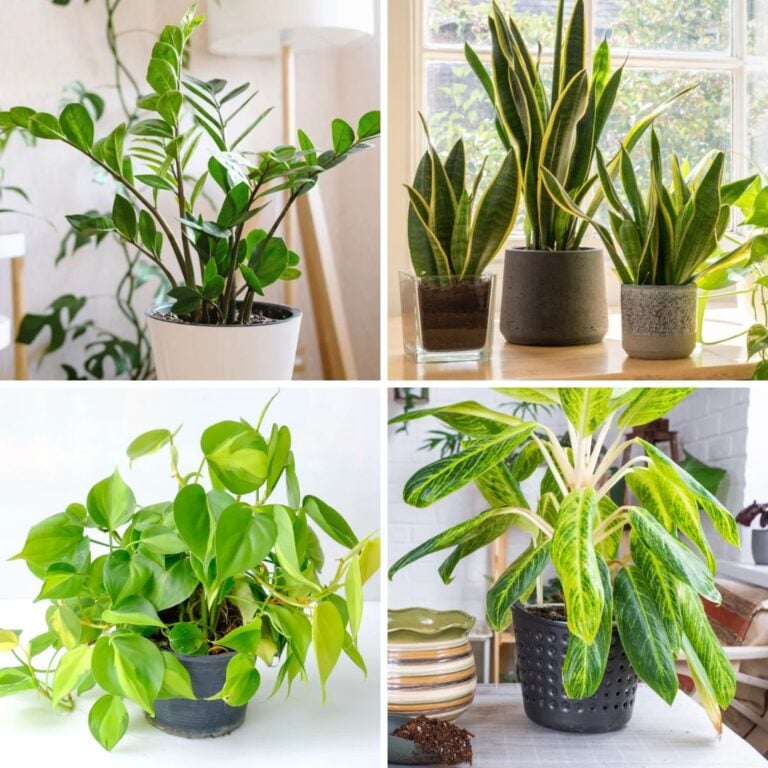
15 Best Plants For Balcony Apartments
I really enjoy turning small spaces into green, relaxing spots. A balcony is honestly one of the best places to do that.
You don’t need a big yard to enjoy nature—just a handful of plants can bring color, fragrance, and a bit of life to any apartment balcony. With the right plants, you can easily create a calm, beautiful space that feels refreshing every time you step outside.
In this article, I’ll share some of my favorite plants that actually thrive in small outdoor spaces. You’ll find easy-to-grow picks like succulents, fragrant options like lavender, and leafy choices that help clean the air.
By the end, you’ll have a good idea of how to choose plants that fit your light, space, and style.
Please note: Simplify Plants is reader-supported. As an Amazon Associate, I earn from qualifying purchases made by our readers with no extra cost added to you all! Some links in the post are affiliate links and I get a commission from purchases made through links in the post.
1) Lavender
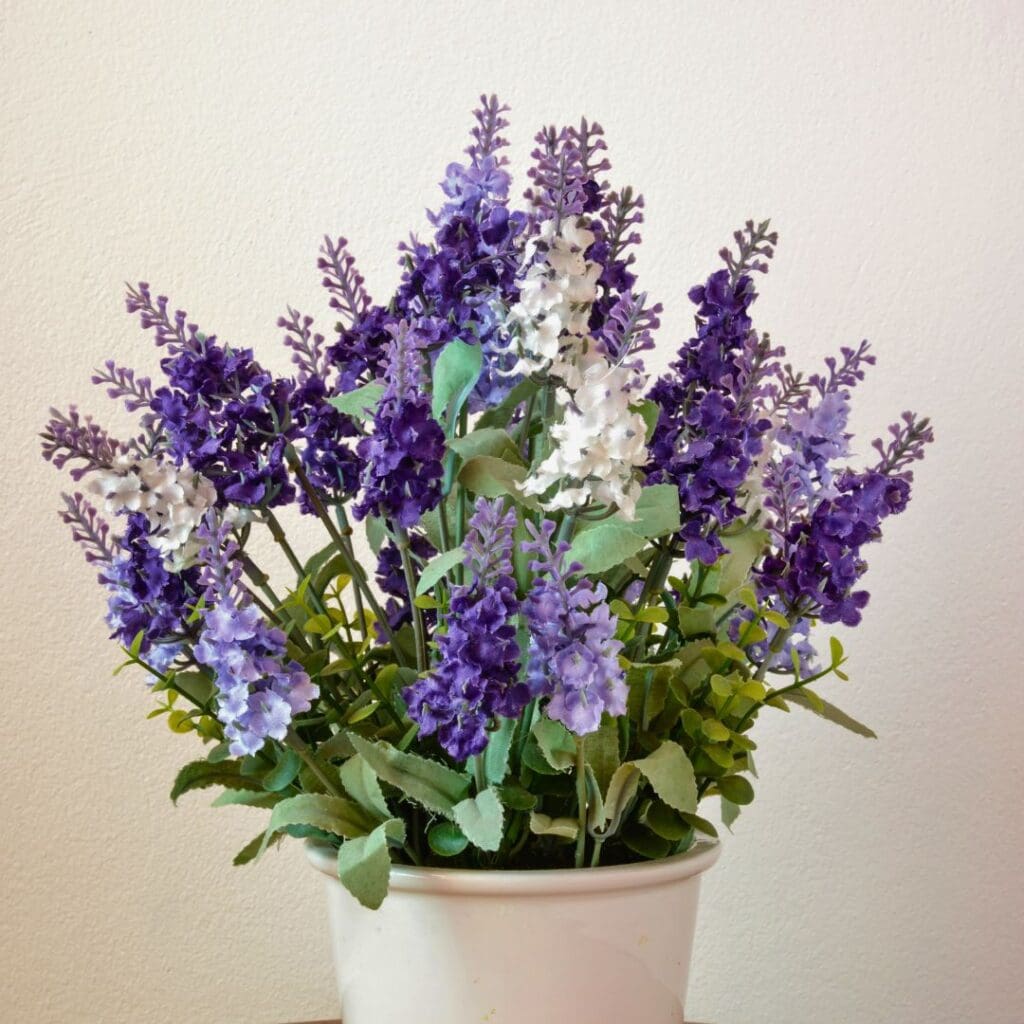
I’m a big fan of lavender because it brings color, scent, and a calming vibe to my balcony. Those soft purple blooms look lovely in small spaces and give off a gentle fragrance that’s honestly soothing.
This plant grows best in bright sunlight, so I always put mine where it gets at least six hours of direct light each day. I use a pot with good drainage since lavender really dislikes wet soil.
Letting the top layer of soil dry before watering keeps it happy. I’ve found lavender doesn’t need much care once it’s settled in.
A light trim after blooming keeps it neat and encourages new growth. Regular pruning helps the plant stay compact, which is perfect for small apartment balconies.
Besides looking pretty, lavender seems to attract pollinators like bees and butterflies. Watching them visit the flowers adds a bit of life to the space.
I also dry a few stems to keep indoors for a subtle, natural scent. If you want a plant that’s simple and rewarding, lavender’s a solid choice.
It offers a pop of color, a soothing smell, and easy maintenance—all in one small pot.
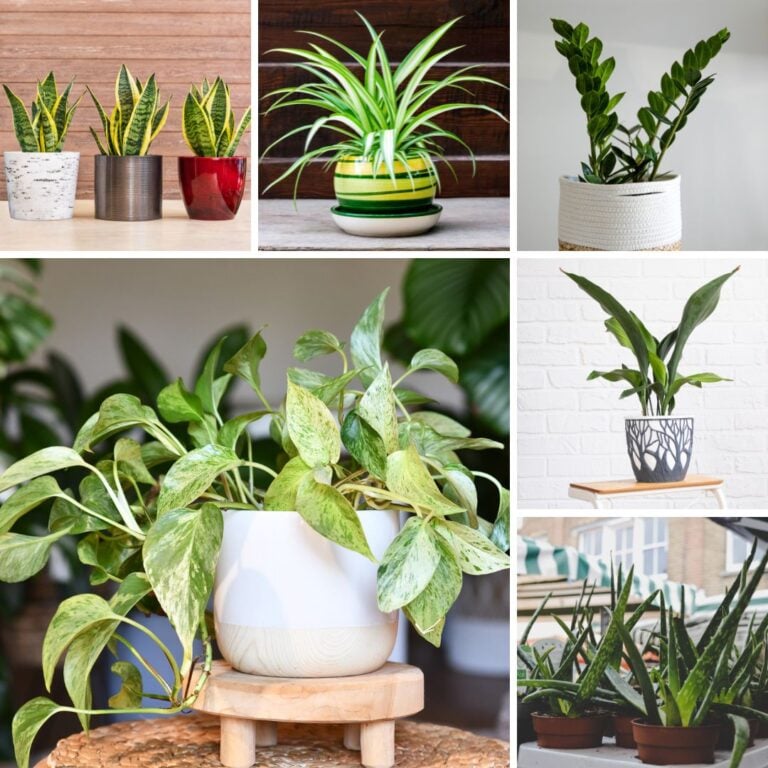
2) Snake Plant

I just love having a Snake Plant on my balcony because it’s one of the easiest plants to care for. It looks stylish with those tall, upright leaves and fits well in small spaces.
Its green and yellow stripes add a striking touch to any corner. This plant survives even if I forget to water it for a week or two.
It handles low light and irregular watering like a champ, which is honestly great for busy people or anyone new to plants. I keep mine near a window where it gets some indirect sunlight.
I’ve noticed the Snake Plant helps clean the air, which makes my balcony feel fresher. It’s also nice knowing it can handle both warm and slightly cooler temperatures.
I don’t need to stress much about the weather except on freezing cold days. To keep it healthy, I use a well-draining pot so the roots don’t sit in water.
I water it only when the soil feels dry. Overwatering is the only real mistake to avoid—learned that the hard way once.
It’s also pretty low-maintenance when it comes to pests. The leaves stay firm and strong with minimal attention.
A quick wipe with a damp cloth keeps them clean and shiny. If I ever repot it, the process is quick and easy.
The roots grow slowly, so I do it maybe once every couple of years. It’s a tough, forgiving plant, and that’s what makes it one of my top picks for balcony living.
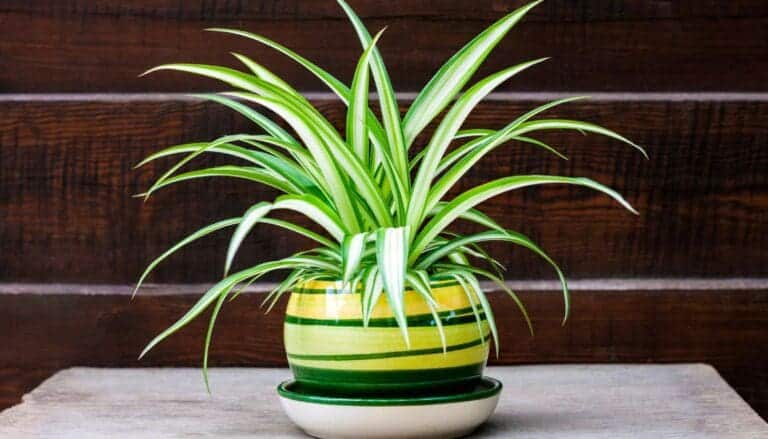
3) Spider Plant
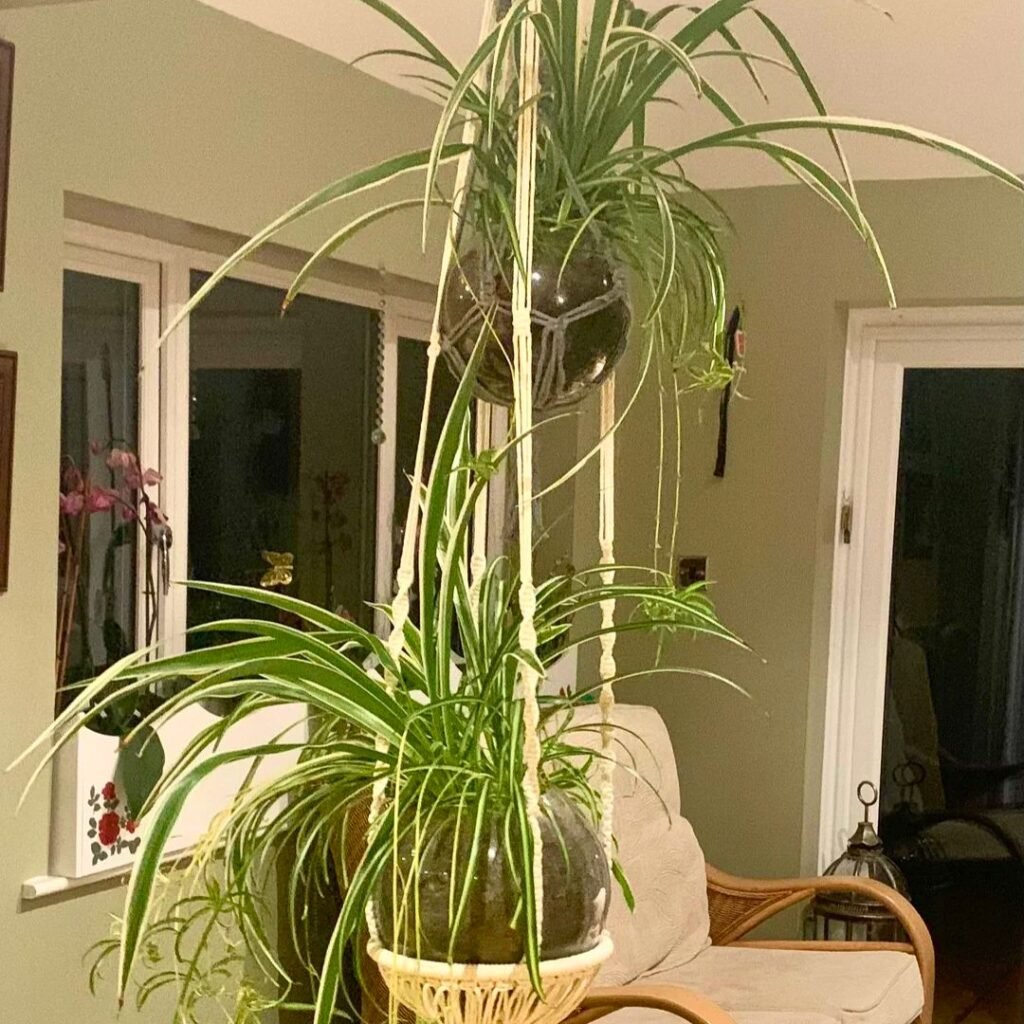
I think the Spider Plant is just so easy to care for. It’s one of those plants that stays healthy even if I forget to water it for a few days.
Its long, arching leaves bring a fresh, lively look to any small balcony space. The best part? It’s super adaptable.
Spider Plants thrive in bright, indirect light but can manage lower light too. I usually keep mine near a window where it gets some soft sunlight during the day.
I water it about once a week, making sure the soil stays slightly moist but never soggy. Good drainage is key because standing water can cause root rot.
A simple pot with holes at the bottom works perfectly. Another thing I like is how it multiplies.
It grows small baby offshoots that hang down like little spiders on strings. I can trim them and plant them in new pots to share with friends.
Spider Plants are also great for purifying indoor air, which makes them even more appealing for apartment living.
The air just feels fresher around mine. If you’re looking for a low-maintenance plant that grows well indoors or outside on a balcony, this one’s a solid choice.
It’s easy, forgiving, and brings a cheerful touch of green to any corner.
4) Succulents

Honestly, succulents make my balcony look neat and full of life. These small, plump plants come in all sorts of shapes and colors, and they don’t hog much space.
They’re perfect for people like me who forget to water often. Succulents store water in their leaves, which makes them surprisingly hard to kill.
I can place them in small pots or hanging planters, and they still do well. They need bright light and only a little water every few weeks.
I usually group a few types together, like Echeveria, Aloe, or Jade Plant. The mix of textures and colors looks great against the balcony wall.
Adding a layer of small pebbles on the soil gives a clean, modern look and helps the soil dry faster. What I like most is how low-maintenance they are.
They thrive with neglect, which honestly fits my busy days. As long as I keep them out of heavy rain and make sure the pots drain well, they stay healthy for months.
Succulents also multiply easily. When a leaf or stem breaks off, I can plant it again, and it’ll grow into a new one.
It’s fun to watch them slowly spread across my balcony.
5) Aloe Vera
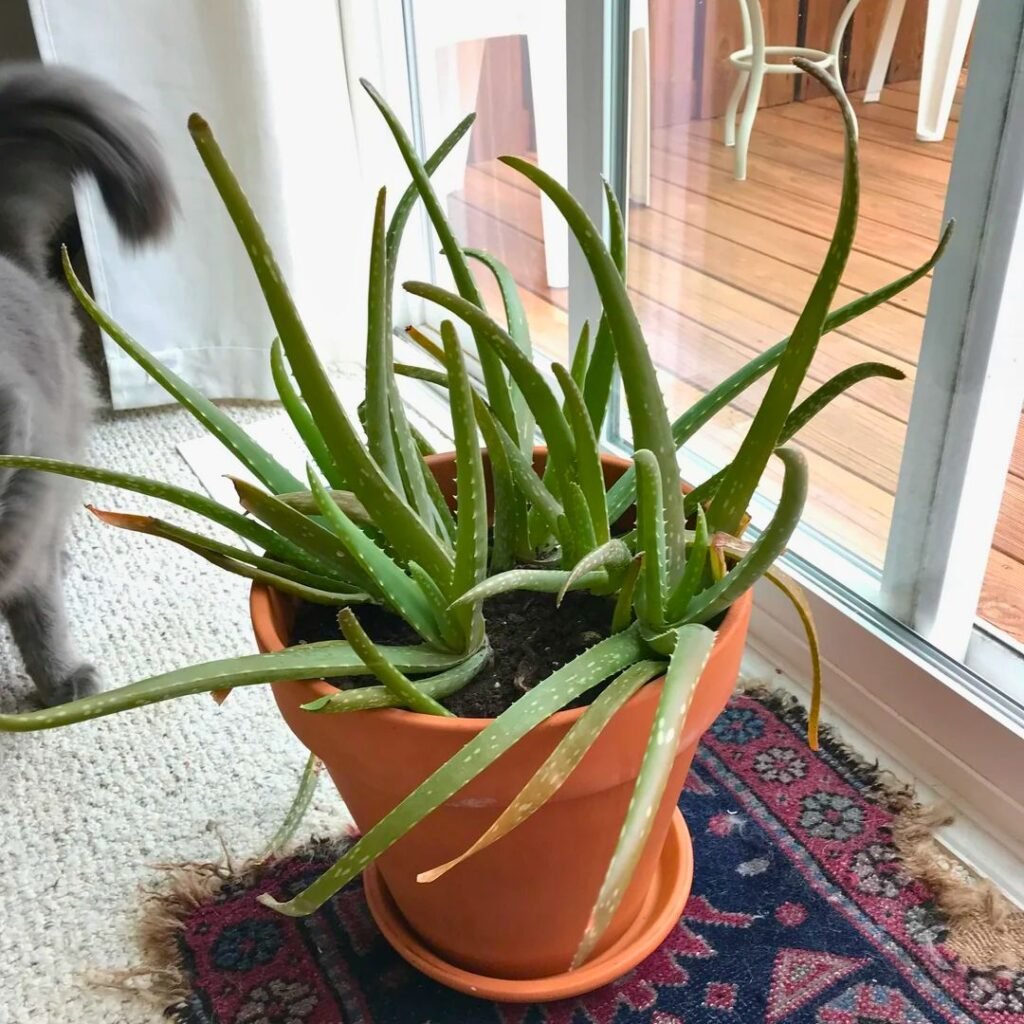
I always keep Aloe Vera on my balcony. It’s a tough plant that doesn’t need much watering and still looks fresh all year.
Its thick, green leaves add a bit of texture and life to small spaces. This plant thrives in bright, indirect sunlight.
I usually place mine near the edge of the balcony where it gets morning light but is shaded in the afternoon. That way, the leaves stay healthy and don’t dry out.
One reason I like Aloe Vera is how low-maintenance it is. I only water it when the soil feels dry, which is perfect if I forget a day or two.
It doesn’t need fancy soil—just a well-draining mix. What makes Aloe Vera special is that it’s not just nice to look at but also useful.
The gel inside the leaves can help soothe small skin irritations or sunburns. I find it handy after a long day in the sun.
Aloe Vera grows best in a small pot with drainage holes, so water doesn’t sit at the roots. I sometimes move mine around the balcony to catch the right light, and it adapts easily.
If you want a plant that’s tough, simple, and attractive, Aloe Vera checks all the boxes. It brings a calm, green touch to a balcony and needs very little care to stay happy.
6) Jade Plant

The Jade Plant is just so easy to care for. It’s one of those balcony favorites that stays green year-round and adds a clean, modern look.
Its thick, shiny leaves hold water, so I don’t have to worry too much if I forget to water it for a few days. This plant thrives in bright sunlight, which makes it perfect for balconies that get several hours of sun.
I keep mine near the edge where it can soak up the rays. If it gets enough light, the leaf tips sometimes turn a pretty reddish color.
I always make sure the soil drains well because Jade doesn’t like sitting in water. I use a simple mix meant for succulents and make sure there’s a hole in the bottom of the pot.
Overwatering can cause problems, so I wait until the soil feels dry before giving it more water. One of my favorite things about this plant is how long it lives.
With minimal care, a Jade Plant can last for years and even grow into a small tree. I sometimes trim mine to keep it tidy, and I use the cuttings to grow new plants for friends.
Jade Plants bring a fresh touch to small spaces. I like pairing mine with white or terracotta pots to show off its deep green color.
The simple shapes and shiny leaves help make my balcony feel calm and balanced. If my balcony gets too cold in winter, I move the plant inside because it prefers warmer conditions.
It doesn’t take up much space, and the thick stems make it look sturdy even in a tiny corner. For anyone new to balcony gardening, the Jade Plant is a great choice.
It’s low-maintenance, long-lasting, and eye-catching without needing constant attention.
7) Peace Lily
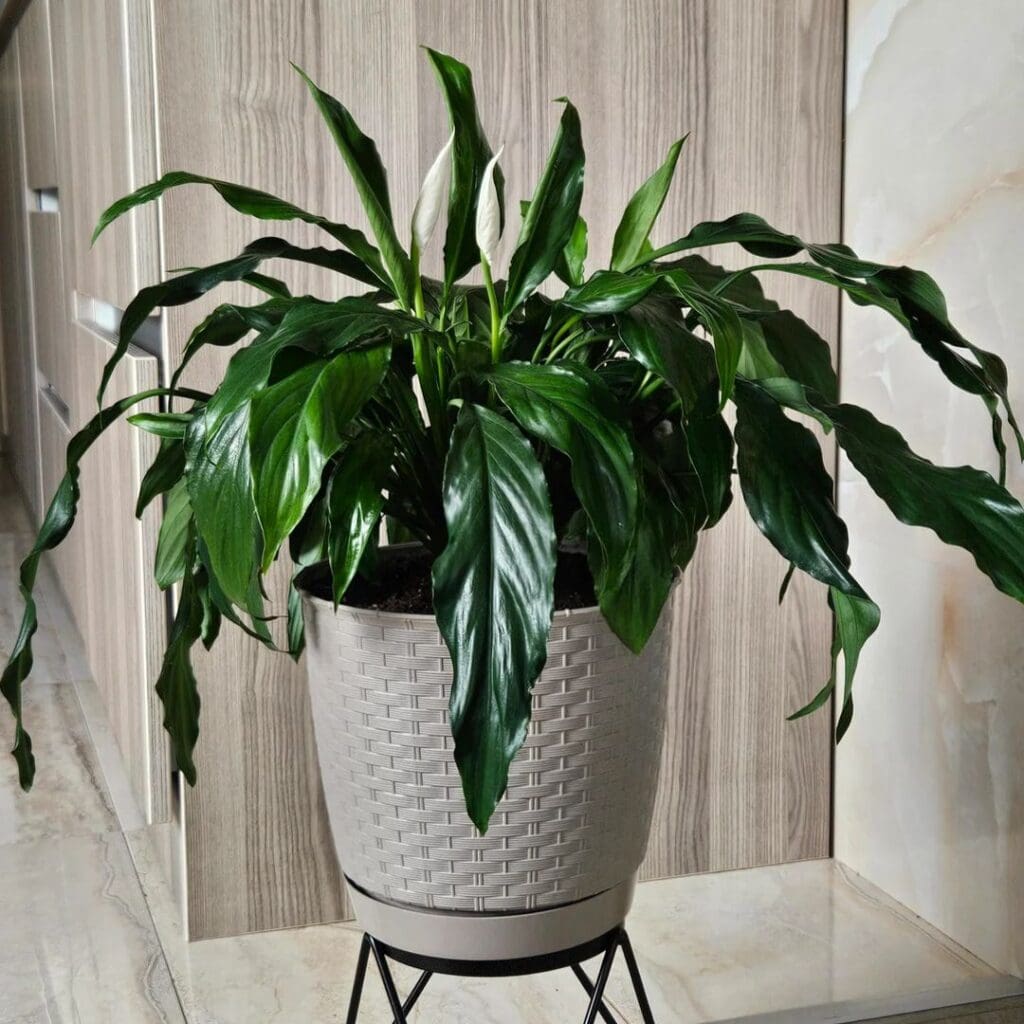
I love keeping a Peace Lily on my balcony because it adds a soft, calming touch. Its shiny green leaves and white blooms make the space look fresh and clean.
It’s perfect for small apartments since it stays compact and easy to care for. The Peace Lily grows best in indirect sunlight.
I usually place mine in a bright corner that doesn’t get harsh rays. Too much sun can scorch the leaves, but low light still works fine.
That makes it great for shaded balconies. I water my plant when the top inch of soil feels dry.
The Peace Lily likes slightly moist soil, but not soggy. I’ve learned that letting it dry out too much makes the leaves droop, which is an easy reminder to water it again.
One thing I appreciate is how well it cleans the air. The Peace Lily helps reduce indoor toxins and keeps the air feeling fresher.
For a small space, that’s a big plus. It also does well in moderate humidity.
If the air feels dry, I mist the leaves every few days. This keeps them glossy and healthy.
I avoid cold drafts since they can stress the plant. I sometimes wipe the leaves with a damp cloth to remove dust.
This simple habit keeps the plant looking bright and helps it breathe better. It’s a quick task that makes a big difference.
For anyone who wants a low-maintenance plant with graceful looks, the Peace Lily is a great pick. It fits nicely on a balcony shelf or in a corner pot and needs only basic care to thrive.
8) Fiddle Leaf Fig

I’m a big fan of the Fiddle Leaf Fig—it just brings instant style to any balcony. Those large, glossy leaves somehow make even a tiny space feel lush and a bit more inviting.
The upright shape is a lifesaver for corners, so it doesn’t crowd out everything else. I keep mine in bright, indirect light—too much sun can scorch the leaves, but too little and, well, they start dropping.
Finding the right spot really matters for keeping it healthy. Watering is a bit of an art; I only water when the top inch of soil feels dry.
Overwatering is risky since it can cause root rot, so I always make sure there’s good drainage. A lightweight potting mix helps water drain through, which just makes life easier.
The Fiddle Leaf Fig doesn’t appreciate sudden changes. I try not to move it around or let it sit in any drafts.
Once it settles in, it grows strong and stays pretty happy with just some basic care. Every few weeks, I wipe the leaves to get rid of dust—keeps them shiny and helps the plant breathe.
A clean leaf surface also means better light absorption. On my balcony, this plant is a stunning focal point.
Whether it’s beside a chair or near the railing, it always looks bright and fresh. With a bit of attention, the Fiddle Leaf Fig really does make my apartment feel more natural and calm.
9) English Ivy

I love how English Ivy brings classic greenery to my balcony. The trailing vines look great hanging from railings or tucked into wall planters.
It instantly makes a small space feel more alive and cozy. This plant does best in bright, indirect light.
I keep mine near the edge of the balcony where it gets enough sunlight but won’t get scorched. It also grows well indoors by a window if I want to bring that vibe inside.
English Ivy helps improve air quality, which is a nice bonus for apartment living. I notice the air just feels fresher when I have a few pots around.
Caring for it is pretty simple. I water when the top layer of soil feels dry, and trim the vines to keep things tidy.
It grows quickly, so a little pruning goes a long way. I like using it in hanging baskets or letting it climb a small trellis.
Its flexibility means I can shape it for any space or style. For small balconies, that’s honestly a huge plus.
English Ivy looks lush year-round and doesn’t need much to thrive. As long as I keep the soil lightly moist and give it room to trail or climb, it just keeps growing.
10) Herbs (Basil)
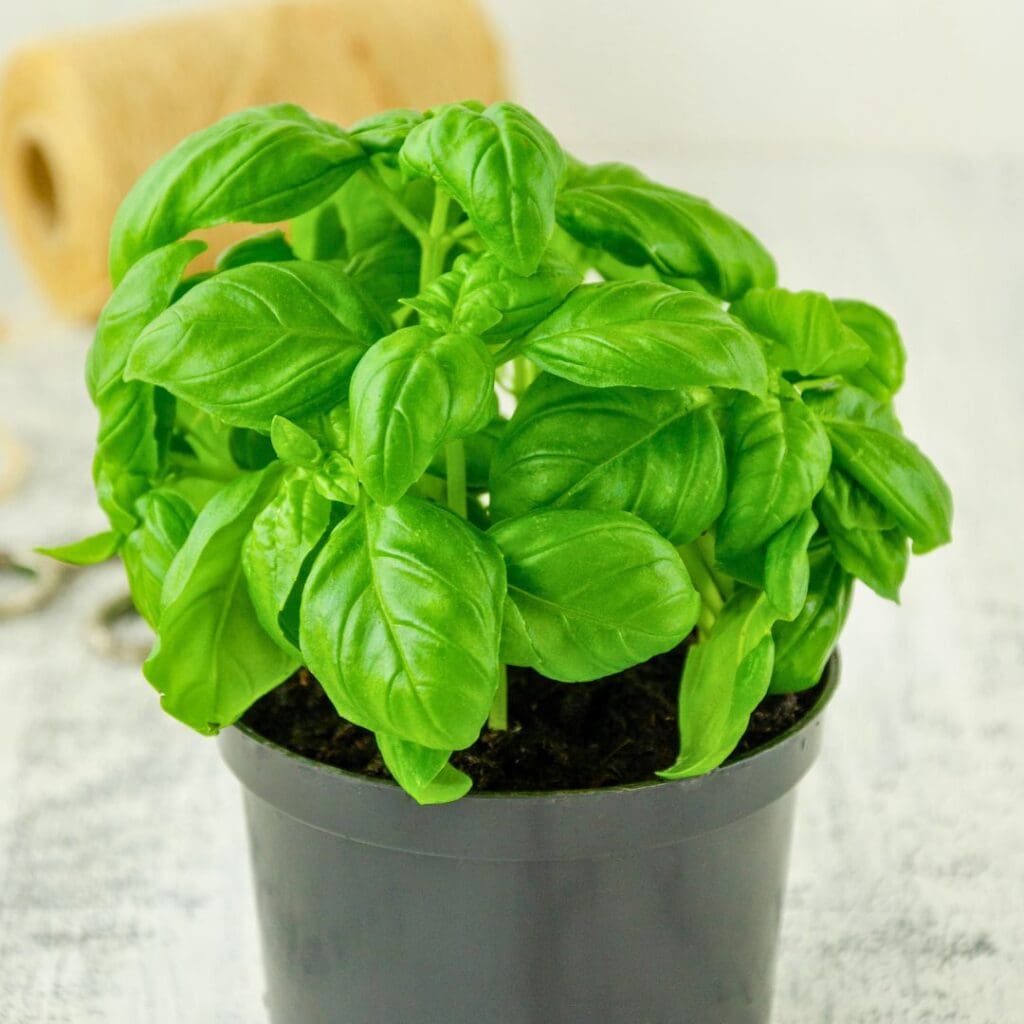
Growing basil on my balcony is such a win. It’s one of the easiest herbs to care for, grows fast, and smells incredible.
Plus, it adds fresh flavor to just about anything—pasta, salads, you name it. Basil likes sunlight, so I put it somewhere sunny for at least six hours a day.
I water it regularly but make sure the soil never gets soggy. A small container with good drainage does the trick.
When the leaves get big enough, I pinch them from the top to keep the plant bushy and healthy. Trimming basil often seems to help it grow more leaves instead of getting leggy.
Sometimes I start new basil plants from cuttings—just pop a stem in water until roots show up, then move it to soil. It’s a cheap way to always have fresh herbs on hand.
The scent of basil attracts pollinators like bees, which is awesome for other balcony plants. It also helps keep some bugs away.
With its bright green leaves and that lovely fragrance, basil just makes my space feel fresh and alive.
11) Pothos

I love Pothos because it’s honestly one of the easiest indoor plants around. The trailing vines and heart-shaped leaves look great in a basket or climbing along a shelf.
This plant does well in low to bright indirect light, so it’s perfect for balconies that don’t get much direct sun. I’ve noticed it keeps growing, even if I forget to water for a week or two.
I only water when the top inch of soil is dry. Too much water can cause the roots to rot, so good drainage holes are a must.
A simple potting mix and a bit of shade keep it happy year-round. I also like that Pothos helps freshen the air and brings a peaceful vibe to small spaces.
When the vines get long, I snip them and root the cuttings in water—it’s fun and easy to grow new plants for other spots. If someone wants a plant that’s low-maintenance and visually appealing, I always suggest Pothos.
It’s a dependable choice for any balcony garden.
12) Geraniums

I love geraniums for the way they bring bright color and energy to small balconies. The blooms come in red, pink, white, and purple, so it’s easy to match any style.
They grow well in pots and don’t need much space. Geraniums like full sun, so I keep mine near the balcony edge where the sunlight is strongest.
When it gets really hot, I move them back a bit to avoid burning. They do best in well-draining soil—I use a flower potting mix and add a little perlite for drainage.
It’s important not to let the soil get soggy, or the roots can rot. I water when the top inch of soil dries out.
These plants don’t need much fertilizer, but a light feed once or twice a month helps them bloom longer. I trim off old flowers to encourage more growth.
Another thing I love—geraniums are easy to propagate from cuttings. I just cut a healthy stem, let it dry for a few hours, then stick it in soil.
In a few weeks, it usually grows roots and becomes a new plant. They can handle short dry spells, so if I forget to water, they bounce back quickly.
Geraniums also help repel mosquitoes, which is a nice bonus for relaxing outside at night. With their simple care and cheerful blooms, geraniums make any balcony feel more lively.
They’re definitely one of my favorite low-maintenance plants for small outdoor spaces.
13) Begonias
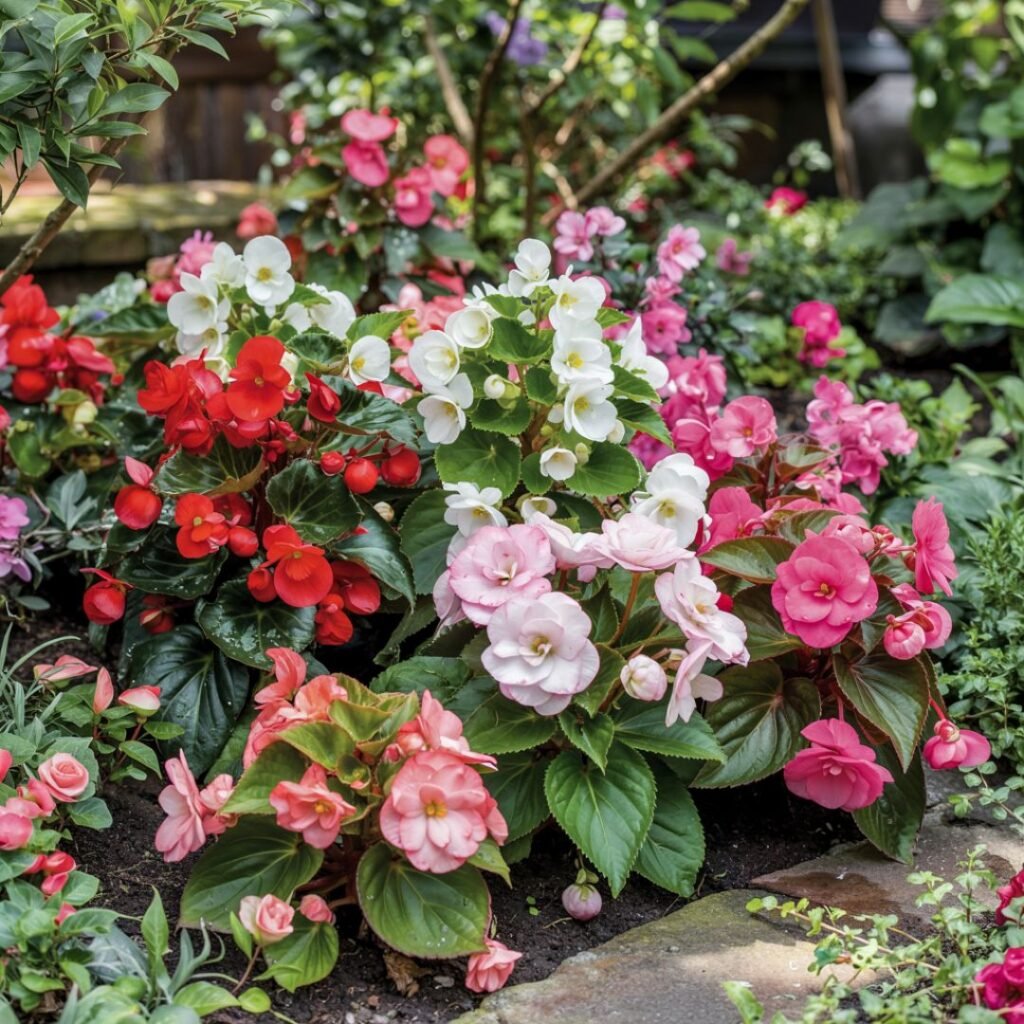
I love how Begonias brighten up small spaces with almost no effort. Their colorful blooms and patterned leaves add instant charm, even on shaded balconies.
You can enjoy their beauty nearly all year with a little care. These plants do best in indirect sunlight, which is perfect for apartments without full sun.
I keep mine near a bright window but out of direct rays, so the leaves don’t get scorched. Good drainage in the pot is important to avoid soggy soil.
Watering carefully is key. I wait until the top inch of soil feels dry before watering again. Too much water can lead to root rot, but too little and the leaves might drop.
Begonias come in so many types, from wax begonias with shiny leaves to rex begonias with bold colors and wild textures. I like mixing a few varieties for extra visual interest.
Their compact size makes it easy to fit several on a small balcony shelf or in a railing planter. I also appreciate how low-maintenance they are.
A light feed with balanced fertilizer every few weeks keeps them growing. I trim off dead blooms and leaves to help new buds pop up faster.
Begonias don’t just look good—they make my balcony feel more inviting and peaceful. Whether I’m working or just relaxing outside, they add a touch of color and calm that I really appreciate.
14) ZZ Plant
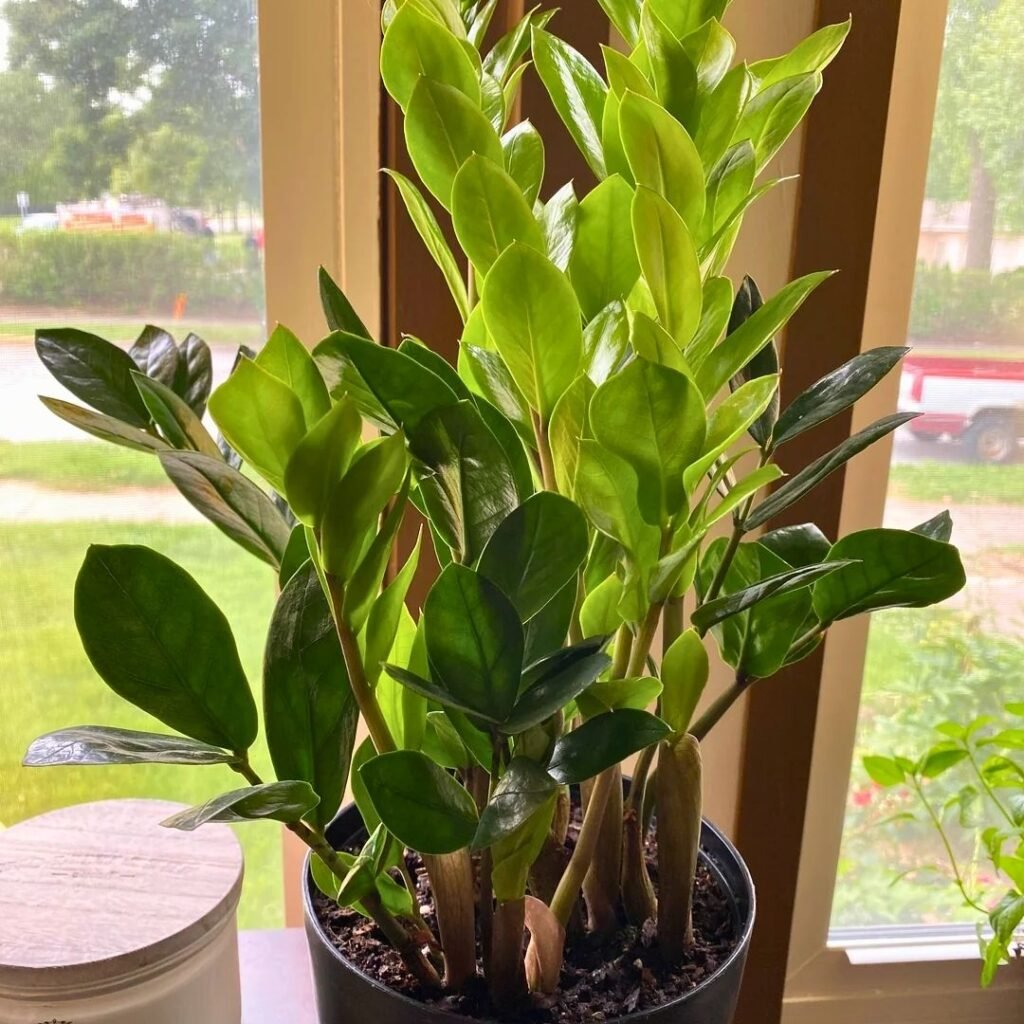
I love the ZZ Plant because it’s seriously one of the easiest houseplants to care for. The glossy, dark green leaves look stylish and add life to my balcony.
Even when I forget to water it, this plant still looks healthy. The ZZ Plant handles low light and keeps growing.
I keep mine in a shaded corner where other plants just wouldn’t make it. It also doesn’t need constant watering, which is perfect for busy days.
It grows slowly, so it fits nicely in small spaces. Those thick, waxy leaves store water, helping it survive dry indoor air.
I usually water mine only when the top inch of soil feels dry. The ZZ Plant looks great in a simple pot or with decorative stones.
It gives my balcony a clean, modern vibe. Plus, it helps freshen the air and adds a little calm to my space.
If you want an easy, sturdy, and attractive plant, the ZZ Plant is a solid pick. It needs very little care but still makes a big visual impact.
15) Orchids
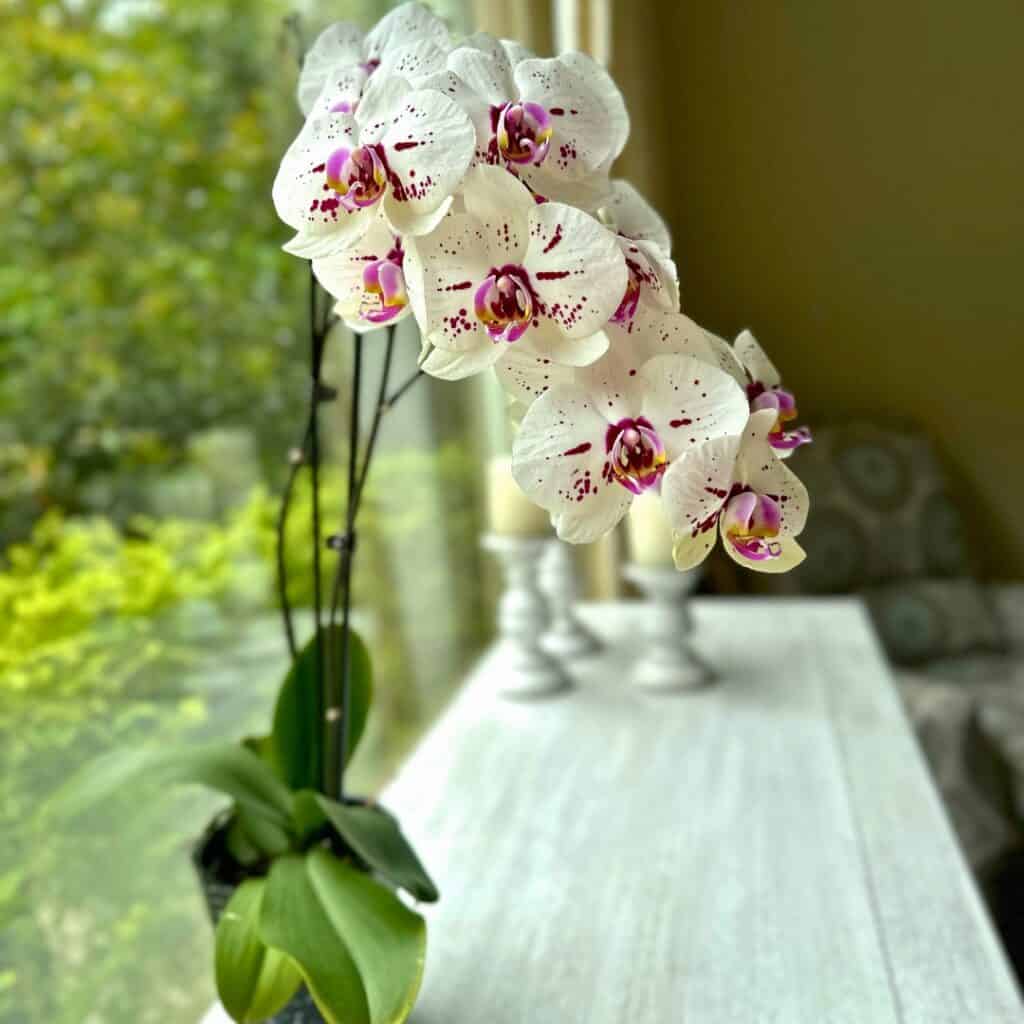
I love how Orchids bring color and elegance to small spaces. Their graceful blooms make any balcony feel fresh and a bit fancy.
Even a single plant can brighten my morning. I’ve learned orchids do best in bright, indirect sunlight.
Direct sun can burn their leaves, so I keep mine near a shaded spot. Just a little light each day helps them bloom longer.
These plants like warm and humid conditions. I mist the leaves every so often to keep the air moist.
Good airflow helps prevent things like mold or root rot. When watering, I try not to overdo it.
Orchids like their roots to dry a bit between waterings. I usually check the pot—if it feels damp, I wait another day or two.
Clear pots are helpful since you can see the roots. Healthy roots look firm and green, but if they turn brown or soggy, it’s time to ease up on watering.
Fertilizing isn’t hard. I use a balanced, diluted liquid fertilizer every few weeks during the growing season.
A light feed keeps the flowers looking great. There are lots of types—Phalaenopsis, Dendrobium, and Cattleya are some I’ve tried.
Each one has its own look, so mixing them up is fun. My balcony feels calm and stylish with orchids in baskets or sitting on shelves.
Their blooms last for weeks, and even when they’re resting, the leaves stay lush and green. Caring for orchids takes a little attention, but it’s definitely worth it.
Once I figured out their rhythm, they became some of the easiest plants I have. They reward a bit of care with stunning, long-lasting flowers.
Choosing the Right Balcony Plants
I try to pick plants that match my balcony’s light, size, and weather. It’s also important to check if they’re safe for pets and kids.
Choosing the right plants keeps them healthy and makes my space easier to care for.
Understanding Light and Space
First, I check how much sunlight my balcony gets. A south-facing balcony usually gets full sun, while east- or west-facing ones have softer morning or evening light.
A north-facing balcony stays shadier and is great for low-light plants. To make the most of my space, I pick plants that fit the area’s size and layout.
Small railings or shelves are perfect for herbs, succulents, or hanging plants. Bigger corners can handle tall palms or bushy ferns.
I use vertical planters to save space when things get tight. I try not to overcrowd, since plants need room to grow.
Checking each pot’s size and leaving enough airflow between them helps prevent mold and root rot.
| Light Level | Ideal Plants |
|---|---|
| Full Sun | Lavender, Rosemary, Geraniums |
| Partial Shade | Ferns, Begonias, Spider Plants |
| Low Light | Peace Lily, Pothos, Snake Plant |
Climate Considerations
I always think about my local weather before picking out new plants. Some really love hot, dry air, while others are happier in cooler or humid spots.
Usually, I check the plant label or just ask someone at the garden center about varieties that can handle my specific climate. In hot climates, I lean toward drought-tolerant types like jade plants or succulents.
If it’s cooler where I live, I’ll go for hardy plants like pansies or evergreens. My balcony gets pretty windy, so I use heavier pots or set up wind barriers to keep fragile stems from snapping.
During winter, I bring sensitive plants inside or cover them with frost cloths—honestly, it’s saved me a lot of heartbreak. I’ve also found that self-watering containers are a lifesaver during those blazing summers when soil dries out in a snap.
Safe Plant Choices for Pets and Kids
Safety’s always on my mind, especially with pets or kids around. Some plants can be toxic to cats, dogs, or curious little ones if they decide to nibble.
I always double-check safety lists before bringing anything home. Pet-friendly options I like are Boston Ferns, Areca Palms, Spider Plants, and African Violets.
I avoid Aloe Vera, Philodendrons, and Dieffenbachia since they can irritate skin or cause illness—just not worth the risk. Planters need to be stable too; I don’t want any accidental spills.
Hanging baskets or wall planters are great for keeping greenery out of reach from paws or tiny hands. Setting boundaries helps keep everyone safe and my balcony looking fresh and green.
Balcony Plant Care Tips
I try to keep my balcony plants healthy by watering just enough, using soil that drains well, and checking for pests pretty regularly. A bit of planning goes a long way, even in a small space.
Watering Strategies for Apartment Balconies
My watering routine changes depending on the weather and what I’m growing. Hot balconies dry out fast, so I usually water early in the morning or after sunset to slow evaporation.
If my pots don’t have drainage holes, I’m extra careful not to overdo it—root rot is no joke. I like self-watering containers or trays under pots to catch extra water and keep things tidy.
When I’m not sure if a plant needs water, I just poke the soil. If it’s dry on top but still moist underneath, I leave it alone. Grouping plants with similar water needs together makes life easier and helps them thrive.
I’ll add mulch or small pebbles to the soil surface to hold in moisture, especially when it’s windy or super sunny.
Fertilizing and Soil Recommendations
I always go for a light, well-draining potting mix made for containers. Regular garden soil just gets soggy and compacts too much.
Mixing in perlite or coconut coir keeps things airy and helps roots grow strong. For feeding, I use slow-release fertilizer pellets every few months—they’re easy and don’t burn roots.
During the growing season, I’ll use a diluted liquid fertilizer every few weeks. I tweak the formula depending on what I’m growing.
Leafy plants seem to love nitrogen, while flowering plants want more phosphorus. I always water before fertilizing; nobody wants crispy roots.
Dealing With Pests and Diseases
I check under the leaves a lot since pests like aphids and spider mites love to hide there. If I spot any bugs, I spray them off with water or use a mild soap solution—just a little dish soap and water.
Good air circulation is key, so I try not to cram my plants together. Dead leaves or faded flowers attract pests, so I pick them off when I see them.
If a plant starts looking rough, I’ll move it away from the others and try to figure out what’s wrong. Staying on top of things with regular checks keeps my balcony garden healthy.
Frequently Asked Questions
Honestly, I love making small balcony spaces feel green and lively. Picking the right plants keeps everything fresh, colorful, and pretty low-effort.
What are some low-maintenance plants perfect for a balcony setting?
Snake Plants, Spider Plants, and Succulents are my go-tos for busy folks. They handle a little neglect and don’t need constant watering.
Aloe Vera is another easy one—it adds texture and doesn’t ask for much.
Can you suggest flowering plants that thrive in pots on balconies?
Lavender grows well in pots and smells amazing. I’m also a fan of Geraniums and Marigolds—they bloom a lot and love direct sunlight.
Which plants are ideal for creating privacy on my apartment balcony?
For privacy, I like bamboo, areca palms, or ferns. They’re tall, dense, and give you some shade without feeling too heavy.
How do I choose plants that can handle windy balcony conditions?
I stick with plants that have strong stems and flexible leaves—succulents or lavender work well. Using wind-resistant planters or putting up railing barriers helps protect delicate plants too.
Could you recommend plants that are safe for pets and can be grown on a balcony?
Spider Plants, Areca Palms, and Boston Ferns are all safe for cats and dogs. They brighten up the space and don’t pose any risk to pets.
What are the best edible plants that can easily be grown in balcony apartment gardens?
I’ve had good luck with herbs like basil, mint, and parsley—they don’t need much space, and honestly, fresh herbs just taste better.
Cherry tomatoes are surprisingly cooperative in containers, and there’s something satisfying about picking them right off the vine.
Lettuce is another easy one; it grows fast and you can snip off what you need for a quick salad.
Note: Some images in the articles are sourced from Reddit and Other Platforms For Reference Purpose.