Snake Plant Pup Care: When To Separate Babies for Healthy Growth and Propagation
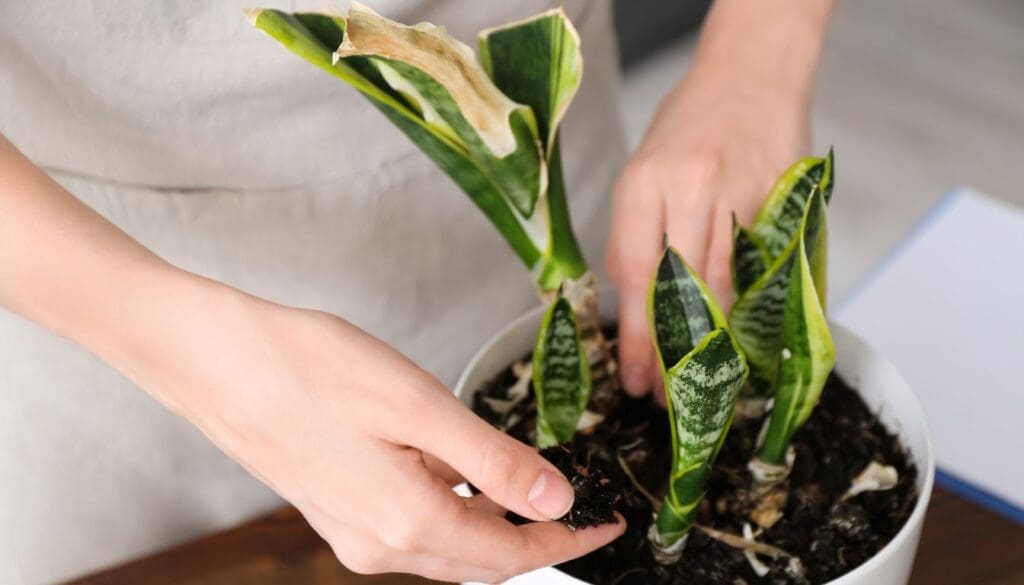
Snake plants are one of the easiest houseplants to grow, and they have a cool bonus feature: they make babies. These little offshoots, called pups, pop up around the base of the mother plant and eventually grow into full-sized snake plants of their own.
The best time to separate snake plant pups is when they’re at least 2–3 inches tall and have their own roots. Knowing when and how to divide them makes the difference between a pup that thrives and one that struggles.
I’ll walk you through the signs that your pups are ready, the right way to remove them, and how to care for them after you pot them up.
This guide covers everything from timing your separation to creating the right conditions for your new plants to take off. You’ll also learn what healthy growth looks like and how to set up your pups for long-term success.
Please note: Simplify Plants is reader-supported. As an Amazon Associate, I earn from qualifying purchases made by our readers with no extra cost added to you all! Some links in the post are affiliate links and I get a commission from purchases made through links in the post.
1) Wait until pups are at least 2–3 inches tall
I always tell people not to rush when it comes to separating snake plant babies. The pups need time to grow their own roots and build up some strength before they can survive on their own.
When a pup is only an inch tall, it’s still too dependent on the mother plant. At 2–3 inches, it usually has a better root system and can handle the stress of being moved. Think of it like letting a kid learn to walk before sending them off to run a marathon.
You’ll know a pup is ready when it looks like a miniature version of the parent plant. It should have a few leaves and feel somewhat firm at the base.
Quick Tip: If your pup hits 3 inches but still looks weak or pale, give it another month attached to the mother plant.
Patience pays off. A pup that’s too small might struggle to root in its new pot, or worse, it could rot before it gets established. Waiting just a few more weeks makes the whole process smoother for both you and the plant.
2) Ensure pups have several mature leaves before separating
I always check that snake plant pups have at least three to four mature leaves before I even think about separating them. These leaves show the pup has grown enough to survive on its own.
Baby plants without enough leaves don’t have the energy stored up to handle the stress of being moved. They need those leaves to make food through photosynthesis once they’re on their own.
I look for leaves that are firm and fully formed, not just tiny shoots poking out of the soil. The pup should be a few inches tall at minimum.
Quick Tip: If the pup looks pale or thin, give it another month or two to bulk up before separating.
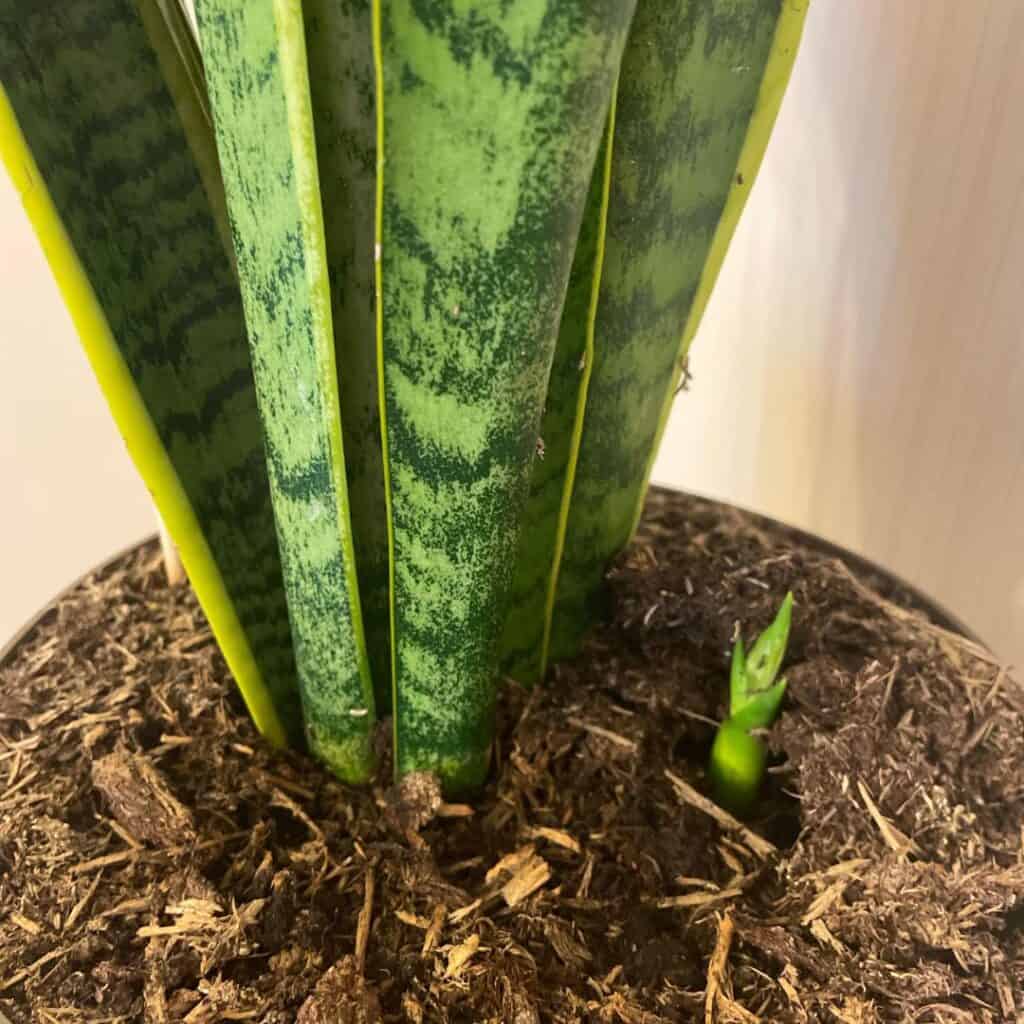
Rushing this step is one of the biggest mistakes I see people make. A pup that’s too young might not develop good roots yet, which makes it really hard for it to establish itself in a new pot.
3) Separate pups when roots visibly encircle the pup
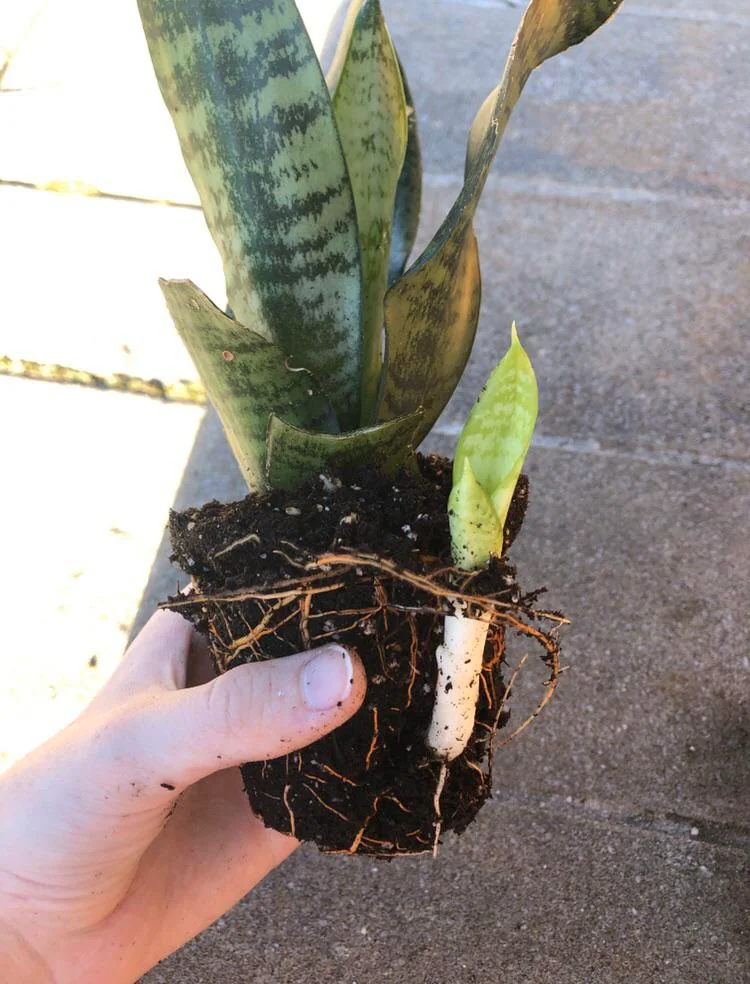
I always check the roots before separating a snake plant pup. When the baby plant has its own root system wrapped around itself, it’s ready to live on its own.
You can gently remove some soil from around the pup to peek at the roots. If you see white or tan roots forming a circle around the base, that’s your sign. The pup has enough roots to survive separation.
Quick Tip: If the roots are sparse or barely there, wait another month or two before separating.
I find that pups with established root systems handle the shock of separation much better. They bounce back faster and start growing right away. Pups without enough roots often struggle or sit dormant for weeks.
The roots don’t need to fill an entire pot. They just need to circle the pup’s base enough to support it independently.

4) Use a clean, sharp knife or shears to divide pups
I always grab a sharp knife or clean pruning shears before separating snake plant babies. Dull blades crush the plant tissue instead of making clean cuts, which opens the door for infections and rot.
Before I make any cuts, I wipe down my tools with rubbing alcohol. It takes five seconds and prevents bacteria from spreading between plants.
I position my blade where the pup connects to the mother plant’s root system. Then I cut straight down with one firm motion. The pup should come away with some roots attached.
Quick Tip: If the pup doesn’t have roots yet, let it grow a bit longer before separating.
Sometimes I find pups that share roots with the main plant. In those cases, I just make sure each section gets a fair portion of the root system. The cuts might not be perfect, and that’s okay.
5) Separate during active growing season (spring or summer)
I always wait until spring or early summer to separate my snake plant pups. The plant is actively growing during these warmer months, which means it bounces back faster from the stress of separation.
When you divide pups during the growing season, both the mother plant and the babies have time to establish strong roots before winter arrives.
They’re in growth mode, so they heal quicker and adapt to their new pots without much fuss.
Separating pups in fall or winter is risky because snake plants slow down or go dormant when it’s cold. A stressed plant sitting in cool soil with fresh wounds can develop rot before it recovers.
Quick Tip: If you live in a warm climate where your snake plant grows year-round, you have more flexibility with timing.
I look for signs that my plant is actively growing, like new leaves unfurling or pups getting bigger week by week. That’s when I know it’s the right time to separate them.
6) Allow cut surfaces to callus for 24–48 hours
After I separate a snake plant pup, I always let the cut areas dry out before planting. This step is called callusing, and it helps prevent rot from setting in when the pup goes into soil.
I just set the separated pup in a dry spot away from direct sunlight. A countertop or empty tray works fine. The cut surface will form a slightly tough, dry layer over the next day or two.
Quick Tip: Don’t skip this step, especially if you live somewhere humid—wet conditions make rot more likely.
If the weather is very dry, 24 hours might be enough. In more humid climates, I give it the full 48 hours to be safe. The callus doesn’t need to look thick or crusty, just dry to the touch.
7) Pot pups in well-draining cactus or succulent mix
I always reach for a pre-made cactus or succulent soil when I pot my snake plant pups. Regular potting soil holds too much water, which can rot those fresh roots before they even get going.
The mix needs to drain fast. Snake plants hate sitting in soggy soil, and pups are even more sensitive since their root systems are still small and delicate.
I fill a small pot with drainage holes about halfway with the mix, then position the pup so the white part of the base sits just below the soil line. Then I fill in around the roots and give it a light press.
Quick Tip: If your cactus mix feels too dense, stir in some perlite or coarse sand to improve drainage.

Don’t water right away if you spotted any damaged roots during separation. Give it a day or two so any cuts can seal over. This prevents rot from setting in when you finally do water.
8) Use pots with drainage holes, slightly larger than pup root ball
I always grab pots with drainage holes at the bottom before I separate snake plant pups. Water needs somewhere to escape, or the roots will sit in soggy soil and rot.
The pot should be just a bit bigger than the pup’s root ball. I’m talking about an inch or two of extra space around the roots.
Too much extra room means too much soil holding moisture that the small plant can’t use up fast enough.
Quick Tip: Test the drainage by pouring water through the pot before planting—it should flow out the bottom within seconds.
I’ve seen people use pretty pots without holes, and it never ends well. If you love a specific pot that lacks drainage, use it as an outer cover and keep the pup in a plain plastic pot inside.
You can lift it out to water and let it drain completely before putting it back.
9) Water sparingly for first 2–3 weeks after repotting
After I separate snake plant pups, I hold back on watering. The roots need time to settle into their new pots without sitting in soggy soil.
I wait about a week before giving the pups their first drink. Then I water lightly—just enough to barely moisten the soil.
These little plants don’t have established root systems yet, so they can’t absorb much water anyway.
For the next two to three weeks, I check the soil before watering again. If the top two inches feel dry, I add a small amount of water. In hot, dry climates, pups might need water a bit sooner, but I still keep it light.
Quick Tip: When you do water, pour slowly and watch for any runoff—if water drains out immediately, the soil might not be absorbing it properly.

Too much water during this period can lead to root rot before the pups even get a chance to grow.
I’ve learned that patience pays off. The roots will grow stronger when they have to search for moisture instead of drowning in it.
10) Keep pups in bright, indirect light while establishing
After I separate snake plant pups, I place them near a window where they get plenty of light but no direct sun.
Direct sunlight can stress out freshly separated babies since they’re focused on growing new roots.
I’ve found that an east-facing window works great, or a few feet back from a south-facing one. The pups need enough light to keep growing, but harsh rays can scorch their leaves when they’re vulnerable.
Quick Tip: If the leaves start turning pale or yellowish, move your pup closer to the light source.
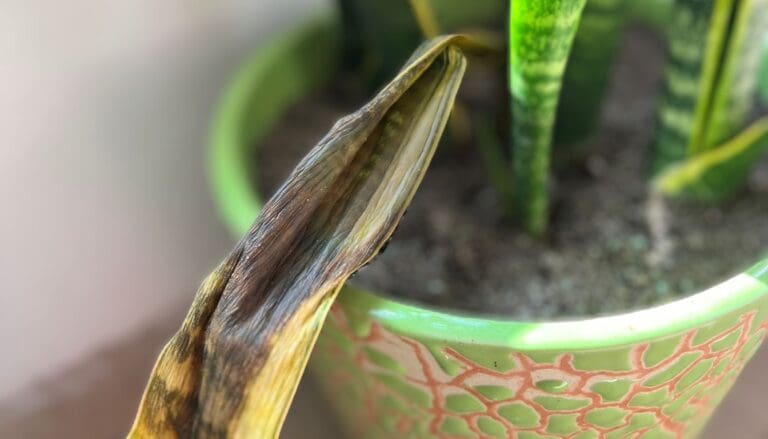
Watch for signs your pup is unhappy with its spot. Brown, crispy edges usually mean too much direct sun. If the leaves droop or grow really slowly, it might need more light.
I keep mine in the same spot for at least 4-6 weeks while roots develop. Moving them around too much interrupts the settling-in process.
Recognizing Healthy Growth in Young Snake Plants
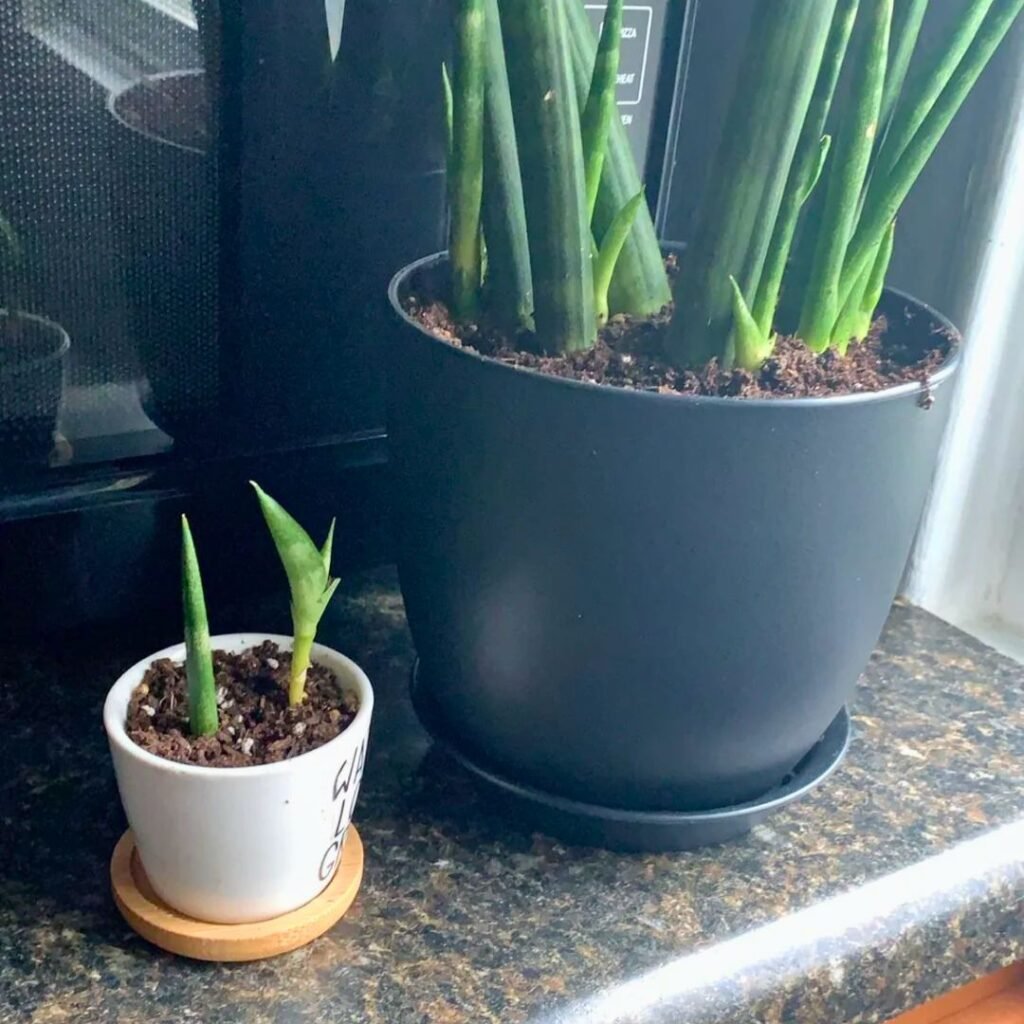
Knowing what healthy pup growth looks like helps you decide when they’re ready to leave mom.
I watch for firm leaves and strong roots, but I also keep an eye out for warning signs like yellowing or cramped quarters.
Visual Cues of Vigorous Pups (What Strong Baby Snake Plants Actually Look Like)
Healthy snake plant pups have firm, upright leaves that feel thick when I gently squeeze them.
The leaves should be a consistent green color without any brown tips or yellow streaks. I look for pups that are at least 3-4 inches tall with their own defined shape.
The base of each pup should feel solid where it connects to the rhizome. When I peek at the soil level, I want to see the pup standing on its own rather than flopping over.
Healthy babies also develop their own root system, which you might spot poking through the soil surface.
Quick Tip: A pup with at least 2-3 leaves of its own is usually strong enough to consider separating.
New growth is another great sign. If I see a fresh leaf unfurling from the center of the pup, that tells me the plant is actively growing and getting enough nutrients. The leaves should have the same pattern and color as the mother plant.
Signs of Stress or Overcrowding (When Your Snake Plant Babies Need More Room)
Yellowing leaves on pups often mean they’re competing for nutrients with the mother plant.
I check if the pot feels packed with roots when I gently press the soil. If multiple pups are pushing against each other, they’re probably cramped.
Stunted growth is a big red flag. When pups stay the same size for months, they might not be getting enough resources.
I also watch for leaves that grow sideways or bend awkwardly instead of standing straight up.
Quick Tip: If you can’t fit your finger between pups without touching multiple plants, it’s time to separate them.
Brown, mushy bases indicate rot from poor drainage in crowded conditions. The soil might stay wet too long when too many plants share one pot.
I also notice when new leaves come in smaller or thinner than older ones, which means the plant is struggling.
Growing Conditions That Support Pup Development
Snake plant pups grow best when their parent plant gets bright indirect light and infrequent watering.
The right potting mix and container size also make a big difference in how quickly babies develop.
Light and Water Requirements (The Sweet Spot for Baby Snake Plants)
I always tell people that snake plants are tough, but their pups grow faster when they get decent light. Bright indirect light works best—think a few feet from an east or west-facing window.
They’ll survive in low light, but pup production slows down to a crawl.
Direct sun can scorch the leaves, especially in summer. If you notice brown, crispy edges, move your plant back from the window.
Quick Tip: Rotate your snake plant every few weeks so all sides get equal light, which encourages even pup growth around the base.
When it comes to water, less is more. I water mine only when the soil is completely dry, usually every 2-3 weeks in summer and once a month in winter. Overwatering is the fastest way to rot the roots and kill developing pups.
Stick your finger two inches into the soil before watering. If it feels even slightly damp, wait a few more days.
Potting Mix and Container Considerations (Room to Grow Without Drowning)
I use a well-draining potting mix that’s at least 50% gritty material. Regular potting soil holds too much water and suffocates the roots.
Mix standard potting soil with perlite, coarse sand, or cactus mix in equal parts.
The container needs drainage holes—no exceptions. I’ve seen too many snake plants rot in decorative pots without drainage.
Choose a pot that’s only slightly larger than the root ball. Too much extra space means excess wet soil sitting around the roots. Terracotta pots work great because they dry out faster than plastic.
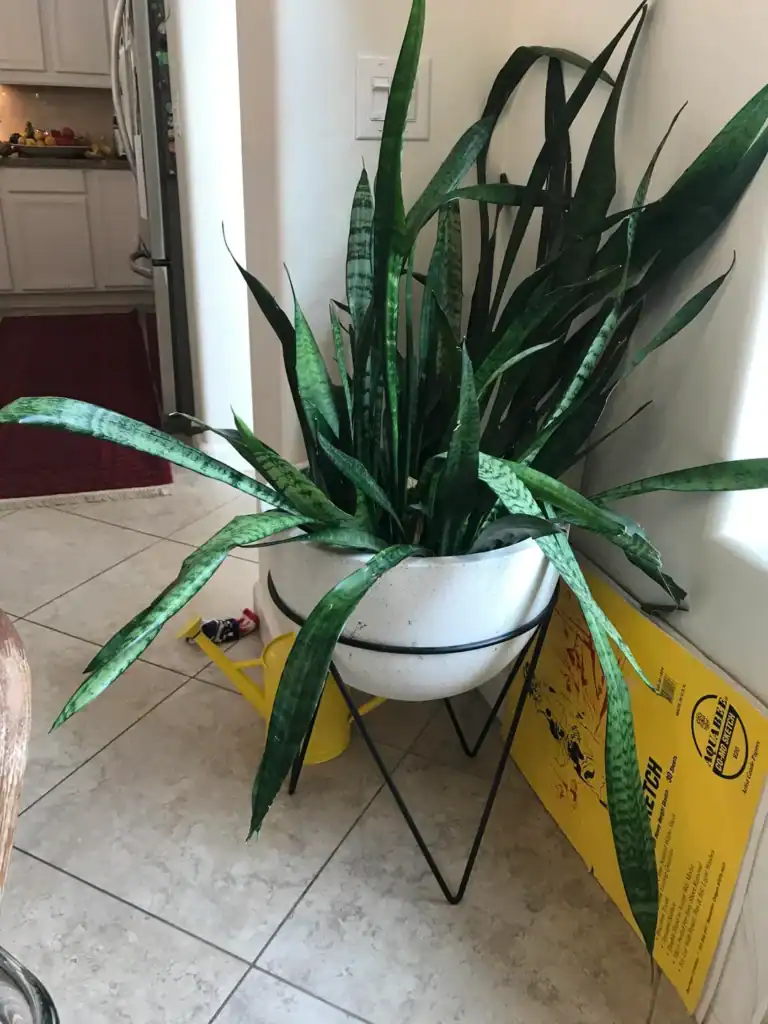
Quick Tip: If your snake plant is root-bound and pushing out lots of pups, that’s actually normal—they like being slightly crowded.
Frequently Asked Questions
Separating snake plant pups raises common questions about timing, technique, and aftercare. The right approach depends on pup size, root development, and seasonal conditions.

How can I tell when the pups are big enough to be separated from the mother plant?
I look for pups that stand at least 2 to 3 inches tall with several mature leaves of their own. These babies need enough leaf surface to photosynthesize independently once they’re on their own.
A pup that’s too small might struggle to establish itself after separation. I wait until I can see the pup has developed a sturdy base and isn’t just a single thin shoot poking out of the soil.
Quick Tip: If the pup feels wobbly or has only one or two leaves, give it more time to grow.
What’s the best season or time of year to divide and replant the pups?
Spring and summer are my go-to seasons for separating pups because snake plants grow most actively during warmer months. The extra daylight and warmth help new divisions recover faster and establish roots.
I avoid separating pups in fall or winter when the plant goes semi-dormant. A stressed pup in cold weather takes much longer to bounce back.
Quick Tip: Wait for consistently warm temperatures above 60°F before dividing pups for best results.
Should I wait until the pups have their own roots before separating them?
I always check for visible roots circling the pup before I separate it. A pup with its own root system handles the transition much better than one relying entirely on the mother plant’s roots.
Gently brush away some topsoil to peek at the base. If I see white or tan roots wrapping around the pup, it’s ready to go.
Quick Tip: Roots don’t need to be extensive—just present and healthy-looking.
What tools and steps are recommended to safely remove pups without damaging the rhizome?
I use a clean, sharp knife or pruning shears sterilized with rubbing alcohol. Sharp tools make cleaner cuts that heal faster than ragged tears from dull blades.
First, I remove the entire plant from its pot and brush off excess soil so I can see where the pup connects to the mother.
I look for the natural separation point in the rhizome and cut straight through with one firm motion. Wiggling or sawing can damage both plants.
Quick Tip: If the pup resists, stop and look closer—you might be cutting through the wrong spot.
How long should I let the cut areas dry or callus before potting the pups up?
I let the cut surfaces dry for 1 to 3 days in a shaded spot with good air circulation. The cut should feel dry to the touch and look slightly sealed over before planting.
This callusing period prevents rot when the fresh cut meets moist soil. In humid climates, I sometimes wait up to 5 days if the cuts still feel damp.
Quick Tip: Don’t skip this step—a wet cut planted immediately invites fungal problems.
What kind of soil, pot size, and watering routine helps newly separated pups settle in well?
I use well-draining cactus or succulent mix in a pot just 1 to 2 inches wider than the pup’s root ball. A too-large pot holds excess moisture that can rot tender new roots.
For the first two weeks, I water lightly only when the top inch of soil feels completely dry. After that, I treat the pup like an adult snake plant and let the soil dry out almost entirely between waterings.
Quick Tip: Terracotta pots help prevent overwatering because they wick moisture away from the soil faster than plastic.
Note: Some images in the articles are sourced from Reddit and Other Platforms For Reference Purpose.