What To Do With Monstera Aerial Roots Indoors?
Those wild, worm-like roots dangling from your Monstera can look pretty odd at first. You might wonder if you should tuck them away, chop them off, or just let them do their thing.
The good news? You’ve got options: guide them into the soil, train them up a moss pole, leave them hanging for a jungle vibe, or carefully trim them if they really drive you nuts.
I get it—aerial roots aren’t exactly the prettiest part of plant parenting. Still, they actually serve a purpose.
In the wild, Monsteras use these roots to climb trees and grab moisture from the air. Indoors, they won’t hurt your plant, but they can get a little unruly if you don’t keep an eye on them.
In this guide, I’ll break down what these roots are, how to care for them, and a few creative ways to style or manage them without stressing your plant. Whether you want things neat or don’t mind a wilder look, you’ll find something that fits.
Please note: Simplify Plants is reader-supported. As an Amazon Associate, I earn from qualifying purchases made by our readers with no extra cost added to you all! Some links in the post are affiliate links and I get a commission from purchases made through links in the post.
Understanding Monstera Aerial Roots
Monstera aerial roots grow naturally from the plant’s stem and actually do a few different jobs, both in the wild and at home. These roots don’t look or work quite like the ones buried in soil.
What Are Aerial Roots? (The brown, worm-like growths coming from your Monstera’s stem)
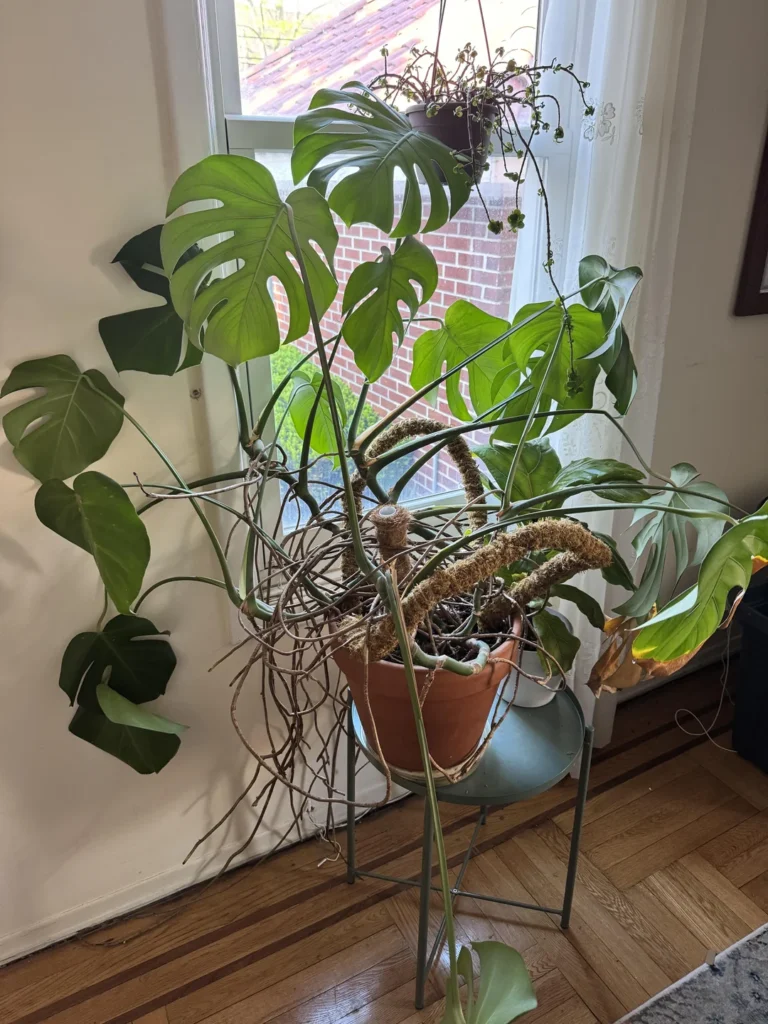
Aerial roots are specialized roots that pop out above the soil, right from your monstera deliciosa’s stem. They’re usually brown or tan and feel pretty firm if you touch them.
You’ll notice them sprouting from the nodes on your plant’s stem. They start as tiny nubs and can get impressively long if you leave them be. Some stay pencil-thin, others bulk up to thumb-width.
These roots have a rough, papery texture. Totally normal—not a sign your plant’s in trouble.
How Monstera Aerial Roots Differ from Other Types (They’re built for climbing, not just drinking)
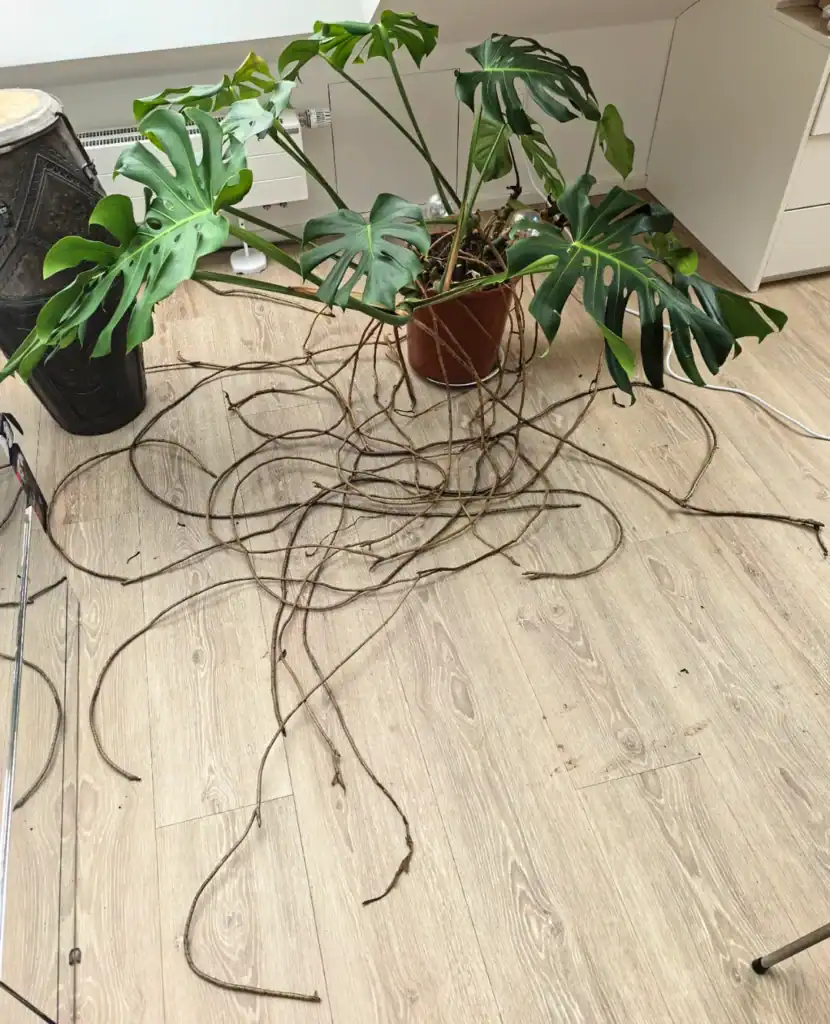
The aerial roots on your monstera are a different beast from the regular ones in the pot. Soil roots are all about sucking up water and nutrients, while aerial roots are built to grab onto things and help the plant climb.
Structural differences:
- Soil roots are white or light-colored and branch out all over the place
- Aerial roots are brown and usually grow straight, not much branching
- Soil roots stay soft and snap easily if they dry out
- Aerial roots get tougher and woodier as they age
They can take in some moisture from humid air, but honestly, that’s not their main job. They’re more like anchors than straws.
Natural Functions in the Wild and Indoors (Why your Monstera grows these weird dangly bits)
In tropical rainforests, monstera aerial roots hook onto tree bark and help the plant climb toward the light. They’re basically nature’s grappling hooks, giving the big leaves and stems a boost as the plant grows up.
Some aerial roots even reach the forest floor and dig into the soil for extra support. They also pull in moisture from the crazy-humid jungle air—think 80-90% humidity out there.
Inside your house, aerial roots still try to do their thing, even if there’s nothing to climb. They’ll reach for walls, furniture, or moss poles if you give them the chance.
Don’t worry, they won’t mess up your walls like ivy—no sticky pads here. I’ve noticed my monstera’s aerial roots grow faster when I give it something to climb. More roots seem to pop up when the plant’s happy, too.
Essential Care for Healthy Aerial Roots
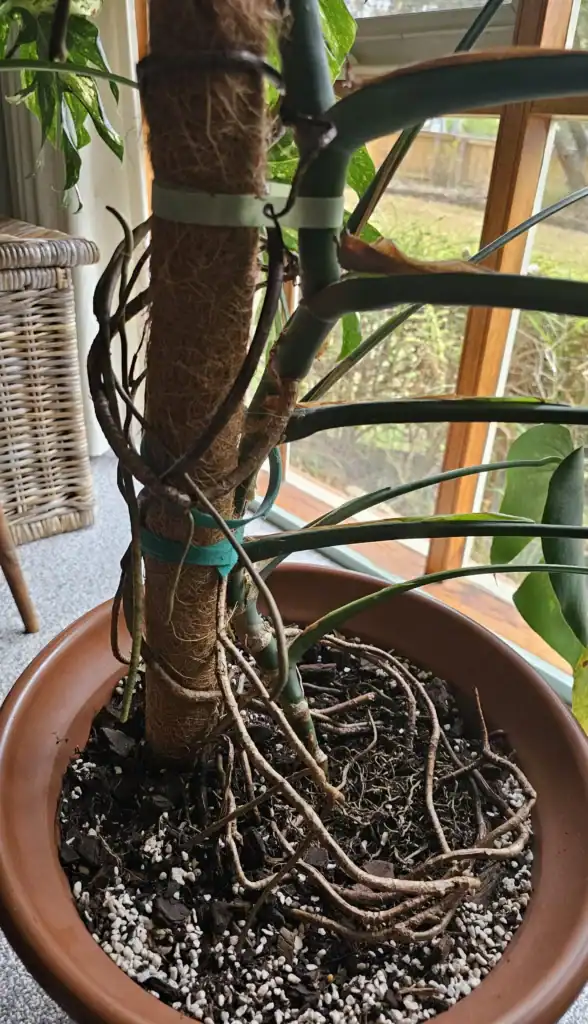
Keeping your monstera’s aerial roots happy means giving them something to climb on, keeping the air a bit moist, and watching out for problems. These roots are meant to grab onto things and drink up a little moisture from the air, so it helps to mimic their natural environment.
Supporting Growth and Structure (What Your Monstera’s Climbing Roots Actually Need)
Monstera aerial roots naturally want to grab rough surfaces and climb. Indoors, I give my monstera something sturdy—like a moss pole, coir pole, or even a wooden plank.
Supports let the roots latch on and help your plant grow up instead of flopping over. I gently guide younger aerial roots toward the pole with soft ties or just tuck them behind it. Eventually, the roots grip on their own and anchor the plant.
This makes everything more stable and usually encourages bigger leaves. Quick Tip: Spray your moss pole with water when you water the plant so the aerial roots can soak up moisture as they climb.
If you’re not into poles, you can train aerial roots into the soil. I push them down into the pot so they act like regular roots and help the plant out. Some folks trim their monstera aerial roots if they get too long, but I only cut when absolutely necessary—they do feed the plant, after all.
Maintaining Moisture and Humidity (Keeping Those Roots Happy Without Drowning Them)
Aerial roots love a bit of moisture in the air, so I try to keep humidity around 60% or higher for my monstera. I’ll use a humidifier nearby during winter or in rooms with AC.
Misting the aerial roots a few times a week helps, but honestly, it’s not enough by itself. I also wipe the roots with a damp cloth every couple of weeks—keeps dust off and helps them absorb water. If they look wrinkled or brown, that’s usually a sign the air’s too dry.
Quick Tip: Group your monstera with other plants to create a little humid microclimate—no fancy equipment needed.
In super dry homes, a pebble tray with water under the pot adds a bit more moisture to the air. Just don’t let the pot sit in water. I’ve noticed thicker, healthier aerial roots when I keep the humidity steady.
Avoiding Common Aerial Root Problems (Spotting Trouble Before It Gets Worse)
If aerial roots turn brown and mushy, there’s probably too much moisture or even rot. I check for overwatering in the soil first, since root rot usually starts at the base.
If just the aerial roots look bad, I trim the damaged bits with clean scissors and make sure there’s good air flow. Dried-out, shriveled roots mean the air’s too dry, so I bump up the humidity and move my monstera away from heaters or vents.
Quick Tip: If an aerial root breaks off, don’t stress—the plant will grow more as long as the main stem’s healthy.
Sometimes roots grow in weird directions or get tangled. I mostly leave them unless they’re causing real issues. Pests like spider mites can hide around the base of aerial roots, so I check them when I water. A quick rinse or wipe-down keeps bugs away.
Options for Managing Monstera Aerial Roots
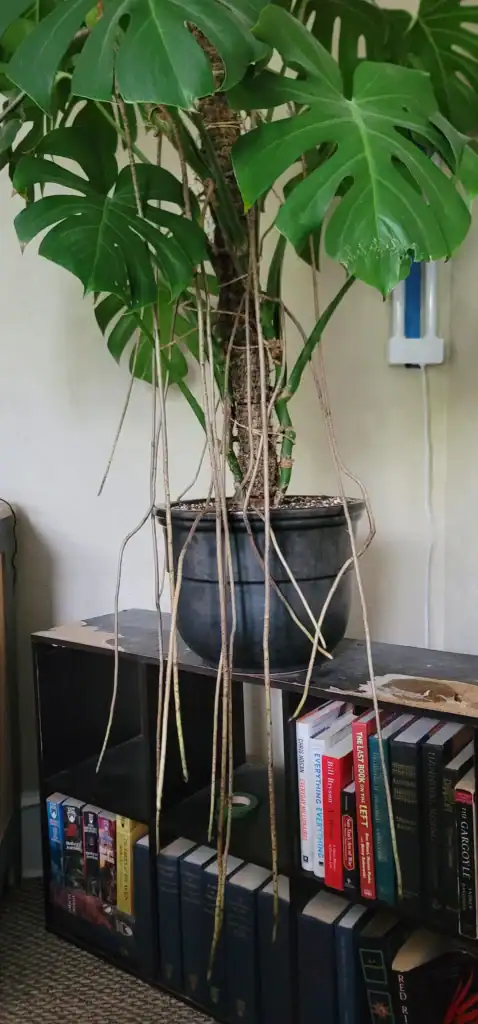
You can train aerial roots up a support, tuck them into the soil, or just let them hang out. It all depends on your space and what look you’re after.
Training Roots Up a Moss Pole (The Climbing Method)
I’m a fan of moss poles—they mimic how monsteras grow in nature. In the wild, these plants climb trees using aerial roots to grip and pull in moisture.
A moss pole gives those roots something to really grab onto. Just stick the pole in the center of your pot and gently wrap or tuck aerial roots against it. Soft plant ties or garden Velcro work well at first.
Keep the moss pole damp by misting every few days. The roots will grow right into the moss over time, which helps your monstera stand tall and throw out bigger leaves. Watching this happen is honestly pretty cool.
Quick Tip: Soak your moss pole before you stick it in the pot so the roots have immediate moisture to find.
Redirecting Roots into Potting Soil (The Practical Approach)
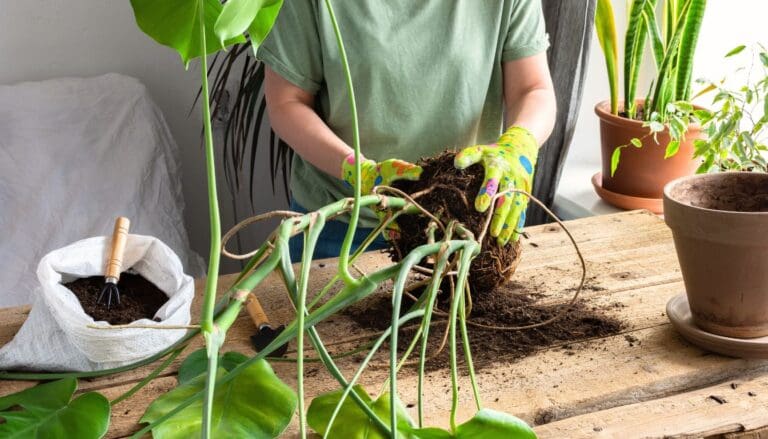
Sometimes I just push aerial roots down into the soil. This gives the plant more stability and lets those roots drink up water and nutrients right from the pot.
Bend the roots gently—don’t force it, or they might snap. Once they touch the soil, they usually grow downward on their own.
This trick is great if you don’t want a moss pole or if your roots are getting a little wild. The plant gets a support boost, and you keep things tidy.
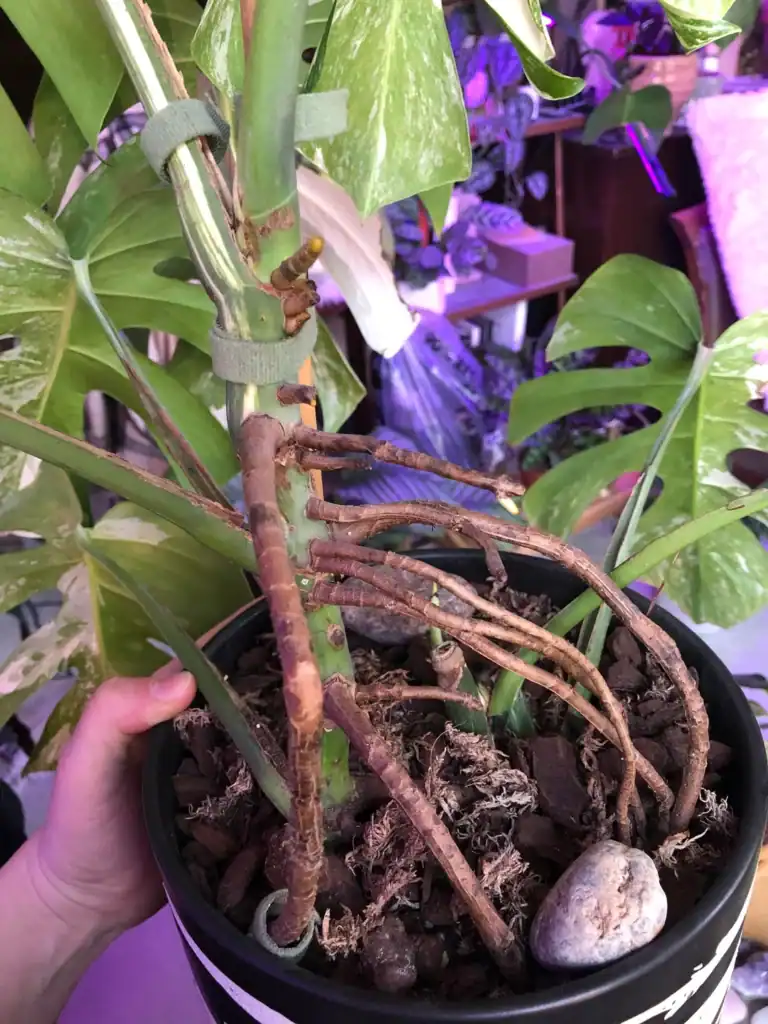
Quick Tip: Bury the root about an inch deep and water lightly to help it settle.
Letting Roots Grow Naturally (The Hands-Off Style)
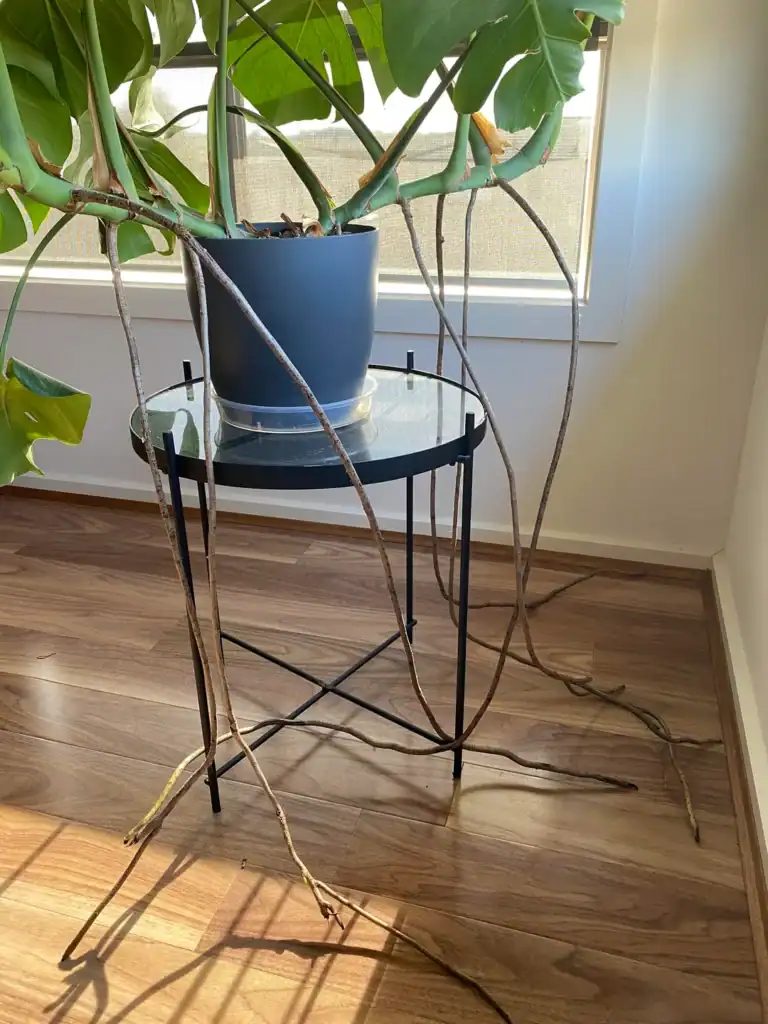
Honestly, you don’t have to do anything with monstera aerial roots. They’re not hurting the plant if they’re just hanging out in the air.
I leave mine alone a lot, especially when they’re short or out of the way. The roots dangle and look a bit quirky, but that’s just how monsteras roll. Some people actually like the wild, jungle look.
If they get super long, they might snag on stuff or poke you when you walk by. If that bugs you, trim them with clean scissors or redirect them later.
Quick Tip: Roots left in the air won’t harm your plant, so it’s totally fine to let them do their thing.
When and How to Cut Monstera Aerial Roots
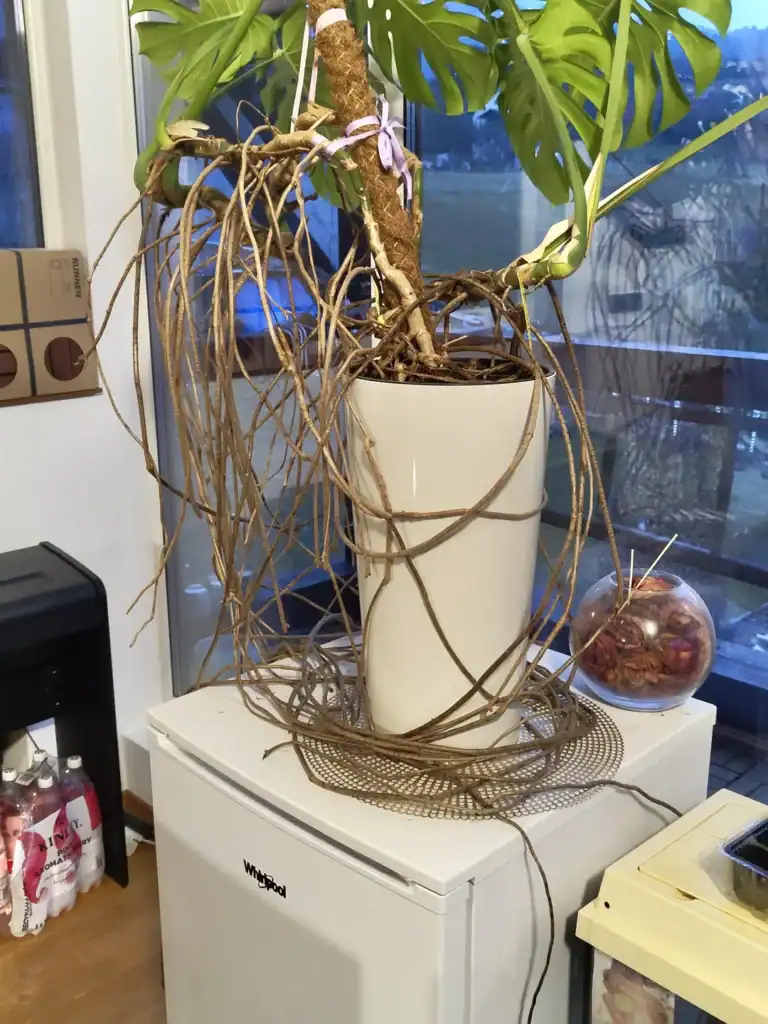
Cutting monstera aerial roots is pretty safe if you do it right. You’ll want clean tools and a bit of know-how about how cutting affects your plant’s growth and support.
Proper Tools and Techniques (What You’ll Need and How to Make Clean Cuts)
I always grab sharp, sterilized pruning shears or scissors when I cut monstera aerial roots. Clean cuts heal faster and lower the risk of infection.
Before cutting, I wipe my tools with rubbing alcohol or a little bleach solution. I snip at the base of the aerial root, close to the main stem—one quick cut is better than sawing back and forth. Ragged edges can invite bacteria.
Quick Tip: It’s easier to cut aerial roots when they’re young and thin—the plant bounces back faster that way.
After cutting, I skip any sealant or covering. Monsteras usually heal naturally if you just leave them alone. The cut area dries up in a day or two.
I only cut aerial roots that are in the way or really bug me. If they’re not causing trouble, I let them be.
Potential Impact on Plant Health (How Root Removal Affects Growth and Support)
Aerial roots help my monstera soak up moisture from the air and anchor itself. Removing a few won’t hurt a healthy plant, but cutting too many at once can stress it out.
Monsteras with fewer aerial roots sometimes just grow slower. These roots help support the plant as it climbs, so if you chop them all, the stem can get a little wobbly.
If my monstera’s using aerial roots to climb a moss pole or wall, I leave those alone—they’re doing important work. I only remove the ones hanging loose or growing somewhere awkward.
If my plant’s recovering from other stress—like repotting or pests—I wait until it looks strong before trimming any roots.
Safety Tips for Cutting (Protecting Yourself and Your Plant During the Process)
Monstera sap can irritate skin and eyes. I wear gloves when cutting aerial roots because sometimes the sap drips from fresh cuts.
I keep my face away from the cutting area—if sap gets in your eyes, it stings. Rinsing with cool water helps if it happens.
Quick Tip: Keep a damp cloth handy to wipe sap off your shears and hands as you go.
I make sure the plant’s stable before cutting. A wobbly pot can tip over when you’re reaching for roots in the back.
After cutting, I wash my hands with soap. I also keep the plant away from pets and kids for a few hours while the cuts dry out.
Creative Uses and Decorative Solutions
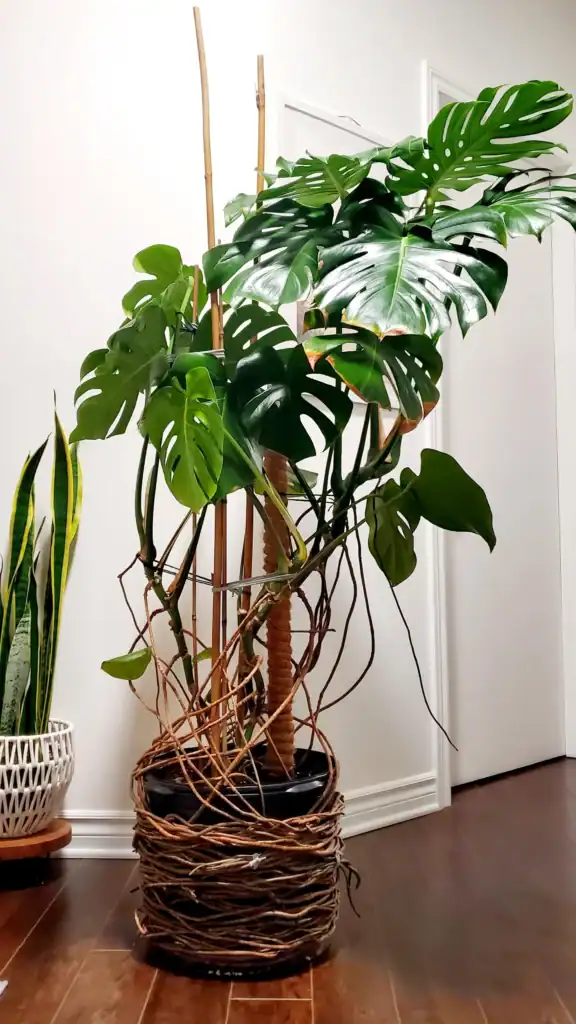
Honestly, monstera aerial roots don’t have to be an eyesore. With a bit of creativity, they can even add to your plant’s personality.
Styling Aerial Roots for Aesthetic Appeal (Making Wild Roots Look Intentional)
I’ve come to see aerial roots as a quirky part of my monstera’s vibe. Why fight them? I like to work with their wild shapes instead of trying to hide them.
One trick I enjoy is gently training the roots into soft curves using flexible plant ties or clips. Sometimes I’ll guide them along a moss pole, or even curve them toward the soil in a loose S-shape. It gives the plant a more put-together, sculptural look—well, most days.
Quick Tip: Green garden wire wrapped in floral tape is pretty gentle on roots if you want to try shaping them.
I’ll leave a few roots hanging free and direct others, mixing it up so it looks natural instead of forced. The trick is to guide, not wrestle them into place—otherwise, it just looks stiff.
For a boho touch, I sometimes let longer roots dangle and give them a light mist now and then. Some folks wrap decorative moss around exposed roots for that jungle vibe. If you do, keep the moss a bit damp—otherwise, it dries out fast and looks sad.
Incorporating Roots into Plant Displays (Blending Roots with Your Plant Setup)
Aerial roots actually help me make my plant displays more interesting. If I set my monstera near a trellis or a wall grid, the roots will stretch out and latch on over time.
I’ve used wooden ladders, bamboo stakes, and even macramé hangers as anchor points. The roots start wrapping around whatever’s nearby, and before long, it’s like a living sculpture. Works great in corners where the plant can climb up and out of the way.
Quick Tip: Place a moss pole or driftwood piece within a couple inches of aerial roots—they’ll usually find it on their own.
Terrariums and layered plant stands also look great with visible aerial roots. Sometimes I’ll cluster my monstera with other plants on tiered shelves, letting the roots spill between levels. It adds depth and ties the whole setup together.
Roots might even wander into a neighbor’s pot if you group your plants close. I’ve caught mine reaching into a nearby pothos container—it’s wild, but honestly, it looks kind of intentional.
Disguising or Hiding Roots in Your Home (When You’d Rather Keep Them Out of Sight)
Not every room works with wild aerial roots on display. Sometimes, I just want a cleaner look.
Tucking roots back into the pot is my go-to. I’ll gently coil them on top of the soil or bury them a bit—usually, they start turning into regular roots, which is a win for the plant.
Quick Tip: Cover buried aerial roots with a bit of sphagnum moss to keep them moist and encourage rooting.
Decorative plant covers or cache pots with higher sides can hide lower roots. A basket or ceramic planter with a tall rim does the trick without looking obvious.
If a root is growing somewhere awkward, I’ll just snip it off with clean scissors. I only cut what really bugs me, and I try to leave about a quarter inch from the main stem. The plant bounces back just fine.
Addressing Troubles and Misconceptions
Aerial roots on Monstera deliciosa spark a lot of confusion. Let’s clear up the most common myths and help you figure out what’s normal versus what’s not.
Common Myths About Aerial Roots (And Why They’re Wrong)
I’ve heard people worry that aerial roots mean their monstera is sick or dying. Nope—these roots are totally normal for monsteras.
Some folks think you have to cut off all aerial roots to keep things tidy. Please don’t. These roots help your plant stay stable and absorb a bit of moisture from the air. Chopping them all off can actually stress your monstera.
There’s also an idea that aerial roots only pop up if the plant needs water. While dryness might encourage more roots, they’ll show up even if you’re watering on schedule. In the wild, monsteras use them to climb trees in the rainforest—it’s just what they do.
Quick Tip: Leave at least a few aerial roots if you trim for looks.
Indicators of Plant Stress vs. Normal Growth (What Your Monstera Is Really Telling You)
If aerial roots turn brown and mushy, that’s usually rot from too much moisture. Healthy roots feel firm and look tan or brown, not slimy.
Thin, shriveled roots can mean low humidity or underwatering. Healthy aerial roots are chunky and sturdy. If yours look dried out, mist them or try a humidifier nearby.
Yellow leaves plus limp aerial roots? That often means overwatering. I always check the soil before watering again—monsteras like to dry out a bit between drinks.
When you see lots of new aerial roots all at once, that’s usually good news. Your monstera’s growing and wants to climb—definitely not a sign of stress.
Why Not to Submerge Aerial Roots in Water (Despite What Social Media Says)
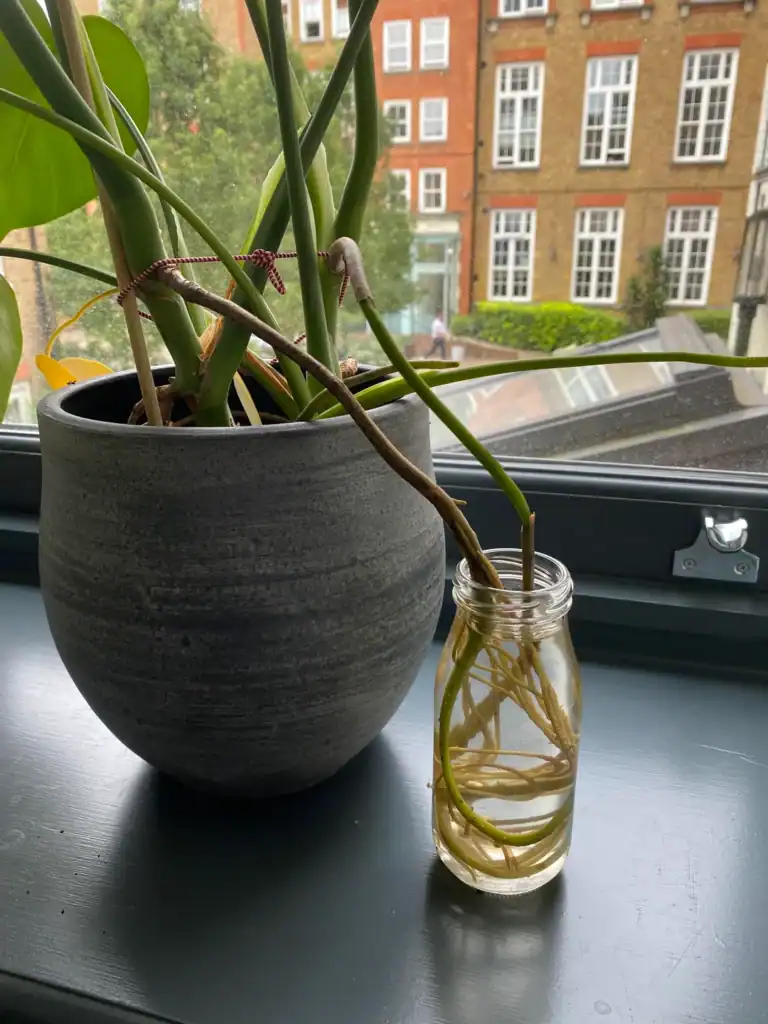
I keep seeing this trick online, but honestly, keeping aerial roots in water all the time isn’t great. They’re meant for air, not for being soaked, and they’ll rot if they stay wet.
Plus, water containers can get gross fast—bacteria and algae love to move in. You’d have to change the water constantly, and that’s just a hassle.
Aerial roots in water can’t do their job. They’re supposed to stabilize the plant and pull moisture from the air, not just sit in a glass. It kind of defeats the purpose.
If you want to boost humidity, try misting the roots or pointing them at a damp moss pole. That’s much closer to what they’d get in nature, and way less messy.
Frequently Asked Questions
Aerial roots can trip up even experienced plant folks. Here are some common questions and what’s worked for me.
Should I trim aerial roots, or leave them alone?
I usually leave aerial roots alone since they help my monstera soak up moisture and climb. Cutting them won’t hurt the plant, but you’re removing a natural support system.
If the roots look wild or get in the way, trimming a few is fine. I only cut what’s truly annoying or damaged—the plant will just grow more over time.
Quick Tip: Always use clean scissors or pruners to avoid introducing bacteria.
How do I safely cut aerial roots without harming the plant?
I sterilize my scissors with rubbing alcohol before cutting. It’s a quick step that helps prevent infection. I make a single, clean cut close to the stem—no sawing back and forth.
After cutting, I don’t bother with anything special. The plant seals the wound by itself in a few days. I just avoid overwatering while it’s healing.
Quick Tip: Trim during spring or summer—the plant recovers faster when it’s actively growing.
Can I put aerial roots in water to help the plant stay hydrated?
I’ve tried setting a little container of water near my monstera so aerial roots can dip in if they want. The roots will grow toward the water if they need extra moisture.
This helps during winter or in dry homes. I refresh the water weekly to keep things clean. Just remember, the plant still needs regular watering at the roots.
Quick Tip: Use a sturdy vase or jar so it doesn’t tip over as roots get heavier.
Is it possible to propagate a new plant using aerial roots?
Aerial roots by themselves won’t grow a new plant. You’ll need a stem cutting with at least one node and one aerial root. The node is that little bump where leaves and roots grow out.
I put the cutting in water or moist soil. The aerial root helps it settle in faster, but the node is what actually sprouts new growth. Usually, roots start popping out after a few weeks.
Quick Tip: Pick a cutting with a couple of leaves for the best odds.
When repotting, should I bury aerial roots in the soil or keep them above it?
I leave aerial roots above the soil—they’re made for air, not for being buried. If you tuck them under, they can rot if the soil stays too wet. Underground roots are just… different.
If a root finds its way into the soil on its own, that’s fine. I don’t force it, though. The plant knows what it’s doing, honestly.
Quick Tip: When repotting, gently point roots toward a moss pole or trellis instead of pushing them under the soil.
How can I train aerial roots onto a moss pole or support indoors?
Honestly, I just stick a moss pole right in the middle of the pot when my Monstera is still pretty young. Once the aerial roots start popping up, I’ll gently wrap them around the pole or just sort of tuck them into the moss if they’re long enough.
Usually, the roots will grab onto the support on their own once they touch it. I don’t force anything—plants have a mind of their own sometimes, don’t they?
To keep things moving along, I mist the moss pole every few days so it stays damp. That seems to help the roots want to dig in, at least in my experience.
Sometimes, I’ll use a soft plant tie or even some loose twine to hold the stems up against the pole. Just until the roots latch on—no need to tie things too tight.
There are always a few aerial roots that just refuse to cooperate. I let those be and focus on the ones that actually reach for the pole.
Quick Tip: Honestly, a coir or sphagnum moss pole does the trick way better than a plain wooden stake. The roots can actually push into the material, which is kind of cool.
Note: Some images in the articles are sourced from Reddit and Other Platforms For Reference Purpose.