15 Indoor Hanging Plants Even Beginners Can’t Kill
I love bringing a touch of green indoors, but honestly, I don’t always have time for plants that need constant fussing. The good news? Some hanging plants seem to thrive on neglect and still make any room feel fresh and inviting.
Even if you’re super busy or just starting out, you can grow vibrant indoor hanging plants that stay healthy all year.
These plants add color, texture, and a bit of life to your home. They clean the air, too, and somehow just make everything feel calmer.
You’ll find low-maintenance favorites that are easy to grow, plus a few simple care tips and quick fixes for the usual plant hiccups. Filling your place with thriving greenery isn’t as hard as it sounds.
Please note: Simplify Plants is reader-supported. As an Amazon Associate, I earn from qualifying purchases made by our readers with no extra cost added to you all! Some links in the post are affiliate links and I get a commission from purchases made through links in the post.
1) Spider Plant
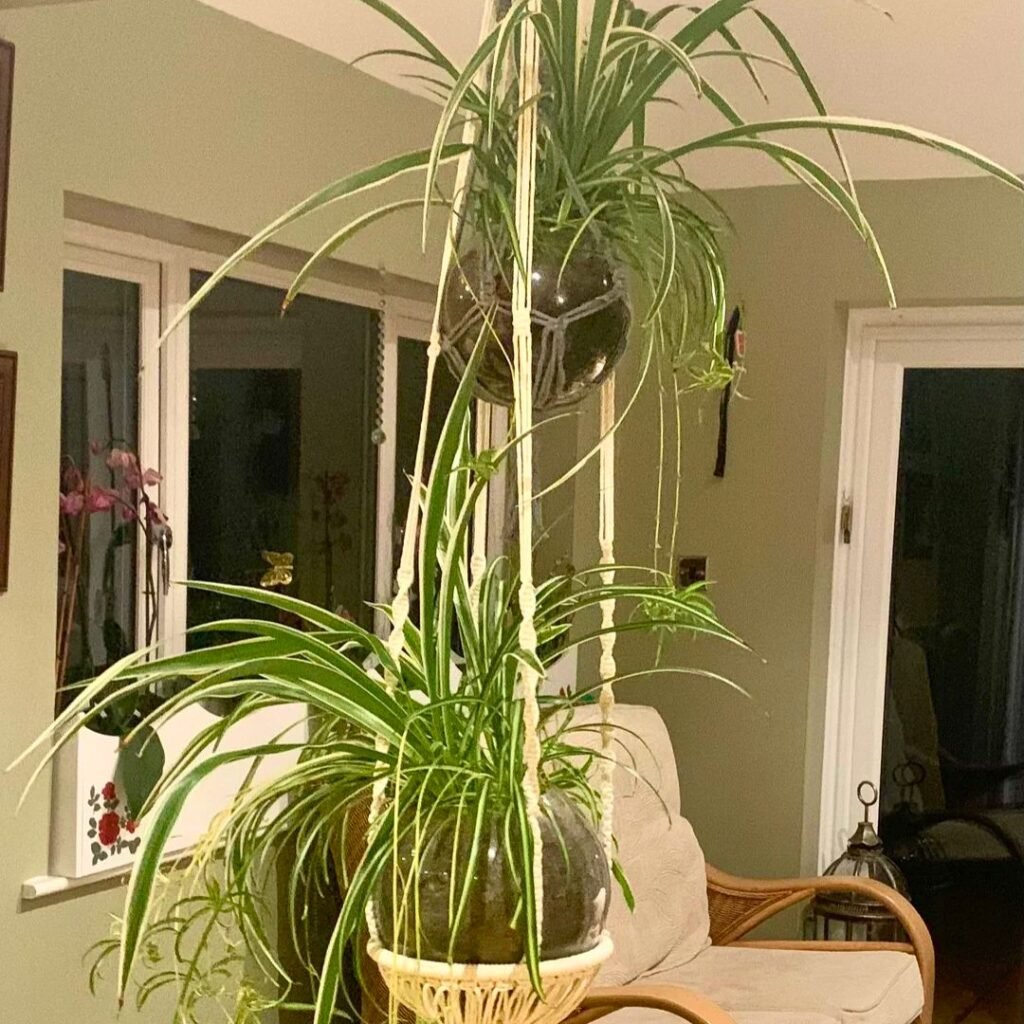
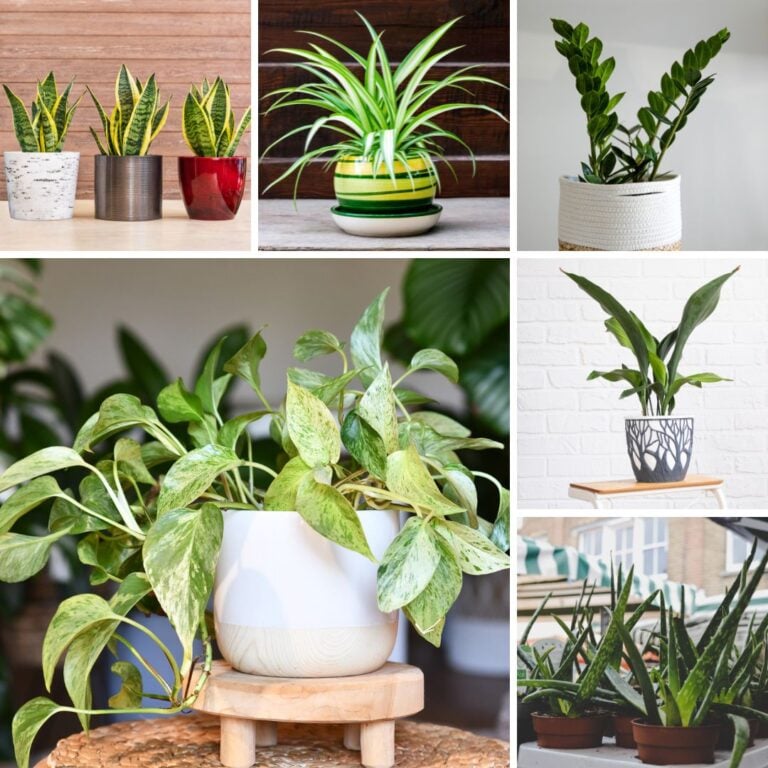
The Spider Plant is honestly one of the easiest plants I’ve ever cared for. It grows fast, looks great in a hanging basket, and fits in just about any room.
Those long green leaves with white edges really pop, and they don’t need much from me. I usually keep mine near bright, indirect light, though it can handle lower light if it has to.
Colors look best with a bit of sunshine, but it’s not picky. I water when the top of the soil feels dry—maybe once a week, give or take.
One thing I love? It’s forgiving. If I forget to water, it bounces back without drama.
It also grows these little “baby” plants that dangle down—super cute. I sometimes trim them and pop them in water or soil to start new plants.
Spider Plants help the air feel fresher. Their thick leaves grab dust, and some say they remove small amounts of indoor pollutants.
I hang mine in a light pot so the green really stands out. It looks great by a kitchen window or even next to my desk.
If you want something low-maintenance, attractive, and easy to share, this is a plant I’d absolutely recommend.
2) Pothos
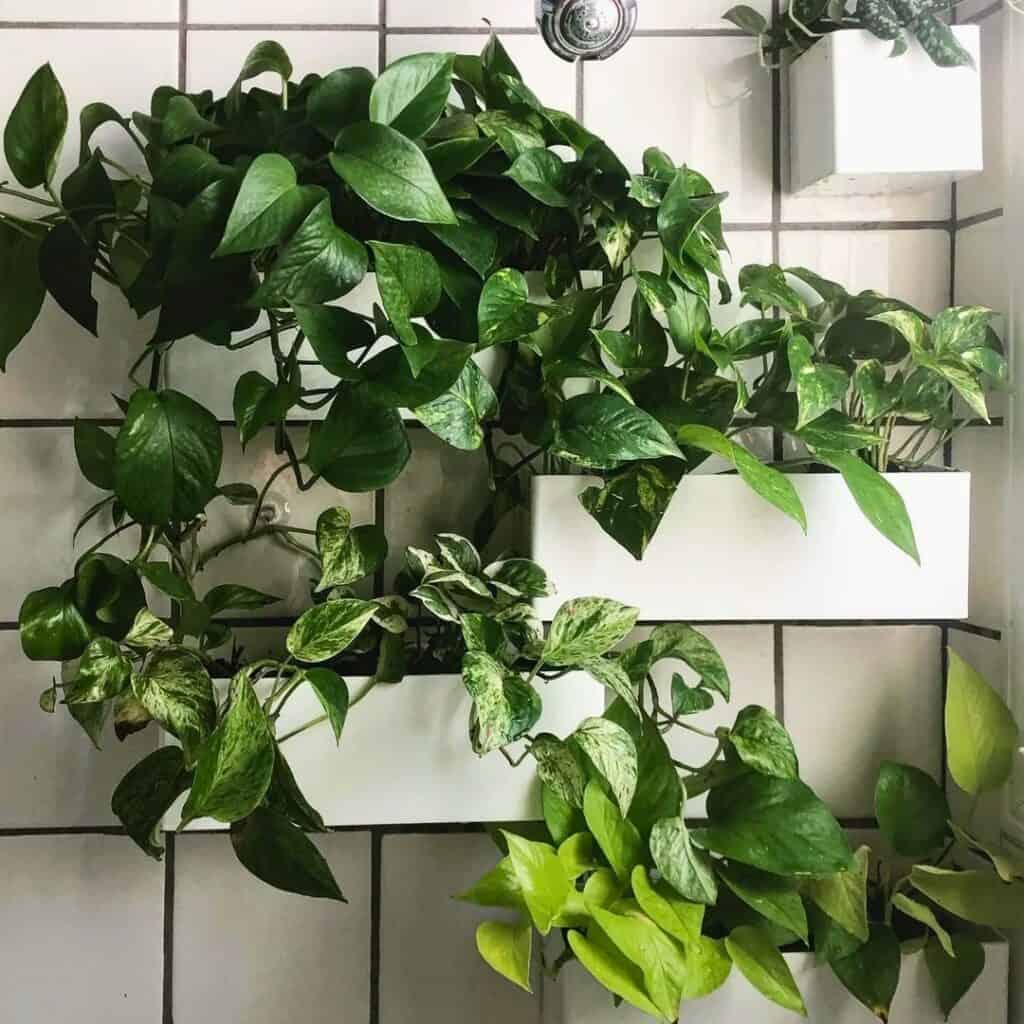
Pothos is one of those plants that just makes life easier. Its trailing vines look great hanging from shelves or planters, and it grows well in almost any home.
Even if I forget to water it now and then, it keeps on thriving. This plant adapts to different light conditions, from bright indirect light to those dim corners where nothing else wants to grow.
I keep mine near a window but out of direct sun—too much light scorches the leaves, but too little can slow it down. Watering is simple: I wait until the top inch of soil is dry, and I always make sure the pot drains well.
If leaves start turning yellow, it’s usually because I got a little too enthusiastic with the watering can. What makes me smile is how fast Pothos grows.
The vines can get pretty long, which looks awesome in a hanging basket. I trim the ends sometimes and root the cuttings in water—new plants in no time.
There are some fun varieties too. Golden Pothos has green leaves streaked with yellow, and Marble Queen shows off these cool white and green patterns.
Each type adds a little something extra to a room. I also like how low-maintenance it is.
It doesn’t need fancy soil or special fertilizer. Every couple of months, I give it a diluted houseplant fertilizer, and it just keeps growing.
Pothos helps freshen the air, which is a nice bonus. It’s a simple, tough plant that fits into any style or routine.
Whenever someone asks me how to start with indoor plants, I always say: go with a Pothos.
3) Boston Fern

Boston ferns just bring a fresh, lush vibe to any room. Their long, arching fronds add a soft texture that makes a space feel calm and a little bit wild.
When I hang one by a bright window, it quickly becomes a favorite spot in the house. These ferns like indirect light and steady moisture.
I keep the soil slightly damp, never soaked. Dry soil makes the leaves crisp, but too much water is a no-go—root rot is real.
I mist mine every few days, especially in winter when the air gets dry. Room temperature is best.
They don’t love cold drafts or hot air from vents, so I keep mine away from doors and heaters. A little consistency goes a long way with this plant.
If leaves start looking dull or dropping, it’s usually a sign to tweak the light or watering. Trimming away old fronds helps new ones come in, and the plant stays full.
Boston ferns are great if you like a bit of routine. Regular care keeps them thriving, and they reward you with thick, green growth.
I think of mine as a living accent piece that softens corners and brings a little life into the house.
4) Philodendron

A Philodendron is honestly one of the easiest houseplants you can get. It grows well indoors and doesn’t ask for much.
I hang mine in a bright spot, and it just stays green and healthy with minimal effort. When I water, I make sure the soil dries out a bit first—too much water can cause root rot, so I try not to overdo it.
These plants love bright but indirect light. The heart-shaped leaves are my favorite part.
They grow quickly and trail nicely from a hanging basket. If the stems get too long, I just trim them and start new plants from the cuttings.
Philodendrons adapt well to different indoor conditions. They handle average humidity and room temperatures just fine.
If I forget about mine for a few days, it still looks great. This plant also improves air quality, which is a nice bonus.
With its forgiving nature and steady growth, I’d say it’s a great choice if you’re just starting out.
5) English Ivy

English Ivy is a classic. It grows fast and looks good almost anywhere, with small green leaves that trail beautifully from hanging baskets.
It gives any room a simple touch of nature and makes everything feel a bit calmer. This plant does best in bright, indirect light, but I’ve seen it survive in lower light too.
Just avoid direct sun—the leaves can burn. I water it when the top layer of soil feels dry.
Too much water is about the only thing that can really hurt it. English Ivy helps clean the air, which is always a plus.
It can remove some toxins, so even a small room feels fresher. When I want the vines to stay full, I trim them every few weeks.
The plant bounces back fast with thicker growth. Sometimes I root cuttings in water to start new plants—it’s a fun, cheap way to add more greenery.
If you have pets, just know that English Ivy can be toxic if eaten. I hang mine up high so it’s out of reach.
Other than that, it’s sturdy and attractive, and it fits pretty much any home style.
6) Bird’s Nest Fern

The Bird’s Nest Fern brings a soft, tropical vibe to any room. Its wide, wavy fronds grow from a tight center that really does look like a little nest.
The leaves stay bright green and glossy, so they stand out even in lower light. This fern does well in indirect light and likes a bit of shade.
I keep mine near a window with filtered light—it’s grown steadily without much effort. Direct sun can scorch the leaves, so I’m careful not to put it too close to the glass.
I try to keep the soil slightly moist, but not soggy. It doesn’t like drying out, but it hates being soaked.
When I water, I pour around the center instead of straight into it to avoid rot in the crown. The Bird’s Nest Fern loves humidity.
I mist the leaves or put the pot on a tray of water with pebbles. Bathrooms or kitchens with a little steam are perfect.
A bit of extra moisture keeps those fronds lush and fresh. Fertilizing every few weeks in spring and summer helps new growth come in.
I use a mild liquid fertilizer at half strength. In the cooler months, I just cut back on feeding since the plant naturally slows down.
What I like most is how forgiving this fern is. Even if I forget to water for a few days, it perks up as soon as I remember.
It’s a simple, low-maintenance plant that adds a calm, green beauty to my home.
7) String of Pearls
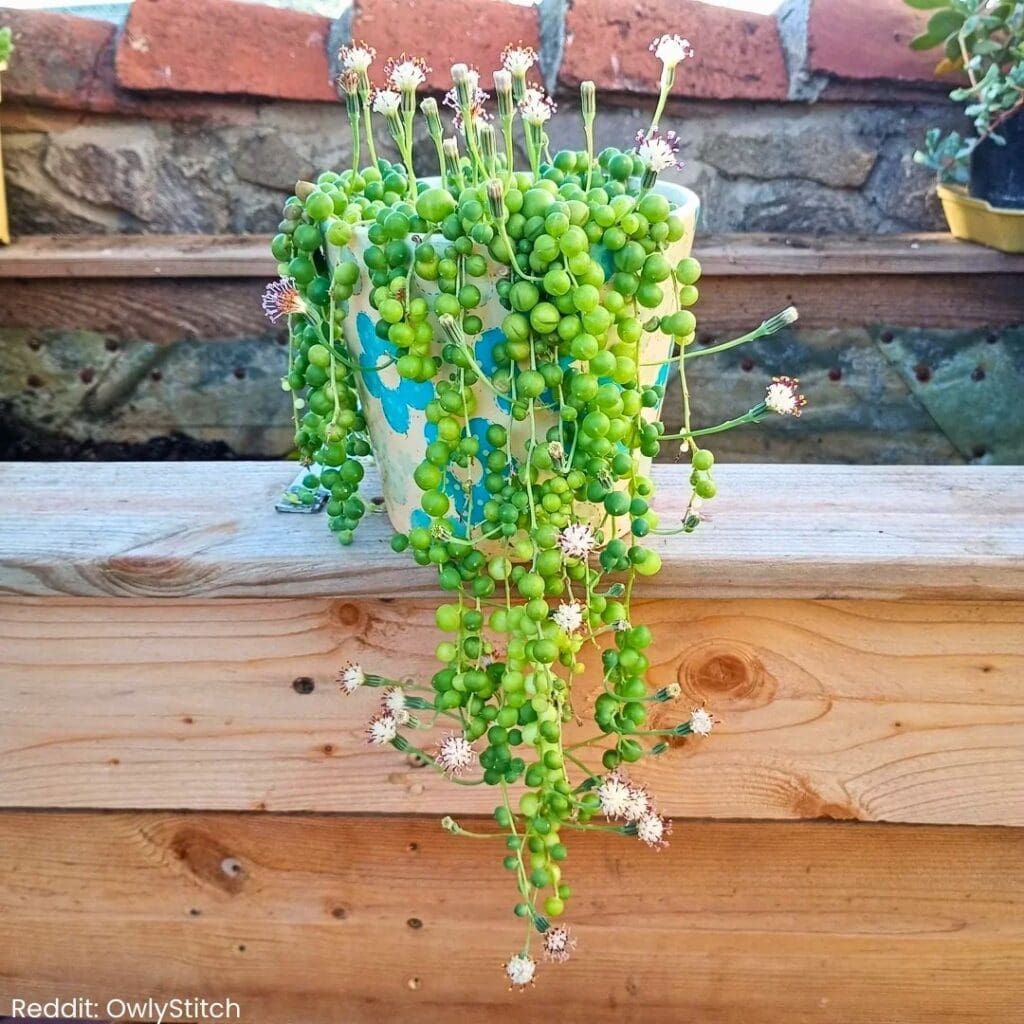
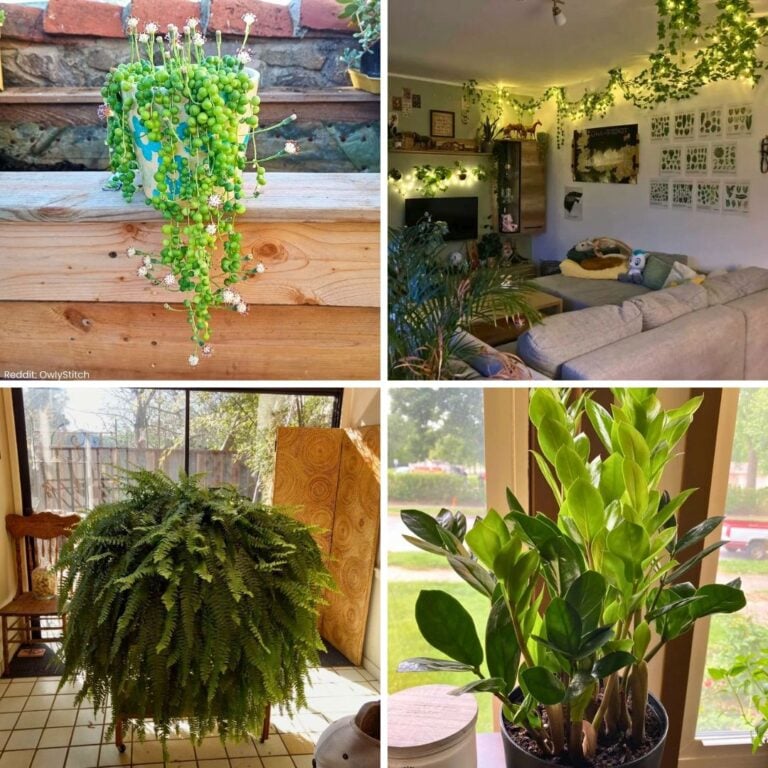
The String of Pearls is just so unique. Its round, bead-like leaves dangle from thin stems, giving it a fun, quirky look.
In a hanging pot, it spills over the edges beautifully. This plant really doesn’t need much care, which is awesome if you’re new to plants.
I let the soil dry completely between waterings—since it’s a succulent, too much water is a quick way to lose it.
I just check the soil with my finger before adding water. I keep my String of Pearls in a bright spot with indirect light.
Near a sunny window works best. If it doesn’t get enough light, the stems get thin and the pearls lose their cute round shape.
During the warmer months, I give it a little balanced fertilizer every few weeks. In winter, I skip the food and water less since it slows down.
If some stems get too long, I trim them and use the cuttings to make new plants.
They root easily on moist soil, which is a fun way to fill another pot or share with friends. Good airflow helps prevent any issues with fungus or pests.
Keeping it somewhere that isn’t too damp also helps. With simple care and the right light, this plant adds a fresh, modern look to any room.
8) Maidenhair Fern
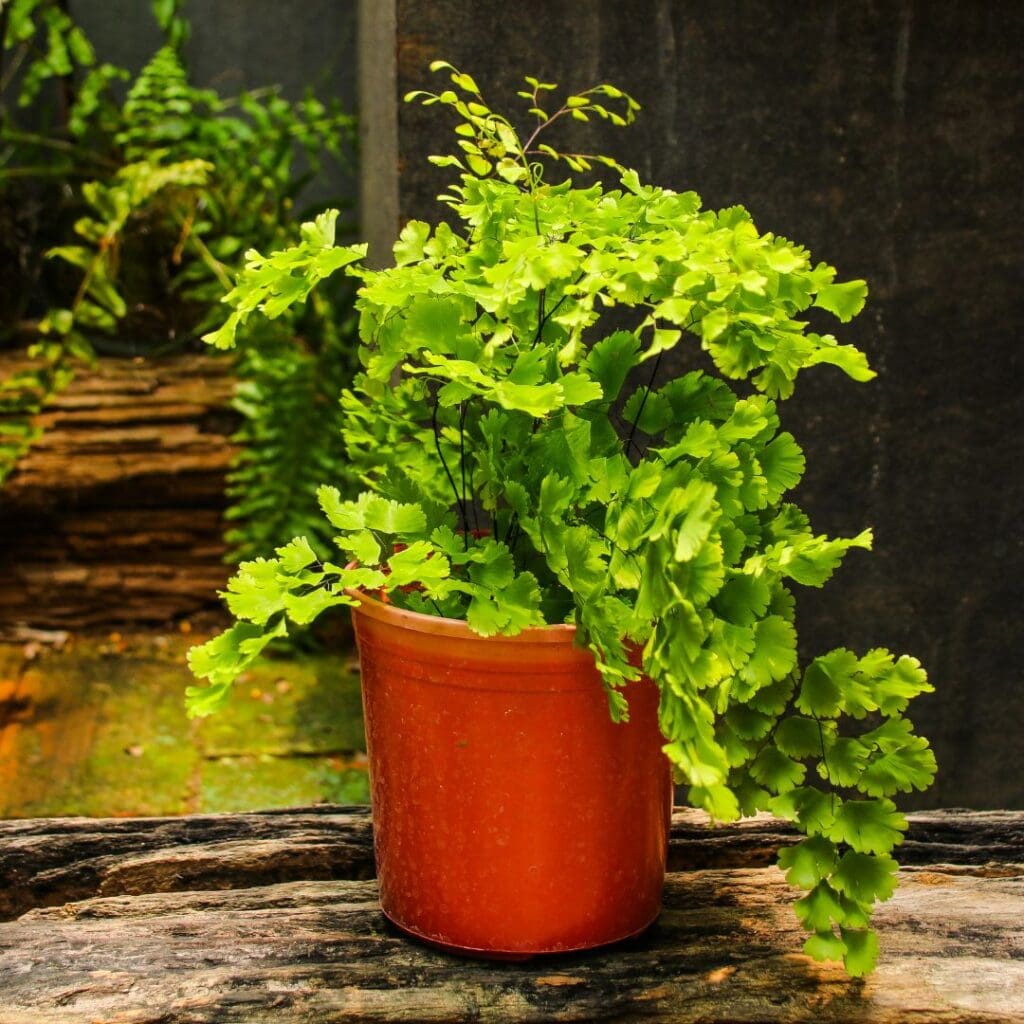
The Maidenhair Fern just looks so delicate and light. Its fine, lacy leaves give any room a soft, natural vibe.
Even though it seems fragile, once you know what it likes, it’s actually not hard to care for. The trick is consistent moisture.
The soil should stay damp but not soggy. I check it often and water when the top feels a bit dry.
Dry air can stress the plant, so I keep mine in a humid spot, like the bathroom or near a humidifier. Lighting matters, too.
I keep my Maidenhair Fern in bright, indirect light, away from harsh sun that can burn the leaves.
A north- or east-facing window works well. If the air or light is too strong, the leaves can turn brown at the edges.
I use well-draining soil and a pot with holes at the bottom to keep the roots healthy. Every few months, I trim any dry fronds to help new growth along.
This plant doesn’t like sudden temperature changes or drafts. I keep it away from heaters and vents.
When I treat it gently, it rewards me with steady, fresh green growth. For me, the Maidenhair Fern adds a bright, calming touch to my space.
Its soft look and easy energy make it one of my favorite indoor hanging plants.
9) Hoya

I’ve always enjoyed keeping Hoya, or the wax plant. It’s just so pretty and honestly doesn’t ask for much. Its leaves are thick and shiny, and the vines take their time, so I never feel overwhelmed by growth indoors.
This one really likes bright, indirect light. I usually hang mine near a sunny window where it soaks up daylight, but I’m careful to avoid harsh sun on the leaves. It’ll put up with lower light for a bit, but then it just kind of slows down.
Watering? I wait until the top inch of soil is dry. Too much water is a no-go—roots will rot fast. I always use a pot with drainage because extra water needs to escape.
When my Hoya’s happy, it sometimes sends out clusters of star-shaped flowers. They’ve got this soft scent that just freshens up the whole room. It’s not always blooming, but honestly, those glossy leaves are lovely even without flowers.
Hoyas stick around for years if you treat them right. I can forget to water for a few days, and it’s still green, even when the air indoors gets dry. For beginners, that’s a relief.
If I want more, I just snip a stem cutting with a few leaves and root it in water or soil. It takes a bit of patience, but seeing new roots pop up is always satisfying.
Since Hoyas love to trail, I hang them in baskets and let the stems drape. It keeps things looking tidy, and honestly, it works in just about any room.
10) Peace Lily
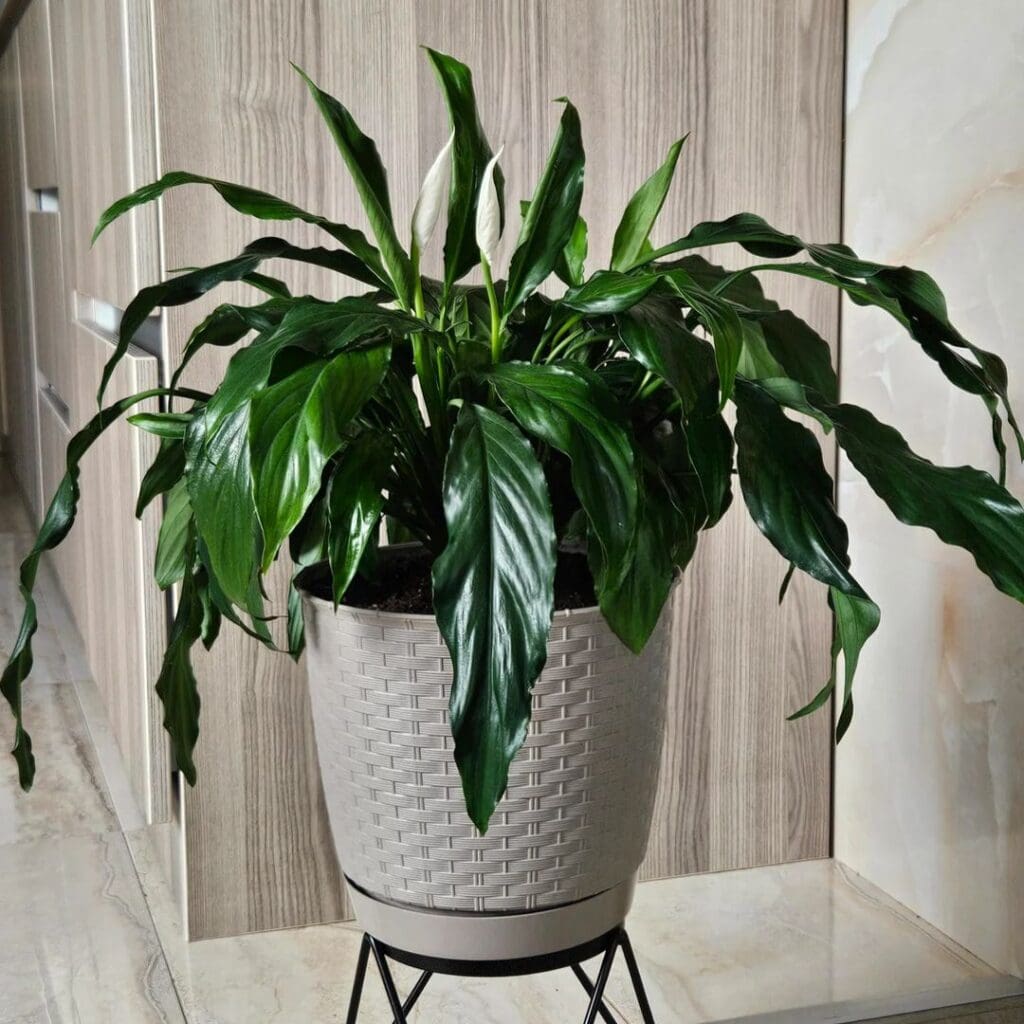
There’s something about Peace Lilies that just makes a room feel calmer. With those dark green leaves and white blooms, they always look fresh and clean. I like tucking them into a corner, a hanging basket, or up on a shelf where they catch some soft light.
They’re easy to care for and tolerate low light better than most. Sure, they prefer bright, indirect sun, but if your place is a bit dim, they’ll adapt. I love that the leaves droop a bit when thirsty—makes watering foolproof.
I usually water mine about once a week. Too much water is a problem, so I wait until the top inch of soil dries. When the air feels dry, I give the leaves a quick mist to keep them healthy and shiny.
Once a month, I wipe the leaves down to get rid of dust. It’s a tiny habit that helps the plant breathe and look its best.
Peace Lilies are also great for improving indoor air. They’re forgiving—if I forget to water, they bounce back. That’s a lifesaver for beginners.
If you’ve got pets, just keep this one out of reach. The leaves aren’t safe if eaten, so I hang mine up high.
The Peace Lily adds brightness and life to my home with barely any effort. New white blooms stick around for weeks, and for anyone starting out, it’s honestly hard to top this plant.
11) Heartleaf Philodendron
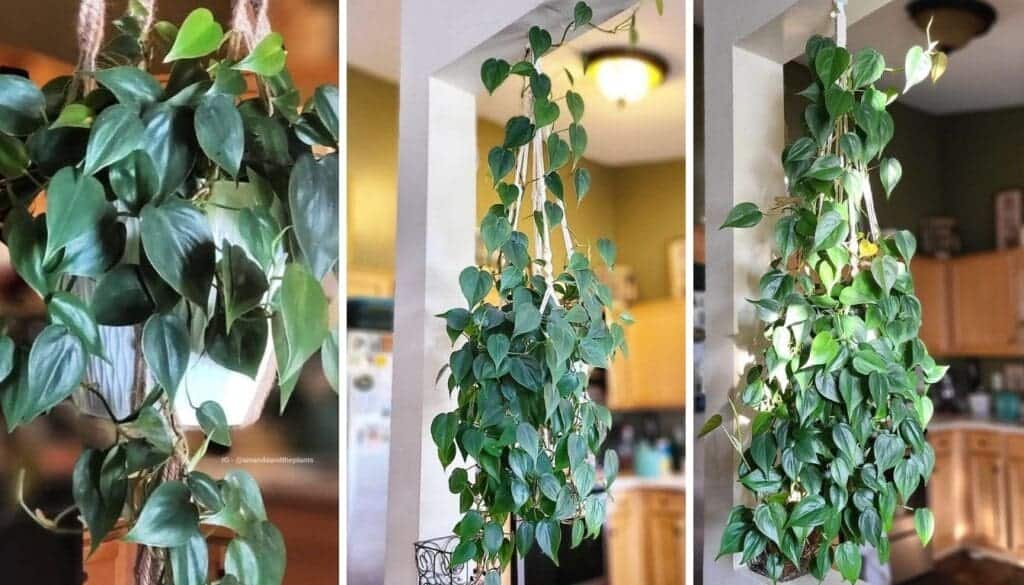
The Heartleaf Philodendron is one of those plants that just makes you feel like you know what you’re doing. It was my first indoor plant, and it gave me some much-needed confidence. The vines grow fast and look gorgeous trailing from a hanging basket.
It’s not picky about light, which is awesome for rooms without much sun. I keep mine near a bright spot but out of direct sunlight. The leaves stay green and shiny even if I don’t fuss over it.
I water it when the top inch of soil feels dry. If I overdo it, I get yellow leaves, so I make sure the pot drains well. When I travel, I don’t worry—this plant can handle being ignored for a bit.
Every few weeks, I wipe the leaves with a damp cloth and trim the vines to keep things tidy. The cuttings root in water, so I end up with new plants to share or move around.
Heartleaf Philodendron fits just about anywhere—living room, bathroom, office, you name it. It brings in a soft, green vibe without any drama. For beginners, it’s a forgiving, rewarding choice.
12) Swedish Ivy

Swedish Ivy is a favorite because it’s nearly impossible to mess up. I can forget about it for days, and it still looks cheerful. It grows fast and fills a hanging basket with glossy, round leaves that just brighten up the space.
It likes bright, indirect light, but honestly, it does fine in shadier spots too. I usually hang mine near a window with gentle morning sun. When it needs water, the leaves droop a bit—easy reminder for me.
I avoid overwatering since Swedish Ivy prefers slightly dry soil. Root rot is a risk, so drainage is a must. Once the top inch of soil is dry, I water thoroughly and let the extra drain out.
Every few weeks, I pinch back the stems to keep it full and bushy. The cuttings root in water super fast, so I end up with new plants for friends or other rooms.
I’ve noticed Swedish Ivy improves indoor air and gives any space a calm, natural feel. Whether it’s hanging or sitting on a shelf, it just thrives. If you want a low-maintenance, good-looking plant, this one’s a winner.
13) Burro’s Tail

Burro’s Tail is just fun to look at. Those long, trailing stems and plump green leaves have a handmade, almost whimsical vibe. I like keeping it in a sunny window where the light brings out its best.
It’s so low-maintenance—really perfect for anyone who forgets to water sometimes. I only water when the soil is bone dry. Too much water and it’s game over, so I wait until the leaves look a bit wrinkled before I give it a drink.
Bright, indirect light keeps my Burro’s Tail happy. Direct sun is too much, but if it’s too shady, the stems get thin. I’ve found a window with morning light works best.
The leaves fall off easily if you bump them, so I try to be gentle when dusting or watering. If they do drop, I save them—most will grow new plants if you just lay them on soil. It’s a fun way to get more plants for free.
I use pots with good drainage and always go for cactus or succulent soil. Clay pots are my go-to—they help keep things from getting soggy.
Burro’s Tail stands out among starter plants. It’s unique, grows slowly, and doesn’t ask for much. With sunlight and a little patience, it’ll thrive indoors.
14) Cast Iron Plant
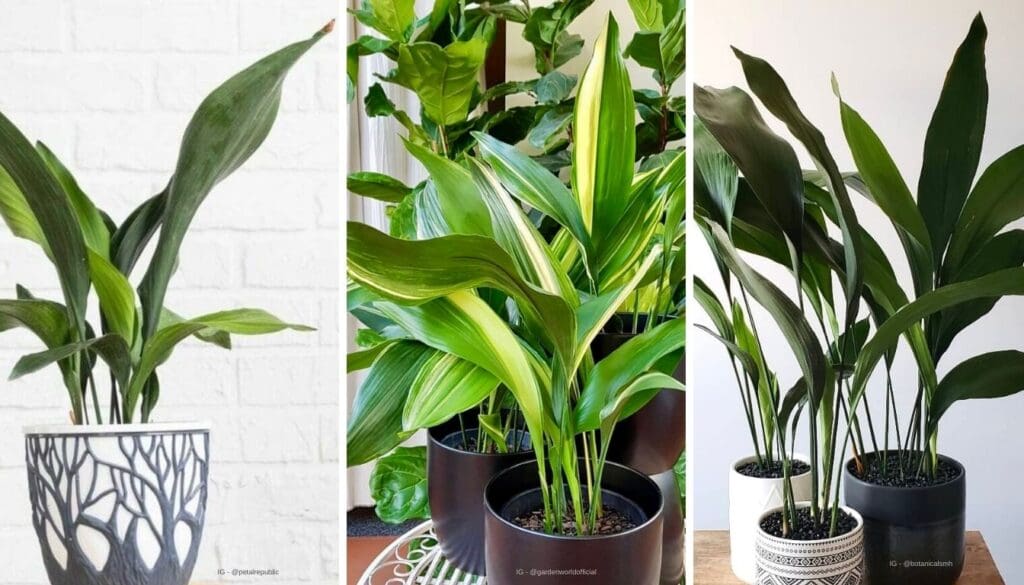
The Cast Iron Plant is as tough as it sounds. Even if I forget about it, it just keeps going and looks healthy.
Its dark green, shiny leaves give any room a calm, natural vibe. It grows slowly, which means I don’t have to trim or repot it all the time. I just stick it in a simple pot and let the upright leaves do their thing.
I keep mine in a low-light spot, and it doesn’t mind. Bright light’s okay, but direct sun will brown the leaves, so I avoid that. Medium to low light really keeps it looking its best.
When it comes to watering, I wait for the top inch of soil to dry. Soggy roots are bad news, so drainage is important. Sometimes I’ll wipe the leaves with a damp cloth to keep off the dust and let them shine.
This plant does well in all sorts of places—apartments, offices, or shaded rooms. It’s a quiet, reliable plant that just keeps the space feeling fresh with barely any fuss.
15) Tillandsia (Air Plant)

Tillandsia, or Air Plant, is just so cool. It grows without soil, which makes it one of the easiest plants I’ve ever tried. I love putting them in glass holders, hanging planters, or even shells—they always look modern and neat.
These little guys take in water and nutrients through their leaves. Once a week, I soak them for about 20 minutes, then shake off the extra water and let them dry upside down. Good air flow is key so they don’t rot.
They like bright, indirect light, so I keep mine near a sunny window—never in direct sun, though. If the leaves start to look dull or curl up, it’s time for a little mist or more humidity.
They’re super flexible. I can set them anywhere—on wood, in a terrarium, or just on the sill. No heavy pots, no messy soil, and it’s easy to move them around if I want to change things up.
There are so many types, too. Some have soft green leaves, others are silvery or even bloom with bright colors. No matter which, they all add a bit of nature indoors. Tillandsia makes plant care so simple, especially if you’re just starting out.
Caring for Indoor Hanging Plants
I keep my hanging plants healthy by balancing light, water, and soil. Getting those right really makes the difference between thriving plants and sad, wilted ones. Small tweaks here and there keep everything looking fresh.
Lighting Tips for Healthy Growth
Before putting a plant anywhere, I always check its light needs. Most hanging plants love bright, indirect light. I hang mine near windows with filtered sun or use sheer curtains to soften things up. Too much sun and the leaves burn, but too little and growth slows or leaves droop.
I rotate my planters every couple of weeks so all sides get some light and the plant stays balanced. If a room’s really dark, I use LED grow lights on a timer for 12–14 hours a day. It’s a pretty easy fix.
Different plants like different light, so here’s a quick rundown:
| Light Level | Example Plants | Placement Tip |
|---|---|---|
| Low Light | Pothos, ZZ Plant | A few feet from a window |
| Medium Light | Spider Plant, Fern | Near east or north windows |
| Bright Light | String of Pearls, Succulents | Directly in a sunny spot |
Watering and Humidity Essentials
Honestly, watering mistakes are the fastest way to lose a plant. Hanging planters dry out quicker because air moves all around them. I stick my finger an inch into the soil—if it’s dry, I water slowly until it drains out the bottom.
Pots with drainage holes are a must. Soggy roots just won’t do. I empty saucers right after watering so water doesn’t sit there. Some plants (like ferns) want more humidity, while succulents are fine with drier air.
If the air gets too dry—especially in winter—I’ll mist the leaves or put a small humidifier nearby. Grouping plants helps too. I avoid spraying directly on flowers or fuzzy leaves, since that can cause mold.
Choosing the Right Potting Mix
I’ve honestly found that soil choice matters way more than most folks realize. I like using mixes that let water flow through but still keep roots just a bit moist.
For tropical hanging plants, I usually go for a blend of peat moss, perlite, and coco coir. It keeps things light and fluffy, which plants seem to love.
Succulent or cactus mixes are my pick for dry-loving plants since they drain super fast and help prevent root rot. I always stick with sterile, packaged soil—nobody wants a pest invasion or weird fungus popping up.
Reusing old soil? Eh, I don’t recommend it. I just swap it out once a year when I repot, and it’s made a big difference.
For nutrients, I’ll either mix in a slow-release fertilizer or feed monthly with diluted liquid food. Before watering, I like to gently loosen any compacted soil with my fingers so the roots can breathe.
It’s a small thing, but it really does help plants stay strong and looking lush all year.
Common Challenges and Easy Solutions
I’ve run into a handful of simple problems with indoor hanging plants. Pests and watering mistakes top the list, but honestly, a few tweaks can fix most of it.
Dealing With Pests Indoors
Every now and then, I spot tiny bugs like spider mites, aphids, or fungus gnats hanging around. These pests usually show up if there’s too much moisture or the air’s just not moving enough.
Catching them early is key, so I check my plants at least once a week—especially under the leaves, where all the sneaky bugs seem to hide. If I see anything, I’ll wipe the leaves with a soft cloth dipped in mild soapy water.
If things get out of hand, I break out the neem oil spray or use an insecticidal soap that won’t hurt my houseplants. It usually does the trick.
To keep pests from coming back, I try not to crowd my plants together. Good airflow makes a huge difference.
I also let the top layer of soil dry out between waterings—otherwise, fungus gnats show up way too fast.
| Common Pest | Simple Fix |
|---|---|
| Spider mites | Spray with neem oil |
| Aphids | Wipe off with soapy water |
| Fungus gnats | Let soil dry and use sticky traps |
Preventing Overwatering Issues
Honestly, when I first started, I thought more water meant happier plants. Turns out, overwatering kills roots faster than anything else.
Hanging plants dry out a bit quicker because of all the air around the pot, but water still collects at the bottom if there’s no drainage. I always check soil moisture by sticking my finger about an inch deep.
If it feels dry, I water. If it’s damp, I wait a bit. Using pots with drainage holes and adding light soil mixes with perlite or coco coir keeps the water moving through.
I keep a little watering log to track how often each plant needs a drink. It’s not fancy, but it helps me spot if I’m going overboard.
Honestly, less frequent watering is usually safer for indoor hanging plants.
Frequently Asked Questions
I’ve noticed that keeping hanging plants healthy is mostly about simple habits. Watering properly, giving them enough light, and paying attention to any changes in the leaves or roots go a long way.
Even so-called tricky plants like a Boston Fern or English Ivy can do great indoors with a bit of care.
What are some low-maintenance indoor hanging plants for beginners?
I’d go with Spider Plants, Pothos, and Philodendrons. They’re forgiving if you forget to water and seem to thrive in all kinds of rooms.
Plus, they grow pretty fast, so you get to see progress without much effort.
How often should I water my indoor hanging plants?
I just water when the top inch of soil feels dry. Usually, Pothos or Spider Plants are happy with a drink once a week, but I don’t stick to a strict schedule.
Temperature and humidity change things up, so I just check the soil instead.
What kind of lighting conditions are best for indoor hanging plants?
Most of mine do best in bright, indirect light near a window. Direct sun can scorch the leaves, but too little light slows everything down.
I move my plants around until they seem happy—sometimes it takes a bit of trial and error.
Is there a way to tell if I’m overwatering my hanging plants?
Definitely. If I see yellow leaves, mushy roots, or soil that just won’t dry out, it’s a sign I’m watering too much.
Letting the soil dry out a bit between waterings helps keep the roots healthy.
How can I encourage growth in my indoor hanging plants?
I snip off dead leaves and use a balanced fertilizer during spring and summer.
Sometimes I’ll turn the pot every week or so, just to make sure all sides get some light. Regular care keeps the vines full and green.
What are the signs that my hanging plants need to be repotted?
If you spot roots poking out of the drainage holes, that’s usually a big hint your plant wants more space.
Another thing I’ve noticed—if the soil seems to dry out way faster than usual, that’s a red flag too.
When that happens, I’ll usually move the plant to a pot just a bit bigger and add some fresh soil.
It’s honestly a simple fix, and your plant will thank you for the extra room to stretch out.
Here’s a helpful guide on when to repot if you’re feeling unsure.
Note: Some images in the articles are sourced from Reddit and Other Platforms For Reference Purpose.