11 Reasons Why Your Pothos Plant Leaves Are Droopy and How to Fix Them
Pothos plants are usually pretty tough and forgiving, but even they have their breaking point. If your pothos leaves are starting to droop, it’s a sign that something in their care routine isn’t quite right.
The most common reasons for droopy pothos leaves? Watering issues, poor lighting, root problems, temperature stress, and pest infestations.
I’ve seen plenty of sad-looking pothos bounce back once their owners figure out the root of the problem. The tricky part is that drooping can mean a few different things, depending on what else is going on with your plant.
In this guide, I’ll walk you through the 11 main reasons your pothos might be looking limp. I’ll also show you how to fix each problem.
You’ll pick up some tricks to prevent drooping from happening again—and what to do if your plant needs emergency help.
Please note: Simplify Plants is reader-supported. As an Amazon Associate, I earn from qualifying purchases made by our readers with no extra cost added to you all! Some links in the post are affiliate links and I get a commission from purchases made through links in the post.
Understanding Droopy Pothos Leaves
When pothos leaves start drooping, they’re basically waving a little flag for help. The key is figuring out what those droopy leaves are trying to say and catching the issue before it spirals.
What Droopy Leaves Mean
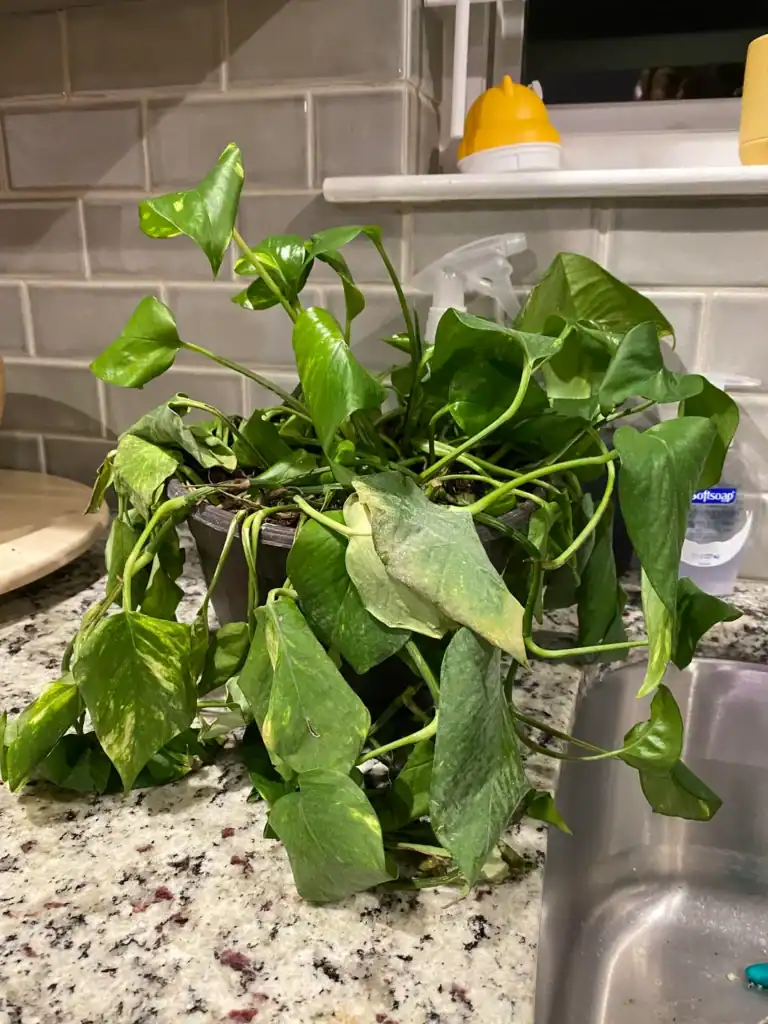
Droopy leaves are your pothos plant’s way of letting you know it’s stressed out. The leaves lose their normal firmness and just kind of hang there instead of reaching out from the stem.
Most of the time, drooping is about watering—either too much or too little. Both can mess with the plant’s ability to keep its leaves full and upright.
Temperature can be a culprit too. If your pothos gets too cold or sits near a draft, the leaves will sag. Same deal if the plant isn’t getting enough light or if the roots have run out of space.
Quick Tip: Gently touch a droopy leaf—if it feels thin and papery, it probably needs water. If it’s soft and mushy, you might be watering too much.
Symptoms to Watch For
I look for leaves that point straight down instead of sticking out from the vines. Healthy pothos leaves have a slight natural droop, but stressed leaves hang limply and just look… sad.
Check how the leaves feel. Wilting leaves are often softer than usual and might even curl inward at the edges.
You might also notice stems bending more than normal under the weight of the leaves. Color changes are a red flag too—the leaves might turn yellow, get brown tips, or lose their shine.
Some leaves could feel dry and crispy while others are limp and wet. If several leaves across the plant start drooping at once, that’s a real sign something’s up.
Why Address Drooping Quickly
Droopy leaves mean your pothos is struggling to function. The longer the leaves stay wilted, the harder it is for the plant to photosynthesize and make energy.
When I ignore drooping, things usually get worse fast. Leaves that stay wilted too long will turn yellow and drop off.
Root problems can show up fast if you don’t fix the drooping. Overwatered plants can get root rot in just a few days, and underwatered ones get so stressed that pests might move in.
Catching drooping early usually means a quick fix—just a small change to watering or location. Wait too long, though, and you might end up losing big sections of your plant.
Common Causes of Droopy Leaves
Droopy pothos leaves almost always point to water issues or something sneaky happening below the soil. Getting watering right and keeping the roots healthy makes a massive difference.
Overwatering Problems

Overwatering is probably the most common pothos problem I see. When soil stays wet for too long, roots can’t breathe, and the leaves droop and turn yellow.
The tricky part? Overwatered pothos can look a lot like an underwatered one at first. I always check the soil before watering—if the top couple inches are still damp or soggy, the plant doesn’t need more.
Overwatered leaves feel soft and limp, not firm. Sometimes the stems get mushy near the soil line. The pot might even feel heavy, and you might see water pooling on top of the soil.
Quick Tip: Stick your finger deep into the soil—if it feels like a wrung-out sponge, hold off on watering for a few more days.
I try to let the soil dry out between waterings. Most pothos like it when the top half of the soil dries out completely. In winter, they need even less water since the light is lower and growth slows down.
Underwatering Issues
Not enough water makes leaves droop and curl inward. The plant is basically trying to save moisture by shrinking the surface area exposed to air.
Underwatered pothos leaves feel dry and crispy at the edges. They might turn brown at the tips first. The whole plant looks wilted, and the stems lose their firmness.
When I pick up the pot, it feels surprisingly light. Dry soil can pull away from the edges, leaving gaps. Water just runs through those gaps without soaking in.
I water slowly in a circle around the plant to make sure the soil actually absorbs the moisture.
Quick Tip: If water runs straight through the pot in seconds, the soil’s gotten too dry—give it a good soak in a basin of water for 10-15 minutes.
Pothos in bright, warm spots dry out faster than those in cooler areas. I check plants near heating vents or sunny windows more often during summer.
Root Rot and Its Impact
Root rot shows up when roots sit in soggy soil and start to decay. It’s not just overwatering—the roots are actually damaged at this point.
Rotten roots turn brown or black and feel mushy. They can’t absorb water or nutrients anymore, even if you fix your watering. The plant droops because those damaged roots can’t support healthy leaves.
I look for a few warning signs:
- Foul smell from the soil
- Black or brown mushy roots instead of white, firm ones
- Leaves turning yellow and dropping fast
- Stems getting soft at the base
If I catch root rot early, I pull the plant out and trim away any dark, slimy roots with clean scissors. Then I repot it in fresh, well-draining soil.
Quick Tip: Always use pots with drainage holes and dump out any water that collects in the saucer.
Plants recovering from root rot need less water, not more. The healthy roots left can’t handle as much moisture as before.
Environmental Factors Affecting Pothos Health

Your pothos needs the right balance of humidity, temperature, and light to keep those leaves perky. When any of these are off, drooping leaves are usually the first sign.
Humidity Levels
Pothos come from tropical places where humidity is high all the time. When the air in your house gets too dry, the leaves lose moisture faster than the roots can keep up.
I’ve noticed this is especially bad in winter when heaters dry out the air. Leaf edges might turn brown or crispy before the whole leaf starts drooping.
Quick Tip: Mist your pothos every few days or set it near a humidifier to help out.
Grouping plants together can create a mini humid microclimate, too. Sometimes I use a tray filled with pebbles and water under the pot—just make sure the pot doesn’t sit directly in the water.
If you live somewhere humid, you probably won’t run into this much. Dry climates and winter heating are the real troublemakers.
Temperature Stress
Pothos like it between 65°F and 85°F. Anything below 50°F or above 95°F can shock the plant and cause drooping.
Cold drafts from windows, AC units, or doors are common culprits. The leaves might look fine one day and suddenly go limp after a chilly night.
Heat stress is just as bad. If your pothos is too close to a heating vent or radiator, the hot air dries out the leaves fast.
Quick Tip: Keep your pothos away from drafty windows and heating or cooling vents.
I check the temperature around my plants with my hand. If I feel a draft or a hot spot, I move the plant somewhere more stable.
Inadequate Lighting
Pothos can survive in low light, but they won’t really thrive there. When light is too low, the plant can’t make enough energy to keep its leaves firm.
I’ve found that north-facing windows or rooms with no windows just don’t cut it. The stems get long and leggy, and the leaves start to sag.
Quick Tip: Bright, indirect light is best for healthy pothos growth.
Too much direct sun is a different problem—the leaves can scorch and droop from damage. I like east-facing windows for gentle morning sun.
If you’ve only got low-light spaces, a grow light can do wonders. I’ve used them in my basement, and honestly, they work great.
Nutritional and Soil Concerns

Sometimes your pothos is drooping because it’s not getting the right nutrients, or the soil just isn’t doing its job. Bad soil can block roots from absorbing what they need, even if you’re feeding your plant.
Nutrient Deficiency
Pothos don’t need a ton of fertilizer, but they do need something. When mine is lacking nutrients, the leaves start to droop and lose their color.
The most common issue is a lack of nitrogen—older leaves turn yellow and sag. Potassium and phosphorus matter too; without them, the plant can’t build strong cell walls or move water properly.
I feed my pothos every 4-6 weeks in spring and summer with a balanced liquid fertilizer (diluted to half strength). In fall and winter, I skip feeding since the plant isn’t growing much.
Quick Tip: Yellow, droopy lower leaves usually mean your plant needs food. Crispy brown tips? That’s usually a sign you’ve overfed.
Look out for:
- Pale or yellowing leaves
- Slow or stunted growth
- Weak, floppy stems
- Leaves that feel thin or papery
Soil Quality and Drainage
Bad soil is one of the fastest ways to end up with a droopy pothos. Old, compacted soil keeps air and water from reaching the roots.
Pothos need soil that drains fast but still holds some moisture. I use a mix with perlite or orchid bark to keep things loose. Regular potting soil alone gets too dense over time.
If water sits on top of the soil instead of soaking in, that’s a warning sign. Compacted soil suffocates roots, even if the soil feels moist.
I repot my pothos every year or two with fresh soil. It gives the roots room to breathe and access to new nutrients.
Quick Tip: Squeeze a handful of moist potting mix—it should clump loosely and break apart easily, not form a tight, wet ball.
Pest and Disease Threats

Bugs and fungal problems can sneak up on your pothos and leave it droopy. Catching these early makes treatment a lot easier.
Common Pests That Cause Drooping
Spider mites, mealybugs, and scale insects all love pothos. These tiny pests suck out the plant’s juices, draining it of nutrients and water. You’ll see the leaves looking sad and droopy as the infestation worsens.
Spider mites leave fine webbing on the undersides of leaves. They’re hard to spot without good lighting, so I always check closely. Mealybugs look like little cotton balls stuck to stems and leaf joints.
Scale insects show up as brown or tan bumps on stems and leaves. They don’t move, so they’re easy to miss.
Quick Tip: Wipe leaves with a damp cloth every week to spot pests early and keep your pothos clean.
For mild infestations, I spray the plant with water to knock pests off. If that doesn’t work, insecticidal soap or neem oil every 5-7 days usually does the trick. Don’t forget to spray the undersides of the leaves.
Fungal Infections
Root rot is the most common fungal problem behind drooping pothos. It happens when soil stays too wet, letting fungi attack the roots. Damaged roots can’t absorb water, so leaves droop even if the soil is moist.
You might notice a musty smell coming from the soil. Stems near the soil line may turn black or mushy. Healthy roots should be white or tan—rotted ones look brown, black, and slimy.
I’ve saved plants by cutting away all the damaged roots with clean scissors, then repotting in fresh, dry soil. I go easy on the water until I see new growth.
Leaf spot diseases can also cause drooping, but they’re less common. These show up as brown or black spots with yellow halos on the leaves.
Quick Tip: Always use pots with drainage holes and let the top 1-2 inches of soil dry out between waterings to avoid fungal issues.
Container and Placement Mistakes

The pot you pick and where you place your pothos can actually stress the plant more than you’d expect. Wrong container size or poor drainage really messes with the roots, and you’ll see droopy leaves pop up fast.
Pot Size and Drainage Issues
I’ve watched pothos get droopy within just a few days in the wrong container. If your pot doesn’t have drainage holes, water just pools at the bottom and suffocates the roots.
They can’t breathe, can’t soak up nutrients, and suddenly the whole plant looks limp.
A pot that’s too small? The roots get cramped and the soil dries out way too quickly. You water it, and two days later, the leaves are already sad and floppy.
But if the pot’s too big, it holds onto moisture for ages. The soil stays wet in all that empty space, and roots can start rotting before you even realize it.
Quick Tip: Go for a pot only 1-2 inches wider than the root ball, and make sure there’s at least one drainage hole at the bottom.
I always use a saucer to catch overflow, but I dump it out after watering. Letting your pothos sit in standing water is just asking for trouble.
Crowded Roots
Roots that run out of space circle around the inside of the pot, searching for room that just isn’t there. That’s what we call rootbound, and it basically chokes the plant.
Pull your pothos out and check the roots. If they’re spiraling tightly or poking out the drainage holes, there’s your issue.
Crowded roots can’t take up water properly, even if the soil’s moist. The leaves droop because they’re not getting what they need.
Quick Tip: Repot every 1-2 years, or whenever you see roots circling the pot’s edge.
When I repot, I gently loosen the root ball with my fingers so they can spread out in the fresh soil. Always use a pot just one size up—no need to go huge.
Shock and Sudden Changes
Pothos really like stability. When their environment changes too suddenly, droopy leaves are a classic stress sign. Transplanting or moving your plant can both trigger this.
Transplant Shock
Every time I repot my pothos, the roots get disturbed, even if I’m super careful. The plant needs a little while to settle in and re-establish its roots in the new soil.
During this time, droopy leaves are pretty common because the roots aren’t absorbing water as well as before.
The shock usually shows up within a few days of repotting. My pothos sometimes looks pretty down for a week or two after a move.
Don’t panic and drown it with water—that only makes things worse.
Quick Tip: Water lightly after repotting and keep your pothos in bright, indirect light while it recovers.
I always use well-draining soil and a pot that’s just a bit bigger than the old one. Too big, and you end up with soil that stays wet forever. Give your plant some patience—most pothos bounce back once their roots settle.
Moving or Repotting Stress
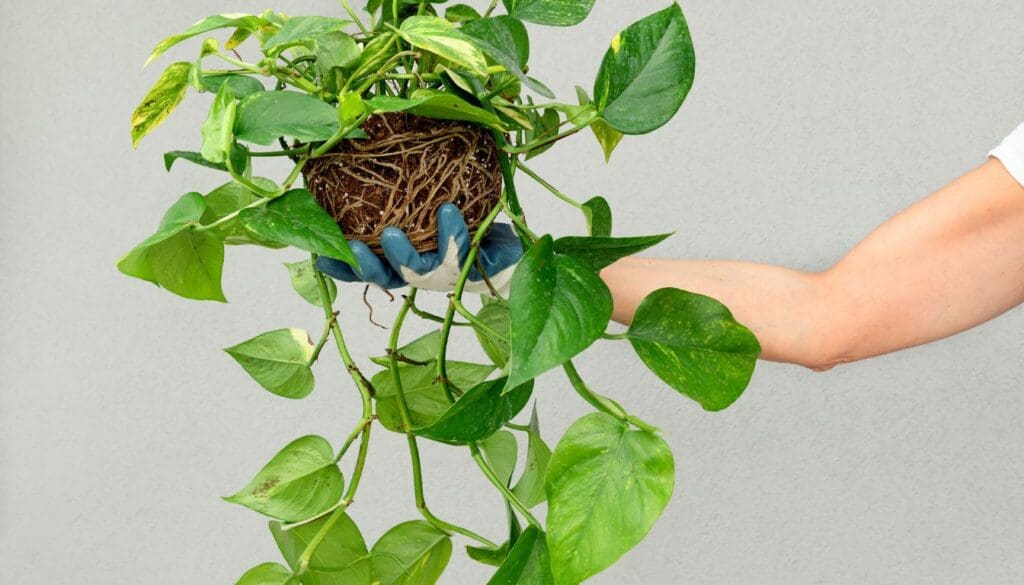
Moving a pothos from one room to another might seem harmless, but the plant definitely notices. Light, temperature, and humidity changes can stress it out way faster than you’d think.
I learned this the hard way when I moved mine from a bright bathroom to my bedroom. The humidity dropped and the leaves drooped within days.
Temperature swings are tough on pothos—they like things steady, between 65-85°F.
If you just moved your plant, give it at least a week or two to adapt. I try not to move my pothos much, especially in winter when they’re already under stress.
When I do need to relocate it, I aim for similar light and temperature as its old spot.
Quick Tip: After moving your pothos, skip fertilizing for a month so it can settle in without extra stress.
Age and Growth Cycle Factors
Older pothos leaves naturally droop and fade as the plant puts energy into new growth. It’s totally normal and doesn’t mean you’re doing anything wrong.
I usually see this with the leaves at the bottom first. They turn yellow, get droopy, and eventually fall off. The plant’s just making space for new leaves up top.
Quick Tip: If only your oldest, lowest leaves are drooping and the new growth looks good, just trim them off.
Sometimes pothos go through a rest period, especially in winter when there’s less light. Growth slows down and leaves might look a bit sad or droopy, but it’s just a break.
Young leaves can look droopy when they first unfurl. They need a few days to firm up and flatten out. I’ve panicked about this before, only to see them perk up a week later.
If your plant’s pushing out new vines, it might be redirecting water and nutrients away from older leaves. You’ll notice if it’s just a few bottom leaves drooping versus the whole plant.
Give your pothos a little time to adjust after any growth spurt or seasonal change. Most age-related drooping sorts itself out.
Incorrect Fertilizer Use
I’ve seen plenty of pothos owners get a bit too excited with fertilizer. Too much burns the roots and leads to droopy leaves faster than you’d expect.
Pothos are light feeders. Overfeeding builds up salts in the soil and damages the roots.
Signs of fertilizer problems:
- White or crusty residue on the soil
- Brown tips that turn into drooping leaves
- Yellowing leaves with wilting
- Stunted new growth
I feed pothos once a month in spring and summer, using a balanced liquid fertilizer diluted to half strength. I skip fertilizing in fall and winter when growth slows down.
Quick Tip: If you see salt buildup, flush the soil with room-temp water until it drains out the bottom. Do this a few times to wash out excess fertilizer.
Never fertilizing at all can also cause issues. Pothos left in the same pot for years without nutrients will eventually have weak, droopy growth and pale leaves.
I just mark my calendar for the first weekend of each month from April through September. That way, I don’t forget or overdo it.
Physical Damage to Leaves or Stems

I’ve seen lots of pothos get knocked around, and it’s honestly more common than you’d think. Pets, kids, or even just bumping into the plant can cause leaves to droop.
When stems get bent or leaves are torn, they can’t move water properly anymore.
Physical damage blocks nutrients from reaching certain parts. A broken stem acts like a blocked pipe. Leaves past that point will droop and turn yellow because they’re cut off.
Quick Tip: Check stems for cracks, bends, or mushy spots where damage might’ve happened.
Sometimes the damage isn’t obvious right away. You might spot one vine drooping while the rest look fine. Usually that’s a sign that specific stem got hurt. I always trace the droopy vine back to find the problem.
If you find damaged parts, prune them off with clean scissors. Cut just below the bad spot at a 45-degree angle. The rest of your plant will be fine, and you can even propagate the healthy pieces.
What to watch for:
- Stems that look crimped or folded
- Brown or mushy spots on vines
- One vine drooping while others stay perky
- Recent bumps or the plant getting knocked over
Moving your pothos to a safer spot helps keep it out of harm’s way. I keep mine away from high-traffic areas and curious pets.
How to Revive Your Droopy Pothos Plant
Most droopy pothos bounce back in a week or two once you fix the real issue. Here’s how I usually handle it, and what I watch for if things don’t improve.
Step-by-Step Recovery Guide
First, I check soil moisture by sticking my finger about two inches down. If it’s bone dry, I give the plant a deep watering until it drains out the bottom. Then I dump any extra water from the saucer after about half an hour.
If the soil’s soggy, I stop watering completely. Sometimes I’ll gently take the plant out of its pot to check the roots. Healthy roots are white or tan; rotting ones are brown and mushy.
For overwatered pothos, I trim away any black or squishy roots with clean scissors. Then I repot in fresh, well-draining soil. Regular potting mix with some perlite works well.
Quick Tip: After watering a thirsty pothos, the leaves often perk up in 24 hours.
I also check where the plant sits. Pothos need bright, indirect light. If mine’s in a dark corner, I move it closer to a window but keep it out of harsh direct sun.
Temperature matters. I keep my pothos away from drafts, heating vents, and AC units. They like things between 65-85°F.
When to Seek Additional Help
Sometimes droopy leaves mean there’s a bigger problem. I watch for leaves that stay limp even after fixing watering and light for two weeks.
If I see widespread yellowing, a foul smell from the soil, or stems turning black and mushy, root rot is probably out of control. At that point, I take healthy stem cuttings to start new plants instead of trying to save the old one.
Pests like spider mites or mealybugs can also make a pothos droop. I check the undersides of leaves and stems for tiny bugs or webbing. If I spot anything, I treat with insecticidal soap or neem oil right away.
Quick Tip: When in doubt, taking a cutting gives you a backup plant while the original recovers.
Preventing Future Drooping

Honestly, sticking to a simple watering schedule is the best way to dodge droopy leaves. I check the top two inches of soil with my finger before watering. If it’s dry, time to water.
Quick Tip: Water every 7-10 days in most homes, but always adjust for your own conditions.
I make sure my pothos gets bright, indirect light near a window. Too much direct sun stresses the leaves, but too little light weakens the plant and leads to drooping.
Room temperature matters more than you’d think. I keep my pothos away from drafts, heater vents, and blasts of cold air. They like steady temps between 65-85°F.
Quick Tip: Move your plant a few feet from windows in winter if you live somewhere cold.
I check my pot’s drainage holes every few months to make sure they’re not clogged. Water needs to flow through, or the roots end up sitting in soggy soil and start to rot.
Using a well-draining potting mix for houseplants makes a big difference. I add a bit of perlite if the soil looks too dense.
Give your pothos a light dose of balanced fertilizer once a month in spring and summer. I skip feeding in fall and winter. Overfertilizing can burn roots and make leaves droop, just like underfeeding.
Frequently Asked Questions
Pothos can droop for a bunch of reasons, from watering mistakes to stress from their environment. Figuring out the real cause helps you fix things faster.
What could be causing my Pothos leaves to droop even though I water it regularly?
Just because you water regularly doesn’t mean it’s right for your plant. I’ve learned that sticking to a strict schedule can actually make things worse.
Your soil might be staying too wet, which suffocates the roots. Sometimes compacted soil stops water from reaching the roots, even if you’re watering a lot.
If your pot doesn’t have drainage holes, water gets trapped at the bottom. Root rot kicks in when roots sit in soggy soil, and leaves droop even though you’ve been watering.
Quick Tip: Always check the soil with your finger before watering—only add water when the top two inches feel dry.
How can I tell if I’m overwatering my Pothos, and what should I do if I am?
Overwatered pothos leaves turn yellow and feel soft or mushy. The soil stays wet and might even smell sour or rotten.
I always check the roots if I think I’ve overwatered. Healthy roots are white or tan, but rotting ones turn brown, black, and slimy.
If you’ve been overwatering, stop immediately and let the soil dry out. Pull the plant out, trim away any rotted roots, and repot in fresh, well-draining soil with drainage holes.
Wait until the top half of the soil dries before watering again.
Quick Tip: Stick a wooden skewer into the soil—if it comes out wet or with soil clinging, hold off on watering.
Can lighting conditions affect the perkiness of my Pothos plant leaves?
Light really does make a difference in how firm those Pothos leaves stay. If your plant isn’t getting enough, the leaves tend to look weak and droopy, probably because it just can’t make the energy it needs.
I’ve seen Pothos shoved into dark corners, and honestly, their leaves get thin and floppy. They’ll start reaching for any scrap of light, which just makes the stems look stretched out and kind of sad.
On the flip side, too much direct sun will scorch the leaves and make them curl or droop. Bright, indirect light seems to hit the sweet spot for perky, healthy growth.
Try moving your plant a bit farther from a sunny window or stick it somewhere with filtered light. East or north-facing windows usually work out pretty well—at least in most places I’ve lived.
Quick Tip: If your Pothos is more than 8 feet from a window, you might want to add a grow light for 6-8 hours a day.
Are there any common pests that might be making my Pothos plant’s leaves saggy?
Spider mites, mealybugs, and scale insects can all sap energy from Pothos leaves. You’ll notice drooping, yellowing, and just a generally tired-looking plant.
I always take a peek under the leaves and around stem joints since pests love those spots. Spider mites leave behind tiny webs, and mealybugs look like little bits of cotton.
Scale insects? They’re those stubborn brown bumps that stick to stems and leaves. When there are a lot of them, the plant gets stressed and starts to droop.
Washing the plant with lukewarm water and a bit of mild soap usually helps get rid of pests. If they keep coming back, I’ll grab some neem oil spray and use it once a week until things clear up.
Quick Tip: Wipe down the leaves with a damp cloth every month or so. It’s a quick way to spot pest problems before they get out of hand.
What role does pot size and type play in keeping my Pothos leaves firm and upright?
If the pot’s too big, it holds extra water that the roots just can’t soak up quickly. That soggy soil can lead to root rot and sad, droopy leaves.
Pots without drainage holes are honestly the worst for Pothos. Water just sits at the bottom, and the roots end up drowning.
Too-small pots aren’t great either. The roots start circling and get all rootbound, so the plant can’t take up enough water or nutrients—which means wilted, floppy foliage.
I usually pick pots just an inch or two bigger than the root ball, and I make sure there’s at least one drainage hole. Terra cotta’s my go-to since it lets the soil dry out between waterings.
Quick Tip: If you see roots poking through drainage holes or wrapping around the top of the soil, it’s probably time to repot into something a bit bigger.
How does temperature and humidity impact the health of my Pothos foliage?
Pothos really seems to like temperatures somewhere between 65 and 85°F. If it’s near a cold window or blasted by the A/C, the leaves might start drooping or curling—never a good sign.
I try to keep mine away from heaters and drafty windows, especially in winter. Those sudden swings in temperature? They stress out the plant, and you’ll see it in the leaves.
When humidity drops, especially in winter or dry climates, the leaf edges get all crispy and sad. Pothos can handle typical home humidity, but honestly, it does best when things are a bit more humid—around 40-60% if you can manage it.
I’ll mist the leaves every now and then, or sometimes I set the pot on a pebble tray with water. If you’ve got a bunch of plants, grouping them together helps boost the humidity, too.
Quick Tip: If your place dips below 60°F a lot, it’s probably best to move your Pothos somewhere warmer, or you’ll end up with limp leaves.
Note: Some images in the articles are sourced from Reddit and Other Platforms For Reference Purpose.