15 Low-Maintenance Bedroom Plants
I’ve always found that adding just a little greenery can totally shift the mood of a room. Even a couple of small plants make things feel calmer and somehow fresher at night.
Adding low-maintenance plants to your bedroom can really help create a relaxing space that supports better sleep and comfort.
Let’s check out easy-care options that actually work for busy folks and small spaces. Each one brings a bit of beauty and a breath of fresh air, all without much fuss.
Honestly, just sticking to a simple care routine can keep these plants happy and your bedroom feeling balanced.
Please note: Simplify Plants is reader-supported. As an Amazon Associate, I earn from qualifying purchases made by our readers with no extra cost added to you all! Some links in the post are affiliate links and I get a commission from purchases made through links in the post.
1) Snake Plant (Sansevieria)

Honestly, the Snake Plant is about as easy as it gets. It stands tall with those sleek leaves and instantly gives my bedroom a cleaner look.
No need to hover over it. I water mine only when the soil dries out, and sometimes I forget for a week or two—no big deal.
It handles low light like a champ, but I think it looks best near a window with soft, indirect sun.
The best part? Snake Plants help freshen the air and supposedly release oxygen at night. I keep one by my bed just for that reason, hoping to wake up to a bit more freshness.
The upright leaves make any corner look neat and a little more modern. Sometimes I just wipe the leaves with a damp cloth to keep the dust off—super quick.
It rarely has pest problems, so it’s low-maintenance all year. For anyone wanting a plant that’s both stylish and simple, I’d say Snake Plant is a top pick.
The Snake Plant is tough, forgiving, and quietly brings a calm, lively feel to the bedroom.
2) Peace Lily (Spathiphyllum)
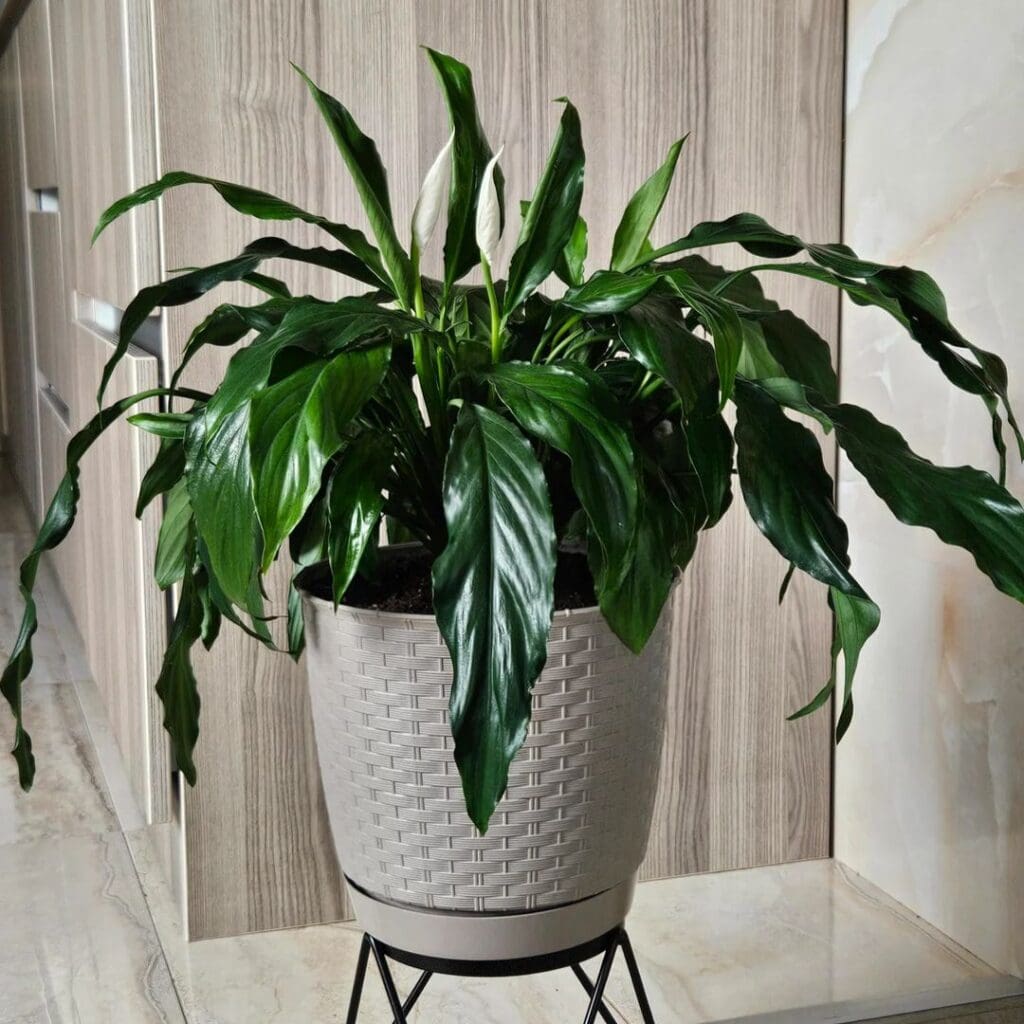
The Peace Lily is so easy to care for—it’s almost funny. Dark green leaves, simple white blooms, and it bounces back even if I forget to water for a bit.
It grows well in low or moderate light, so I just keep mine near a window with filtered sun. Too much sun can brown the leaves, so I stick to the shadier side.
It’s also a quiet air-freshener, filtering toxins and adding a little humidity. The room just feels better when it’s thriving, and it barely asks for anything in return.
I water when the top of the soil is dry, and I’ve learned not to overdo it—droopy leaves are a warning sign.
Every so often, I wipe the leaves to keep them shiny. At night, I love the peaceful look of the green leaves and soft white blooms. It’s a simple, soothing touch for a restful sleep space.
3) ZZ Plant (Zamioculcas zamiifolia)
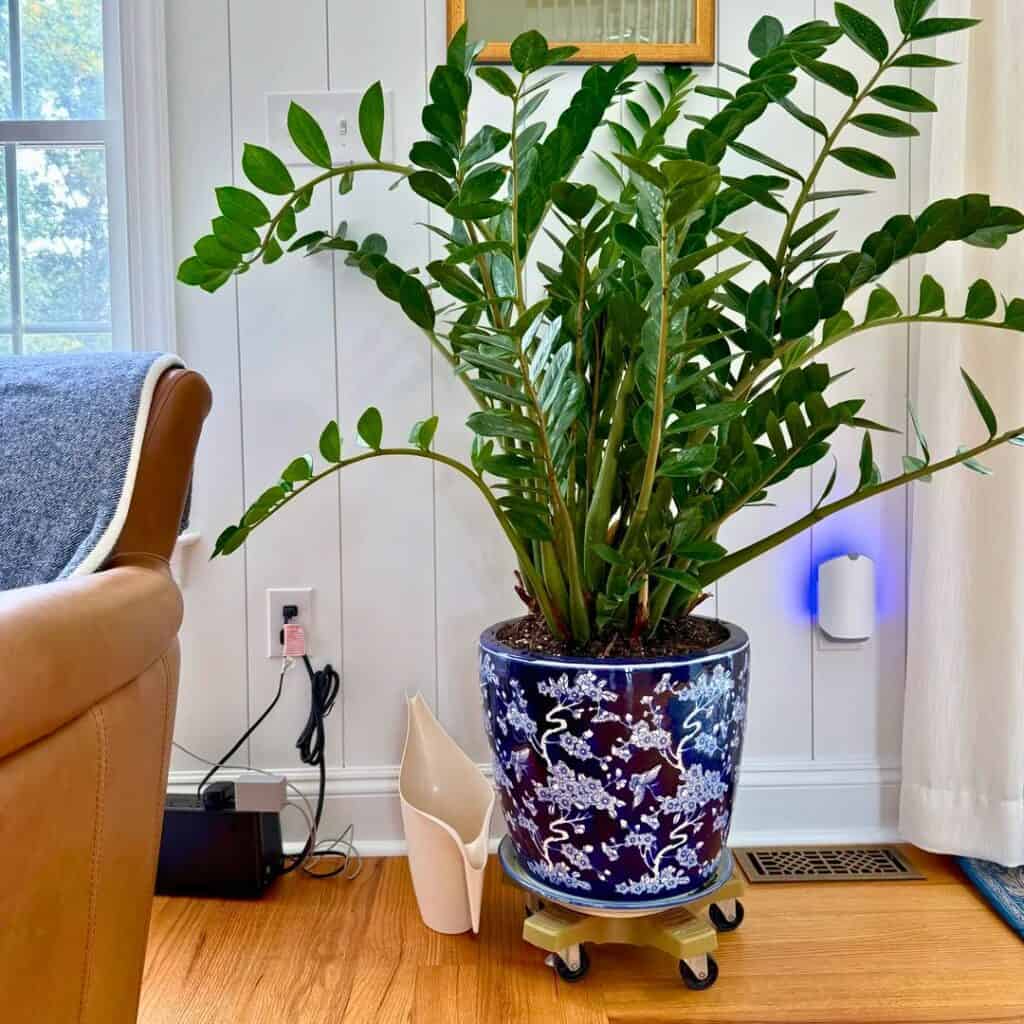
The ZZ Plant is basically indestructible. It stays green and shiny, even if I forget to water for weeks (which happens more than I’d like to admit).
Its glossy leaves catch the light and make the bedroom feel a bit brighter. The deep green color is oddly relaxing, and it’s nice to have something alive that doesn’t need constant attention.
I keep mine in indirect light—it’s fine in low light too, which is perfect for bedrooms that don’t get much sun.
When I water, I wait until the soil is bone dry. Really, overwatering is the only way to mess it up.
It’s also a quiet air-cleaner, filtering out common toxins and helping the space feel fresher. I like that it grows slowly and doesn’t drop leaves everywhere—less mess, less stress.
For anyone wanting a low-maintenance, stylish plant, the ZZ Plant is an easy choice for a calm, restful room.
4) Aloe Vera
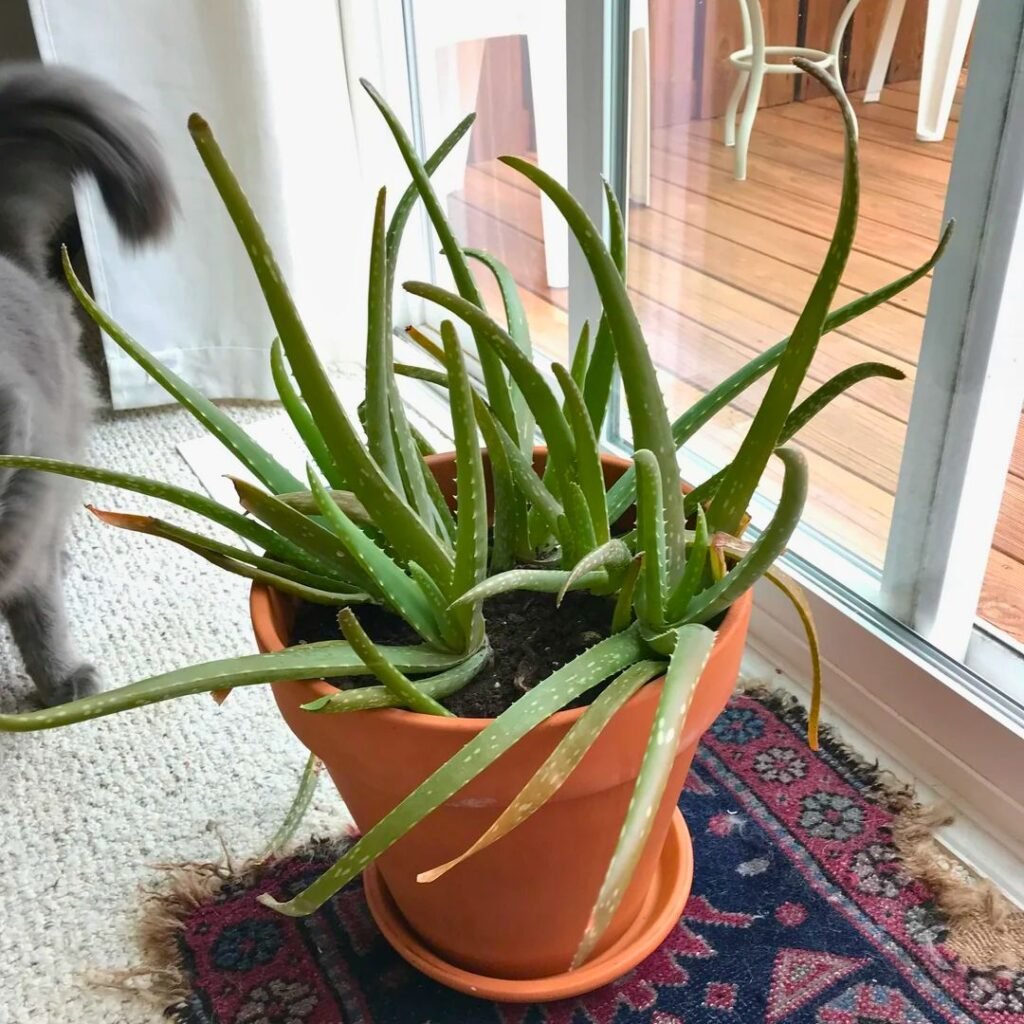
Aloe Vera is one of those plants that’s just easy to have around. I barely have to think about it—perfect for when life gets busy.
It even helps clean the air, especially at night when it releases oxygen. I swear the room feels a little fresher with it nearby.
I keep mine near a window with bright, indirect sunlight. It’s not fussy about dry air, so I don’t bother misting it.
For care, I use a well-draining pot and only water when the top inch of soil is dry. Overwatering is a no-go, so I tend to err on the dry side.
Once a month, I wipe the leaves to clear off any dust. And if I ever get a little burn or dry skin, the gel inside is handy—cool and soothing, right from the plant.
Honestly, Aloe Vera just adds calm energy to the room. It looks nice, feels useful, and doesn’t need much from me.
5) Spider Plant (Chlorophytum comosum)
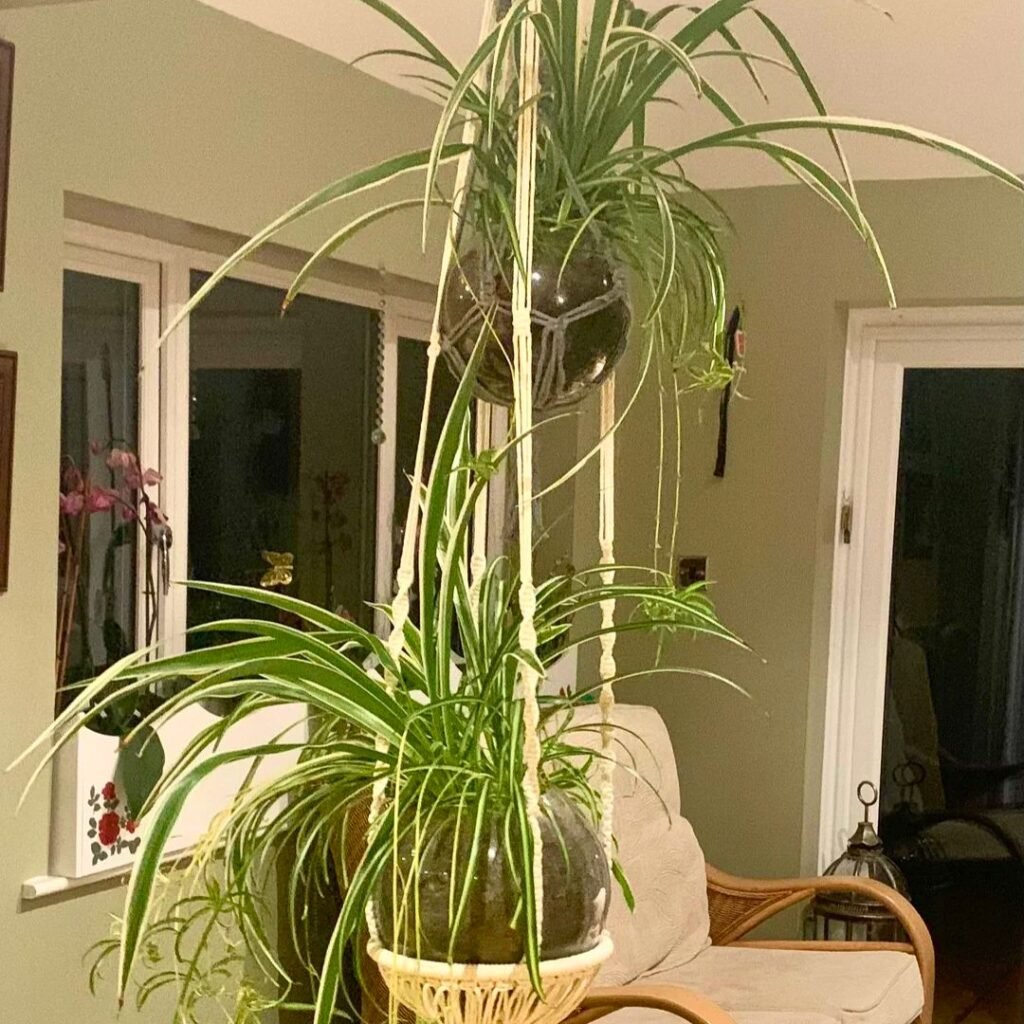
The Spider Plant is a classic for a reason. It stays green and lively, even if I forget to water it now and then.
The long, arching leaves brighten up any space—they’re cheerful without being needy. I like to hang it in a small pot or set it on my nightstand.
It’s also great at cleaning the air, helping the room feel fresher. I sleep better when the air feels clean, and this plant definitely helps.
Care is simple: indirect light, water when the top of the soil is dry, and it’ll be fine even if I skip a week.
Sometimes, little “spiderettes” pop out, and I like to propagate them for even more greenery.
All in all, it’s a low-stress, high-reward plant for a peaceful bedroom.
6) Philodendron

The Philodendron is wonderfully forgiving. Even if I forget to water for a few days, it keeps going strong. Those heart-shaped leaves add a gentle, natural look to my bedroom.
It does just fine with less light—I keep mine near a window but out of direct sun. The fact that it’s low-light and low-effort is a big win for me.
I’ve noticed it helps the room feel fresher by filtering out a few toxins. It’s a subtle improvement, but I appreciate it, especially at night.
Watering is easy: I just check the soil, and if it’s dry, I give it a bit of water. No need to overthink it—simple care is best.
There are so many types, too. I keep one on my nightstand, but the trailing vines also look great in a hanging basket. They soften the room and add a peaceful vibe.
If you want a plant that’s hard to kill, the Philodendron is an easy pick. It fits almost any space and just keeps looking good.
7) Pothos (Epipremnum aureum)
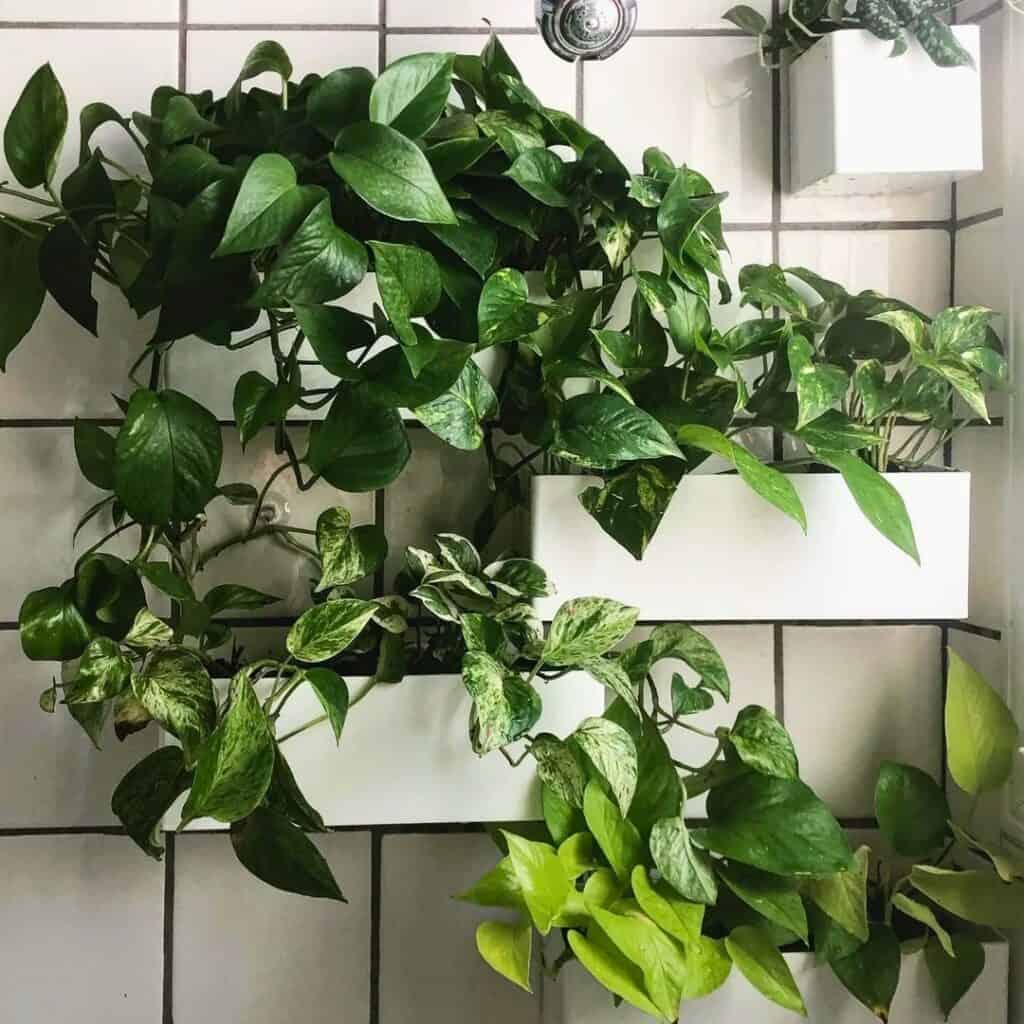
Pothos is my go-to for a no-fuss bedroom plant. It’s ridiculously easy—grows in low light, barely needs attention, and just keeps thriving.
The heart-shaped leaves bring a fresh, chill vibe. I like letting it trail from a dresser or hanging it from a shelf.
It also helps freshen the air, which is a nice bonus. I don’t have to do much—just water when the soil dries out and it’s happy.
Even if I forget for a week, it bounces back. That’s why it’s one of my favorite low-maintenance plants for a cozy, green bedroom.
8) Rubber Plant (Ficus elastica)
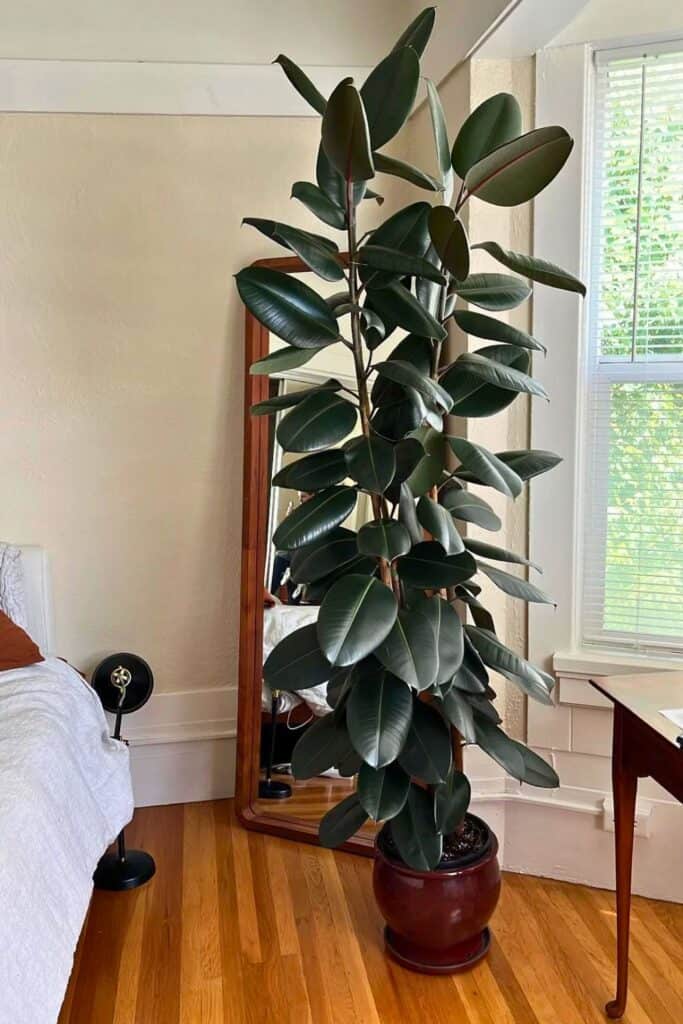
The Rubber Plant is bold and surprisingly chill. Those big, glossy leaves make my room look fresher and a bit more put-together.
I keep it by a window, and it instantly perks up the space.
It barely needs any care. I water only when the top inch of soil is dry, since too much water can cause root rot.
The plant does best in medium to bright, indirect light. It grows faster near a sunny spot, but it won’t throw a fit in lower light either—just grows a bit slower.
I like to wipe the leaves now and then to keep them shiny and help the plant breathe. It’s also said to remove a few indoor toxins, which makes the bedroom feel more inviting.
The deep green is calming, and honestly, it just looks cool. If you want a simple but beautiful plant that adds life without a lot of work, this one’s a solid choice.
It gives a modern, polished vibe that works with almost any style.
9) English Ivy (Hedera helix)

I’ve always thought English Ivy brings a cozy, classic vibe to my bedroom. The trailing vines just look so peaceful, and honestly, it’s forgiving even if I forget to water it for a bit.
It fits right in on a shelf or in a hanging pot—doesn’t hog space or get messy. I picked this plant because it’s known for cleaning indoor air, which just helps me breathe easier and sleep better.
It doesn’t fuss about sunlight, so it’s perfect for rooms with smaller windows. I keep the soil a little moist and trim it back if it starts wandering too much.
It’s easy to shape, and I love that the green stays fresh year-round. I’ve noticed it likes a steady temperature, so I keep it away from heaters and chilly drafts.
The care routine is honestly easy. I just check the soil once a week—no big deal.
English Ivy adds a calm, natural feel to my room without any extra hassle. It’s a small detail, but it really makes the space feel more peaceful and comfy.
10) Chinese Evergreen (Aglaonema)
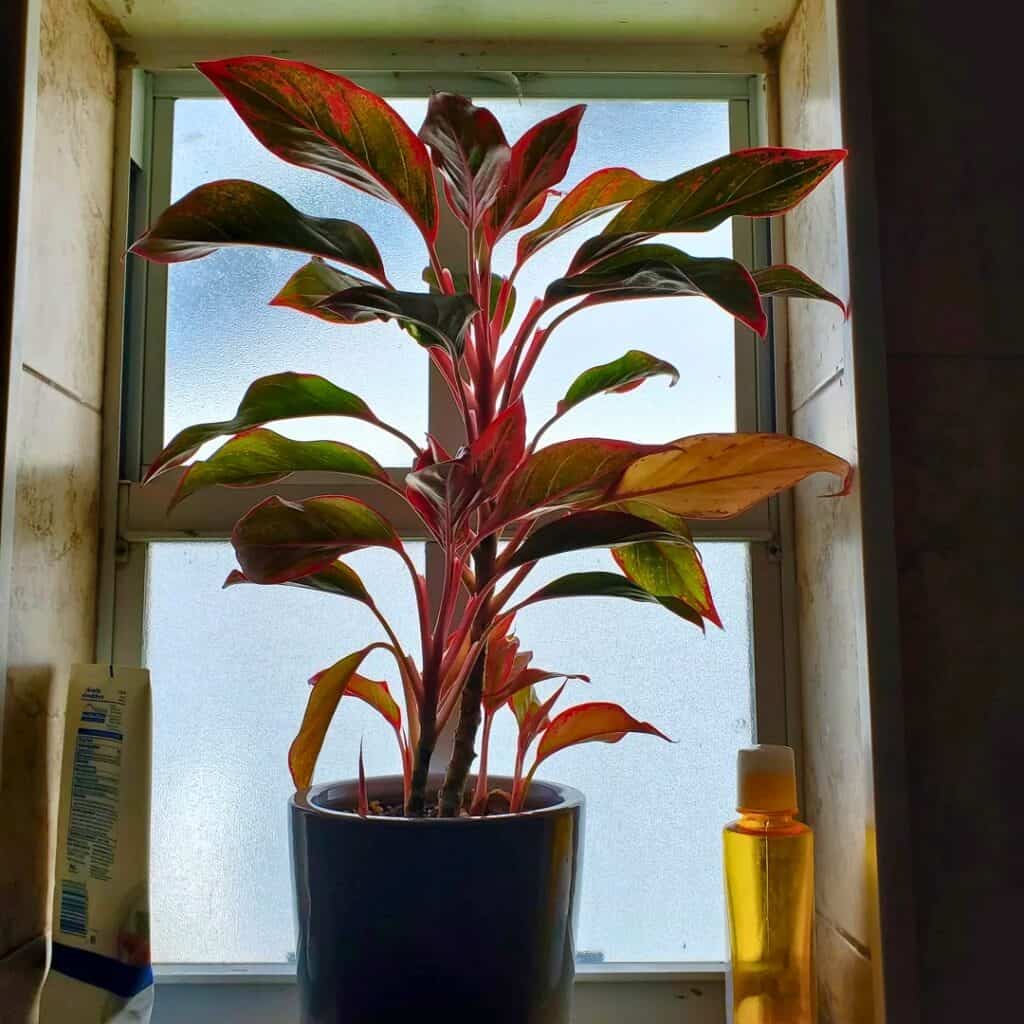
There’s something about Chinese Evergreen that brings calm energy into my bedroom. Those patterned leaves are pretty, and the plant barely needs anything from me.
I usually set one on my nightstand or dresser, and suddenly the room feels fresher. This plant’s great with low light, so it works in spaces without much sun.
I water only when the top inch of soil dries out, and if I forget, it’s not a big deal. It’s probably my easiest plant to keep alive.
Chinese Evergreen also helps clean the air, which adds to the relaxing vibe. I like how it brings a soft touch of nature that helps me wind down at night.
Every so often, I wipe the leaves to clear off dust. The shine comes back, and the plant just looks happier.
If you want a simple, attractive plant that doesn’t need much, Chinese Evergreen is a solid pick. It’s low-stress and fits right into a calm sleep setup.
11) Lavender Plant

Adding a lavender plant to my bedroom is one of my favorite ways to create a relaxing space. The soft purple flowers and gentle scent just help me let go of the day.
It looks cute on a nightstand or window ledge—just enough color without being in the way. What I like most about lavender is how low-maintenance it is.
It only needs bright, indirect sunlight and a drink when the topsoil dries out. No constant hovering required, which is perfect for busy days or plant newbies.
The scent of lavender really does help me relax and fall asleep faster. Sometimes I’ll rub the leaves a bit to get more fragrance before bed.
Lavender’s happy in small pots and actually thrives indoors as long as there’s good airflow. I use a clay pot because it keeps the roots from staying too wet—overwatering is a no-go.
Having a lavender plant near my bed brings comfort at night. Its look and scent make my room feel calm, and honestly, that’s the vibe I want for better sleep.
12) Boston Fern (Nephrolepis exaltata)
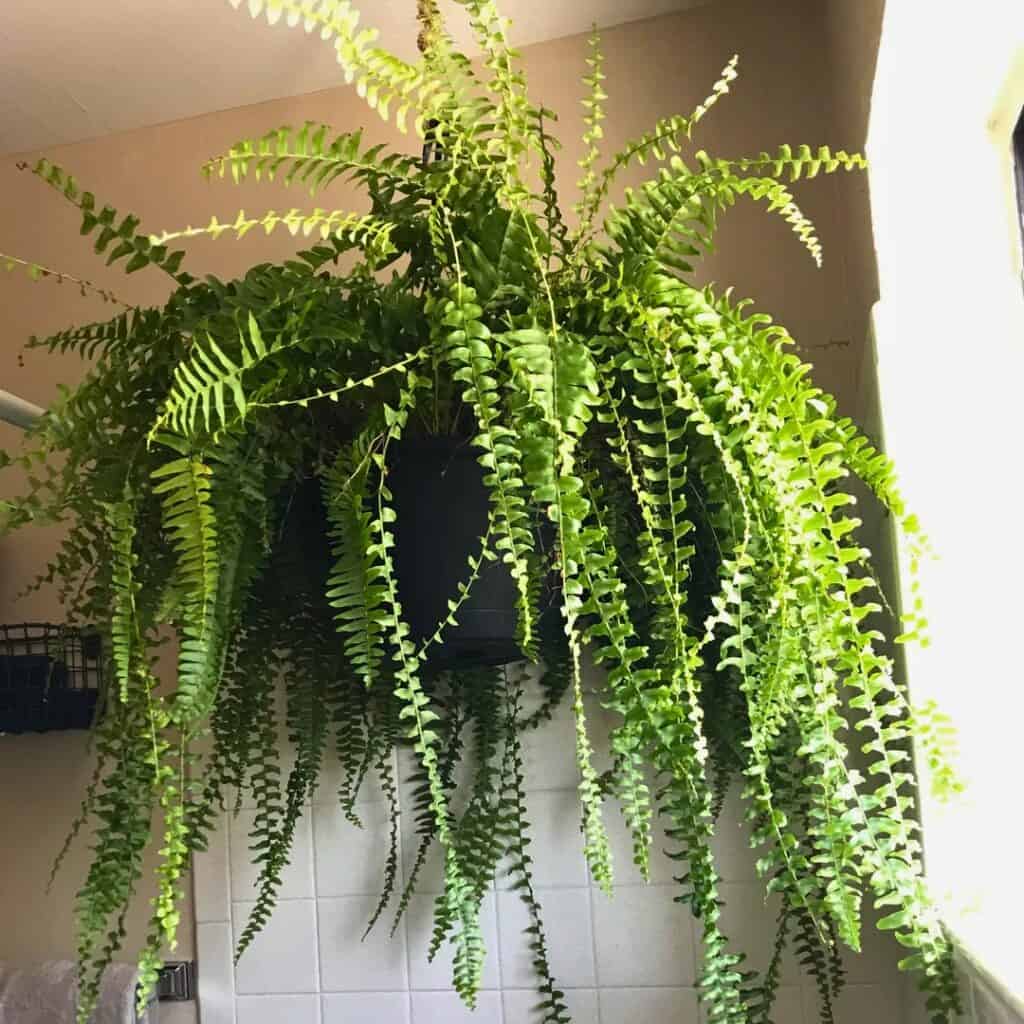
There’s something so soothing about a Boston Fern in the bedroom. The soft, full leaves add a gentle green accent that just warms up the space.
I like having it near my bed—it feels like a little patch of nature indoors. This fern really prefers indirect light and a humid environment.
I keep mine away from direct sunlight since it dries out the leaves. A quick mist every few days keeps it looking lush.
The Boston Fern helps clean the air too, which I appreciate when winding down at night. Cleaner air just makes sleeping easier.
I try to keep the soil slightly moist, but never soggy. If the room gets dry, I’ll run a small humidifier nearby.
It’s a simple trick to stop the leaves from turning brown at the tips. Even though it likes a bit more humidity than some plants, it’s easy to care for once you get the hang of it.
13) Cast Iron Plant (Aspidistra elatior)
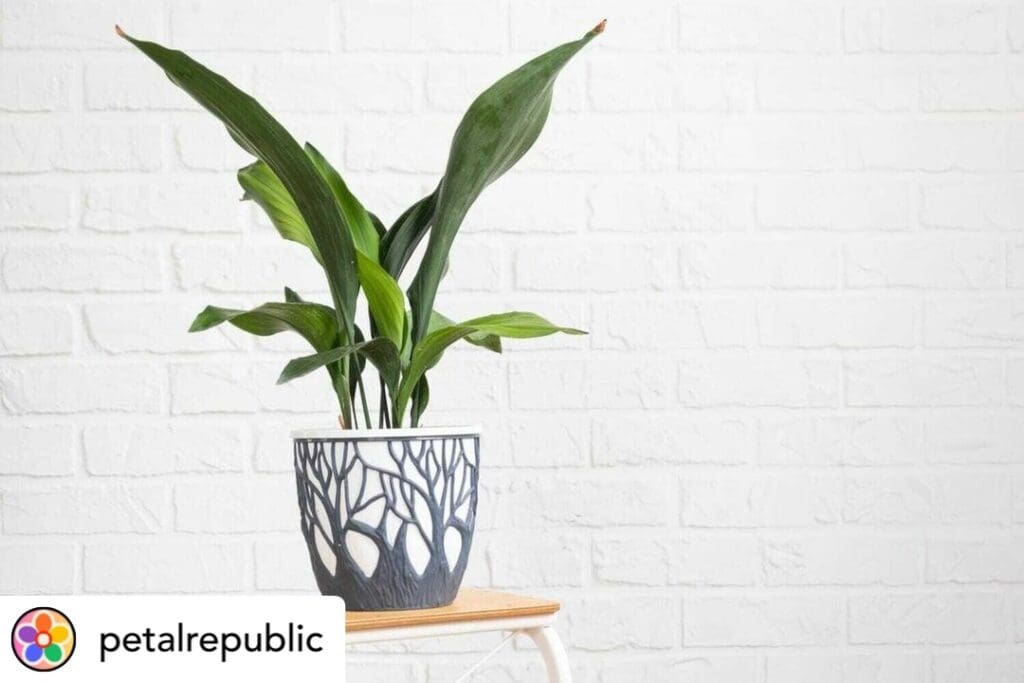
The Cast Iron Plant is my go-to for tough spots. It’s famous for surviving almost anything, which is perfect for me since I’m not always the most attentive plant parent.
Those deep green leaves bring a calm, rich touch to my bedroom. It’s totally fine in low light, so I don’t stress about putting it near a window.
It actually does well under artificial lights too, so I can put it anywhere I want a little green. I water it only when the top inch of soil dries out.
Too much water is a problem, so I try not to overdo it. Fertilizer? Just a little, once or twice a year.
It’s steady and low-key—doesn’t drop leaves or grow too fast. Less mess, less trimming, and it stays neat.
Since it filters the air and barely needs attention, it’s great for a restful bedroom. Those dark leaves are simple and natural, exactly what I want at the end of the day.
14) Parlor Palm (Chamaedorea elegans)
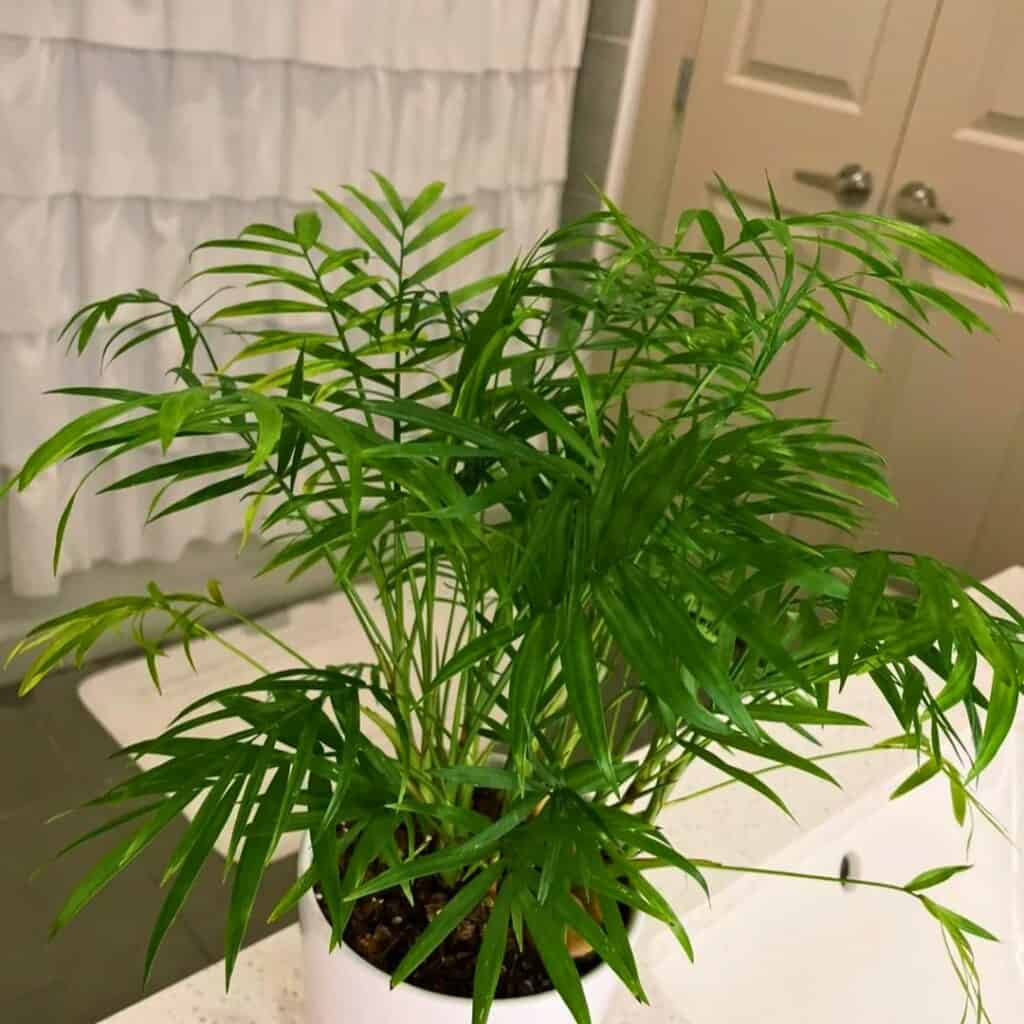
The Parlor Palm just makes a room feel a bit more alive—without the fuss. It’s small and compact, so it slots right into a bedroom with limited space.
It looks elegant and grows super slowly, so I don’t have to worry about repotting all the time. I keep mine in indirect light, away from harsh sun (it’ll burn those leaves).
It’s fine with low light, which is nice for corners or shaded spots. I water only when the top inch of soil dries out, so the roots don’t get soggy.
What I love is how it makes the room feel fresh and calm. The soft, arching fronds move gently with any breeze—super relaxing.
It doesn’t need much attention. A quick wipe on the leaves and a bit of water now and then keeps it happy.
If you want a tidy, graceful plant that’s easygoing, the Parlor Palm is a great choice. It adds a subtle, soothing green touch to any peaceful bedroom.
15) Bamboo Palm (Chamaedorea seifrizii)
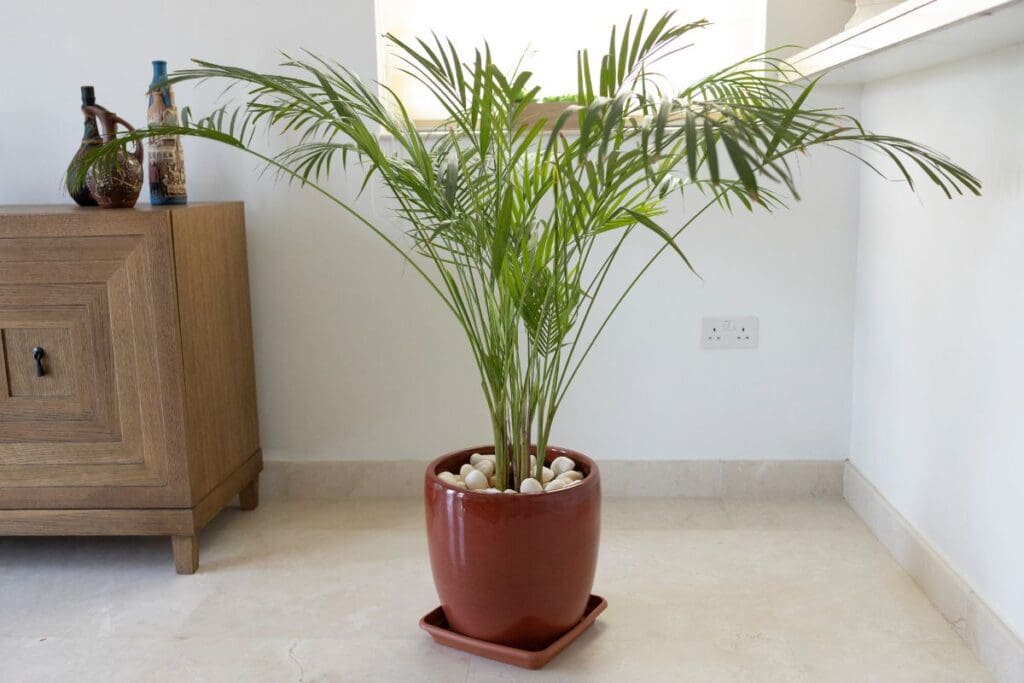
The Bamboo Palm gives my bedroom that calm, tropical look without much effort. Tall, slender stems and soft leaves make the space feel open and fresh.
It brings in a touch of nature that helps me relax at night. This plant’s happy in low to medium light, so it’s fine even if there’s not much sun.
I keep mine a few feet from a window where it gets gentle, filtered light. It grows well with steady indoor temps, so I don’t have to keep moving it around.
The Bamboo Palm helps clean the air, which really makes a difference. The air just feels lighter, and I find it easier to breathe.
I wipe the leaves every few weeks to keep them healthy. I water when the top inch of soil dries out—no need to hover, just regular moisture without soggy soil.
Every few months, I’ll give it a little liquid fertilizer for steady growth. Since it’s non-toxic to pets, I don’t have to worry about my cat getting curious.
It’s honestly one of my favorite low-maintenance choices for a cozy bedroom. The Bamboo Palm brings a bit of life and calm energy without being demanding.
Best Practices for Caring for Bedroom Plants
I try to give my plants just the right mix of water, light, and space so they stay healthy and fresh. Paying attention to watering, soil, and spacing makes them thrive indoors without much fuss.
Watering and Light Tips
I’ve learned the hard way that too much water is a quick way to kill a plant. I always check the top inch of soil—if it’s dry, I water gently until a bit drains out the bottom.
Sticking to a consistent schedule keeps them happy, but not drowning. Light is just as important.
I put low-light plants like snake plants and ZZ plants in shaded corners, while succulents and pothos do better near bright, indirect light. Every few weeks, I rotate the pots so all sides get some sun.
Here’s a quick cheat sheet I use:
| Light Type | Example Plants | Ideal Placement |
|---|---|---|
| Low Light | Snake Plant, ZZ Plant | Corner or shaded spot |
| Medium Light | Peace Lily, Spider Plant | Near window, filtered sunlight |
| Bright Light | Succulents, Pothos | A few feet from window |
In winter, I water less and move plants closer to windows since there’s less daylight.
Choosing the Right Potting Mix
The potting mix is a game-changer for plant health. I pick soil that drains well and matches what each plant likes.
Cacti and succulents need a gritty mix that dries fast, while tropical plants want richer, moist soil that stays just a bit damp. I’ll often mix in perlite or sand to regular potting soil for better airflow and drainage.
Good drainage holes in pots are a must—no one wants waterlogged roots. I skip dirt from outside since it can bring in bugs or fungus.
The right mix keeps roots happy and disease-free.
How to Avoid Overcrowding
Crowded plants fight for light, nutrients, and air circulation, which slows growth or can cause rot. I leave at least a few inches between each plant so they have room to breathe.
When a plant outgrows its pot, I repot it into a container about 1–2 inches bigger around. It helps roots spread and keeps the plant happy.
I also prune off yellow or dying leaves to give them space and stop any disease. A little airflow from a fan or open window keeps things fresh and the plants looking their best.
How Indoor Plants Enhance Sleep Quality
I’ve noticed that having plants in my bedroom isn’t just for looks. The cleaner air and a calmer mood actually make it easier for me to fall asleep and wake up feeling refreshed.
Natural Air Purification Benefits
When I fill my bedroom with indoor plants, I’m honestly just trying to help myself breathe cleaner air. Many houseplants naturally remove stuff like formaldehyde, benzene, and even carbon dioxide from the air.
This can lower indoor pollution, which is great because things like headaches or throat irritation are the last thing I want at night.
Plants also boost humidity a bit, so my throat and skin don’t dry out while I sleep. A few good choices are:
| Plant | Air Benefit | Special Note |
|---|---|---|
| Snake Plant | Filters toxins | Grows well in low light |
| Peace Lily | Removes mold spores | Needs weekly watering |
| Areca Palm | Adds humidity | Prefers indirect sunlight |
With cleaner air and a little extra moisture, my body just feels more relaxed. Breathing feels easier, and honestly, that small change really does make a difference in how I sleep.
The Role of Greenery in Stress Reduction
I have to admit, being surrounded by greenery helps me unwind at the end of a long day. There’s something about the color green—it just feels calming.
Apparently, studies show that even looking at plants can lower your heart rate and reduce stress hormones. That’s wild, right?
Caring for plants gives me a quiet, mindful activity before bed. Just wiping leaves or checking the soil slows my brain down.
It’s nothing like staring at a screen or listening to noise; plants make the space feel soft and peaceful.
I always sleep deeper when my room feels calm, not cluttered. A few small plants on my nightstand or windowsill remind me to breathe slowly and let go of tension.
Frequently Asked Questions
I love finding plants that make my bedroom look peaceful and help me sleep better. Low-maintenance plants with air-purifying and stress-reducing qualities really do make a difference—without asking for much in return.
What are some easy-to-care-for plants that can improve sleep quality?
I’ve found that the Snake Plant, Peace Lily, and ZZ Plant barely need any attention. They’re champs with dry air and low light, which makes them perfect for a chill bedroom vibe.
Aloe Vera and Spider Plant are also easygoing and seem to make the space calmer at night.
Can having plants in the bedroom really help with relaxation and sleep?
Yeah, plants can make a bedroom feel more relaxing. They release oxygen and can nudge up the humidity, so the air just feels fresher.
Their greenery creates a calm visual that helps me unwind before bed.
What are the best low-light plants for a bedroom environment?
If your room doesn’t get much sunlight, I’d go for the ZZ Plant, Snake Plant, or Peace Lily. They don’t mind dim corners at all.
I usually keep them near windows that get indirect light, just to keep them happy.
How do I water and care for bedroom plants to ensure they thrive?
I water most of my bedroom plants only when the top inch of soil feels dry. Overwatering is a quick way to kill the vibe (and the plant), so I always check first.
A light dusting of leaves now and then and a well-draining pot seem to keep them going strong.
Are there any bedroom plants that can purify the air while I sleep?
Yep, some plants really do help clean the air. The Peace Lily, Spider Plant, and Snake Plant are known for reducing toxins like formaldehyde and benzene.
I honestly notice the air feels fresher when I keep them near my bed.
What are some non-toxic plant options for a pet-friendly bedroom?
Honestly, because my pets mean the world to me, I always go for Spider Plants and Areca Palms. Both are totally safe for cats and dogs, so I don’t have to worry.
Bamboo Palms are another solid pick—plus, they look pretty nice in almost any corner. If you want something a bit different, Boston Ferns could work too.
They all give off that warm, homey vibe without putting my furry friends at risk. Why settle for anything less?
Note: Some images in the articles are sourced from Reddit and Other Platforms For Reference Purpose.