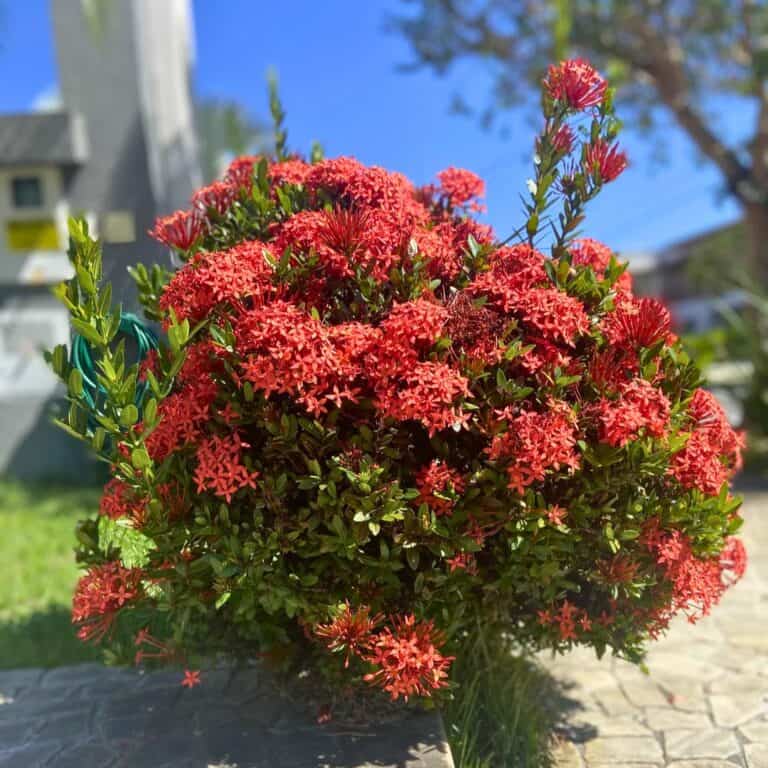
7 Upcycled Winter Plant Pot Ideas To Brighten Your Home
I get a kick out of making my space feel cozy in winter—especially if I don’t have to spend much.
There’s something satisfying about turning simple things from around the house into creative plant pots that add warmth and a bit of charm to any nook.
Upcycling everyday stuff into plant pots lets me decorate in a way that feels personal and cuts down on waste. It’s honestly a win-win.
When I reuse old materials, I get both style and function. From rustic touches to playful designs, these ideas keep plants looking fresh all winter long.
It’s a fun way to add personality to my home with what I already have. Why not give it a shot?
Please note: Simplify Plants is reader-supported. As an Amazon Associate, I earn from qualifying purchases made by our readers with no extra cost added to you all! Some links in the post are affiliate links and I get a commission from purchases made through links in the post.
1) Painted Tin Cans with Snowflake Designs
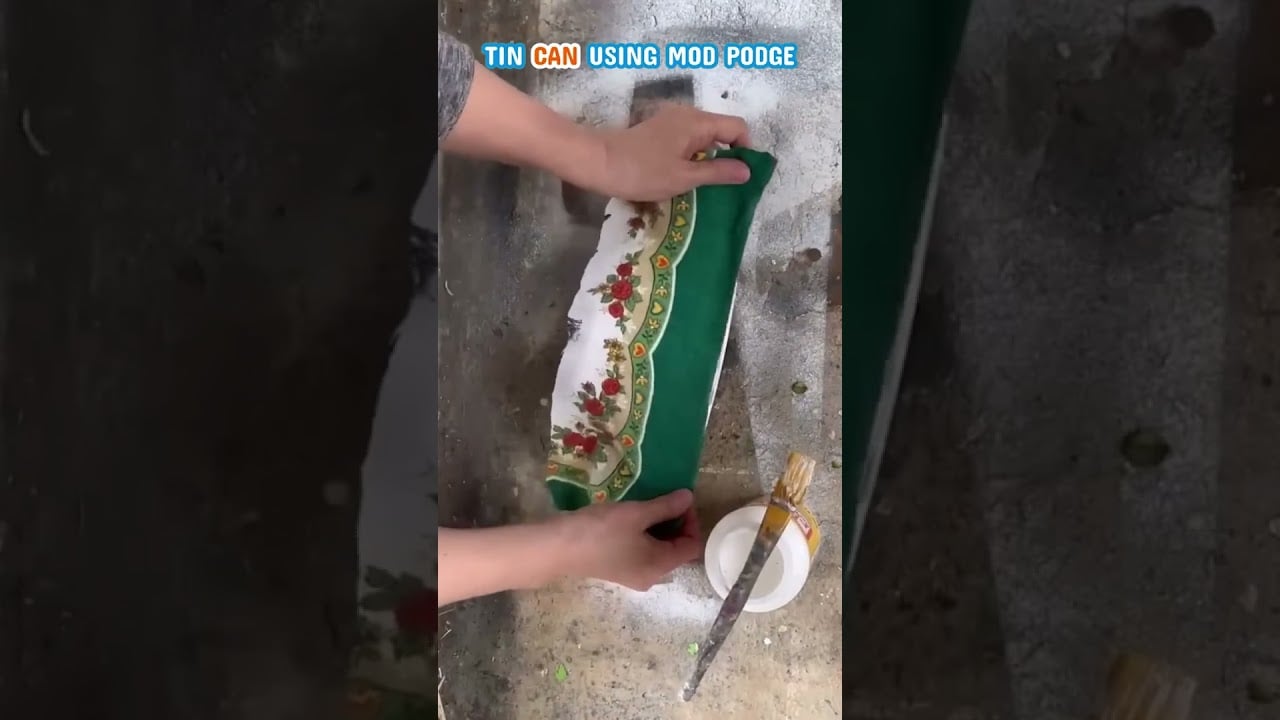
I always hang onto tin cans instead of tossing them. They’re sturdy, simple, and just begging to be repurposed as plant pots.
A bit of paint totally transforms them for winter. I usually give them a good wash and dry before painting, so the color sticks better.
I like white or light blue paint—those shades just scream winter, and snowflake designs pop right out. Sometimes I use a small brush, sometimes a stencil, and honestly, the snowflakes never look perfect, but that’s half the fun.
A layer of clear sealant helps the paint last, especially if I want to keep them outside on the porch.
I fill these cans with small evergreens, herbs, or succulents. The combo of green plants and snowy designs just feels festive without being over the top.
They also make sweet handmade gifts. Give one with a little plant inside, and it’s instantly thoughtful.
2) Mason Jar Lantern Planters
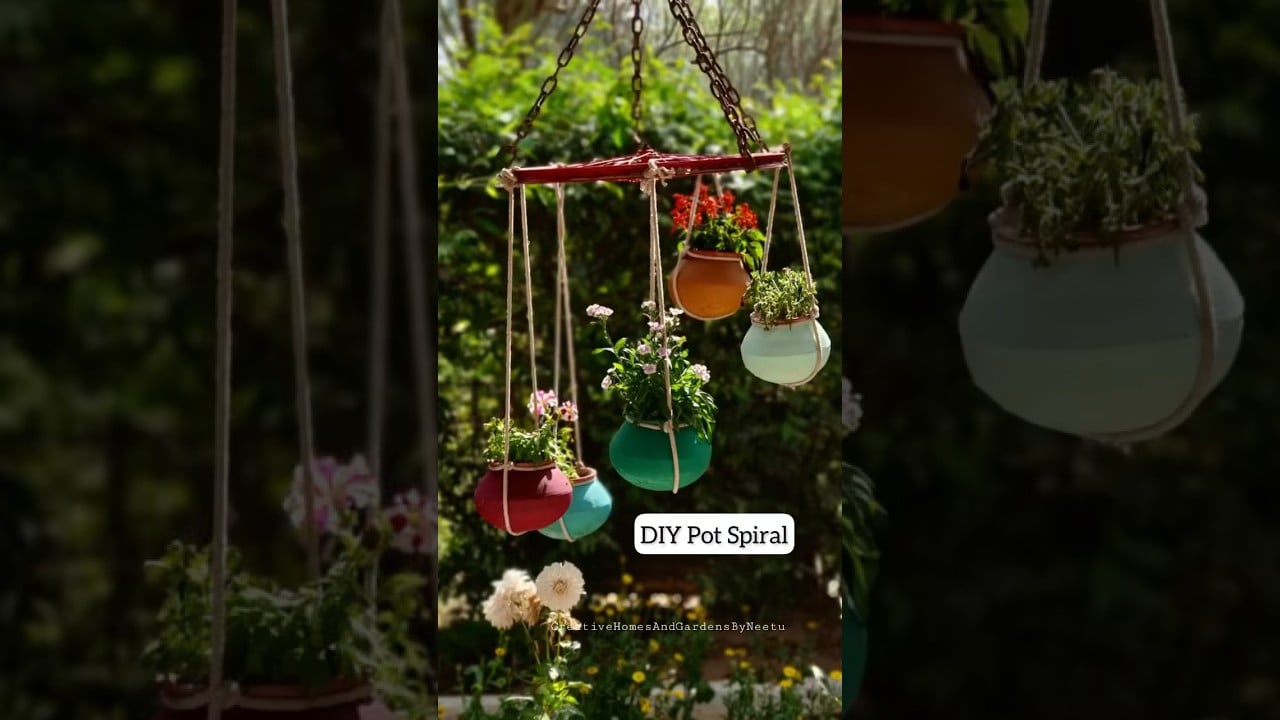
Turning mason jars into planters is just easy and, honestly, kind of fun. The clear glass keeps things looking bright, which is perfect for winter.
To make them feel special, I sometimes pop a small candle or LED light inside with the plant. It glows through the glass and makes the whole thing feel cozy—especially when it’s dark outside.
I usually stick with herbs or succulents since they don’t need much soil. They fit just right, and the jar keeps everything tidy.
Wrapping some twine or ribbon around the top adds a cute touch. Sometimes I hang the jars to save space.
They look great on a windowsill, shelf, or table. The light bounces off the glass and makes the plants pop a little more.
3) Old Sweater Wrapped Pots
Giving my plants a cozy look with old sweaters is one of my favorite tricks. It’s a nice way to reuse those sweaters I just can’t wear anymore.
I cut a sleeve or a chunk of sweater to fit around the pot, then slide it on and tuck in the edges. If it fits well, there’s no sewing needed at all.
For tiny pots, the cuffs work perfectly—they stretch and look neat without much fuss. Mixing up different sweater textures, like cable knit or ribbed, adds a lot of character.
If the fabric is a bit loose, I’ll tie some twine or ribbon around it. That helps it stay put and gives it a finished look.
Sometimes I go for neutral colors, but if I’m in the mood for something bolder, a bright sweater does the trick. It all depends on what I’ve got lying around.
When it’s time to water the plants, I just slip the sweater off to keep it dry. Once the pot’s dry, the sweater goes back on.
This works best indoors where the fabric stays clean. It’s such a quick way to make plain pots feel a bit more inviting.
4) Repurposed Wooden Crate Planters
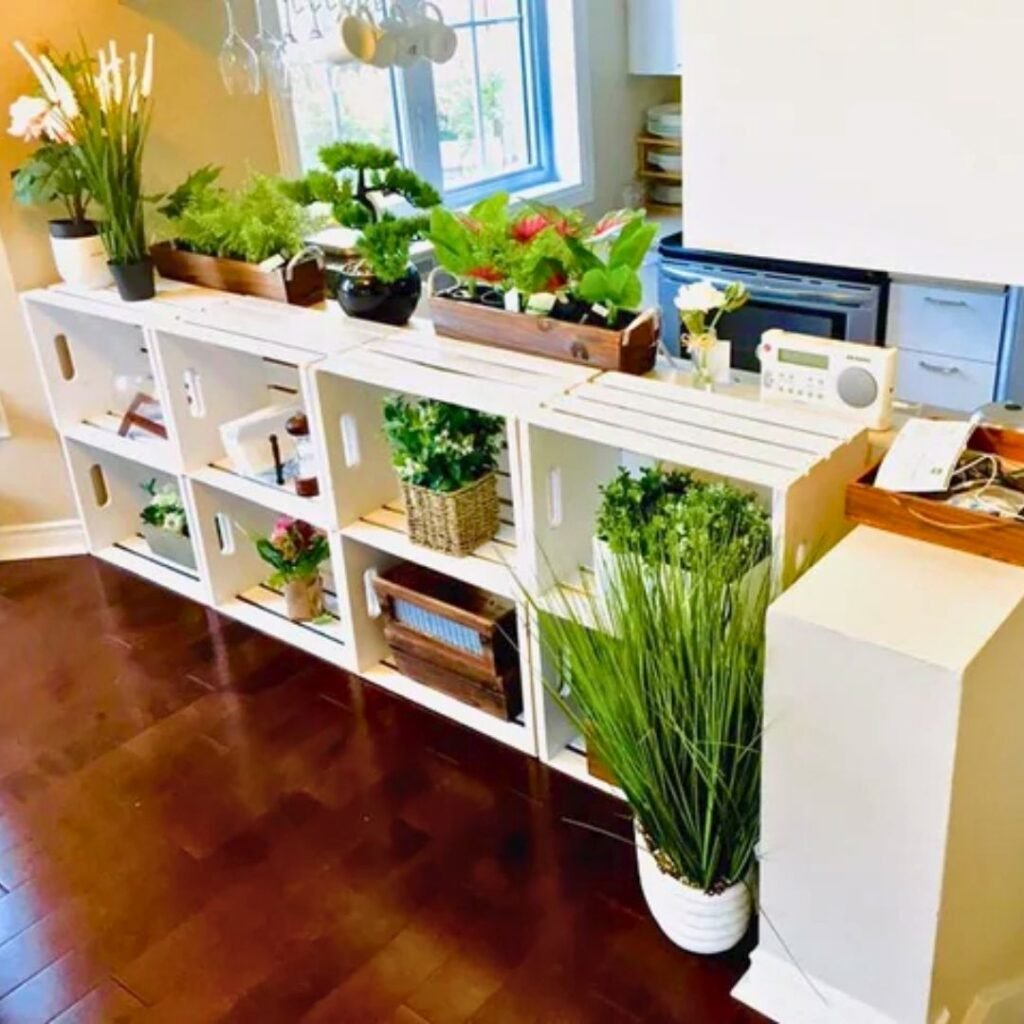
I’m a big fan of using old wooden crates as planters. They’ve got that rustic vibe and are surprisingly sturdy.
First, I line the crate with plastic or burlap to protect the wood and keep the soil in place. Then I fill it with potting mix and whatever winter plants I’m feeling at the moment.
Crates look great by a window or out on the porch. Their boxy shape makes arranging plants a breeze.
If a crate feels too plain, I’ll paint or stain it for a bit of extra flair. For tight spaces, stacking a couple crates creates a tiered planter, which is both space-saving and eye-catching.
Mixing evergreens, herbs, and some flowering plants keeps things interesting. Indoors, a crate on a table or shelf makes a nice centerpiece.
5) Teacup Succulent Holders
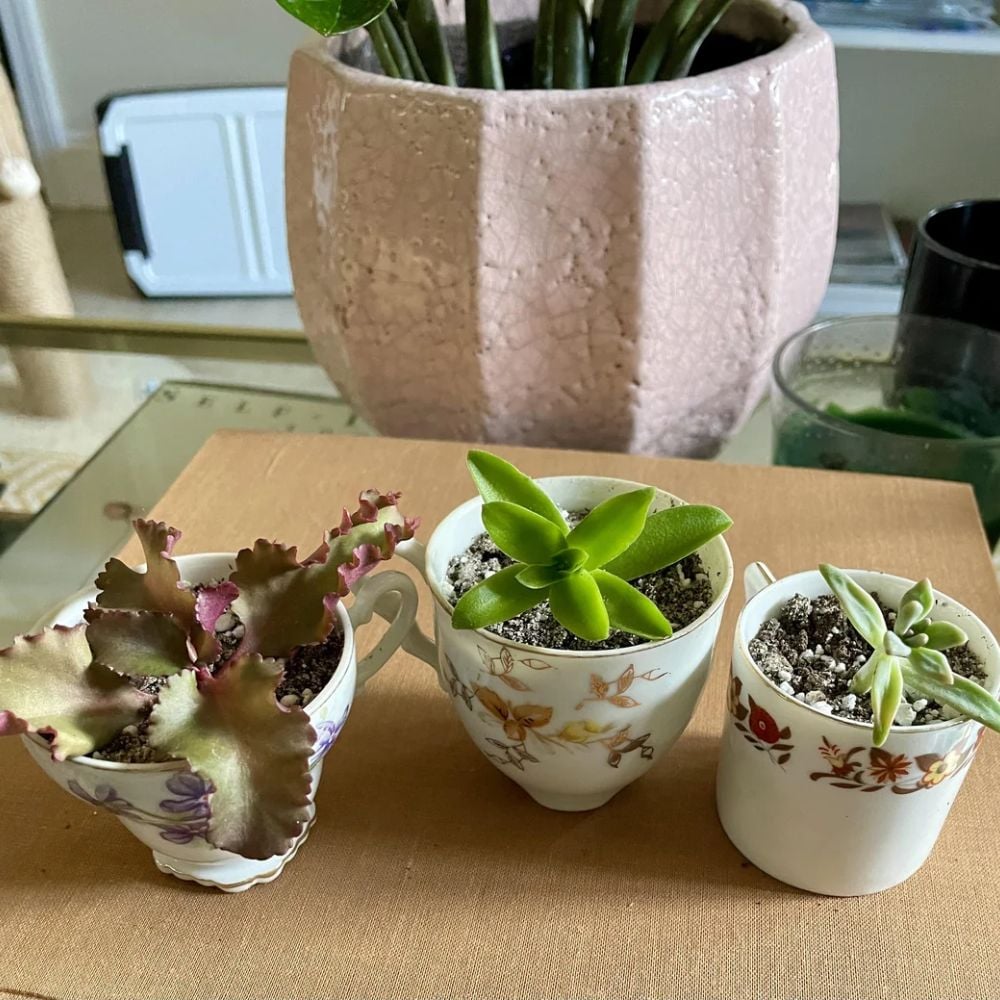
There’s just something charming about using old teacups as little homes for succulents. It’s a sweet way to give new life to cups I don’t use anymore.
Succulents don’t need much water, so teacups without drainage holes work fine. I usually toss a layer of pebbles at the bottom before adding soil.
Keeping the soil light and sandy helps the roots stay happy. And mixing up different teacup designs makes the whole display feel playful.
Vintage cups from thrift stores are my favorite—they’re cheap, and the patterns are always unique. These little holders make great gifts too.
I love that I can move them around easily to catch the sun. With just a few cups and some succulents, I’ve got instant winter décor.
6) Glass Bottle Hanging Planters
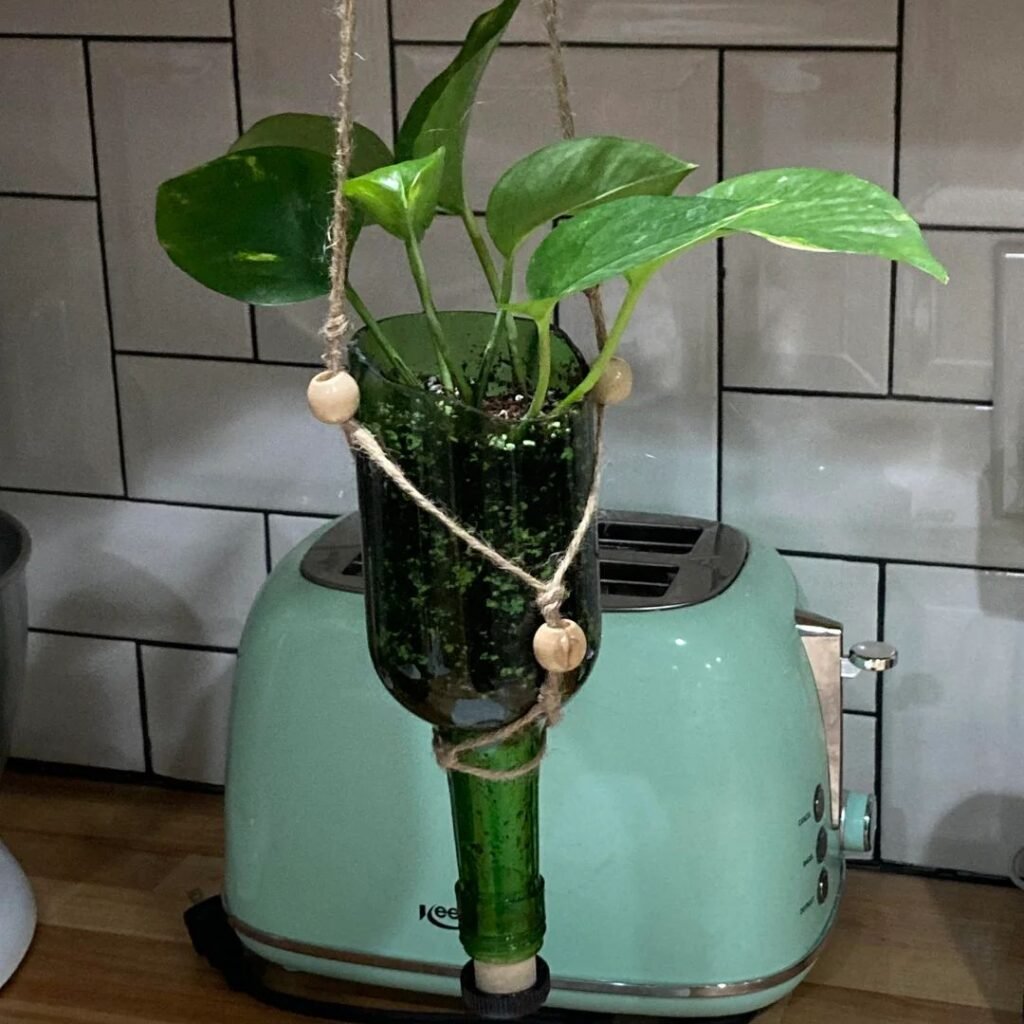
Empty glass bottles make surprisingly cool hanging planters. I like that I don’t have to buy new pots—just reuse what’s already in my recycling bin.
I’ll cut the bottle in half or take off the neck with a glass cutter. Smoothing the edges is a must—no one wants to get cut.
For hanging, I use strong twine or rope and make sure the knots are solid. I fill the bottle with a bit of soil and pick plants that don’t need deep roots.
Herbs, succulents, or small trailing plants are my go-tos. Hanging them near a window gives them plenty of light, and the glass makes it easy to see when they need water.
Sometimes I’ll paint the bottles or wrap them with fabric for a pop of color. It’s a simple project, but it actually looks pretty neat.
7) Vintage Boot Plant Pots

Old boots as plant pots? It sounds a little out there, but I love it. They’re sturdy, handle dirt and water well, and add a quirky, rustic touch to my porch.
I start by cleaning the boots and letting them dry. If there aren’t holes in the soles, I poke a couple in for drainage.
Once that’s done, I fill them with potting soil and pick out plants that fit—small evergreens or winter flowers look especially cute. Mixing colors and textures makes the boots pop.
I set them somewhere sturdy so they won’t tip over. The worn leather and laces just add more charm.
If I want them to last longer, I spray them with a clear sealant to protect from moisture. It helps keep the boots from falling apart too quickly.
Using boots as planters is a fun way to reuse what’s already in the closet. It’s easy, saves money, and always gets a comment or two.
Benefits of Upcycling Plant Pots
Reusing old containers as plant pots helps me cut down on waste and save money, and it gives my garden a bit of my own personality. Each choice feels like a small win for the environment, my wallet, and my creativity.
Environmental Impact
When I upcycle, I reduce waste. Instead of tossing jars, cans, or buckets, I find a new use for them, keeping more stuff out of landfills.
It also means less demand for new plastic pots, which is always a plus. Using what I already have helps cut down on manufacturing and shipping, too.
Fewer new pots being made means less energy used and fewer emissions. Even small changes can add up if enough people get on board.
A lot of upcycled pots, like tins or wooden boxes, seem to last longer than the cheap plastic ones from the store. That means I’m not replacing them as often, which is good for everyone.
Budget-Friendly Gardening
Reusing containers instead of buying new pots saves me a surprising amount. Big ceramic planters can be pricey, but an old bowl or bucket works just as well.
I keep a box of random things that might make good planters. That way, I’m not tempted to buy something new every time I want to pot a plant.
Even coffee cans, food tins, or worn-out boots can become fun containers. The savings add up fast, especially if you’ve got a lot of plants.
By skipping the cost of pots, I can spend more on the stuff that matters—good soil, seeds, or maybe a tool I’ve been eyeing.
Creative Expression
Upcycling gives me a chance to show off my style in ways store-bought pots just can’t. Sometimes I’ll paint and decorate, but honestly, leaving the containers as-is can give a cool, rustic vibe too.
Mixing up textures and shapes is something I really enjoy. A chipped teapot next to a smooth glass jar? It just works, and it makes my garden feel like it actually belongs to me.
Sometimes I get carried away and turn it into a little project. Maybe I’ll add some patterns with paint, or wrap a pot in fabric or even rope just for fun.
It’s an easy way to make my garden feel more like me—plus, I’m reusing stuff I’d probably just toss otherwise.
Tips for Winter-Proofing Upcycled Pots
When winter rolls around, I’m mostly thinking about keeping my plants safe from cold temperatures and wild weather. A few good habits really help me avoid cracked pots and frozen roots.
Insulation Methods
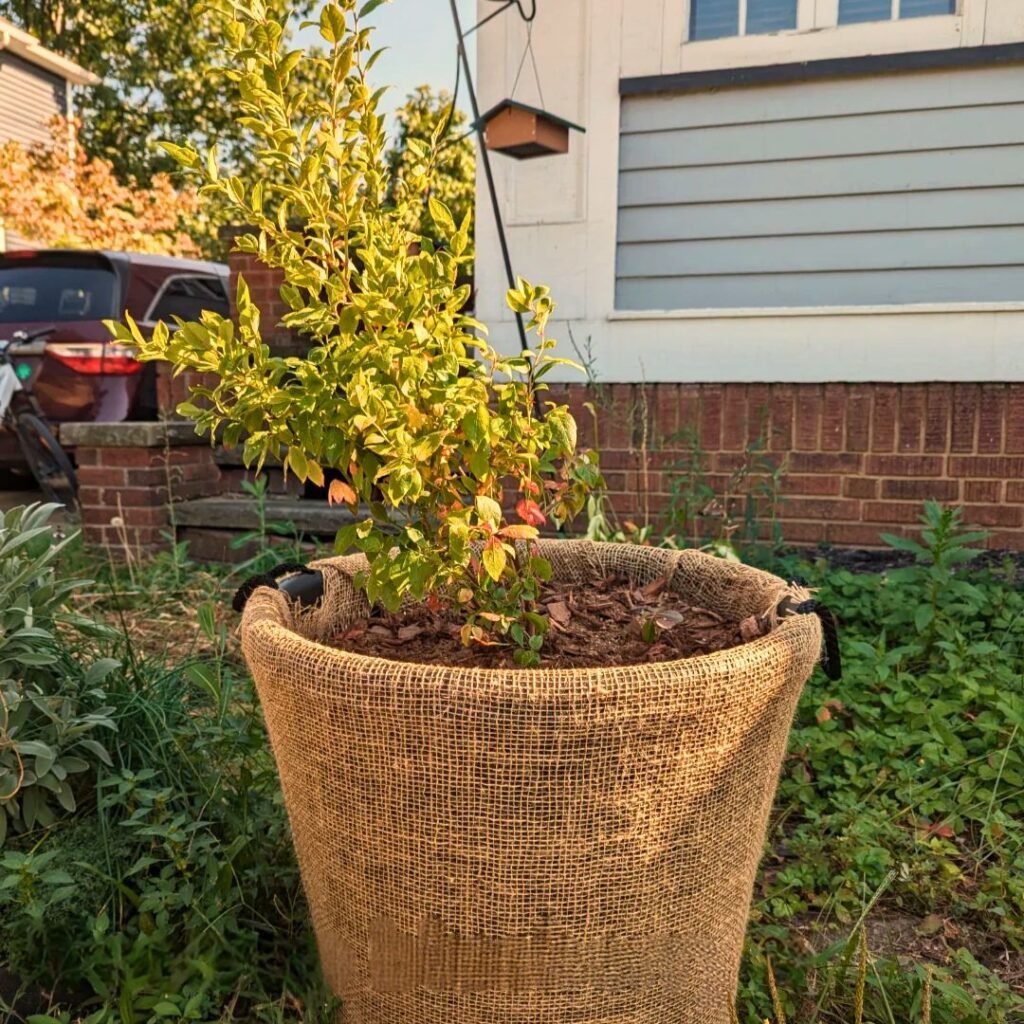
I like to layer up protection around my pots to trap warmth in the soil. Wrapping the outside with burlap, bubble wrap, or even old blankets usually does the trick.
I always leave the top open, though—plants still need water, after all. For smaller pots, sometimes I’ll stick them inside a bigger container and fill the gap with leaves, straw, or shredded paper.
It’s a quick insulation fix, and honestly, it costs nothing. Another thing I do is raise my pots off the ground using bricks or wooden slats.
Cold concrete or frozen earth will suck heat away fast, so lifting them up can actually help a lot with root damage. If I’ve got fragile plants, I huddle their pots together.
Grouping them gives a bit of shared warmth, especially if I can tuck them near a sun-warmed wall.
Weather-Resistant Materials
Some materials just handle winter better—learned that the hard way. Plastic and fiberglass pots are great because they flex when it’s cold, so they don’t crack as easily.
They’re also lighter, which is handy if I need to move them in a hurry before a frost. Metal containers can get freezing, though, so I’ll line them with cardboard or a layer of wood chips before adding soil.
That way, the roots aren’t right up against the cold metal. For clay or ceramic pots, I’ll brush on a breathable water repellent to the outside.
It keeps water from soaking in and then freezing, which is usually what causes those annoying cracks. If I’m using wooden crates or boxes, I always give them a coat of non-toxic sealant.
That helps slow down rot from snow and rain, and honestly, the natural wood look is kind of charming.
Frequently Asked Questions
I really like using everyday stuff to make winter pots that feel warm and a little bit quirky. The right materials, decent drainage, and a few fun decorations go a long way—my planters survive the cold and still look cheerful out there.
What are some creative ways to repurpose old items into plant pots for winter?
I’ve turned painted tin cans with snowflake designs into planters, used mason jars as lantern pots, and even wrapped old sweaters around regular pots. It gives a cozy, practical touch.
Can you suggest any easy DIY winter plant pot projects for beginners?
If you’re just starting out, try making teacup succulent holders or painting simple designs on tin cans. They’re both small, quick, and don’t need any fancy tools.
What materials are best suited for making upcycled plant pots that can withstand cold temperatures?
In my experience, metal cans, wooden crates, and thick glass jars do well outside in winter. Sweater wraps are great, but I usually keep those indoors or on a covered porch.
How can I ensure proper drainage in my homemade winter plant pots?
I’ll drill or poke small holes in the bottom of cans, jars, or crates. If I can’t make holes, I just add a layer of pebbles inside so the roots aren’t sitting in water.
What are some tips for decorating upcycled plant pots to brighten up my winter garden?
Seasonal paint designs, ribbons, or twine are my go-tos. Wrapping pots with old sweaters or scarves also adds a bit of texture and warmth, which I think looks great in the winter.
Could you recommend plants that thrive in upcycled pots during the winter months?
Honestly, I tend to stick with succulents, hardy herbs like rosemary, or small evergreens for my upcycled pots.
They just seem to handle the chilly months without much fuss, plus they don’t ask for a ton of attention.
Note: Some images in the articles are sourced from Reddit and Other Platforms For Reference Purpose.