5 Simple Fertilizer Alternatives to Use in Winter for Healthy Plants
Keeping plants healthy in the cold months can feel tricky, right?
The soil just doesn’t have the same spark it does in summer, and it’s tempting to think everything has to pause until spring.
But you can still give your plants a boost with easy fertilizer alternatives that actually work in winter.
I’m a fan of using everyday stuff that’s easy to find and won’t mess up your garden.
These options keep the soil lively, help growth, and honestly, make winter plant care a lot less stressful.
Please note: Simplify Plants is reader-supported. As an Amazon Associate, I earn from qualifying purchases made by our readers with no extra cost added to you all! Some links in the post are affiliate links and I get a commission from purchases made through links in the post.
1) Compost Tea

I love using compost tea in winter. It gives my plants a gentle nudge without any harsh stuff.
It’s pretty easy to make and works for both indoor and outdoor plants. I just soak some finished compost in water for a day or two, stirring now and then.
This pulls out the nutrients and all those good microbes. When it’s ready, I pour the liquid around the base of my plants and let it soak in.
The roots seem to appreciate it, especially when it’s cold and they’re not doing much.
Compost tea is especially handy for potted plants inside. It’s a simple way to show them a little extra love when the days are short.
And honestly, the best part? I use scraps and compost I already have, so it’s cheap and good for the planet.
2) Banana Peel Fertilizer
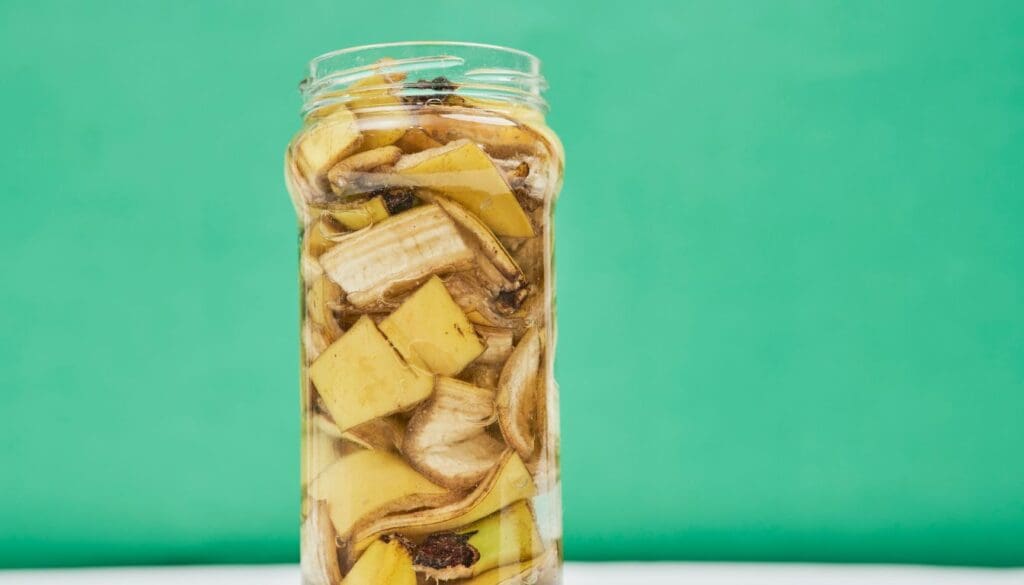
Banana peels are a go-to for me in the garden. They’re easy to get and loaded with nutrients, so why toss them out?
Banana peels have potassium and phosphorus, both of which help plants tough it out in winter. These nutrients support roots and keep stems strong.
Sometimes I chop the peels up and bury them right in the soil. They break down slowly and feed the plants as they go.
Other days, I’ll just blend them with water for a quick liquid fertilizer. Pour it at the base, and you’re done.
I like this for houseplants and garden beds alike. It’s just a simple, natural way to keep plants happy in the cold months.
3) Eggshell Powder
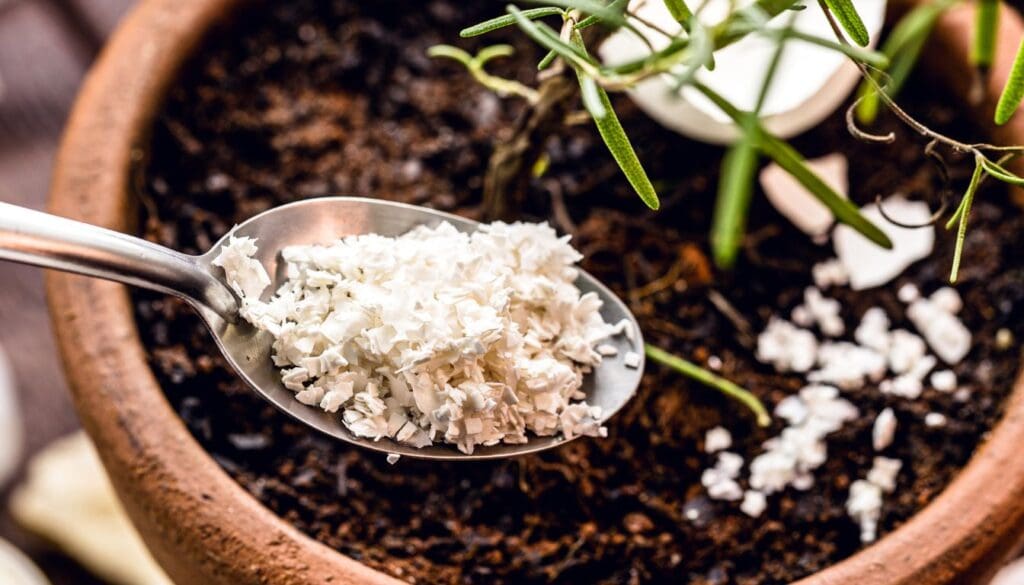
Instead of tossing out my eggshells, I save them. They’re packed with calcium, which is great for soil health, especially when things slow down in winter.
I rinse the shells, let them dry, and crush them up as fine as I can. Sometimes I use a blender or coffee grinder—makes life easier.
Then I sprinkle the powder right into my pots or garden beds. The shells take their time breaking down, so the calcium releases slowly.
It’s a free, natural way to recycle kitchen scraps and help out my plants. Plus, it mixes well with other organic stuff in the soil.
If I end up with extra, I just keep it in a jar until I need it. Handy for when I notice a plant could use a little boost.
4) Coffee Grounds

I’m always saving coffee grounds for the garden. They’re easy to get, and it feels good not to waste them.
Coffee grounds add a bit of nitrogen and help make the soil looser—roots seem to like that.
I sprinkle them on the soil or toss them into the compost. The nutrients break down over time and feed the plants gradually.
Another bonus: coffee grounds help the soil hold moisture. That’s a win when winter air dries everything out.
I don’t go overboard, though. Too much can make the soil heavy, so I stick to a thin layer or mix it in with compost.
Feels good to recycle something from my morning routine and help the plants at the same time.
5) Fish Emulsion

Fish emulsion is one of those things that just works. It’s a liquid made from fish parts and super easy to mix with water.
In winter, it’s great for indoor plants or anything in a pot. The nutrients help keep leaves green when growth slows down.
I always dilute it before using—too much is a bad idea, trust me. I just follow the directions and feed every few weeks.
It does have a strong smell, not gonna lie. But it fades fast, and I usually apply it near a window or even outside if I can.
Fish emulsion adds nitrogen for healthy leaves, which is just what leafy plants want.
It’s nice using something natural instead of synthetic stuff. Feels a bit more old-school, and my plants seem to like it.
How Winter Affects Soil Fertility
Winter really changes how soil works. I notice plants struggle more because nutrients and those tiny soil critters slow way down when it gets cold.
Nutrient Availability in Cold Weather
When the ground’s cold, nutrient movement just slows to a crawl. Plants still need nitrogen, phosphorus, and potassium, but frozen or compacted soil makes it tough for roots to get anything.
Nitrogen loss is a big deal in winter. Rain and melting snow push it deeper where roots can’t reach. Phosphorus gets stuck to soil particles in the cold, making it even harder to grab.
Moisture’s another factor. If the soil’s waterlogged from snowmelt, roots can’t breathe and nutrient uptake drops. If it’s frozen solid, roots are just out of luck.
Here’s a quick chart for how cold messes with nutrients:
| Nutrient | Winter Effect | Result for Plants |
|---|---|---|
| Nitrogen | Leaches deeper into soil | Less available for roots |
| Phosphorus | Binds to soil particles | Harder to absorb |
| Potassium | Reduced mobility in frozen soil | Slower plant growth |
Soil Microbial Activity During Winter
Soil microbes—bacteria and fungi—are the real heroes for breaking down organic stuff. But in winter, they get sluggish because they need warmth.
With fewer microbes, you get less nutrient cycling. Organic matter just sits there until things warm up again in spring.
Some microbes go dormant, almost like they’re hibernating. They don’t die, but they’re not doing much until it’s warmer.
The freeze-thaw cycle can be tough on them, but snow sometimes acts like a blanket and helps a bit.
All this means winter soil just isn’t as fertile, so you need to give it a little extra help to keep plants happy until spring.
Tips for Applying Fertilizer Alternatives in Cold Weather
I pay close attention to when and how I add fertilizer in winter. Cold soil changes everything about how nutrients move around.
Protecting roots and keeping soil healthy is key if you want plants to handle winter better.
Timing and Frequency Considerations
I never bother with fertilizer when the ground’s frozen solid. Roots can’t take in anything then. I wait for a milder day, when the soil softens up a bit.
You really don’t have to fertilize often in winter. Every few weeks is plenty, depending on what you’re using. For example:
- Compost tea: every 2–3 weeks
- Diluted fish emulsion: once a month
- Wood ash: lightly every 4–6 weeks
I always go easy on the amount. Plants just aren’t growing much, so heavy feeding is a waste. Keeping it light and steady seems to work best.
Protecting Roots and Soil Structure
After I apply any fertilizer, I cover the soil with a bit of mulch, straw, or shredded leaves. This helps keep moisture in and shields roots from sudden freezes.
It also keeps nutrients from washing away during winter rains.
I avoid walking on wet or frozen beds—compacts the soil, which roots hate. If I need to reach something, I use a board or stepping stone.
Adding organic matter like compost or leaf mold helps too. It keeps soil loose and gives roots a steady trickle of nutrients. Protecting soil now pays off big time in spring.
Frequently Asked Questions
I try to keep winter gardening simple by using stuff I already have at home. Natural ways to boost soil health and small tweaks make a big difference when it’s cold.
What household items can I use to fertilize my plants in winter?
I use banana peels, eggshells, coffee grounds, and compost tea. They’re easy to find and give plants a little potassium, calcium, and nitrogen.
How can I make compost for my garden during the colder months?
I keep a small compost bin inside for food scraps. Compost tea is another trick—I just soak compost in water and pour the liquid on the soil.
Are there any natural methods to provide nutrients to my soil in winter?
Definitely. I use fish emulsion or coffee grounds for some extra nitrogen. These natural options break down slowly, which helps even when it’s cold.
What are the best practices for applying winter-friendly fertilizers to my garden?
Go light and give the soil time to soak it up. I water just a little after applying, so nutrients settle in but don’t wash away.
Can I use mulching as a fertilization technique in winter?
Absolutely. Mulch keeps soil protected and holds nutrients in place. As it breaks down, it adds organic matter and helps the soil stay healthy.
How often should I fertilize my indoor plants during the winter season?
I usually fertilize just once a month or even less in winter. Plants really slow down when it gets colder, so they don’t need much.
Honestly, too much fertilizer can do more harm than good during these months. I just keep things light and don’t overthink it.
Note: Some images in the articles are sourced from Reddit and Other Platforms For Reference Purpose.