7 Secrets To Planting Roses At The Perfect Time
I’ve always felt that timing can really make or break a garden. Roses, with their bright blooms and sweet scent, need just the right moment to take root and thrive.
Knowing exactly when to plant roses helps them grow stronger, last longer, and bloom more beautifully. It’s one of those little things that makes a big difference.
I’ll share some simple ways to spot that perfect planting window and set up your roses for success. From sunlight and soil to pruning and watering, every step plays a part in helping your garden flourish.
Please note: Simplify Plants is reader-supported. As an Amazon Associate, I earn from qualifying purchases made by our readers with no extra cost added to you all! Some links in the post are affiliate links and I get a commission from purchases made through links in the post.
1) Plant roses in early spring after the last frost
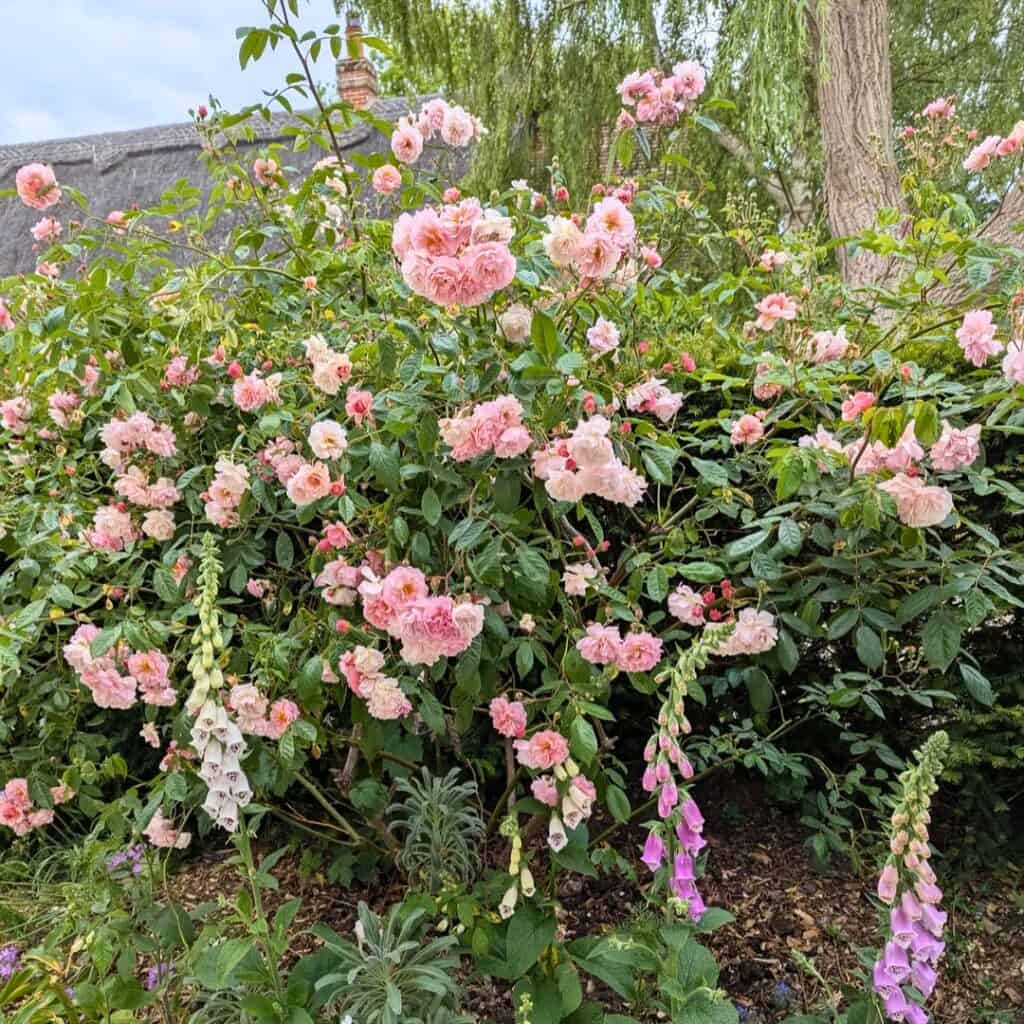
I always wait until after the last frost before planting my roses. Cold soil can mess with young roots and slow things down.
When the ground finally warms up, roses settle in faster and grow stronger. In my area, that’s usually early spring—maybe March or April, depending on the year.
I’ll check local frost dates online or ask someone at the garden center. Honestly, it’s better to wait a few extra days than risk losing new plants to a surprise frost.
Sometimes I just touch the soil—if it’s cold or soggy, I wait. Roses need loose, workable soil so their roots can spread out easily.
Once I’m sure the frost is gone, I dig the holes and water the soil a little. The plants seem to adjust better when the ground is moist but not muddy.
Warm, damp soil helps new roots take hold quickly. I usually try to plant on a mild, cloudy day if I can swing it.
Blazing sun right after planting can stress the roses out. A calm spring day feels like the best start.
By planting right after the last frost, my roses get a full season to develop. They put down healthy roots, build strong stems, and bloom like crazy through summer.
2) Choose a sunny spot with at least 6 hours of sunlight
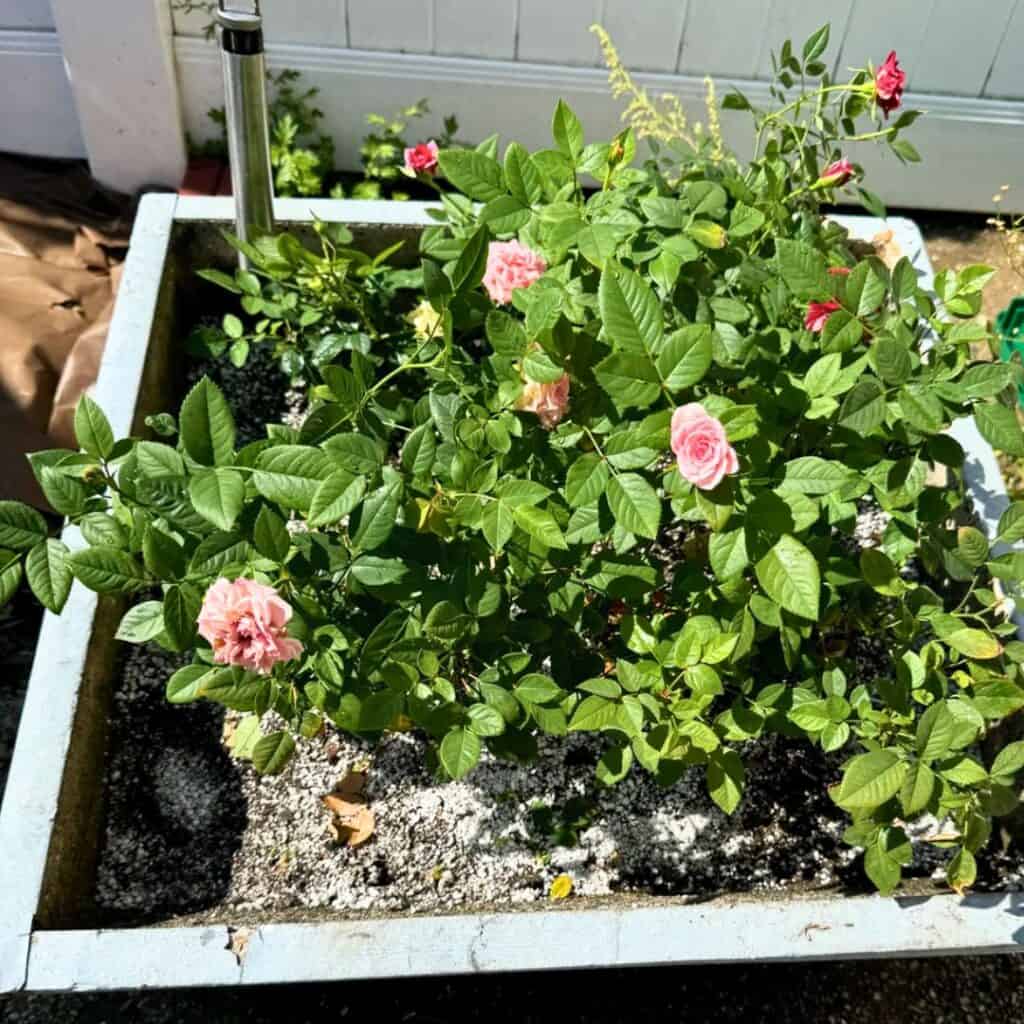
I always make sure my roses get plenty of sunlight. They really need at least 6 hours of direct sun every day to look their best.
Without enough light, they get leggy and don’t bloom much. I like to plant my roses in an open area where nothing blocks the sun.
Morning sunlight is especially good—it dries the leaves early and keeps the plants healthier. If I notice too much shade in one spot, I’ll move my roses to a brighter place.
Even a small shift can make a big difference in how they grow. I also pay attention to how the sunlight shifts during the day.
Some spots get full sun in the morning but shade in the afternoon. I go for the place that stays bright the longest.
Good sunlight means stronger stems, more buds, and better color. When I give my roses the light they need, they reward me with steady growth and gorgeous blooms.
3) Prepare soil with compost and well-draining material
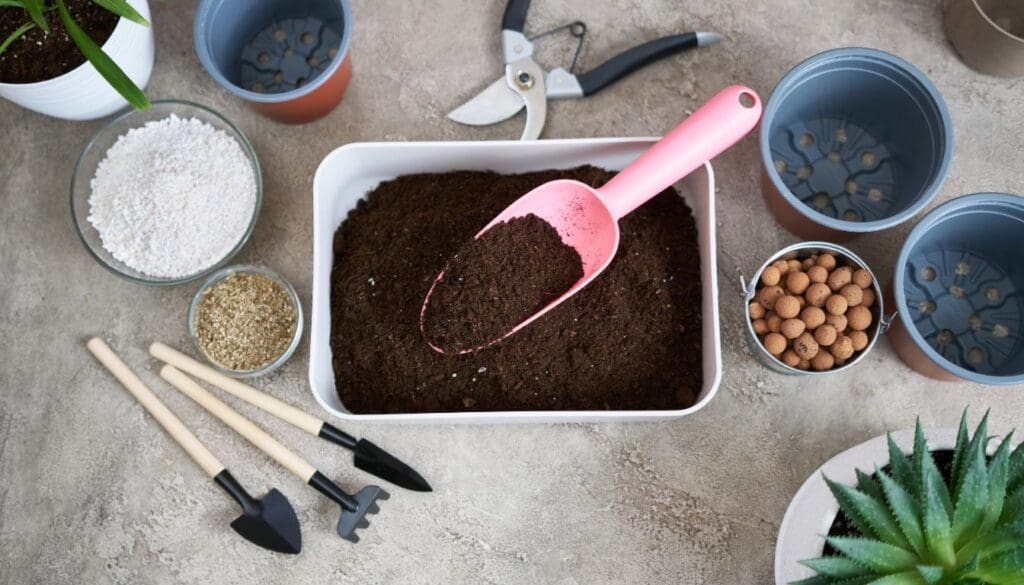
Before I plant, I always check the soil. Healthy soil makes strong, long-lasting plants. If the ground feels heavy or stays soggy after watering, I know it needs better drainage.
I mix in compost to boost nutrients and improve texture. Compost adds organic matter, which helps the soil hold just the right amount of moisture.
It also feeds helpful microbes that keep roots happy. To keep the soil from getting too dense, I add well-draining materials like sand, perlite, or small gravel.
These create tiny air spaces so water can move freely around the roots. Roses really don’t like sitting in wet soil, so this matters.
When I prep a new bed, I dig about 12 inches deep and mix everything in evenly. Loose, crumbly soil makes it easier for roots to spread and grow strong.
Before planting, I water the soil lightly to help it settle. Then I check that it feels damp but not muddy.
This balance supports healthy root growth right from the start. I’ve noticed that when I take time to prepare the soil, my roses bloom better and stay healthier through the season.
4) Prune old growth before planting new roses
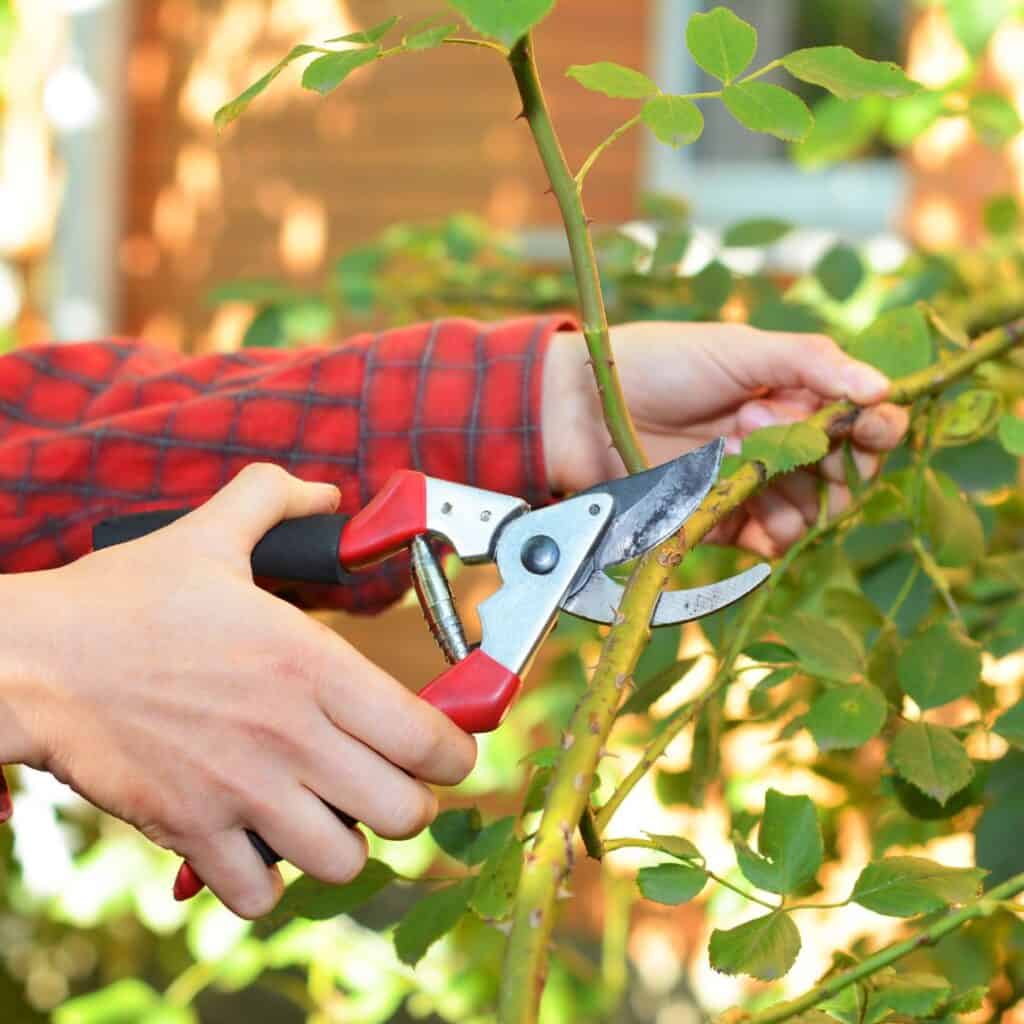
Before I plant new roses, I always prune the old growth in my garden. It keeps the area clean and gives new plants room to grow.
Old stems can carry disease or block sunlight, so removing them helps the new roses stay healthy. I start by cutting back any dead or weak branches with clean, sharp shears.
This prevents damage and helps the plant heal faster. Next, I clear away leftover leaves and debris around the base of the old rose bushes.
This step reduces pests and fungus that might harm new plants. When I prune, I make sure to cut just above an outward-facing bud.
That way, new stems grow outward, giving the plant better shape and airflow. If I spot any old roots or stumps from past roses, I dig them out completely.
New roses grow best in fresh soil without competition. After pruning, I dispose of all the old plant material instead of composting it.
That keeps diseases from coming back. Taking a little time to prune before planting makes a noticeable difference.
My new roses always grow stronger and bloom more evenly when I start with a clean, open space.
5) Water deeply but infrequently to encourage roots
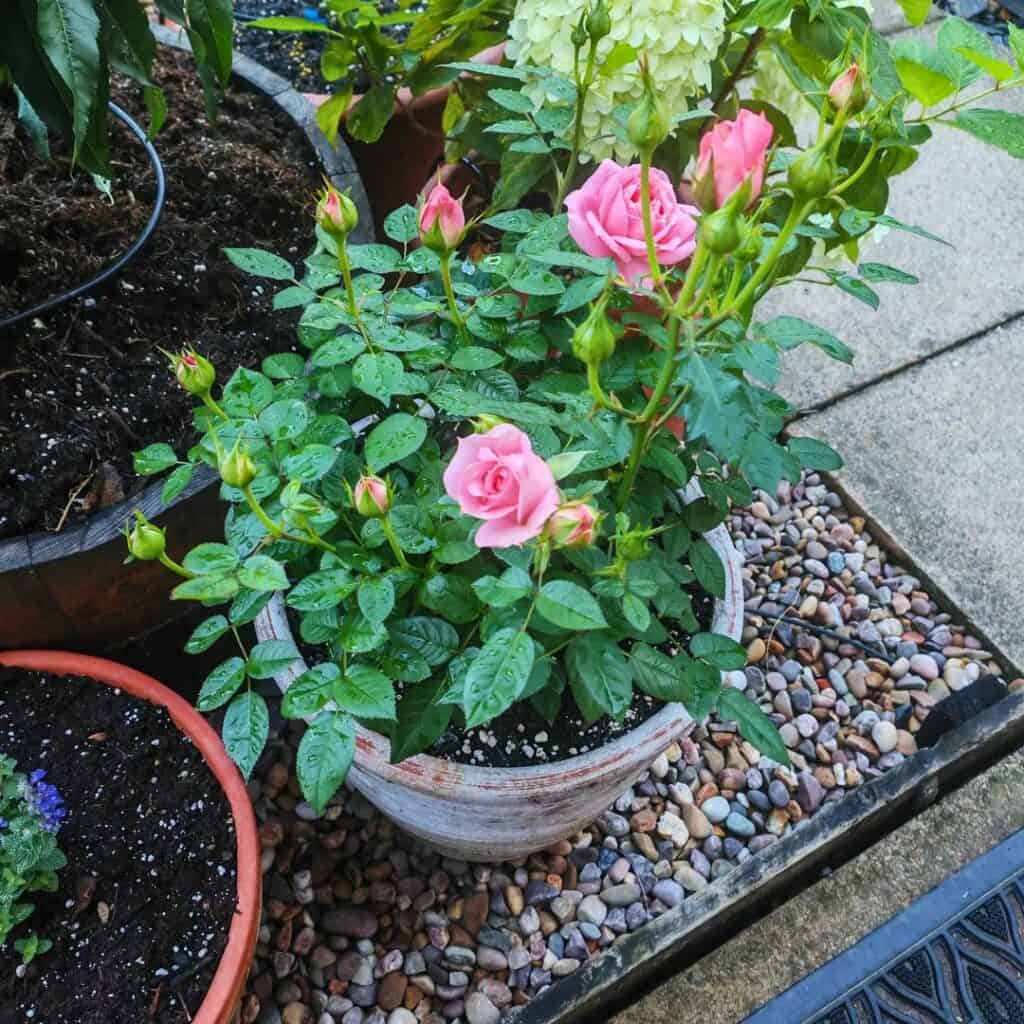
I always remind myself that roses need deep watering, not daily watering. If I water too often, roots stay near the surface and dry out fast.
Deep watering helps them grow downward, where the soil stays moist longer. I usually water my roses about once or twice a week, depending on the weather.
If it’s hot or windy, I check the soil before watering again. I stick my finger a few inches in—if it feels dry, it’s time to water.
When I do water, I soak the soil slowly and thoroughly. I want the water to reach at least 12 inches deep.
This encourages strong root growth and helps the plant handle dry spells. I avoid sprinkling water on the leaves because that can cause disease.
Instead, I water at the base so the moisture goes straight to the roots. A soaker hose or drip system makes this easier and saves water.
After watering, I like to add mulch around the base. It keeps the soil moist longer and means I don’t have to water as often.
This little step really helps keep my roses healthy and blooming.
6) Avoid planting during extreme heat or drought

I always wait for mild weather before planting my roses. Extreme heat or drought can stress new plants and make it tough for them to grow strong roots.
When the soil is too dry, it just doesn’t hold moisture well, and young roses need steady water to settle in. If I plant during a heatwave, the sun can scorch the leaves and dry out the soil way too fast.
Hot, dry air pulls moisture from the plant faster than it can absorb it. Even with regular watering, roots can struggle to keep up.
I’ve learned it’s better to plant when the weather is cooler and the soil is moist. Early spring or fall usually gives the best results.
The temperatures are gentle, and the soil stays damp longer, so roots can grow deep and strong. If there’s a drought, I hold off on planting until there’s enough rain or I can water deeply for several days.
Moist soil helps new roses adjust faster and reduces transplant shock. It’s worth waiting a bit longer to give them the best start.
I always check the forecast before planting. If a stretch of hot, dry days is coming, I just delay my plans.
Planting at the right time saves me effort and helps my roses thrive. It’s honestly one of the simplest ways to set them up for success.
7) Use mulch to retain moisture and regulate soil temperature
I always add mulch around my rose bushes right after planting. It helps the soil hold water longer, so I don’t have to water as often.
This keeps the roots healthy and reduces stress on hot days. I spread a 2 to 3-inch layer of mulch around each plant, leaving a small gap near the stem.
This way, moisture doesn’t sit against the base and cause rot. Mulch also helps regulate soil temperature.
It keeps the ground cooler in summer and warmer in winter. My roses seem to grow more evenly because they don’t face sudden changes in temperature.
I like using organic mulch—shredded bark, compost, or straw. These break down over time and improve the soil’s texture.
They also just make the garden look neat and tidy. If weeds start to show up, I add a little more mulch.
The extra layer blocks sunlight and keeps weeds from taking over. That means less time pulling weeds and more time enjoying my roses.
I check the mulch every few weeks to make sure it hasn’t compacted or washed away.
When it looks thin, I top it off to keep the layer even. Keeping up with this small task makes a big difference in how well my roses do.
Understanding Rose Growth Cycles
I pay close attention to how seasonal changes and plant behavior affect rose growth. Knowing when roses rest and when they grow helps me choose the best planting time for healthy blooms.
How Climate Influences Planting Time
Climate shapes how and when roses grow. In warm regions, roses may grow almost year-round, while in cooler areas, they need a rest period during winter.
I always check my USDA Hardiness Zone to know the best time to plant. Temperature and sunlight affect root development and flower production.
When soil stays above 50°F (10°C), roots grow faster. Too much heat or frost can stress plants and slow growth.
I use a simple guide:
| Climate Type | Best Planting Time | Key Tip |
|---|---|---|
| Cold (Zones 3–5) | Early spring after frost | Protect young roots with mulch |
| Mild (Zones 6–8) | Late winter to early spring | Water regularly during dry spells |
| Warm (Zones 9–11) | Fall or early winter | Avoid planting in peak summer heat |
By matching planting time to local climate, I give my roses the best chance to thrive.
Recognizing Dormancy and Active Growth
Roses cycle between dormancy and active growth. During dormancy, which often happens in late fall or winter, the plant slows down to conserve energy.
I avoid pruning or heavy feeding then because the plant isn’t ready to use nutrients. When temperatures rise and daylight increases, buds swell and new stems appear.
That’s when I start watering more often and adding balanced fertilizer. I look for these signs:
- Dormant phase: dry canes, no new leaves, slow growth
- Active phase: green shoots, leaf buds, quick stem growth
Recognizing these stages helps me time planting and care so my roses grow strong and bloom beautifully.
Soil Preparation for Optimal Planting
I always start with the soil because healthy roses depend on strong roots. Good soil gives them the nutrients and structure they need to grow tall and bloom fully.
I focus on testing, improving, and making sure the area drains well and gets enough sunlight.
Testing and Amending Soil
Before planting, I like to check my soil’s pH level and nutrient balance. Roses seem happiest in soil with a pH between 6.0 and 6.8.
Sometimes I’ll use a simple home testing kit, but if I’m feeling extra cautious, I’ll send a sample to the local extension office. Those results are usually spot-on.
If my soil’s too acidic, I’ll grab some garden lime. For soil that’s too alkaline, I’ll mix in sulfur or toss in some organic compost—roses just love that stuff.
Compost isn’t just about nutrients; it really helps the soil’s texture, too. I always check how the soil feels before planting.
Roses do best in loamy soil—you know, that crumbly texture that holds moisture but doesn’t stay wet. If I’m dealing with heavy clay, I’ll add coarse sand and compost.
For sandy soil, more organic matter helps it hang on to nutrients a bit better. It’s a bit of a balancing act, honestly.
Here’s a quick cheat sheet I use:
| Soil Type | What to Add | Purpose |
|---|---|---|
| Clay | Compost + Sand | Improve drainage |
| Sandy | Compost + Peat Moss | Increase moisture retention |
| Loam | Minimal changes | Maintain balance |
Drainage and Sunlight Considerations
Good drainage is non-negotiable—roses really hate wet feet. Standing water is just asking for root rot and sad, weak plants.
To check drainage, I dig a hole, fill it with water, and see how fast it disappears. If it’s still there after an hour, I’ll either raise the bed or mix in more sand and compost.
Roses crave at least six hours of sunlight a day. I look for a spot that gets bright morning sun but has a bit of afternoon shade—otherwise, the heat can be too much.
If I’m planting near a wall or fence, I make sure there’s space for air circulation. Dry leaves mean fewer fungal issues, and honestly, it just keeps the plants happier.
Frequently Asked Questions
I’ve found that timing, soil warmth, and sunlight really make a difference when planting roses. Watching local weather and paying attention to daily conditions gives my roses a solid start.
What’s the best season to start planting roses for optimal growth?
I usually plant my roses in early spring after the last frost. The soil’s warming up, and the plants get a head start before summer hits.
How can I tell if the soil temperature is right for planting roses?
I just touch the soil—it should feel cool but not cold. If I’m unsure, I’ll check with a soil thermometer; around 60°F (15°C) seems perfect for roots to get going.
Can you suggest any tips for timing rose planting with the local climate?
I always watch local frost dates and wait until nights are reliably above freezing. In warmer places, I might start sooner, but I avoid planting if the ground’s soggy or still frozen.
What signs should I look for to plant roses at the right time in my garden?
I look out for consistent mild days and notice when new growth pops up on nearby plants. That’s usually my cue that the soil and air are ready for new roses.
How does the timing of planting roses affect their bloom cycle?
When I get the timing right, my roses bloom earlier and just look healthier all season. If I plant late, the blooms lag behind and the plants can get stressed.
Is there an ideal time of day for planting roses that could help them thrive?
Honestly, I like to get roses in the ground either in the morning or late afternoon. The sun isn’t as harsh then, which gives the roots a chance to settle in before dealing with the heat.
It just seems to help with transplant shock, too. Maybe that’s just me, but it’s worked out pretty well so far.
Note: Some images in the articles are sourced from Reddit and Other Platforms For Reference Purpose.