6 Fall Repotting Tools You Didn’t Know You Needed
When fall rolls around, I always feel like it’s the right moment to refresh my plants by repotting. It’s just good for their growth and helps them stay healthy when the cold sets in.
Honestly, having the right tools really changes everything. With a few special picks, repotting gets so much smoother—sometimes I wonder how I managed without them.
Please note: Simplify Plants is reader-supported. As an Amazon Associate, I earn from qualifying purchases made by our readers with no extra cost added to you all! Some links in the post are affiliate links and I get a commission from purchases made through links in the post.
1) Fiskars Ergo Trowel
The Fiskars Ergo Trowel is honestly one of my top choices for fall repotting. The handle is curved and actually feels comfortable, so I can dig for a while before my hand gets tired.
The metal scoop is sturdy, which means it can handle tough or clay-heavy soil without any drama. I never worry about it bending or snapping.
It’s also lightweight, which I appreciate when I’m moving from plant to plant. Lugging heavy tools around just isn’t my thing.
The shape of the trowel’s end lets me scoop and move soil right where I want it. It keeps messes to a minimum, even in those tiny pots that always seem to spill everywhere.
Cleaning it? Super easy. I just rinse it off and it’s good as new.
Even when I’m wearing gloves, the handle doesn’t slip out of my hand. That alone saves me time and headaches.
I keep this trowel close by whether I’m outside or working with my houseplants. It’s the perfect size for most jobs, so I’m not constantly switching tools.
Repotting feels a lot less like a chore with the Fiskars Ergo Trowel. For such a simple tool, it really makes a difference.
If you’re hoping to make repotting less of a hassle, I’d definitely recommend giving this trowel a try. I wouldn’t want to be without mine, especially in the busy fall season.
2) Classic Hand Pruner
I honestly can’t picture repotting in fall without my Classic Hand Pruner. It’s my go-to for trimming roots, snipping dead leaves, and shaping up plants as I go.
Those blades are sharp and precise—seriously, they cut through thick roots without any fuss. No awkward sawing back and forth.
The handles actually fit my hand, which is more than I can say for a lot of tools. Even when things get messy, they don’t slip.
There’s this safety lock that keeps the pruner closed, so I can toss it in my apron pocket without worrying it’ll pop open.
I use it every time I repot. The cuts are clean, which really helps my plants heal up quickly.
Cleanup is easy too. Just a quick wipe and it’s ready for next time.
The Classic Hand Pruner is practical and, honestly, I trust it to last me through many fall seasons.
3) Burpee Garden Kneeler and Seat
I’m a big fan of the Burpee Garden Kneeler and Seat. It just makes fall repotting so much easier on my knees and back.
Kneeling on cold, hard ground is the worst, but the cushion on this thing saves me every time. If I want to sit, I just flip it over and—boom—it’s a sturdy seat.
It’s strong enough to hold me but not so heavy that dragging it around feels like a workout. The handles are a lifesaver when I need to stand up after crouching for a while.
There are pockets on the side for tools, which is honestly genius. I keep my trowel, gloves, and pruners right there so I’m not constantly running back and forth.
I even use the kneeler inside for my houseplants. Works great on tile or wood, and my knees stay clean.
It folds up easily, so when I’m done, I just stash it in the shed or closet. Doesn’t hog up much space at all.
The Burpee Garden Kneeler and Seat keeps my repotting sessions comfortable and way more organized.
4) Bonsai Soil Scoop
I stumbled on the Bonsai Soil Scoop last fall and, wow, it’s changed how I repot. It’s bigger than a regular trowel, so I can move more soil in one go.
The scoop’s shape actually keeps dirt from spilling everywhere. When I’m working with potting mix, it helps keep my space a lot cleaner. The tall sides are great for scooping soil, compost, or even bark chips without making a mess.
The grip is soft and comfortable, so my hand doesn’t get sore after a bunch of pots. I can keep at it longer without complaining.
The tip is strong, which makes digging into heavy or packed soil a breeze. It’s way better than those flimsy plastic scoops I used to use.
Cleanup is a snap. I just rinse it and move on.
I use this thing for everything—mixing fertilizer, spreading mulch, even scooping gravel for pot bottoms. It’s surprisingly versatile.
It’s sturdy, light, and I haven’t seen a speck of rust. When I’ve got a lot of repotting to do, this scoop really speeds things up.
If you want to keep things neat and save some time, this tool is a solid pick. Now, I reach for my Gardena Soil Scoop every fall.
5) Spear & Jackson Felix Cobb Trowel
I’m always on the lookout for tools that make repotting faster and less messy. The Spear & Jackson Felix Cobb Trowel is a recent find, and I’m honestly loving it.
It’s got this unique, narrow, curved blade that makes digging into soil way easier than with standard trowels. It fits into tight pots, so I’m not constantly spilling dirt everywhere.
The handle is smooth and sturdy, which means my hand doesn’t get tired. Even with wet gloves, I feel like I’ve got a good grip.
It’s lightweight, which really helps when I’m repotting a bunch of plants in one go.
The metal is strong but not too heavy. I haven’t had any issues with bending, even when I’m dealing with tough roots or dense soil.
What I really like is how precise it feels with both small and medium plants. Repotting succulents or houseplants is just less of a hassle.
Cleaning is a breeze. The blade’s smooth, so dirt doesn’t stick much—a quick wipe is all it takes.
Since adding the Spear & Jackson Felix Cobb Trowel to my kit, repotting has been so much less stressful. If you want something simple but effective, give this one a shot.
6) Hori Hori Garden Knife
The Hori Hori garden knife is honestly one of my favorite tools for repotting. It’s kind of a mix between a small shovel and a knife, and it stands out in my tool bucket.
I use it to slice through tough root balls. One side is sharp, the other is serrated, so I can cut, dig, and pry without much effort.
The blade has measurements, which makes it easy to see how deep I’m digging. Super handy when I want to get the depth just right.
The pointed tip is great for getting roots out of tight pots without damaging the plant. I trust it a lot more than my hands or a regular trowel for that.
Soil can get everywhere, but the Hori Hori cleans up fast. I just wipe it down and I’m done.
The handle is comfy and gives me plenty of control, especially for careful jobs.
If I could only pick one tool for repotting, I’d probably go with this one. The Hori Hori just makes everything quicker and easier.
Why Seasonal Repotting Matters
I really believe that repotting in the fall makes a big difference in my plants’ health. The cooler months are a chance to refresh their space and get them ready for the changes ahead.
The Impact of Autumn on Plant Health
Once fall hits, days get shorter and temperatures start to dip. My plants notice the shift just as much as I do.
Growth slows down, and some plants even take a rest until spring. Repotting now lets me catch root problems or crowded pots before winter sets in.
It’s also the perfect time to check for pests or rot that could become a bigger issue in damp, cold weather. Since plants aren’t growing like crazy, they’re less stressed by the move.
Giving them a clean start in autumn helps them handle winter better, so they can bounce back strong in spring.
Preparing Soil and Roots for Cooler Weather
Clean, healthy soil is the secret to happy roots in fall. I always check to make sure my soil drains well and still has nutrients left.
Fall is the time I swap out old, compacted dirt for fresh potting mix. Roots need some space, even if they’re not growing much in the cold.
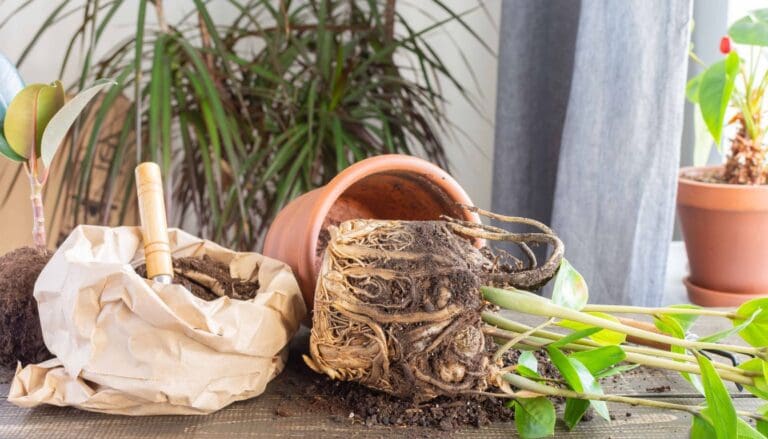
I gently brush off old soil and trim any dead or mushy roots I find. It’s a simple way to keep plants from getting sick during the damp months.
A new layer of soil helps balance moisture and shields roots from sudden temperature changes. When I’m done, I know my plants are better set for the season.
How to Maximize Your Repotting Results
I want my plants to bounce back after repotting, so I focus on keeping things as stress-free as possible. Clean tools and a little extra care go a long way.
Tips for Minimizing Transplant Shock
When I repot, I’m careful with the roots—no rough handling. I water my plants the day before so the roots are moist and easier to work with.
If roots are tangled, I use my fingers or a clean tool to gently loosen them. No yanking.
I always pick a pot just one size up from the last. Too much space means extra soil, and that can hold water and cause rot.
After moving the plant, I fill in with fresh soil and press it down lightly. I water just enough to settle things.
One last tip: avoid direct sunlight for a few days after repotting. It helps the plant adjust without extra stress.
Sterilization Practices for Fall Tools
Before I dive in, I always double-check that my tools are actually clean. Dirty tools can carry harmful germs between plants.
I like to wash everything with hot, soapy water, then dry them off pretty well. For extra peace of mind, I’ll wipe the blades of my scissors and pruners with rubbing alcohol.
I usually let the tools air dry for a minute or two before using them. If I spot any signs of disease, I’ll dip my tools in alcohol again between plants—maybe I’m a bit paranoid, but better safe than sorry.
Even the little stuff, like stakes or pots, gets rinsed and dried. Clean tools help prevent disease and keep my plants healthier after repotting.
Frequently Asked Questions
People ask me all the time about the best repotting tools and how to actually use them when fall comes around. The right gear honestly makes the work faster, safer, and, let’s be honest, a lot more enjoyable.
What are some essential tools for repotting plants in autumn?
I always grab my Fiskars Ergo Trowel and a sturdy hand pruner—usually the Classic Hand Pruner. A good trowel makes digging and loosening soil way easier, and the pruner is perfect for trimming roots and branches.
Can you recommend any unique gadgets that aid in fall plant repotting?
The Burpee Garden Kneeler and Seat surprised me with how useful it is. It gives my knees a break, or sometimes I just sit on it and take my time during longer sessions.
What should I look for when choosing repotting tools for my garden this fall?
I always go for tools with comfortable handles that actually fit my hand. Stainless steel is great—it doesn’t rust as easily, and tools that clean up fast just save me headaches.
Are there any underrated tools that can make repotting easier during the fall season?
The Gardena Soil Scoop is one I ignored for a while. It holds way more dirt than my old trowel, so I can move soil faster and keep things tidier.
Could you suggest any multifunctional repotting tools perfect for autumn gardening?
The Burpee Garden Kneeler and Seat does double duty as both a kneeler and a seat, which I love. I’m also a fan of trowels with measurement marks, like the Spear & Jackson Felix Cobb Trowel—it’s just handy for getting bulbs at the right depth.
What are the must-have tools for repotting my plants safely as the weather cools down?
Honestly, I can’t go without a good trowel and a sharp pruner—makes things so much easier. A sturdy kneeler is also a lifesaver when the ground starts to get cold.
Keeping your hands safe and your back comfortable just feels more important when there’s a chill in the air. Plus, who wants to end up with sore knees after a quick afternoon of gardening?
Note: Some images in the articles are sourced from Reddit and Other Platforms For Reference Purpose.