17 Best Deer-Resistant Ground Cover Plants
I love keeping my garden bursting with color and life, but honestly, it’s super frustrating when deer munch plants faster than I can plant them.
Over the years, I’ve found that some plants naturally keep deer away—no fences or sprays needed.
Finding the best deer-resistant ground covers has saved my garden and made it way easier to care for.
Here, I’m sharing my top picks that look good year after year. You’ll see which ones spread out nicely, add texture, and hold up against hungry wildlife.
Each plant has its own vibe and purpose, so it’s not hard to mix and match for a space that’s both beautiful and healthy.
Please note: Simplify Plants is reader-supported. As an Amazon Associate, I earn from qualifying purchases made by our readers with no extra cost added to you all! Some links in the post are affiliate links and I get a commission from purchases made through links in the post.
1) Creeping Thyme

I’m a big fan of Creeping Thyme—it’s tough, stays low, and smells fantastic. It spreads fast, making a soft green mat with tiny purple or pink flowers that pop up in late spring and summer. Deer don’t seem to care for it, which is a huge relief for my sunny spots.
It loves full sun and well-drained soil, and honestly, it seems to do best in dry spots where other plants just give up. Once it’s settled, it barely needs water and can handle a bit of foot traffic, so I like tucking it between stepping stones.
I often use it to fill in gaps along the borders. The dense growth keeps weeds at bay, so I spend less time yanking them out. Plus, it brings in bees and butterflies—always a nice bonus.
There are a bunch of varieties to pick from. Some are super short, under two inches, while others get a little thicker and form a soft carpet. No matter which kind, I always get that nice pop of color and a fresh scent.
I usually give it a trim after it flowers. That keeps it compact and encourages new growth. Since it roots from the stems, I can just move bits to new spots when I want.
Every time I brush past it, the scent drifts up and, honestly, it just makes the whole garden feel more inviting.
2) Ajuga (Bugleweed)

I really like Ajuga, or Bugleweed, because it spreads fast and fills bare spots before I even realize they’re there. Its low, dense leaves block weeds and add color to shady or partly sunny places. The foliage comes in green, bronze, and even purple, so there’s always a little extra interest.
In spring, the short spikes of blue or violet flowers catch my eye. They’re not around for long, but the leaves look good most of the year.
Ajuga is super easy to care for, honestly. It grows in average soil and doesn’t mind a bit of dryness once it’s established. I only bother watering when things get really dry, and it barely needs trimming.
Deer seem to ignore it, which is perfect for those tricky spots where other plants get eaten. I’ve used it under trees, along walkways, and in small spaces where I want something steady and low-key.
I like planting Ajuga where I need color but don’t want a lot of fuss. As long as it gets some shade and moist soil, it does its thing. Over time, it forms a thick mat that spreads on its own, so it’s become one of my favorite deer-resistant ground covers.
3) Liriope (Lilyturf)

I like Liriope, or Lilyturf, because it adds texture and color to those shady areas where grass never seems to work. The narrow, grass-like leaves and little spikes of purple or white flowers in late summer are a nice touch. The green leaves stay neat most of the time, giving my garden a tidy feel.
It’s super tough and low-maintenance. Once it’s going, I barely water it. It handles sun or shade and isn’t picky about soil. I pop it along paths, under trees, or in borders.
The best part? Deer almost never touch it. I get deer in my yard all the time, and they just move right past my Liriope beds.
Liriope spreads slowly by rhizomes, making thick mats that help keep weeds down and stop soil erosion. I usually trim the old leaves in early spring to keep it looking sharp.
There are two main types: Liriope muscari (clumping) and Liriope spicata (spreads faster). I go for muscari when I want tidy borders and spicata when I want quick coverage.
It adds subtle color and texture without much work. With its resilience, easy care, and deer resistance, it’s one of my go-tos for ground cover.
4) Lamb’s Ear (Stachys byzantina)
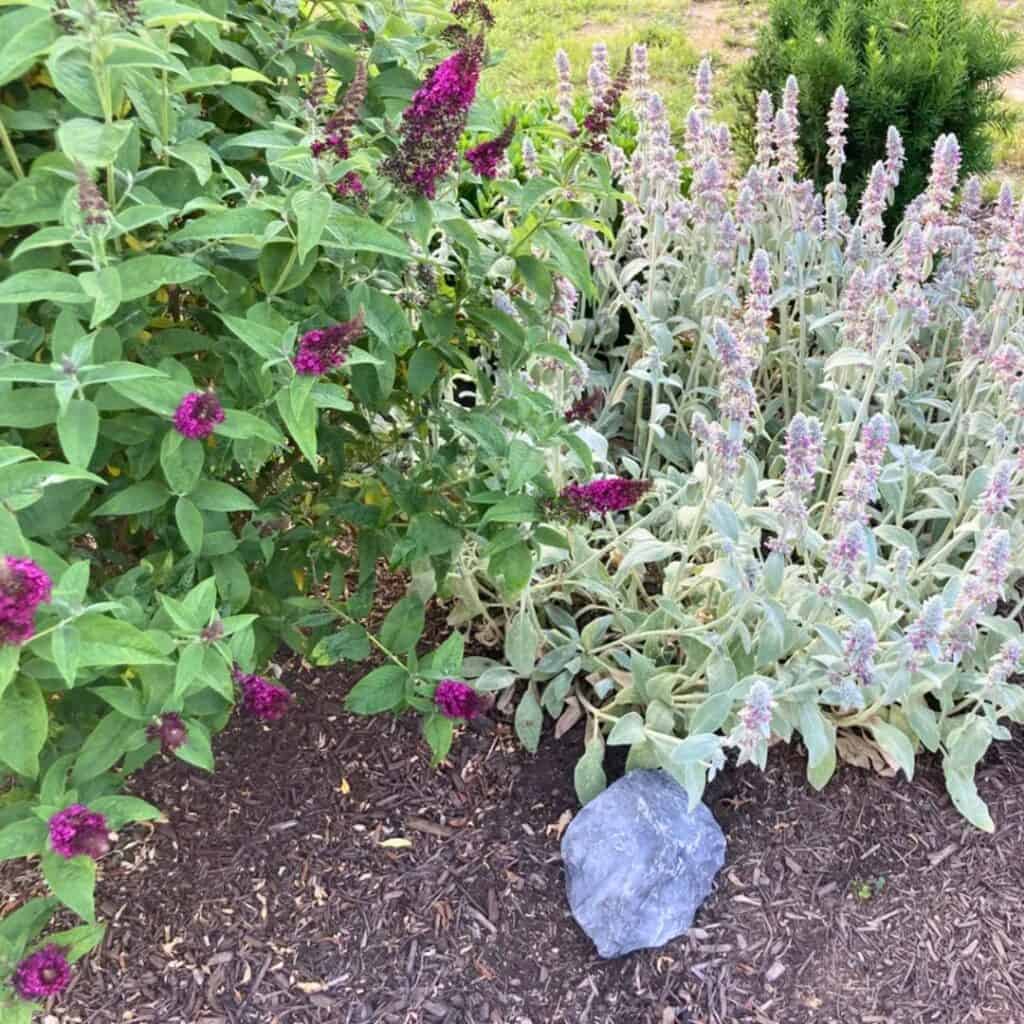
I just love how Lamb’s Ear feels—those fuzzy, silver-gray leaves are so soft and really brighten up a spot. It forms neat clumps that slowly spread, so you get a carpet look that’s easy to keep in check.
Deer aren’t fans of the fuzzy texture or the mild scent. That’s a win for me, especially in areas where deer wander through. Even when other plants get chewed up, Lamb’s Ear usually stays untouched.
It likes well-drained soil and full sun, but I’ve had it do fine with a little shade. I water it lightly, since it doesn’t like wet feet. Once it’s settled in, it’s pretty much hands-off.
In summer, it sends up short flower spikes with little pink-purple blooms. Sometimes I trim them off to keep the leaves looking good, but other times I leave them for a bit of color.
I use Lamb’s Ear along borders and walkways, and between stepping stones. It handles light foot traffic and softens the edges of paths. The silvery leaves also make nearby plants look even greener.
It spreads, but not in an aggressive way, so it’s easy to shape. A quick trim keeps it neat and encourages fresh growth. Low maintenance and deer-resistant—honestly, it’s hard to beat for easy, good-looking ground cover.
5) Sweet Woodruff

I’m a big fan of how Sweet Woodruff brings a soft, natural vibe to shady spots. The little star-shaped white flowers show up in late spring, giving me a gentle carpet of green and white. Its fine leaves form a dense mat that keeps weeds out—less work for me.
This one does best in partial to full shade, so it’s perfect under trees or along shady paths. It spreads quickly in moist, well-drained soil, but it doesn’t take over. If it gets a bit wild, I just trim or divide it.
One thing I love is the fresh, hay-like scent when the leaves are crushed or dried. I sometimes tuck the dried leaves in sachets around the house because the smell is just so pleasant.
Deer usually steer clear of Sweet Woodruff, so I don’t worry about damage even in deer-heavy areas. It’s a solid pick for low-maintenance, deer-resistant ground cover.
It stays nice from spring through fall. Even when it’s not blooming, the bright green foliage keeps the ground looking healthy. For me, Sweet Woodruff is the perfect mix of beauty, simplicity, and practicality.
6) Bearberry (Arctostaphylos uva-ursi)

I really like Bearberry—it’s tough and honestly, a bit underrated. It forms a dense mat of shiny green leaves that stick around all year. In spring, I spot tiny pink-white flowers that turn into bright red berries later on.
Bearberry spreads slowly with trailing stems, so it’s great for covering rocky slopes or sandy spots. It thrives in poor, well-drained soil where other plants just give up. Once it’s established, it tolerates drought, which means less work for me.
Deer almost never touch it, which is a huge plus, especially near the woods. The leaves are tough and not tasty to most wildlife. Even when other plants get nibbled, Bearberry usually looks untouched.
It stays low—just a few inches tall—but can spread out a few feet wide. That makes it perfect for a smooth, green carpet under trees or along paths. I hardly ever need to trim it.
Bearberry likes full sun, but it’ll handle a bit of shade if the weather’s hot. I’ve learned not to overwater since it hates soggy soil. Once it’s settled in, it’s a hardy, long-lived favorite.
7) Vinca Minor (Periwinkle)

I like Vinca minor, or periwinkle, because it’s almost too easy to grow. It spreads fast and stays low, covering bare patches with shiny green leaves. The little lavender-blue flowers give a soft hint of color in spring and sometimes again in fall.
It does well in sun or partial shade, so I can use it in lots of different spots. Under trees where grass won’t grow? No problem. Once it’s established, it barely needs water, so it’s a solid choice for low‑maintenance areas.
Deer typically ignore Vinca minor, which is a lifesaver. I put it along borders or in shaded corners and don’t have to worry about deer wrecking it. Pests aren’t much of an issue either, so it’s pretty stress-free.
It’s also just tough and adaptable. It helps hold soil on slopes, cuts down on weeds, and stays green most of the year. I just trim it back once or twice a year if it starts to take over.
When I want something simple and reliable that keeps things green, I always end up planting more Vinca minor.
8) Sedum (Stonecrop)

I love Sedum, or Stonecrop—it stays colorful and tough when other plants start to fade. It’s honestly one of the easiest ground covers I’ve tried, and deer don’t bother with it. The thick, fleshy leaves store water, so it survives in those dry, tricky spots.
Sedum comes in all sorts of shapes and sizes. Some types spread low, others form small clumps. The tiny star-shaped flowers show up in summer and bring in bees and butterflies, which is always a win.
It likes full sun and well-drained soil. I’ve seen it thrive in rocky paths, along edges, or even between stepping stones. Once it’s settled, it barely needs any water.
I like mixing different Sedum varieties for fun contrasts—green, pink, gold leaves, all together. They stay neat and spread slowly, creating a patchwork effect.
Because deer ignore Sedum, I can plant it out in the open without worrying. Even in heat or drought, it keeps its color and shape. It’s just a simple, reliable way to add texture and charm to any garden.
9) Japanese Spurge (Pachysandra terminalis)

I love using Japanese Spurge when I need a solid ground cover for shady spots. This evergreen spreads quickly, forming a dense mat of glossy green leaves that look fresh all year.
It really perks up those dull corners of my garden, even in winter. Once it’s settled, I barely have to fuss over it.
Partial to full shade is best, and it prefers moist, well-drained soil. I’ll water it regularly during its first season, but after that, only if things get really dry.
Deer don’t seem interested in this plant, which is a relief since they’re always wandering through my yard. The thick foliage helps suppress weeds and keeps the soil from eroding, which honestly saves me a lot of work.
In early spring, I spot small white flowers popping up above the leaves. They’re not dramatic, but they add a gentle touch before new growth kicks in.
I usually tuck Japanese Spurge under trees or along shaded borders. It’s also great for walkways or woodland gardens where grass just won’t cooperate.
Once the plants fill in, the area looks neat, green, and so easy to handle. To keep things tidy, I trim back any thin or crowded patches each spring.
If runners start creeping out of bounds, I just pull or snip them. That’s about all it takes to keep things in check.
This plant spreads by rhizomes underground, so I give it some space or use edging to keep it contained. With a bit of planning, it turns into a low-maintenance, reliable ground cover that stays good-looking all year.
10) Blue Star Creeper (Isotoma fluviatilis)

I love how Blue Star Creeper fills empty spots with a soft green carpet and tiny blue flowers. It hugs the ground and spreads fast, making it perfect for paths, borders, or between stepping stones.
The little blooms show up from spring through summer, adding a cheerful vibe without any real hassle. This plant stays low—under 3 inches—so it’s never going to crowd out anything else.
I find it does best in full sun to partial shade and likes moist, well-drained soil. It handles a bit of foot traffic, so it’s super handy for garden paths or patios.
Another bonus: deer usually leave it alone. If you’ve got deer, that’s a huge plus.
It’s also not fussy about pests, which keeps it looking neat with not much effort. Blue Star Creeper spreads by little stems that root as they go.
I keep it from taking over by trimming the edges or pulling out extra bits in spring. It fills space quickly but doesn’t get out of hand as long as I give it a little attention.
I love using it around stepping stones—it softens hard edges and keeps weeds down. The blue flowers really pop against the green, and it stays green most of the year if winters aren’t too harsh.
It’ll handle short dry spells, but honestly, it looks its best if I keep it a bit moist. A quick watering during long dry stretches keeps it lush and tidy.
It’s tough, dependable, and just quietly pretty—works in both shady corners and sunny patches, which is kind of rare.
11) Snow-in-Summer (Cerastium tomentosum)

I love how Snow-in-Summer brightens up my garden with its soft, silvery leaves and clusters of white flowers. It forms a low, dense mat that looks like a dusting of snow, even when it’s warm out.
This plant is a real help because it’s deer-resistant. Deer seem to ignore its fuzzy leaves, so I don’t have to replant after every grazing season.
It spreads quickly and fills bare spots where other plants might struggle. Snow-in-Summer thrives in full sun and needs well-drained soil.
I’ve found it actually prefers slightly dry spots over damp ones. Once it’s settled in, it’s pretty drought-tolerant, which means less work for me.
After it blooms, I trim it back to keep things tidy and encourage fresh growth. The little white flowers show up in early summer and stick around for weeks.
It’s great along borders, between stones, or tucked into garden gaps. The silvery foliage really makes brighter flowers nearby stand out.
I think it looks especially nice spilling over low walls or edging pathways. If I’m honest, Snow-in-Summer is one of the lowest-effort plants I have.
It gives a lot of brightness with hardly any care. For anyone wanting a tough, deer-resistant ground cover that livens up the yard, this one’s a winner.
12) Heuchera (Coral Bells)
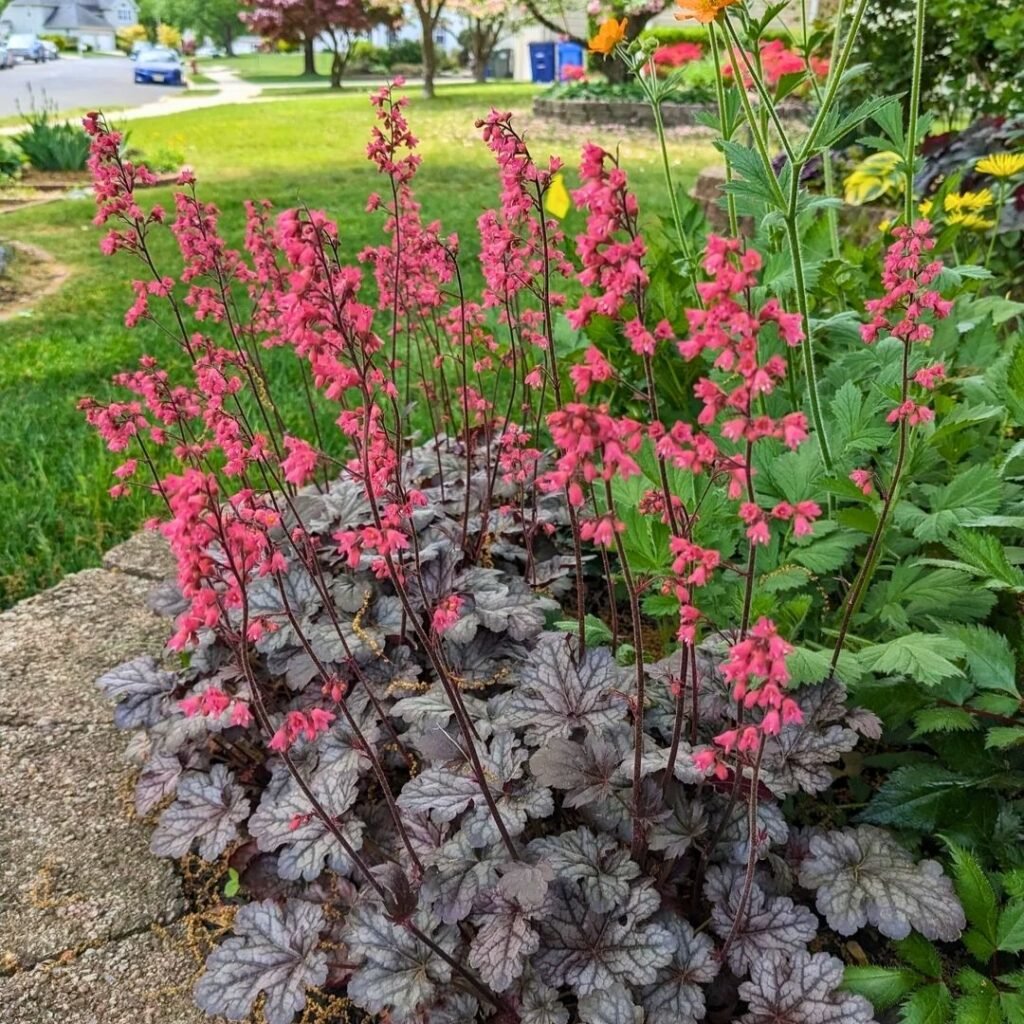
I love Heuchera, or Coral Bells, for its colorful leaves and how simple it is to grow. It’s definitely one of my favorite ways to fill shady spots without worrying about deer.
The leaves come in all sorts of shades—deep purple, bronze, bright lime green—and have a nice texture. It grows in tidy mounds, working well as ground cover or for edging paths and beds.
I like how it stays good-looking through multiple seasons, even when other plants fade. The airy flower spikes that pop up in late spring or summer add a gentle touch of color.
Heuchera does best in partial shade and well-drained soil. I don’t have to do much for it beyond watering during dry spells.
The leaves sometimes change color with the seasons, which gives my garden little surprises year-round. One reason I keep planting Coral Bells is because deer usually leave them alone.
That’s a huge bonus in areas with browsing animals. I also love that they attract hummingbirds and pollinators but don’t seem to invite pests.
When I mix Coral Bells with other shade-lovers, it adds a soft texture and some natural variety. They spread gently but stay neat, so I’m never worried about them taking over.
Every few years, I divide mature plants to keep them healthy and share extras with friends. Heuchera gives me color, texture, and reliability in one compact plant.
It’s just an easy pick for a low-maintenance landscape that deer tend to skip.
13) Wintercreeper (Euonymus fortunei)

I really like Wintercreeper because it stays green all year and spreads easily. It forms a thick mat that blocks weeds and covers bare soil, and those small, glossy leaves keep my garden looking fresh, even in winter.
This plant can handle sun or shade, so it’s pretty flexible. I’ve planted it under shrubs, around trees, and along borders, and it just seems happy wherever it goes.
It tolerates different soil types, so I don’t stress much about placement. One thing I appreciate is how deer usually avoid Wintercreeper.
That’s a big deal for me since deer can wreck other plants. Wintercreeper also works as a ground cover or climbing vine.
If it finds a wall or trellis, it’ll climb and add some height. On the ground, it spreads quickly but stays neat if I trim it every so often.
It holds up well through heat, cold, and dry spells. Once it’s established, it barely needs water, but I’ll check the soil sometimes just in case.
If I could give one tip, it’s to prune it regularly. That keeps it full and stops it from wandering where it shouldn’t.
With a bit of attention, Wintercreeper makes a reliable, easy-to-grow ground cover that looks good no matter the season.
14) Foamflower (Tiarella cordifolia)

I love how Foamflower brightens up shady spots in my garden. It grows low to the ground, forming a dense mat of heart-shaped leaves.
In spring, it sends up delicate white or pink flower spikes that look soft and airy. This plant spreads slowly by runners, filling bare areas without becoming a nuisance.
I find it useful under trees or along paths where other plants just don’t thrive. The leaves often have pretty patterns or hints of red, so there’s always something interesting to look at, even after the blooms are gone.
Best part for me: deer usually leave it alone. That means no nibbling damage and less hassle.
It handles moist, well-drained soil well, so I don’t have to fuss over special conditions. I like mixing it with ferns or hostas for extra texture.
It thrives in part shade to full shade, making it a top pick for woodland gardens. Once it’s settled in, it’s low-maintenance and just keeps going.
If I keep the soil moist and clear away old leaves in spring, it stays neat all season. Foamflower gives my garden a calm, natural look and stands up well to deer and pests.
15) Fernleaf Yarrow (Achillea filipendulina)
I love Fernleaf Yarrow for how easy it is and how well it stands up to hungry deer. The tall stems and ferny leaves add nice texture, and it still looks good when other plants fade in the summer heat.
This plant puts out flat clusters of yellow flowers that last a long time. They keep their color, and even dried, they look nice in arrangements.
Full sun gives me the best blooms and healthiest plants. I’ve noticed deer usually avoid Fernleaf Yarrow—maybe it’s the strong scent or the slightly bitter leaves.
That means less damage and more time to actually enjoy my garden. It grows well in poor soil and needs almost no care once settled.
I like planting it in borders, rock gardens, or with other drought-tolerant plants. It spreads slowly by rhizomes, so it fills open spots over time without getting wild.
Every few years, I divide it to keep things neat and avoid overcrowding. The best part is the bees and butterflies that always seem to visit the flowers.
With its bright color, sturdy shape, and reliable deer resistance, Fernleaf Yarrow is a great pick for low-maintenance gardens.
16) Yellow Creeping Jenny (Lysimachia nummularia)
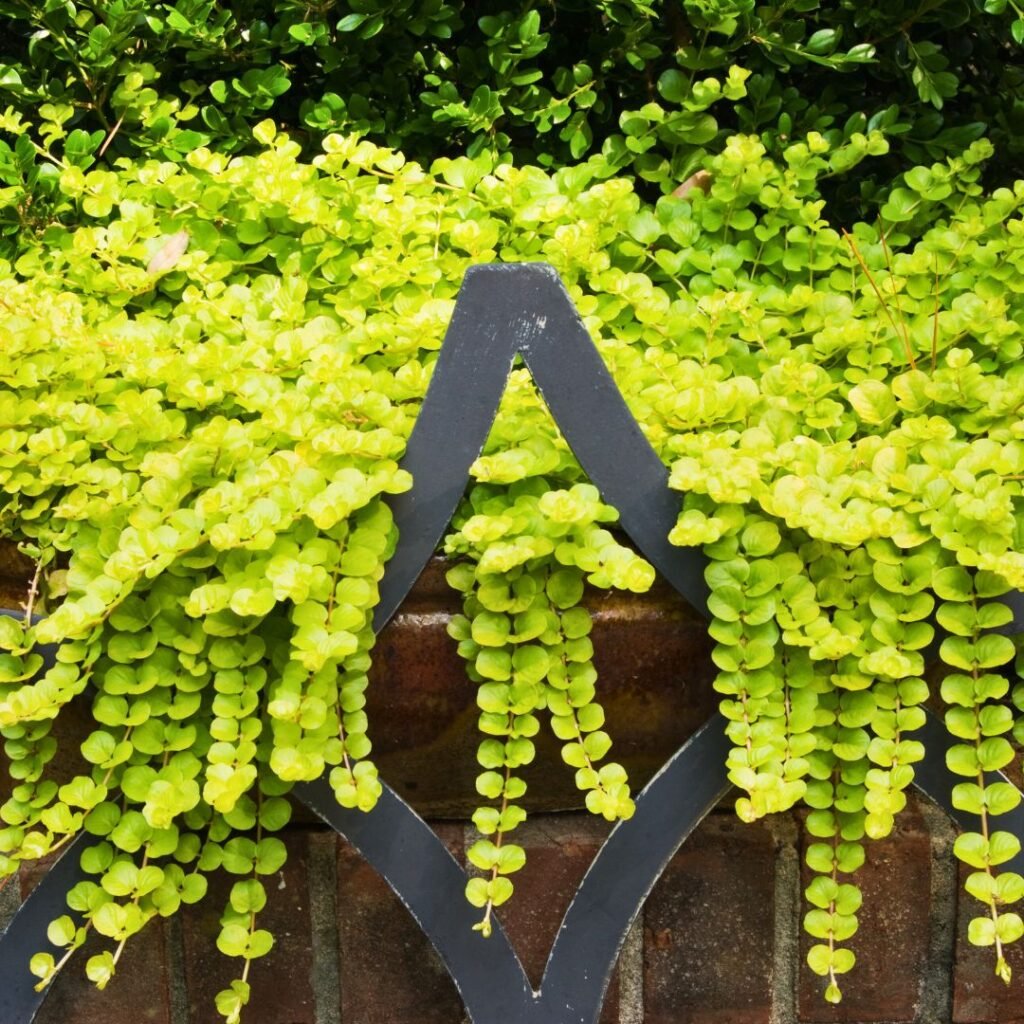
I love how Yellow Creeping Jenny instantly brightens up shady or damp corners of my yard. Its round, golden-green leaves form a thick mat that quickly covers bare ground.
This plant brings color and texture without much fuss. When it blooms, I get small yellow flowers that really glow against the foliage, usually in late spring and early summer.
Even when it’s not blooming, the leaves stay eye-catching all season. I’ve found it does great in moist soil and can handle both sun and partial shade.
In full sun, the color turns a deeper gold; in shade, it’s more green. Either way, it stays healthy if I don’t let the soil dry out too much.
It’s also deer-resistant, which is a relief. Deer leave it alone, so it just keeps spreading where I want it.
I like using it around stepping stones, borders, or near water features since it softens edges and fills gaps fast. I trim it back once or twice a year to keep it in check.
It spreads quickly but is easy to manage with a little pruning. Since it grows low, it works well between taller perennials or under shrubs.
Whenever I need a reliable, low-maintenance plant that covers space fast, Yellow Creeping Jenny is one of my top choices. It brings brightness and texture while keeping deer away.
17) Golden Creeping Jenny
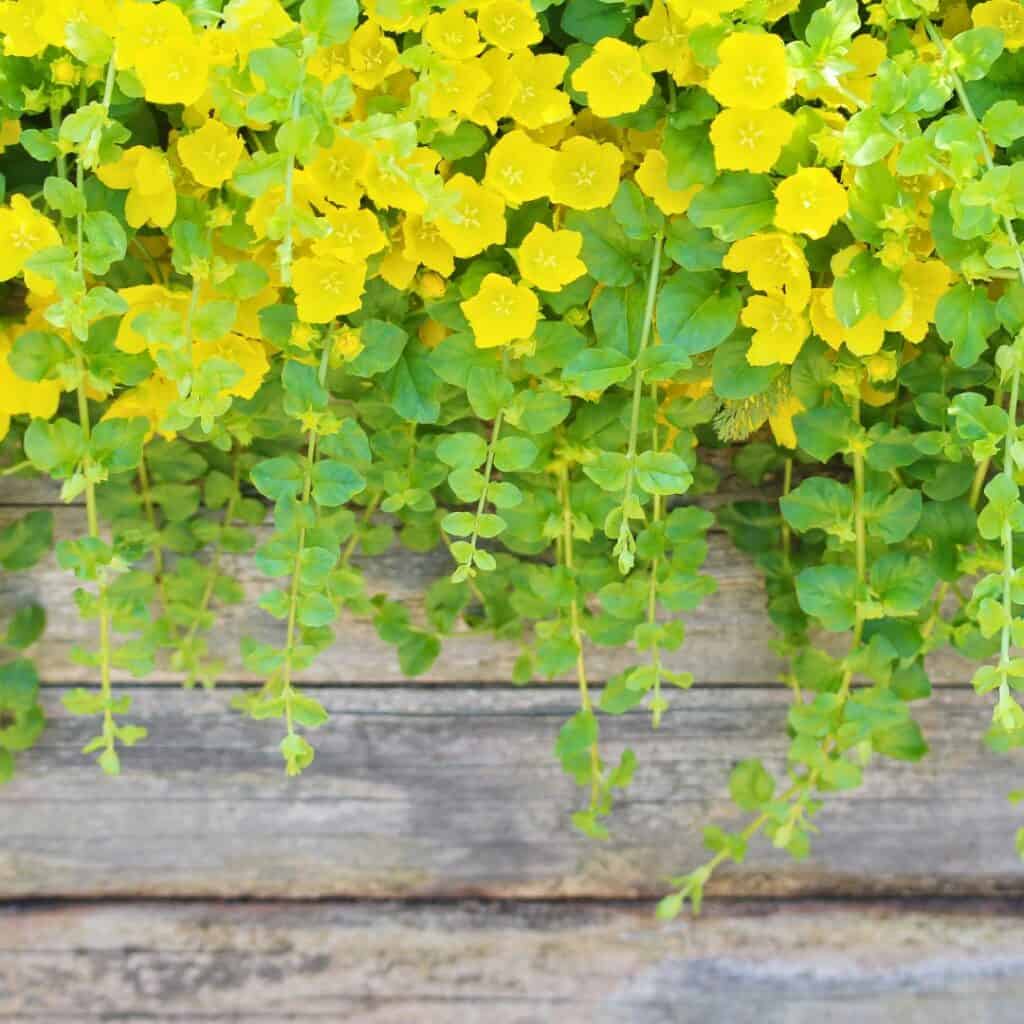
I’ve always loved how Golden Creeping Jenny lights up those dim corners in my garden. Its round, golden-yellow leaves form this cheerful carpet that just warms up any path or border.
It looks especially nice spilling over rocks or softening the edge of a pond. There’s just something about that golden color that feels welcoming.
Honestly, it’s one of the easiest ground covers I’ve tried. It spreads fast, covers bare spots in no time, and stays super low—usually under two inches tall.
The color is brightest in full sun, but it still looks good in partial shade. I appreciate that flexibility since my yard has both.
Deer don’t seem interested in it, which is a huge relief. I can actually relax, knowing I won’t wake up to chewed-up leaves.
If you deal with deer, Golden Creeping Jenny is a safe bet. That alone makes it a winner in my book.
I water it during dry spells because it prefers moist soil, but once it settles in, it can handle short dry periods. Trimming long runners keeps it tidy and stops it from taking over.
It’s surprisingly versatile. I’ve tucked it under shrubs, between stepping stones, and even in pots. No matter where it goes, it brings a soft, lush vibe that just works.
Its golden color pops against darker plants, and honestly, it stands out all year.
How to Successfully Grow Deer-Resistant Ground Covers
I try to give my plants the right spot, consistent care, and plenty of space to spread out. That’s what really helps them stay healthy and fill in those bare patches.
Site Selection and Preparation
First, I check how much sun the area gets, what the soil is like, and if water drains well. Most deer-resistant ground covers—like thyme or creeping juniper—prefer well-drained soil and at least a few hours of sun.
To see if drainage is good, I dig a small hole, fill it with water, and watch how fast it disappears. If water sits too long, I’ll mix in some sand or compost.
Before planting, I pull out weeds and any old roots. Weeds can take over quickly and it’s just not worth the battle later.
I loosen the soil about 3–4 inches deep so roots have an easier time. Adding a bit of organic compost gives plants a boost and helps with pests.
I like to plan out where each plant goes before I start digging. I usually leave about 12 to 18 inches between plants so they have room to spread.
Watering and Maintenance Tips
In the first few weeks, I pay extra attention to keeping the soil evenly moist. New plants need that steady moisture to get established.
Once they’ve settled in, I only water during dry spells. Too much water can cause root rot, so I always check before adding more.
I use mulch around the plants to keep moisture in and stop weeds. A 2-inch layer of shredded bark or gravel does the trick and helps with soil temperature too.
Every few months, I’ll trim back areas that are getting a bit wild. This encourages new growth and keeps everything looking balanced.
I also check for any weak or damaged spots and swap them out if needed. Little bits of upkeep go a long way.
Maximizing Coverage and Growth
I group plants that need the same amount of sun and water together. That way, nobody gets too much or too little.
To help them spread faster, I’ll pin down shallow stems with landscape staples until they root. I fertilize lightly in spring with a slow-release formula—too much can actually make them floppy.
If I spot a bare patch, I fill it with cuttings or divisions from stronger plants. Over time, these fill in and create a dense, deer-resistant mat that looks good all year.
Landscape Benefits of Deer-Resistant Ground Covers
I’ve noticed deer-resistant ground covers do a lot more than just keep deer away. They protect soil, attract helpful bugs and small critters, and add texture and color without much hassle.
Soil Erosion Control
A lot of these ground covers make dense root mats that keep soil from washing away. This is especially handy on slopes, paths, and garden edges where rain can be a problem.
Plants like Creeping Thyme or Periwinkle spread quickly and act as a natural barrier against runoff.
Their thick growth also means I don’t need as much mulch, which saves time and money. Plus, the shade from their leaves keeps soil moist longer and cuts down on weeds.
Here’s a quick example:
| Plant Type | Root Depth | Best Use Area |
|---|---|---|
| Creeping Juniper | Medium | Sunny slope |
| Sweet Woodruff | Shallow | Shaded garden beds |
| Mazus | Shallow | Around stepping stones |
Mixing species with different root depths helps stabilize uneven ground and protect exposed spots all year.
Supporting Pollinators and Wildlife
Even though these plants keep deer away, they often support pollinators like bees, butterflies, and hummingbirds. Some—like Lamb’s Ear, Ajuga, and Creeping Phlox—have small blooms that feed insects without luring in deer.
I like planting these near shrubs or along the edges, since they create little habitats where insects can rest and nest.
Choosing varieties that flower at different times keeps nectar available and my garden buzzing from spring to fall.
Enhancing Visual Appeal
Ground covers offer color, texture, and contrast that make any landscape feel more inviting. I use them to fill gaps between stones, outline walkways, or soften the base of trees.
The mix of glossy leaves, fuzzy textures, and short blooms keeps things interesting through the seasons.
Most deer-resistant types stay tidy without much trimming, which is a real bonus. Their low growth helps tie together separate parts of the garden for a clean, cohesive look.
Mixing up shades of green or combining flowering and non-flowering covers adds a personal touch that feels natural but still looks put-together.
Frequently Asked Questions
I’m always on the hunt for hardy, deer-resistant ground covers that keep my garden looking good with minimal work. There are several that handle shade, bloom nicely, and stay green year-round.
What are some ground cover plants that deer are least likely to eat?
From what I’ve seen, Creeping Thyme and Lamb’s Ear rarely get nibbled by deer. The texture and scent just aren’t their thing.
Can you suggest perennial ground covers that are resistant to deer?
Definitely. Ajuga (Bugleweed) and Liriope (Lilyturf) are solid choices. They come back every year and don’t seem bothered by deer at all.
Are there any low-maintenance ground covers that can deter deer?
I’d go with Sweet Woodruff—it spreads easily, doesn’t need much care, and deer tend to leave it alone.
What flowering ground cover plants will survive in deer-prone areas?
Creeping Thyme gives you small, colorful blooms in summer and handles dry spots. Ajuga offers those deep purple-blue flowers that brighten up shady paths.
Could you list ground covers that thrive in shade and are not preferred by deer?
I’ve had good luck with Sweet Woodruff and Lamb’s Ear in the shade. They hold their color and fill in where grass just won’t grow.
What are the best options for evergreen ground cover that deer won’t bother?
Liriope (Lilyturf) is a solid choice if you want something that stays green all year and doesn’t tempt the local deer. It forms tidy clumps, even when winter hits, so things don’t get too scraggly out there.
Honestly, it’s probably one of my favorite evergreen picks.
Note: Some images in the articles are sourced from Reddit and Other Platforms For Reference Purpose.