7 Creative Ways to Decorate With Evergreen Indoor Plants
I’ve always felt that evergreen plants bring a steady, calming energy to any room.
They don’t just sit quietly in a corner—they can really change the whole vibe, making things feel cozier and more welcoming.
Evergreen plants are such an easy way to freshen up your home without having to constantly swap things out.
When I started placing them around my place, each spot just seemed to come alive.
Whether it’s a big, bold plant or something tiny on a shelf, they blend with pretty much any style.
Decorating with them feels simple and never forced.
Please note: Simplify Plants is reader-supported. As an Amazon Associate, I earn from qualifying purchases made by our readers with no extra cost added to you all! Some links in the post are affiliate links and I get a commission from purchases made through links in the post.
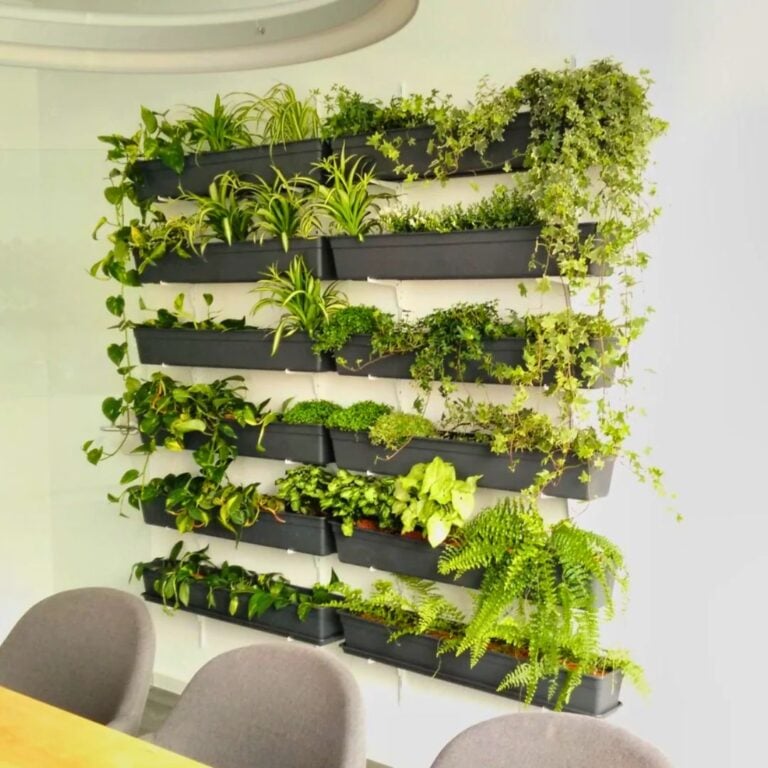
1) Create a living wall with mounted boxwood panels

There’s something about boxwood panels—they instantly liven up a plain wall. When I put them up, the space feels greener, fresher, and a little more modern.
It’s a nice way to bring some outdoor energy inside, and honestly, there’s barely any maintenance. I usually use these panels in my living room or hallway. They add a texture you just can’t get with paint or wallpaper.
Plus, they’re a lifesaver in small apartments since they don’t eat up floor space. Mounting them is pretty straightforward. I just attach the panels to a frame or stick them right on the wall using hooks or adhesive strips.
Once they’re up, they look seamless—like a mini hedge, but indoors. Sometimes I’ll drape string lights or hang framed art over the panels for extra character. It makes the wall feel a bit more personal and cozy.
And really, the best part is that boxwood panels are super low-maintenance. No watering, no trimming, just green and tidy all year. For me, it’s the easiest way to get that lush look indoors.
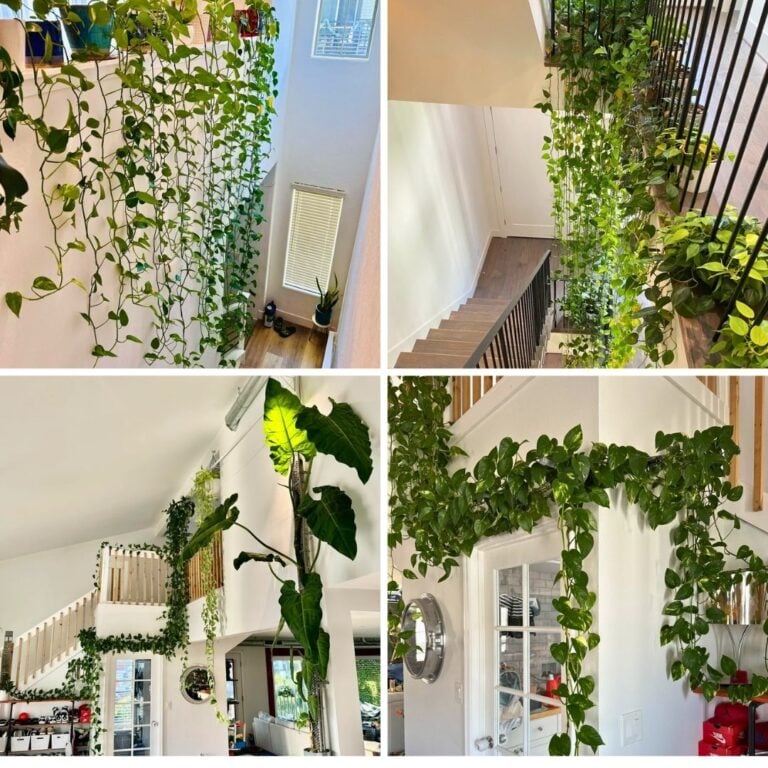
2) Use trailing English ivy in hanging macrame planters

English ivy has these long, trailing vines that always look so relaxed and natural. When I tuck it into a macrame planter, it instantly gives an empty corner a little life and texture.
There’s something about the mix of green leaves and woven rope—it just feels warm, right? Hanging ivy is perfect if you’re short on space since it doesn’t hog the floor.
I usually hang mine near a window with bright, indirect light. The leaves stay lush without crowding my shelves or tables. The vines grow faster than you’d expect, so I trim them back now and then.
Regular trimming keeps the ivy looking tidy and encourages even more growth. I like to move my macrame planters around—sometimes above my desk, sometimes in the kitchen.
They’re lightweight, so switching things up is easy. For a little extra flair, I pick macrame planters with different patterns or colors. White rope keeps things simple, but a darker cord really pops against the green.
The planter style can totally shift the mood of a room.
3) Place a Norfolk Island pine as a centerpiece on your dining table

A Norfolk Island pine makes such a lovely dining table centerpiece. Its soft, green branches feel fresh and inviting, but not too flashy.
I keep mine in a simple pot—usually something neutral or white—so the plant itself stands out. When I have friends over, the pine adds this natural, welcoming touch.
It’s tall enough to notice but not so big that it gets in the way during dinner. I usually set a small table runner or placemats underneath to frame it and tie the look together.
The pine looks great with seasonal accents, too. In winter, I’ll scatter a few ornaments around the base, and in spring, maybe some fresh flowers or candles.
This plant stays green all year, so I almost never have to swap out my centerpiece. I just water it lightly and keep it by a bright window—it doesn’t ask for much.
Honestly, using a living plant instead of cut flowers feels practical and a bit more special. It lasts longer, and I can always move it to another spot if I want a change.
4) Incorporate small potted ferns on floating shelves
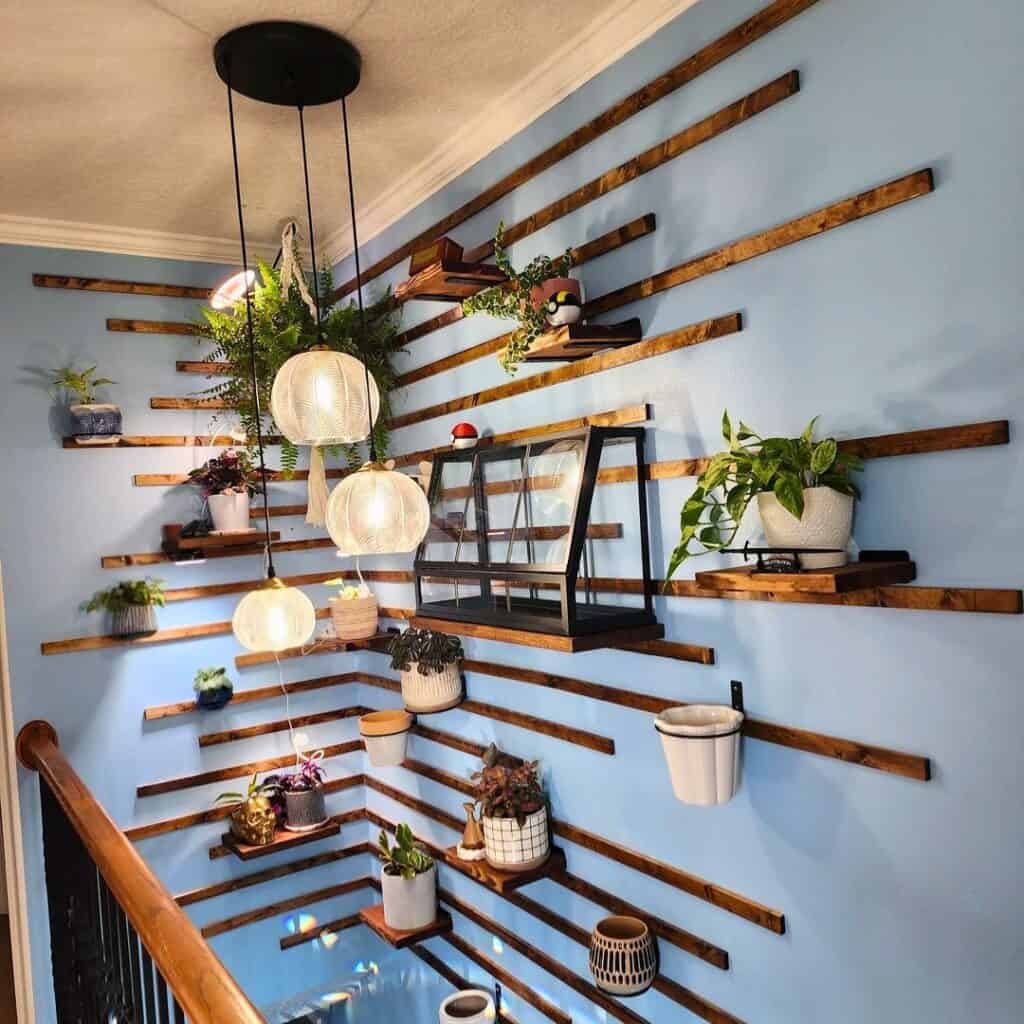
I’m a fan of small potted ferns, especially for adding greenery without taking over the floor. Their compact size is perfect for shelves, particularly in tight rooms.
When I line them up on floating shelves, the layered look feels fresh and a bit whimsical. Plus, I can play with the height and spacing for whatever fits the room best.
Mixing ferns with books, candles, or framed photos helps them blend in but still stand out. Lightweight pots are key—they keep the shelves from feeling overloaded.
I usually pick pots that match or complement the wall or shelf color. Since ferns like a bit of humidity, I keep them out of direct sun but close enough to catch soft light.
A quick mist every few days keeps them perky. Swapping ferns in and out gives me a flexible way to refresh the room without much hassle.
5) Arrange multiple ZZ plants in decorative ceramic pots
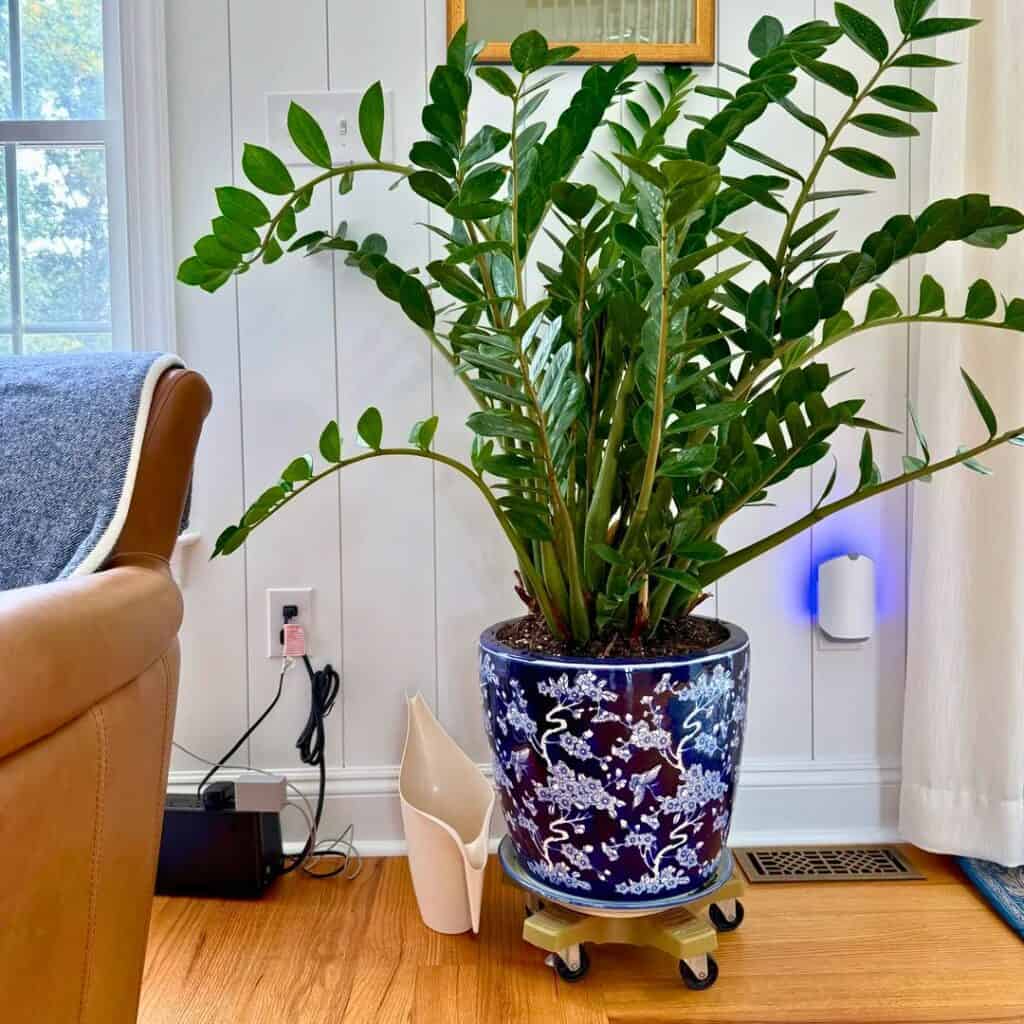
ZZ plants are seriously easy to care for, and their shiny green leaves always look neat. When I group a few ZZ plants together, it creates a fuller, more balanced look.
I usually go for pairs or trios—it just feels livelier. Picking decorative ceramic pots makes a surprising difference.
Sometimes I’ll choose colors or patterns that match my style, whether that’s simple, bold, or textured. Mixing up the pot sizes helps too.
A tall pot with a bigger ZZ next to a smaller one adds variety without making things look cluttered. I set them on a shelf, side table, or windowsill—wherever I want a pop of green.
The pots themselves become part of the decor, and the plants tie everything together. Repeating the same pot style in different spots makes the whole room feel more cohesive, and it’s honestly not much work.
6) Add a tall fiddle leaf fig near a sunny window

A fiddle leaf fig just changes the whole room, doesn’t it? The height and those big green leaves add drama without needing a bunch of extra decor.
I keep mine close to a sunny window for bright, indirect light. That’s what keeps the leaves looking their best.
The plant’s height fills up empty corners and balances out furniture—it’s almost like having a living sculpture. I also like how the broad leaves create a soft backdrop for whatever else is nearby.
Simple pots work best for me; they let the plant do all the talking. When I water it, I wait until the soil dries out a bit between waterings.
That keeps the plant happy and avoids root problems. Setting a fiddle leaf fig by a window has given my space a bright, natural focal point that feels both stylish and homey.
7) Use rosemary topiaries as kitchen countertop decor

Rosemary topiaries are such a smart addition to the kitchen. They bring a burst of green, and their tidy, upright shape always looks polished on the countertop.
The best part? Rosemary is both decorative and useful. I can snip a few sprigs whenever I’m cooking, and it just keeps growing back.
I usually pick a simple pot that fits my kitchen’s vibe—clay or ceramic feels right to me. Keeping the pot the right size helps the counter stay uncluttered.
I make sure to keep the plant near sunlight. Rosemary loves light, so I find a sunny spot by the window.
It doesn’t need much, but a little care keeps it green and bushy. When guests come over, they almost always notice the fresh scent of rosemary—it just makes the kitchen feel so inviting.
Trimming and shaping the topiary is easy, too. If it gets a little wild, I just snip it back and it’s tidy again.
For me, a rosemary topiary isn’t just a plant. It’s a practical decoration that brings the kitchen to life.
Benefits of Decorating With Evergreen Indoor Plants
I really enjoy having evergreen plants around because they stay green all year and make my space feel healthier. They’re a steady source of beauty, and I swear the air feels better too.
Year-Round Freshness
One thing I love is that evergreen plants keep their green leaves no matter the season. Unlike flowers that fade or plants that go bare, evergreens give me a reliable backdrop.
Even in the dead of winter, my rooms feel alive. They fit with any style—tall in the corner for height, or small on shelves for a softer touch.
The constant greenery makes decorating less of a chore since I don’t have to keep swapping plants. Another plus is the low maintenance.
Most evergreens just need a bit of water and an occasional trim. I don’t worry about constant changes, and it saves me time.
Having them indoors also means I never have to deal with that bare, empty look when other plants go dormant.
Natural Air Purification
I really appreciate how evergreen plants help clean the air. Certain ones, like snake plants and rubber plants, can absorb some indoor pollutants.
That means I get cleaner air and nice greenery at the same time. They release oxygen, which makes the house feel less stuffy.
I notice the difference when I hang out in a room with lots of plants versus one without. Some evergreens even help balance humidity by releasing a bit of moisture.
That makes the air more comfortable, especially when it’s dry in winter. Choosing a mix of evergreens gives me both visual appeal and practical health benefits.
Caring for Evergreen Indoor Plants
I keep my evergreens happy by watching their water and light. Little things make a big difference—one missed watering or too much sun can stress them out, so I try to pay attention.
Watering and Light Needs
I always poke my finger into the soil before watering—if the top inch feels dry, that’s my cue to give the plant a drink until water seeps out the bottom. Overwatering is honestly the most common issue, so I try to be careful and only use pots with good drainage.
Most evergreens prefer bright, indirect light. I’ve found that placing them near a window with filtered sunlight works best for me.
If the light’s too intense, the leaves can scorch, but too little and they’ll start looking sad and washed out. It’s all about finding that sweet spot.
I move my plants around a bit as the seasons shift. In winter, they get closer to the windows since sunlight is weaker.
When summer rolls around, I pull them back so they don’t get blasted by direct heat.
To help me remember what each plant needs, I keep a simple chart:
| Condition | What I Do |
|---|---|
| Dry soil | Water thoroughly |
| Bright window | Use sheer curtain |
| Low light | Add a small grow light |
Common Mistakes to Avoid
I used to water on a strict schedule, but that backfired. Plants don’t always need water at the same time, so now I just check the soil first.
Using the wrong pot is another trap—if there’s no drainage hole, water sits at the bottom and roots can rot. I stick to pots with holes and a tray underneath.
I try not to move my plants too often. Too many changes can stress them out, so once I find a spot with steady light, I leave them there.
And I don’t skip cleaning the leaves. Dust can block light, so every few weeks I just wipe the leaves with a damp cloth. It keeps them looking fresh and healthy.
Frequently Asked Questions
I love using evergreen plants indoors because they stay green all year, don’t ask for much, and honestly just make the place feel more alive. With the right pots and lighting, you can fit them anywhere—living room, office, wherever.
What are some low-maintenance evergreen plants for indoor decorating?
ZZ plants, snake plants, and jade plants are my top picks—they’re super easy and don’t need much fuss. Ferns and English ivy are also great if you want greenery that doesn’t need constant attention.
Can you suggest creative planters for displaying evergreen plants indoors?
I’m a fan of macrame hangers for trailing ivy, and floating shelves work nicely for small ferns. Decorative ceramic pots really make ZZ plants pop, and modern metal stands help bigger plants stand out.
How can I use evergreen plants to enhance my home office space?
I’ll put a small fern on a shelf or a ZZ plant on my desk—instantly makes things feel fresher. A Norfolk Island pine by the window is also a nice touch; it just brightens up the whole space.
What lighting conditions are best for indoor evergreen plants?
Most evergreens like bright, indirect light. Some, like snake plants and ZZ plants, can handle low light just fine, so they’re pretty flexible for different rooms.
How often should I water indoor evergreen plants?
I just water when the top inch of soil feels dry. ZZ and snake plants go longer between drinks, but ferns and ivy like their soil a bit more consistently moist.
What are some pet-friendly evergreen plants for indoor use?
I really like parlor palms, calatheas, and areca palms—they’re all safe if you’ve got pets wandering around.
Honestly, I steer clear of things like jade or snake plants since those can be risky if your pets get curious and nibble on them.
Note: Some images in the articles are sourced from Reddit and Other Platforms For Reference Purpose.