15 Low-Maintenance Indoor Plants for Your Kitchen
I love having a bit of nature in my kitchen. It just makes the space feel cozier and more alive.
Low-maintenance indoor plants can brighten my kitchen without taking much time or effort. With so many easy-care options, it’s honestly hard to go wrong.
These plants clean the air, add color, and create a calming vibe while I cook or sip coffee. It’s a simple way to make everyday routines feel a bit more special.
Please note: Simplify Plants is reader-supported. As an Amazon Associate, I earn from qualifying purchases made by our readers with no extra cost added to you all! Some links in the post are affiliate links and I get a commission from purchases made through links in the post.
1) Spider Plant
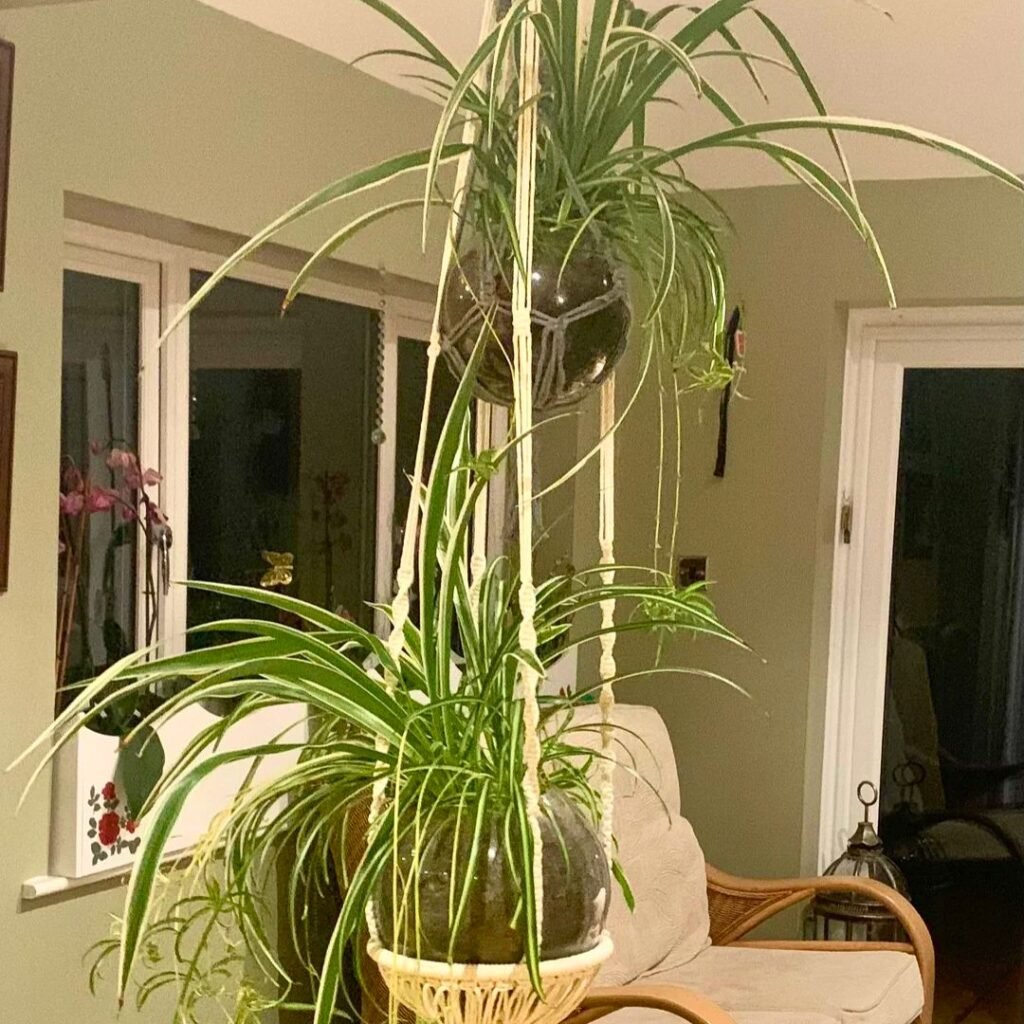
I’m a big fan of the Spider Plant—it instantly livens up my kitchen. Those long green leaves with white stripes? They just look so fresh.
It’s honestly one of the easiest plants I’ve cared for. I keep mine on a shelf near a window where it gets indirect sunlight.
It grows well in moderate light and doesn’t beg for attention. I water it only when the top of the soil feels dry, which is usually once a week for me.
If I forget to water sometimes, no big deal—this plant tolerates short dry spells. When it’s happy, it sends out little offshoots that dangle like baby plants.
I think it’s fun to replant those or share them with friends. Plus, my Spider Plant helps clean the air in my kitchen.
It’s known to absorb some common indoor pollutants, so the space feels fresher. I like knowing it’s doing a bit of good in the background.
To keep it tidy, I trim any brown tips and wipe dust from the leaves. Fertilizer? Only a light feeding every month or two during the growing season.
That’s really all the care it usually needs. For me, the Spider Plant is the perfect mix of beauty and simplicity.
It grows fast, handles minor neglect, and adds a calm green touch to my cooking space.
2) Snake Plant
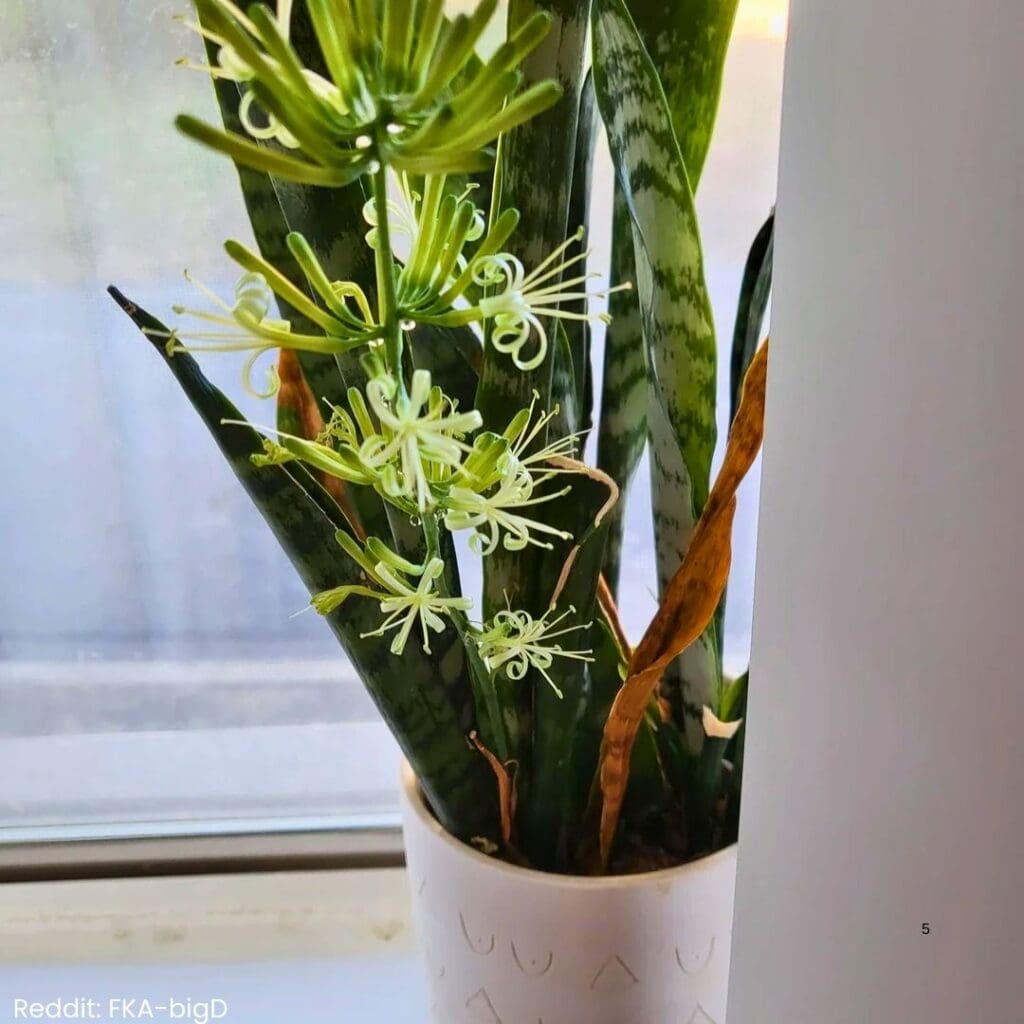
The Snake Plant is honestly a lifesaver for forgetful plant owners like me. It’s so easy to care for.
I can forget to water it for weeks and it still looks great. The tall, stiff leaves give it a neat, modern look without any fuss.
This plant handles low light and irregular watering with no complaints. I keep mine in a bright kitchen corner, but it’s also fine in dimmer spots.
It’s perfect for places that don’t get much sunlight. I like that the Snake Plant helps improve indoor air quality by filtering out some common toxins.
The upright leaves don’t hog counter space either. I water only when the soil feels dry—overwatering is a no-go since it can rot the roots.
A quick wipe of the leaves now and then keeps them looking shiny. If I move it around, it adapts without drama.
No shedding, no sulking about new lighting. The low-maintenance nature of this plant makes it a top pick for anyone who doesn’t want a demanding houseplant.
3) Pothos

I always keep a Pothos in my kitchen. It’s honestly one of the easiest plants out there.
It stays green even if I forget to water it. Those heart-shaped leaves brighten up any dull corner and just make the space feel cheerful.
This plant grows well in low or bright light, so I can put it pretty much anywhere. Sometimes I let it trail from a shelf or hang near a window.
It handles different lighting without fading or drooping. I water my Pothos when the top inch of soil feels dry.
Too much water can make the roots rot, so I go easy and make sure there’s good drainage.
I like that Pothos helps clean the air a bit, too. It’s a nice bonus for such an easy plant.
Since it grows fast, I trim the vines sometimes to keep them neat or to share cuttings with friends. If you want a stress-free plant that still looks lively, Pothos is a great pick.
It’s low-cost, forgiving, and adds a little green charm to the kitchen.
4) ZZ Plant
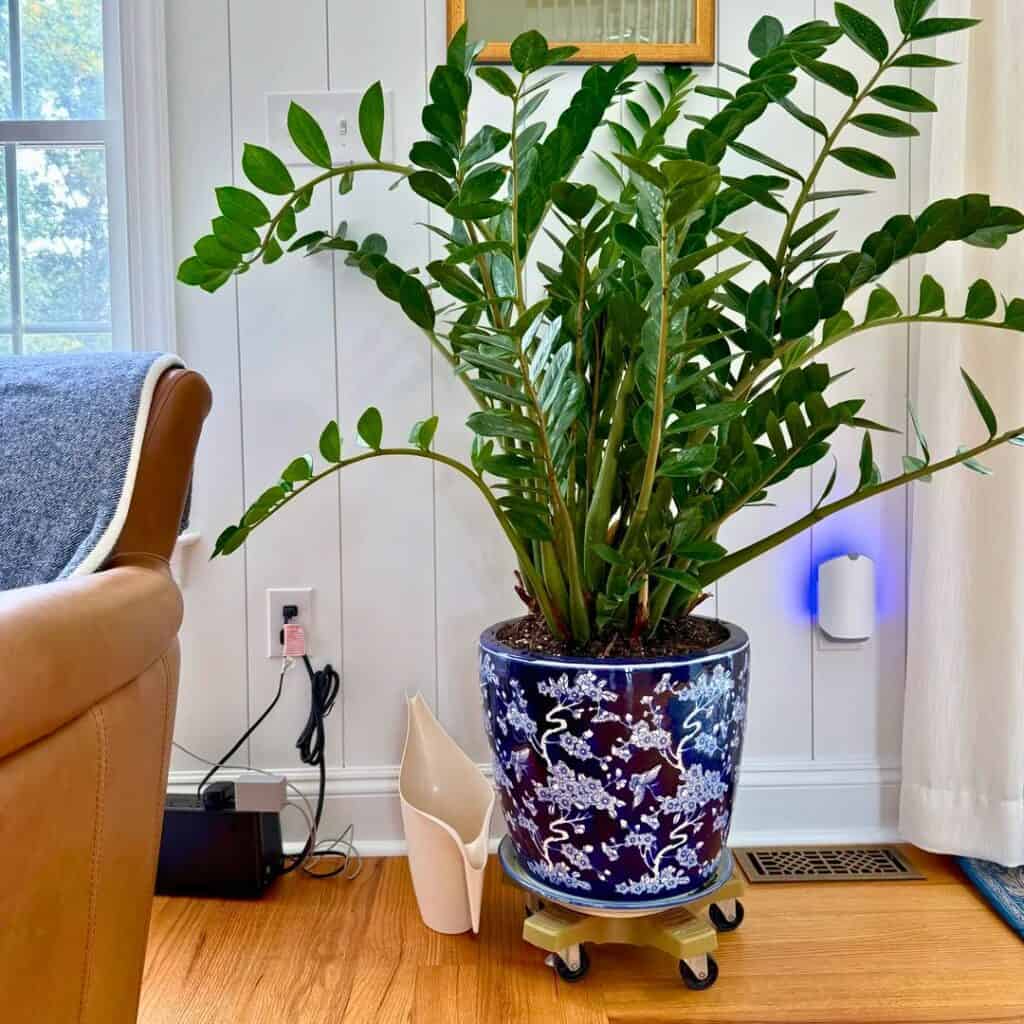
The ZZ Plant is one of my favorites for low effort, high reward. It looks great even if I forget about it for a while.
The shiny green leaves always add a nice touch of color, even in kitchen corners with barely any light. This plant does best in indirect sunlight, but it can handle low light too.
I keep mine near a window, but not in direct sun since that can fade the leaves. Even under regular kitchen lighting, it’s fine.
I water my ZZ Plant only when the soil is dry. Overwatering can cause root rot, so I let the soil dry out completely between waterings.
Usually that means every two to three weeks. The best thing is, it can go weeks without water and still look healthy.
I don’t need to prune it much—it grows slowly and doesn’t outgrow its pot quickly. That makes it perfect for a small kitchen counter or shelf.
I’ve noticed it helps keep the air fresher, too. While it won’t replace good ventilation, it’s nice to have a plant that might help filter the air a bit.
The ZZ Plant is low-maintenance, sturdy, and stylish—honestly, it’s a simple way to add a bit of nature to my kitchen.
5) Philodendron

I’ve always liked having a Philodendron in my kitchen. It grows well with very little effort and the smooth, green leaves just look good.
It doesn’t mind if I forget to water it now and then. I keep mine in indirect sunlight, near a bright window but not right in the sun.
Harsh sunlight can burn the leaves, so filtered light is best. Even a shady corner with some natural light does the trick.
Philodendrons like room temperatures most kitchens already have. I make sure the soil stays slightly moist but never soggy.
If the top inch of soil feels dry, that’s when I water. Overwatering can cause root problems, so I’m careful not to let it sit in water.
This plant also helps make the air feel cleaner. While I cook or wash dishes, it quietly does its thing without needing constant care.
I wipe the leaves once a week to remove dust so they can breathe better. Sometimes I trim long stems to keep the shape full and neat.
New growth usually shows up quickly after pruning, which keeps it looking lush. It’s an easy plant to train to climb or trail, depending on what fits my space.
When I want a splash of green without extra work, Philodendron is always my go-to. It looks simple but lively, and that’s exactly what my kitchen needs.
6) Peace Lily
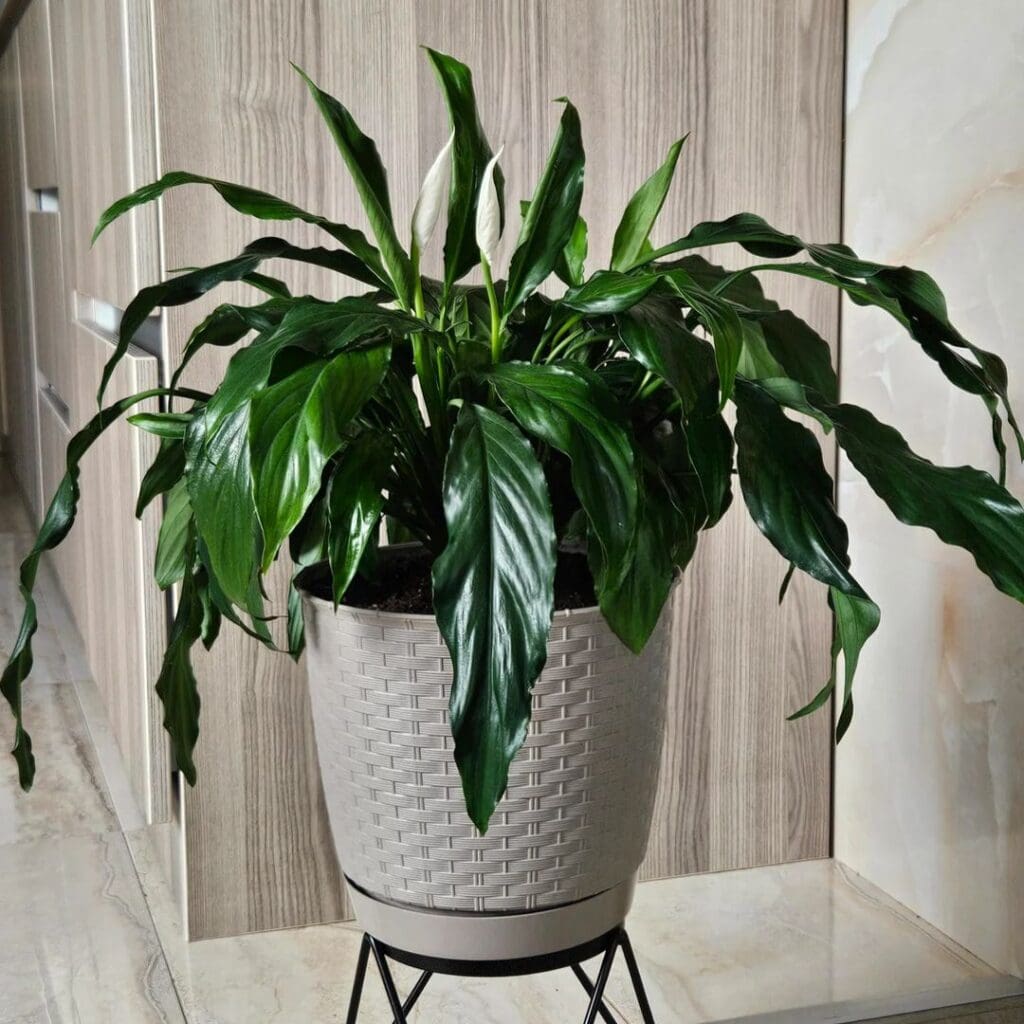
I love how a Peace Lily can instantly brighten up my kitchen. The glossy green leaves and white blooms make the space feel calm and fresh.
It doesn’t need much attention, which is perfect for my busy days. This plant grows well in low to medium light, so I can put it on a counter or near a shaded window.
I water it once the top of the soil feels dry. If I forget, the leaves droop a bit to remind me—then perk right up after watering.
I’ve found it helps improve indoor air quality, making my kitchen smell fresher. It handles normal room temperatures, so I don’t worry about drafts or cooking heat.
To keep it looking nice, I wipe the leaves every so often to remove dust. If it gets too big, I just repot it every couple of years.
It’s simple care like this that makes me enjoy having it around. The Peace Lily’s clean look and easy upkeep fit perfectly with my kitchen.
It adds a natural touch without adding work—exactly what I want in an indoor plant.
7) Aloe Vera
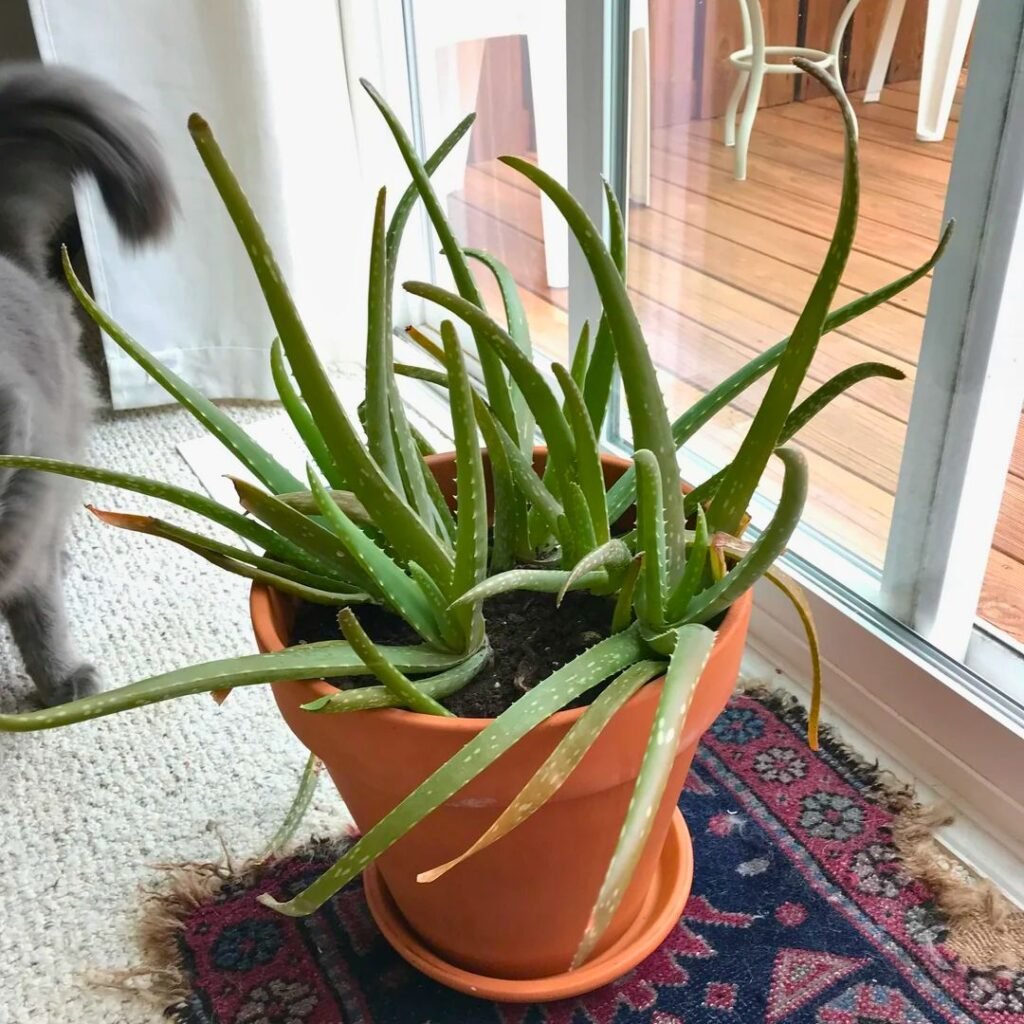
I always keep Aloe Vera in my kitchen. It looks neat and actually helps with small burns or dry skin.
The thick, green leaves grow upward and don’t take up much counter space. It adds a fresh touch without being fussy.
This plant likes bright, indirect sunlight, which most kitchens get near a window. I water mine only when the soil feels dry.
Too much water can harm the roots, so I make sure the pot drains well. Aloe Vera grows best in light, sandy soil that doesn’t hold too much moisture.
I use a cactus or succulent mix to keep the roots healthy. When it gets bigger, I move it to a slightly larger pot for more room.
One of my favorite things about Aloe Vera is how low-maintenance it is. I hardly ever need to prune it, and pests don’t seem to bother it.
If a leaf breaks, I just let it heal, and new ones grow back. It’s both useful and decorative.
The gel inside the leaves can soothe minor skin irritations, though I always test it first before using. It’s nice knowing one plant can offer both style and a bit of comfort.
8) Cast Iron Plant
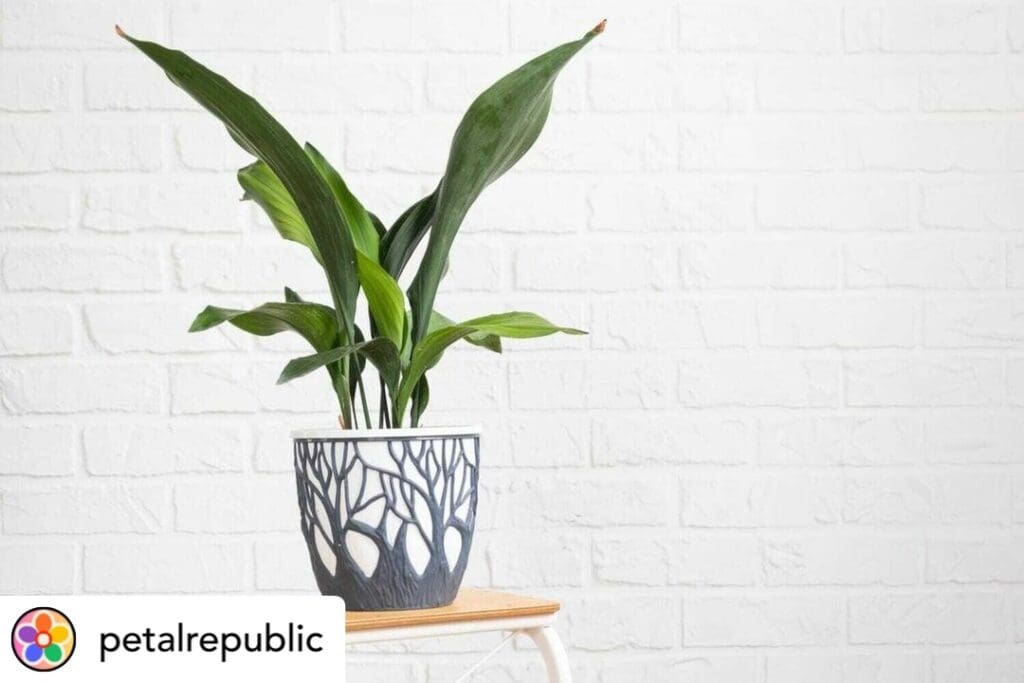
The Cast Iron Plant really lives up to its name. It’s tough, dependable, and barely needs attention.
I can forget to water it for a while and it still looks fresh and green. This plant grows well in low light, so I don’t have to put it near a window.
That makes it perfect for a kitchen corner or a shelf that doesn’t get much sun. Its dark green leaves add a clean, simple touch to the space.
I water mine only when the top inch of soil feels dry. It doesn’t like soggy roots, so I always make sure the pot drains well.
Every few weeks, I wipe the leaves to keep them dust-free and shiny. What I like most is how it stays healthy even when my kitchen gets warm from cooking.
It’s not picky about humidity or temperature. As long as I don’t overwater it, it thrives without complaint.
The Cast Iron Plant grows slowly, so I don’t need to re-pot it often. It’s great for anyone who wants greenery without regular upkeep.
When I walk into my kitchen and see those sturdy leaves, I feel like I’ve made a good choice. It’s such a simple way to bring a little nature into the room without adding extra work.
9) English Ivy
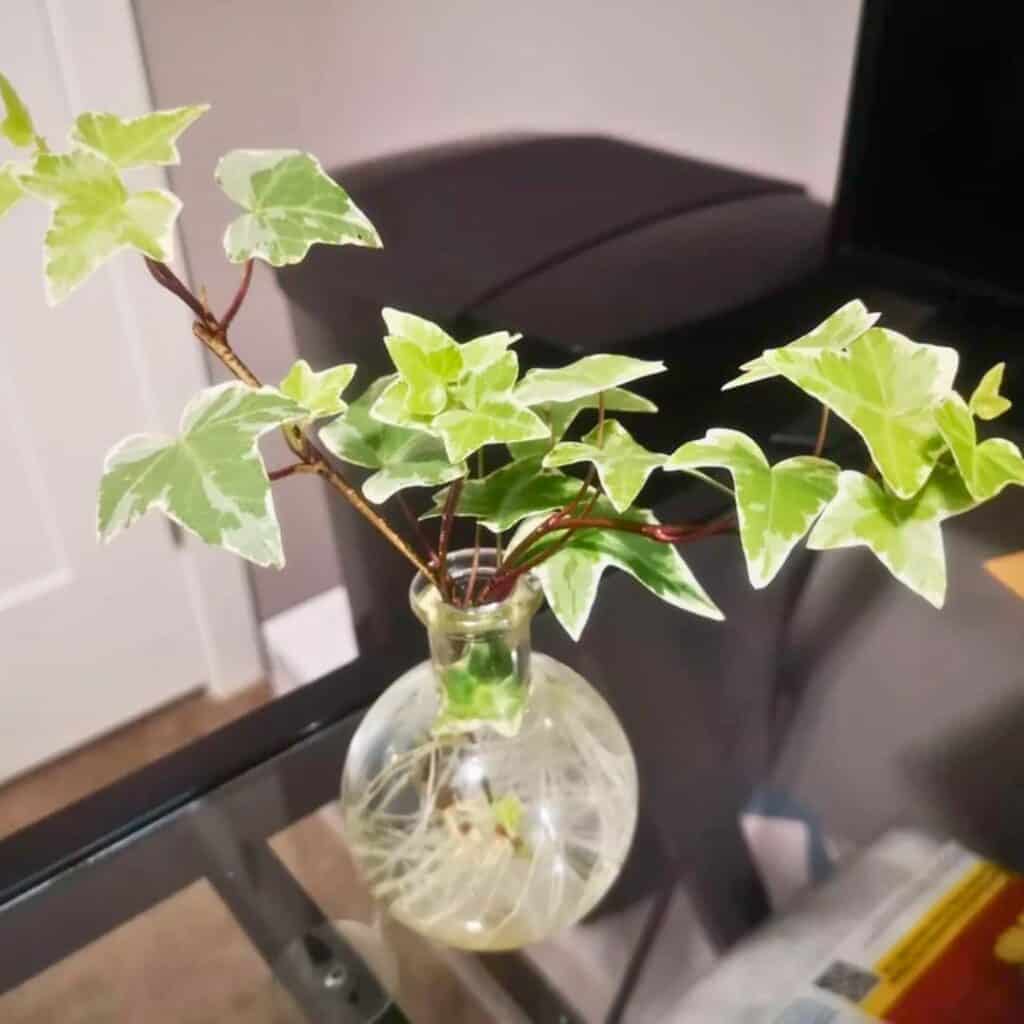
There’s just something about English ivy that brings a cozy, green vibe to my kitchen. The trailing vines look lovely hanging from a shelf or tucked in a small pot by the window.
The leaves seem to stay fresh all year, even if I forget about them for a bit. With minimal care, they keep on looking good.
English ivy does best in indirect sunlight and isn’t fussy about cooler air. I just keep the soil a little bit moist—never soggy. When the top feels dry, I give it a splash of water and that’s pretty much it.
It’s also a nice little air freshener. English ivy helps freshen the air and can reduce some common indoor toxins. I swear my kitchen feels cleaner when it’s around.
Shaping the vines is easy. I snip them back if they get wild, or sometimes I’ll train them around a hook or trellis.
One thing—keep it away from pets since it’s toxic if eaten. Otherwise, it’s one of the simplest plants I’ve ever had. Low effort, classic look, and cleaner air—that’s why English ivy always has a spot in my kitchen.
10) Chinese Evergreen

I keep a Chinese Evergreen in my kitchen mostly because it’s easy and always looks good. The leaves come in shades of green, silver, and cream, and honestly, they brighten up any dull corner.
It’s happy with low to medium light, so even kitchens without much sun are fine. I usually put mine near a window but not right in front of it.
Watering? Super simple. I let the top inch of soil dry out before adding more water. Too much water is a no-go, so I’m careful not to drown it.
Every now and then, I wipe the leaves to keep them shiny. The Chinese Evergreen handles normal kitchen temps and doesn’t mind a bit of humidity—helpful if you cook a lot.
It’s adaptable, which I love. Whether the air’s warm or cool, or the light changes, it keeps looking healthy.
Propagation is a breeze. When it gets too big, I divide the roots and pot up the extras. More plants to share or keep—never a bad thing.
If you want a plant that’s simple and pretty, I’d say the Chinese Evergreen is a solid pick. It adds life without making extra work.
11) Jade Plant

I’m a fan of the Jade Plant in my kitchen because it’s tough and easy to care for. Those thick, glossy leaves store water, so I don’t have to remember to water it all the time.
The bright green color makes the space feel fresh. I keep mine close to a sunny window where it gets a few hours of light daily.
Jade plants like bright, indirect sunlight and warmth. If the stems start to stretch, I just move it closer to the light.
I only water when the top inch of soil feels dry. It’s safer to underwater than overdo it—root rot is a real thing. Good drainage is a must.
Every couple of months, I wipe the leaves down so they can soak up more light and stay shiny. When it gets too big, I trim it to keep things tidy.
What I like most? Jade Plants can live for years with just basic care. They really are one of the easiest, most rewarding plants to have around.
12) Parlor Palm
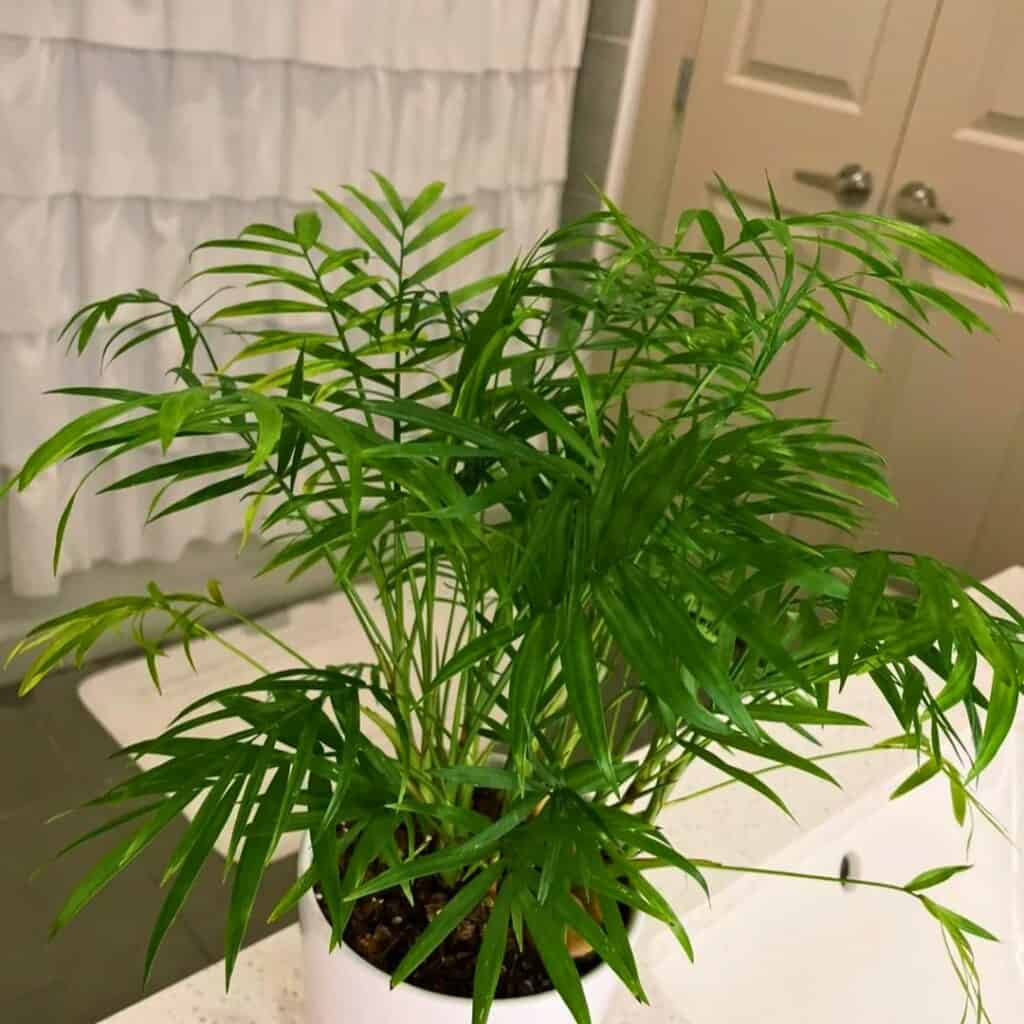
There’s something calming about a Parlor Palm in the kitchen. The soft, arching fronds look elegant whether it’s on a counter or a shelf.
It grows slowly, so it doesn’t outgrow the space. I keep mine in indirect light, away from harsh sun that might scorch the leaves.
It handles low light well, which is perfect for kitchens that don’t get much sun. I’ve found it keeps its color and shape even where other plants might sulk.
Watering is low fuss. I wait until the top inch of soil feels dry before giving it a drink. Too much water is risky, so I always let the pot drain.
Because it doesn’t need constant care, I can focus on cooking and not worry about the plant. It even helps the air feel a bit fresher.
There’s a subtle tropical vibe, but it’s not flashy or high-maintenance. If I forget to water it for a week or two, no big deal.
That’s why the Parlor Palm is one of my favorites for the kitchen. It looks lovely, barely asks for anything, and makes the space feel alive.
13) Heartleaf Philodendron

The Heartleaf Philodendron is such an easy way to make a kitchen feel cozy. Those heart-shaped green leaves look fresh all year, even if I get busy and forget about them.
I keep mine in a hanging basket near a window with bright, indirect light. It also works on a shelf or cabinet, letting the vines trail down.
The leaves grow pretty quickly, so I trim them now and then to keep things neat. For watering, I wait until the top inch of soil is dry.
It’s better to underwater than overdo it—too much water can rot the roots. A pot with good drainage helps keep things healthy.
This philodendron handles low humidity and regular room temps, which is great for most kitchens. It forgives the occasional missed watering and still looks lively.
I like that it helps freshen the air while adding a pop of green. If I notice pale or drooping leaves, I move it closer to light or give it a bit of plant food.
The Heartleaf Philodendron is a simple, lovely choice for anyone who wants greenery without fuss.
14) Rubber Plant

A Rubber Plant just makes my kitchen feel more put together. It’s stylish and simple to care for, and those broad, glossy leaves really brighten things up.
It’s sturdy and doesn’t mind most indoor conditions. This plant likes bright, indirect light but can handle some shade too.
I keep mine near a window with filtered sun. Too much direct light can burn the leaves, but too little slows it down.
Watering is pretty straightforward. I wait until the top inch of soil is dry before watering again. Overwatering can cause root rot, so drainage is key.
During winter, I water less often since it grows slower. The Rubber Plant helps clean the air, and I wipe the leaves every so often to keep them shiny.
If I want it to grow taller, I let it reach up. If I’d rather it stay bushy, I just trim the top leaves. It responds well to light pruning.
I think the deep green or burgundy leaves really make it stand out. It’s not just décor—it makes the room feel calmer and more welcoming.
15) Prayer Plant
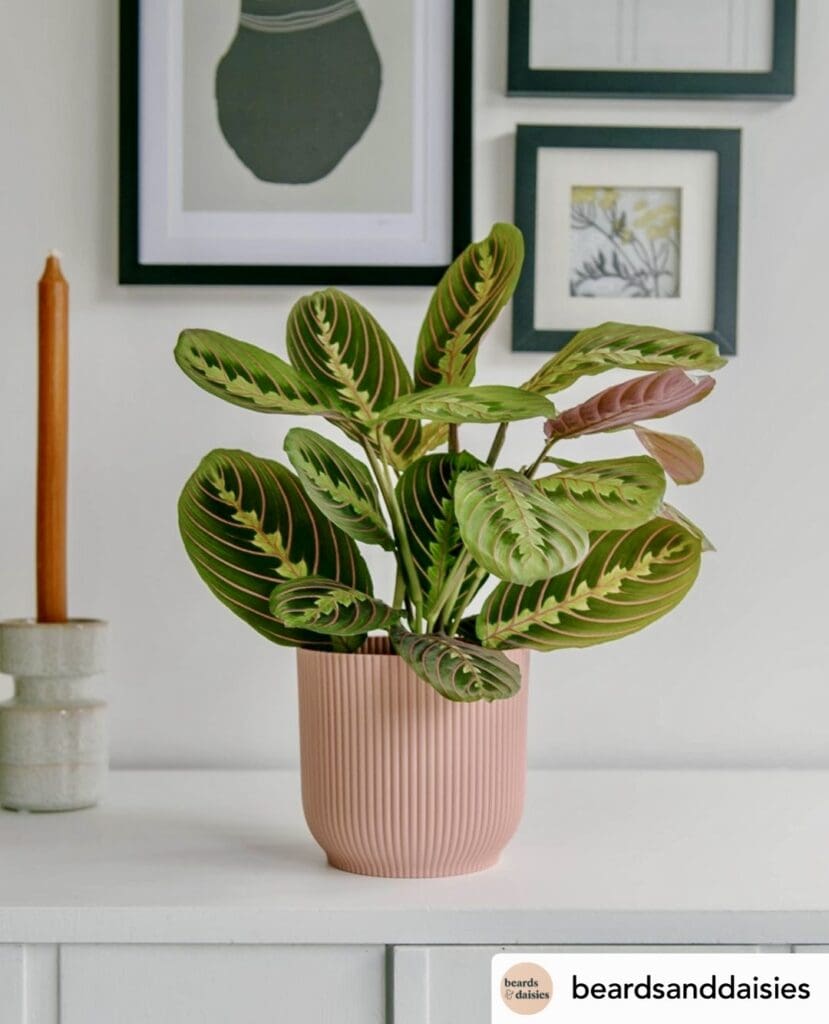
The Prayer Plant is one of my favorites for adding a little movement to the kitchen. The leaves fold up at night, almost like it’s tucking itself in.
Those bold patterns of green, red, and cream are eye-catching against plain walls or counters. I put mine somewhere with indirect sunlight—direct sun can fade the colors.
It grows well in low light, so it’s perfect if your kitchen doesn’t get a ton of sun. I keep the soil slightly moist, never soggy, and water when the top inch is dry.
Moderate humidity helps, so sometimes I set it on a tray with pebbles and water. I’ve noticed the Prayer Plant doesn’t need much fertilizer—just a light feeding once a month in spring and summer.
It stays compact, so it fits nicely on a shelf or windowsill. I love that it’s low-maintenance but visually interesting—watching the leaves move through the day is oddly calming.
Benefits of Having Low-Maintenance Plants in the Kitchen
A few easy-care plants can make any kitchen look fresher and just feel more comfortable. They clean the air, help me focus, and add a natural touch that brightens small spaces without much effort.
Air Quality Improvement
I like having low-maintenance plants around because they help clean the air naturally. Kitchens can have small amounts of carbon dioxide, formaldehyde, or other gases from cleaning and cooking.
Certain plants—like snake plants, pothos, and peace lilies—absorb these through their leaves, making the air feel fresher. Some also release moisture during transpiration, which can help with dryness from ovens or stoves.
I notice fewer musty smells with plants around since they help filter odors. Here’s a quick list of good air-purifying plants for kitchens:
- Snake Plant – tough and fine with low light.
- Spider Plant – filters common indoor stuff.
- Pothos – grows fast and adapts to different light.
Boosting Mood and Creativity
Greenery in the kitchen makes me feel calmer and more focused when I’m cooking. There’s research saying green spaces can lower stress and boost relaxation.
Even small plants make a difference when I’m prepping meals or cleaning up. Taking care of easy plants gives me a simple daily habit.
Watching a plant grow brings a little sense of progress that lifts my mood. When I’m trying new recipes, having plants nearby often sparks a bit more creativity.
I like to put plants where I can see them—by the sink or on a sunny ledge. That little touch of nature is surprisingly inspiring.
Natural Kitchen Décor Tips
Plants really do add texture and color without making the kitchen feel crowded. They work with both modern and rustic styles, making any space feel more welcoming.
A small herb pot on the windowsill gives you greenery and fresh seasonings. Grouping plants of different heights makes things look balanced.
I use terracotta, ceramic, or glass jars for variety. Hanging planters save counter space and look lively above the sink or near a bright window.
Here’s a simple table of ideas:
| Space Type | Plant Idea | Container Type |
|---|---|---|
| Window ledge | Basil or thyme | Small pots |
| Counter corner | Snake plant | Ceramic pot |
| Above sink | Spider plant | Hanging basket |
These little touches make my kitchen feel fresh, bright, and honestly, just a bit more welcoming every day.
Caring for Your Indoor Kitchen Plants
I try to keep my kitchen plants happy with the right amount of light, easy watering habits, and paying attention when something seems off. Little things—like turning pots or using room-temperature water—really do help plants look their best.
Checking leaves often? It’s a habit now. Sometimes, it’s just fun to see what’s changed since yesterday.
Light and Placement Needs
I’ve noticed that natural light is the biggest deal for indoor kitchen plants. Most easy-care types—think pothos, snake plants, and herbs—do best in bright, indirect light.
I usually set them near a north- or east-facing window so they get that gentle sunlight in the morning. If my kitchen feels a bit gloomy, I’ll pull out LED grow lights to help them along.
Grow lights are simple enough to put on a timer for 8–12 hours. I try not to let leaves touch the window glass; direct sun can scorch them, and nobody wants that.
Every week or so, I rotate the pots—just a quarter turn—so the plant grows evenly. I also keep them away from the oven or any vents, since hot air dries them out way too fast.
| Light Level | Best Plant Examples |
|---|---|
| Low Light | ZZ Plant, Snake Plant |
| Medium Light | Pothos, Philodendron |
| Bright Light | Herbs, Succulents |
Simple Watering Guidelines
I water my plants only when they actually need it. The trick is to check the top inch of soil—if it’s dry, it’s time.
For small pots, I like to water slowly until some runs out the bottom. That way, roots don’t sit in soggy soil. I never stick to a strict schedule because kitchen temps and humidity change all the time.
In winter, I definitely water less. Growth slows down, so there’s no need to keep the soil wet. I stick with room-temperature filtered water—cold water just feels wrong, and nobody likes mineral stains.
Overwatering is a classic mistake. To avoid it, I always use pots with drainage holes and dump out any extra water from the saucers. It’s a quick step that really does help plants last longer.
Common Issues and Easy Fixes
If I notice yellow leaves, it’s usually from overwatering or bad drainage. I’ll trim off the damaged bits and let things dry out before watering again.
Brown, crispy tips? That’s probably low humidity. I’ll mist the leaves or sometimes just set a little bowl of water nearby.
For pests like gnats or mites, I check under the leaves and wipe them with a gentle soap solution. I try not to let water sit on the soil, since that seems to attract bugs.
If a plant looks weak or sad, I’ll repot it in fresh soil and trim away any mushy roots. Wiping leaves with a soft cloth keeps them looking good and helps them soak up more light.
Frequently Asked Questions
I usually pick kitchen plants that don’t need much fuss. Light, water, and safety matter most for the space. Some plants even freshen the air or help keep pests away, which is a nice bonus.
What are some great plants that thrive in low-light kitchen conditions?
From my experience, Snake Plants, ZZ Plants, and Pothos handle low light really well. They’re fine on shelves or in corners that only get a bit of sun.
How often should I water indoor plants placed in the kitchen?
I water when the top inch of soil feels dry, not on a set schedule. Overwatering can cause root rot, so I always double-check the soil first.
Are there any indoor plants that can improve air quality in the kitchen?
Definitely. Spider Plants, Philodendrons, and Snake Plants help clear out some impurities. I like having them close to where I cook—kitchen air gets weird sometimes.
Which indoor plants are safe to have around pets and children?
Spider Plants are my go-to since they’re non-toxic. I keep them where little hands or paws can reach. I skip Philodendrons and ZZ Plants near kids or pets, just to be safe.
What small plants can fit on a kitchen windowsill or countertop?
I love using Pothos in tiny pots or as little hanging planters. Spider Plants stay neat and compact, perfect for a windowsill. If there’s enough sun, a small succulent like Haworthia is a fun choice.
How do I manage pests on kitchen-friendly indoor plants?
I try to check my plants once a week, just to be safe, and usually wipe the leaves down with a damp cloth. If I spot aphids or gnats, I’ll grab a spray bottle and mist them with a gentle mix of water and a little mild soap.
Letting the soil dry out a bit between waterings seems to make a difference too—bugs just don’t love dry soil, thankfully.
Note: Some images in the articles are sourced from Reddit and Other Platforms For Reference Purpose.