15 Ground Cover Plants That Choke Out Weeds Naturally
I’m always looking for simple ways to keep my garden healthy and low-maintenance. One of my favorite tricks is using ground cover plants that naturally block weeds.
They fill empty spaces, protect the soil, and honestly, save me a lot of time pulling up unwanted growth.
You can create a clean, green landscape without constant weeding by choosing the right ground covers.
From soft herbs to hardy creepers, each one brings its own charm and benefits.
I’ve pulled together some smart options that make it way easier to keep the yard neat and thriving.
Please note: Simplify Plants is reader-supported. As an Amazon Associate, I earn from qualifying purchases made by our readers with no extra cost added to you all! Some links in the post are affiliate links and I get a commission from purchases made through links in the post.
1) Creeping Thyme

I’m a big fan of creeping thyme because it’s both lovely and practical. This small, low-growing herb spreads fast, forming a dense mat that helps block sunlight from reaching weed seeds.
That means less weeding for me—always a win.
It’s surprisingly tough. Creeping thyme grows well in poor or rocky soil, and once it’s settled in, it barely needs water.
I like that it thrives in full sun and stays green for most of the year. And the scent? When I brush past it, there’s this fresh, herbal smell that just floats up.
I often plant it near walkways so I can enjoy that every time I walk by. Maintenance is easy—just a quick trim now and then to keep it from wandering too far.
The little purple or pink flowers attract bees and butterflies, bringing more life to the garden. Creeping thyme is, honestly, a simple way to fill bare spots and naturally control weeds.
It’s tough, attractive, and gives my garden a tidy, green look without much fuss.
2) Ajuga Reptans (Bugleweed)

I like Ajuga Reptans, or Bugleweed, because it spreads quickly and fills empty spaces in the garden. Its thick foliage forms a dense mat that blocks sunlight from reaching weeds, so my garden stays tidier with less effort.
The leaves can be green, bronze, even purple, which adds a bit of color at ground level.
Spring brings up spikes of blue or violet flowers that rise above the leaves. They attract bees and pollinators, which always makes the garden feel more alive.
Even after the flowers fade, the leaves look good through most of the year.
Bugleweed grows best in part shade and moist soil, though it can handle some sun if the ground doesn’t dry out. It spreads by runners, so I trim the edges here and there to keep it from taking over.
That little bit of work keeps it from creeping into paths or flower beds.
Because it’s low-maintenance and fast-growing, I use it under trees, around borders, and between stepping stones. It hugs the ground, so mowing isn’t needed.
If the area has good airflow, Bugleweed stays healthy on its own. I avoid planting it where water pools after rain, since soggy spots can cause root problems.
With the right spot, it stays vibrant and helps keep the garden neat naturally.
3) Clover (Trifolium repens)

I love using clover as a ground cover since it grows fast and keeps weeds away naturally. Once it fills in, there’s barely any room for weeds to pop up.
Its dense, low growth makes it an easy and pretty option for most gardens.
White clover spreads on its own with little runners, so after planting, I don’t have to fuss with it much. It grows in most soils as long as water drains well.
I like that it doesn’t need mowing or fertilizing all the time—big time saver.
Another thing: clover adds nitrogen to the soil. It works with bacteria underground to make nutrients available for other plants, which is great for the whole garden.
Clover handles foot traffic, too. I can walk on it without worrying, so it’s perfect for lawns, pathways, and borders.
The small white flowers attract bees and pollinators in summer, which is always a plus.
Planting clover is simple. I usually scatter seeds over bare soil in early spring or fall, water lightly, and wait for it to sprout.
Once it’s established, it just needs the occasional trim to stay tidy.
If I want a soft, green cover without chemicals, clover is my go-to. It covers soil, reduces erosion, and stays green even when it’s dry.
Clover keeps my garden looking full and healthy while keeping weeds under control.
4) Sweet Woodruff

I like using Sweet Woodruff in shady spots where other plants just don’t seem to thrive. It spreads gently, forming a soft green carpet that covers bare soil and keeps weeds from sprouting.
Its small, bright green leaves stay neat and add some texture to the darker corners of my garden.
In spring, it pops out with tiny white star-shaped flowers that smell lightly sweet. It’s not flashy, but it brightens up the shade.
The flowers bring in pollinators like bees, which is always good for the garden.
This plant grows best in moist, well-drained soil with some shade. I water it more at first, then less once it’s settled.
Its roots form a thick mat underneath, which really helps block sunlight from weed seeds.
Sweet Woodruff spreads by creeping stems, so it can cover a big area over time. If it starts reaching places I didn’t plan, I just trim the edges.
It’s not aggressive, though, and easy to keep in check.
I like pairing it with ferns, hostas, or astilbes for a layered look. The soft leaves go well with bigger shade plants.
Around trees, pathways, or under shrubs, it keeps things low-maintenance and clean-looking.
For me, Sweet Woodruff stands out because it’s beautiful, shade-loving, and naturally weed-suppressing.
It’s a simple, colorful choice that doesn’t add to my workload.
5) Pachysandra Terminalis

Pachysandra terminalis is my go-to for shady spots where grass just won’t grow. This evergreen ground cover forms a low, dense mat that keeps sunlight off weed seeds.
Once it spreads, weeds barely stand a chance.
I usually plant it under trees or along shaded paths. It likes moist, well-drained soil and can handle dry spells once it’s established.
I’ve noticed it looks best if I keep the bed free of deep leaves, so the plants can breathe.
Each plant grows about 6 to 10 inches tall, creating a soft green carpet year-round. In spring, there are small white flowers—nothing showy, but they add a nice touch.
I set the cuttings about 8 to 12 inches apart. They spread over time by underground stems, slowly filling in empty space.
Once it’s thick, weeds really struggle to break through.
This plant is low-maintenance, which is perfect for me. I just water during dry spells and trim it if it starts creeping into walkways.
No need for constant attention or fertilizer.
Deer and rabbits rarely bother it, which is another bonus for shaded borders. Its glossy green leaves stay nice even in cold winters, so the garden looks alive all year.
If I want to control weeds in shady areas with little effort, Pachysandra terminalis is always on my list.
6) Irish Moss (Sagina subulata)

I like Irish Moss because it forms a soft, bright green carpet that looks clean and tidy all year. It spreads slowly but steadily, filling bare spots between stones or along garden paths.
The tiny leaves hug the ground, leaving almost no room for weeds to sneak in.
I use it in shaded or partly sunny places where grass isn’t happy. It can handle light foot traffic, so stepping on it isn’t a big deal.
During summer, small white flowers show up, adding a subtle charm.
At first, I water it often, but once it’s settled, it doesn’t need much. The dense growth helps block sunlight from weed seeds, making it a natural way to keep things neat.
It does best in cool, moist spots with well-drained soil, so I skip the hot, dry areas.
I prefer Irish Moss over regular moss since it stays greener and thicker through the seasons. It works great as a border or filler and gives the garden a smooth, even look.
With a little trimming and light watering, it keeps its shape and texture without much work.
7) Corsican Mint

I love how Corsican mint fills small garden spaces with both color and scent. This tiny plant spreads fast, forming a dense mat of leaves that block sunlight from reaching weed seeds.
The thick growth makes it tough for weeds to settle in, so maintenance is pretty simple.
When I walk on it or brush by, the leaves release a fresh, minty fragrance. That scent is honestly one of my favorite things about it, especially near patios or paths.
Even though it’s tiny, it adds a lot of character.
Corsican mint likes moist, well-drained soil and partial shade. I’ve found it does best in cooler areas or places protected from hot sun.
Once it’s established, it spreads on its own and doesn’t need much help.
I like to plant it between stepping stones since it stays low and soft, usually under an inch tall. It creates a neat, even layer that’s easy to trim.
Its thick cover helps reduce erosion and keeps the soil healthy, too.
It’s not the best for heavy foot traffic, but it’s perfect for light use or as a border. During dry spells, I water it regularly to keep it green.
A little attention goes a long way with this mint.
If I want a hardy, aromatic ground cover that keeps weeds away, Corsican mint is high on my list. It brings a fresh look and scent to the garden without much effort.
8) Lamium Maculatum (Dead Nettle)

I enjoy planting Lamium maculatum, or dead nettle, especially in shady spots where not much else will grow. Its soft leaves form a thick carpet that helps block sunlight from reaching weeds.
It’s an easy pick for low-maintenance ground cover.
The foliage comes in pretty shades of green, silver, and white. The small, often variegated leaves add some light and texture to dark corners.
In spring and summer, small pink or purple flowers appear, drawing in bees and pollinators.
Dead nettle spreads at a steady, manageable pace. It covers bare soil quickly but is easy to keep in check with a little trimming.
It prefers moist, well-draining soil and can handle both partial and full shade.
What I really like is how tough and adaptable this plant is. Once it’s established, it tolerates drought and resists pests and deer.
I rarely have to do more than water during dry spells and clip it back if it gets out of bounds.
It’s evergreen in mild climates, so there’s color almost all year. Even in cooler places, the foliage often stays nice through part of winter.
If I want a fast, natural way to control weeds under trees, shrubs, or along paths, Lamium maculatum always comes through with very little effort.
It keeps my garden tidy, colorful, and healthy—without a lot of fuss.
9) Sedum Acre (Goldmoss Stonecrop)

I really enjoy using Sedum acre, or Goldmoss Stonecrop, because it stays low and spreads like crazy. It quickly forms a bright green carpet that fills up those awkward bare patches.
In summer, you’ll see it covered in tiny yellow star-shaped flowers—they’re cheerful and honestly just make everything look a bit happier.
This plant thrives in poor, dry soil, which is great since not much else wants to grow there. I like tucking it between pavers, along rocky edges, or in sunny spots that need a pop of green.
Once it’s established, it barely needs any water, so it’s perfect for anyone who doesn’t want to fuss too much.
Sedum acre forms thick mats that make it tough for weeds to break through. I’ve noticed my garden stays a lot tidier since I started using it.
If it spreads too far, I just give it a quick trim, but honestly, it’s not too much trouble. It even handles a bit of foot traffic and bounces back fast, so I use it along walkways where other ground covers might give up.
I also appreciate that Goldmoss Stonecrop stays evergreen in many places, so there’s always some color, even in winter. It’s tough—heat, drought, even a bit of frost don’t seem to bother it.
For sunny gardens, with its no-nonsense attitude and natural weed control, it’s definitely one of my top ground covers.
10) Mazus Reptans
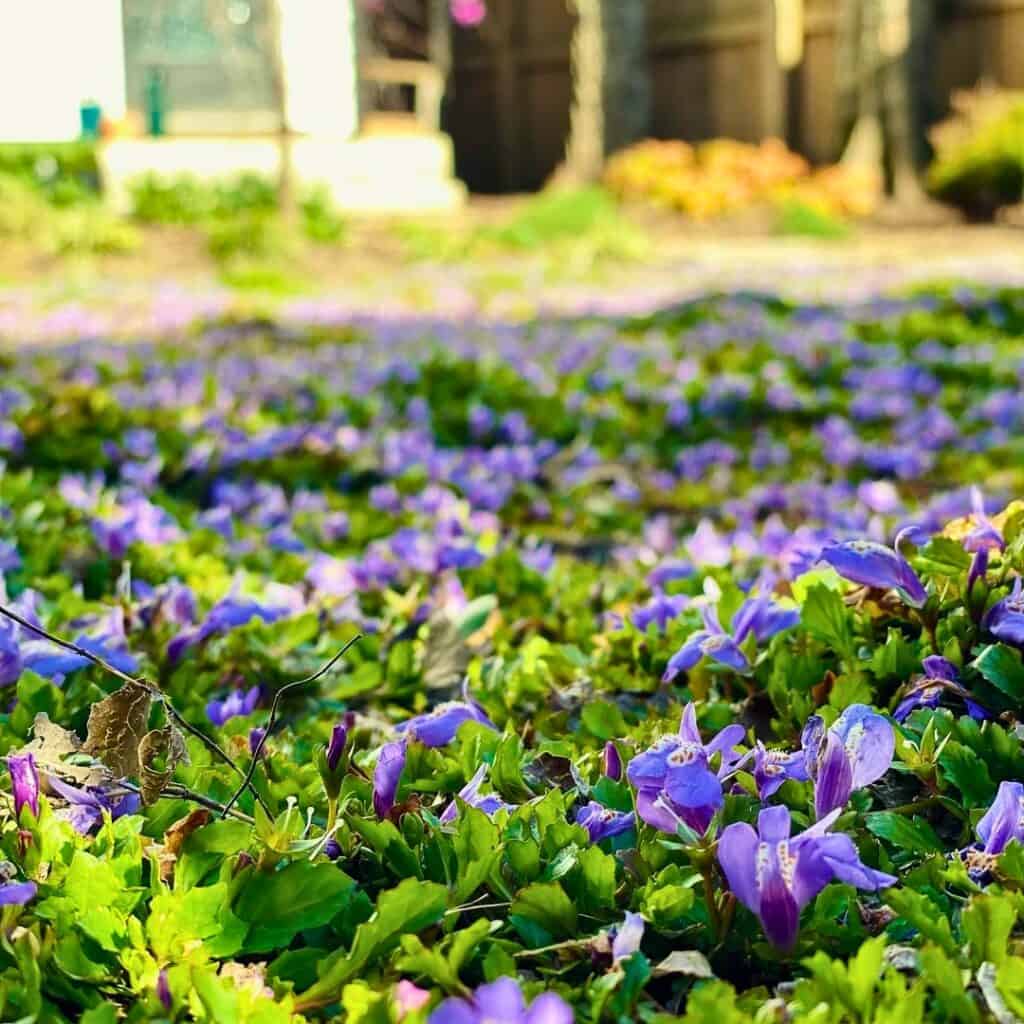
I love how Mazus reptans forms a soft, dense carpet that keeps weeds at bay. It’s a fast spreader, perfect for filling in those empty spaces between stepping stones or along the edges of a path.
The small green leaves hug the ground, making a thick mat that blocks sunlight from reaching weed seeds.
In spring and early summer, I notice tiny blue-violet flowers scattered across the foliage. They add just enough color to make things interesting without taking over.
The blooms bring in pollinators, so the garden feels a bit more alive.
Mazus reptans likes moist, well-drained soil, and I usually give it some afternoon shade if things get too hot. It handles light foot traffic, so I’m not afraid to plant it near paths or patios.
Since it spreads quickly, I keep an eye on it and trim the edges if it starts to wander. That keeps everything looking neat and stops it from crowding out other plants.
Once it’s settled, it’s easy to maintain, and I spend less time weeding or watering.
If you’re looking for a reliable ground cover that actually chokes out weeds, Mazus reptans is one I always suggest. It’s colorful, tough, and simple—what’s not to like?
11) Vinca Minor (Periwinkle)

I love planting Vinca minor, or periwinkle, when I want something easy that keeps weeds away. The small, glossy green leaves and pretty blue or purple flowers brighten up shady areas.
The vines spread fast, forming a dense mat that doesn’t give weeds much of a chance.
I usually tuck it under trees or along garden borders where grass just doesn’t want to grow. It tolerates shade better than most ground covers and stays green almost all year.
Once it’s settled, it needs very little care, which is perfect for anyone who forgets to water sometimes.
Vinca minor grows in pretty much any soil that drains well. I water it regularly at first, then back off once it’s established.
It even handles dry spells better than you’d expect.
Since it spreads fast, I watch to make sure it doesn’t take over nearby plants. A quick trim once or twice a year keeps things tidy.
I like how it fills in empty spots without needing fertilizer or much attention at all.
If I’m dealing with a slope, periwinkle is my go-to for erosion control and a splash of color. Its thick mat of roots holds the soil together and helps keep moisture in.
It’s simple, tough, and gets the job done—just what I want from a ground cover.
12) Blue Star Creeper

I’m a fan of Blue Star Creeper for its soft green carpet and those tiny blue flowers that pop up everywhere. It spreads fast, making a dense mat that keeps weeds from sneaking through.
I like to use it between stepping stones or around the edges of garden beds.
It does best in full sun to partial shade and prefers moist, well-drained soil. I water it a bit more when it’s new, but once it’s settled, it can handle short dry spells.
It stays super low—usually under two inches—so it’s great for filling in little gaps.
I’ve found it’s pretty tough and easy to care for. It tolerates light foot traffic, so it still looks good even in busy spots.
I only trim it if it starts to wander or tries to climb over other plants.
The small star-shaped blooms show up in late spring and stick around through summer. They add a soft touch of color without being flashy.
The flowers bring in a few pollinators, but they never take over the space.
If you’re looking to replace some lawn or fill tricky spots, Blue Star Creeper is a solid choice. It hugs the ground, blocks sunlight from weed seeds, and builds a natural weed barrier pretty quickly.
It’s an easy, attractive way to keep weeds under control.
13) Creeping Jenny (Lysimachia nummularia)
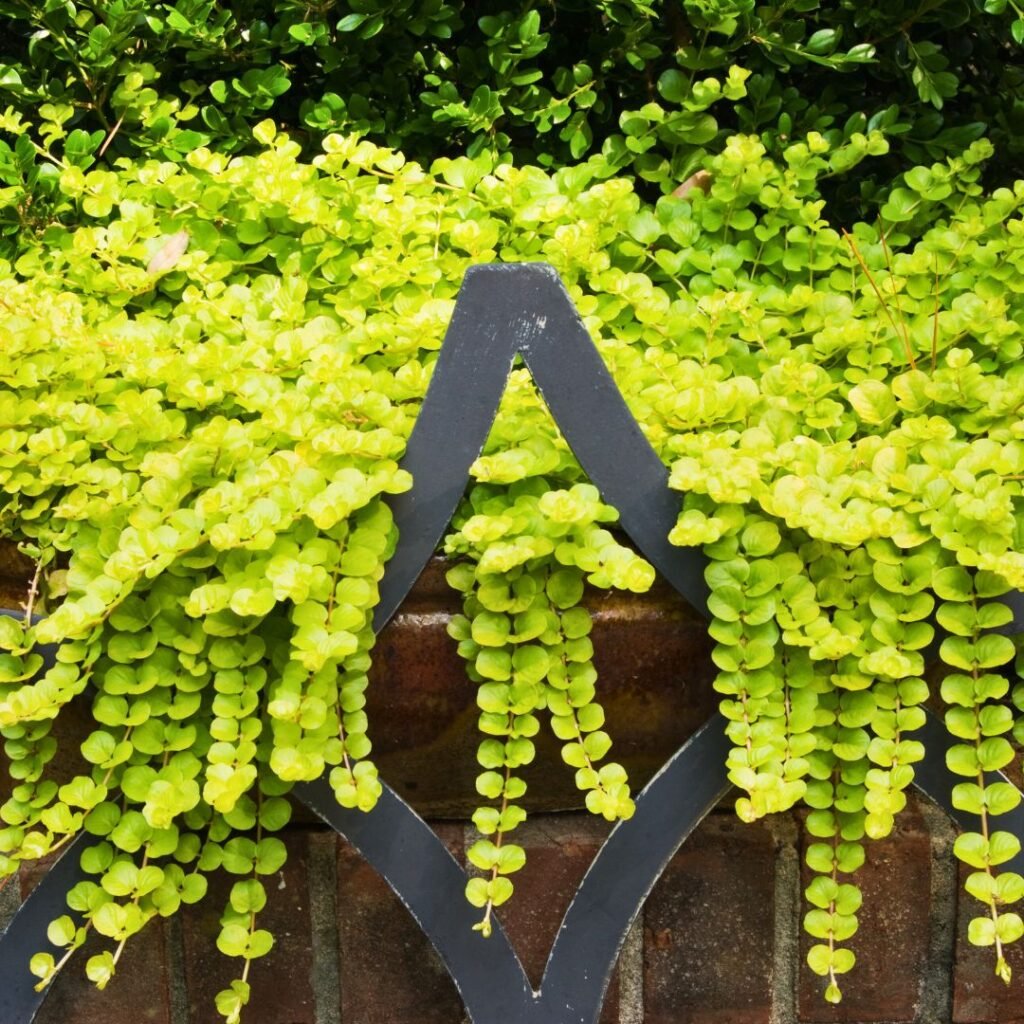
I really like how Creeping Jenny spreads fast and creates a lush, green carpet. The small, round leaves have a golden or lime-green shine, especially when they get plenty of sun.
In bright spots, the color really pops—it’s almost hard to miss.
I find it super useful in damp or moist soil, where a lot of other ground covers just give up. It does well along garden paths, around stepping stones, or even spilling over the sides of containers.
During summer, it puts out tiny yellow flowers that add a cheerful touch.
Creeping Jenny forms a thick mat that really chokes out weeds by blocking sunlight and leaving hardly any space for them.
Managing it is easy—just trim it if it starts heading somewhere you don’t want it.
It grows best in full sun to partial shade, depending on the color variety. The golden type likes more sun, while the green one does fine with some shade.
I appreciate that it stays low, so the garden looks neat without much effort.
Because it’s such a fast spreader, I always keep an eye on its growth. It can cover a lot of ground in no time, which is great for coverage but means it needs a little attention.
Regular pruning keeps it in check and looking good.
14) Bearberry (Arctostaphylos uva-ursi)

I love how Bearberry stays low and forms a thick mat of evergreen leaves. It’s a slow grower, but once it gets going, the garden looks tidier and weeds just can’t find space.
The glossy leaves stay green all year, even through cold winters.
I’ve noticed Bearberry thrives in poor, sandy, or rocky soil—places where most plants just won’t bother. It doesn’t ask for much, just good drainage and a bit of sunlight.
I like planting it on slopes or garden edges, especially where erosion is a problem, because its roots really hold the soil together.
In spring, Bearberry shows off tiny pink or white flowers that attract bees. Later, you get bright red berries that stick around into fall, adding color when everything else is fading.
Birds love the berries, so the yard feels a little more alive.
Since it stays low and spreads steadily, Bearberry blocks sunlight from weeds without much effort on my part. I don’t have to weed or mow it often, which is a relief.
Once it’s settled, it’s happy with little water and no fertilizer.
If you want a simple, evergreen ground cover that looks good and keeps weeds down, Bearberry is a dependable choice. It’s tough, drought-tolerant, and brings a bit of beauty without any drama.
15) Wild Ginger (Asarum canadense)

I like using Wild Ginger because it fills shady spots where grass just won’t cooperate. The heart‑shaped leaves make a soft carpet that blocks sunlight and keeps weeds away.
When it spreads, it forms a dense mat that keeps the soil cool and moist.
I’ve found it grows best in rich, damp soil with lots of organic matter. It really doesn’t like full sun, but thrives under trees or on the north side of buildings.
During dry spells, I water it to keep it lush and green.
What I like most is that Wild Ginger spreads slowly but surely through underground stems. Once it’s settled in, I rarely see any weeds breaking through.
The leaves stay low, so everything looks tidy with hardly any work.
In spring, you might spot small brownish flowers hiding under the leaves. They’re not flashy, but they have their own quiet charm if you look closely.
Even after the flowers fade, the foliage stays attractive through summer and into early fall.
I also appreciate that Wild Ginger is native to North America, so it fits right into woodland gardens. It supports local insects and pairs nicely with ferns and hostas.
For me, it’s a no-brainer when I want a ground cover that handles shade and keeps weeds down naturally.
Benefits of Using Ground Cover Plants for Weed Control
I use ground cover plants because they make my yard look better, save me time, and protect the soil. They grow fast, fill empty spots, and create a dense layer that blocks weeds and helps the ground stay healthy.
Low-Maintenance Gardening
I like that ground cover plants reduce the time I spend pulling weeds. Once they fill in, their thick growth shades the soil, making it hard for unwanted plants to sprout.
I don’t have to use herbicides or weed barriers as often, which saves money and keeps things a bit more natural.
Many of these plants, like creeping thyme or ajuga, require little watering once established. They handle dry spells and still stay green.
I just trim them a few times a year to keep them neat.
Because they come back every year, I don’t need to replant or reseed. That means less work and a cleaner, more natural look with almost no effort.
It’s a simple way to keep a garden tidy without constant upkeep.
Soil Health Improvement
Ground cover plants do more than block weeds—they improve the soil underneath. Their roots hold moisture and help nutrients stay in place instead of washing away.
This keeps the ground rich and easier to work with.
As leaves and stems break down, they add organic matter that feeds beneficial organisms like worms and microbes.
The soil becomes softer and more alive over time. I’ve noticed that new plants grow stronger in these spots.
Some covers, such as clover and vetch, even add nitrogen back into the soil. This natural fertilizer supports other plants nearby and reduces the need for chemical products.
It’s honestly a smart move for any garden.
Erosion Prevention
I’ve learned that ground cover plants protect my soil from washing away during heavy rain or wind. Their dense root networks hold the topsoil in place, keeping it from eroding down slopes or garden edges.
Plants like periwinkle and creeping juniper spread quickly and form mats that stop bare patches from forming.
This helps the land stay stable and keeps muddy runoff at bay. Keeping the soil where it belongs supports healthy lawn edges, flower beds, and hillsides.
With steady growth and year-round coverage, I don’t have to worry about losing valuable soil when the weather turns rough.
How to Successfully Establish Ground Covers
I’ve found that healthy soil, careful planting, and consistent care make the biggest difference when growing ground covers.
Good preparation helps plants root faster, spread evenly, and crowd out weeds before they have a chance to return.
Soil Preparation Tips
I always start by checking the soil’s texture and drainage. Well-draining soil really makes a difference—it prevents rot and lets roots dig deep.
If the soil is heavy clay or just too sandy, I’ll mix in compost or aged manure to help with structure. A quick soil test tells me if I need to toss in some lime or fertilizer.
Before planting, I get rid of all the weeds. Pulling them by hand or using a hoe takes time, but it’s worth it since leftover weeds just steal nutrients.
Once the weeds are gone, I loosen up the top 6–8 inches of soil. That way, roots can move around more easily.
Adding 2–3 inches of organic matter helps the soil hold moisture and boosts nutrients. I rake the surface smooth before planting—nothing fancy, just enough to prep the bed.
Healthy soil is honestly the best way to get strong, low-maintenance ground cover.
Planting Techniques
I look for young plants with healthy roots. Planting them too deep isn’t great, so I keep them at the same depth they were in their pots.
Spacing matters—I usually go for 12 to 18 inches apart, depending on how fast I want them to fill in.
I press the soil gently around each root ball, then water right away so everything settles. If you want quicker weed control, tighter spacing works, but it’ll cost more.
For big areas, I sometimes plant in staggered rows. It just helps with even coverage.
If I’m dealing with a slope, I angle the planting holes slightly inward. That way, water soaks in instead of running off, especially during heavy rain.
I finish by lightly pressing the soil with my hands or feet. Nothing too forceful—just enough to firm things up.
Watering and Mulching
New ground covers need steady moisture until they’ve put down strong roots. I prefer watering deeply twice a week instead of those quick daily sprinkles.
It’s better for training roots to grow down, and that makes the plants more drought-resistant later.
After watering, I spread about 2 inches of mulch—shredded bark or leaf compost works well—around the plants, but I keep it away from the stems.
Mulch holds in moisture and blocks sunlight, so you get fewer weeds popping up.
For the first few months, I check the soil moisture often. Once the plants fill in and shade the soil, they need less water and are a lot easier to manage.
Frequently Asked Questions
I like using ground covers because they keep weeds away while adding some color and texture to my yard. Some plants handle shade better, others love sun, and a few just spread fast enough to create those dense, weed-blocking carpets.
What are some low-maintenance ground covers that prevent weed growth?
I go for Creeping Thyme, Clover, or Ajuga Reptans (Bugleweed) when I want to spend less time fussing over my garden. These guys spread easily, form thick mats, and need little care.
Once they fill in, most weeds don’t stand a chance.
Can you recommend ground cover plants that thrive in shade but still suppress weeds?
For shady spots, Sweet Woodruff and Pachysandra Terminalis are my favorites. They handle low light and create lush, green carpets that smother unwanted plants.
I’ve found they stay pretty attractive most of the year, too.
Which ground cover plants work best in full sun to keep weeds at bay?
In sunny areas, Creeping Thyme and Clover have always worked best for me. They don’t mind heat or poor soil and cover the ground densely enough to block weeds.
Plus, Creeping Thyme adds little flowers that attract pollinators, which is always a bonus.
How quickly do ground covering plants spread to effectively choke out weeds?
It depends on the species and growing conditions, honestly. Ajuga Reptans and Clover usually fill in within a season or two if they get enough sun and water.
Others, like Sweet Woodruff, are a bit slower but they’ll form solid coverage eventually.
Are there ground cover plants that can prevent weeds and also withstand high foot traffic?
Yep, Clover and Creeping Thyme can handle moderate foot traffic. I plant them along paths and between stepping stones—they bounce back after being walked on.
They keep the soil covered and weed-free, which is exactly what I want.
What perennial ground covers are the most effective for weed control?
I’ve had good luck with Ajuga Reptans, Pachysandra Terminalis, and Sweet Woodruff. These perennials just keep coming back every year.
They tend to form thick coverage and honestly don’t need much upkeep once they’re settled in. Their dense growth makes it tough for weeds to squeeze through.
Note: Some images in the articles are sourced from Reddit and Other Platforms For Reference Purpose.