10 Summer Plant Tips Every Newbie Should Know for Thriving Gardens
Summer’s honestly one of the best times to get into plant care, but let’s be real—it’s not always as easy as it looks, especially if you’re just starting. I want to help you skip the rookie mistakes and actually enjoy seeing your plants grow healthy and strong.
With a few simple tips, plant care can be surprisingly fun. I’m sharing what’s worked for me, hoping you’ll feel a bit more confident about growing your own plants this summer.
Please note: Simplify Plants is reader-supported. As an Amazon Associate, I earn from qualifying purchases made by our readers with no extra cost added to you all! Some links in the post are affiliate links and I get a commission from purchases made through links in the post.
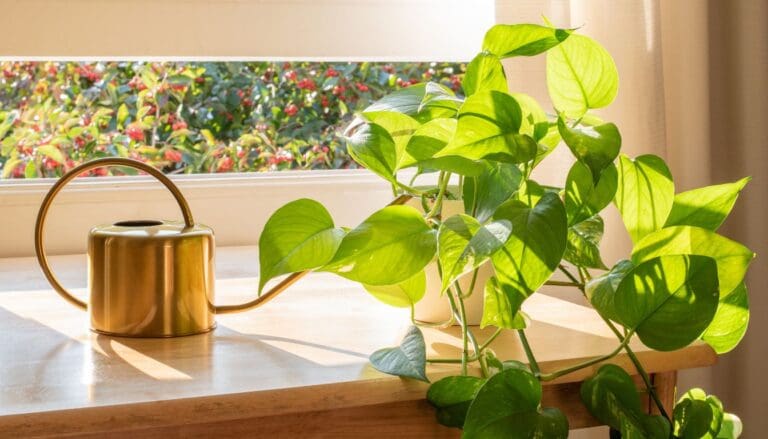
1) Water plants early morning to reduce evaporation

I try to water my plants early in the morning whenever I can. The sun’s not blazing yet, so there’s way less water lost to evaporation.
Plants really soak up every drop when I beat the heat. The cool air helps water reach those roots instead of just disappearing.
It’s also just easier to notice droopy or sad-looking leaves in the morning light. If something looks off, I can fix it before the afternoon gets brutal.
Early watering keeps disease risks down, too. Leaves dry off by night, so there’s less chance for mold or mildew to set in.
I avoid midday watering because the sun just zaps water away too fast. Plus, water droplets on leaves under strong sun can sometimes scorch them—definitely not what you want.
Honestly, mornings are peaceful, and I get to enjoy my garden while it’s still quiet and cool. My plants look fresher and healthier when I stick with this.
If I miss the morning, late afternoon is the next best. Evenings? I try not to—damp plants overnight are just asking for pests and fungus.
I use a gentle watering can or a soft hose setting to make sure water gets to the roots instead of just wetting the top.
This tiny shift in my routine has honestly made a noticeable difference. Starting my day with watering just feels right, and my plants seem to appreciate it.
2) Use mulch to keep soil moist and cool
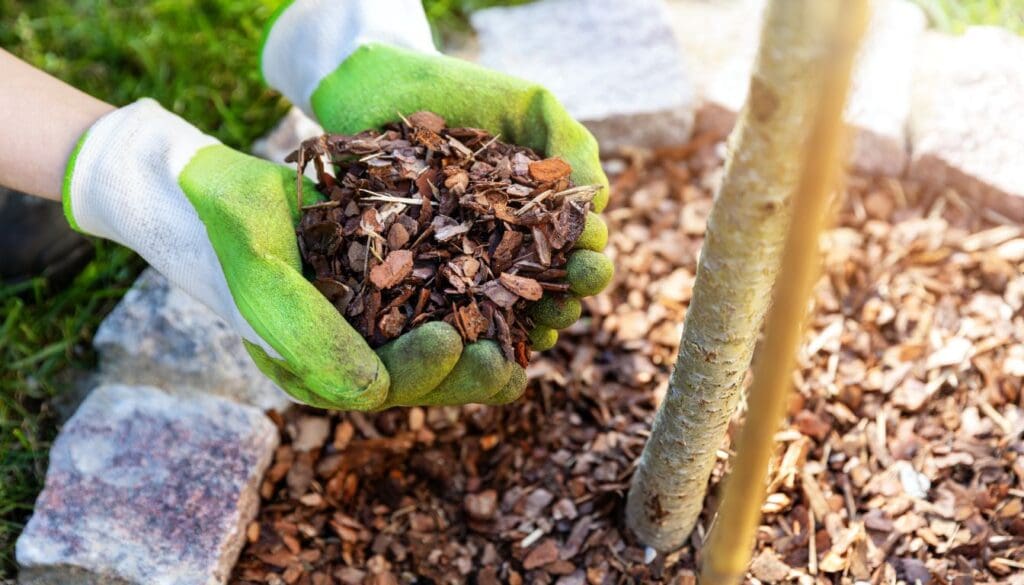
I pretty much always use mulch in my garden when summer hits. Mulch is just a layer I toss on top of the soil, and honestly, it makes a huge difference.
It keeps the ground cooler and helps soil hold onto moisture—my plants seem to love it.
With mulch, the soil doesn’t dry out nearly as fast. That means less watering for me, which is always a win.
I usually grab wood chips, straw, or even shredded leaves for mulch. They’re easy to find and safe for most plants.
I spread a layer about two or three inches thick around the base of each plant. Not too close, though—leaving a little space around the stems helps prevent rot.
Mulch also keeps weeds from taking over. The thick layer blocks sunlight, so fewer weeds pop up.
Every couple of months, I check if the mulch is breaking down and add more if it’s looking thin. That way, my plants stay protected even on the hottest days.
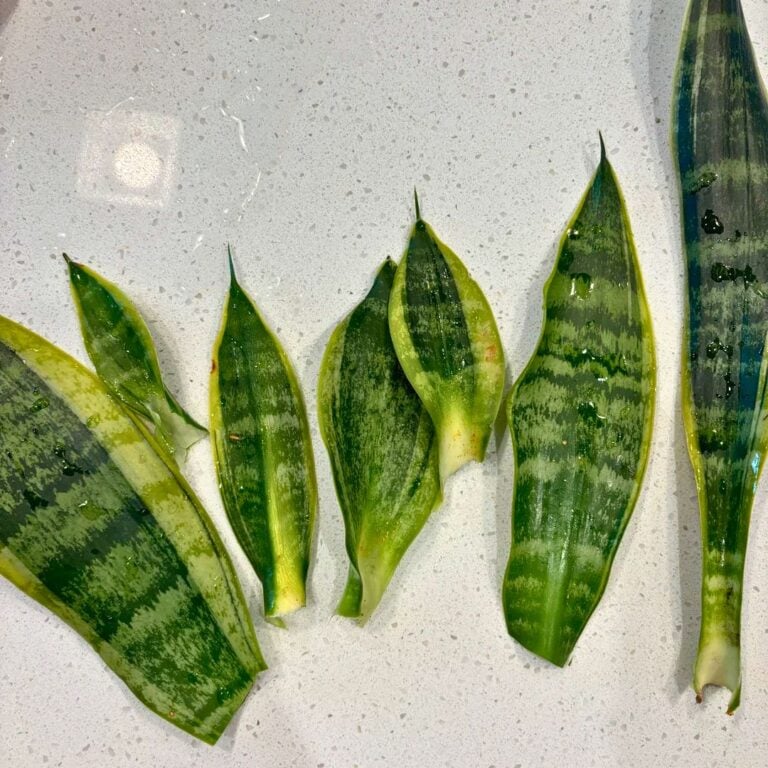
3) Trim dead leaves to encourage new growth
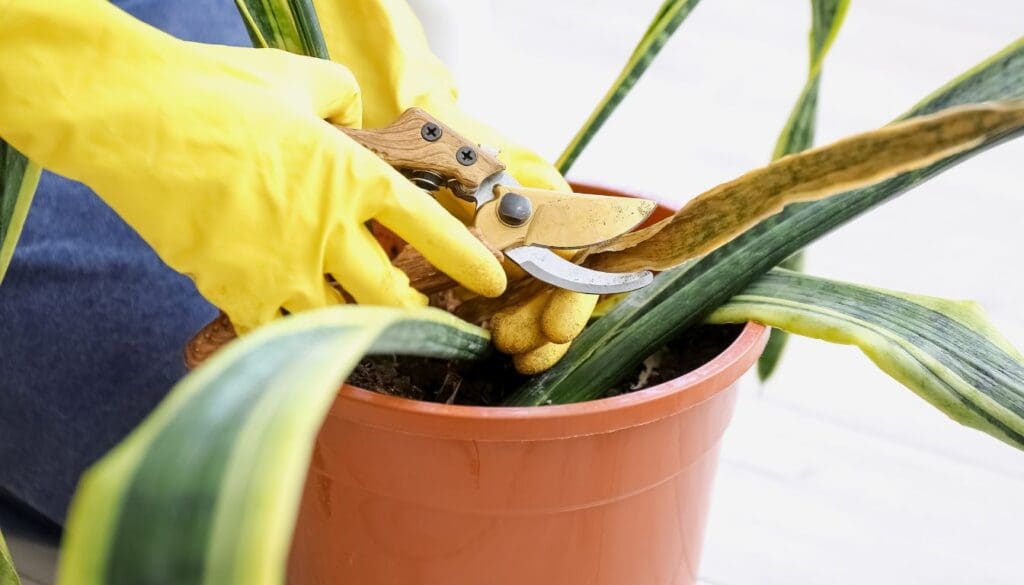
I keep an eye out for dead or yellowing leaves on my plants. Getting rid of dead leaves keeps things looking tidy and healthy.
When I trim them, I use clean, sharp scissors or pruning shears. Dead leaves can attract pests or disease, so I don’t let them linger.
I snip close to the base, being careful not to cut into the healthy part. Trimming always seems to spark new growth.
Most weeks, I do a quick check for brown or lifeless leaves and snip them off right away. It really keeps my plants looking fresh all summer.
This habit doesn’t take long, but it makes a noticeable difference. Plus, it’s kind of satisfying to see healthier, happier plants.
4) Choose heat-tolerant plants like marigold and lavender

When I’m picking plants for summer, I reach for heat-tolerant varieties first. Some plants just can’t handle the strong sun, but others seem to thrive.
Marigolds are a favorite—bright, cheerful, and tough as nails. They don’t need much water once they’re settled in, and they really brighten up the garden.
Lavender is another winner. It smells amazing and actually loves hot, sunny weather. Well-drained soil and not too much water, and it’s happy.
I also like these plants because they attract helpful insects like bees and butterflies. That’s a bonus for the whole garden.
Choosing heat-tolerant plants saves me time and stress. I don’t have to worry as much about them during heatwaves.
When I’m at the garden center, I look for labels like “heat-tolerant” or “drought-resistant.” Marigold and lavender are usually easy to spot.
Starting with hardy plants really helps me build confidence—even when summer gets extra hot.
5) Avoid overwatering to prevent root rot
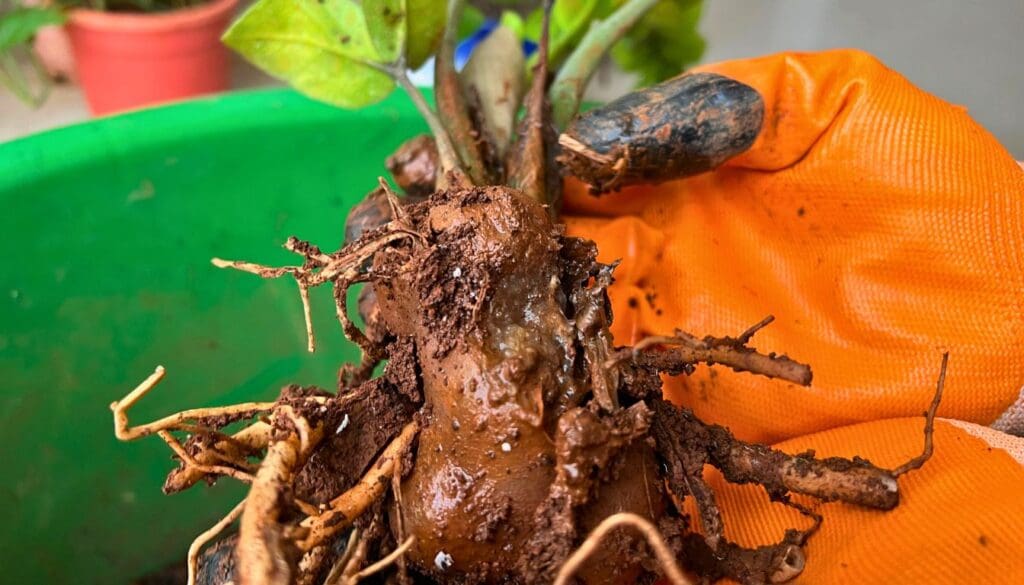
I’ve definitely learned that too much water is a big mistake. Overwatering is surprisingly easy to do. When I keep soil too wet, the roots can’t breathe and end up suffering.
Roots need a balance of water and air. If the soil stays soggy, roots start to rot, and that’s tough to fix.
Now, I stick my finger in the top inch of soil before watering. If it’s dry, I water. If not, I wait and check again the next day.
Pots with drainage holes are a must for me. It lets extra water escape, so roots aren’t sitting in a puddle.
Watching the leaves helps, too. If leaves turn yellow and get limp, it might be too much water. Dry-looking leaves aren’t always a sign to water more—they could mean root rot.
I remind myself that sometimes less water is better. Being careful with watering keeps my plants much happier in summer.
6) Use organic fertilizer for steady nutrient release

I lean toward organic fertilizer, especially in summer. Stuff like compost, manure, or plant-based mixes works well for me.
Organic fertilizers break down slowly, feeding my plants little by little. That means no big nutrient spikes—just steady growth.
I’ve noticed the soil seems healthier, and I worry less about burning my plants or messing up the garden’s ecosystem. Healthy soil just leads to healthier plants.
I usually add organic fertilizer before or during planting, then just let it do its thing. It’s easy to find at garden stores, or I’ll use homemade compost if I have it.
With steady nutrients, my plants handle heat and stress better. I see stronger roots, greener leaves, and sometimes even more blooms. That’s why I stick to organic every summer.
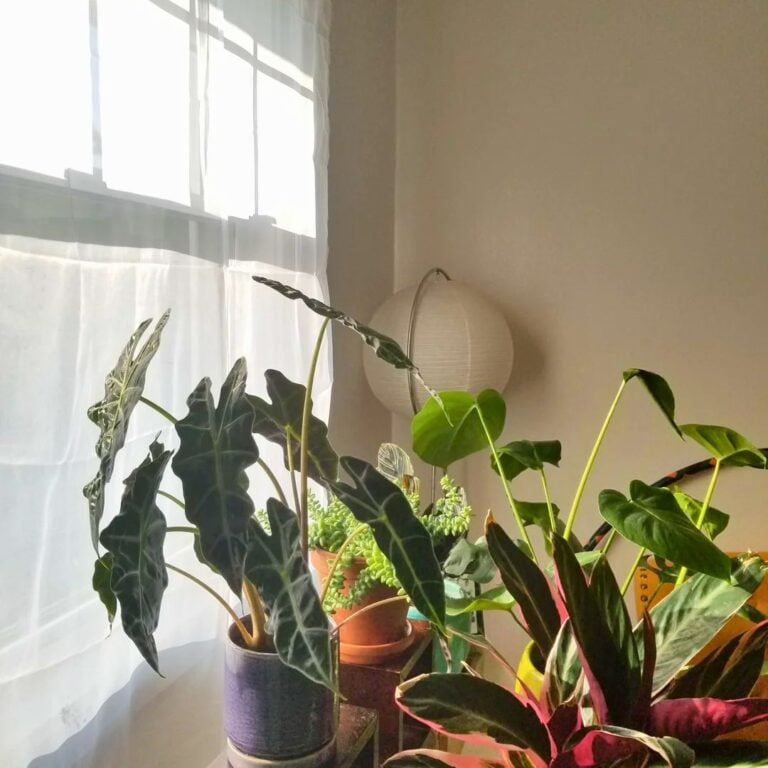
7) Place pots in shaded areas during peak heat

I always try to keep my potted plants out of direct sun when it’s hottest. Too much midday sun can really stress them out.
Shaded spots help protect roots from overheating. I move my pots under a tree, next to a wall, or under a patio cover if I can.
Even something simple like an umbrella or a cloth works for extra shade. It really helps slow down how fast the soil dries out.
I pay attention to where the sun hits my yard or balcony and aim for morning sun, afternoon shade. Plants seem to grow better this way.
I’ve noticed that plants in shade need less water. They just don’t dry out as quickly as the ones in full sun.
Some plants, like ferns or mint, actually prefer the shadiest spots. Sun-lovers like succulents get a bit more light, but I still shield them during peak heat.
I also rotate my pots every now and then, so no side gets too much or too little sun.
Shading pots is such an easy tweak, but it honestly makes a big difference for summer plant health.
8) Check plants daily for pests like aphids
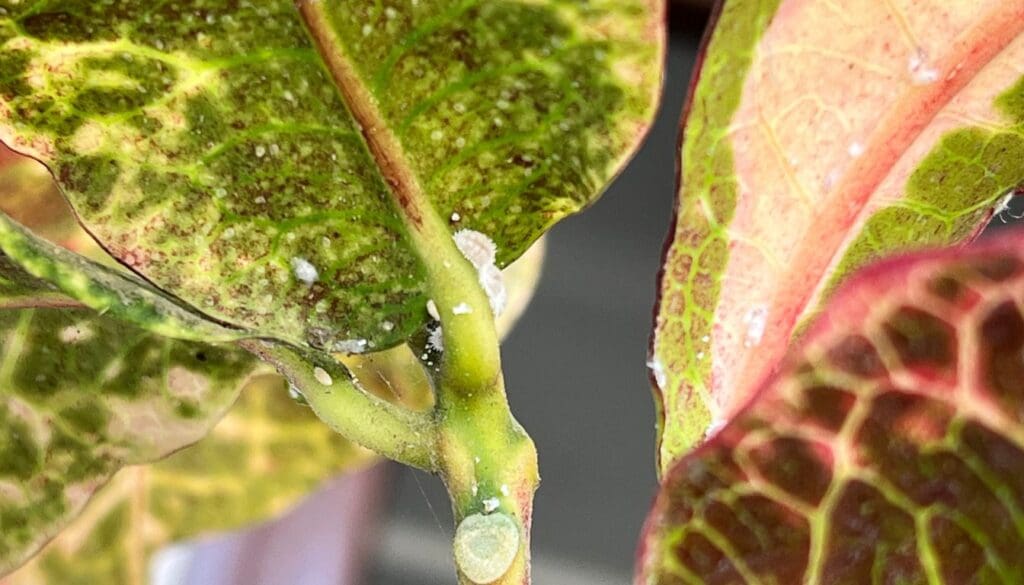
I take a couple minutes each day to really look at my plants up close. Pests like aphids can show up out of nowhere, and if I don’t catch them early, they spread fast.
Aphids are tiny, soft bugs that usually hide under leaves or along stems. If I spot clusters of green, black, or white dots—or sticky spots and curled leaves—I know aphids are probably around.
When I find pests, I gently spray the plants with water to knock them off. Sometimes, I just pick them off by hand. I try to avoid strong chemicals since they can hurt both my plants and helpful bugs.
I also keep an eye out for ants, since they love the honeydew aphids make. Seeing a few ants is usually a sign to look even closer.
Daily checks really save me trouble later, and my plants stay a lot healthier. Staying on top of pests helps my summer garden look its best.
9) Increase humidity with a pebble tray under pots
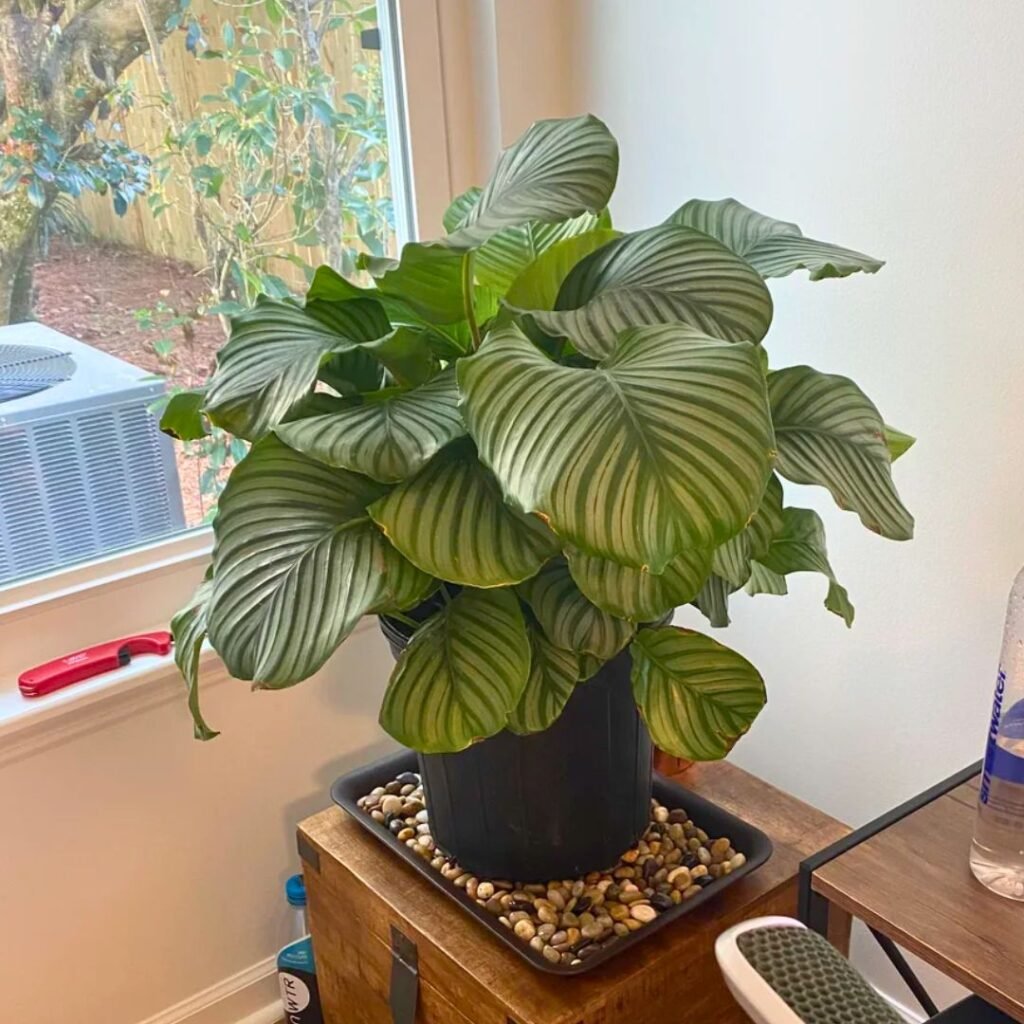
A lot of houseplants seem to perk up with a little extra humidity, especially when summer rolls around. One of my go-to tricks is the pebble tray under the pots.
Making a pebble tray is easy. I grab a shallow dish, toss in some pebbles or small rocks, and pour in just enough water to partly cover the stones.
The plant pot sits right on top of the pebbles. I’m careful that the bottom of the pot isn’t touching the water—nobody wants soggy roots.
As the water slowly evaporates, it adds a bit of moisture to the air right around the plant. This is a lifesaver for ferns and calatheas, which are always thirsting for humidity.
I’ve noticed my plants look fresher, and there are way fewer crispy leaves when I keep up with this. The roots don’t get waterlogged either, since the pot isn’t actually sitting in water.
When the tray dries out, I just refill it. It’s honestly such a simple fix and only takes a minute.
I also like that I can move or clean the tray whenever I want. Sometimes I get fancy and use decorative stones to make the whole setup look a bit nicer on a shelf or windowsill.
This little project is easy and keeps my plants happy through all that dry summer air.
10) Pinch off flowers to promote bushier plants
If I want my plants to fill out and get bushier, I’ll pinch off the first few flowers. It might feel a bit weird at first, but it really does the trick.
Pinching flowers just means I use my fingers to gently remove the blooms from the stems. Doing this helps the plant put its energy into growing more leaves and branches instead of jumping straight to making seeds.
I see a real difference with herbs like basil and mint—they get fuller and have way more stems. I always wait until my plant looks healthy and has a few sets of leaves before I start pinching.
It’s quick—just a little snip with my fingers at the top. And honestly, don’t worry about hurting your plant.
Taking off a few flowers won’t harm it. If anything, my plants seem to get stronger.
If flowers keep popping up, I just keep pinching a few more. Usually, the plant starts growing in new directions and fills out nicely.
I use this trick for veggies, herbs, and even some flowers. It helps me get more harvests and keeps my plants looking good all summer. If you want bushier plants, it’s definitely worth a shot!
Understanding Summer Plant Care
When the weather heats up, I start paying extra attention to my plants—how they look, and how much water they seem to need. Heat and sunlight can really change what they want from day to day.
Recognizing Signs of Plant Stress
I always keep an eye out for yellow or brown leaves. That’s usually a sign my plant’s getting too much sun or not enough water.
Wilted or droopy stems are another big red flag. I’ll check the soil a lot—if it feels dry and hard, the plant probably needs a drink.
Sometimes the leaves look scorched or faded if there’s too much direct sunlight. Another thing I notice is stunted growth—if the plant just stops putting out new leaves, something’s probably off.
I also peek under the leaves for weird spots or bugs. Here’s my quick checklist:
- Yellow or brown edges
- Drooping or limp leaves
- Soil pulling away from the pot
- Spots, holes, or pests on the leaves
Catching these signs early means I can tweak my care before things get out of hand.
Adjusting Watering Schedules
In the summer, my plants almost always need more water. But I don’t follow a strict schedule.
I always check the soil first. If the top inch is dry, then it’s time to water.
I usually water in the early morning or late afternoon. That way, less water evaporates in the heat.
For potted plants, I’m extra careful since pots dry out so fast. I use mulch in my garden beds to help keep the moisture in.
Here’s what works for me:
- Water when the soil feels dry, not just by the calendar
- Use a watering can for small plants so I don’t soak the leaves
- Add mulch or small pebbles on top of the soil to slow down evaporation
These simple steps help my plants survive even on those super hot days.
Creating the Ideal Summer Environment

Keeping my plants happy in summer means thinking about their light and soil. I try to give each one the best spot and the right mix for the season.
Managing Sunlight and Shade
I make sure my plants get enough sunlight, but not so much that they burn. Most summer plants want about 6 hours of sun a day.
I put sun-loving plants near windows or outside where they get lots of light. If a plant is delicate, I’ll move it out of the hot afternoon sun—sunburned leaves are no fun.
When I see leaves turning brown or curling, I’ll use shade cloths, move the pots, or just pop up an umbrella. For my indoor plants, I turn them every week so all sides get some light.
Some plants, like ferns or impatiens, seem happier in dappled shade. I always check plant tags or care guides to see how much sun each one likes.
Here’s a simple table I use:
| Plant Type | Light Needs |
|---|---|
| Succulent | Full sun |
| Fern | Partial shade |
| Tomato | Full sun |
| Lettuce | Partial shade |
Choosing the Right Soil Mix
When it’s hot, I use soil that drains well but still holds on to some moisture. Fast-draining soil keeps roots from sitting in water and rotting, especially after those summer downpours.
For pots, I mix potting soil with a bit of sand or perlite. That way, water flows through but doesn’t just run off.
I stay away from regular garden dirt because it can get hard and block water from reaching the roots. For flowers and veggies, I look for mixes that say “for flowers” or “for vegetables” right on the bag.
Each plant has its own needs. Succulents and cacti like sandy mixes, while ferns want soil with peat that stays damp.
I gently press the dirt around the roots and add a little mulch on top to help keep things moist.
Frequently Asked Questions
I want my summer garden to look nice and stay healthy. I pay close attention to water, pick good starter plants, and try to make gardening fun.
What are some essential tips for starting a garden in the summer?
I always water my plants early in the morning—it helps them stay cool and hold on to moisture. Mulch is a big help for keeping the soil moist and cool.
I trim off dead leaves so the plant can focus on new growth. Picking heat-tolerant plants, like marigolds, makes things easier for me.
How should I care for my plants during the hot months?
Heat can be tough on plants. I water them deeply, but not too often, and I add mulch to protect the roots.
Trimming away dead or yellow leaves helps the plant use its energy better.
What are the best beginner-friendly plants to grow in the summer?
Some plants just love the summer heat. I go for marigolds, sunflowers, and zinnias—they’re pretty easy.
For herbs, basil and mint have always been reliable for me. They don’t need much fuss and handle the sun well.
Can you suggest some fun ways to enhance my gardening experience?
I like to make gardening more fun by adding colorful pots or painting plant markers. Sometimes I’ll plant flowers with strong scents, like lavender, to make the garden smell amazing.
Joining gardening groups online is great too—I get to share pictures and pick up tips from friends.
What should I know about watering my garden during summer?
Watering really matters in the summer. I always water early in the morning, so plants can soak up moisture before it gets too hot.
I try not to overwater, since that can cause root rot. Checking the soil first helps me figure out when my plants actually need a drink.
How can I design a garden that thrives in the summer heat?
I design my summer garden with heat in mind. I go for sun-loving flowers, since they just seem to handle the hot months better.
Mulch is a lifesaver—it helps keep the soil nice and cool, even on those scorching days. I also like to put taller plants in spots where they’ll throw a little shade for their neighbors.
Honestly, planning for hot weather makes a huge difference. The garden just looks happier all season.
Note: Some images in the articles are sourced from Reddit and Other Platforms For Reference Purpose.