15 Easiest Flowers to Grow from Seeds
I love how planting flowers can turn a small space into something bright and full of life.
Growing them from seeds? That’s honestly one of the most satisfying things—watching little sprouts become big, colorful blooms.
You can grow beautiful flowers easily without needing much experience or expensive tools.
In this article, I’m sharing some of the easiest flowers to start from seeds and a few tips that have helped me along the way. You can start most of these in January(indoors) or early spring(outdoors) as well.
If you run into common challenges, don’t worry—there are simple ways to keep your garden healthy and colorful all season.
Please note: Simplify Plants is reader-supported. As an Amazon Associate, I earn from qualifying purchases made by our readers with no extra cost added to you all! Some links in the post are affiliate links and I get a commission from purchases made through links in the post.
1) Sunflower

I love growing sunflowers because they bring instant cheer to any garden. They’re tall, bright, and honestly, pretty forgiving even if you’re new to gardening.
I usually plant my sunflower seeds in full sun, aiming for at least six hours of light each day. The soil doesn’t need to be anything fancy—just well-drained and loose so the roots can spread.
When I plant the seeds, I space them about 6 inches apart and cover them with an inch of soil. I keep the soil moist but not soggy until the seedlings pop up, which is usually in about a week.
Once the plants start growing, I water them deeply a few times a week. During hot spells, I make sure the soil stays damp because sunflowers grow fast and get thirsty.
Sunflowers come in all sorts of sizes and colors. Some barely reach your knees, and others shoot up over 10 feet—I just pick whatever fits my space.
When the blooms open, bees and butterflies can’t resist them. It’s great for pollination, and at the end of the season, I save seeds for the birds or next year’s planting.
Growing sunflowers from seed always feels like a win. They’re low-maintenance, speedy, and add a bright, happy vibe to the whole garden.
2) Zinnia
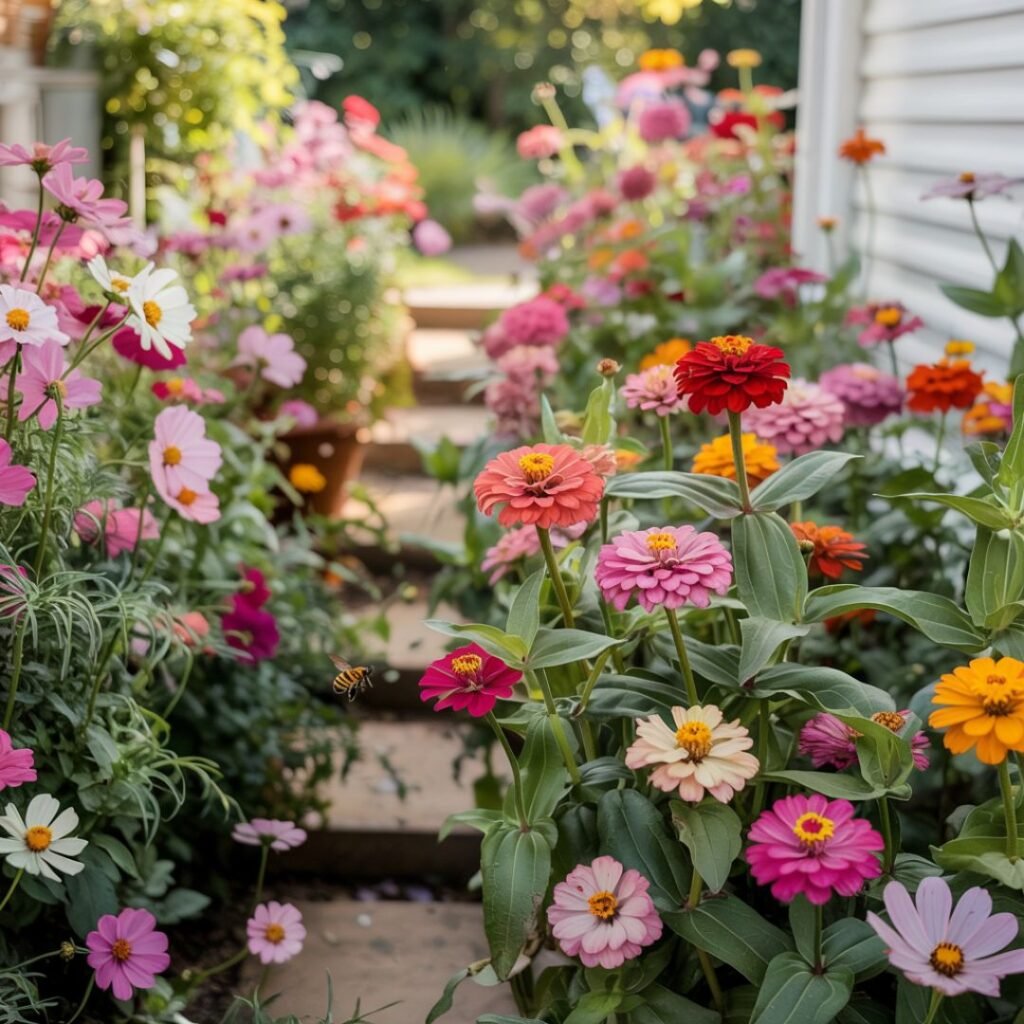
I love growing zinnias because they sprout fast and come in a rainbow of colors. They make my garden look cheerful with hardly any fuss.
I usually start the seeds directly in the soil after the last frost. Zinnias aren’t fans of being moved, so I just plant them where I want them to grow. The seeds usually pop up within a week.
They need full sun and soil that drains well. I water them regularly but try not to soak the leaves, since that can cause mildew.
Once they’re growing, zinnias handle heat and dry weather like champs. If I keep removing old flowers, they’ll bloom all summer.
I love picking the blooms for tiny vases—zinnias last a while indoors. There are so many kinds, from short border types to tall ones for cutting. Mixing colors is half the fun.
These flowers attract butterflies and bees, so the garden always feels busy and alive. With almost no effort, zinnias reward me with color and energy all season.
3) Marigold

I love growing marigolds because they sprout fast and bloom bright. Their orange and yellow petals just make everything feel sunnier.
I usually plant marigold seeds directly in the soil after the last frost. They like warm weather and full sun, so I find a sunny spot. The seeds germinate in about a week, which is always satisfying.
I water them lightly but often at first. Once they’re up and growing, I let the soil dry a bit between waterings.
Marigolds actually handle dry conditions better than soggy soil, so I’m careful not to overdo it. Plus, I’ve noticed their scent helps keep pests away—they’re great near veggies for natural protection.
There are tons of marigold varieties, but I usually go for French or African marigolds. French ones stay small and bushy, while African marigolds are taller with big blooms.
I deadhead the flowers often to keep them blooming. Just snipping off old blooms really helps new ones form.
At the end of the season, I collect seeds from the dried flower heads. It’s easy, and I don’t have to buy new seeds next year.
Marigolds are honestly one of the easiest flowers I’ve grown. A little effort, and you get months of color and a garden that feels warm and lively.
4) Cosmos

I love growing cosmos because they’re just so easy from seed. They don’t need much attention, and once it’s warm, they shoot up fast.
Their bright, daisy-like blooms really brighten up any spot. I usually plant cosmos seeds directly in the ground after the last frost.
The seeds are tiny, so I just press them gently into the soil. They like full sun and soil that drains well—nothing fancy needed.
Cosmos don’t need rich soil. Actually, too much fertilizer can mean fewer blooms. I water only when the soil feels dry, and that’s pretty much it.
In a few weeks, I get tall, feathery stems. Soon after, flowers in pink, white, and purple start showing up.
Butterflies and bees love them, so the garden always feels lively. I cut a few stems for vases, and the blooms last a while indoors.
When petals drop, I let some seeds fall for self-sowing. Or, if I’m feeling organized, I collect the seeds from dried heads and save them for next year.
Cosmos do great in pots and containers too. I put them on the patio where they get lots of sun, and they don’t mind wind or heat.
I like how the tall, airy stems add movement and height behind shorter flowers. Even in the wind, they just sway and look pretty.
With just a few seeds and some sunshine, I can fill my space with bright, carefree blooms. Cosmos make gardening feel easy and fun, even if you’re just starting out.
5) Nasturtium
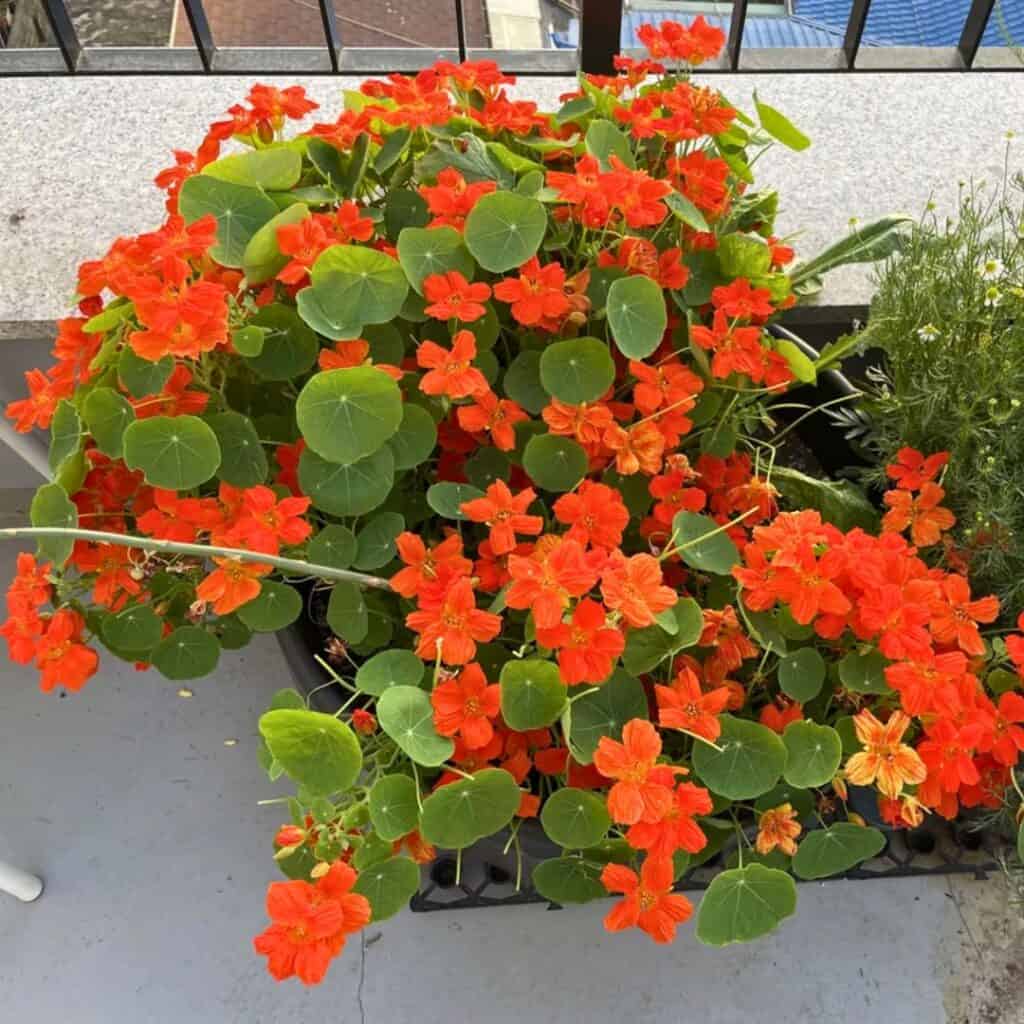
I love growing nasturtiums because they’re so easy and ridiculously colorful. The flowers come in orange, yellow, and red, and they grow quickly from seed.
Usually, I see sprouts within a week, which is always a nice surprise. I plant the seeds right in the garden after the last frost.
They like full sun but don’t mind a bit of shade. The soil doesn’t have to be rich—actually, poor soil helps them bloom better.
I water them regularly but make sure the soil drains well, since too much water can cause root issues. Once they get going, nasturtiums spread fast and fill empty spots.
The leaves and flowers are edible, which is a bonus. I toss them in salads for a peppery kick and a splash of color.
Nasturtiums attract pollinators like bees and butterflies, and they can even act as a trap crop to lure pests away from other plants.
I like planting them in containers or letting them trail over raised beds. Their vines look great spilling down, and they keep blooming all summer with almost no work.
If I collect seeds after they dry, I can save them for next year. They store well and last for several seasons.
For anyone new to gardening, nasturtiums are a solid first pick. They’re fast, forgiving, and honestly just fun to watch grow.
6) Sweet Pea
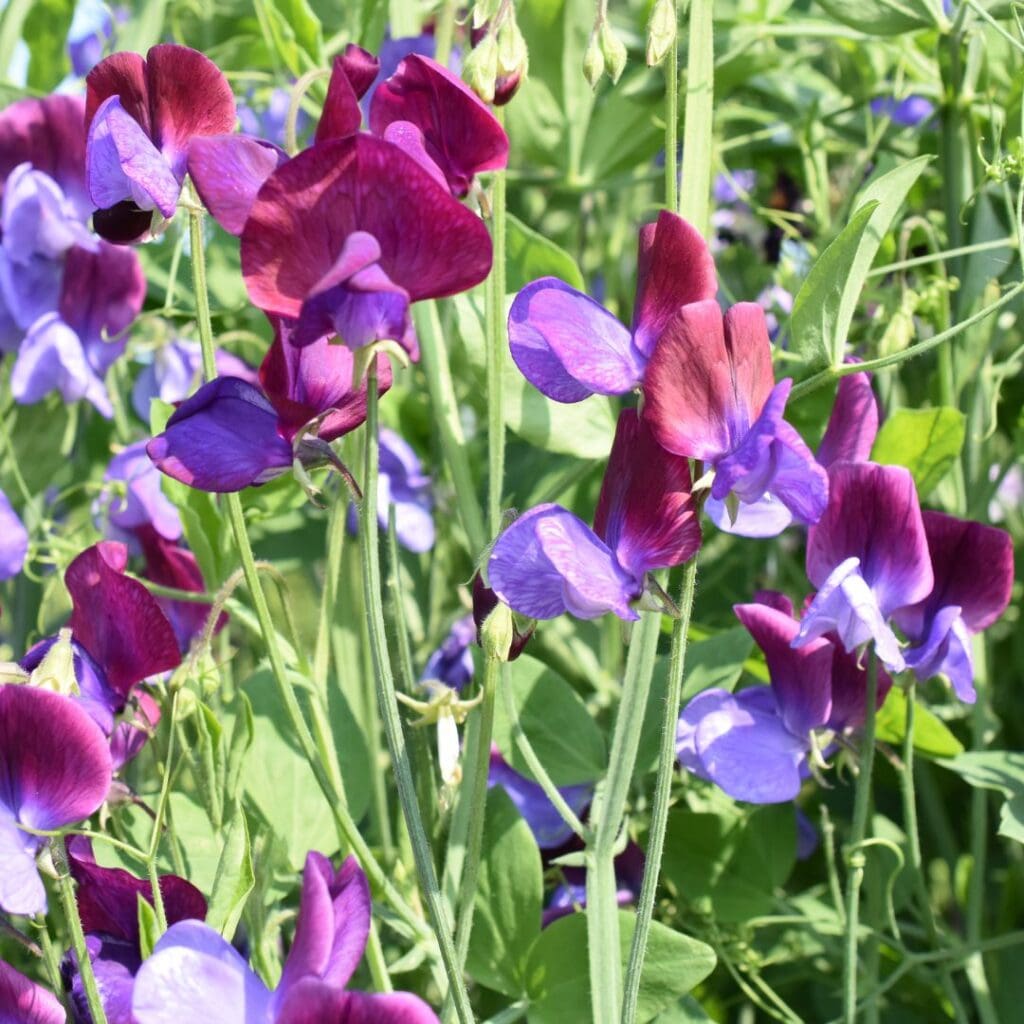
I love growing Sweet Peas—they add color and a gentle scent to the garden. With shades like pink, purple, and white, mixing and matching is half the fun.
These flowers do best in cool weather, so I plant the seeds early in spring. I usually soak the seeds overnight first to help them sprout.
I plant them in well-drained soil and a sunny spot. They like full sun but can deal with a little shade.
Sweet Peas need support as they grow, so I use a trellis or even a simple fence for the vines to climb. It keeps everything tidy and lets the flowers show off.
I water them often but try not to make the soil soggy. Keeping the soil just moist seems to do the trick.
When the flowers start blooming, I pick them often—it encourages more blossoms and keeps the plants looking fresh.
Sweet Peas also do well in containers, which is handy for small spaces or balconies. I just make sure the pot is deep enough for their roots.
Their gentle scent and bright blooms make Sweet Peas one of my favorite easy flowers to grow from seed.
7) Poppy

I love growing poppies because they add a burst of color with almost no work. They come in red, orange, pink, and white, and those delicate petals always make me smile.
I usually sow poppy seeds directly in the soil—they don’t like being moved once they’re growing. The seeds are tiny, so I just sprinkle them on the surface and press them in gently.
Poppies grow best in full sun and well-drained soil. I avoid overwatering since soggy soil can hurt them.
Once they’re up, poppies handle dry conditions well, so they’re perfect if you forget to water sometimes. I plant poppies in early spring or fall, since cooler weather helps the seeds settle in.
When the flowers open, bees and butterflies come calling, which is always a good thing. After the blooms fade, I let some seed pods dry on the plant.
That way, I can collect seeds for next year or just let them self-seed. They often come back on their own, which is pretty convenient.
Poppies look awesome mixed with simple flowers like daisies or cornflowers. Their colors really pop and give the garden a wild, lively feel.
8) Calendula

I love growing Calendula—or pot marigold—because it adds a bright splash to my garden with almost no effort. The blooms come in yellow and orange, and they’re cheerful in any spot.
I start the seeds right in the soil after the last frost. They sprout fast, usually in a week or two, and I keep the soil moist but not soggy.
Calendula can handle cooler weather, which is great for early spring or fall. I often see new blooms even when other plants start to fade.
The flowers attract bees and butterflies, which helps pollinate everything else. I also like that the petals are edible—they look pretty on salads or desserts.
I remove old blooms to keep more flowers coming. Just a quick snip keeps the plants neat and blooming longer.
Calendula grows well in containers or garden beds, so I put them wherever I want a bit of color. They don’t need special soil, just good drainage and sunlight.
When the season wraps up, I let a few flowers go to seed. The seeds dry easily, and I save them for next year.
I really appreciate how low-maintenance Calendula is. It gives me bright, happy blooms without much work—definitely one of my favorites to grow from seed.
9) Morning Glory

I’ve always loved Morning Glories—they grow so fast and look gorgeous with barely any fuss. Their bright, trumpet-shaped blooms pop open in the morning, then close up by afternoon, so every day feels a little brand new.
To get them started, I soak the seeds overnight. Not sure if it’s absolutely necessary, but it seems to help them sprout quicker. I plant them in well-drained soil where they’ll get plenty of sun.
They’re eager climbers, so I usually set up a trellis, fence, or even just a railing for them to wind around. Once they take off, they really fill up empty spots and make a lush, green wall dotted with color.
Morning Glories thrive in warm weather and don’t ask for much. I water them regularly, but I’m careful not to drown the soil.
These flowers come in blue, purple, pink, and white. Mixing up the colors always makes the garden feel brighter and more cheerful. The vines can get pretty tall—great for privacy or just to make a boring fence look interesting.
I’ve noticed they reseed easily, so I often find new plants popping up the next year. I just clear away the old vines and let the new ones do their thing.
If I need to keep them in check, I’ll pick off the seed pods before they drop. Otherwise, they’ll wander. With a little attention, they stay tidy and keep the garden looking lively.
Watching bees and butterflies visit the blooms every morning is one of my favorite parts. It just makes everything feel more alive. Honestly, Morning Glories are simple, fast-growing, and super rewarding—that’s why I keep coming back to them year after year.
10) Snapdragon
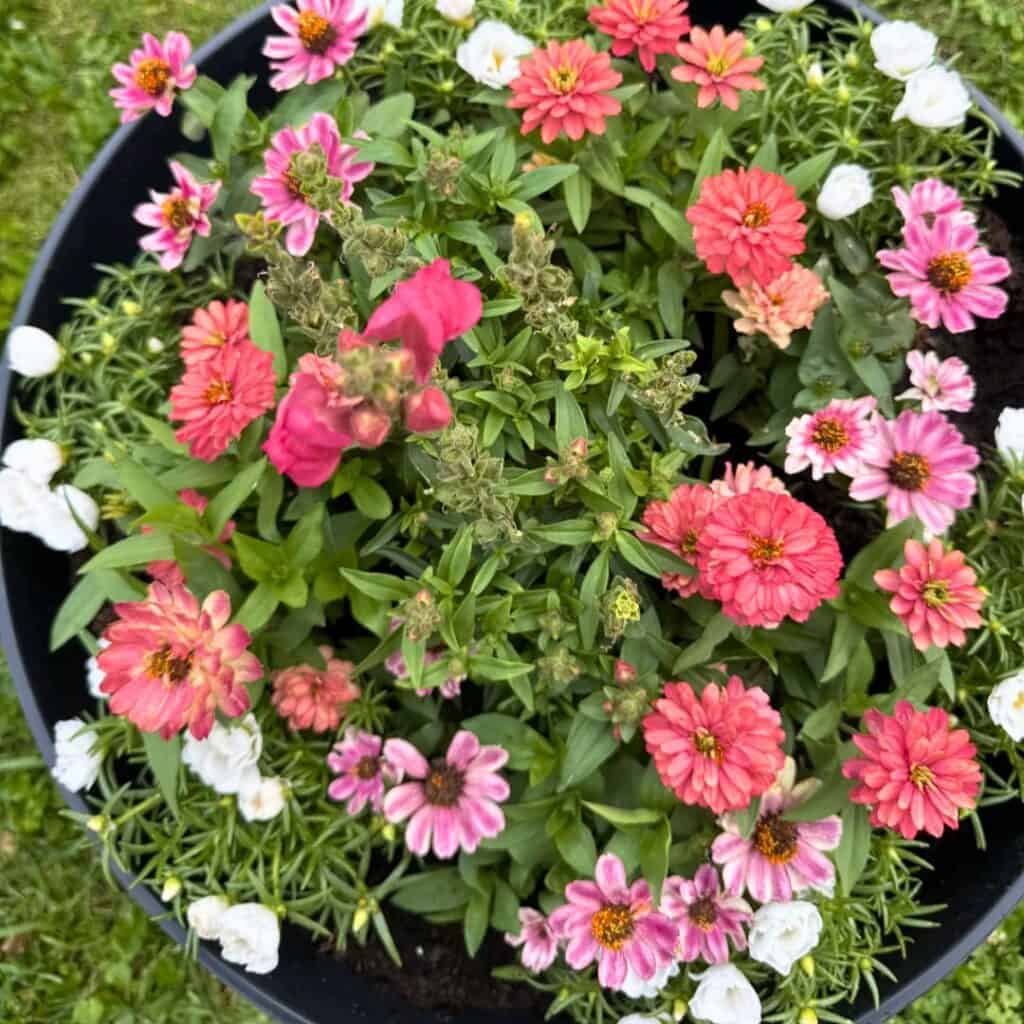
I get a kick out of growing snapdragons—they bring so much bright color and their quirky, dragon-mouth blooms are just fun. Kids love to squeeze the sides and make them “talk.”
These are easy to start from seeds. I usually begin indoors a few weeks before the last frost, then move the seedlings outside once they’re sturdy. They really prefer cool weather, so spring and fall are perfect.
I make sure the soil drains well and stays just a little moist. Snapdragons don’t like soggy roots, so I only water when the top layer feels dry. Compost helps them bloom stronger and longer, so I try to remember to add some.
There are so many colors—pink, yellow, red, white, orange. I like mixing them up for a lively patch. The tall spikes attract bees and butterflies, which is a nice bonus for the rest of the garden.
When flowers start to fade, I pinch them off to encourage more blooms. It really does keep them going for weeks. If I let a few go to seed, I can save them for next year.
Snapdragons also do well in pots. I keep some containers by the porch so I can enjoy the colors up close. They’re upright and don’t hog space, so they’re great for small spots.
Snapdragons are hardy and easy to manage, even if you’re new to gardening. With just a bit of care, they’ll reward you with long-lasting color all season.
11) Cornflower
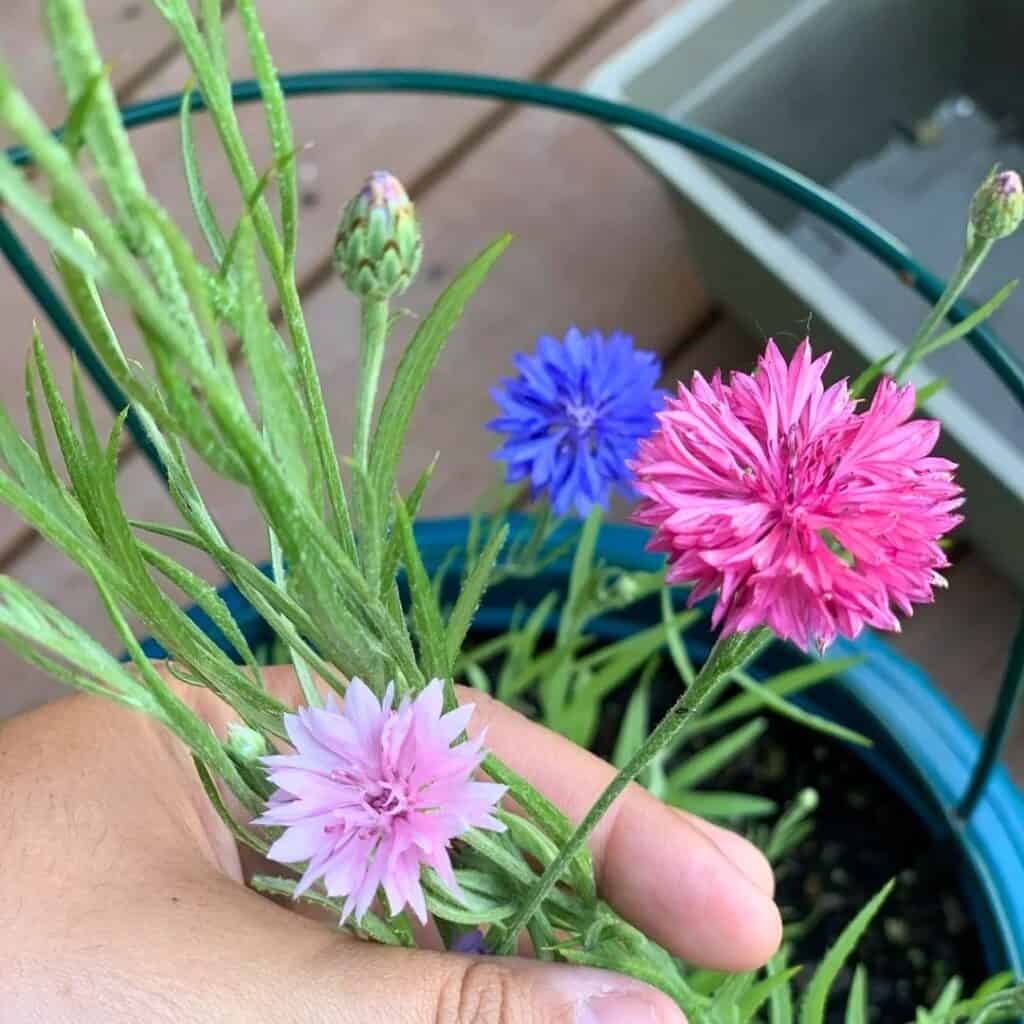
Cornflowers are one of my go-tos for a pop of blue with almost zero hassle. They just look cheerful and always seem to draw in bees and butterflies, which makes the garden feel alive.
I sow the seeds directly in the soil after the last frost—no fancy equipment needed. I scatter them, cover lightly, and water gently.
They like full sun and well-drained soil. I try not to overwater because soggy soil is a no-go for these guys. Once they sprout, they grow fast and bloom for weeks.
I usually plant Cornflowers along borders or mix them with other wildflowers. Their tall, upright stems are perfect for cutting and tossing in a vase.
They self-seed easily, so I often find surprise plants the next year. It’s always a nice little gift each spring.
Deadheading faded flowers gives me more blooms, so I try to keep up with it. The blue ones are my favorite, but they also come in pink, white, and purple. The blue just pops against the greenery.
Because they grow quickly, Cornflowers are perfect for beginners. I’ve found them to be one of the easiest annuals—even if I forget to water now and then, they forgive me.
When I want a low-maintenance, colorful flower, I always go for Cornflowers. They make the garden look good with very little work.
12) Bachelor’s Button
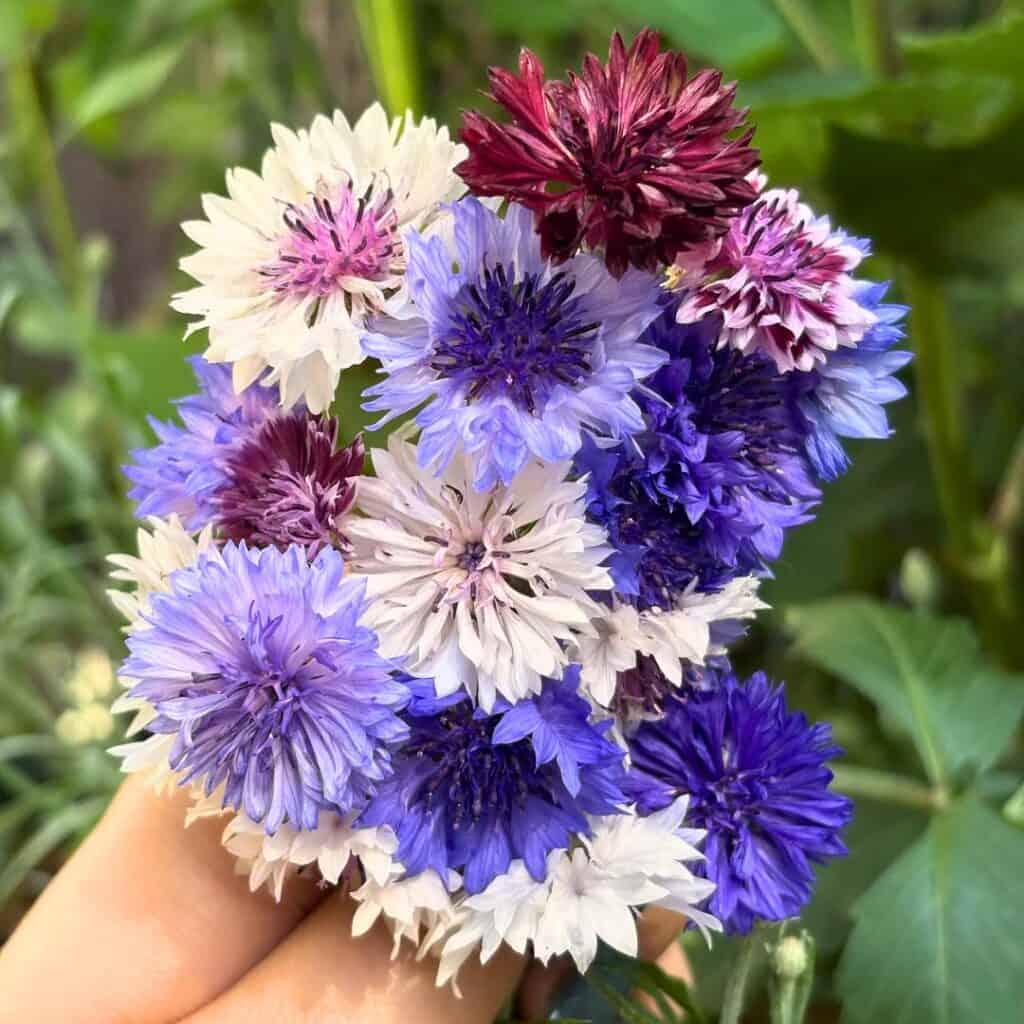
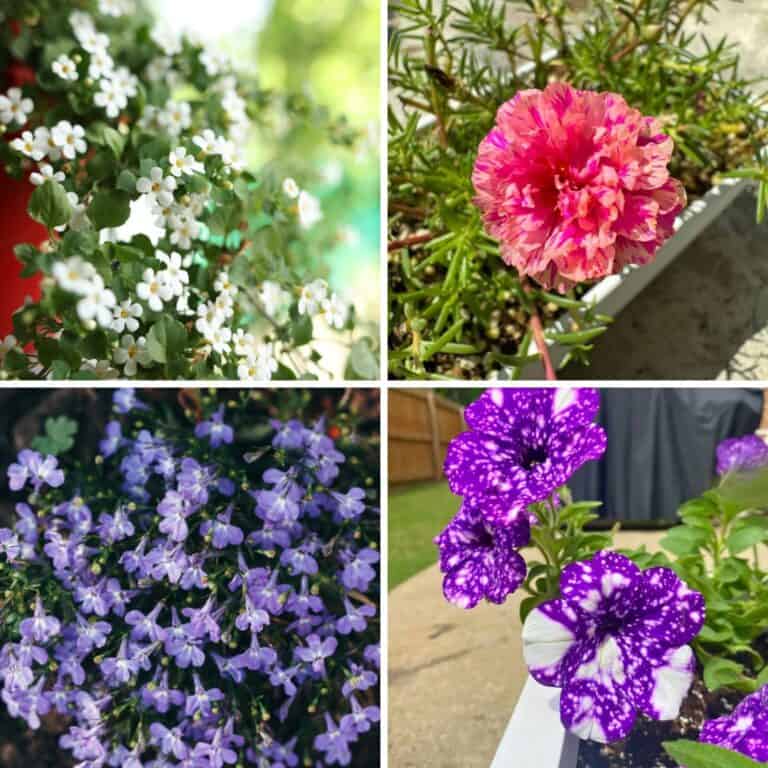
Bachelor’s Button brings a splash of color to my garden with almost no effort. The blooms come in blue, pink, white, and purple, and I think they look especially nice along borders or tucked into beds.
I plant the seeds directly in the soil after the last frost. They don’t need much—just full sun and well-drained soil. I keep things a bit moist until the seedlings show up, which usually doesn’t take long.
Once they’re growing, I only water if the weather gets really dry. They handle heat and drought better than most flowers I’ve tried. Plus, they self-seed, so new plants pop up on their own the next year.
Bees and butterflies love the flowers, and that helps pollinate everything else. Sometimes I cut a few blooms for vases—they last a surprisingly long time indoors.
Deadheading keeps the patch looking neat and encourages more buds. It’s such a simple process, and the payoff is a patch of cheerful color that lasts all summer.
Bachelor’s Button makes gardening feel easy and fun. It’s one of those flowers that gives quick results with almost no hassle, which is exactly what I want when I’m starting from seed.
13) Larkspur
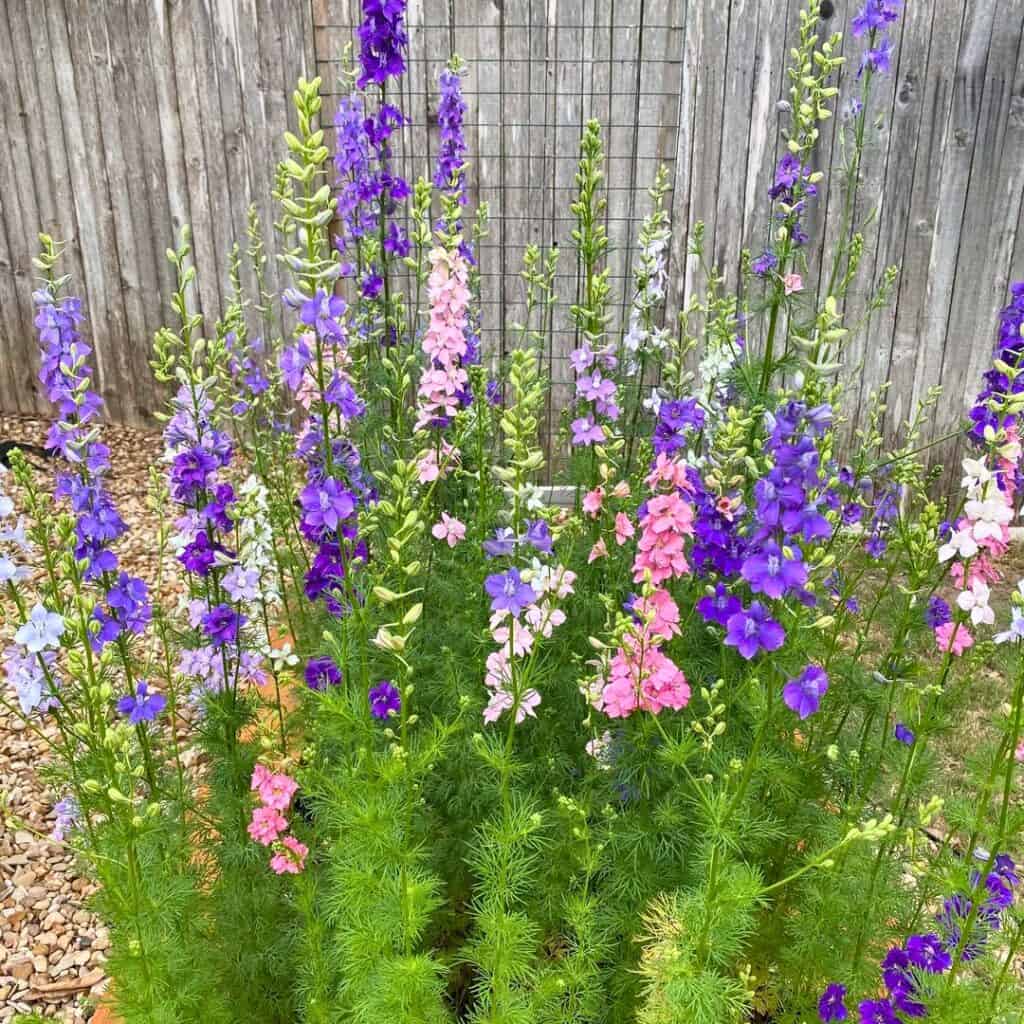
Larkspur brings tall, graceful spikes of color to my garden, and honestly, they’re easier than they look. I love that they come in blue, pink, purple, and white, giving everything a soft, cheerful vibe.
I start seeds early since Larkspur prefers cool weather. Usually, I sow them directly in the ground in early spring or late fall. Sometimes I pop the seeds in the fridge for a week to help them sprout—apparently, they like a little chill.
The soil needs to drain well because Larkspur doesn’t like soggy roots. I press the seeds in lightly (they need light to germinate) and wait a few weeks for those first green shoots.
Once they’re up, I keep them in full sun for the best blooms. I water when the soil feels dry, but not too much. They get pretty tall—sometimes up to three feet—so I’ll stake them if they start to flop.
It’s fun to watch bees and butterflies visit the flowers while they sway in the breeze. When the blooms fade, I let some dry on the stem so I can collect seeds for next year.
For me, Larkspur is a simple, rewarding flower. It fills empty spots quickly and brings a soft, colorful look to the garden with barely any extra work.
14) Black-eyed Susan
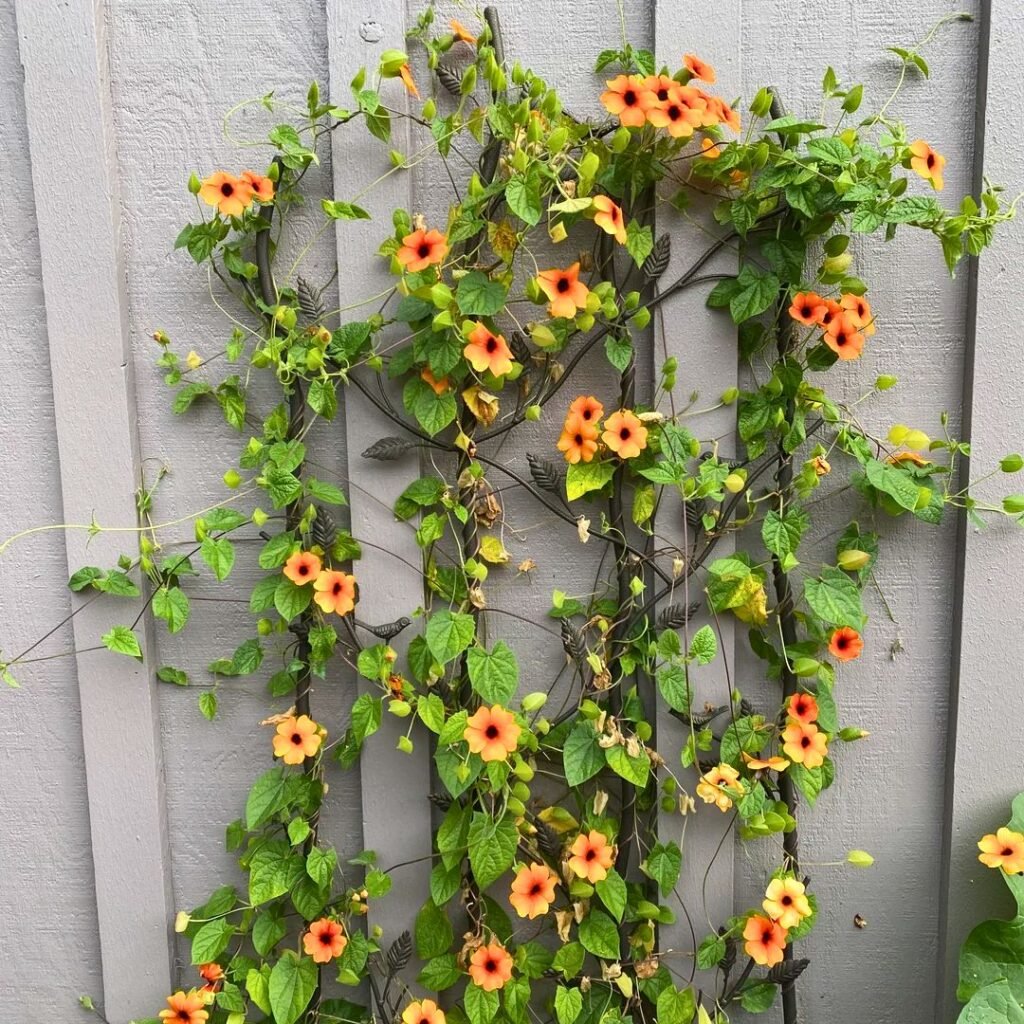
Black-eyed Susans are like little bursts of sunshine in my garden. Their golden-yellow petals and dark centers are so cheerful, and they’re super easy to grow from seed, even if you don’t have much time or space.
I plant the seeds directly in the ground after the last frost. They don’t need much—just sunlight and soil that drains well. I water until they sprout, then mostly let them do their thing.
They thrive in full sun and can handle dry spells once they’re established. I don’t worry much about pests—these are tough little plants.
They bloom for weeks in summer, and bees and butterflies can’t resist them. The bright color pops against all the green and other flowers.
At the end of the season, I let some seed heads dry on the plant so I can collect seeds or just let them reseed on their own. It’s an easy way to keep them coming back every year.
Black-eyed Susans also make great cut flowers. I like to bring a few inside—they last several days in a vase and stay bright.
If I need a low-maintenance flower to liven things up, I always go for Black-eyed Susans. They’re simple, tough, and add so much color.
15) Dianthus
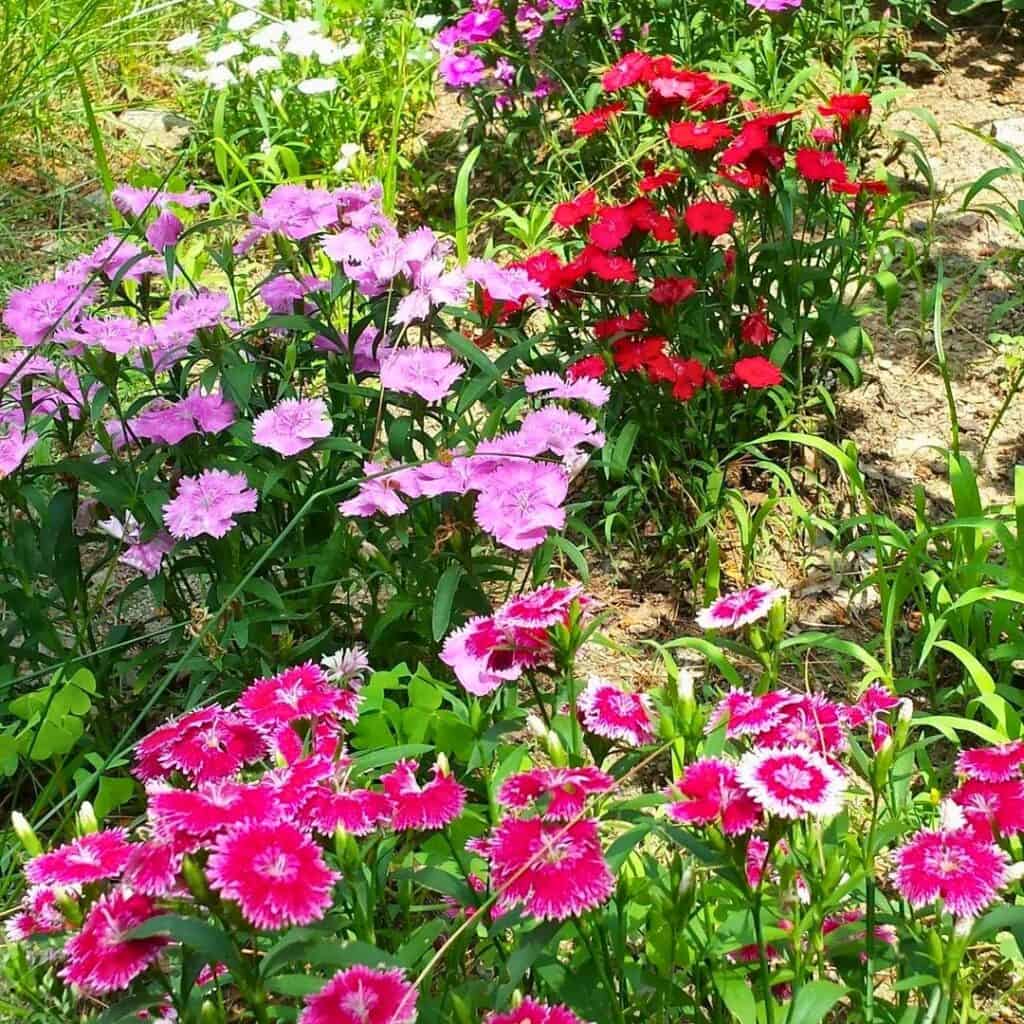
Dianthus is one of my favorites for adding bright color and a sweet, spicy scent to the garden. The flowers come in pink, red, white, and purple—great for borders, pots, or just small beds.
The seeds are easy to start indoors or outside. I sprinkle them on top of moist soil and press them down, but don’t bury them—they need some light to sprout.
They usually germinate in about one to two weeks if it’s warm and the soil stays slightly damp. Once the seedlings are big enough, I move them to a sunny spot. Six hours of sun a day seems to do the trick.
I water when the top layer of soil feels dry. Too much water can be a problem, so I make sure the soil drains well. A little fertilizer every few weeks keeps them blooming longer.
Most Dianthus will flower the first year and can live more than one season. I trim off faded blooms to encourage new flowers—it keeps things neat and colorful.
Dianthus attracts bees and butterflies, which is always nice. Plus, deer and rabbits don’t seem interested, so that’s one less thing to worry about.
With their easy care and steady blooms, Dianthus has become a staple in my garden. They bring color, scent, and a little bit of charm with hardly any effort.
Essential Tips for Growing Flowers from Seeds
I try to give seeds the best start I can—healthy soil, the right amount of water, and enough light and warmth. It really does make a difference for stronger, more colorful flowers, and honestly, it saves me trouble later.
Choosing the Right Soil
I always reach for loose, well-draining soil. Heavy or compacted soil just makes things harder for roots. A good seed-starting mix is light and fluffy—usually peat moss, perlite, and vermiculite—so it holds moisture without getting soggy.
Before planting, I make sure the soil is slightly damp, not soaking wet. If it clumps, I’ll add more dry mix. For outdoor planting, I loosen the top layer of garden soil and mix in compost for extra nutrients.
I skip using garden soil from the yard in containers since it can bring pests or disease. Clean containers and fresh soil seem to help seeds sprout more evenly.
| Soil Type | Best Use | Notes |
|---|---|---|
| Seed-starting mix | Indoor trays | Light and sterile |
| Potting mix | Containers | Good drainage |
| Garden soil + compost | Outdoor beds | Adds nutrients |
Watering Best Practices
I try to water seeds gently and evenly so they stay moist, but not soaked. Too much water? That’s a recipe for rot, but too little and you’ll never see a sprout.
A spray bottle or fine mist is my go-to for keeping the top layer damp. Once the seedlings pop up, I switch to watering at the base instead of overhead.
That trick helps avoid fungus and mold on the leaves. I check the soil every day—if the top half-inch feels dry, that’s my cue to water again.
Containers really need drainage holes to let extra water escape. For outdoor gardens, I like to water early in the morning so leaves dry off before night, which seems to help prevent disease.
Light and Temperature Needs
I set seed trays where they get 12–16 hours of light each day. If the window isn’t sunny enough, I’ll use grow lights about 3–4 inches above the seedlings.
As the plants get taller, I move the lights up to keep them from stretching out too much. Most flower seeds seem happiest between 65°F and 75°F (18°C–24°C).
I avoid cold windows or drafty spots—warmth really does help seeds pop up faster and more evenly. When the seedlings look strong, I start hardening them off by putting them outside for a few hours each day.
That way, they get used to sunlight and wind before I plant them in the garden.
Common Challenges and How to Overcome Them
Starting flowers from seeds isn’t always smooth sailing. I run into pests and sickly seedlings more often than I’d like, but some simple steps keep things under control.
Dealing with Pests Naturally
I do my best to avoid harsh chemicals when bugs show up. Instead, I lean on natural methods to protect my plants and the environment.
I check leaves often for signs of trouble—holes, sticky spots, anything weird. If I catch pests early, it’s way easier to deal with them.
A quick spritz of soapy water (just a teaspoon of mild dish soap per quart of water) works well for removing aphids and mites. For snails and slugs, I scatter crushed eggshells or copper tape around seedlings—those barriers really do help.
I also plant marigolds and basil nearby; their scent seems to repel insects naturally, which is a nice bonus.
Here’s my go-to checklist:
- Inspect daily for bugs.
- Use natural sprays like neem oil or soapy water.
- Encourage helpful insects like ladybugs.
- Keep the area clean of fallen leaves and debris.
Preventing Seedling Diseases
Damping-off is a real headache for young plants—it hits when soil stays too wet and fungi attack the roots. I always use fresh, sterile seed-starting mix instead of garden soil to avoid that problem.
I water gently and make sure trays have good drainage. A small fan helps keep air moving, which seems to cut down on fungus.
I try not to crowd seeds—giving each plant space helps air flow and keeps stems dry. If mold shows up on the soil, I sprinkle a bit of cinnamon powder because it’s a natural antifungal).
Key habits that help me:
| Problem | Solution |
|---|---|
| Overwatering | Water only when the top soil feels dry |
| Poor air flow | Use a fan or open window |
| Contaminated tools | Clean trays before reuse |
Those small habits really do keep my seedlings stronger and healthier right from the start.
Frequently Asked Questions
Honestly, growing flowers from seeds feels pretty simple when I pick easy plants, prep the soil, and pay attention. I stick with easy, fast-growing flowers and basic watering and germination tips to keep things stress-free.
What are some low-maintenance flowers that I can start from seeds?
I like Sunflowers, Zinnias, Marigolds, Cosmos, and Nasturtiums. They’re super easy, don’t need much fuss, and seem to handle small mistakes without drama.
How do I prepare the soil for planting flower seeds?
I loosen the soil with a small shovel and mix in compost for nutrients. The goal is soil that’s soft and crumbly, never wet or heavy—good drainage really helps seeds sprout and grow strong roots.
Can you recommend any flowers that will bloom quickly from seeds?
Zinnias and Marigolds are super fast—usually blooming just weeks after sprouting. Cosmos are speedy too and fill the garden with color before you know it.
What is the best time of year to plant flower seeds outdoors?
I usually plant in spring after the last frost. Warm soil gets seeds going faster. If you’re in a warmer spot, you can try planting again in early fall for a second round of blooms.
How often should I water my flowers that have been grown from seeds?
I aim to keep the soil moist but not soggy. Watering lightly every day or every other day works until the plants are a few inches tall. Once they’re stronger, I water less often but make sure it’s a deeper soak.
Are there any tips for ensuring my flower seeds germinate successfully?
I usually press the seeds gently into the soil, just enough so they’re tucked in but not lost. Keeping them warm and damp is pretty important—honestly, I check on them more often than I’d like to admit.
A thin layer of soil on top gives a bit of protection without smothering them. Consistent moisture and sunlight? That’s where the magic really happens for even sprouting.
Note: Some images in the articles are sourced from Reddit and Other Platforms For Reference Purpose.