15 Best Self Seeding Plants For Your Garden
There’s just something wonderful about a garden that feels alive and full without all the fuss of constant replanting.
Self-seeding plants really make that magic happen—they come back year after year, and honestly, they save me so much time, money, and energy.
Plus, the color and life they add? Can’t beat it.
Let me share some of my favorites. Flowers and herbs like calendula, cosmos, and dill have a way of filling up your space with beauty, and they just keep showing up, season after season.
Please note: Simplify Plants is reader-supported. As an Amazon Associate, I earn from qualifying purchases made by our readers with no extra cost added to you all! Some links in the post are affiliate links and I get a commission from purchases made through links in the post.
1) Calendula

I can’t get enough of Calendula. It’s one of those flowers that just lights up the garden—bright orange and yellow blooms everywhere, even in containers.
Calendula is a champion at self-seeding. I usually let a few flowers go to seed, and honestly, they handle the rest for me.
It does best in full sun with soil that drains well. I water them regularly, but I’m careful not to let things get soggy—those roots don’t like sitting in water.
One of my favorite things? Calendula attracts pollinators. Bees and butterflies love it, which is great for the rest of my plants.
The petals are actually edible. I’ll toss them in a salad or dry some for homemade tea or a skin balm. It’s nice having a flower that’s both pretty and practical.
When the blooms fade, I just leave a few to dry on the stem. The seeds drop, and next spring, up they come again. It’s honestly one of the easiest plants I grow.
I appreciate how low-maintenance Calendula is. No need for fertilizer or special treatment, and it even handles cool weather better than most.
If I want to control where it spreads, I’ll collect the seeds and plant them where I want more color. The seeds are big enough to handle easily, which is perfect if you’re just starting out.
Calendula brings that warm, sunny vibe to any garden. It’s reliable, simple, and always rewarding to see it come back on its own.
2) Nasturtium
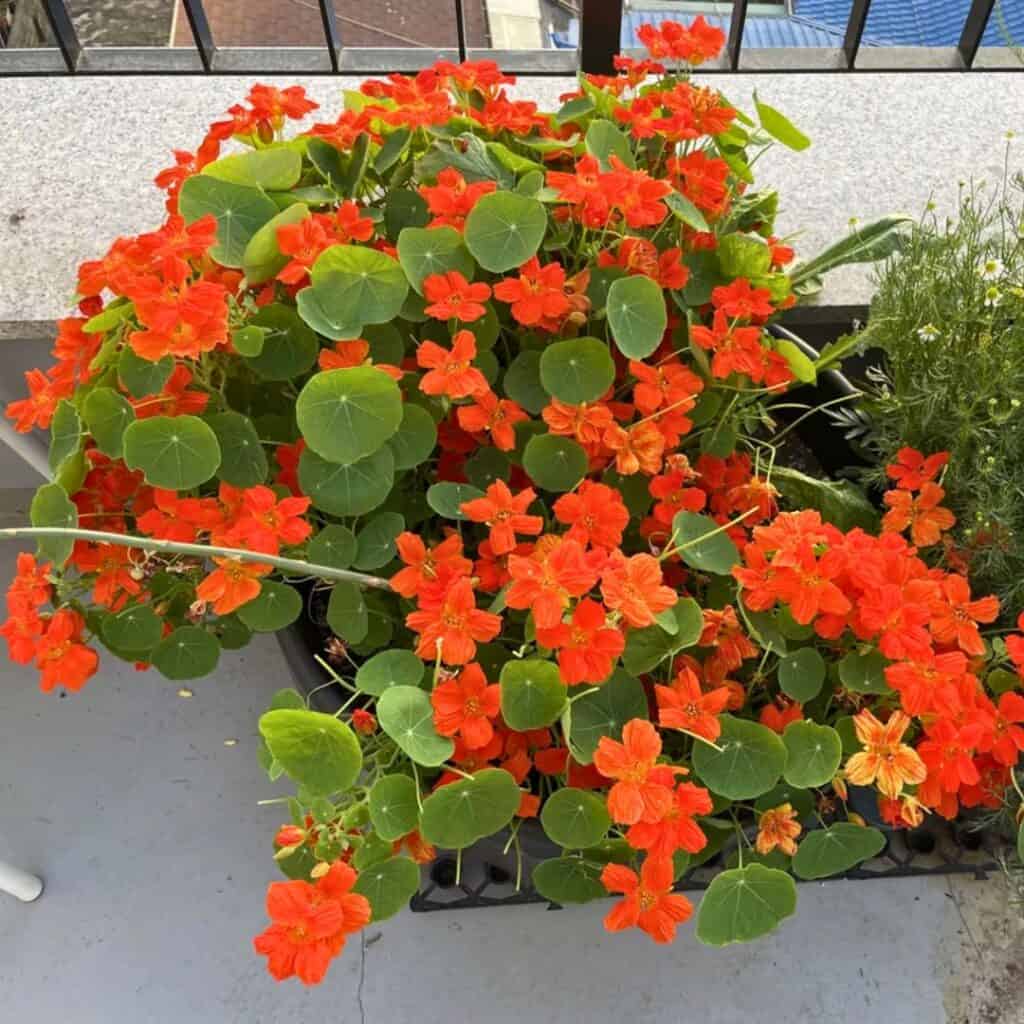
There’s something about nasturtiums—the colors are so bold and happy. Oranges, yellows, reds, and they just keep going for ages. I love how they spill over pots and soften the edges of garden beds.
They’re fantastic self-seeders. Once the flowers fade, the seeds drop and, next thing I know, new plants are popping up in the most unexpected places. It gives the garden a relaxed, wild look.
Nasturtiums thrive in poor soil and don’t need much fuss. If anything, too much fertilizer means more leaves and fewer flowers, so I just keep it simple. They’re pretty tough once established, even in dry spells.
They’re surprisingly helpful, too. Nasturtiums attract aphids and other pests, which means my tomatoes and beans don’t get hammered. That makes them a great companion in the veggie patch.
Plus, the leaves and flowers are edible. I’ll toss them in salads for a bit of peppery kick and a splash of color. The round leaves look great on a plate, and the flowers just make everything feel a bit more special.
Collecting the seeds is easy. When the pods dry and fall, I’ll grab a few for next year, but honestly, most of the time they do the job themselves.
Since they grow fast, nasturtiums are perfect for filling in empty spots. I like planting them near fences or trellises—they climb and sprawl, making the garden feel lush.
Nasturtiums love full sun, but they’ll tolerate a bit of shade. I water them when the soil dries out, but they’re not needy. With just a little attention, they reward me with loads of color and steady growth all season.
3) Foxglove

I can’t help but love Foxglove. Those tall, colorful spikes—pink, purple, white, yellow—are just stunning, and they bring in bees and hummingbirds nonstop.
Foxglove is a great self-seeder. Once it’s settled in, I just let a few flowers go to seed, and by spring, there are new plants popping up. It’s such an easy way to keep the garden looking full.
I plant Foxglove in partial shade where the soil stays moist but drains well. Cooler, sheltered spots—like under trees or along a fence—seem to keep them happiest.
After the flowers fade, I’ll cut back some stalks to encourage more blooms, but I always leave a few seed heads to dry out and drop seeds naturally.
A quick heads-up: Foxglove is toxic if eaten. I always wear gloves when handling it, and I make sure pets and kids keep their distance. Even so, it’s one of my favorite self-seeding plants for the height, color, and pollinators it brings with barely any work.
4) Larkspur
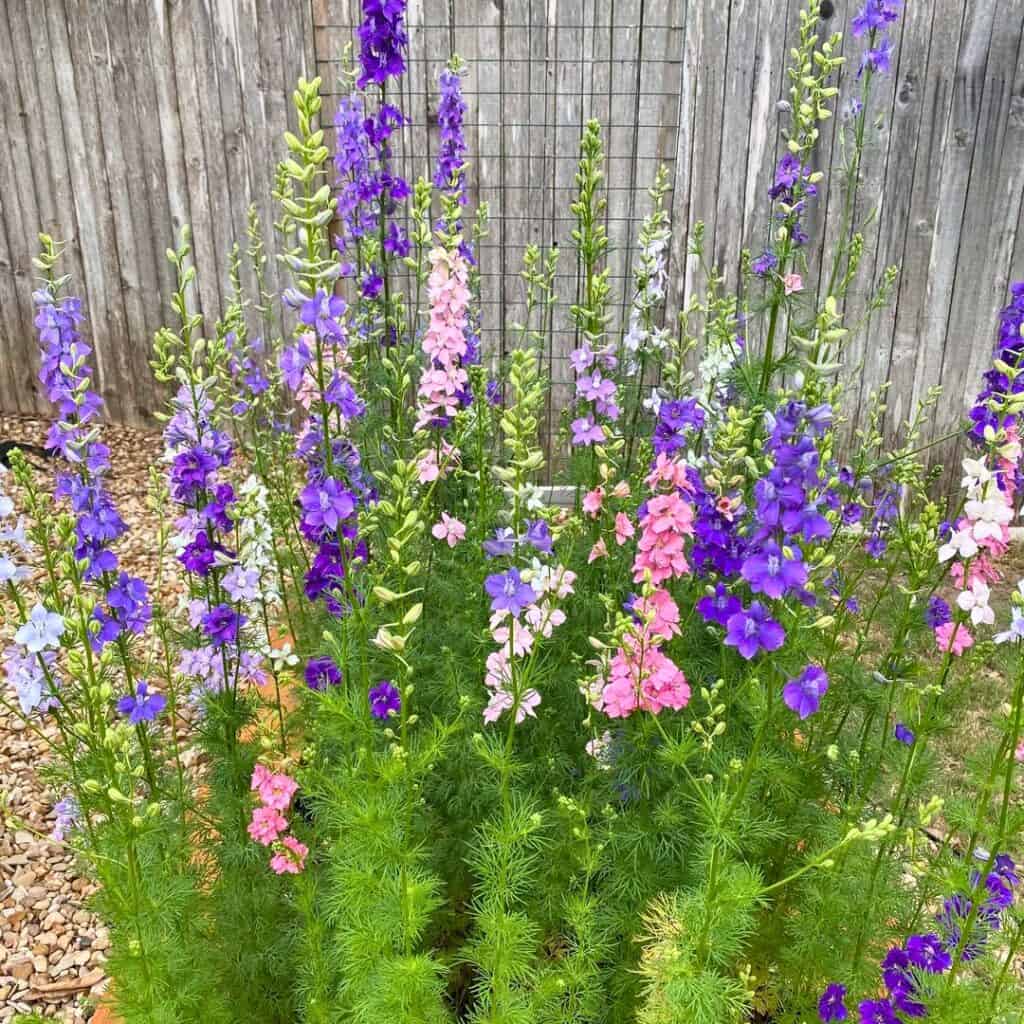
Larkspur is another one I always look forward to. Those tall spikes in shades of blue, pink, purple, and white really make the garden pop, especially in early summer.
I usually scatter Larkspur seeds right into the soil in fall or early spring. They actually need a bit of cold to get going, and once they sprout, they’re pretty hands-off.
They’re natural self-seeders. I let the flowers dry and drop their seeds before tidying up, and each year, I get a fresh batch of blooms.
Larkspur likes full sun and soil that drains well. I’ll water them regularly, but I avoid any soggy spots—standing water isn’t their thing. A sprinkle of compost helps them reach those impressive heights.
Bees and butterflies seem to love them, too. There’s always some pollinator action around the Larkspur, which is good news for the rest of my plants.
When the blooms are done, I’ll cut back the stems to keep things tidy. Sometimes I leave a few dried seed pods for a bit of winter interest.
If you want a plant that reseeds itself and brings lasting color, Larkspur is a solid pick. It’s easy, elegant, and comes back strong every year.
5) Cosmos
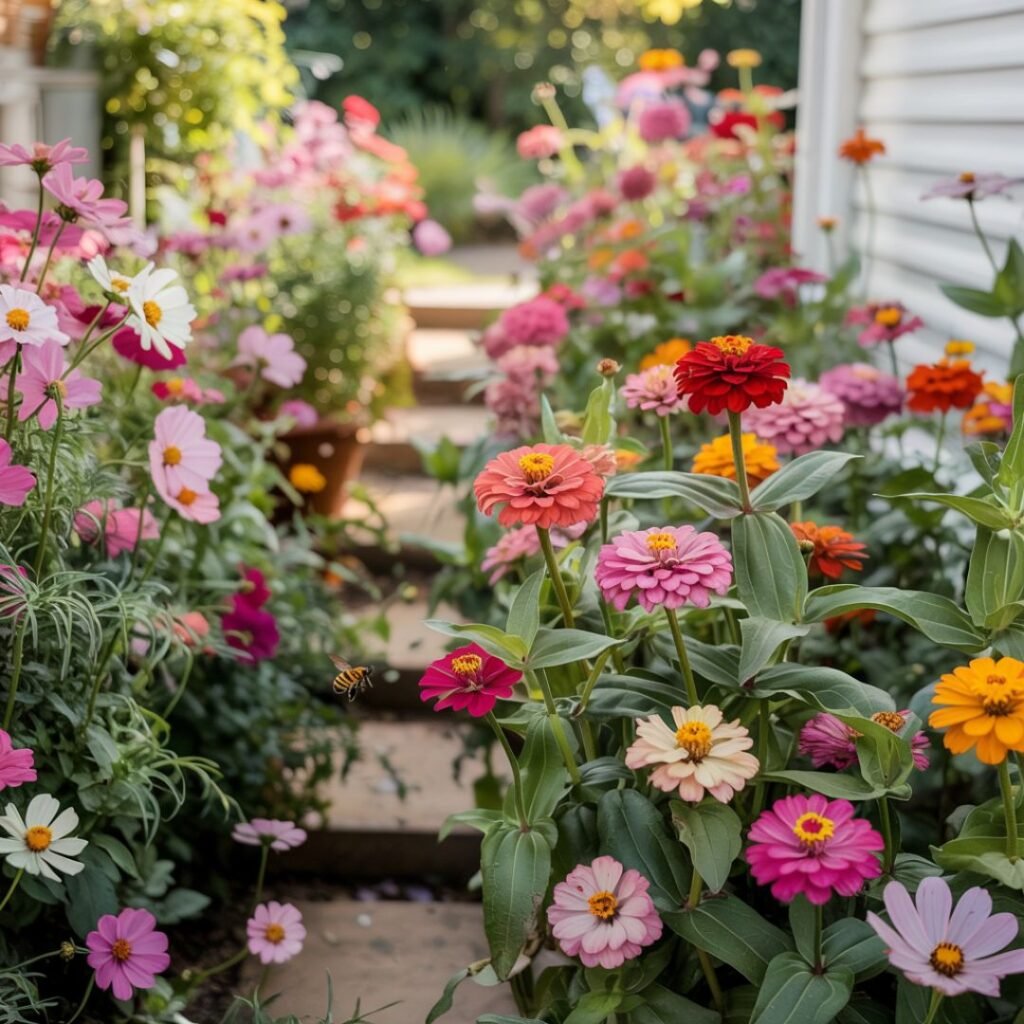
Cosmos are just pure joy. Tall, airy stems topped with cheerful daisy-like flowers in pink, white, and orange—they add brightness without asking much in return.
They’re incredibly easy to grow from seed, and once you have them, they usually reseed themselves each year. I just let a few flowers go to seed, and by spring, there are new Cosmos everywhere. It’s honestly a time and money saver.
Cosmos love full sun and actually do better in soil that’s not too rich. Funny enough, if the soil has too many nutrients, I get more leaves than flowers.
They start blooming in early summer and just keep going into fall. I like cutting them for vases—they last well indoors, and the more I cut, the more they bloom.
Pollinators can’t resist them. I see bees, butterflies, and sometimes hummingbirds all over my Cosmos patch.
They’re not fussy about pests or diseases. Cosmos are low-maintenance and handle heat and dry weather like champs. I’ll deadhead now and then, but even if I skip it, they still look good.
I collect a few seeds each year to share with friends. The seeds are super light and easy to save. Watching them fill in empty spots naturally is pretty satisfying.
If I want a flower that’s easy, colorful, and just keeps coming back, Cosmos are always on my list.
6) California Poppy

California poppies are such a treat—those bright orange and yellow blooms open up in the sun and close at night. It gives the garden a little rhythm.
They love full sun and well-drained soil. I just scatter seeds in early spring, and once they take hold, they’re fantastic self-seeders. Year after year, they show up without much help from me.
They do best in dry, sunny spots where other plants might struggle. No need for rich soil or extra fertilizer, which is great if you want something low-maintenance.
When the flowers fade, I just let the seed pods dry right on the plant. The seeds drop and sprout next season, keeping the garden full of color.
California poppies attract bees and butterflies too. The bright petals are a magnet for pollinators, which helps the whole garden.
If I want them in a new spot, I’ll collect and scatter the seeds. They germinate quickly once the weather warms up.
Since they’re native to the western United States, they’re built to handle heat and drought. I only water if things get really dry.
Even when they’re not blooming, the soft, feathery leaves look nice. I like mixing them with other drought-tolerant plants for a natural vibe.
Because they reseed so well, I’ll thin out extras if things get crowded. It’s easy, and it helps the strongest plants thrive.
For me, California poppy is perfect when I want color, pollinators, and almost no upkeep.
7) Sweet Pea
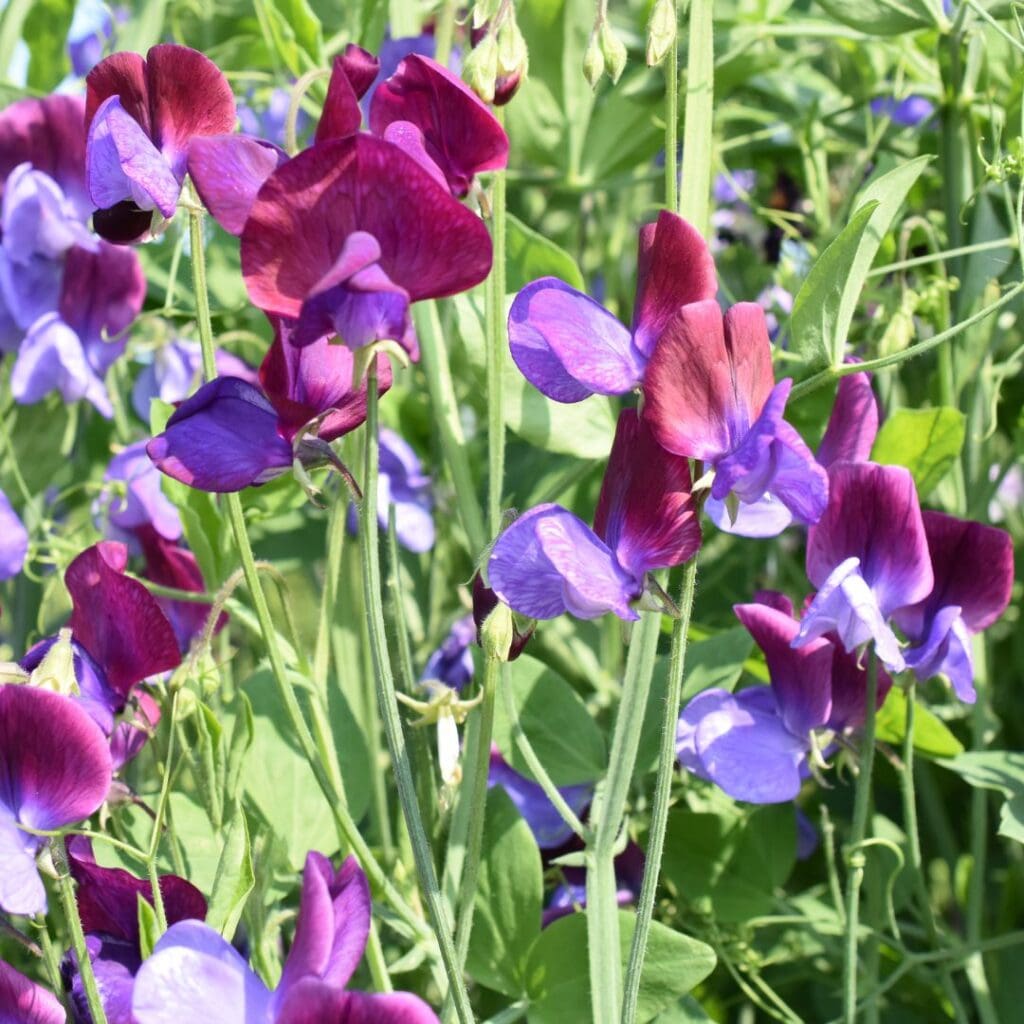
There’s just something special about sweet peas—the color, the fragrance, and the way they climb along fences or trellises. Their scent alone makes them one of my favorites.
Sweet peas are great at reseeding. I let some pods dry on the vine, and when they drop, new plants show up the next season with almost no effort. I just make sure the soil is loose and not too wet.
They love full sun for the best blooms, but they also appreciate cooler weather. I’ll start them early in spring or sometimes late in summer. If it gets really hot, I give them a bit of shade in the afternoon.
To help them climb, I use support like netting or a simple wire frame. The vines grab on easily and grow fast, keeping the flowers up where I can enjoy them.
They do best in rich, well-drained soil. I mix in compost before planting, and I water regularly, but I’m careful not to overdo it.
Cutting the blooms often encourages more flowers, and it keeps things looking tidy. If I leave a few pods at the end of the season, they handle the reseeding for me.
Sweet peas bring in bees and butterflies, which is always a plus for the rest of my garden. Their habit of coming back year after year means less work for me.
I love using sweet peas in bouquets—the scent fills the room, and even a small bunch makes a big impact. They’re a reminder of how easy it can be to keep your garden colorful with self-seeding plants.
8) Cornflower
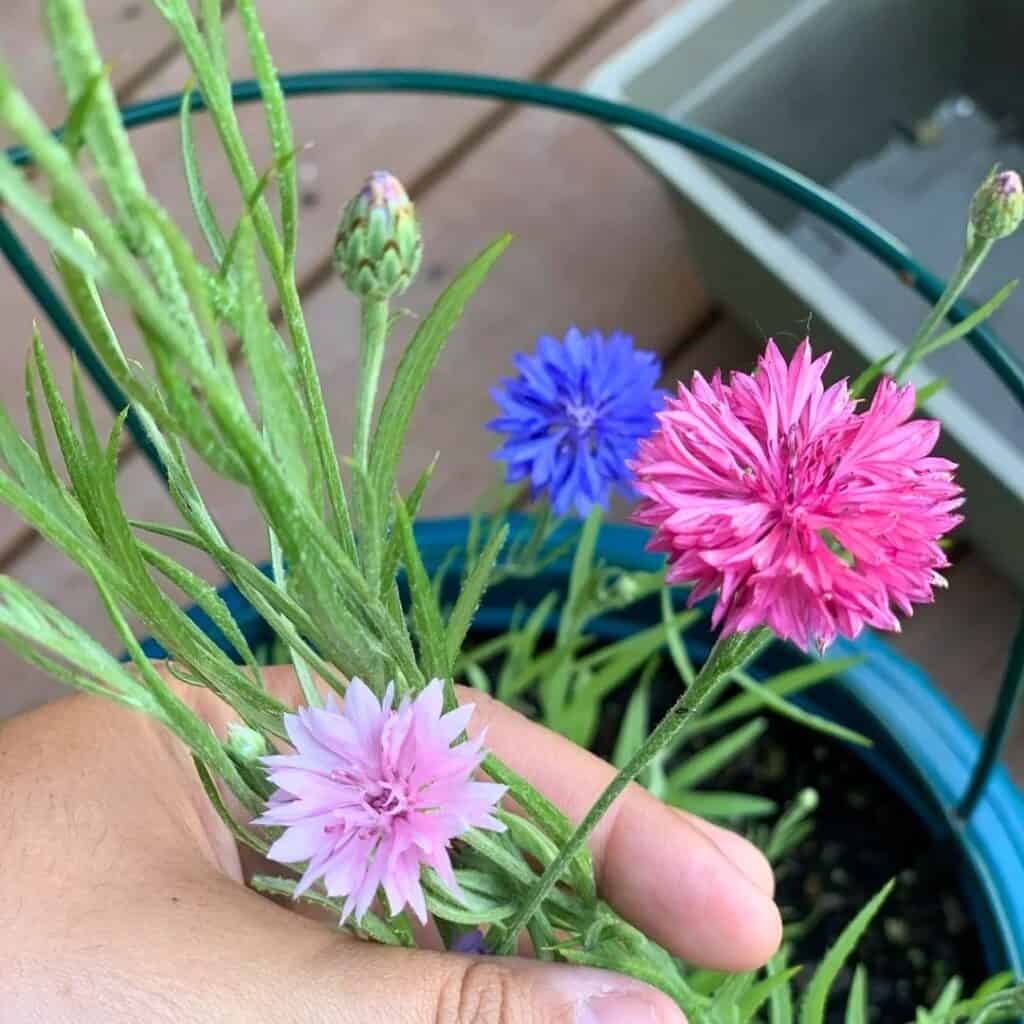
I just love how Cornflowers bring that bright blue pop to my garden, and honestly, they barely need any attention. They seem happy in any sunny spot and aren’t fussy about soil, which is a relief.
Once I toss the seeds in early spring, they sprout up fast and fill in empty spots with those cheerful blooms. Their self-seeding habit is a real bonus if you want a garden that takes care of itself.
Bees, butterflies, and all sorts of pollinators flock to them, which is great for the rest of my plants. On warm afternoons, the flowers are always buzzing—it’s kind of magical.
When the blooms fade, I usually just leave some seed heads to dry right on the plant. The seeds drop, and like clockwork, new flowers show up next year.
If I want more color, I deadhead a few flowers, and that seems to keep them blooming longer through summer. It’s just a quick snip here and there.
Cornflowers also look lovely in cut flower arrangements. I like to bring a few inside—they last a good while in a vase and brighten up my table.
They don’t need much water once they’re settled in, so they’re perfect if you have dry spots. I just make sure they get plenty of sun and aren’t crowded out by taller plants.
Good airflow helps keep them healthy and less likely to get mildew. I learned that the hard way once—lesson remembered.
Cornflowers mix well with poppies, cosmos, and daisies. The blend of colors makes the garden feel relaxed and a bit wild, which I really enjoy.
Every season, I’m always surprised by where the new seedlings pop up. It keeps things interesting.
9) Black-eyed Susan
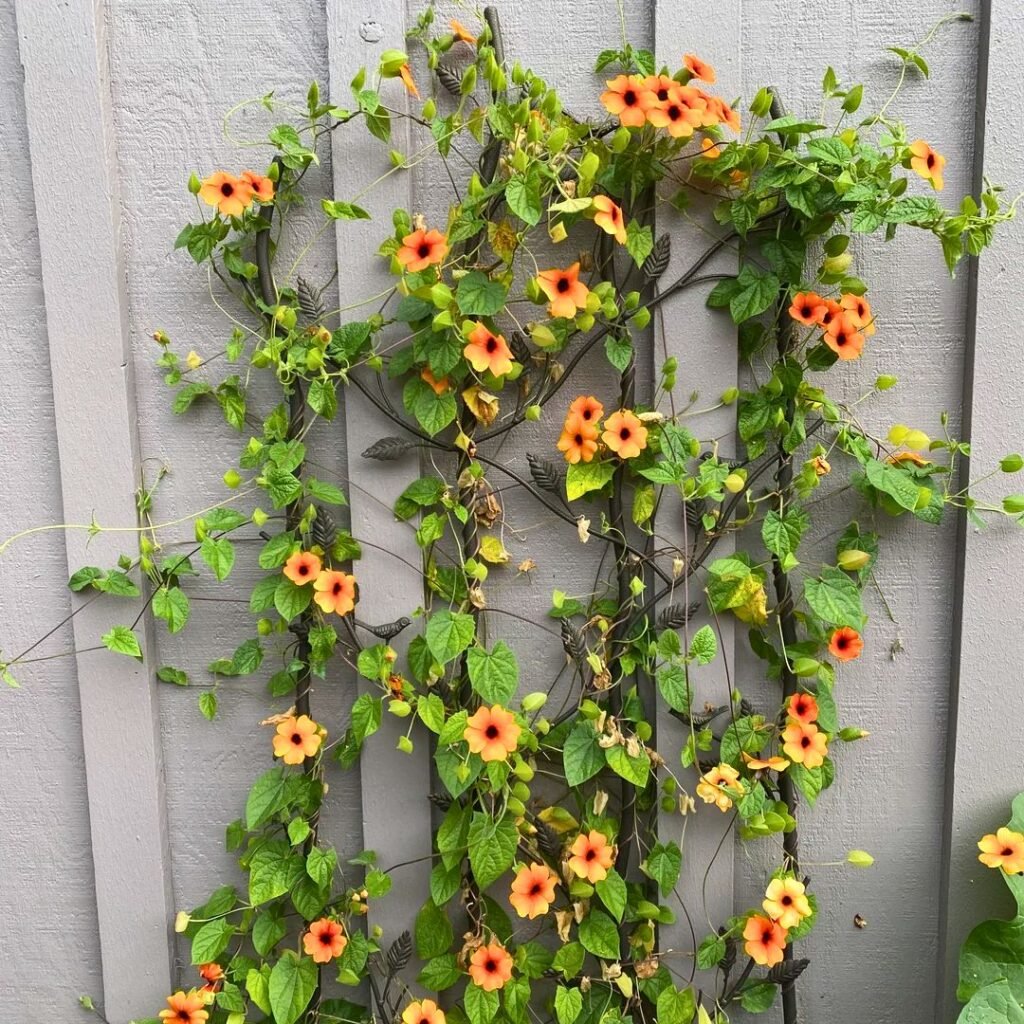
Black-eyed Susans are one of those plants I keep coming back to—they just light up the garden with almost no work. The golden-yellow petals and those dark centers are so bold, you can’t miss them.
They thrive in full sun and well-drained soil. I plant them once, and thanks to their self-seeding, they return every year without me lifting a finger.
Bees and butterflies love them. I see a lot more pollinator activity in the garden when they’re blooming, which is nice.
They also make sturdy cut flowers for vases, which is a nice bonus. I often bring a bunch indoors for a splash of color.
At the end of the season, I let the seed heads dry right on the stems. The seeds fall and start new plants the next spring, or I collect and scatter them where I want.
Black-eyed Susans handle heat and mild drought pretty well once they’re established. I don’t bother with much fertilizer or fuss, which is perfect for low-maintenance gardening.
Sometimes I thin out extra seedlings for more space—that seems to help the strongest plants bloom better. It also keeps things looking tidy.
If I want them to bloom longer, I just snip off the faded flowers. That little bit of effort really pays off in extra color.
I like mixing them with other native wildflowers like coneflowers and coreopsis. The combo is cheerful and just feels right in almost any garden.
For me, Black-eyed Susans are a reliable favorite. They fill in empty spots and give the yard a sunny, welcoming vibe with barely any effort.
10) Evening Primrose

I have a soft spot for Evening Primrose—it gives my garden that gentle glow in the evening with almost no work. The yellow blooms open as the sun goes down, and it’s honestly pretty magical.
I plant it in a sunny spot with well-drained soil, but it doesn’t mind poor soil either. That makes it great for those tricky areas where not much else grows.
I water it just enough to keep the soil from drying out completely. It’s not fussy, which I appreciate.
What’s really nice is how it self-seeds on its own. I just leave a few seed pods on the plant, and by next season, new seedlings pop up without me doing anything.
Evening Primrose can spread a bit, so I keep an eye on where it wanders. If it starts to take over, I just pull a few seedlings and things stay tidy.
The flowers attract bees and moths, which means more pollinators in the garden. I like seeing all the activity—it makes the space feel lively.
It looks lovely mixed with grasses or wildflowers. The yellow petals really stand out against green leaves and other blooms.
I usually let it grow in clusters for a fuller look. The flowers stay bright through the night, adding a bit of charm I can enjoy after sunset.
If I want to direct where it grows, I collect seeds and plant them in specific spots. The seeds germinate easily, so I never have to worry about running out.
Evening Primrose gives me color, wildlife, and low effort all in one. If you want a plant that mostly takes care of itself, this one’s a winner.
11) Dill
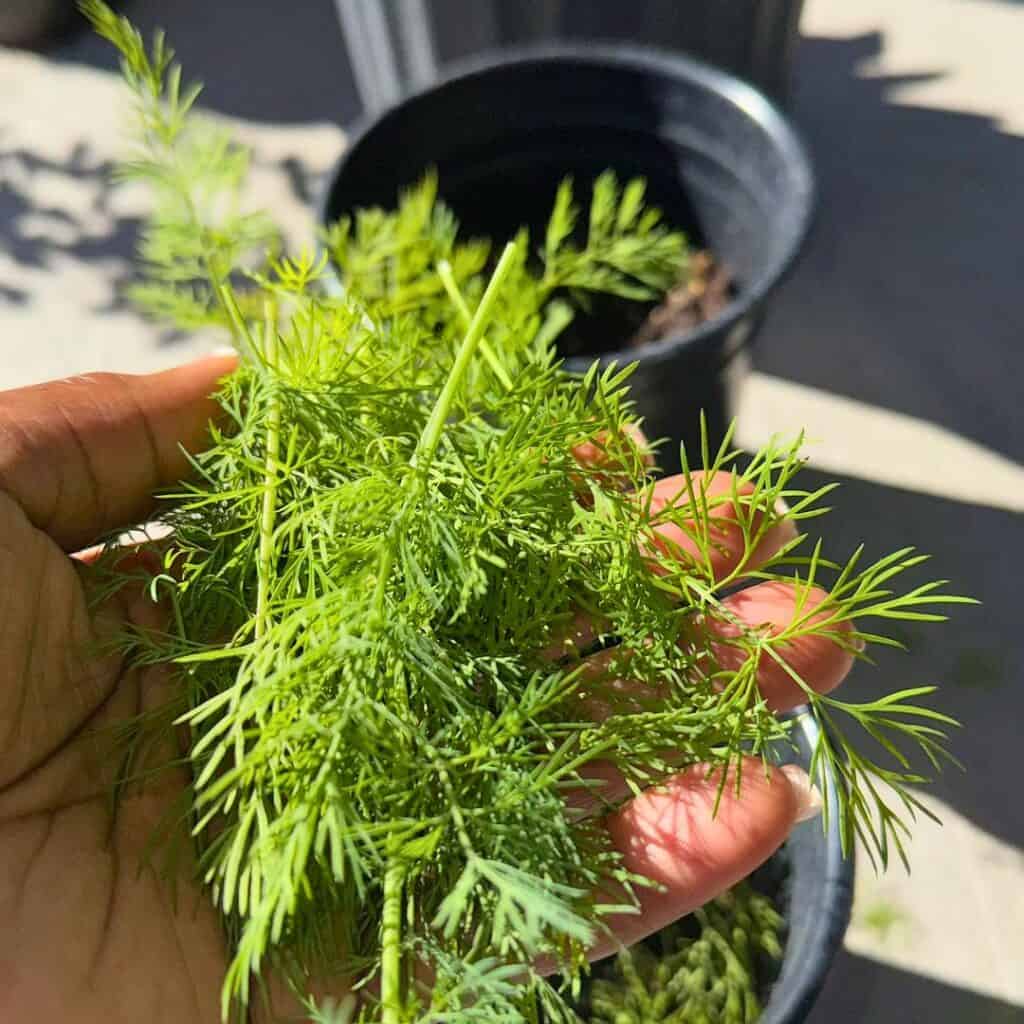
Growing dill is a breeze—it’s fragrant, easy, and comes back on its own most years. Once it flowers and drops seeds, I usually spot new plants the next season without much effort.
Dill likes full sun and well-drained soil. I just scatter seeds in the garden after the last frost, and they pop up fast.
It attracts beneficial insects like ladybugs and hoverflies, which help keep pests in check. Butterflies visit the flowers too, adding a bit of extra color and life.
I harvest the leaves for salads and fish dishes, and the seeds are perfect for pickling. If I let some plants go to seed, they drop naturally and new dill appears the following year.
Since dill grows tall and airy, I plant it near shorter veggies or herbs that like a bit of shade. It fits right in with both vegetables and flowers.
Dill doesn’t like being transplanted, so I always sow it where I want it to stay. With a little sunlight and space, it pretty much takes care of itself.
12) Chives

Chives are such an easy win—they come back every year with barely any work. As one of the easiest self-seeding herbs, they quickly fill small spaces with fresh green shoots.
The purple flowers are pretty and attract bees and butterflies. I like that burst of color in early summer.
When the flowers fade, they drop seeds that become next season’s chive plants. It’s a nice, hands-off way to keep the patch going.
I trim the leaves often for cooking—fresh chives add a mild onion flavor to salads, eggs, and soups. Cutting them seems to help the plants grow fuller too.
Chives like full sun and well-drained soil. I water when the top layer dries out, but they’re tough and handle short dry spells just fine.
To keep them from spreading too much, I sometimes snip off old flower heads before they drop seeds. If I want more chives, I just let them reseed.
They do well in both garden beds and containers, so I can grow them on a patio or even a windowsill. Their neat growth makes them perfect for small spaces.
Every few years, I divide older clumps and share the extras with friends. It’s a simple way to keep the patch healthy and productive. Chives really reward a little care with steady growth and fresh flavor all season.
13) Yarrow
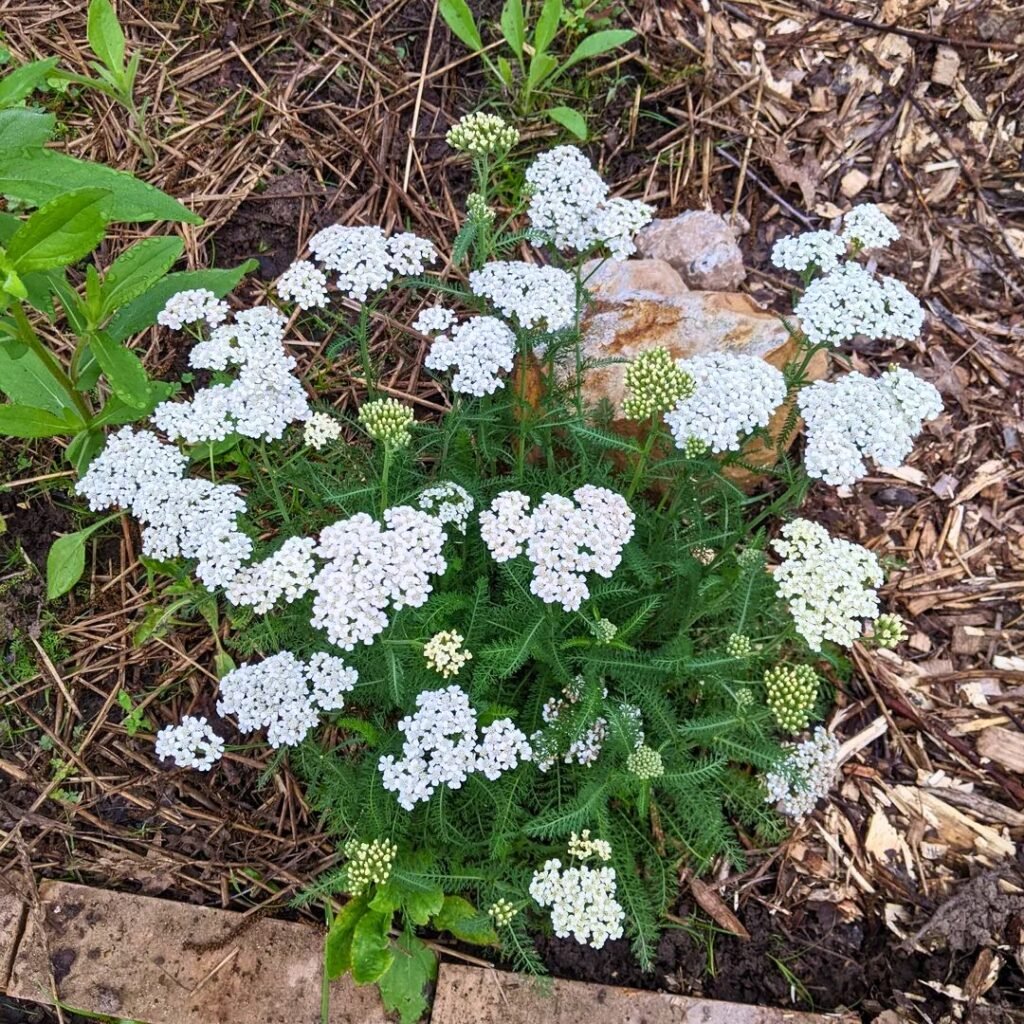
Yarrow is one of those plants that just keeps coming back, year after year. It spreads on its own by seeds and rhizomes, so I never really have to replant.
In summer, it blooms with clusters of tiny flowers—white, yellow, pink, or red. Bees and butterflies love it, and the feathery leaves add a nice texture next to broader plants.
Yarrow grows best in full sun and well-drained soil. It handles drought better than most, so I don’t stress if I forget to water for a few days.
Too much water or fertilizer actually makes it floppy, so I keep things simple. When the flowers fade, I leave some to go to seed, and the wind does the rest.
If I want to keep it in check, I just trim the seed heads early or divide clumps every few years. It’s easy to manage, honestly.
Yarrow fits into flower beds, borders, or wildflower gardens. It mixes well with coneflowers and Black-eyed Susans, and the dried flowers hold their shape for crafts or arrangements.
For me, yarrow is a low-maintenance, self-seeding favorite. It adds color, texture, and a bit of wild charm to the garden without much work.
14) Borage
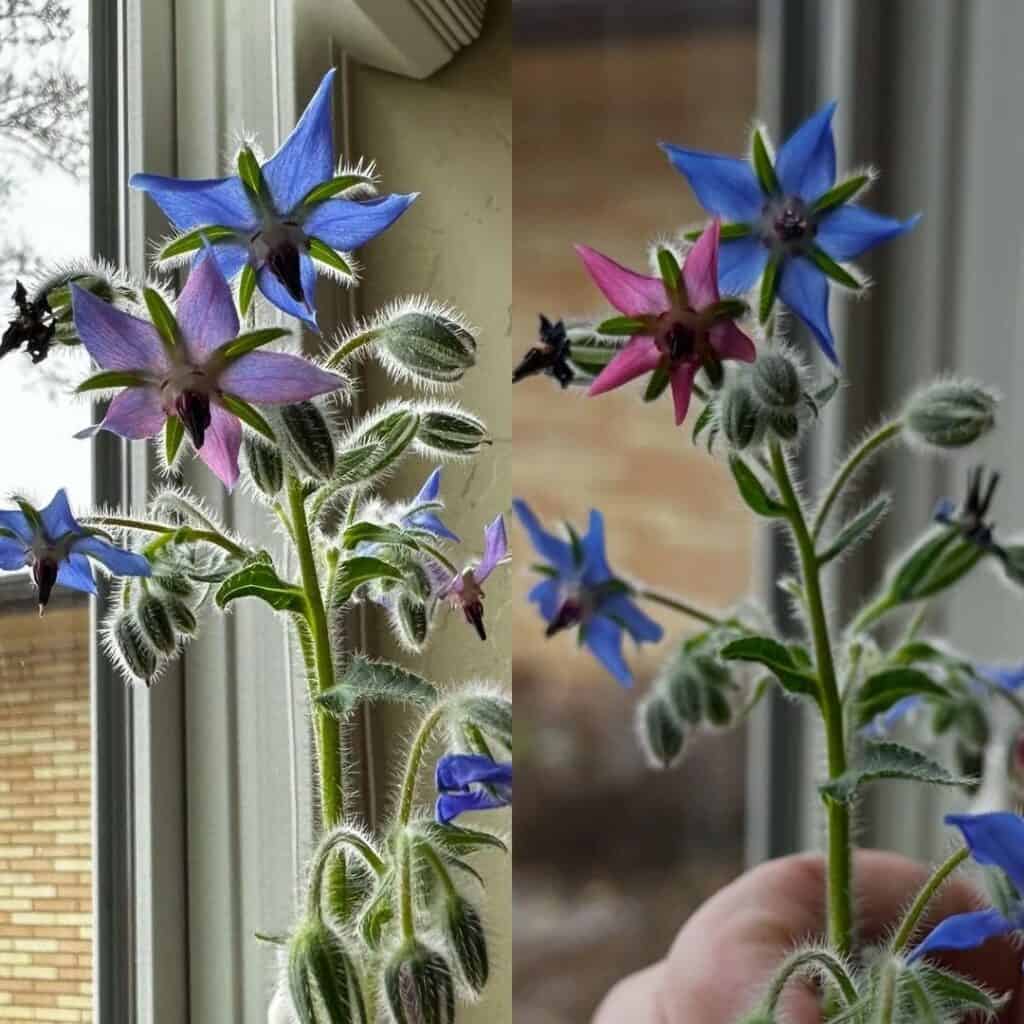
Borage is one of those plants that just looks after itself once it’s in the garden. It’s a tough annual, and every year, new plants pop up from the seeds it drops.
The bright blue, star-shaped flowers are a magnet for bees and pollinators. I notice way more activity around my veggies when borage is nearby.
I like that both the leaves and flowers are edible. The leaves taste a bit like cucumber, and the flowers look great in salads or drinks. I stick to the young leaves—older ones get a bit rough.
Borage prefers full sun and well-drained soil. I usually just scatter seeds where I want them, and they come up easily in spring.
Once the plants are established, they barely need any care or water. When the flowers fade, I let some go to seed, and new seedlings show up the next year.
If it spreads too much, I just pull out the extras. Borage fills empty spaces and brings a lot of color and life to the garden with very little work.
15) Lupine
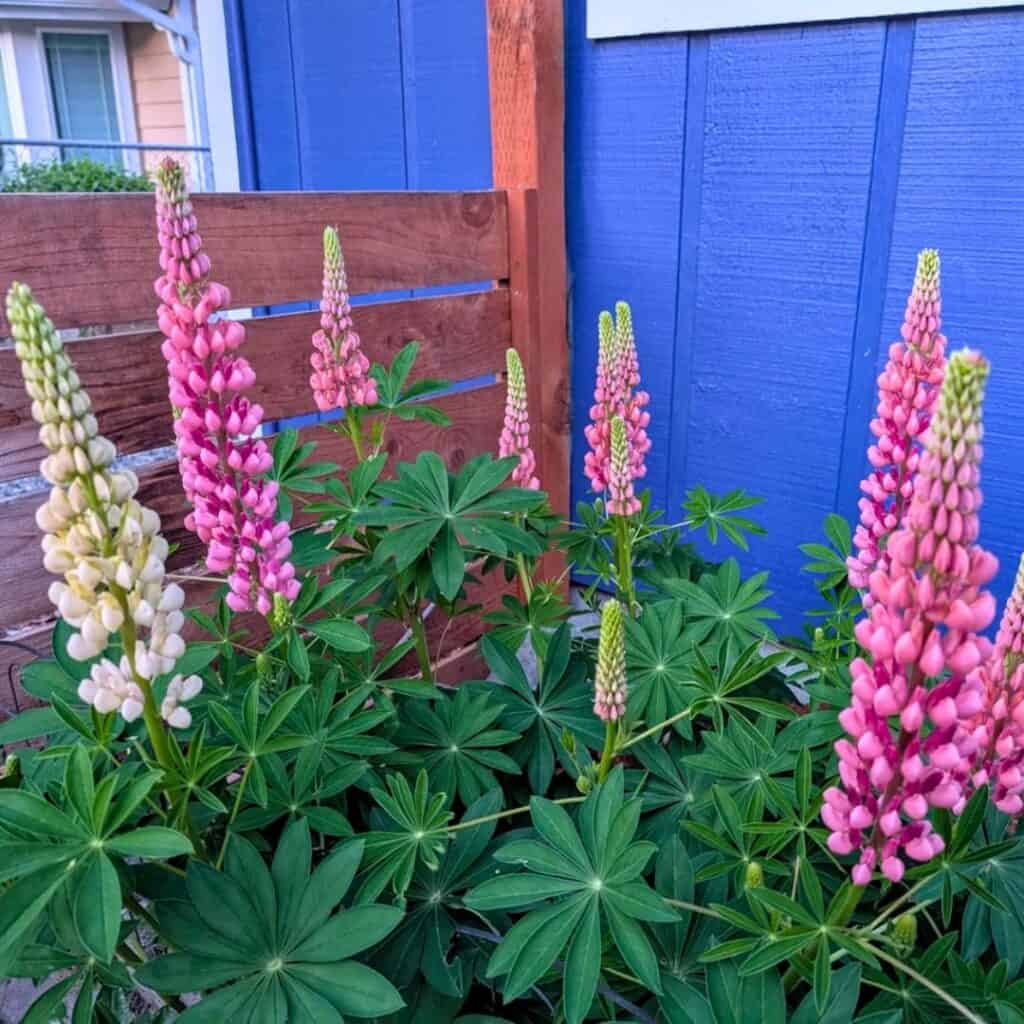
Lupine brings those tall spikes of color every spring, and I never get tired of them. The blooms come in purple, pink, white, and yellow, so there’s always something bright to look at.
Bees and butterflies love the flowers, which helps everything else in my garden. Lupine grows best in full sun and well-drained soil, and I try not to overwater since too much moisture can cause trouble.
It’s super low-maintenance once it’s settled in and handles dry spells well. What I really appreciate is how easily it self-seeds.
After the flowers fade, the seed pods dry and pop open, scattering seeds nearby. By the next season, I usually find new plants growing where I least expect them.
I keep a few mature plants each year to help reseed the area. If I want to be more intentional, I collect seeds and scatter them where I want more color.
Lupine also improves the soil by fixing nitrogen, which is a nice bonus for my veggies and other flowers. Sometimes I plant them near a fence or taller shrubs for support, since the stems can bend in strong wind.
With just a little care, Lupine keeps coming back, adding steady beauty to the garden year after year.
How Self Seeding Plants Benefit Your Garden
Self seeding plants are a lifesaver—they save time, bring in more wildlife, and give my garden a natural, lived-in look without much work. They keep the soil lively, fill in gaps, and show up year after year with barely any help from me.
Low Maintenance Gardening
I really love how self seeding plants cut down on garden chores. Once you get them started, they drop their own seeds and new plants just pop up each season.
No need to replant or buy new seeds every year, which honestly saves me a bit of cash and a lot of time.
These plants also adapt to local soil and weather, so they usually don’t need much watering or fertilizer. I get to spend more time actually enjoying my garden instead of fussing over it every day.
Here’s a quick look at the benefits:
| Task | With Self Seeding Plants | Without Self Seeding Plants |
|---|---|---|
| Replanting each season | Rarely needed | Needed yearly |
| Watering | Moderate | Frequent |
| Fertilizer use | Minimal | Regular |
It’s a simple system that keeps things growing with way less effort.
Encouraging Biodiversity
I really appreciate how self seeding plants bring in more wildlife. Their flowers attract bees, butterflies, and other pollinators. Birds seem to love the seeds too, and they help spread them around.
Letting plants reseed on their own creates a mini ecosystem. Different things bloom at different times, so insects and animals always have something to eat.
This balance supports healthy soil and stronger plants. Self seeders often include native species, which are perfect for local bugs and the odd weather swings.
I’ve noticed fewer pests and a steadier garden when I mix in these tough varieties.
Natural Garden Design
There’s something great about how self seeding plants give the garden a relaxed, natural vibe. They spread out in soft, unpredictable ways, filling gaps and softening the edges.
It never looks too planned—honestly, it feels more like a meadow than a strict garden.
Every year, the layout shifts a little as new plants take root in new spots. I never know exactly where each flower will pop up, and that keeps things fresh.
I like using self seeders like poppies, calendula, and black-eyed Susans to blend colors and textures naturally. No need for perfect planting lines or complicated design—just let them do their thing and the garden looks full and balanced.
Tips for Managing Self Seeding Plants
I keep things healthy by giving plants enough space and helping them spread, but not go wild. Making sure the soil is good and the plants are strong helps them reseed without taking over.
Preventing Overcrowding
I check in on the garden often to spot seedlings that are growing too close together. Thinning them out gives each plant enough light, air, and room to grow.
Instead of letting them fight for space, I gently pull or move extra seedlings somewhere else.
Cutting back seed heads before they drop too many seeds is a simple way to keep things from getting out of hand. I also like to label areas where I let plants reseed so I can watch how things change each season.
Here’s a little table I use for spacing:
| Plant Type | Ideal Space Between Plants | Notes |
|---|---|---|
| Annuals | 8–12 inches | Thin early in spring |
| Perennials | 12–18 inches | Divide every few years |
| Herbs | 6–10 inches | Remove weak seedlings |
Keeping the spacing right really helps avoid crowding and makes everything easier to manage.
Supporting Healthy Growth
I make sure self-seeding plants have loose, well-drained soil so seeds can settle in. Every year, I add compost to keep the nutrients up.
Healthy soil means strong seedlings without much fertilizer. When I water, I go gently so the seeds don’t just wash away.
A light mulch layer keeps moisture in but still lets seeds reach the dirt. Thick mulch isn’t great—it can make it hard for seeds to sprout.
As soon as seedlings show up, I pull any weeds right away. Weeds just steal nutrients and crowd out the good plants.
I also rotate where I let plants reseed to keep the soil fresh and avoid pest problems.
With a few simple habits, my garden stays full but not chaotic, and the plants just keep coming back.
Frequently Asked Questions
I honestly think self-seeding plants make gardening a lot less stressful. They save time, bring in pollinators, and just come back on their own.
What are some popular self-seeding flowers that add color to the garden year after year?
I always go for Calendula, Nasturtium, Foxglove, Larkspur, and Cosmos. They show off in bright orange, pink, purple, and white.
Each one drops seeds naturally, so I get new plants popping up without any extra work.
How can I encourage self-seeding plants to grow in my garden?
I let some flowers go to seed at the end of the season instead of cutting them back.
It helps to keep the soil a bit loose so seeds can settle in. Heavy mulch isn’t great, since it can block seeds from reaching the soil.
Can you suggest low-maintenance self-seeding plants for a beginner gardener?
For anyone just starting out, I’d say try Calendula and Nasturtium. They grow fast, aren’t picky about soil, and reseed with almost no help.
Both are perfect for adding color and filling in empty spots.
What are the best practices for managing self-seeding plants to avoid overgrowth?
Every spring, I thin out extra seedlings so each plant has space. I also remove seed heads from any plants I don’t want spreading too much.
That way, the garden stays tidy and doesn’t get overcrowded.
Which self-seeding plants are best for attracting pollinators like bees and butterflies?
Cosmos and Foxglove are my favorites for pollinators. Bees love their open blooms, and butterflies seem to visit all the time.
These flowers really help local wildlife and keep the garden buzzing.
Are there any perennial self-seeding plants that I can plant for long-term garden interest?
Absolutely—Foxglove is a classic choice. It tends to reseed itself and pops up again every year, sending up those tall, dramatic spikes that are hard to miss.
Personally, I’m a fan of Larkspur too. It has a habit of coming back on its own and really brings some nice height and texture to any garden bed.
Note: Some images in the articles are sourced from Reddit and Other Platforms For Reference Purpose.