10 Summer DIY Projects Every Plant Parent Will Love
I’m always looking for ways to bring more plants into my home, especially when summer rolls around. There’s just something about the warm weather that gives me the urge to try new, creative projects and make my space a bit brighter.
These DIY ideas are perfect if you’re hoping to help your plants thrive and add a personal touch at the same time. With a bit of effort, I get to enjoy a relaxing hobby that helps my plant collection stand out.
Please note: Simplify Plants is reader-supported. As an Amazon Associate, I earn from qualifying purchases made by our readers with no extra cost added to you all! Some links in the post are affiliate links and I get a commission from purchases made through links in the post.
1) Create a macramé plant hanger

Making my own macramé plant hanger is one of my favorite summer projects. It’s simple, and I don’t need a ton of supplies—just some cotton rope, a metal ring, and scissors.
I start by cutting the rope into even pieces and tying them to the metal ring. Then I group them in pairs and make basic macramé knots like square or half knots.
I keep the knots snug but not too tight, leaving enough space for the pot to fit. Measuring as I go helps make sure the pot will sit nicely in the hanger.
Once it’s the right length, I gather all the strands at the bottom and tie them in a big knot for extra hold. Sometimes I add a bead or two—why not, right?
Hanging it up is easy. I use a ceiling hook or wall bracket, double-check that it’s secure, and pop my plant inside.
This project is just fun. I get to pick different rope colors and customize the look however I want.

2) Build a DIY terrarium

Terrariums are such a good summer project. They’re easy to put together and look awesome in any room.
I usually grab a glass container—anything from a jar to an old vase works. I make sure it’s clean before starting.
I add a layer of small pebbles at the bottom for drainage, then a thin layer of activated charcoal to keep things fresh.
After that, I put in some potting soil—just enough for the roots. I like to use small plants like succulents or ferns that are easy to care for.
I make little holes in the soil with my fingers or a spoon, then gently tuck in each plant. Pressing the soil around the roots helps keep everything steady.
Sometimes I toss in a few stones, shells, or fun little figures to personalize it. I spray a bit of water, but I try not to go overboard.
I keep my terrarium somewhere with bright, indirect sunlight—too much sun can be rough on the plants. I check the soil every few days and add water if it feels dry.
Building a terrarium is honestly relaxing. It’s a chance to get creative and enjoy my plants in a new way.

3) Paint plant pots with bright colors

Painting plant pots is such a satisfying way to add color at home. It’s a simple project that makes my plants pop.
I like using acrylic paint because it sticks well and dries quickly. Clean, dry pots are a must before I start.
Bright colors like yellow, pink, and blue just cheer up a space. Sometimes I use tape for stripes or geometric patterns.
Mixing and matching colors is fun, and I’ll even write little messages or doodle shapes if I’m feeling artsy.
It’s a great way to show off some personality and make each pot unique.
Painted pots make sweet gifts, too. There’s something special about giving a friend a plant in a pot I decorated myself.
I always finish with a clear sealer to protect the paint from water and fading. That way, my designs stick around.
Painting pots is cheap, easy, and a fun way to refresh old planters.
Every time I see my painted pots, I feel a little proud of my plant corner.
4) Make natural fertilizer from kitchen scraps
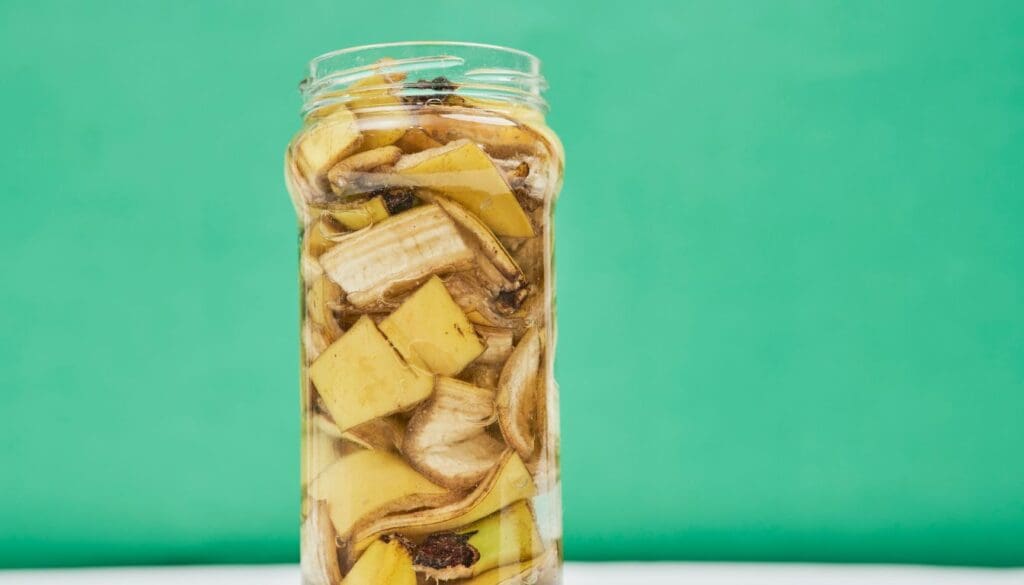
I’m a fan of reusing things at home, and kitchen scraps are perfect for feeding my plants. Instead of tossing fruit peels, eggshells, and coffee grounds, I turn them into natural fertilizer.
I collect scraps like banana peels, veggie trimmings, and eggshells in a container. I skip meat, cheese, and oily stuff—those just attract pests.
Chopping or blending the scraps with a little water helps them break down faster. I mix the scraps right into the soil or add them to my compost pile.
Over time, the scraps decompose and add nutrients to the soil. My plants seem to love it.
Sometimes I sprinkle crushed eggshells around tomatoes or peppers for extra calcium. It’s an easy, money-saving trick.
Now, whenever I cook, I check if any leftovers can help my garden instead of filling up the trash. Feels good to waste less and help my plants at the same time.
5) Construct a vertical garden frame

Saving space with a vertical garden frame is a game-changer for me. It’s a clever way to grow more plants, even if my place isn’t huge.
I pick a sturdy frame—old pallets, metal racks, or even a big picture frame can work. It just needs to hold small pots or pockets.
I attach pots, fabric pockets, or jars using zip ties, nails, or hooks. Making sure everything’s secure is key, especially when I water my plants.
I fill the pots or pockets with good soil and choose plants that do well close together. Herbs, succulents, or small flowers are my go-tos.
I hang my frame on a fence, wall, or door that gets decent sunlight. Sometimes I use brackets or strong screws for extra support.
Watering is easy—I start at the top and let water trickle down. It keeps all the plants happy.
If I want to switch things up, it’s simple to swap out plants or move the frame. I love seeing a wall full of green instead of just floor pots.
6) Assemble a self-watering planter

A self-watering planter is a lifesaver when I’m busy. Making one is actually pretty straightforward.
I grab a clean plastic bottle, some cotton string, and a small pot. I cut the bottle in half and flip the top part upside down into the bottom.
I poke a hole in the bottle cap and thread the cotton string through. The string acts as a wick, pulling water up to the soil.
I fill the bottom with water, add soil and my plant to the top part, and make sure the string touches both the water and the soil.
When the soil feels dry, I just refill the water. It’s simple, cheap, and helps prevent overwatering.
My plants seem happier and I don’t have to water every single day.
I like to decorate my self-watering planters with stickers or paint, just for fun.
Honestly, assembling a self-watering planter makes plant care so much easier.
7) Grow succulents in painted jars
Succulents are so easy to care for and look good pretty much anywhere. One of my favorite projects is planting succulents in jars I’ve painted myself—it’s a simple way to add color and personality.
I grab a few empty jars—mason jars or old food jars both work. I use acrylic paint to decorate them, sometimes adding stripes, dots, or just covering the whole jar in a bright color.
Once the jars are dry, I put small rocks or pebbles at the bottom for drainage. Then I add cactus soil and gently plant a succulent in each jar.
Succulents don’t need much water, so I’m careful not to overdo it. I keep them near a sunny window to make sure they get enough light.
Making these jars is fun with friends or family, and they make great gifts. Each one turns out different, and it’s a creative way to reuse containers.
8) Craft decorative plant markers
Making my own decorative plant markers is a summer must for me. They make my garden look cheerful and help me remember what I’ve planted.
I gather materials like wooden sticks, pebbles, or old spoons—basically anything that can stand up in the soil. I give them a quick wash and dry so the paint will stick.
Using acrylic paint or permanent markers, I label each marker and sometimes add cute drawings of the plants. Big, clear handwriting helps me spot them easily.
After the paint dries, I’ll sometimes add a coat of clear varnish for durability. A bit of twine or a sticker makes them extra fun.
Plant markers are both helpful and full of personality. They make it easier to care for my plants and add a creative touch to my space. Making them is always a highlight of my summer!
9) Design a hanging herb garden

I’m a big fan of fresh herbs in my kitchen, so making a hanging herb garden is always high on my summer to-do list. It’s a fun way to save space and bring some green right onto my walls or balcony.
First, I hunt for a sunny spot—herbs like basil, mint, and parsley really soak up the light. I’ll grab whatever I have handy: small pots, old mason jars, or even random containers, as long as they’ve got drainage holes.
Then, I’ll put up some hooks, maybe a rod, or sometimes a wooden pallet against my wall or railing. I hang the containers with string or wire, making sure they’re not going to crash down (and that I can water them without a struggle).
Each container gets filled with good potting soil, and I stick to one herb per pot so they have room to stretch out. I always label them—otherwise, I’d definitely mix up the basil and mint.
When it’s time to water, I make sure any extra water can escape. Soggy roots are a no-go.
Honestly, having a hanging herb garden means there’s always something fresh to toss into dinner. It’s easy, adds a pop of life, and the smell is just awesome whenever I walk by.
10) Repurpose pallets into garden shelves

Turning old pallets into garden shelves is one of those projects that’s way easier than it sounds. Plus, it adds storage and a bit of charm to my outdoor space.
I start by cleaning the pallet, checking for loose nails or rough spots, and giving it a quick sand so I don’t get splinters. Sometimes I’ll paint or stain it for a splash of color, but not always—depends on my mood.
Once it’s dry, I either stand it up or attach it to a wall or fence. Suddenly, there’s room for small potted plants, garden tools, or little decorations. Each shelf can show off something different—herbs, succulents, you name it.
I like to hang buckets or hooks from the shelves for extra storage. Labels help if I’m feeling organized (which, let’s be real, isn’t always).
It’s a quick, budget-friendly way to recycle and tidy up the garden. And every time I see those shelves, I get a little burst of pride.
Essential Tools and Materials for Summer Plant Crafts
There are a few tools and materials I always keep nearby for plant crafts. Using earth-friendly stuff makes me feel better about what I’m doing for the planet and my plants.
Must-Have Supplies for DIY Success
A solid pair of pruning scissors is at the top of my list—they make trimming and shaping plants so much easier. I also keep a set of small garden tools like a trowel, scoop, and a watering can.
Gloves are a must, especially if you’ve ever tangled with a thorny stem. I use old jars or containers for mixing soil and fertilizer, and a small brush to sweep up dirt when I repot indoors.
I always have a bag of high-quality potting soil and a variety of pots with drainage holes. For hanging projects, I’ll grab macrame cord, string, or sturdy wire—whatever’s around. Labels and waterproof markers help me keep track of what’s what.
Eco-Friendly and Sustainable Options
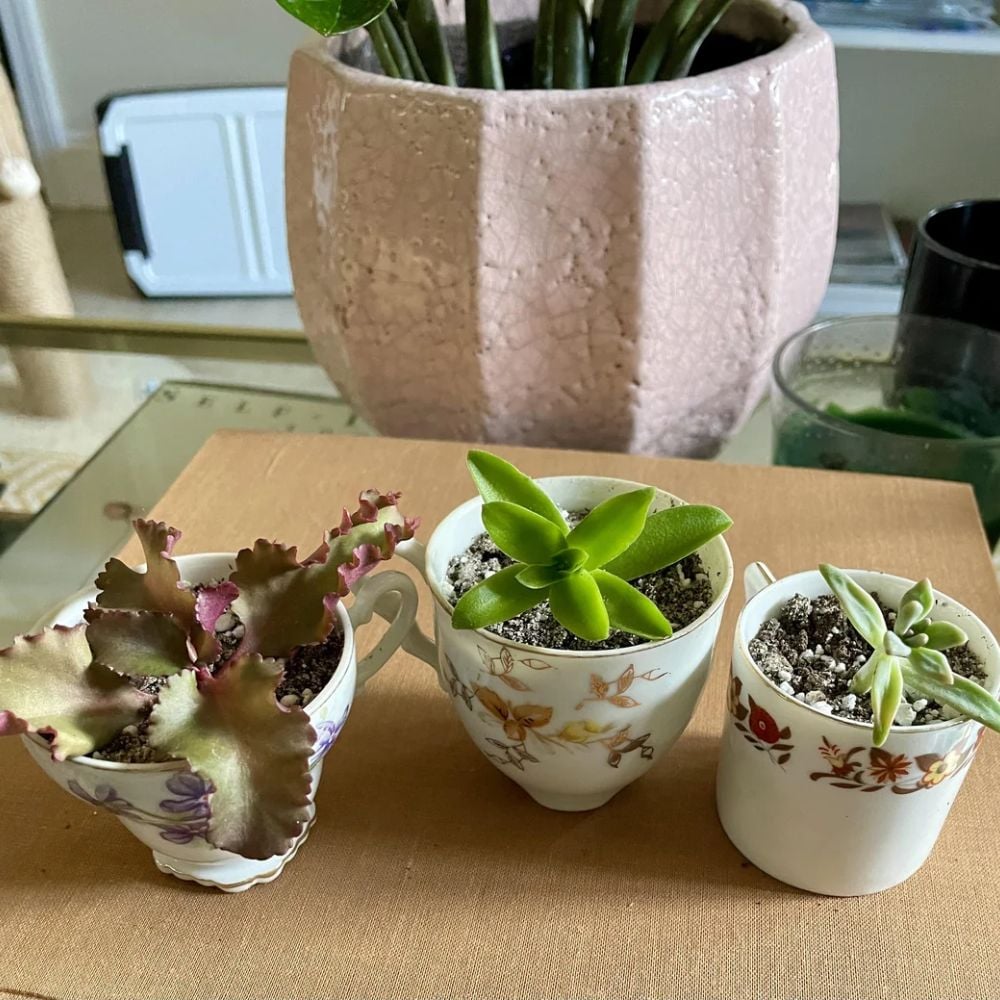
I try to go green with my supplies when I can. Old glass jars, tin cans, and chipped cups all get a second life as planters. Biodegradable pots made from coconut coir, peat, or recycled paper are a nice swap if I’m trying to cut back on plastic.
For soil, I look for organic or peat-free mixes—it just feels better for the environment. When it comes to hanging, I’ll use natural twine, hemp, or recycled fabric, since they eventually break down.
Instead of reaching for chemical fertilizers, I’ll brew up compost tea or toss in food scraps like eggshells and coffee grounds. Sometimes I even save rainwater for my plants. It’s a small thing, but it adds up.
Plant Care Tips to Complement Your DIY Projects
Healthy plants make any DIY project look so much better, don’t they? I’ve picked up a few habits that keep my plants happy and help dodge those annoying summer issues.
Maximizing Growth During Summer Months
Summer’s all about more sunlight, which is great for growth. I make sure my plants get enough light but pull them out of the harsh afternoon sun—nobody likes crispy leaves.
With the heat, I water more often, but only when the soil’s dry. Overwatering? That’s a fast track to root problems. I’ll use a cheap moisture meter or just poke my finger in the soil to check.
Fertilizing once a month keeps the plants growing strong. I stick to a balanced, water-soluble fertilizer for most, but go lighter for succulents.
A little trimming—snipping dead leaves, pinching stem tips—helps keep things tidy and encourages bushier growth. It’s kind of satisfying, honestly.
Troubleshooting Common Seasonal Challenges
Summer heat and bugs can really mess with plants. I watch for yellow leaves, crispy tips, or drooping—those are my early warning signs.
If I spot pests like spider mites, aphids, or fungus gnats, I’ll rinse the leaves or wipe them down. If that doesn’t cut it, I’ll try insecticidal soap. Sticky traps are handy for flying bugs.
Dry air from the AC can brown leaf edges. I’ll set a tray with pebbles and water nearby or mist the plants in the morning for a humidity boost.
If the soil smells funky or looks moldy, I let it dry out more between waterings and move the plant somewhere with better airflow. Quick fixes really do keep my plants looking good through summer.
Frequently Asked Questions
Finding easy ways to make my plant space more fun is one of my favorite things. Summer’s the perfect excuse to try new projects, save a little cash, and get creative with whatever I’ve got lying around.
How can I create budget-friendly garden projects using recycled materials?
I save old jars, cans, and plastic bottles to use as planters for small plants. Cardboard works as a base for a simple vertical garden frame.
Kitchen scraps make a decent natural fertilizer, so nothing goes to waste.
What are some simple DIY garden ideas suitable for beginners?
I started off by painting plant pots with bright colors. Making a basic macramé plant hanger is surprisingly simple once you get the hang of the knots.
A glass jar, some stones, a bit of soil, and a small plant—boom, instant terrarium.
Can you suggest some garden DIYs that are perfect for small spaces?
I hang tiny planters on my wall for a quick vertical garden. Window ledges are just right for a mini herb setup.
Baskets or tins also work when space is tight.
What are some creative ways to reuse plastic bottles in the garden?
Cutting plastic bottles in half turns them into mini greenhouses or plant pots. The tops? They make pretty handy watering tools.
They’re also useful as scoops for soil or pebbles.
What garden projects can I do with my kids this summer?
Painting pots is a go-to—kids love it, and so do I. They can also help with a simple macramé hanger if I guide them through the knots.
Building a small terrarium in a glass jar with rocks and soil is fun, and it lets them watch plants grow up close.
Are there any school-friendly garden DIYs that students can participate in?
Students can grow seedlings in old cups or cartons—it’s a simple way to start, and honestly, it’s pretty fun watching those little sprouts pop up.
Decorating pots or making mini compost bins is another safe, hands-on idea. Kids seem to love getting their hands dirty, don’t they?
A group project like designing a vertical garden frame lets everyone pitch in and pick up a bit of teamwork along the way. It’s not just about plants; it’s about working together and seeing what you can create as a group.
Note: Some images in the articles are sourced from Reddit and Other Platforms For Reference Purpose.