14 Low-Maintenance Evergreen Climbers for Year-Round Greenery
I just love how evergreen climbers keep walls, fences, and gardens looking lively, no matter what the weather’s doing.
These plants stay green through heat or cold, so you get lasting color outside without having to fuss over them all the time.
If you’re after a garden that looks fresh year-round and doesn’t ask for much, evergreen climbers are honestly a game changer.
So, here are fifteen low-maintenance evergreen climbers I’ve tried that bring beauty to any space. Some have glossy leaves, others smell amazing, and all of them are easygoing enough for even the busiest gardener.
Please note: Simplify Plants is reader-supported. As an Amazon Associate, I earn from qualifying purchases made by our readers with no extra cost added to you all! Some links in the post are affiliate links and I get a commission from purchases made through links in the post.
1) English Ivy

There’s just something about English Ivy that instantly makes any wall or fence look charming. It’s one of my favorites because it keeps its green leaves through every season—even winter doesn’t scare it off.
This plant is easy to grow and really doesn’t need much from me. I try to keep the soil a bit moist and give the roots some shade, but once it’s settled, it just spreads out on its own.
English Ivy grows well in sun or partial shade, so I can tuck it just about anywhere. It’ll climb brick, wood, trellises, even tree trunks, thanks to those tiny rootlets that grip on tight.
I trim it once or twice a year to keep things neat. That helps control the growth and stops it from swallowing up other plants. Plus, it’s fun to shape or guide it wherever I want.
What I really like is how versatile this vine can be. Let it climb up for a lush wall, or let it trail from a hanging basket—it works both ways.
It’s also super low-maintenance compared to other climbers. No constant feeding or complicated routines. Just a bit of attention and you get a thick, evergreen blanket.
English Ivy fits in with both urban and rural gardens. It softens hard edges, adds a wild touch to brick or wood, and fills empty spots nicely. Birds and insects seem to love it too, which is always a plus.
If you’re looking for an easy, adaptable, and good-looking evergreen climber, honestly, English Ivy is hard to beat. It’s just reliable, and who doesn’t want that?
2) Clematis Armandii
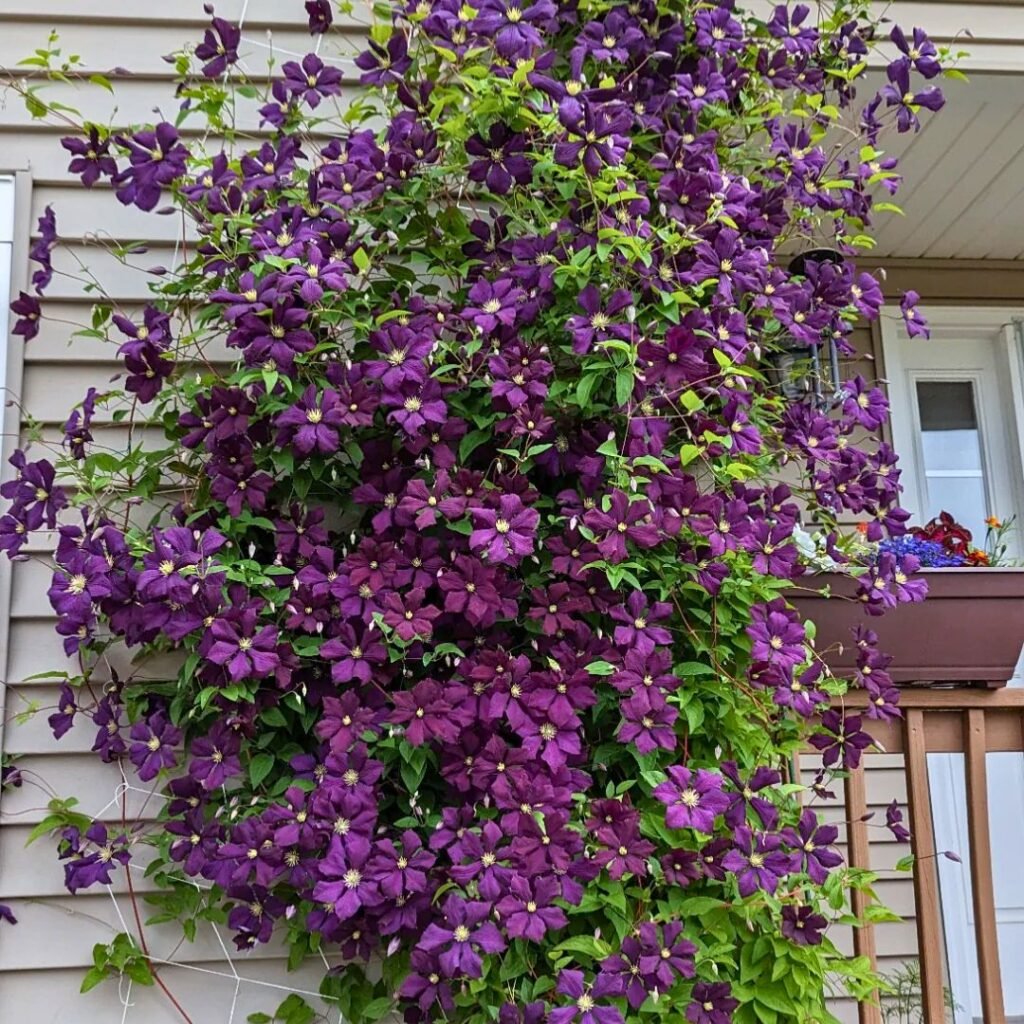
Clematis Armandii is another one I like because it stays green all year and doesn’t ask for much. Once it settles in, it grows fast and can cover fences or trellises in no time.
It has these shiny, dark green leaves that look fresh even in winter. Early spring brings sweet-smelling white flowers, which attract bees and make the garden feel alive when everything else is still asleep.
I usually stick it in a sunny or partly shaded spot with soil that drains well. If the roots stay cool and moist—mulch or low plants help—it’s happy. Once it’s going, I only water it during dry spells.
Pruning? Pretty simple. I just trim it a bit after it flowers to keep things tidy. It can get tall, over 20 feet sometimes, so trimming keeps it in check. It climbs easily with twining leaf stalks, and I don’t have to fuss with tying it up all the time.
Clematis Armandii handles different climates well, too. Mild frost and wind don’t really bother it, so it’s flexible for a lot of gardens. Since it keeps its leaves, it gives me privacy and greenery even in winter.
For me, Clematis Armandii is practical and good-looking. Calm, green backdrop, bursts of white flowers, and barely any work.
3) Star Jasmine

Star Jasmine just brings a space to life with hardly any effort. Its glossy green leaves stay put all year, and in summer, those small white flowers smell absolutely wonderful. Simple flowers, but they really pop against the dark foliage.
I’ve got mine along a fence where it fills in gaps and makes a nice, tidy screen. It climbs with twining stems, so I just give it something to grab onto, and after that, it mostly takes care of itself. A little pruning once or twice a year is all it asks for.
Star Jasmine likes full sun or partial shade. If it gets really cold where you are, you might want to protect it or grow it in a big pot to bring inside. It does best with well-drained soil and regular watering when young, but once it’s settled, it shrugs off short dry spells.
It’s not one of those aggressive plants that tries to take over. Grows at a steady pace, which makes shaping and controlling it easy. The shiny foliage stays dense and tidy, even after the flowers are gone.
Sitting outside in the evening, the sweet scent from the blooms just floats through the air. It’s one of those plants that gives you a lot without asking for much. That’s why Star Jasmine is always high on my list.
4) Honeysuckle
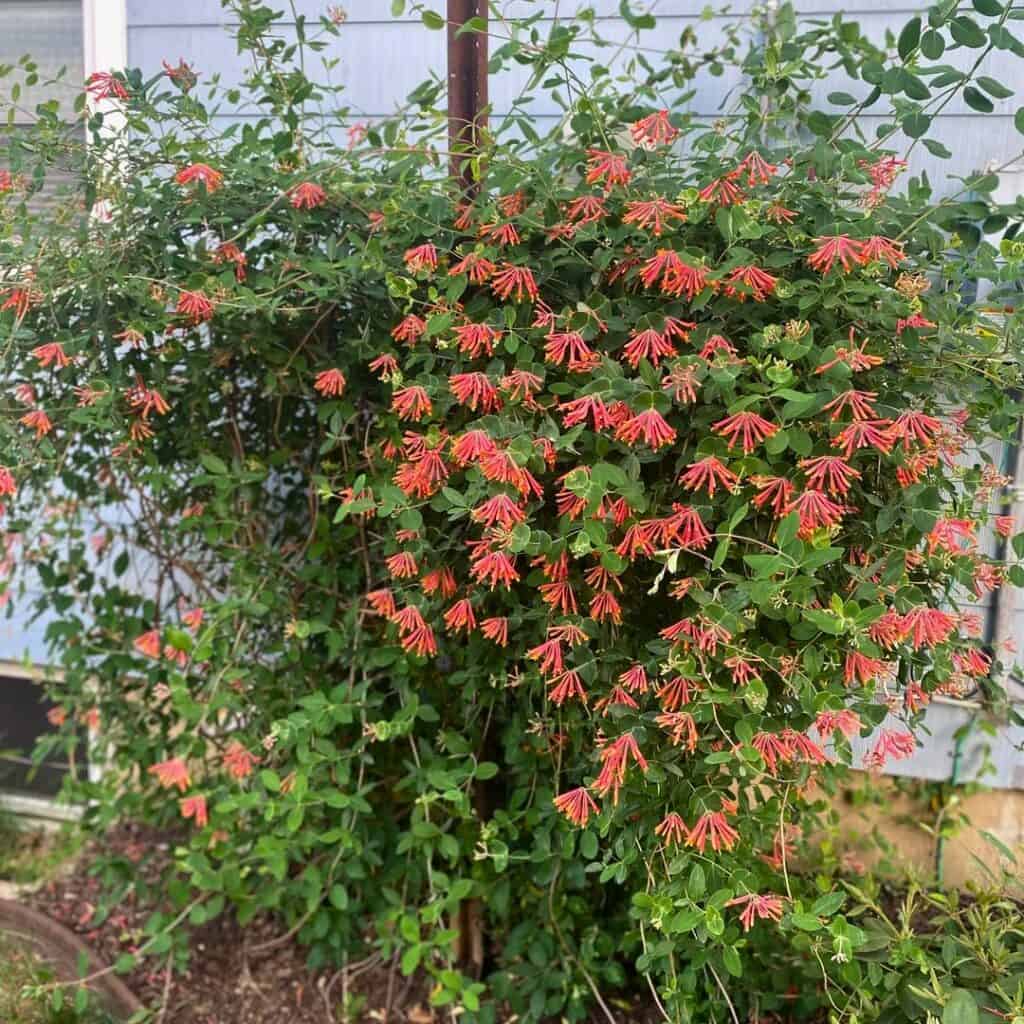
Honeysuckle is another favorite—looks good all year and barely needs any fuss. The evergreen types keep their leaves through winter, so my garden doesn’t look empty when other plants lose theirs.
It grows well on fences, trellises, or walls and brings color and structure without much effort. I just trim it lightly after flowering to keep it neat.
The small, fragrant flowers bloom in summer and attract bees and hummingbirds. Their scent makes evenings outside really pleasant.
Honeysuckle likes sun or partial shade and soil that drains well. I water it regularly when it’s young, but once it’s established, it handles dry spells without a problem.
I’m a fan of varieties like Lonicera japonica ‘Halliana’ for its deep green leaves and white-to-yellow blooms. It grows quickly and fills in spots that need a little life.
For me, honeysuckle adds reliable greenery, gentle fragrance, and a simple charm that lasts all year.
5) Trumpet Vine
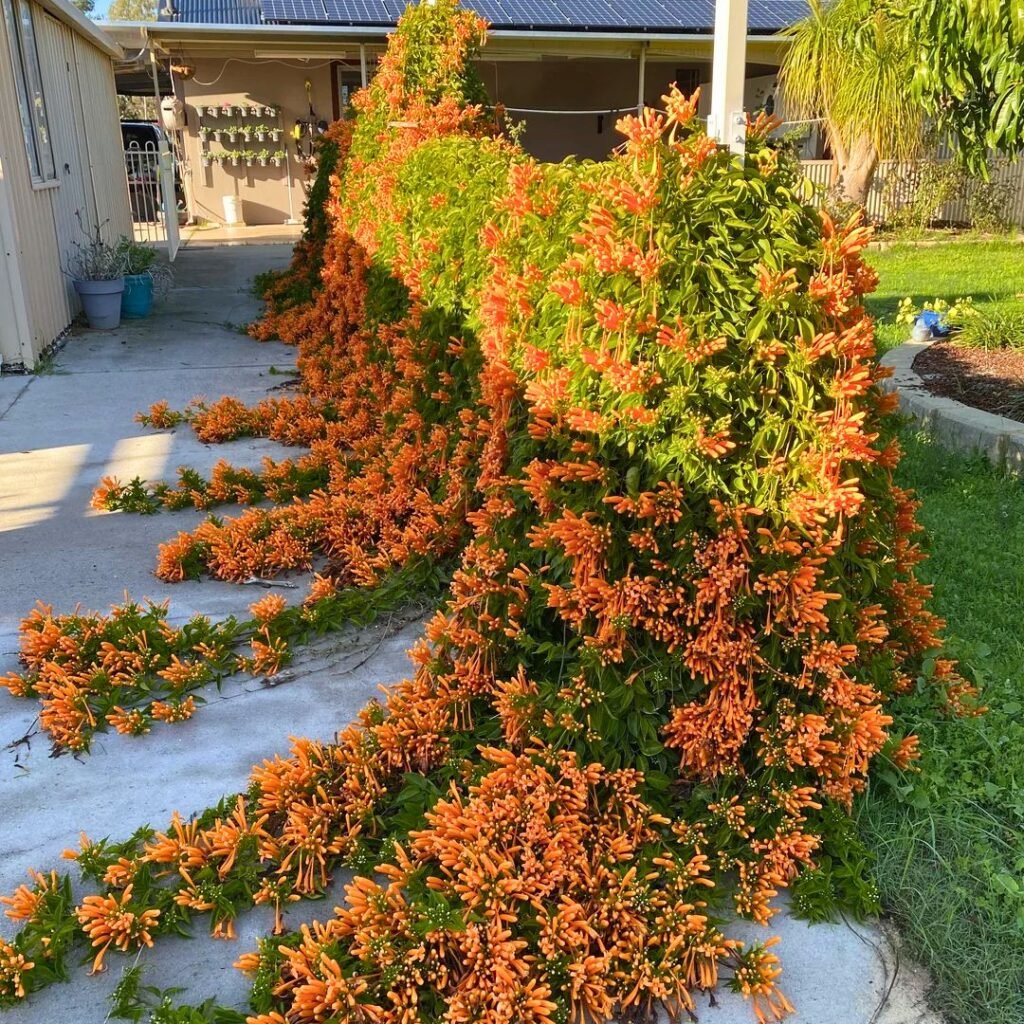
Trumpet Vine is fantastic for adding color and life to plain walls or fences. Those bright, trumpet-shaped flowers are impossible to miss, and the plant doesn’t need much care. If you want greenery and blooms that keep coming back, this one’s hard to beat.
It’s a fast grower, so it covers big spaces in no time. I give it a sturdy support like a trellis or pergola, since the vines can get heavy. It thrives in full sun and really isn’t picky about soil, which makes things easy.
I like that it attracts hummingbirds and butterflies—the garden feels more alive with them around. In mild climates, the leaves stay green most of the year, so things don’t look bare in winter.
Pruning is simple—once or twice a year to keep it in shape and encourage more blooms. Honestly, that’s about all it needs.
If you want steady greenery and a burst of summer color, Trumpet Vine is a great pick. It’s low-maintenance, tough, and just makes any space feel more vibrant.
6) Climbing Hydrangea

Climbing Hydrangea is one I really like for easy green coverage. It sticks to walls, fences, or even tree trunks with tiny rootlets, so I don’t have to mess with ties or guides much. It starts slow, but once it gets going, it fills out beautifully.
Its dark green leaves stay fresh for most of the year, so there’s always some color, even when other plants fade. Summer brings flat clusters of white flowers that really brighten up shady spots.
I’ve noticed it does best in partial shade with moist, well-drained soil. I’ll water it if the soil dries out and toss on a bit of compost in spring. After that, it pretty much handles itself.
It can reach 30 to 50 feet tall, so a sturdy surface is a must. The thick stems grip brick or wood well. If it spreads too far, I just trim it back after flowering.
This is a good pick if you want year-round greenery without a lot of work. It brings life to shady walls where other vines just won’t grow. Slow and steady, but always reliable.
7) Boston Ivy

Boston Ivy is awesome for covering walls with thick green leaves that stay bright most of the year. It gives my garden a tidy look, but I don’t have to babysit it. Grows fast, but it’s easy to guide and trim.
Spring and summer are all about the lush green, but in fall, the leaves turn deep red or purple. Even when the leaves drop, the bare stems still make the wall look interesting.
Boston Ivy is tough and adapts to different soils and light. It does best in full sun to partial shade. Once it’s settled, I only water during long dry spells.
I like that it clings to surfaces by itself with little suction pads, and usually doesn’t harm walls. Still, I check the surface before letting it climb. A light annual pruning keeps it from getting out of hand.
If you want year-round interest without much effort, Boston Ivy is a solid choice. It’s practical, attractive, and brings a bit of wild charm to any wall or fence.
8) Evergreen Clematis ‘Freckles’

Clematis ‘Freckles’ is just so easy to grow, and it adds a splash of color in the colder months. This evergreen climber keeps its green leaves all year, so my garden never feels empty.
What I love most are the spotted maroon-pink flowers that show up from late fall through early spring. Each bloom has tiny freckles—honestly, they just brighten up gray days. It’s one of the few plants flowering when almost nothing else is.
‘Freckles’ thrives in mild climates and prefers partial shade. Soil that drains well but stays a bit moist is best. I keep the roots cool with mulch and let the vine climb toward gentle sunlight.
Care is easy—just a light prune after flowering to keep it in shape. It doesn’t need constant attention but still rewards me with leaves and blooms.
It’s also pretty versatile. I can grow it in a pot, train it over a small arch, or let it trail along a wall. It fits into gardens big or small and stays neat with minimal trimming.
Evergreen Clematis ‘Freckles’ is perfect if you want steady greenery and soft winter color without a lot of fuss. I appreciate how reliable and low-maintenance it is—makes gardening feel easy.
9) Wintercreeper Ivy

I really like Wintercreeper Ivy because it just keeps its green color no matter what time of year it is. It grows in almost any condition, which is honestly such a relief.
It’s probably one of the easiest evergreen climbers I’ve ever taken care of. The leaves stay colorful through every season, so my garden never looks dull—even in the middle of winter.
This ivy works great on fences, walls, or trellises. Sometimes I just let it sprawl as ground cover, and it fills in empty spots before I know it.
It clings to surfaces all on its own, so I barely have to guide it once it gets going. That’s one less thing to worry about.
Wintercreeper is fine with sun or shade, so I can plant it almost anywhere in the yard. I’ve even put it in pretty poor soil, and it still does its thing with barely any help.
I just trim it once or twice a year to keep it from getting wild. The small oval leaves are glossy, with these light green or golden edges that really pop against brick or wood.
In the colder months, the leaves might darken a bit, but they never drop off. That shine sticks around, which I love.
It’s so low-maintenance. I only water when the soil feels dry—no big deal. Regular pruning is enough to keep it neat, and I don’t have to fuss over pests or diseases much at all.
If I want to brighten up a dull corner, I’ll plant a variegated variety with yellow or white markings. It’s a cheerful contrast, especially next to darker plants.
Plus, the dense leaves help keep weeds down underneath. I’ve used Wintercreeper in both big gardens and tiny spaces.
It grows just as well in containers or climbing over stone walls for a rustic vibe. It adapts so easily, which is why I always suggest it to people just starting out with gardening.
10) Chinese Wisteria

I have to say, Chinese Wisteria just brings a kind of elegance you don’t get from many plants. Its twisting vines and lush green leaves look full most of the year, especially in milder climates.
In spring and early summer, those purple flower clusters are absolutely show-stopping. This vine grows fast, so I always make sure to give it a strong support—think pergola or a sturdy trellis.
Walls and fences? It climbs them without any trouble. I prune mine once or twice a year to keep it from getting out of hand.
Chinese Wisteria loves sunlight. I always pick a bright spot with soil that drains well. It’s not fussy about soil type, but I steer clear of soggy spots.
The more sun, the better the blooms and the healthier the leaves. Even though it looks delicate, it’s surprisingly tough.
Once established, it can handle dry spells and doesn’t need daily attention. I just water during long dry periods and snip off any dead growth at the end of the season.
It creates a natural shade—perfect for sitting and reading outside. The leaves stick around longer than most climbers, so my garden keeps that full, calm look even after the flowers are gone.
It’s beautiful without demanding too much effort. Just a heads-up, though: Chinese Wisteria can become invasive if you let it go wild.
Regular pruning keeps it in check and protects the rest of the garden. I like to train it early so it only grows where I want it.
With a bit of care, this plant gives me rich greenery and those graceful blooms year after year. It’s honestly one of my top picks for adding color and structure to outdoor spaces with barely any hassle.
11) Carolina Jessamine

I really enjoy how Carolina Jessamine brings instant cheer to the garden. This evergreen climber has glossy green leaves and bright yellow, trumpet-shaped flowers that show up in late winter or early spring.
It’s one of those plants that just keeps its charm, no matter the season. I find it easy to grow since it does well in full sun or partial shade.
It doesn’t ask for much—just some well-drained soil and the occasional trim to keep things tidy. Once it’s settled, it can handle short dry spells, which is perfect for me since I’m not always on top of watering.
The vines can reach up to 20 feet, so I use it to cover fences and trellises. It grows fast and fills empty spaces without getting too messy.
I like that it stays green even when other plants are looking tired. I also never have to worry much about pests or diseases with this one.
It’s generally low-maintenance and pretty tough. I just remember to wear gloves when pruning because the sap can be irritating.
Whenever I spot those yellow blooms opening up, it feels like a promise that warmer days are on the way. Carolina Jessamine gives me simple beauty and year-round greenery without much work—just the way I like it.
12) Sweet Autumn Clematis

I love how Sweet Autumn Clematis fills the garden with soft, white blooms late in the year. Even when summer is winding down, this plant keeps things green and fresh.
The flowers have a light, pleasant scent that drifts through the air but never feels overwhelming. This climber grows quickly and easily, which is great for covering fences, trellises, or pergolas.
I just give it a bit of space and some support, and it really takes off. It can reach around 20 to 30 feet, so it’ll cover large areas in no time.
I’ve found it does best in full sun or light shade, with soil that drains well. At first, I water it regularly, but once it’s established, it doesn’t need much from me.
A light trim in early spring keeps it looking tidy and encourages new growth. When fall hits, this plant bursts into clusters of white star-shaped flowers that brighten up any yard.
After blooming, it forms these silky seed heads that look nice even into winter. They add a bit of texture when most other plants have faded.
I like how adaptable this vine is. It handles both sunny and slightly shady spots and doesn’t ask for much beyond the basics.
If I want a reliable, evergreen presence with a little late-season charm, Sweet Autumn Clematis is always a good bet.
13) Dutchman’s Pipe

I like the Dutchman’s Pipe because it’s so unique—those big, heart-shaped leaves and odd, pipe-shaped flowers always catch people’s attention.
It adds a bit of curiosity to the garden, and I don’t have to fuss over it much. This evergreen climber grows quickly and will easily cover fences, trellises, or pergolas.
It’s great for privacy since the dense leaves form a thick, green screen all year long. The plant prefers partial shade and well-drained soil, but honestly, it seems to handle a range of soil types.
I just water it when things get dry. The flowers might look a little odd, but they’re interesting and sometimes attract tiny pollinators too.
I think they make the plant stand out without being messy or over-the-top. I prune my Dutchman’s Pipe once or twice a year to control its size.
With minimal effort, it stays healthy and keeps sending out fresh growth. This vine thrives with little maintenance, so I get green coverage and unique blooms without much work.
14) Bougainvillea

I love how Bougainvillea brings instant color and excitement to any wall or fence. It’s a hardy evergreen climber with bright pink, purple, red, or orange bracts around its tiny white flowers.
Even when other plants fade, Bougainvillea just keeps showing off its vibrant charm all year in warm climates. I’ve found it really thrives in full sun and well-drained soil.
Once it’s established, it handles dry conditions like a champ. I water it now and then, but I’m careful not to overdo it—too much moisture isn’t its friend.
If I want to shape or control its growth, I just prune lightly after the main flowering period. That keeps the branches tidy and actually encourages more blooms.
If I’ve got the space, I’ll train it along a trellis, archway, or wall, and it quickly fills in with lush, colorful foliage. Bougainvillea doesn’t like frost, so in colder areas, I grow it in containers that I can bring inside.
But in warm regions, it’s a tough and reliable evergreen. What I really appreciate is how little maintenance it needs compared to other flowering climbers.
For me, Bougainvillea stands out because it’s got strong growth, lasting color, and doesn’t ask for much. With plenty of sun and just a little care, it rewards me with a wall of color that never feels like a chore.
Benefits of Low-Maintenance Evergreen Climbers
I’m all about plants that stay green year-round and don’t need constant attention. These climbers keep things lively, save me time, and add lasting beauty to fences, walls, and arbors.
They’re just a practical choice if you want greenery without the hassle.
Year-Round Foliage
What I like is how evergreen climbers keep their leaves all year. While deciduous vines drop their leaves in winter, these guys hold onto their color and coverage—even in the cold months.
This gives my garden a steady look and helps with privacy, no matter the season. Their foliage also gives wind protection and insulation for walls or fences.
Some types even help reduce noise or offer a bit of shade in summer. Since the leaves last all year, I don’t have to replant or deal with bare patches when it gets cold.
Common choices like ivy, star jasmine, and climbing euonymus do well in different climates. Their dense growth covers up ugly walls and can be a nice spot for nesting birds.
Key Benefits:
- Continuous greenery through all seasons
- Extra privacy and weather protection
- Stable habitat for small wildlife
Reduced Upkeep Requirements
I’m always looking for plants that don’t need constant pruning or watering. Low-maintenance climbers save me time and effort.
Once they’re settled in, I really only need to do occasional trimming or light feeding. Many evergreen species are fine in all sorts of soils and don’t need much fertilizer.
They usually resist pests and diseases, so I don’t have to mess with chemicals or routine checks. That’s a plus when I’m short on time but still want a green space.
These climbers also help with soil erosion on slopes and walls, so there’s less long-term repair work. Their deep roots hold in moisture, which means I water less often.
Simple care tasks include:
| Task | Frequency | Notes |
|---|---|---|
| Light pruning | 1–2 times per year | Keeps shape tidy |
| Watering | During dry spells | Mature plants tolerate drought |
| Fertilizing | Once a season | Optional for growth boost |
I really appreciate how these plants let me enjoy a green garden with barely any effort.
Design Tips for Incorporating Evergreen Climbers
I like planning spaces where evergreen climbers can just grow and do their thing, while still adding structure and color. Picking the right support and placing plants near key garden features helps them stay healthy and look balanced all year.
Ideal Structures for Support
I always go for a strong support that matches the way my plant wants to grow and the space I’ve got to fill. Trellises, arches, and fences are my top picks for fast-growing vines like ivy or star jasmine.
For heavier climbers, like climbing hydrangea, I make sure whatever I use is sturdy enough to handle the weight and all that seasonal moisture. I mean, nobody wants a collapsed trellis in the middle of summer, right?
Honestly, metal or treated wood frames just last longer outdoors. I always leave about 6 inches between the base and the wall or fence so air can move around.
This helps a lot with mildew and root problems, which can sneak up on you if you’re not careful.
Here’s a quick guide I usually follow:
| Structure Type | Best For | Notes |
|---|---|---|
| Trellis | Light climbers | Easy to move or replace |
| Archway | Decorative entries | Works well with flowering evergreens |
| Pergola | Shaded seating areas | Supports heavy growth |
| Fence/Wall | Year-round coverage | Ideal for privacy |
Pairing With Other Garden Features
Honestly, evergreen climbers just look better when they blend in with other textures nearby. I like pairing them with neutral paving or gravel—the leaves really pop against those backgrounds.
When I’m growing them around patios or pergolas, I always guide the stems along the support so the pathways stay clear. It’s just easier to enjoy the space that way.
Adding planters or raised beds at the base? Great for mixing climbers with low-growing perennials and getting some nice layered height. I care about foliage contrast too.
Matching glossy leaves with matte stone or wood helps highlight the differences in shape and color. It’s a small thing, but it makes a difference.
Lighting is huge. A few soft uplights under each vine bring out the colors at night and make the garden feel cozy, even in the colder months.
Frequently Asked Questions
I’ve found that picking the right evergreen climbers, giving them solid support, and paying attention to their light, water, and pruning makes all the difference. Some species are happy in containers or shade, while others want sun and a little more care.
What are some popular evergreen climbers that are easy to care for?
I really like English Ivy, Clematis Armandii, Star Jasmine, Honeysuckle, and Trumpet Vine. They keep their leaves all year, are pretty tough, and don’t need much fuss once they’re settled in.
How do I plant and support evergreen climbing plants in my garden?
Usually, I plant evergreen climbers near a wall, fence, or trellis so they’ve got something to grab onto. I loosen up the soil, toss in some compost, and give everything a good soak after planting.
Adding a sturdy frame or mesh right away helps the vines climb and keeps things looking tidy.
What evergreen climbers are suitable for growing in pots or containers?
I’ve had good luck with Star Jasmine and English Ivy in big pots. They stay compact and fresh-looking all year.
I always make sure the pots have good drainage and use a solid quality potting mix—it really makes a difference.
How often should I water and feed my evergreen climbing plants?
I water more if it’s dry out, then cut back when it’s cooler. For feeding, I use a balanced liquid fertilizer once or twice during the growing season.
Too much fertilizer? You’ll just get a bunch of leaves and not many flowers, so I don’t overdo it.
Can evergreen climbers thrive in shady areas or do they need full sun?
Some, like English Ivy, are totally fine in shade. Others, like Star Jasmine and Trumpet Vine, really bloom best in full sun.
I usually check the plant tag or ask around locally before picking the right spot.
What are the best methods for pruning evergreen climbers to maintain their shape and health?
I usually snip away dead or tangled stems right after flowering—keeps things looking neat, you know? Light pruning seems to help with new growth, plus it lets the air move through better.
If you’ve got something wild like Honeysuckle, you’ll probably want to prune it more often. Otherwise, it just tries to swallow up whatever’s nearby.
Note: Some images in the articles are sourced from Reddit and Other Platforms For Reference Purpose.