10 Surprising Spots Most People Never Thinks To Put Plants
I’m always on the lookout for new ways to bring plants into my space. There’s something oddly satisfying about transforming an overlooked nook into a tiny, green haven.
Honestly, plants can thrive in places you’d never expect. Even the most ordinary corners can feel alive with just a bit of creative placement.
Please note: Simplify Plants is reader-supported. As an Amazon Associate, I earn from qualifying purchases made by our readers with no extra cost added to you all! Some links in the post are affiliate links and I get a commission from purchases made through links in the post.
1) Inside microwave vents
One day, I realized the top vent of my microwave was just collecting dust—why not use it for something better?
That narrow slot actually gets a fair bit of warm air and light, which is surprisingly good for small, low-maintenance plants.
I usually stick with tiny air plants or faux succulents. They don’t need soil or much water, and honestly, I don’t want to fuss with real plants near grease or steam.
Safety’s a must, so I always make sure the airflow isn’t blocked. I’ll just pop the plants out when I’m cooking a big meal or cleaning the vent.
If I’m feeling bold, I’ll use planters that clip or magnetically attach to the vent cover. They’re easy to move and add a little personality without crowding the counters.
It’s funny how this hidden corner now feels like a secret garden. It’s a quirky way to bring some green into a part of the kitchen I used to ignore.
2) On top of bookshelves
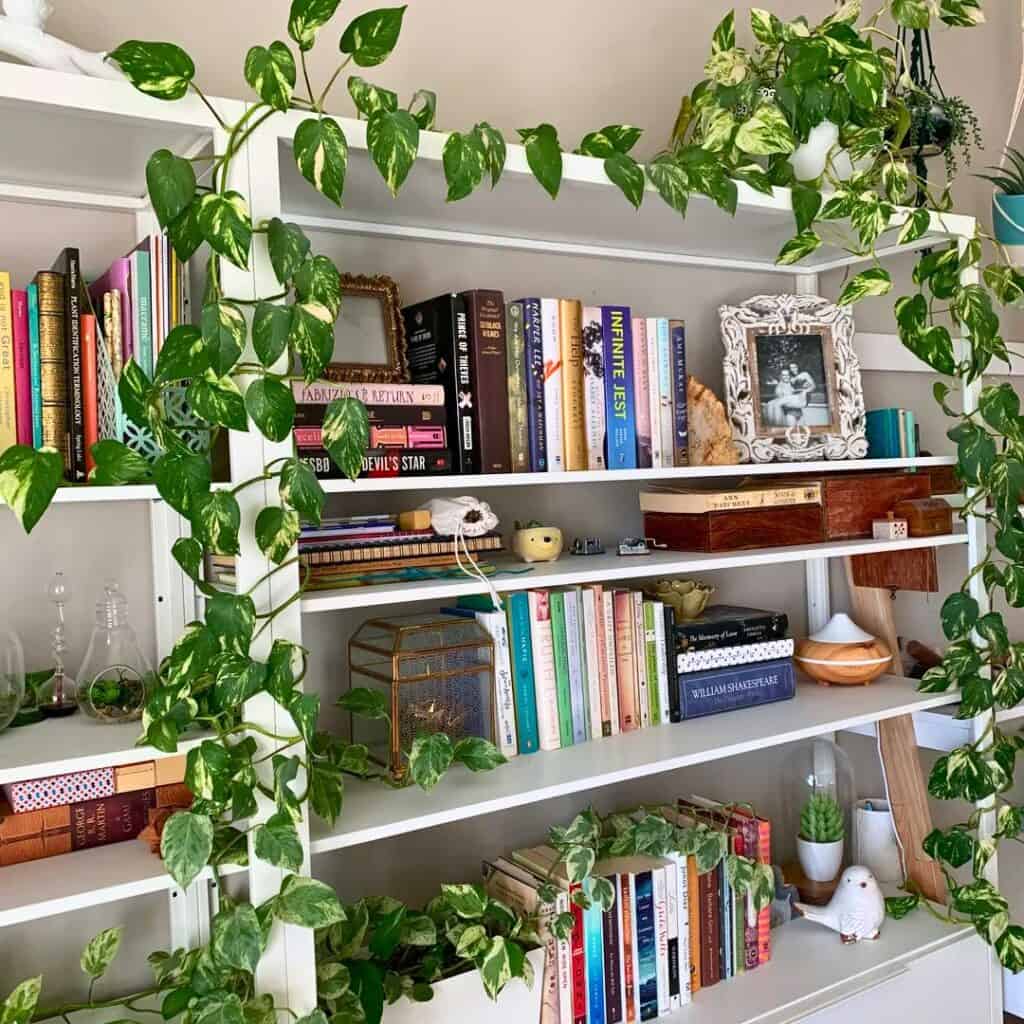
Placing plants on top of bookshelves is one of my favorite tricks. That high-up space usually goes unused, but a little greenery up there really pops.
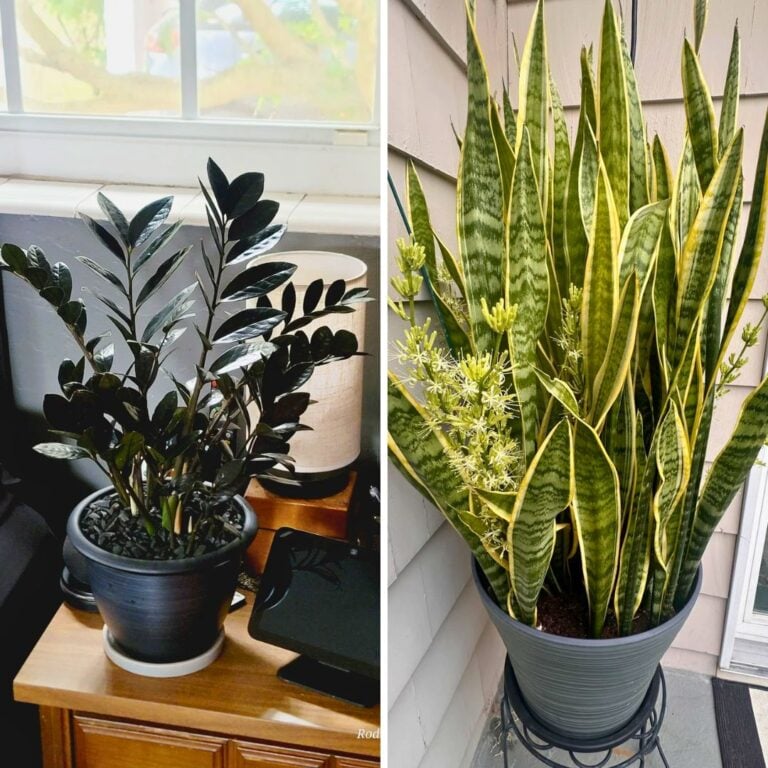
I go for plants that don’t mind indirect light. Pothos, snake plants, or ZZ plants are my go-tos—they’re tough and don’t need much fussing.
A trailing vine can spill over the edge, adding some movement, while upright plants look great next to framed photos. Mixing up heights keeps things interesting.
I always check that the shelf can handle the weight and use lightweight containers. Saucers or liners are a must to avoid drips on books.
Dust gathers up there, so I give the leaves a quick wipe when I clean. I use a step stool to check the soil and water as needed.
Adding plants up high makes the room feel more balanced and cozy. It draws your eyes up and somehow makes the ceiling look taller. Every time I look at my shelves, the greenery just makes me happy.
3) Bathroom towel racks

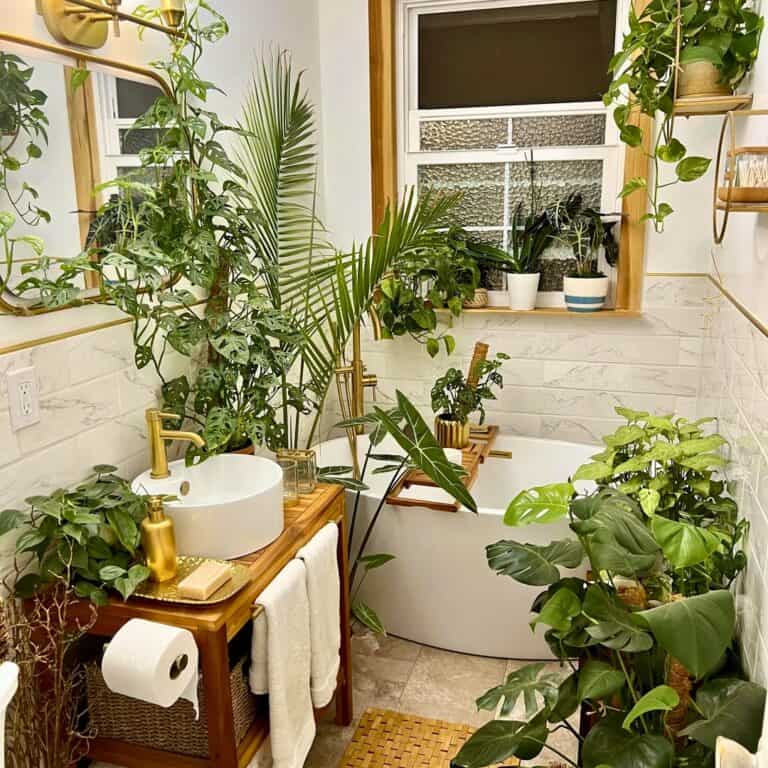
Bathroom towel racks are surprisingly perfect for small plants. They’re right at eye level, so you actually notice the greenery every day.
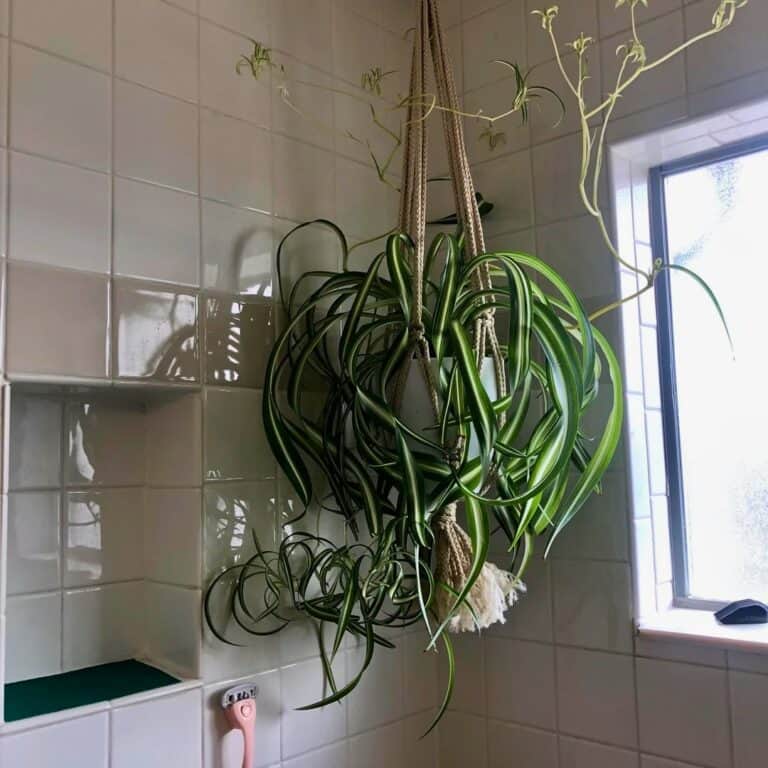
I hang lightweight pots or small planters from the rack using hooks or macramé hangers. It’s a great way to use space that would otherwise just sit empty.
Plants that love humidity, like pothos, ferns, or air plants, do well here. They handle the steam and don’t need much sunlight—though a window nearby is always a plus.
Having a plant by the towel rack just makes the bathroom feel more inviting. The green softens up all the hard surfaces.
When I’m swapping towels, I’ll check the plants—trim a leaf here, add a splash of water there. It’s a simple routine that keeps things looking fresh.
4) Over shoe racks

I never thought shoe racks could double as mini plant shelves until I tried it. Those open slots and compartments are just the right size for little pots.
A bit of greenery helps balance out all the shoes and random stuff that tends to pile up. Plus, a lot of plants don’t need much light, so it works in entryways that are a bit dim.
I stick to low-maintenance options: succulents, pothos, snake plants. They don’t need much water, which is good since I don’t want soggy shoes. Sometimes I use trays under the pots just in case.
The best part? I get a fresh, cheerful welcome every time I walk in, all without losing any storage space.
5) Above kitchen cabinets

That awkward space above the kitchen cabinets is just begging for plants. Most people forget about it, but it’s ideal for hardy plants that don’t need much attention.
I pick low-maintenance plants like pothos, snake plants, or ivy. They’re forgiving and only need a bit of water now and then.
Before I set anything up there, I check that the surface is sturdy and clean. I avoid putting plants near vents or lights that might blast them with hot air.
Matching pots or planters tie the look together. Lightweight containers are easier to handle when it’s time to clean, and mixing up plant heights keeps things from looking too uniform.
A few plants up there soften the kitchen’s hard lines. It’s such a simple way to make the space feel more inviting.
6) On stair railings

Stair railings are an unexpected spot for plants, but I love how they can turn boring steps into a green path. You just have to keep things safe and out of the way.
I use sturdy hooks to hang small planters along the railing. Ivy or pothos trail nicely without weighing things down.
If the stairs get good sunlight, I might try herbs like mint or thyme. For darker stairways, I stick to ferns or snake plants.
I like to mix plant heights and textures—a short pot here, a trailing vine there. It creates a layered look without blocking the walkway.
I keep the area tidy by wiping the railings and trimming back any vines that get too wild. No one wants to snag their sleeve on a plant, right?
Using stair railings for plants just makes the whole house feel more connected. It’s a fun way to add a little calm to every step.
7) Inside empty wine bottles
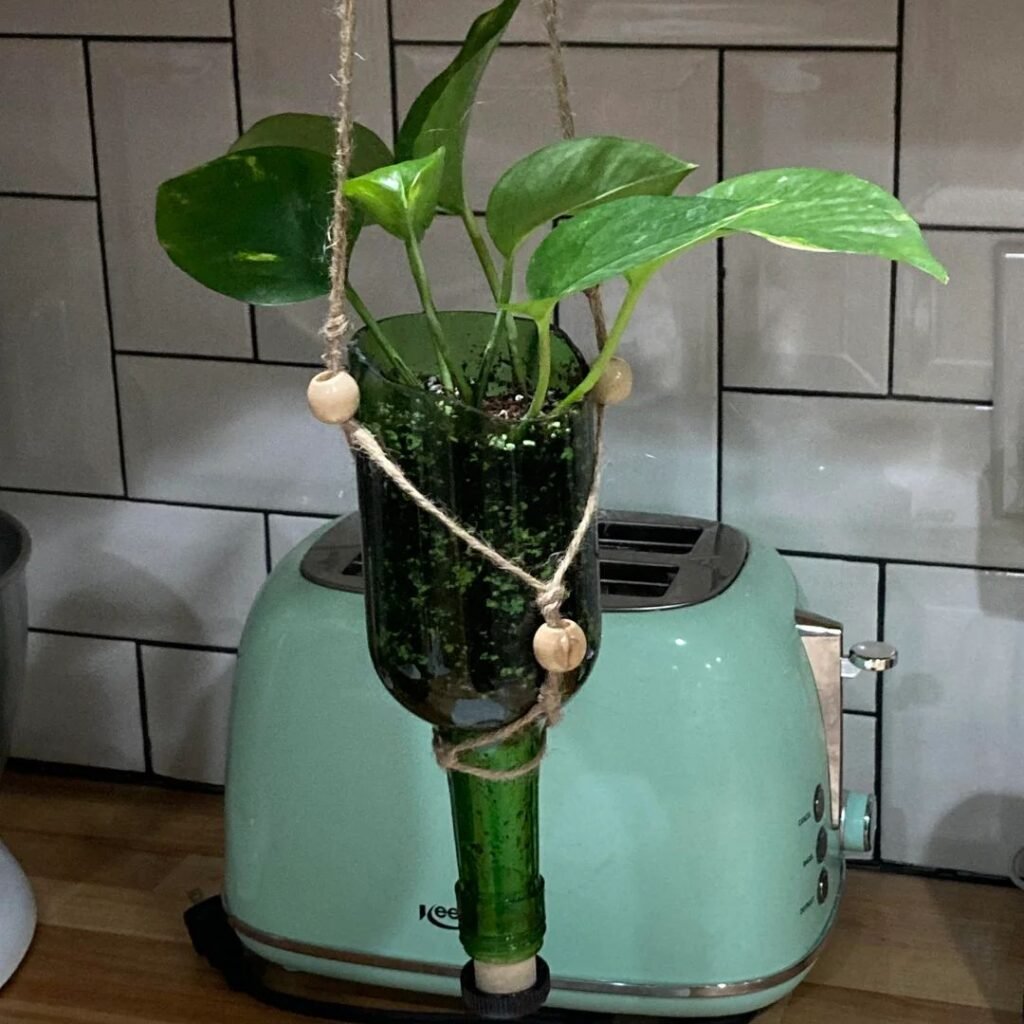
Empty wine bottles make surprisingly great mini plant holders. Their tall, narrow shape looks modern, and the glass lets you see the roots or water level.
I always clean the bottle well and peel off the label first. A layer of pebbles or sand at the bottom helps with drainage, then I add soil or water depending on the plant.
Succulents, air plants, or cuttings work best—they don’t need much space and look cool lined up on a windowsill. Sometimes I’ll group bottles of different colors or shapes for a little display.
Every now and then, I’ll try a tiny hydroponic setup: just a clipping in the bottle neck, roots growing right in the water. It’s oddly satisfying to watch the roots grow.
When sunlight hits the glass, the reflections and leaves brighten up the whole area. It’s a simple, inexpensive way to bring nature inside, and honestly, each bottle feels like it has its own story.
8) Under floating shelves

Under floating shelves is one of those sneaky spots that’s perfect for plants. It adds greenery without taking up any counter or floor space.
I like hanging small pots or wall-mounted planters beneath the shelves. Trailing plants such as pothos or string of pearls look especially good, draping down and softening the sharp lines.
If there’s not much natural light, I’ll use low-light plants like ferns or philodendrons. Sometimes I’ll even stick a little grow light under the shelf if I’m feeling ambitious.
This trick works in kitchens, bathrooms, or even offices. I’ve noticed that a few plants below my shelves just make the whole space feel more alive.
Lightweight pots and drainage trays keep things tidy. A quick mist or gentle watering now and then is all it takes.
It might seem like a small detail, but adding plants under floating shelves really transforms unused wall space into something warm and inviting.
9) On door frames
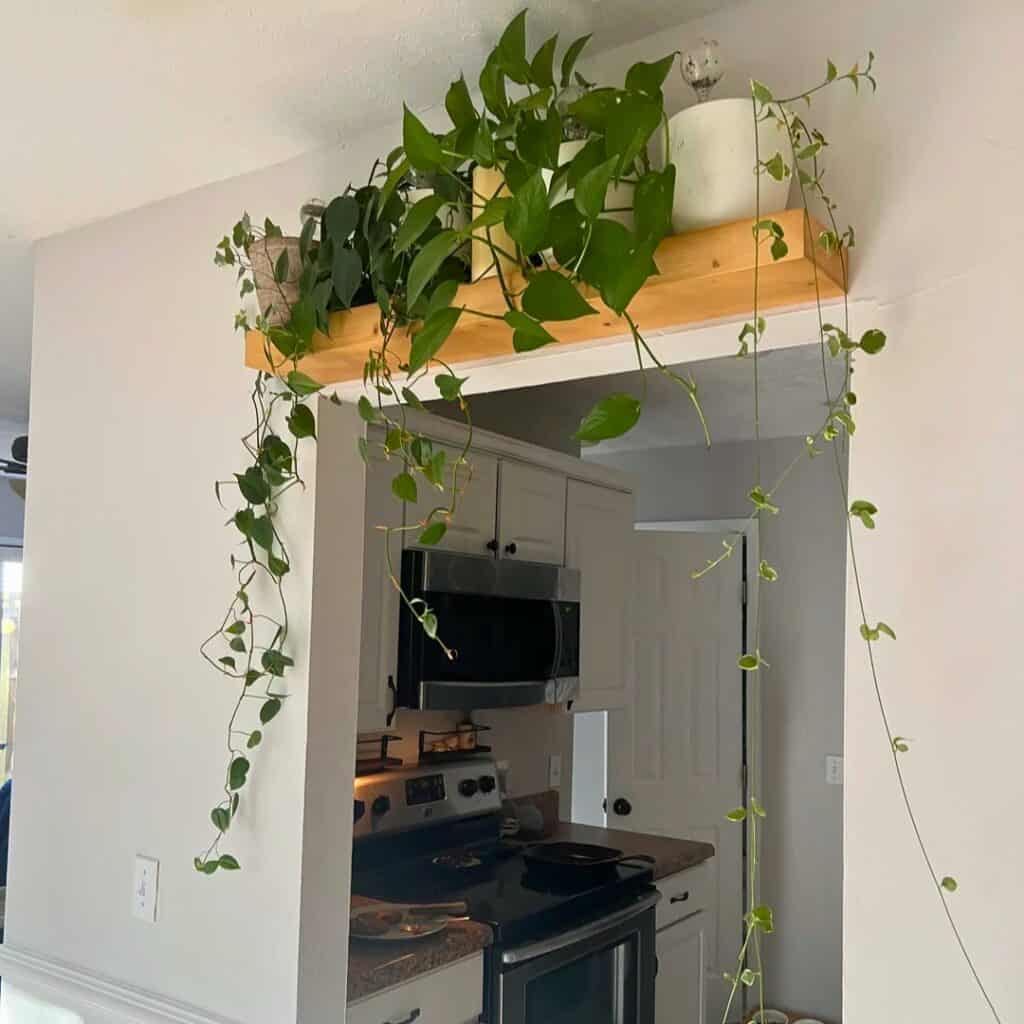
Honestly, I get a kick out of finding new spots for greenery—especially the places nobody expects. One of my favorite little tricks is putting plants on top of door frames.
It’s a spot most people totally overlook, but it can really change the vibe of a room. I usually reach for small trailing plants like pothos or string of hearts.
Their vines dangle just enough to catch your attention, but they’re not in the way. That extra green softens sharp lines and makes plain walls feel a bit more alive.
I always make sure the pots are on a sturdy ledge or floating shelf above the frame. Lightweight plastic pots are my go-to since they’re less risky if they ever get knocked.
Before watering, I test the spot to be sure it can handle the weight. No one wants a surprise plant shower.
Bright, indirect light from nearby windows helps these plants thrive up high. If the doorway is a bit dim, I’ll go for low-light plants or sneak in a battery-powered grow light.
These little tweaks keep the plants healthy without messing up the room’s lighting. It’s a fun way to save counter space and add a touch of nature right where nobody expects it.
It’s simple, a bit quirky, and honestly just makes the place feel more inviting.
10) Around light fixtures

I’m a fan of putting plants near light fixtures—they already get a good dose of brightness from the bulbs. That extra light can help small plants grow, especially in rooms that don’t get much sun.
The warm glow also shows off their colors and shapes in a way that’s pretty hard to beat.
I like to set small trailing plants on shelves or ledges close to ceiling lights. When the vines hang just below the light, they throw soft shadows and give the space a cozy, natural feel.
No floor space needed, which is a win. For table lamps or standing lamps, I’ll put tiny succulents or air plants nearby.
They don’t need much—just a little light, and they’re happy even with short shady stretches. The lamp’s glow really makes their textures pop.
I’m careful that plants don’t touch the bulbs or block any vents. A few inches of space is usually enough to keep everything safe.
Some LED lights stay cool enough that I can hang plants closer. If you want greenery near pendant lights or sconces, that’s something to try—just check the heat first.
A little green around your lights can totally change the feel of a room. Even a single plant near a lamp can make a surprising difference.
Why Unconventional Spaces Can Help Your Plants Thrive
I’ve noticed plants often do better when I tuck them into unexpected places. These spots can offer just the right mix of light, warmth, or humidity—and help me use my space more cleverly.
Microclimates and Unique Growing Conditions
Whenever I put plants somewhere unusual, I start to see how microclimates develop. For example, bathrooms tend to have that warm, steamy air that tropical plants adore.
The window above my kitchen sink is perfect for herbs—it gets bright, indirect sunlight all day. Every little corner seems to have its own blend of light, heat, and airflow.
A shaded stair landing or a cozy laundry shelf might actually suit certain plants better than a sunny windowsill. Those small shifts in temperature and light can really expand your options.
Here’s a quick cheat sheet I use when I’m deciding where to put a plant:
| Location | Light Level | Moisture | Best For |
|---|---|---|---|
| Bathroom shelf | Low to medium | High | Ferns, Calatheas |
| Kitchen sill | Bright indirect | Moderate | Herbs, Succulents |
| Hallway corner | Low | Moderate | Snake plants, Pothos |
Matching plants to their favorite conditions means less stress for them—and for me.
Maximizing Limited Living Space
You really don’t need a big place to fill it with greenery. I get more plants in by using vertical and underused spots.
Hanging planters above windows, or tucking small pots on bookshelves, keeps things green without making the place feel crowded. Creative placement gives new life to boring corners.
A plant near my entryway softens the space, and another on top of the fridge thrives in the warm, dry air up there. Simple things like floating shelves or wall planters can turn a blank wall into a mini jungle.
Every plant finds its own little home, and the whole place feels brighter without getting cluttered.
Creative Care Tips for Unexpected Plant Locations
I’ve learned that putting plants in weird places usually means changing up my usual care routines. Little tweaks to watering, light, and temperature can make a huge difference.
Adjusting Watering Routines
When I set plants in tight or hidden spots, I pay extra attention to drainage and moisture. Places like shelves or above cabinets can trap humidity, so I water less to avoid soggy roots.
In drier areas, like hallways, I check the soil more often. My go-to trick: stick my finger an inch into the soil—if it’s dry, I water slowly until it drains.
For hard-to-reach plants, I use a long-spout watering can or even a squeeze bottle. If a pot doesn’t have drainage holes, I’ll add a layer of small pebbles and pour water carefully.
A cheap moisture meter can also take the guesswork out of watering.
| Location | Watering Frequency | Tip |
|---|---|---|
| Bathroom | Light, weekly | Avoid overwatering |
| Kitchen shelf | Moderate | Add drainage layer |
| Hallway | More frequent | Check soil often |
Light and Temperature Considerations
Lighting can be totally different from one spot to another. I always check how much natural light hits the area before picking a plant.
North-facing rooms or spots under furniture usually need low-light plants like pothos or snake plants. Heat builds up near appliances or vents, so I move plants a few feet away from those.
Sudden temperature swings can be rough on plants, so I avoid putting them near heaters, fans, or drafty windows. If it’s a dark spot, I’ll add a LED grow light on a timer.
Even a couple hours of extra light can help. I also try to rotate pots every week so all sides get a chance to grow evenly.
Frequently Asked Questions
I’ve found that small, overlooked spaces can actually become the best homes for plants. Some spots you pass by every day have the perfect light and just enough room for a little greenery.
What are some unconventional places to add greenery in my home?
I like tucking small plants inside microwave vents or on top of bookshelves where they stay out of the way but still get some light. These sneaky spots add texture and color without clutter.
Can you suggest creative spaces for indoor plants in small apartments?
In my place, I’ve used shoe racks and narrow window sills for compact plants. Hanging planters in corners are great for using vertical space and keeping the floor clear.
What are some outdoor areas often overlooked for placing plants?
Fence posts, stair railings, and balcony edges can all hold small pots or climbing plants. Even a porch step or mailbox post can be a good home for hardy greenery.
How can I incorporate plants into my workspace for better ambiance?
I keep a small plant near my computer monitor for a little eye break and some extra focus. A trailing vine or mini succulent on a shelf above my desk also adds a calm touch without taking up desk space.
Are there any unique plant display ideas for the bathroom or kitchen?
I hang small air plants from a bathroom towel rack—they love the steam. In the kitchen, the space above cabinets is perfect for herbs that like warm air and indirect light.
What are some unexpected places to plant in a garden that will add charm?
I like tucking flowers between garden stones—there’s just something about blooms popping up where you least expect them. Old watering cans make quirky planters too, and they really give the space a relaxed, lived-in vibe.
Sometimes, I’ll line up small planters along the fence. It’s a simple trick, but honestly, it turns those empty stretches into something a lot more inviting.
Note: Some images in the articles are sourced from Reddit and Other Platforms For Reference Purpose.