10 Popular Types Of Monstera Plants You Must Have
I’ve always thought Monstera plants bring a fresh, tropical vibe to any room. Those big, glossy leaves and wild patterns—they just grab your attention.
Every Monstera has its own personality, honestly. Some are classic favorites, while others are rare and a bit mysterious.
Let’s dive into 10 popular types of Monstera plants I really enjoy, and I’ll toss in some easy care tips, plus some decorating ideas to help you create your own leafy retreat.
Please note: Simplify Plants is reader-supported. As an Amazon Associate, I earn from qualifying purchases made by our readers with no extra cost added to you all! Some links in the post are affiliate links and I get a commission from purchases made through links in the post.
1) Monstera Deliciosa

I have a soft spot for the Monstera Deliciosa—it’s basically the poster child for houseplants. Those big, shiny leaves with their natural holes? They’re impossible to miss.
People often call it the Swiss cheese plant because of those quirky leaf patterns. It’s a fun nickname, honestly.
This one does best in bright, indirect light. I put mine near a window, but out of harsh sun—learned that the hard way after a couple of crispy leaves.
Watering is pretty straightforward. I let the top inch of soil dry out before giving it a drink. If you overdo it, the leaves turn yellow, which I found out once and now I’m extra careful.
It likes warm, humid air, so I’ll mist the leaves or run a humidifier now and then. The plant seems to perk up when the humidity’s high.
One thing I love is watching the leaves change as the plant matures. Baby leaves start out solid, and then suddenly, those dramatic splits and holes appear. It’s oddly satisfying.
I use a moss pole or stake so it can climb. In the wild, it climbs trees, so a little support indoors goes a long way.
When it gets too big, I’ll trim it and use the cuttings to propagate new plants. It’s pretty easy—just stick the cuttings in water or soil and wait.
The Monstera Deliciosa is a long-lived plant if you treat it right. I think it’s perfect if you want a bold, tropical look without a ton of fuss. It’s definitely one of my top picks.
2) Monstera Adansonii

The Monstera Adansonii is another favorite of mine, mostly because of its funky, holey leaves. Some folks call it the Swiss cheese plant too, but it’s got its own thing going on.
It thrives indoors with bright, indirect light. I keep mine close to a window, but not in direct sun—no one likes burnt leaves.
The leaves are smaller and thinner than the Deliciosa, but they grow pretty quickly when they’re happy. I usually spot new leaves every couple of weeks in spring and summer.
I water when the top inch of soil feels dry. Overwatering is a real risk, so I make sure the pot drains well. My go-to is a mix of peat, perlite, and potting soil—nothing too fancy.
You can let this plant climb or trail. I like to let mine dangle from a hanging pot, but you can also train it to climb a moss pole.
Every so often, I trim the vines to keep things tidy and encourage bushier growth. The cuttings root easily in water, so it’s a breeze to propagate more.
The Monstera Adansonii brings in a playful, tropical vibe without hogging space. Its leaves always get comments from guests, and honestly, it just makes the room feel more alive.
3) Monstera Obliqua
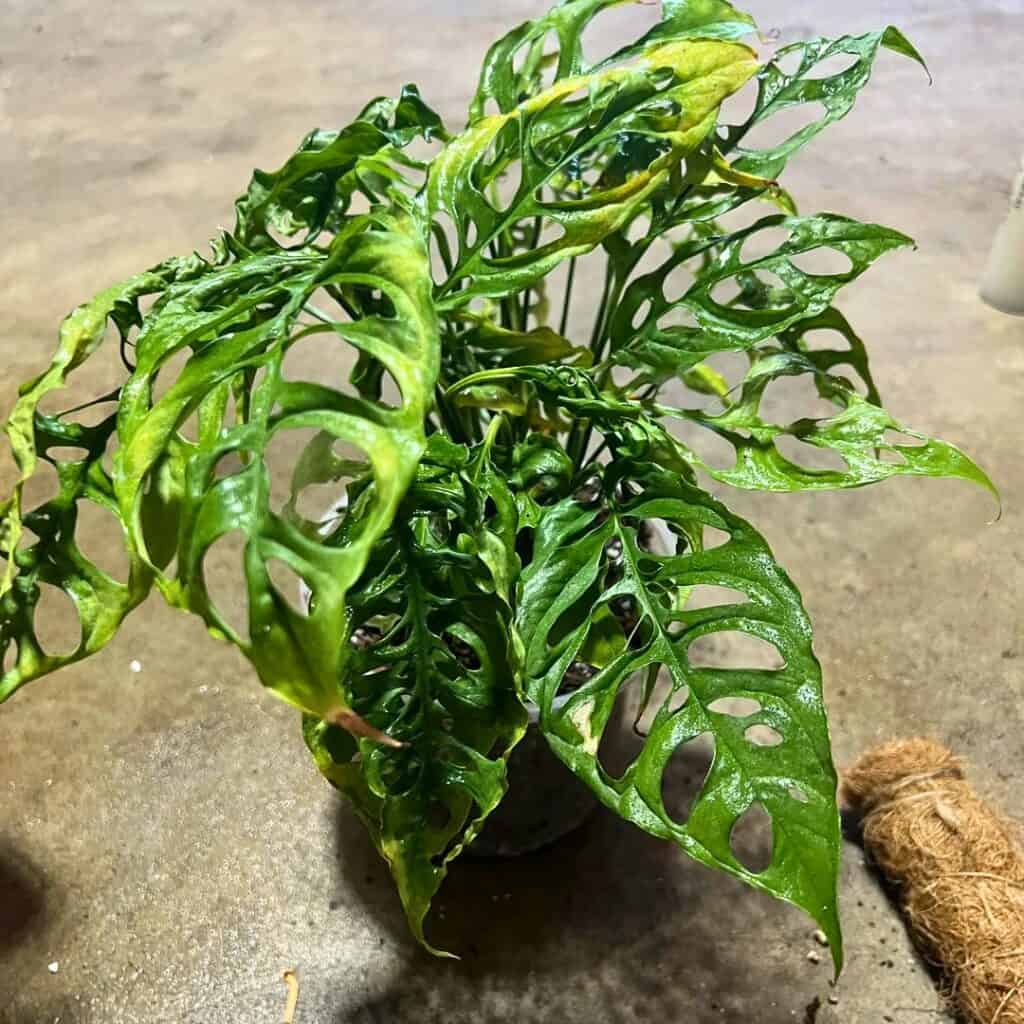
I’m kind of obsessed with the Monstera Obliqua—it just looks so delicate and light. The leaves have these huge holes, and sometimes it feels like there’s more hole than leaf.
It’s a slow grower and really needs high humidity to stay happy. I keep mine in a warm spot with soft, indirect light. Direct sun is a no-go for those paper-thin leaves.
Obliqua is pretty rare, so you won’t usually find it at the local garden center. People often mix it up with Monstera Adansonii, but Obliqua’s leaves are way more fragile.
I water it only when the soil is just barely dry on top. A well-draining mix is a must, otherwise you risk root rot, which this plant is super sensitive to.
Watching new leaves unfurl is honestly the best part. Every single one has its own pattern of holes. It’s a small reminder of how weird and wonderful plants can be.
4) Monstera Thai Constellation
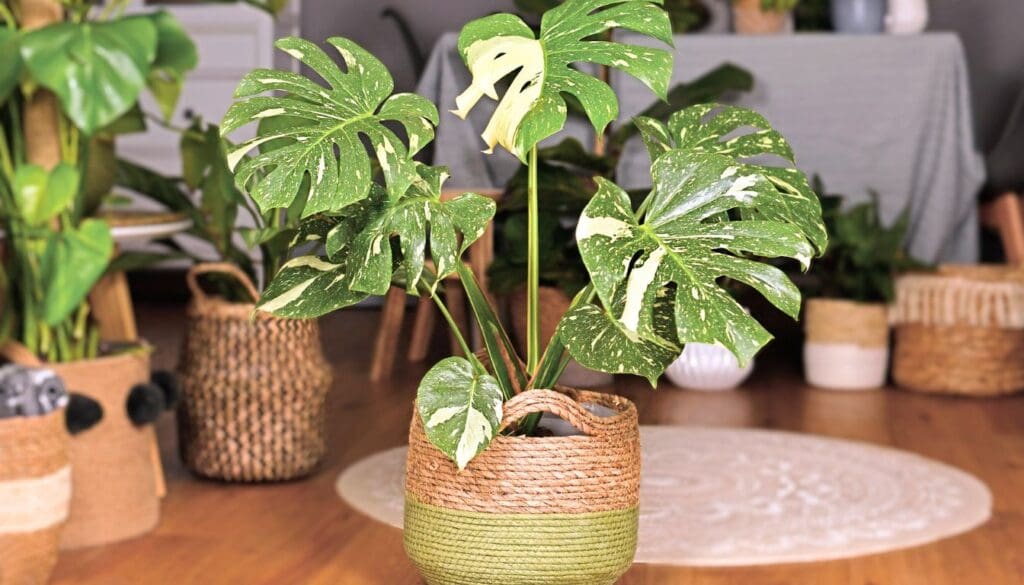
The Monstera Thai Constellation is a real showstopper. Its leaves are splashed with creamy white and green, so each one looks like a little piece of art. That variegation is from a natural mutation—not paint, in case you’re wondering.
It grows slower than your average Monstera, which I guess is the price of being so pretty. It needs bright, indirect light to keep those colors sharp. Not enough light, and the white patches can fade or turn brown.
I keep mine in a warm, humid spot. Cold drafts and dry air are not its friends. A humidifier or pebble tray does wonders for keeping the leaves glossy.
For watering, I wait until the top inch of soil dries out. Overwatering is a fast track to root rot, so I always use well-draining soil and a pot with holes. It really makes a difference.
I wipe the leaves down with a damp cloth every so often to keep them dust-free and help them soak up more light. It’s a tiny chore, but worth it.
Since it’s a tissue-cultured variety, the Thai Constellation usually keeps its patterns as it grows. That’s a relief—I’d hate to lose those splashes.
Mine started small, but now it’s climbing a moss pole. Giving it support helps the leaves get bigger and the stems stronger.
It’s not cheap, but honestly, I think it’s worth it. The plant just brightens up any space and isn’t too needy.
Caring for this one is pretty rewarding. With good light, water, and humidity, it stays healthy and gorgeous all year.
5) Monstera Pinnatipartita

The thing I like about Monstera Pinnatipartita is how much it changes as it grows. Young leaves are plain and smooth, but as it matures, they split deeply and start to look a bit like Monstera Deliciosa.
If you give it something to climb, like a moss pole or sturdy stake, it’ll shoot up fast. The aerial roots latch on and help it grow tall and strong.
The leaves are thick and glossy, which makes cleaning them a breeze. I just wipe them with a damp cloth to keep them looking their best. Bright, indirect light is key for keeping the color rich.
I water when the top inch of soil is dry. Soggy roots are a no-go, so I make sure the pot drains well. In summer, I find myself watering a bit more since the soil dries out faster.
This plant likes high humidity, just like in the rainforest. I’ll mist the leaves or run a humidifier nearby, especially if the air gets dry.
As it gets bigger, I trim it here and there to shape it up. Cuttings root easily in water, which makes it fun to propagate and share with friends.
It grows best in a chunky mix that drains well but still holds some moisture. I use peat, perlite, and bark in my mix.
Monstera Pinnatipartita brings a tropical vibe without being fussy. It’s tough, adaptable, and the leaves just keep getting cooler as they mature.
The deep green and unique texture really make it pop among my other plants. Every new leaf feels like a little surprise.
6) Monstera Siltepecana
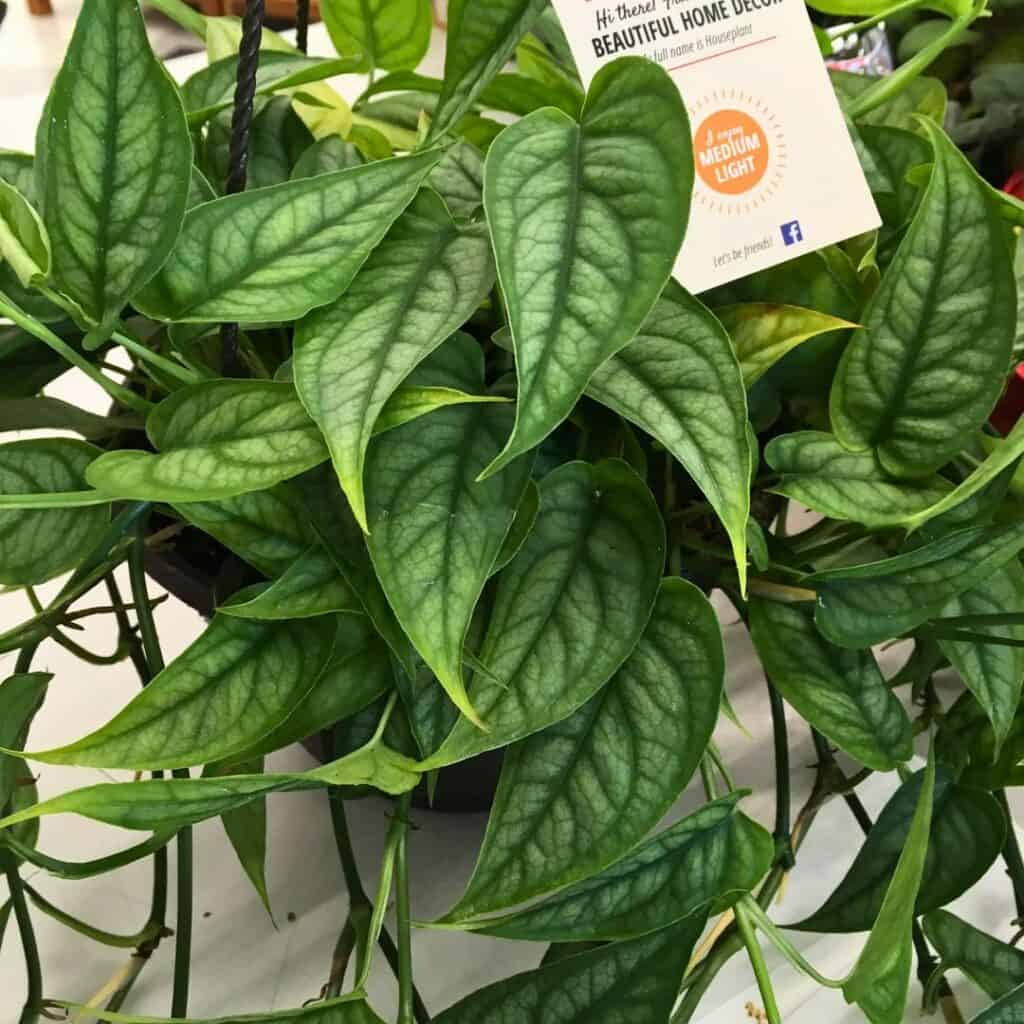
Monstera Siltepecana is one of those plants that just draws your eye. The small, silver-green leaves with dark green veins almost look painted on. As it matures, the leaves get bigger and sometimes develop little holes, which is pretty neat.
I find it easygoing. It likes bright, indirect light and soil that’s moist but never soggy. I always check that the top inch of soil is dry before watering. Too much water? You’ll get yellow leaves, so I try to avoid that.
It looks awesome trailing from a hanging pot or climbing a moss pole. Letting it climb helps the leaves get bigger and more vibrant. When it trails, it gives off a soft, jungle vibe—perfect for smaller spaces.
Humidity helps this one thrive. I’ll mist the leaves or keep it near a humidifier, especially in winter when the air gets dry. It’s a quick fix that keeps the foliage lush.
I love sharing cuttings because Monstera Siltepecana roots fast. Just snip below a node, pop it in water, and once roots show up, move it to soil. It’s honestly a fun way to multiply your plant collection.
This Monstera brings a unique texture and silvery color that stands out next to my other green plants. It’s small but makes a big impression, adding a calm, tropical feel wherever it goes.
7) Monstera Borsigiana
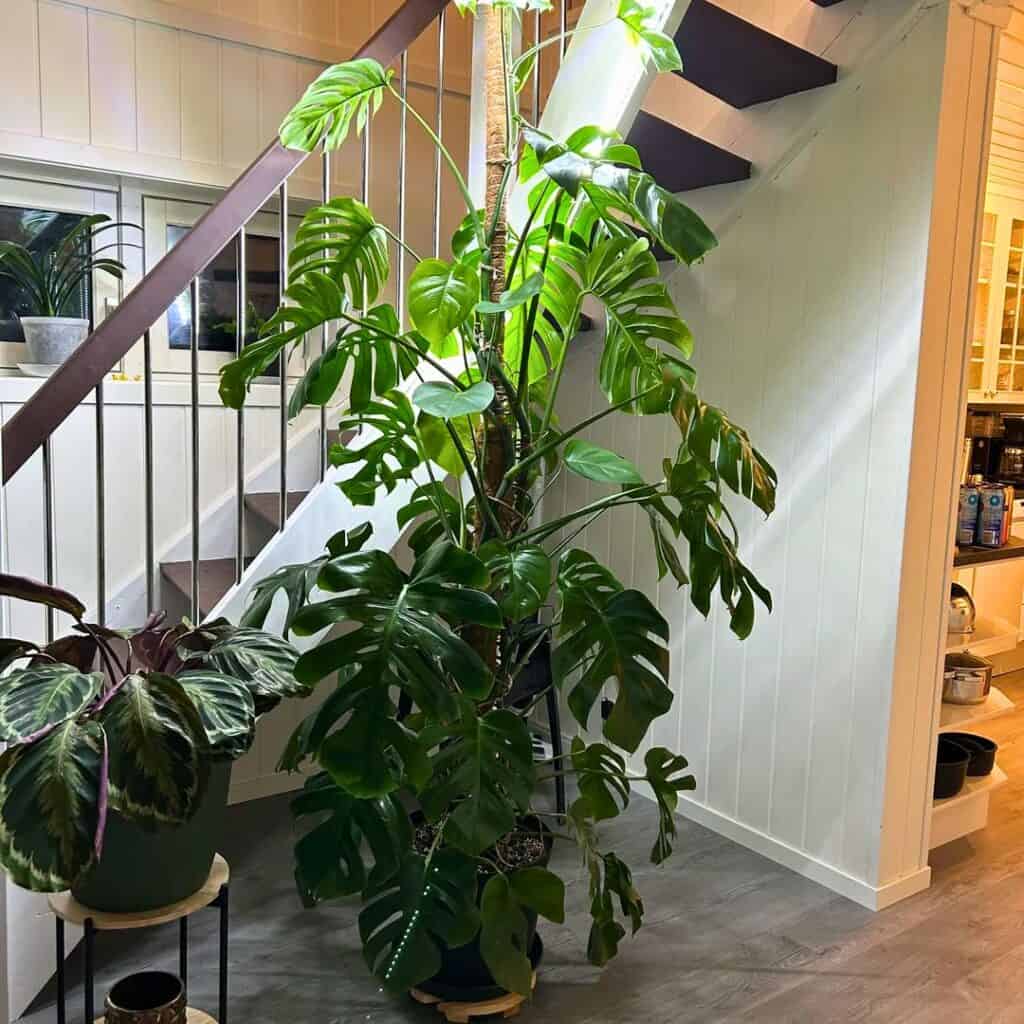
Monstera Borsigiana is a neat and tidy cousin in the Monstera family. Its smaller leaves and fast growth make it ideal for anyone wanting something easy and manageable.
The leaves develop those signature splits as the plant grows, but they usually stay on the smaller side. That’s actually perfect for apartments or spots where space is tight.
Borsigiana climbs like a champ if you give it a moss pole or stake. The aerial roots will grab on and help it reach up. I’ve found that supporting it really encourages bigger leaves too.
Care is simple. I water when the top inch of soil dries out and keep it in bright, indirect light. Too much sun can scorch the leaves, but not enough slows it down.
I use a mix of potting soil, perlite, and orchid bark for good drainage. That keeps the roots happy and wards off rot.
It’s affordable and easy to find, which is a bonus. People sometimes mix it up with Monstera Deliciosa, but Borsigiana has more space between leaves and thinner stems.
If you want that tropical look but don’t have a ton of room, this is a solid pick. It’s satisfying to watch new leaves unfurl and see those splits develop.
Honestly, if you’re new to Monsteras, Borsigiana is a great place to start. It’s adaptable, good-looking, and adds a fresh, green vibe to any room.
8) Monstera Dubia

I have to say, Monstera Dubia really catches my eye with its unusual climbing style.
People call it the “Shingle Plant” because its leaves press flat against whatever it climbs—kind of like shingles on a roof.
It’s got this organized, almost minimalist vibe that’s a big shift from the wild, split leaves you see on other Monsteras.
When it’s young, the leaves are small, heart-shaped, and super smooth.
As the plant matures (and if it gets enough light), you might spot some fenestrations—those natural holes that make Monsteras famous. Watching those changes happen is honestly pretty cool.
Monstera Dubia does best with bright, indirect sunlight and likes things warm and humid. I keep mine near a window with filtered light, and I’ll mist it every so often just to keep the humidity up. It’s happiest when you give it something to climb, like a moss pole or a wooden board.
Its upright growth habit makes it perfect for tight spaces. It just grows up, not out, so you don’t have to worry about it taking over your whole room. If you’re after a tropical vibe but don’t want a plant that sprawls everywhere, this one’s a winner.
When it comes to watering, I let the topsoil dry before watering again. Too much water is a recipe for root rot, so drainage is a must.
The contrast of light and dark green patterns on each leaf is just so striking. It’s not as common as some other Monsteras, but it’s getting more popular with collectors who like something a little different.
Propagating Monstera Dubia is refreshingly easy. I snip a piece with a node and pop it in water or damp soil until roots show up. It’s a fun way to get new plants and share with friends.
For me, Monstera Dubia brings this calm, lush feel to any space. Its climbing habit and those textured leaves really make a room feel a bit more like a jungle—without going overboard.
9) Monstera Standleyana
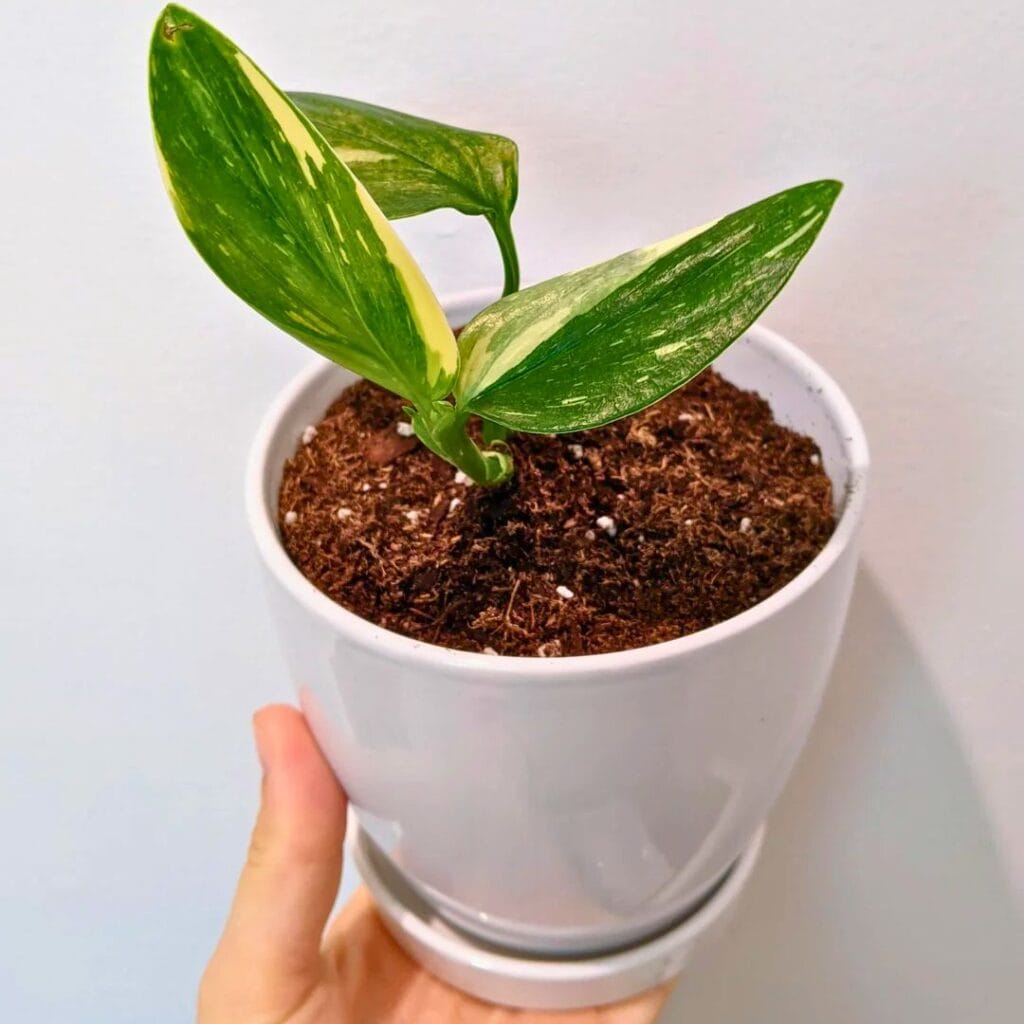
Monstera Standleyana is one of those plants that just looks different.
The long, narrow leaves with creamy white or yellow streaks—it’s easy to spot, even among other Monsteras. Sometimes it’s called the Five Holes Plant, but honestly, the leaves rarely get those holes.
I find it pretty simple to keep happy indoors. It likes bright, indirect light and isn’t fussy about watering. I wait until the topsoil feels dry before watering again, which keeps root rot at bay.
Humidity helps, but it’ll survive in regular room conditions. I’ll mist the leaves or set the pot near a humidifier when things get dry. The extra moisture keeps the foliage looking fresh.
I usually give mine a moss pole or trellis to climb. Watching the vines stretch up is oddly satisfying, and it adds some height to my plant collection.
The leaves stay on the smaller side, but the variegation is the real star. Each one is different—some have lots of streaks, some just a little. That unpredictability keeps things interesting.
This plant doesn’t hog much space, so it’s great for shelves or smaller rooms. Even with its subtle look, it always seems to get compliments from guests.
When pruning, I use clean scissors and trim just above a node. That encourages new growth. I also wipe the leaves to keep them dust-free and shiny.
If you want a Monstera that’s low-maintenance but still has some flair, this is a solid pick. It brings that tropical feel without a lot of work. I genuinely enjoy having it around.
10) Monstera Peru
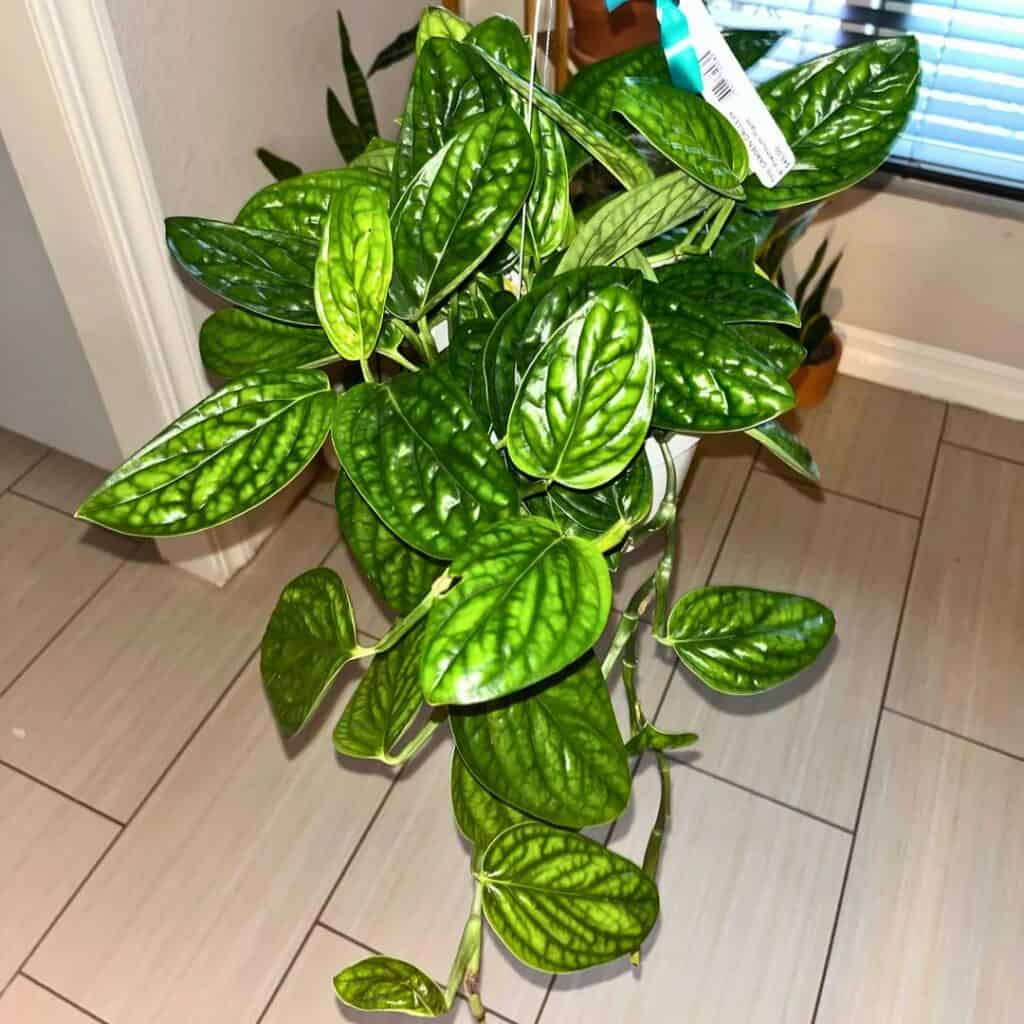
Monstera Peru is such a standout. The leaves are thick, glossy, and almost leathery, with deep green color and textured veins. Unlike other Monsteras, the leaves don’t split, so it keeps a really bold, tidy look.
It thrives in bright, indirect light. Too much sun can scorch the leaves, but not enough makes it sluggish. I keep mine by a window with filtered light, and it stays pretty happy.
This plant likes moderate humidity and a soil mix that drains well. I water when the top inch of soil feels dry—never too soon, since overwatering can cause root rot. Drainage holes in the pot are non-negotiable.
One thing I really appreciate is its compact size. It doesn’t sprawl, so it’s perfect for desks or small rooms. The sturdy stems make it easy to handle compared to some of the wilder Monsteras.
If you give it a moss pole or trellis, it’ll climb and grow even better. The plant seems to enjoy having something to latch onto.
Propagation is straightforward. I cut a healthy stem with a node and root it in water or moist soil. It’s always fun to grow a new plant or gift one to a friend.
With its unique look and easy care, Monstera Peru has definitely become a favorite among plant folks. It gives off that tropical vibe without demanding much. If you want something easy but striking, this is a great option.
Care Tips for Monstera Plants
I try to keep my Monstera happy by giving it the right light, water, and soil, and I keep an eye out for pests or leaf issues. With a few simple habits, you can help it grow strong, glossy, and full of those signature split leaves.
Light and Water Requirements
I put my Monstera where it gets bright, indirect light. Direct sun can scorch the leaves, but not enough light slows things down and can cause yellowing. A spot near a filtered window usually does the trick.
I water when the top 2 inches of soil feel dry. Overwatering is a common mistake, so I let any extra water drain out. During winter, I cut back on watering since the plant isn’t growing as much.
To keep humidity up, I mist the leaves or run a humidifier nearby. Monsteras really do love a bit of moisture in the air, especially if your place gets dry. I’ll also wipe the leaves with a damp cloth to get rid of dust and help them breathe.
Soil and Potting Recommendations
I use a well-draining potting mix that holds some moisture but doesn’t get soggy. My go-to is a mix of peat, perlite, and orchid bark. Regular garden soil just gets too dense and traps water.
When it’s time to repot, I pick a container with drainage holes and size up just a bit. Usually, I repot every 1–2 years or if I see roots poking out the bottom.
Here’s a mix I like:
| Ingredient | Purpose |
|---|---|
| Peat moss | Retains moisture |
| Perlite | Improves drainage |
| Orchid bark | Adds airflow to roots |
This combo keeps the soil light and airy, which helps avoid root rot.
Common Pests and Problems
I check my Monstera every so often for spider mites, mealybugs, and scale insects. These pests like to hide under leaves and suck the sap, leaving behind spots or sticky patches. I wipe them off with a cloth dipped in soapy water or use insecticidal soap.
If the leaves turn yellow, it’s usually a sign of overwatering. Brown edges? That’s often low humidity or too much sun. I tweak the light and watering before trying anything else.
Keeping the plant clean and checking it weekly helps me spot problems early and keep my Monstera thriving.
Decorating With Monstera Plants
Monstera plants just bring a space to life. The big, patterned leaves add a ton of texture and color, and they work in all sorts of rooms and styles. Placement and pairing make a real difference in how they look and feel.
Best Indoor Placement Ideas
I like to put my Monstera where it gets bright, indirect sunlight. Direct sun is a no-go for the leaves, so a window with sheer curtains works well. North or east-facing windows are usually safe bets.
I make sure the plant has enough space to spread. Monsteras can get wide, so I don’t crowd them up against furniture or walls. A roomy corner lets the leaves fan out and keeps air moving.
For a modern touch, I’ll use raised planters or plant stands to lift the leaves up. It’s a nice way to show off the plant and keep it off the floor. I rotate the pot every couple of weeks so it grows evenly toward the light.
If the air’s dry, I’ll keep a humidifier nearby or mist the leaves now and then. Monsteras love a bit of humidity, so living rooms and bedrooms are usually good spots.
Pairing Monstera With Other Houseplants
I like mixing my Monstera with plants that have different leaf shapes or colors—it makes the whole arrangement pop. Here are some combos I enjoy:
| Plant Type | Why It Works Well With Monstera |
|---|---|
| Snake Plant | Tall, narrow leaves balance out Monstera’s big, broad ones. |
| Pothos | Trailing vines soften the look and fill in gaps. |
| ZZ Plant | Dark green leaves make Monstera’s lighter tones stand out. |
I group plants with similar light and water needs so care is easy. That way, everyone stays healthy.
To make things more dynamic, I’ll mix different heights and textures. Hanging a pothos above a Monstera and sticking a small fern below creates a layered, natural feel. I stick with neutral pots so the leaves are the main event.
Frequently Asked Questions
People ask me a lot about which Monstera plants are easiest to grow, how to keep them healthy, and what makes each type special. Here are some straightforward answers to help you keep your Monsteras thriving indoors.
What are some common varieties of Monstera that I can easily grow at home?
From my experience, Monstera Deliciosa and Monstera Adansonii are awesome for beginners. They grow quickly, handle indoor light well, and have those classic split or holey leaves everyone loves.
How do I care for different Monstera species to keep them thriving?
I stick to bright, indirect light and water when the top inch of soil is dry. Wiping the leaves helps them breathe and soak up more light.
Can you suggest some Monstera plants that are perfect for indoor gardening?
For indoors, I really like Monstera Thai Constellation with its creamy variegation, and Monstera Adansonii for its compact size. Both are manageable and look great on shelves or tables.
What are the unique characteristics of various Monstera plants?
Every Monstera seems to have its own personality, doesn’t it? Monstera Obliqua stands out with those super delicate, almost lace-like leaves.
Then there’s Monstera Pinnatipartita—as it grows up, the leaves split so deeply, it’s kind of wild.
And of course, Monstera Deliciosa is the classic, with those big, shiny leaves that just scream “tropical.”
How often should I water and fertilize my Monstera plant?
Honestly, I check the soil with my finger and only water about once a week if it’s dry.
When spring and summer roll around, I’ll mix in a balanced liquid fertilizer every four to six weeks to give it a little boost.
What are the best conditions for Monstera plants to ensure healthy growth?
I keep my Monstera in humid air, away from cold drafts, and use well-draining soil.
A room with steady warmth and filtered sunlight seems to do wonders for keeping those leaves green and strong.
Note: Some images in the articles are sourced from Reddit and Other Platforms For Reference Purpose.