Why Your Spider Plant Has Brown Tips And How To Fix It For Healthier Leaves
Brown tips on your spider plant usually mean something’s off with watering, humidity, or water quality. The good news? Once you figure out what’s causing the problem, brown tips are easy to fix—and honestly, not the end of the world.
I’ve dealt with this issue more times than I care to admit, and trust me, your plant isn’t dying. Spider plants are pretty forgiving, but even they have their limits.
Those crispy brown edges are your plant’s way of waving a tiny flag for help. Maybe you’re using tap water with too much fluoride, or the air in your place is just too dry.
I’ll walk you through why this happens and what you can actually do about it. We’ll cover the main causes, some quick fixes, and a few easy ways to keep those tips green for good.
Please note: Simplify Plants is reader-supported. As an Amazon Associate, I earn from qualifying purchases made by our readers with no extra cost added to you all! Some links in the post are affiliate links and I get a commission from purchases made through links in the post.
Understanding Brown Tips on Spider Plants
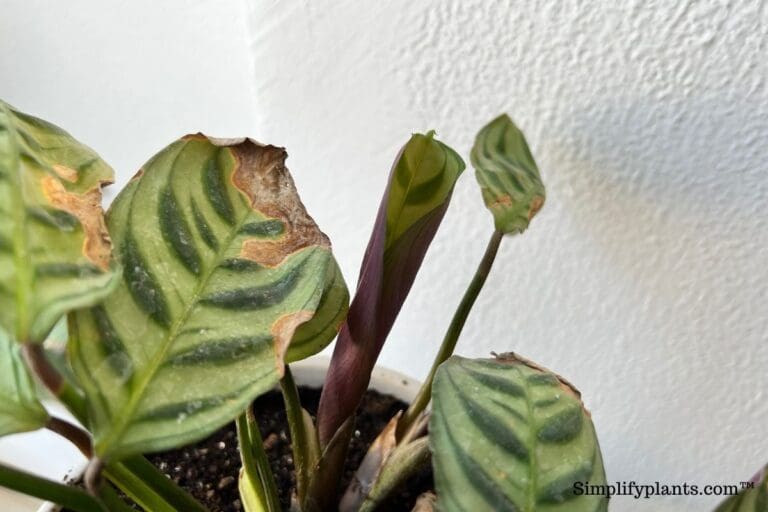
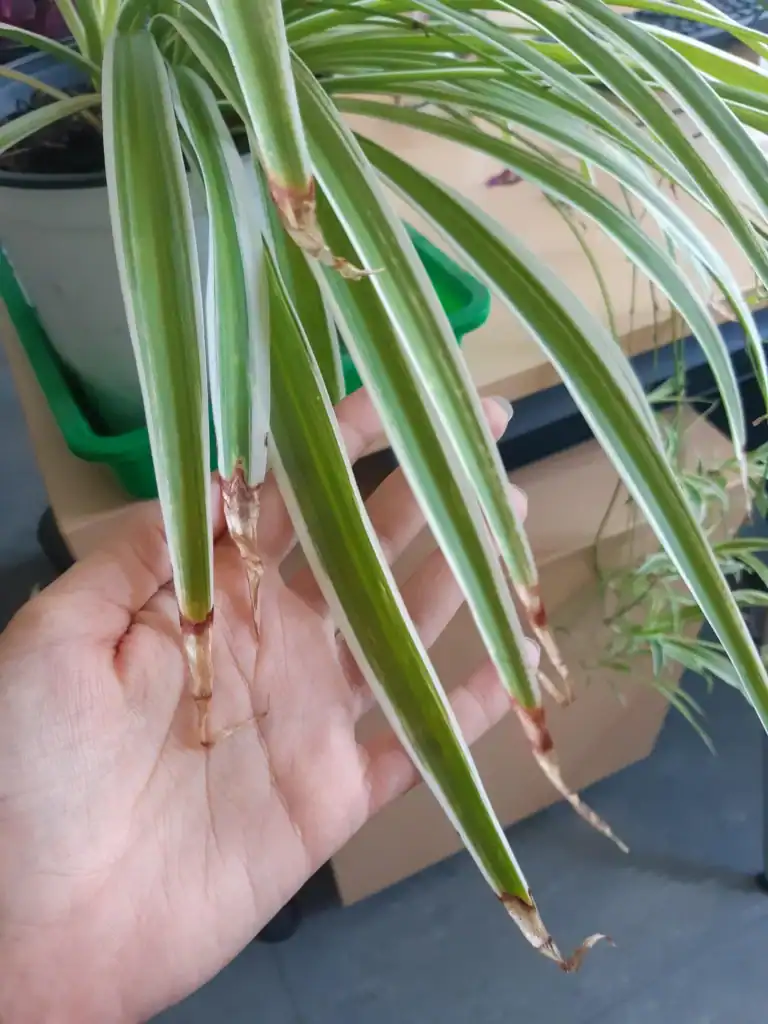
Brown tips show up as discolored edges on your spider plant’s leaves. It’s one of the most common problems I see with these otherwise low-maintenance plants.
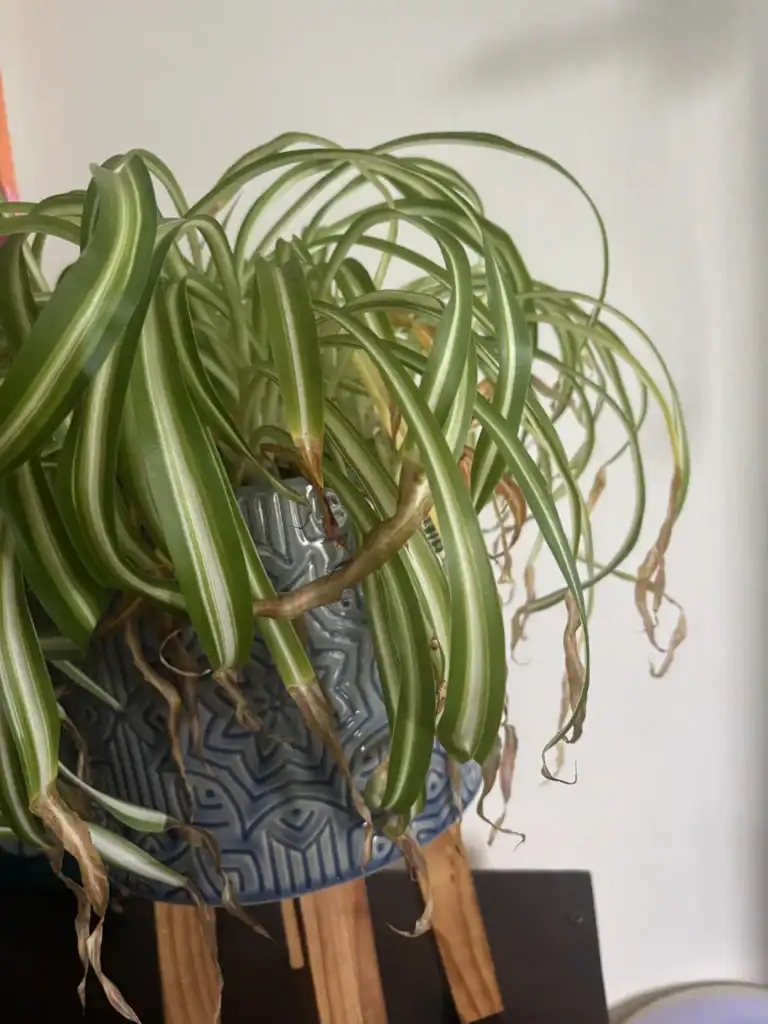
The first thing I usually notice is a slight yellowing or tan color at the very end of each leaf. That discoloration deepens to a crispy brown before you know it.
The brown areas start off small—just a few millimeters at the tip. If the problem sticks around, they spread along the edges.
The affected tissue feels dry and papery, which is nothing like the rest of the healthy green leaf. You might spot brown tips on just a couple leaves at first, or suddenly all over the plant.
Sometimes the browning stays at the tips, but if things get worse, it can creep down toward the base. The pattern usually gives me a sense of how serious things are.
Quick Tip: Check new growth first—if baby leaves are browning, your plant needs help ASAP.
Impact on Plant Health
Brown tips aren’t a death sentence, but they do signal something’s off in your care routine. The plant’s still alive and photosynthesizing, just not looking its best.
When tips turn brown, those parts are basically dead and won’t turn green again. The plant has to work harder with less healthy leaf surface, which means slower growth and fewer of those cute baby plantlets.
If you ignore brown tips, the problem spreads. More leaves get affected, and the whole plant starts looking a little sad and scraggly.
The aesthetic impact is hard to ignore. A spider plant with crispy brown edges just doesn’t have that lush, cascading vibe most of us want.
Distinguishing Brown Tips from Other Issues
Brown tips stand out from other spider plant problems. Root rot, for example, causes yellowing that starts at the base and moves up, and the leaves get mushy, not crispy.
Sunburn shows up as bleached white or pale yellow patches in the middle of leaves—not just at the tips. Pest damage, especially from spider mites, looks like tiny yellow speckles with possible webbing.
If your plant has brown tips and symptoms like wilting, black stems, or a funky smell from the soil, you’ve got more than one issue going on. Brown tips by themselves are almost always about watering, humidity, or water quality—not disease.
The crispness is my giveaway. I always touch the brown areas to check if they’re dry and brittle. Soft brown spots? That’s probably a fungal or bacterial thing instead.
Top Causes of Brown Tips in Spider Plants
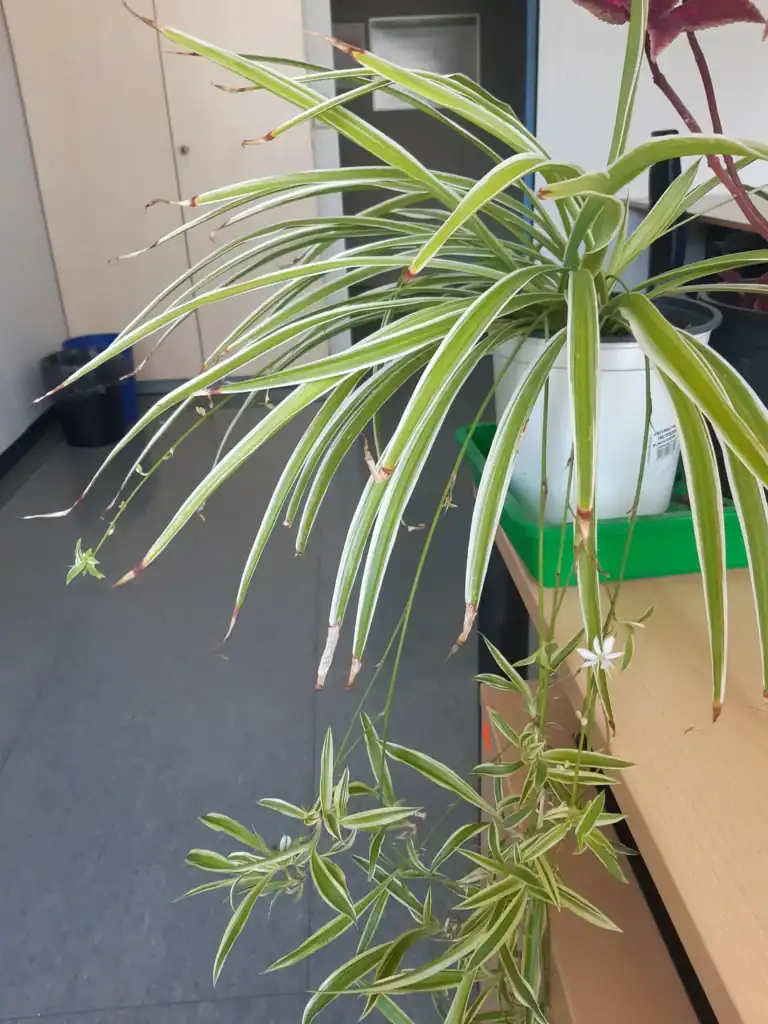
Spider plants get brown tips when something in their environment is out of whack. The main culprits? Tap water chemicals, watering mistakes, dry air, and too much fertilizer.
Water Quality Issues
Tap water is usually the main reason I see brown tips. Most city water contains fluoride, chlorine, and salts that build up in the soil over time.
Spider plants are pretty sensitive to these chemicals, and their leaf tips brown as a response. Fluoride is the biggest troublemaker—even a little can cause tip burn that sneaks up on you.
Chlorine evaporates quickly, but fluoride hangs around. I switched to filtered water or rainwater for my spider plants and saw improvement in a matter of weeks.
You can also let tap water sit out for a day before using it—this helps with chlorine, but not fluoride. Quick Tip: Use distilled or rainwater if your tap water is heavily treated—your spider plant will thank you.
Overwatering or Underwatering
Getting the watering right makes a huge difference. Spider plants like their soil to dry out a bit between waterings.
Too much water suffocates the roots and causes brown tips. Too little water stresses the plant and, weirdly, creates the same problem.
I just stick my finger about an inch into the soil before watering. If it’s dry, time for a drink. If it’s still moist, I wait.
Overwatered spider plants often have yellowing leaves along with brown tips. Underwatered ones look droopy and the soil pulls away from the pot edges.
Drainage is key. I always use pots with drainage holes so extra water can escape. Standing water at the bottom is just asking for trouble.
Quick Tip: Water when the top inch of soil is dry—don’t overthink it.
Low Humidity Problems
Spider plants come from tropical areas where the air is pretty humid. Our homes, especially in winter, can be dry enough to make your skin crack—and your plant feels it too.
I notice brown tips get worse when my heater runs nonstop. The air feels dry to me, and my spider plant definitely notices.
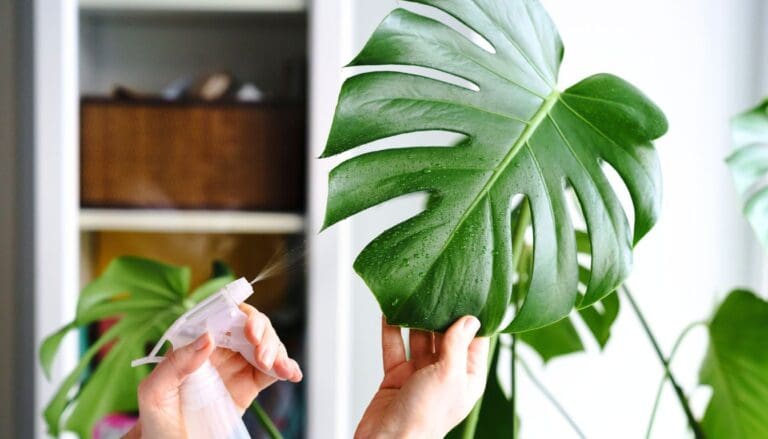
You can raise humidity by misting the leaves, but honestly, that’s a pretty short-term fix. I prefer grouping my plants together so they create their own little humid bubble.
A small humidifier nearby works even better if you have a bunch of houseplants. Bathrooms and kitchens usually have more moisture in the air, so if you’ve got decent light, those are great spots.
Quick Tip: Group your plants or add a humidifier if your place feels dry—aim for 40-50% humidity.
Excess Fertilizer Use

I’ve burned my spider plants by feeding them too much. These guys don’t need heavy feeding—overdoing it just causes salt buildup in the soil, which fries the roots and leads to brown tips.
Spider plants only need fertilizer once a month during spring and summer. I use a balanced liquid fertilizer diluted to half strength.
If you’ve been fertilizing a lot, flush the soil with water. Run water through the pot until it drains out the bottom a few times to wash away extra salts.
Brown tips from fertilizer burn often come with crispy edges and white crust on the soil surface. That crust? It’s salt buildup waving at you.
Quick Tip: Feed lightly and only during the growing season—less is definitely more with spider plants.
Fixing Brown Tips: Step-by-Step Solutions
The upside is that brown tips are fixable with a few tweaks to your care routine. Focus on water quality, watering habits, and humidity to see real improvement.
Improving Water Quality
Tap water is the sneaky villain behind most brown tips. It’s loaded with fluoride, chlorine, and salts that build up over time and burn those delicate leaf tips.
I switched to filtered or distilled water for my spider plants, and the difference was honestly pretty quick. You can also fill a jug with tap water and let it sit out overnight—chlorine will evaporate, but fluoride won’t budge.
Quick Tip: Rainwater is free and perfect for spider plants if you can collect it safely.
If you’re stuck with tap water, flush the soil every few months by running water through the pot for a couple minutes. Just make sure your pot has drainage holes so excess water can escape.
Adjusting Your Watering Routine
Spider plants hate soggy soil, but they’re not fans of drying out completely either. I check the top inch of soil with my finger before watering—if it’s dry, go for it.
When you do water, give the plant a thorough drink until water runs out the bottom. This helps prevent salt buildup and encourages healthy roots.
Quick Tip: In winter, spider plants need less water since they’re not growing much—every 10-14 days is usually enough.
Overwatering is worse than underwatering for spider plants. If the soil stays wet for days, root rot can set in and cause brown tips along with a bunch of other problems.
Boosting Humidity for Spider Plants

Spider plants like humidity around 50-60%, but most homes are more like 30-40%. Those crispy tips? Usually a sign the air is just too dry.
I keep a small humidifier near my spider plants in winter when the heat is blasting. Grouping plants together helps too—they create a little humid microclimate.
Quick Tip: Mist the leaves every few days, but don’t overdo it or you could end up with fungal issues.
A pebble tray works well too. Fill a shallow tray with pebbles and water, then set your pot on top without letting the bottom touch the water. As the water evaporates, it adds moisture to the air around your plant.
Preventing Brown Tips From Returning
Good soil, smart fertilizing, and stable conditions are your best friends for keeping those leaf tips green and healthy.
Choosing the Right Soil Mix
Spider plants need soil that drains fast but still holds some moisture. I always use a loose, airy mix—equal parts potting soil, perlite, and peat moss usually does the trick.
Regular potting soil from the store is often too dense. It holds water too long, which stresses the plant and leads to brown tips.
Quick Tip: Add some perlite or coarse sand to bagged potting mix if you notice water pooling on top after watering.
The soil should dry out between waterings but not turn into a brick. If I stick my finger in and it’s bone dry two inches down, that’s usually a good sign the drainage is working.
Fertilizing Spider Plants Properly
Spider plants are sensitive to salts and chemicals from too much fertilizer. I feed mine only once a month during spring and summer, and I just skip fertilizing in fall and winter.
Use a balanced liquid fertilizer diluted to half strength—full-strength is just too much. Salts collect on leaf tips and turn them brown.
Quick Tip: Water with plain water every few months to flush out salt buildup from the soil.
If you see white crust on the soil, that’s salt. I scrape off the top inch and replace it with fresh mix when that happens.
Monitoring Environmental Factors
Temperature swings, low humidity, and inconsistent watering are the usual suspects when brown tips keep coming back. I keep my spider plants away from heating vents, AC units, and drafty windows.
Room temperature between 65-75°F is ideal. Anything below 50°F or sudden drops at night can really shock the plant.
Quick Tip: Group your spider plant with other houseplants to create a little humidity bubble.
Tap water with fluoride or chlorine can cause browning too. I let my water sit out overnight or switch to filtered or distilled water if needed.
Check soil moisture every few days by feeling the top inch. I water when it’s dry to the touch but before the whole pot dries out completely.
Additional Troubles Not Related to Brown Tips
Spider plants can face other issues too, like yellowing leaves from watering mistakes or nutrient problems. Common pests like spider mites and mealybugs can also do a number on the foliage.
Yellow Leaves and Their Causes
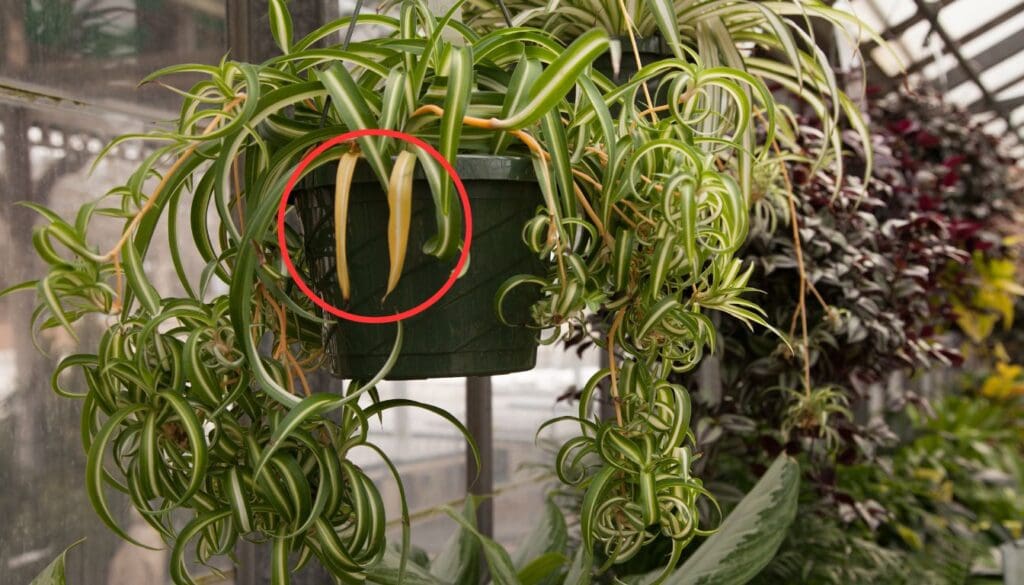
Yellow leaves? That’s usually your plant waving a little flag about watering issues. Most of the time, it’s too much water—roots get soggy, can’t breathe, and start to rot. The plant’s response? Leaves turn yellow.
Not enough water can cause yellowing too, but in that case, the soil will feel bone dry and the leaves might get crispy. Always poke your finger into the top inch of soil before grabbing the watering can.
Quick Tip: Only water when the top inch feels dry, and make sure your pot has drainage holes, or you’ll just be asking for trouble.
Poor nutrition is another reason leaves might go yellow. Spider plants aren’t big eaters, but they do want a little food now and then—especially during spring and summer. I like to use a balanced liquid fertilizer, diluted to half strength, maybe once a month when things are growing.
Too much direct sun can bleach those leaves to a pale yellow. I’ve had best luck keeping mine in bright, indirect light. That seems to keep them happiest and greenest.
Pest Problems in Spider Plants
Spider mites are tiny, but they’re a pain. They spin fine webbing and leave behind little yellow speckles. I usually rinse the plant off or grab some insecticidal soap if they show up.
Mealybugs look like fuzzy white cotton balls tucked into leaf joints. They’re sticky and honestly, just gross. I wipe them away with a cotton swab dipped in rubbing alcohol.
Quick Tip: Give the undersides of leaves a look every couple weeks. Catching pests early is way easier than dealing with an infestation.
Scale insects are sneaky—just small brown bumps that barely move. People often mistake them for part of the plant. I scrape them off gently or use a neem oil spray if I’m feeling thorough.
If you bring home new plants, keep them separate for a couple weeks. It’s a simple way to avoid sharing pests with the rest of your crew.
Caring for Spider Plants Long-Term
Honestly, spider plants are pretty forgiving, but they still appreciate some consistency. Finding a routine that works makes a big difference.
I water when the top inch of soil feels dry. Usually, that’s about once a week for me, but it changes with the seasons. In winter, they slow down and don’t need as much.
Quick Tip: If you start seeing brown tips, check your watering habits first. It’s often the culprit.
Bright, indirect light is ideal. Direct sun scorches leaves, but too little light just makes them look sad and washed out. I keep mine near an east or north window, and it seems to work well.
Feed your spider plant monthly in spring and summer with a balanced liquid fertilizer, half strength. I skip fertilizer in fall and winter. Too much food just causes brown tips or crusty soil.
Repot every year or two, or if you see roots poking through the drainage holes. Spider plants don’t mind being a little cramped, but they’ll let you know when it’s time by slowing down or drying out faster than usual.
Trim off brown tips with clean scissors, cutting at an angle. I also pull off any dead or yellowing leaves at the base to help the plant focus on new growth.
Frequently Asked Questions
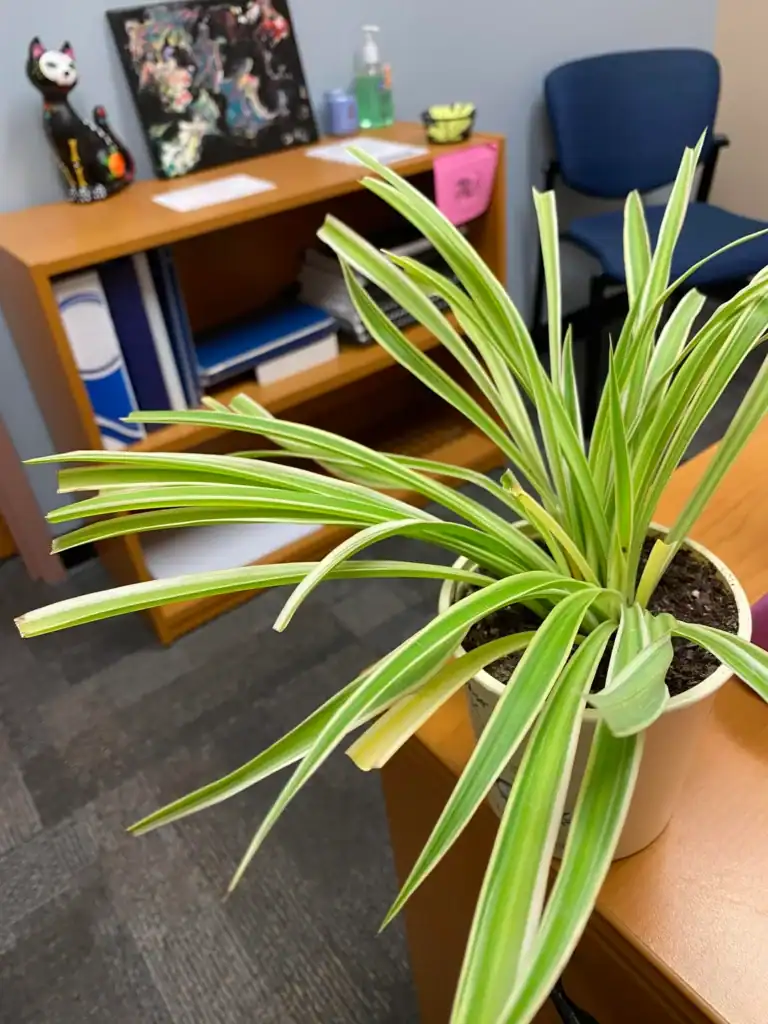
Brown tips on spider plants are usually caused by water quality, low humidity, or irregular watering. Switching to filtered water and tweaking your routine can solve most of these headaches.
What could be causing the brown tips on my spider plant?
Tap water with lots of fluoride, chlorine, or salts is the usual suspect. Spider plants are weirdly sensitive to these, and the chemicals just build up over time.
Low humidity is another big one. If your air is dry, the tips lose moisture faster than the plant can keep up.
Both overwatering and underwatering can show up as brown tips. Too much water suffocates roots, too little dries them out. It’s a balancing act.
Quick Tip: Try using filtered or distilled water if your tap water isn’t great.
How can I prevent my spider plant’s leaves from turning brown at the edges?
Honestly, switching to distilled, filtered, or even rainwater is one of the best moves. It gets rid of the chemicals that burn the tips.
Keep humidity around 40-50% if you can. I sometimes mist my plant or group it with others for a little humidity boost.
Water only when the top inch of soil is dry. Spider plants like things a bit moist, but never soggy.
Quick Tip: Let tap water sit out overnight before using it—chlorine will evaporate and it’s gentler on your plant.
Is it normal for spider plants to develop brown tips, or is it a sign of a problem?
Honestly, a few brown tips here and there are normal. Older leaves just die back as the plant grows. It’s not a crisis.
If you’re noticing brown tips on lots of leaves or on new growth, though, that’s a sign something’s off. Your plant’s not happy.
Quick Tip: If it’s just one or two tips, don’t worry. More than that? Time to check your care routine.
Could my watering habits be responsible for the brown tips on my spider plant?
Absolutely, watering is often the main issue. I’ve found both too much and too little water can cause brown tips, just in different ways.
Overwatering brings on root rot, which stops the plant from moving water up to the leaves. That’s when the tips turn brown.
If you let it dry out too much, the leaf tips dry up first—they’re farthest from the roots, so they’re the first to show stress.
Quick Tip: Always check the top inch of soil before watering. If it’s dry, go ahead and water.
What are the best home remedies to treat brown tips on spider plants?
Switching to distilled or filtered water is the biggest game changer, honestly.
Boost humidity by grouping your plants or setting your spider plant on a tray of pebbles with water (but don’t let the pot sit in the water).
Flush the soil once a month by running water through it for a few minutes—this helps wash out built-up salts and minerals.
Trim off brown tips with clean scissors, cutting along the natural line of the leaf. It’s mostly cosmetic, but it does make things look tidier.
Quick Tip: If you suspect overwatering, you can mix one part hydrogen peroxide with four parts water and use it to water your plant. It helps oxygenate the roots a bit.
How often should I be trimming the brown tips off of my spider plant?
Honestly, I just trim the brown tips whenever they start to bug me or look a little too rough. There’s not really a strict schedule—it just depends on how quickly those tips show up.
Grab some clean, sharp scissors and snip at a slight angle, kind of following the leaf’s natural shape. Try not to cut into the healthy green part, though; that’s never a good idea.
Keep in mind, trimming is really just for looks. It’s not going to fix whatever’s actually causing those brown tips.
Quick Tip: Give your scissors a quick wipe with rubbing alcohol first. That way, you won’t accidentally spread any plant diseases around.
Note: Some images in the articles are sourced from Reddit and Other Platforms For Reference Purpose.