
10 Reasons Why Your Snake Plant Is Turning Brown (How To Fix)
Snake plants are famously tough, low-maintenance houseplants, but even these guys can end up with brown tips or leaves.
Browning usually means your snake plant is stressed—maybe from watering issues, bad light, root drama, or just environmental stuff like temperature swings and dry air.
The upside? Most of these problems are fixable once you figure out what’s really going on.
I’ve seen a lot of snake plants bounce back from browning. Yours probably can too. The hardest part is just figuring out which of the usual suspects is to blame.
Sometimes it’s something obvious, like watering, but other times it’s sneaky stuff—like bad tap water or root rot hiding under the soil.
In this guide, I’ll break down the main reasons snake plants turn brown and what you can actually do about each one.
You’ll pick up tips on spotting trouble early, tweaking your care routine, and keeping your plant looking sharp for the long haul.
Please note: Simplify Plants is reader-supported. As an Amazon Associate, I earn from qualifying purchases made by our readers with no extra cost added to you all! Some links in the post are affiliate links and I get a commission from purchases made through links in the post.
Common Causes of Brown Tips and Brown Leaves
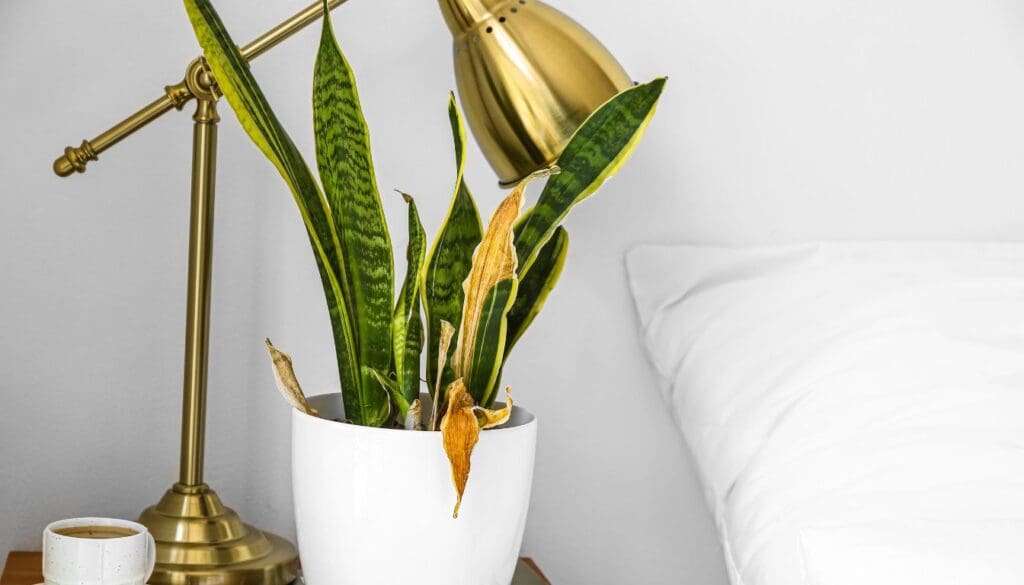
Watering problems are the number one reason snake plants get brown tips and leaves. Too much, too little, poor drainage, or just inconsistent watering—all of these can stress your plant out in different ways.
Overwatering
Honestly, I’ve probably killed more snake plants with too much love than too little. Overwatering is a classic mistake. These plants store water in their thick leaves, so they just don’t need to be watered all that often.
If you water too frequently, those roots end up sitting in soggy soil and start to rot. The leaves turn brown and mushy, usually starting at the base and creeping upward. When you touch the damaged leaves, they feel soft and squishy.
The brown spots often look dark and wet, not crispy. Sometimes a whole leaf will go yellow-brown and then flop over. If you catch root rot early, you can usually rescue the plant by trimming away the mushy roots and moving it to fresh, dry soil.
Quick Tip: Wait until the soil is completely dry before watering again. Sometimes that means waiting 2-4 weeks between waterings.
Underwatering
Snake plants are drought-tolerant, but they’re not camels. If you forget about them for too long, you’ll see brown, crispy tips on the leaves.
The browning usually starts at the tips and edges, then slowly moves inward. When you touch these spots, they’re dry and papery. The leaves might also wrinkle or curl as the plant uses up its stored water.
The good news? Underwatered plants usually perk up fast after a thorough soak. The damaged tips won’t turn green again, but any new growth should look healthy.
Quick Tip: Stick your finger 2-3 inches into the soil. If it’s bone dry, it’s time to water.
Poor Drainage

I learned the hard way that snake plants need fast-draining soil. Regular potting mix holds too much moisture, which can cause the same problems as overwatering.
Make sure your pot has drainage holes. If it doesn’t, water will pool at the bottom—even if the top feels dry. I like to mix cactus soil with perlite or coarse sand for a gritty blend that drains well.
Heavy, compacted soil also stops air from reaching the roots. That leads to brown, dying leaves, even if your watering is on point. Roots need oxygen to stay healthy.
Quick Tip: Use a pot with drainage holes and a soil mix that’s at least half perlite or coarse sand.
Inconsistent Watering
Snake plants like a predictable routine. I used to water mine whenever I happened to remember—sometimes every week, sometimes once a month. My plant was always showing brown tips.
When conditions keep changing, the plant can’t adjust. It might slow down growth to prepare for drought, then suddenly get flooded. That confusion shows up as brown spots and tips.
Try to stick to a loose schedule based on soil dryness. I check my snake plants every two weeks and water if they need it. In winter, they usually need water even less often.
Quick Tip: Set a reminder on your phone to check your plant every couple of weeks so you don’t totally forget about it.
Environmental Stress Factors for Snake Plants
Snake plants don’t love wild swings in their environment. Really dry air, big temperature changes, or cold drafts can all mess up their leaves and cause brown tips.
Low Humidity

Snake plants handle dry air better than most, but super low humidity can still cause brown tips. When indoor air dips below 30% humidity—pretty common in winter—leaf tips dry out and turn crispy.
I’ve noticed this most in homes with forced-air heating or in dry climates. The leaf edges lose water faster than the plant can keep up.
You don’t have to turn your home into a rainforest. Just keeping humidity somewhere between 30-50% is usually enough.
Quick Tip: Put a small humidifier nearby during winter, or group your plants together to bump up the local humidity a bit.
If you’re only seeing brown tips in winter, low humidity is probably to blame. Once heating season ends, your snake plant should adapt to average home humidity again.
Temperature Extremes
Snake plants like it between 60 and 85°F. If temps drop below 50°F, the cells in the leaves can break down, leading to brown, mushy patches.
On the flip side, heat above 90°F stresses them out too. You might see brown spots where the leaf tissue gets cooked, especially if the plant sits in direct sun during a heatwave.
I always move my snake plants away from windows during extreme weather. A cold night near a window can be enough to cause damage.
Quick Tip: Keep snake plants away from heating vents, AC units, and doors that open to the outside—those spots have the biggest temperature swings.
Cold damage usually looks like dark brown or black patches. Heat damage is lighter brown and papery.
Drafts and Sudden Temperature Changes
Consistency matters more than the exact temperature. A snake plant in a steady 65°F spot will be happier than one bouncing between 55 and 75°F every day.
Cold drafts from doors, windows, or AC vents can shock the plant. Leaves exposed to these breezes develop brown edges or spots pretty quickly.
I lost a few leaves by putting my plant too close to a patio door I used all winter. Every cold blast chipped away at the leaf tissue.
Quick Tip: Hold your hand near your plant at different times of day to check for drafts—you might notice cold air you never realized was there.
Move plants at least three feet from busy doors. Rotate them now and then so all sides get a fair shot at your home’s conditions.
Light Conditions and Their Impact

Snake plants are flexible about light, but too much sun can scorch their leaves, while too little leaves them stunted and discolored.
Too Much Direct Sunlight
I’ve seen plenty of snake plants get brown, crispy tips just from sitting in harsh afternoon sun. These plants evolved in the shade, so they’re not built for hours of direct light.
When they get too much sun, leaves start to bleach or go pale before developing brown patches. The tips usually burn first, turning papery and tan. South-facing windows in summer are the usual trouble spots.
Quick Tip: If your plant gets more than a couple hours of direct sun a day, move it back or add a sheer curtain.
The damage is worse on younger leaves since they’re more delicate. I usually keep my snake plants in bright, indirect light—they can see the sky, but the sun doesn’t hit them directly.
Insufficient Light
Not enough light causes a different set of problems. In dim corners, snake plants grow slowly and their leaves turn dark green, then yellowish-brown from the bottom up.
Low light weakens the whole plant. The leaves get floppy and the soil stays wet longer, which can set the stage for root rot and brown, mushy leaves.
Quick Tip: If your snake plant hasn’t grown in six months and looks dull, it probably wants more light.
I find they do best a few feet from an east or west window. They’ll survive in low light, but they won’t thrive. If you only have dark spots, maybe try a small grow light for part of the day.
Nutrient and Soil Issues
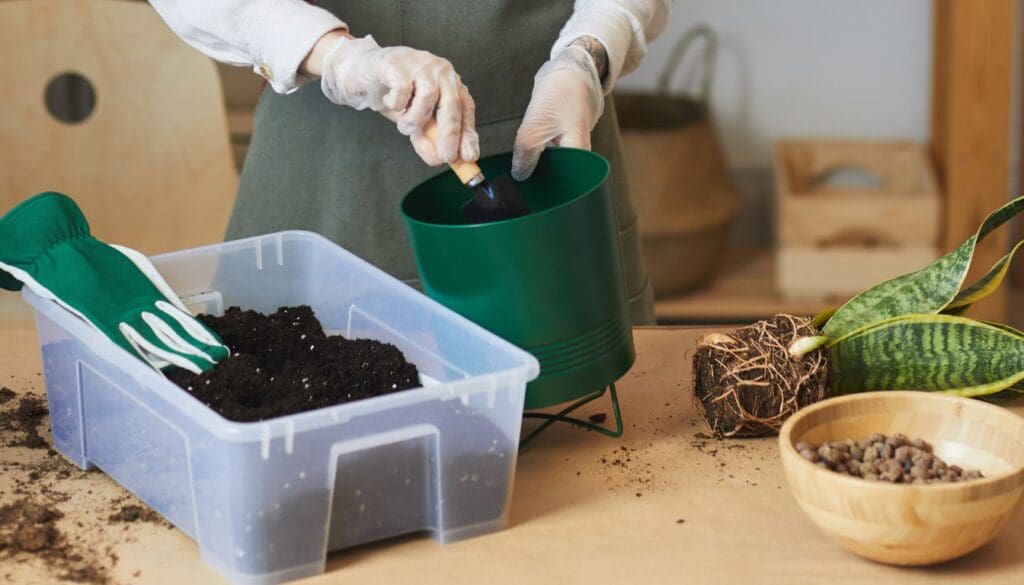
Snake plants need the right nutrients and good soil to stay healthy. Too much fertilizer can burn the roots, while old soil or missing nutrients can also cause brown spots.
Fertilizer Burn
I’ve seen snake plants end up with crispy brown tips because someone got overzealous with fertilizer. These plants are pretty light feeders, and too much fertilizer just builds up salts in the soil.
That salt buildup burns the roots and leaf tips. Browning starts at the edges and tips, usually with a crunchy texture.
Snake plants only need fertilizer once or twice during spring and summer. I always dilute liquid fertilizer to half strength. If you’re feeding monthly, that’s way too much.
Quick Tip: If you think fertilizer burn is the issue, flush the soil with room-temperature water and let it drain—do this a couple times to wash out extra salts.
Nutrient Deficiencies
On the flip side, snake plants that never get fed can end up with brown spots or general browning from missing nutrients. This is more common in older plants that have been in the same pot for years.
Low nitrogen makes older leaves turn yellow-brown and look sad. Potassium deficiency shows up as brown edges or spots. These issues develop slowly, not overnight.
I give my snake plants a balanced fertilizer (like 10-10-10) once in spring and again mid-summer. That’s usually enough.
If your plant hasn’t been repotted in years, the soil might be spent. Fresh potting mix can give it a nutrient reset without needing extra fertilizer right away.
Water Quality Concerns

Sometimes the water from your tap has chemicals or minerals that slowly damage your snake plant’s leaves, causing brown tips or patches.
Chlorine and Fluoride Sensitivity
Snake plants don’t love chlorine and fluoride, and most tap water has both. Over time, these chemicals build up and burn the leaf tips, leaving that classic brown edge.
Fluoride damage usually starts as small brown tips that spread inward. It usually hits older leaves first, but can move to new growth if you keep using the same water.
Chlorine tends to cause more general discoloration. You might see pale or yellow-brown patches instead of crisp brown tips.
Quick Tip: Let tap water sit out in an open container for 24 hours before watering—chlorine will evaporate, but fluoride won’t.
Switching to filtered, distilled, or rainwater is the best fix. I collect rainwater when I can; plants seem to love it. If you’re using tap water and seeing brown tips, try switching for a month and see if new growth comes in green.
Hard Water Effects
Hard water leaves white, crusty stuff on the soil and pot rim. Those minerals—mostly calcium and magnesium—build up inside your plant, blocking the flow of water and nutrients.
This shows up as brown spots or brown edges on the leaves. The minerals basically clog up the plant tissue, and those spots die off.
I always check for white crust on the pot rim. If it’s there, hard water might be the issue. The soil can feel chalky or crusty too.
Quick Tip: Wipe the leaves gently with a damp cloth every few weeks to get rid of mineral residue and help your plant breathe.
Switch to distilled or filtered water to avoid adding more minerals. You can also flush the soil by running filtered water through the pot until it drains out the bottom. For really bad cases, repotting in fresh soil works best.
Root Health and Related Problems
Even when everything looks fine above the soil, root problems can cause browning. Issues pop up when roots run out of space or end up sitting in wet soil and start to rot.
Root Bound Plants
Snake plants can get brown tips just from being root bound. When roots fill up every inch of the pot, they start circling and get tangled, making it hard to absorb water and nutrients.
You’ll notice brown tips first, then slow growth and soil drying out way too fast. Sometimes roots poke through the drainage holes or even crack the pot.
Check by gently pulling the plant from its pot. If you see more roots than soil, it’s time to repot. Go up to a pot that’s about two inches wider.
Quick Tip: Repot in spring or summer when your snake plant is actively growing.
Root Rot
Root rot turns roots into a mushy, smelly mess. This happens when soil stays wet for too long—perfect for fungi and bacteria to move in.
The browning usually starts at the base of leaves and moves up. Affected leaves feel soft, not firm. Sometimes you’ll notice a nasty odor from the soil.
If you suspect root rot, pull the plant out and check the roots. Healthy roots are white or tan and firm. Rotten roots fall apart and look brown or black.
Trim away all mushy roots with clean scissors. Repot in fresh, well-draining soil and a clean pot. Water less often going forward—snake plants really do prefer to dry out between waterings.
Quick Tip: Always use pots with drainage holes and a cactus or succulent soil mix to avoid root rot.
Pests and Fungal Infections

Bugs and fungi have a sneaky way of showing up on your snake plant, causing those annoying brown spots or tips that can spread surprisingly fast. These issues need their own specific fixes, not just tweaks to watering or lighting.
Spider Mites and Mealybugs
I’ve watched spider mites turn perfectly healthy snake plant leaves brown and crispy in what feels like no time. They’re tiny and tough to spot at first, but you might see little webs between the leaves or small brown dots that seem to multiply.
Mealybugs are another headache—imagine tiny bits of cotton stuck to your plant. They suck out the sap and leave a sticky mess behind, which can also turn brown.
To deal with these pests, I usually wipe down each leaf with a cloth dipped in rubbing alcohol and water. You could also spray the plant with insecticidal soap every few days until the bugs are gone.
Quick Tip: Always check where the leaf meets the stem—mealybugs love to hide there.
Fungal Leaf Spots
Fungal infections show up as brown or reddish spots, often with yellow halos. These usually pop up when the soil is too wet or air circulation is poor.
These spots might start small but can merge and take over whole leaves. I’ve noticed fungal issues spread fast in humid spots or if water sits on the leaves overnight.
Cut off any infected leaves with clean scissors to keep the problem from spreading. Move your plant somewhere with better airflow and let the soil dry out more between waterings.
You could use a fungicide if things get really bad, but honestly, prevention is way easier than trying to treat a full-blown infection.
Physical Damage and Handling

Snake plants are pretty tough, but they’re not indestructible. Physical damage from bumps, breaks, or rough handling can leave brown spots and tips that just won’t heal.
Mechanical Injury
I’ve seen so many snake plants get brown marks from simple accidents. Bumping into a leaf or knocking over the pot bruises the tissue, which then turns brown right at the impact point.
Pets and kids? Yep, they’re often to blame. A cat might chew the tips, or a dog’s tail might snap a leaf. Even moving furniture around can scrape or tear the leaves.
Quick Tip: Try placing your snake plant somewhere out of the way, so it’s less likely to get knocked over.
The brown spots from physical injury don’t spread like a disease, but they also won’t turn green again. That tissue is just done for. If a tip gets crushed or torn, trim off the brown part with clean scissors, cutting at an angle to match the leaf’s shape.
Light scratches might barely show, but deeper cuts or crushing will make bigger brown patches that stand out against the green.
Improper Repotting
Repotting can stress your snake plant, especially if you damage the roots or leaves. Despite their tough look, snake plant roots are pretty delicate.
Pulling too hard on tangled roots can tear them. Using a pot that’s way too big means the soil stays wet too long, which leads to root rot and brown leaves. Burying the plant too deep can suffocate the rhizome and cause browning from the base up.
Quick Tip: Only go up one pot size (about 1-2 inches larger) when repotting, and handle the root ball gently.
I always make sure the new pot has drainage holes. Packing soil too tightly can also cause problems since snake plants need some air pockets. After repotting, you might see brown tips from transplant shock as the plant settles in.
Give your snake plant a week or two to adjust before worrying about new browning.
Pot and Container Considerations
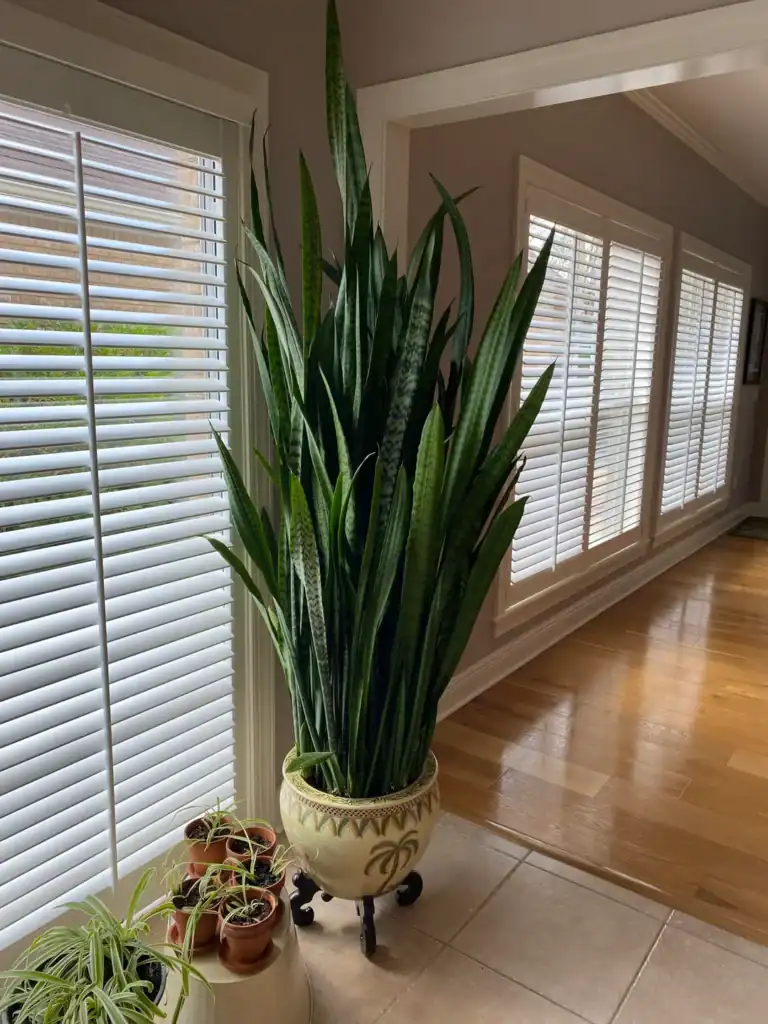
The pot you choose for your snake plant really does matter. It affects drainage and how much room the roots have, both of which can make or break your plant’s health.
Pot Size Selection
Snake plants actually prefer being a bit cramped. When I put mine in pots that are too big, the extra soil just holds water too long, which leads to root rot and brown leaves.
The pot should only be about 1-2 inches wider than the root ball. If roots sit in soggy soil, they start to decay, and you’ll see brown tips and mushy leaves as things get worse.
I only repot when roots are poking out of the drainage holes or the plant is pushing itself up out of the soil. Even then, I just size up a little.
Quick Tip: If your snake plant has brown leaves and sits in a giant pot, try moving it to a smaller one with fresh, dry soil.
Material of the Pot
Terracotta pots are my favorite for snake plants, since the clay pulls moisture from the soil and helps prevent overwatering.
Plastic and ceramic pots keep moisture longer. If you use these, water less often and double-check that drainage holes are clear.
I always check for at least one drainage hole in any pot. If water can’t escape, it pools at the bottom even if the surface looks dry, and the roots start to rot.
Quick Tip: Put a saucer under terracotta pots to protect your surfaces, but make sure to empty it within 30 minutes after watering so the roots don’t sit in water.
Long-Term Care Tips to Prevent Browning
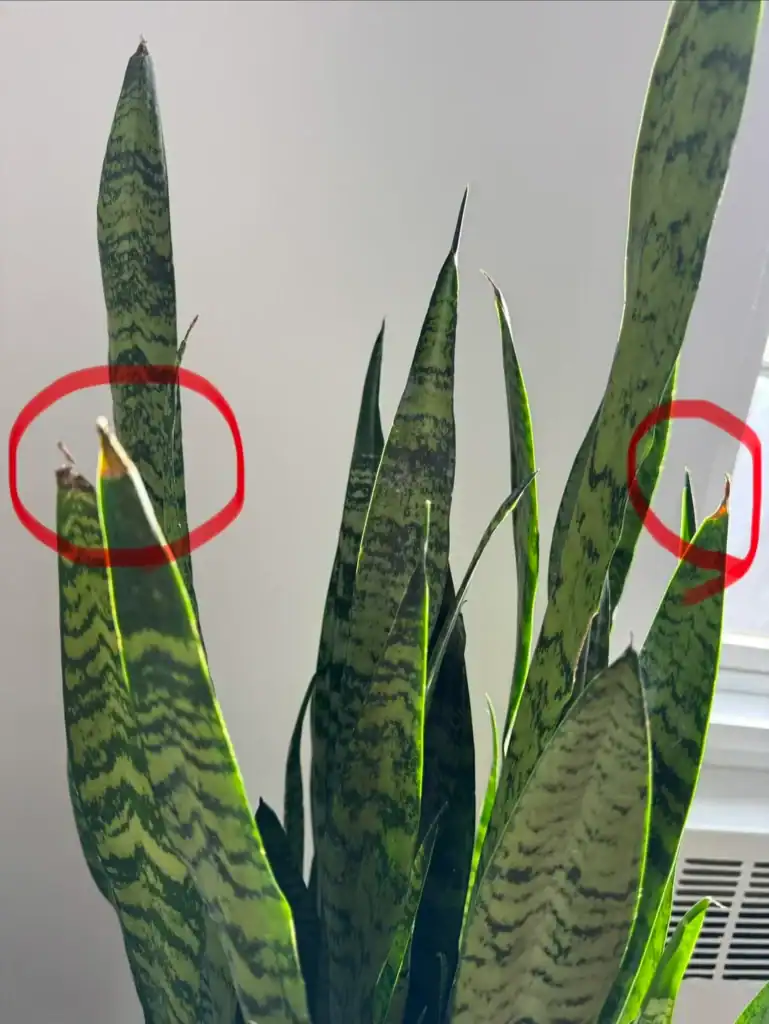
I check my snake plant’s soil moisture every week or two. Just stick your finger in about an inch—if it feels dry, go ahead and water. Snake plants really hate wet feet, so always use a pot with drainage holes.
Quick Tip: Water less in winter, maybe once a month or even less, since growth slows down.
Lighting is a bigger deal than most people realize. I keep mine in bright, indirect light near a window with a sheer curtain. Too much direct sun can scorch the leaves, and too little light weakens the plant.
Dust can block light, too. I wipe the leaves with a damp cloth every few weeks. It only takes a minute or two and helps the plant soak up more light.
Quick Tip: Rotate your plant a quarter turn each month so all sides get good light.
I fertilize sparingly—just once in spring and once in summer, using diluted succulent fertilizer. Too much can actually cause brown tips and salt buildup.
The right pot size is important for root health. I repot only when roots are poking out, which is usually every 2-3 years. Fresh soil helps too, since old soil can get compacted and lose nutrients.
Keep temperatures steady between 60-85°F. I avoid putting my snake plant near heating vents or drafty windows—sudden temperature changes can stress the plant and cause browning.
Frequently Asked Questions
Brown tips and leaves on snake plants are usually caused by watering mistakes, lighting problems, pests, or nutrient issues. Here are some of the most common questions I get about browning snake plants.
What could be causing the tips of my snake plant to turn brown?
Brown tips are usually a sign of watering problems—either too much or too little. If the soil stays wet for too long, roots can’t breathe and start to rot, showing up as brown tips.
Low humidity can also dry out the leaf tips, especially in winter when the heat’s blasting. I’ve seen this more in homes with forced air heat.
Sometimes, tap water with high fluoride or chlorine can cause tip browning. If your water is heavily treated, those chemicals can build up in the soil over time.
Quick Tip: Let tap water sit out overnight before using it, or switch to filtered water if browning keeps happening.
How do I address brown leaves on my snake plant?
Trim off the brown parts with clean, sharp scissors or pruning shears. I always wipe my tools with rubbing alcohol first to avoid spreading anything nasty.
You can just trim the brown section if only part of the leaf is affected—cut at an angle so water runs off instead of sitting on the cut.
If a whole leaf is brown and mushy, cut it at the base, as close to the soil as you can. This keeps dead tissue from attracting pests or fungus.
After trimming, try to figure out what caused the browning in the first place. Otherwise, you’ll be trimming again soon.
Quick Tip: Don’t cut off more than 20-30% of the leaves at once, even if they’re brown—your plant still needs some foliage to survive.
Could improper watering lead to my snake plant developing brown spots?
Absolutely. Watering mistakes are the top cause of brown spots on snake plants. Overwatering creates brown, mushy spots that feel soft to the touch.
These soggy spots mean root rot is starting and spreading up the leaves. The roots basically drown because they can’t get enough oxygen.
Underwatering causes different brown spots—these are dry and crispy. The plant’s just not getting enough moisture, so parts of the leaves dry out and turn brown.
I check the soil by sticking my finger about two inches down. If it’s still damp, I wait.
Quick Tip: Snake plants like to dry out completely between waterings. In winter, you might only need to water once a month.
What role does lighting play in the health of my snake plant, particularly with browning issues?
Too much direct sun can scorch snake plant leaves, leaving pale brown or bleached spots. I’ve seen this happen when someone moves a plant from a dark corner straight into a sunny window.
The leaves can actually get sunburned, just like skin. These brown patches usually show up on the side facing the window.
Not enough light doesn’t directly cause browning, but it does make the plant weaker and more likely to get other problems.
Snake plants do best in bright, indirect light. A spot a few feet from a window works well.
Quick Tip: If you need to move your snake plant into brighter light, do it gradually over a week or two to avoid shock.
Are there any common pests that could be causing my snake plant to turn brown?
Spider mites are sneaky and suck moisture from the leaves, creating tiny brown spots that can spread. Look for fine webbing between leaves if you suspect them.
Mealybugs look like little cotton balls and hang out where leaves meet the base. They drain nutrients and leave brown patches behind.
Scale insects show up as small brown bumps stuck to the leaves. They’re easy to miss until you try to scrape them off.
I check my snake plants every few weeks—look under the leaves and around the base. Catching pests early makes a huge difference.
Quick Tip: Wipe leaves with a damp cloth dipped in diluted dish soap (just a few drops per cup of water) to help remove pests and their eggs.
Can nutritional deficiencies result in my snake plant’s leaves turning brown, and how can I fix it?
Snake plants really don’t ask for much in the way of fertilizer, but if they’re completely starved of nutrients, older leaves might start turning brown and eventually die off.
The plant tends to pull nutrients from its older leaves just to keep the new ones going.
If there’s a nitrogen deficiency, you’ll usually notice the oldest leaves at the bottom turning yellow first, and then browning as time goes on.
The whole leaf just sort of fades away and dies, honestly.
On the flip side, overdoing it with fertilizer is actually more likely to cause brown patches than not using enough.
Salt can build up from too much fertilizer, leading to those brown, crispy edges that kind of look like they’ve been scorched.
Personally, I give my snake plants a diluted, balanced liquid fertilizer once in the spring and again in the summer.
That seems to be enough for these pretty chill plants.
Quick Tip: Try using only half the strength the bottle suggests, and skip fertilizing entirely in fall or winter—snake plants barely grow during those months anyway.
Note: Some images in the articles are sourced from Reddit and Other Platforms For Reference Purpose.


