15 Shade-Loving Window Box Plants That Look Amazing
I’m always looking for ways to add life and color to those shaded corners that tend to get ignored.
A window box with the right plants can bring a fresh, inviting feel to even the gloomiest spots around your home.
Honestly, you can make a beautiful display even where the sun barely peeks in.
Many plants thrive in the shade and keep their good looks with just a little care. I’ll share some favorites and a few tricks to help your window boxes stay lively all year.
With a handful of easy ideas, you can turn any dim window into something worth showing off.
Please note: Simplify Plants is reader-supported. As an Amazon Associate, I earn from qualifying purchases made by our readers with no extra cost added to you all! Some links in the post are affiliate links and I get a commission from purchases made through links in the post.
1) Fern
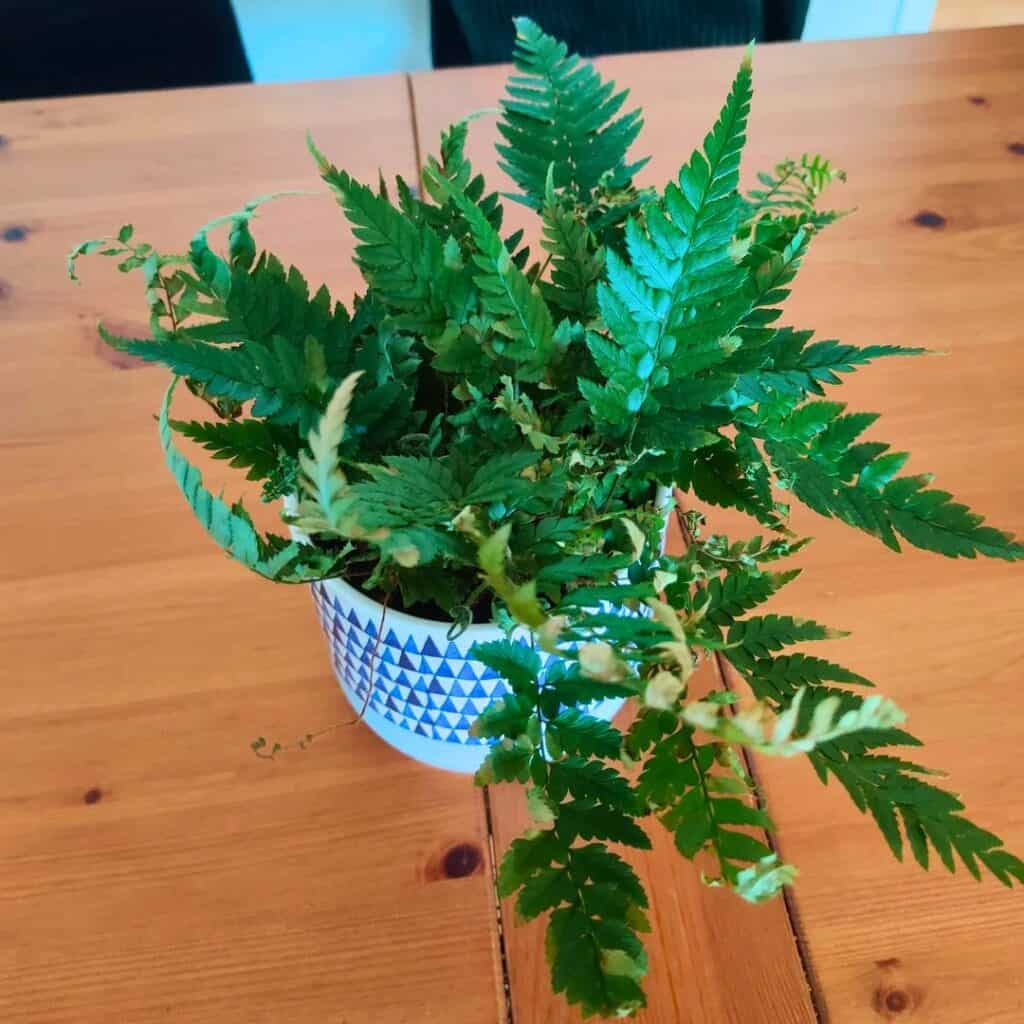
I’m a big fan of ferns in window boxes—they bring such a calm, green vibe to shady spots. Their soft, feathery fronds fill in spaces really well and look great mixed with other shade lovers.
Ferns do best in indirect light and moist soil, so they’re perfect for windows that don’t see much sun. I usually check the soil often to keep it evenly damp (but not too soggy).
When the air gets dry, a light mist helps keep their leaves happy. I love how many types of ferns there are—the Boston fern gives a full, fluffy look, while the maidenhair fern has a finer, more delicate feel.
Mixing a few types in one box keeps things interesting. I also appreciate that ferns stay green for most of the year if you keep conditions mild.
Their steady color keeps my window boxes looking fresh, even when the weather cools down. With a little attention, ferns keep my shady windows lively and welcoming.
2) Hosta

Hostas are my go-to for instant texture and calm color in a shady window box. Their broad, layered leaves create a lush, full look without much work.
They come in all kinds of shades—green, blue, cream—so it’s fun to mix and match. I like Hostas because they’re low-maintenance and grow happily in partial or full shade.
They do best in moist, well-drained soil, so I try to water them regularly, especially on hot days. If the soil feels dry, I’ll give them a good soak instead of just a splash.
Hostas look great with ferns, begonias, or impatiens. I’ll often combine different leaf colors—dark green with yellow or creamy edges is a favorite combo.
That contrast keeps the window box from feeling flat. To help the soil stay cool and damp, I sometimes toss on a bit of mulch, which also protects the roots.
Hostas rarely need fussing over, which is a relief when life gets busy. Even though they’re shade lovers, their bold foliage brightens up the space.
Their layered leaves catch the light in a gentle way, making my window boxes look fresh all season.
3) Heuchera
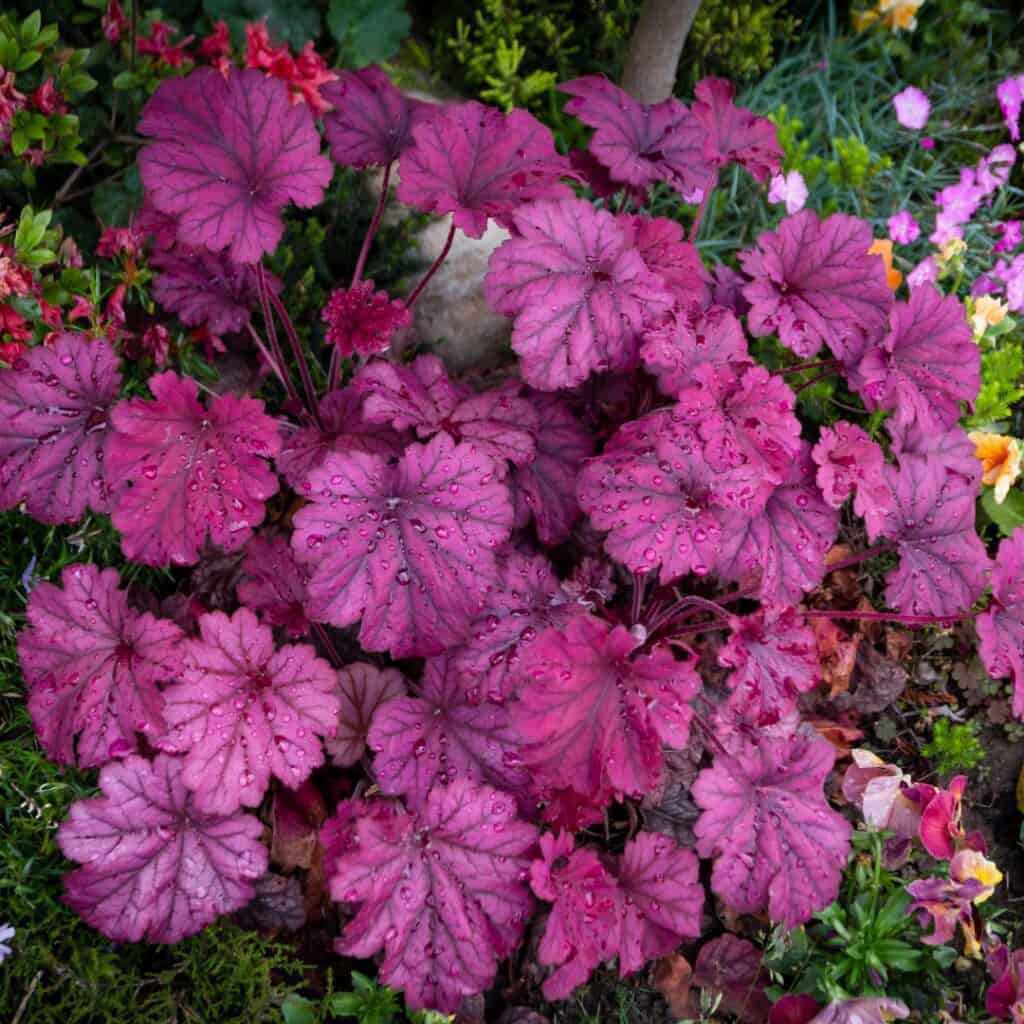
I’m always reaching for Heuchera (coral bells) when I want a splash of rich color and texture in the shade. It does well in part shade and really perks up a window box with those ruffled leaves.
The colors are wild—deep purple, lime green, silver, bronze. Mixing them with ferns or hostas gives a calm, layered look.
Heuchera is nice and compact, which is perfect for smaller spaces. Its dense foliage fills out the box without crowding everything else.
With regular watering and well-drained soil, it stays healthy and colorful all season. In cool weather, the leaf colors get even more vivid, and some types keep their leaves all winter in mild climates.
I love that steady color when other plants fade out. Heuchera is low maintenance and pretty reliable.
A trim in spring helps new growth pop, and I’ll snip off faded flowers to keep things tidy. It’s one of those plants I can count on for charm in any shady window box.
4) Astilbe
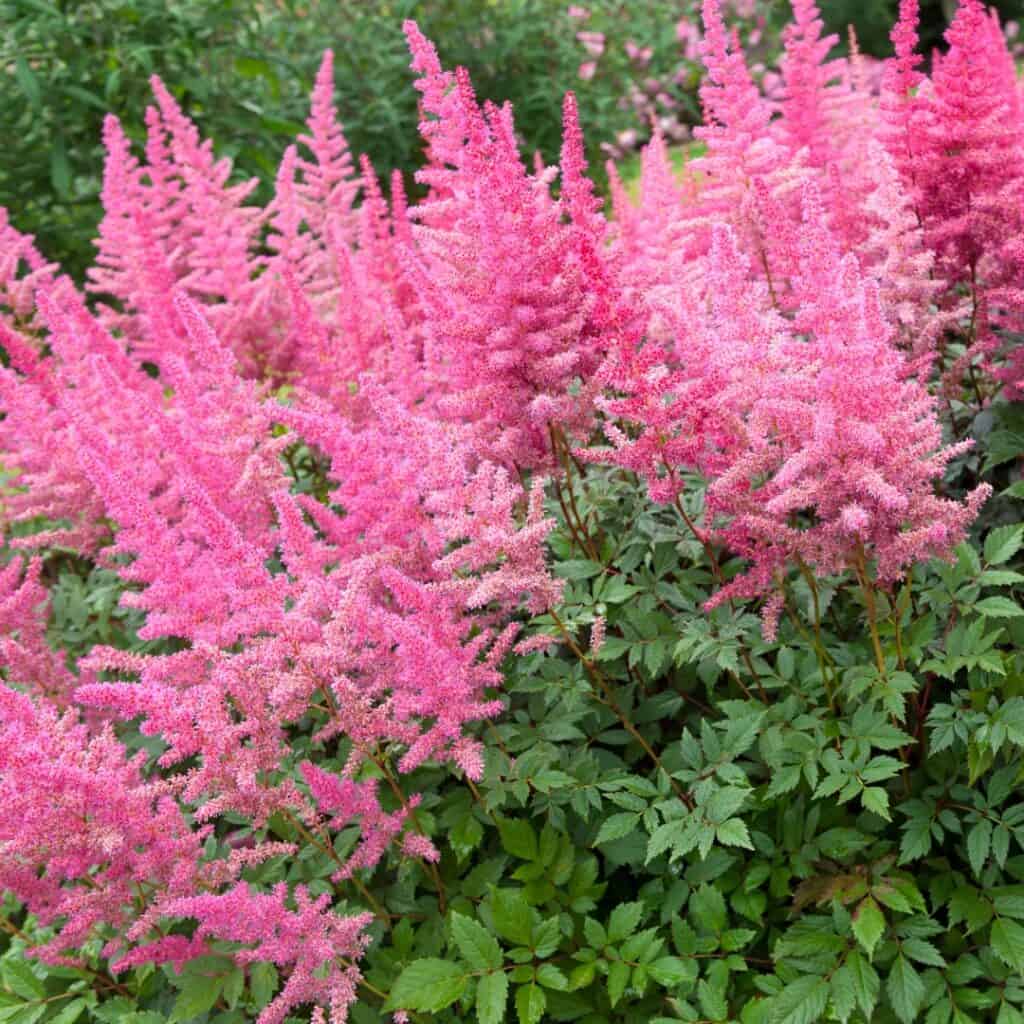
Astilbe is a favorite for its soft, feathery blooms that bring gentle color to the shade. It thrives where lots of other plants just don’t, so it’s a solid pick for window boxes that miss out on sun.
The flowers come in pink, white, red, and lavender, adding a little brightness when you need it. Astilbe likes moist, well-drained soil and doesn’t appreciate drying out, especially in the heat.
A bit of morning sun is okay, but too much can fade the leaves. The foliage is lovely, too—finely textured and deep green, so the plant looks full even when it isn’t blooming.
To keep Astilbe happy, I remove spent flowers and water regularly. A light fertilizer in spring supports new growth.
I like pairing Astilbe with ferns or hostas for a more layered look. Its soft plumes stand out against broader leaves, and each year it comes back stronger with more blooms.
5) Lungwort (Pulmonaria)

Lungwort is such a cheerful plant for shady window boxes. Its speckled leaves and soft blooms brighten up spots where most plants sulk.
The leaves are green with silver spots, almost sparkling in the right light. Even when it’s not flowering, those patterns add interest.
In early spring, it sends up clusters of small blue, pink, or purple flowers. They attract bees and pollinators, bringing a little buzz to shaded windows.
The flowers often change color as they age, which I think is a fun bonus. Lungwort is easy to care for—just give it moist, well-drained soil and regular watering, especially when it’s warm.
If you plant it in a container, give it a bit of space—the leaves can really spread out. Trimming old leaves keeps it neat and encourages new growth.
It’s also deer and rabbit resistant, so pests aren’t much of a worry. Lungwort pairs well with ferns or hostas.
If I see the leaves wilting, it’s usually a sign the soil’s dry. A quick drink perks it right up.
For minimal effort, you get a plant that quietly shines in the shade. That’s why Lungwort is always in my window box lineup.
6) Japanese Forest Grass (Hakonechloa)

Japanese Forest Grass is one of those plants that just makes any window box look a bit more polished. The slender leaves bend and cascade, moving gently with the breeze.
I usually go for the gold or lime-green varieties—they brighten up darker corners and keep their color all summer. In fall, the foliage turns soft gold or tan, which still looks good even when everything else fades.
It likes partial to full shade, so it’s perfect for north-facing windows. I keep the soil evenly moist but not soggy.
Too much sun can scorch the leaves, so a little protection during hot afternoons helps. Since it grows slowly, I don’t have to prune often—just a trim in early spring to clear out old leaves.
I like mixing it with hostas, ferns, or coleus for extra texture. The combination is always interesting, and each year it helps tie the whole window box together.
7) Ajuga

Ajuga is a quick fix for color and texture in shady window boxes. Its low, spreading habit fills in gaps and gives the box a lush, full look.
The leaves come in green, bronze, and purple—really eye-catching against lighter plants. In spring, Ajuga sends up short spikes of blue or violet flowers.
They’re not huge, but they catch the light and bring a little pop to darker corners. The blooms hang around for several weeks, which is always nice.
Ajuga is super easy to care for. It handles partial to full shade and just needs regular moisture to stay happy.
I make sure the soil drains well so the roots don’t get soggy. This plant spreads over time, creating a soft carpet.
If it gets too thick, I just trim or divide it and use the extras elsewhere. Ajuga bounces back fast and keeps growing.
It pairs well with ferns, hostas, and impatiens. I like mixing it with lighter or variegated leaves for contrast.
If I want a deeper color, I’ll go for ‘Black Scallop’ with its dark purple leaves. For more variety, ‘Burgundy Glow’ brings a mix of cream, pink, and green.
With a bit of care, Ajuga looks great from spring through fall. It’s tidy, fast-growing, and makes my window box feel lively even in low light.
8) Bleeding Heart (Dicentra)
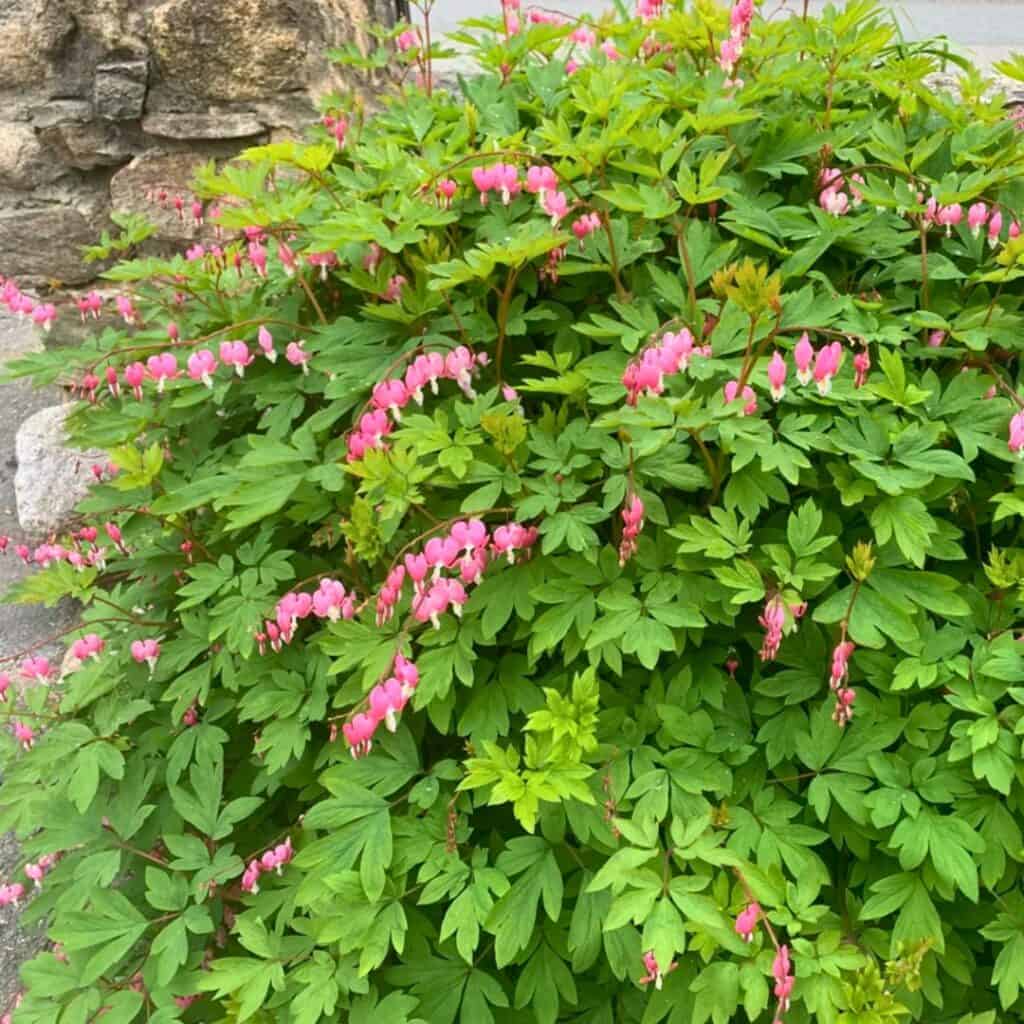
Bleeding Heart is just charming in a shaded window box. Those heart-shaped flowers dangle from arched stems and catch your eye, even on gray days.
The blooms—usually pink or white—show up in spring and add a gentle touch of color. The fern-like leaves are a nice contrast to solid, broad-leafed shade plants.
I like pairing Bleeding Heart with hostas or ferns for balance. The foliage stays attractive even after the flowers finish.
Bleeding Heart needs cool, moist soil and does best in partial to full shade. I make sure my window box drains well, since soggy soil is a no-go.
A bit of compost at planting helps keep it healthy. During warmer months, I keep the soil evenly moist but not soaked.
When summer heat hits, Bleeding Heart might go dormant—that’s normal. I just let it rest and keep the soil lightly damp until new growth pops up again.
Trimming off spent blooms keeps things neat. The delicate flowers and graceful shape make Bleeding Heart a standout among shade plants, adding a gentle, never-overwhelming touch, even in small spaces.
9) Epimedium

I really enjoy using Epimedium—some folks call it barrenwort—in my window boxes that don’t get much sun. There’s just something about those heart-shaped leaves, starting out a soft green and shifting to red or bronze as it gets cooler, that’s quietly lovely.
In spring, it sends up these tiny, delicate flowers that just pop against the foliage. It’s a great fit for low light, so I never have to worry about it sulking in a shady spot.
What I like is how Epimedium keeps tidy. It doesn’t sprawl or take over, so there’s still room for other small plants. Plus, it handles dry shade well, which is handy if your window box dries out faster than you’d like.
I stick with light, well-draining soil and water just enough—never soggy, just not bone-dry. Once it’s settled in, it more or less takes care of itself.
Those leaves keep their gentle color almost all year, so there’s always a bit of beauty even when nothing’s blooming. I usually mix it up with ferns or hostas for a little extra texture and contrast.
It’s one of those plants that just works—low-maintenance, graceful, and always reliable. Whether it’s in a wooden box or a ceramic pot, Epimedium finds a way to look good in the shade.
10) Solomon’s Seal

There’s something so graceful about Solomon’s Seal in a window box. The arching stems spill gently over the edge, softening the whole look.
Those little bell-shaped flowers dangle under the leaves in spring, and I think they add a quiet charm. It’s a plant that really thrives in shade or partial shade, so it’s perfect if your windows don’t get much sun.
I’ve noticed it likes moist, well-drained soil, and I try to keep the roots cool with regular watering. Once it’s settled, it’s honestly not fussy.
When fall comes, the leaves turn golden yellow, which is a nice little surprise. Even after the flowers are gone, the plant keeps its neat shape and texture through summer.
Dwarf varieties are handy for smaller boxes since they don’t get too big. I just trim off any dead leaves to keep things tidy—maintenance is pretty minimal.
A breeze will set those slender stems swaying, and suddenly the whole window box feels calm and gentle. To me, Solomon’s Seal brings quiet beauty to shaded spots without begging for attention.
11) Toad Lily (Tricyrtis)

Toad Lilies are such a fun surprise in shady window boxes. Their small, orchid-like blooms show up just as most other flowers are fading—usually late summer or early fall.
The flowers are star-shaped, often with purple or blue spots that really stand out against the arching green leaves. I plant them where they get bright, indirect light, steering clear of harsh sun.
They do best in moist, well-drained soil, and I try to keep things just damp enough, not soggy. Mulch helps keep the roots cool and stops the soil from drying out too quickly.
Cooler weather doesn’t bother them, so they’re perfect for north-facing windows. I’ve found that regular watering and an occasional feed keep them happy all season.
I love mixing them with ferns or hostas for a layered, lush look. Their unique flowers always grab attention and make a shady window feel a little more alive.
12) Lily of the Valley
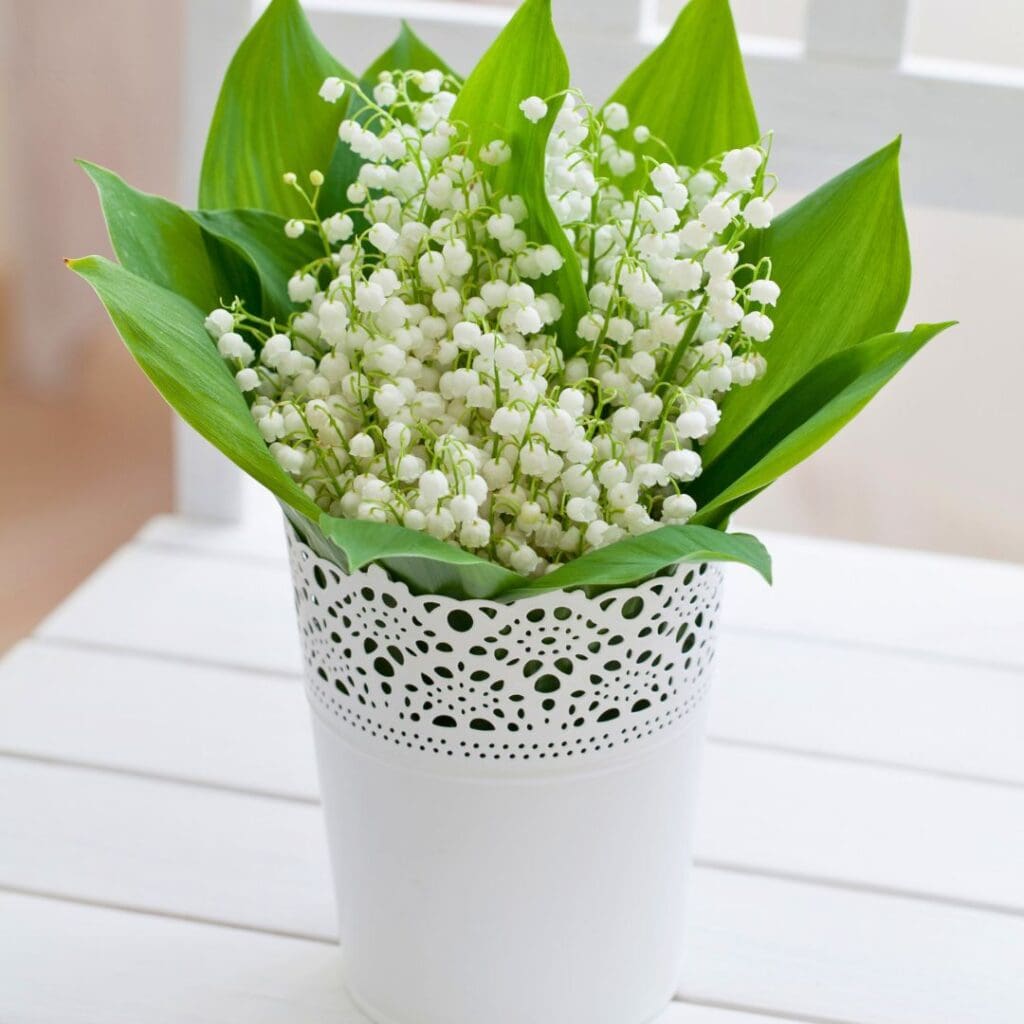
Adding Lily of the Valley to a shady window box just brings this gentle, old-fashioned charm. The little white bell-shaped flowers look delicate, but they’re surprisingly tough and bloom even with limited sun.
The fragrance is sweet and instantly makes it one of my favorite spring bloomers. It likes cool, shaded spots and does best in moist, well-drained soil.
I try to keep the soil slightly damp—never waterlogged. Over time, it spreads and forms a lush mat of green leaves, filling the box beautifully.
I like pairing it with ferns or hostas for a rich, layered effect. The bright green foliage stands out nicely against darker leaves, and even when the flowers are gone, the leaves keep things looking fresh.
One thing to watch out for: every part of the plant is toxic if eaten, so I make sure it’s out of reach for pets and kids. With a little care, it’s a dependable grower that comes back strong year after year.
For a touch of timeless charm and that lovely scent, Lily of the Valley is hard to beat in a shady spot.
13) Fuchsia

Fuchsia is one of those plants that just lights up a shady window box. The flowers hang like tiny bells and come in all sorts of pinks, reds, purples, and whites—honestly, they look amazing against the deep green leaves.
It does best in partial to full shade, so I never worry about too much sun. I keep the soil moist but not soggy, since the roots really don’t like drying out.
A well-draining mix is key for healthy, blooming plants. I feed my Fuchsia every couple of weeks during the growing season, and pinching off faded blooms keeps new ones coming.
Hummingbirds seem to love the flowers, which adds a bit of excitement to my window view. I go for trailing Fuchsia varieties—they spill over the box edges and soften the whole look.
When it gets cold, I move my Fuchsia indoors or tuck it somewhere sheltered. With a little care, it bounces back strong next year. It’s one of my top picks for shady window boxes—colorful, lively, and not much fuss.
14) Caladium

Caladium is a shade superstar in my book. The big, heart-shaped leaves come in wild mixes of pink, red, green, and white—no flowers needed for instant color.
Even on gray days, those patterned leaves make the window box pop. I’ve learned that Caladiums like filtered light or full shade—too much sun and their leaves burn fast.
I keep the soil moist but not soggy, since they really hate drying out. Good drainage is a must, so I always check the container before planting.
A bit of organic matter in the soil keeps roots happy, and I wait for warm weather before putting them outside. Once they’re settled, they’re honestly low-maintenance.
I pinch off any yellowing leaves and give them a light feed every few weeks. With just basic care, they stay lush and full all season.
Pairing Caladium with ferns or hostas gives a soft, layered look. The bold leaves always stand out, making the window box feel bright and lively without much effort.
15) Columbine (Aquilegia)
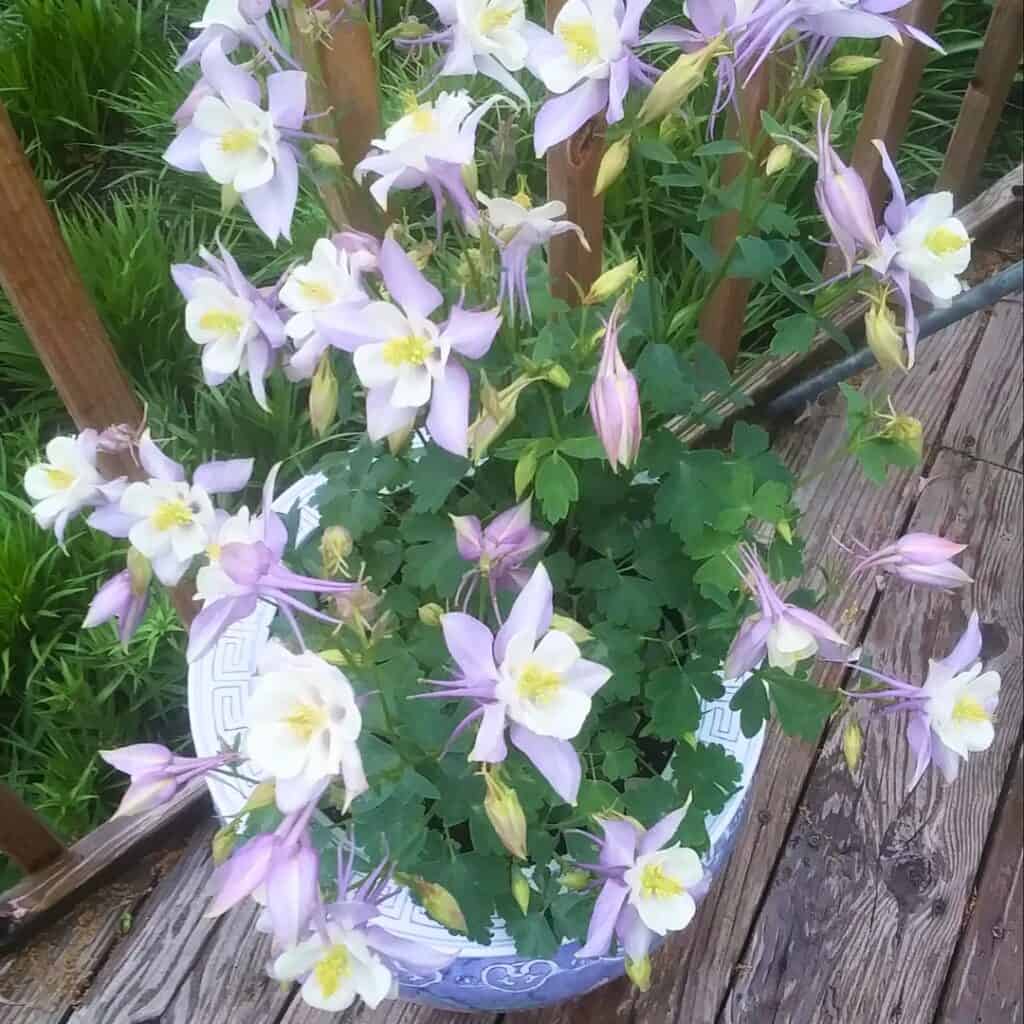
Columbine is such a sweet addition to shady window boxes. The delicate, bell-shaped flowers have a graceful look that’s simple but still catches the eye.
You can find blooms in blue, pink, purple, red, and yellow, so it’s easy to fit them into any color scheme. It grows well in partial shade, which is great for windows that don’t get sun all day.
I’ve noticed Columbine likes cooler conditions and soil that’s moist but not soggy. I always make sure my containers drain well, just to be safe.
One thing I really appreciate is how long the blooms last in spring and early summer. Hummingbirds and bees can’t seem to resist them, so there’s always a bit of movement in the box.
Even after flowering, the distinctive foliage stays fresh-looking. I just remove spent flowers to encourage more blooms and trim back stems when they dry out.
Every couple of years, I’ll divide or replant them to keep things strong. Pairing Columbine with plants that have broad or dark green leaves—like ferns or hostas—makes the colorful flowers really pop.
With its easy care and graceful shape, Columbine always ends up on my list for shaded window boxes.
Caring for Shade-Loving Window Box Plants
Keeping shade-loving plants happy is mostly about three things: using well-draining soil, watering right, and feeding regularly. Even small tweaks here can make a big difference in how lush and colorful your window box turns out.
Best Soil for Shady Window Boxes
For shady spots, I always go for lightweight, airy soil that drains well but still holds a bit of moisture. My favorite mix usually has peat moss, perlite, and compost.
This combo keeps roots happy—enough water, but never soggy. I steer clear of garden soil because it’s just too heavy for window boxes and can cause root rot.
Instead, I look for potting mixes made for container gardening or just mix one part compost, one part peat moss, and one part perlite myself. When filling boxes, I leave about an inch at the top for watering.
Adding drainage holes or a thin layer of gravel helps keep roots from sitting in water. Healthy roots really do start with the right soil.
Watering Tips for Low-Light Plants
Shady window boxes dry out slower, so I water less often. I poke my finger into the top inch of soil—if it feels dry, it’s time to water.
Overwatering is a common problem, so I pour just enough to moisten everything evenly. I use room-temperature water to avoid shocking the roots.
During cooler months, I cut back on watering since growth slows down. I like using a small watering can for better control, so I don’t flood anything by accident.
If leaves look pale or stems get soft, I usually need to ease up on watering. Good drainage and some airflow go a long way in keeping plants happy, even in low light.
Fertilizing Practices for Lush Growth
Even shade plants need nutrients, just not as much as sun-lovers. I feed mine with a balanced liquid fertilizer—something like a 10-10-10—about once a month during the growing season.
I always water lightly before feeding to protect the roots, then use fertilizer at half strength. Too much can burn the roots or make the plants leggy, which is never good.
If I want a more natural approach, I’ll add a bit of worm castings or compost tea every few weeks. It’s a gentle way to boost nutrients and improve the soil.
Regular feeding keeps leaves vibrant and full without overwhelming the plants.
Common Challenges and Solutions
Moisture problems and pests pop up sometimes in shady window boxes. If I don’t catch them early, they can really mess up healthy roots and leaves.
Preventing Mold and Root Rot
Too much shade can keep soil damp for ages. When soil stays wet, roots basically can’t breathe, and sometimes mold pops up right on top.
To deal with this, I like using a well-draining potting mix and tossing in some coarse sand or perlite for extra airflow. Oh, and window boxes absolutely need drainage holes—otherwise, water just sits there, and that’s never good.
I only water when the top inch of soil feels dry to the touch. Overwatering is honestly the main reason root rot happens, so I always poke my finger in the soil first.
If I spot mold, I’ll just scrape off the top layer and sprinkle a little cinnamon or activated charcoal—it’s a simple, natural fix for fungus.
To keep things healthy, I try to keep air circulation going by trimming back plants that are getting too crowded. Sometimes I’ll use a small fan, or just crack a window, to help leaves dry out.
Pest Management in Shady Conditions
Shade seems to invite fungus gnats, aphids, and slugs—they love those cool, damp spots. I check leaves and stems pretty often, especially underneath, just to catch any eggs or sneaky bugs early.
If I see pests, I start gentle: rinsing leaves with water or wiping them down with a soft cloth. When that’s not enough, I’ll mix up a spray with mild soap and water—it usually gets rid of aphids or spider mites without hurting the plants.
For slugs, I set out small containers of beer or a few pieces of citrus peel near the soil, and that usually traps them overnight. Keeping things tidy—like removing dead leaves—helps a lot too.
I’m careful not to overfertilize, since too much nitrogen just makes plants soft and tasty for bugs.
Frequently Asked Questions
I love growing shade-loving plants—they really liven up those dim spots where sunlight barely reaches. Honestly, finding the right mix of foliage, flowers, and soil makes all the difference for a lush window box in the shade.
What are some popular plants that thrive in shaded window boxes?
I’m a big fan of Ferns, Hostas, and Heucheras. They don’t mind limited light and stay good-looking almost all year, even without much sun.
Can you recommend flowering plants that don’t need a lot of sunlight for window boxes?
Definitely—Astilbe and Lungwort (Pulmonaria) are great. Their soft blooms bring gentle color, and they’re totally fine with cool, damp shade.
How often should I water plants in a shade-filled window box?
I check the soil every couple of days and water when the top inch feels dry. Shady boxes hold onto moisture longer, so it’s easy to overdo it if you’re not careful.
Are there any foliage plants that will do well in a window box with limited sunlight?
Absolutely. Ferns and Hostas are my favorites for bold green leaves. Heuchera throws in some deep red or purple, which keeps the whole thing from looking too plain.
What kind of soil is best for plants in a shady window box environment?
I stick with a light, well-draining mix and add a bit of compost. The goal is soil that stays evenly damp, but never gets soggy—shade plants really appreciate that balance.
How can I ensure my shade-loving window box plants stay healthy throughout the seasons?
I trim off dead leaves whenever I notice them. Each spring, I like to refresh the soil—it just feels right for a fresh start.
During the growing season, I feed the plants with a balanced fertilizer about once a month. Is that too often? Maybe, but it seems to work.
I also keep an eye out for pests, which can sneak up on you. Adjusting how much I water as the weather changes helps keep my plants happy all year, or at least that’s the goal!
Note: Some images in the articles are sourced from Reddit and Other Platforms For Reference Purpose.