25 Pet-Safe Indoor Plants For Every Cat & Dog Parents
I’m a huge fan of filling my place with greenery, but honestly, I always get a bit nervous about my pets.
If you’ve ever felt the same, here’s some good news: you really don’t have to pick between plants and your furry friends.
It’s totally possible to have a peaceful, leafy home that’s safe for both cats and dogs.
I’ve rounded up the best pet-safe indoor plants that can brighten up any room—no risk to your four-legged housemates. If the plant possess any risk, I have also provided tips on how to keep them away from your pets.
You’ll find some simple tips for keeping your plants happy, and your pets safe and curious, all at once.
Please note: Simplify Plants is reader-supported. As an Amazon Associate, I earn from qualifying purchases made by our readers with no extra cost added to you all! Some links in the post are affiliate links and I get a commission from purchases made through links in the post.
1) Spider Plant
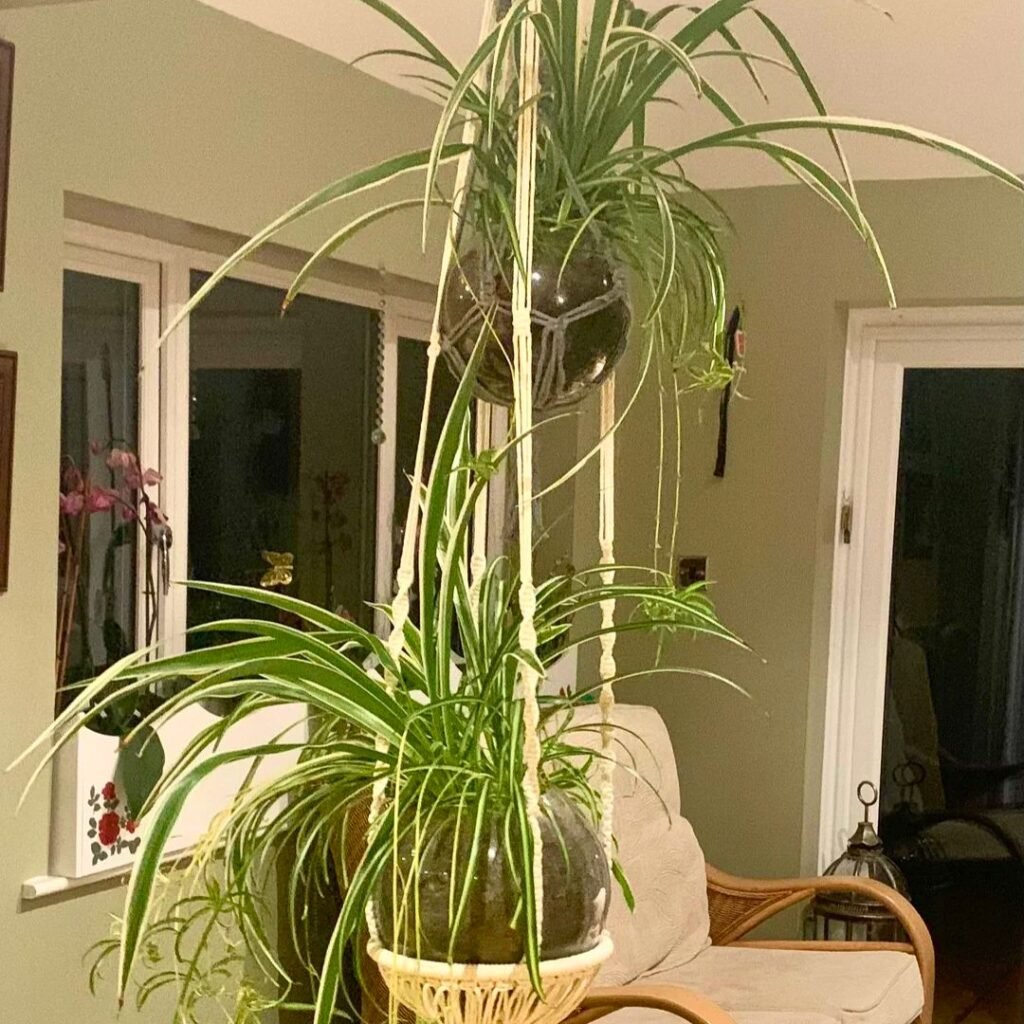
I can’t get enough of how Spider Plants perk up a room, and the best part is, they’re no threat to my pets. Those long, arching leaves look fresh all year, and when they sprout little offshoots, it’s like a whole family of tiny spiders dangling.
Honestly, knowing Spider Plants are non-toxic to cats and dogs is such a relief. Even if my pets decide to take a chomp, I don’t have to freak out.
I like putting them on shelves, countertops, or letting them spill out of hanging baskets.
They’re also great for improving air quality—they pull all sorts of stuff out of the air, so my place feels cleaner.
And I’ll admit, I appreciate that they do all this without much effort from me.
These plants are super low-maintenance.
I water just enough to keep the soil a bit moist, and I let the top layer dry before watering again.
If the tips turn brown, I just snip them with scissors.
Sometimes I’ll repot the little “spider babies” and give them to friends—easy, and honestly kind of fun.
There’s something calming about having a plant that’s safe, good-looking, and easy to care for.
Spider Plants really make my home feel lively and pet-friendly, minus the stress.
2) Boston Fern
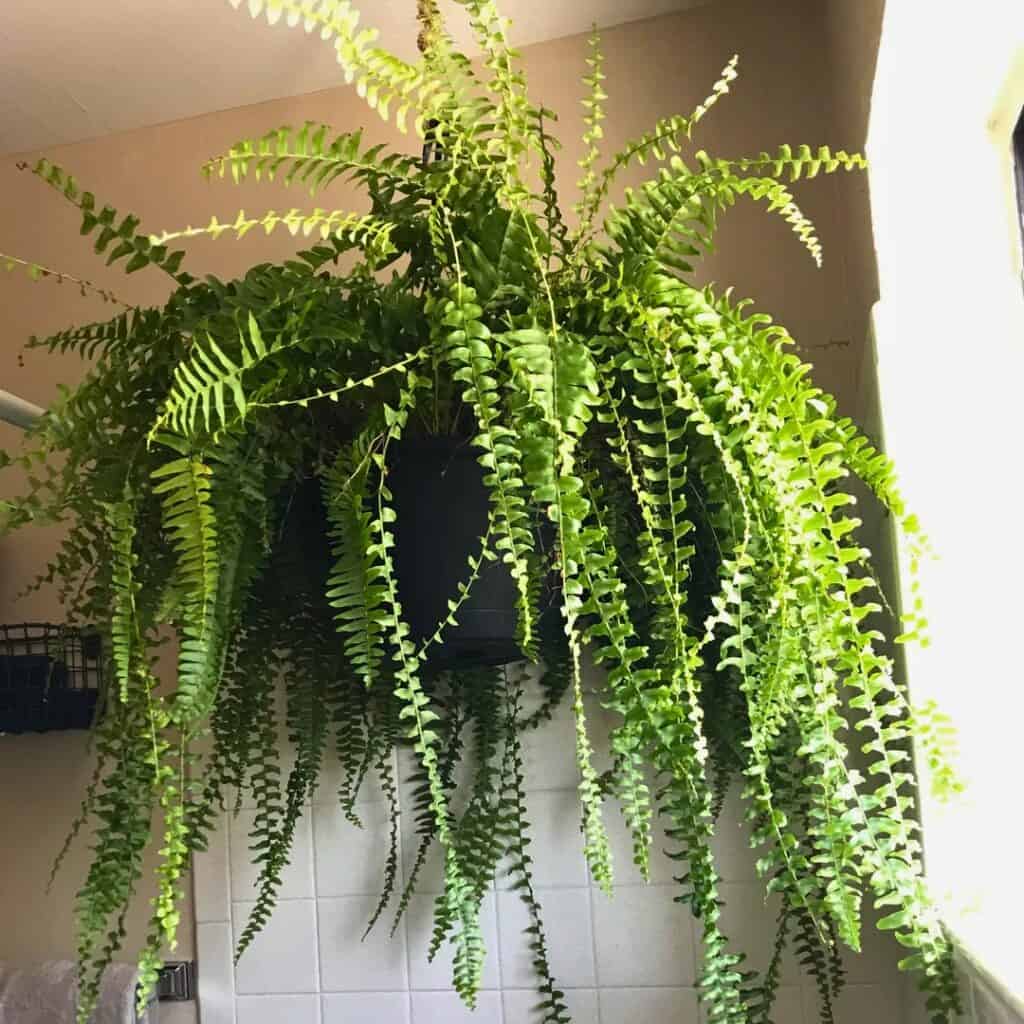
The Boston Fern is just so lush and soft—it’s hard not to love.
Its gentle green fronds bring a chill, natural vibe without taking over the whole room.
Best part? It’s non-toxic to cats and dogs, so I don’t stress if my pets get a little too curious.
I keep mine near a window with indirect light, but not right in the sun.
It likes high humidity, so I mist it a few times a week or put it near a humidifier.
That seems to keep the leaves bright and happy.
I water when the top of the soil feels a bit dry—nothing too complicated.
If the leaves get crispy, it’s usually a sign it wants more humidity or a quick trim.
The Boston Fern looks great on a plant stand or hanging basket, and the texture is just nice.
It adds a fresh touch and keeps things safe for every wagging tail or wandering paw.
3) Areca Palm
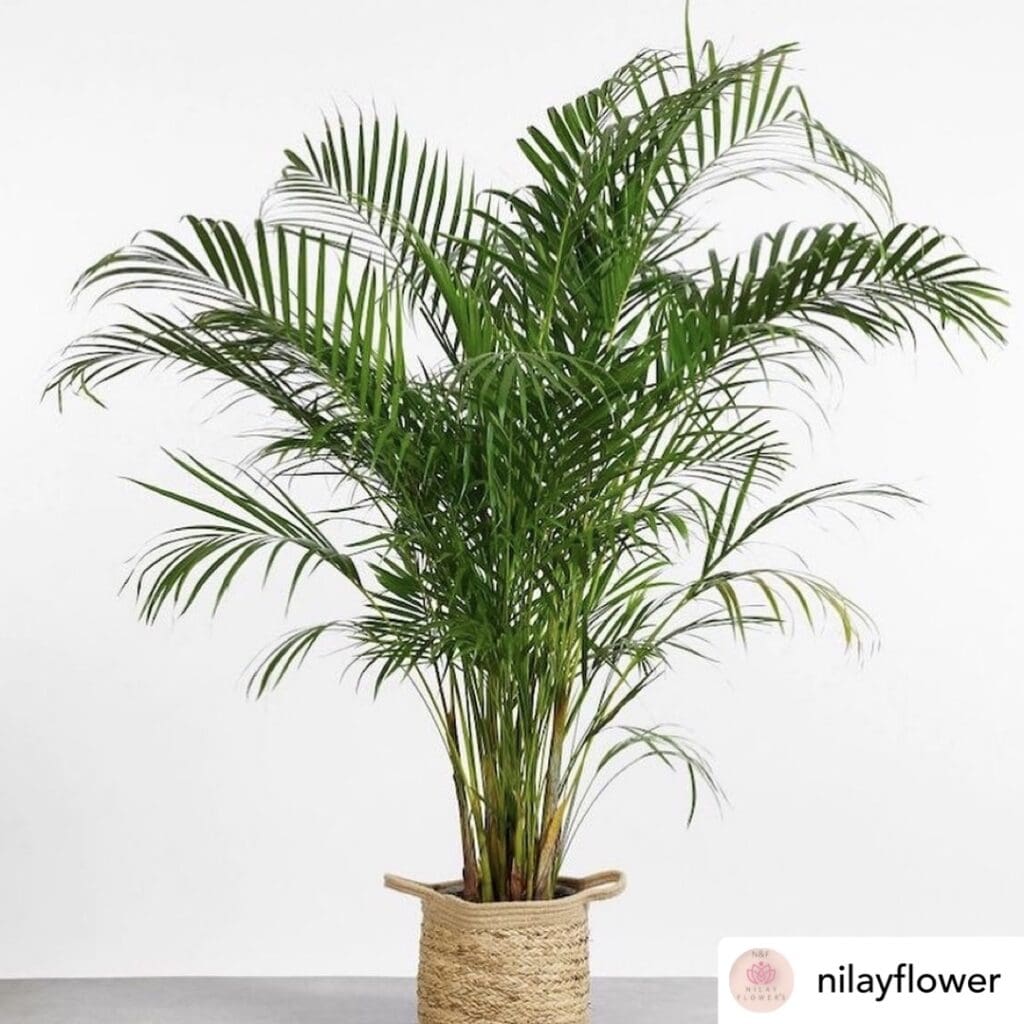
There’s something about the Areca Palm that just makes a room feel a little more tropical.
Those feathery leaves brighten up my place, and I love knowing it’s safe for cats and dogs.
It’s pretty chill about light—indirect sunlight works best.
I water when the top inch of soil dries out, and I’m careful not to drown it since soggy roots are a no-go.
Bonus: the Areca Palm helps clean the air and even boosts humidity a bit.
That’s a lifesaver during dry winter months when the heater’s running.
I keep mine in a simple pot by the window, and the leaves sway gently when the fan’s on.
It grows slowly, so I don’t have to repot it much—less hassle, honestly.
If you want a pet-friendly plant that looks good and doesn’t need constant attention, Areca Palm is a solid pick.
It fits just about any style and keeps things green all year.
4) Parlor Palm
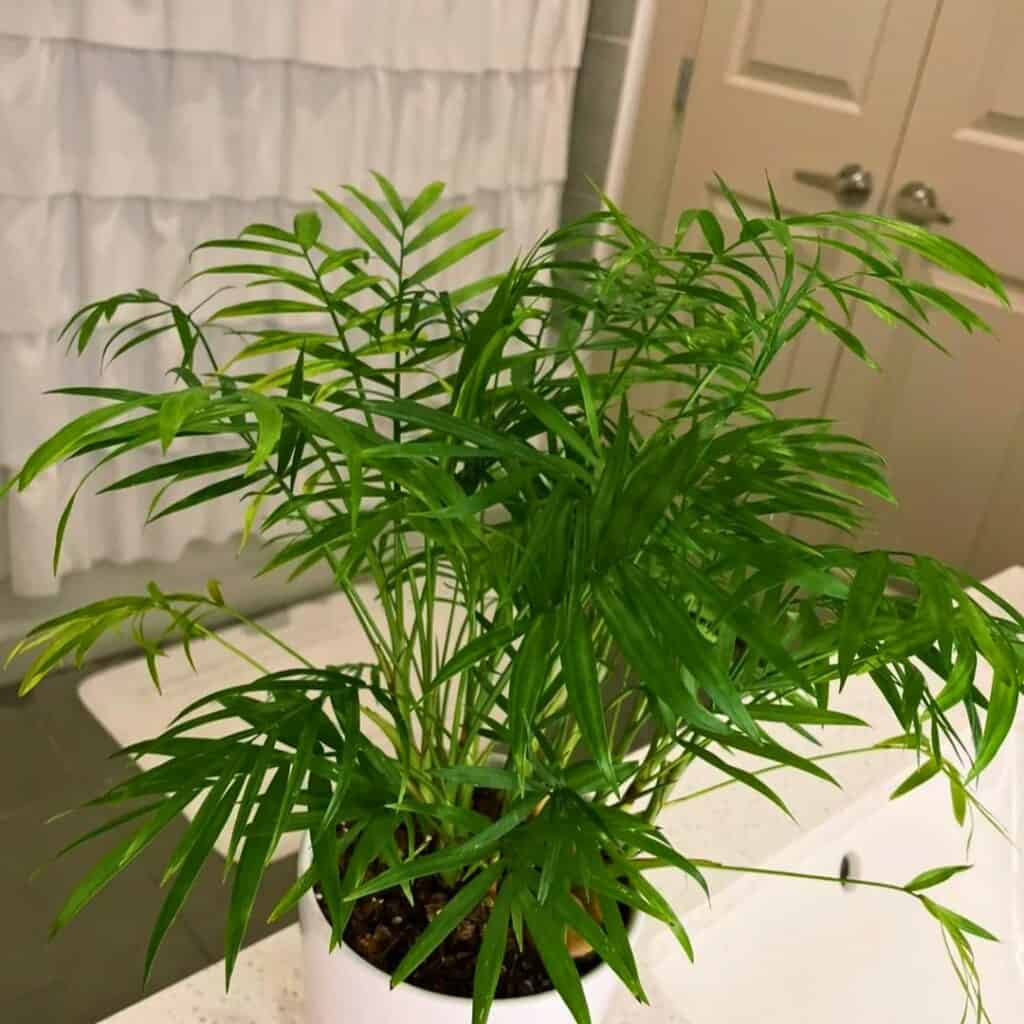
The Parlor Palm is my go-to for making a room feel fresh and a bit more relaxed.
Its soft green fronds liven up even the smallest corners, and it’s totally safe for cats and dogs.
It grows slowly, which means less trimming and fussing.
I usually set mine near a bright window with indirect sunlight, but honestly, it tolerates lower light too.
It doesn’t need a ton of water—just wait until the top inch of soil is dry before giving it a drink.
Too much water can cause root rot, so I err on the side of less.
I like that it helps clean the air a bit, even if it’s not magic.
With a little care, it stays green and healthy all year.
If you’re after a pet-safe plant that doesn’t ask for much, the Parlor Palm is a smart, low-stress choice.
It brings calm and color, and it’s easy on both you and your pets.
5) Bamboo Palm
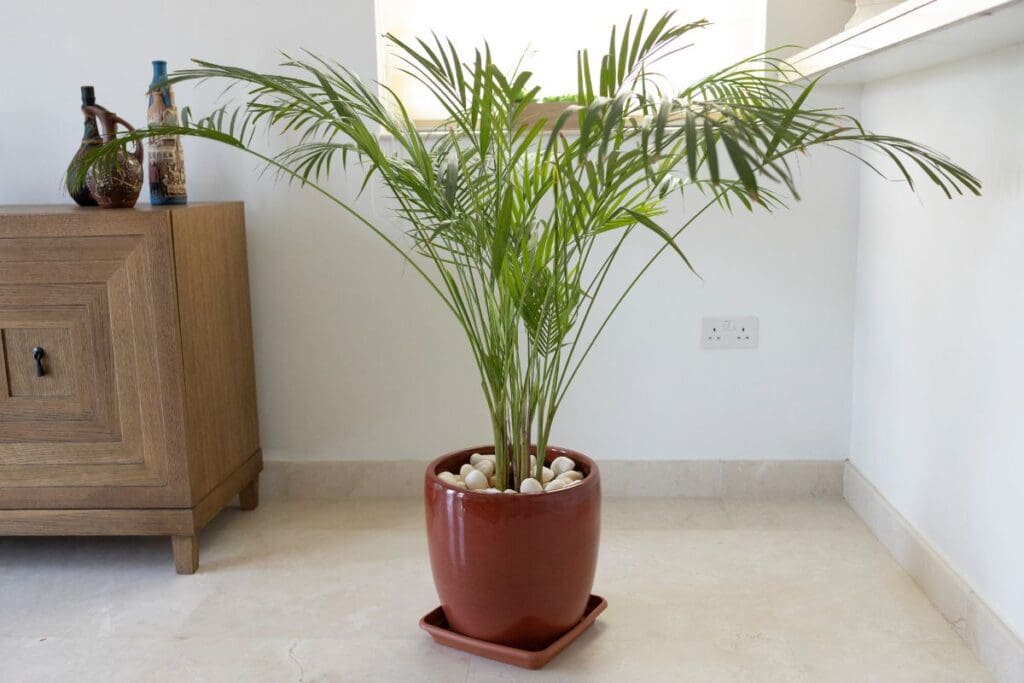
The Bamboo Palm gives any room that natural, tropical vibe—without a ton of effort.
Its soft leaves make things feel calm, and it’s one of the bigger plants you can have that’s safe for both cats and dogs.
It likes indirect light and soil that’s a little moist.
I just check the top inch of soil, and if it’s dry, I water lightly—too much and the roots get unhappy.
What I really appreciate is how it helps clean the air by filtering out some indoor toxins.
And since it’s non-toxic, I don’t worry if my pets get a little nosy.
The Bamboo Palm can get tall—sometimes up to six feet indoors—but I trim it back to fit my space.
A sturdy pot with drainage is a must, and I keep it out of harsh sunlight to avoid leaf burn.
When I want my place to feel like a mini-retreat, this plant is my secret weapon.
It looks great near a window and softens up the whole room.
6) Calathea

The Calathea is a personal favorite for adding color and pattern without any pet worries.
Big, patterned leaves give my home a pop, and it’s one of the few houseplants that’s non-toxic to both cats and dogs.
They like bright, indirect light, so I keep mine a few feet from a window.
Direct sun isn’t their friend—too much and the leaves start to fade or curl.
Calatheas prefer slightly moist soil, but not soggy.
I water when the top inch dries out, and using filtered or distilled water helps avoid those annoying brown tips.
They’re fans of high humidity, so I mist them or run a humidifier during dry spells.
When the leaves look a little tired, it’s usually a sign to tweak water or light.
One quirky thing: the leaves actually move—they open in the day and close at night.
It’s a tiny detail, but it makes the plant feel kind of alive.
If you see yellowing leaves, it’s probably time to adjust your care routine.
I wipe the leaves with a damp cloth now and then to keep them breathing easy.
Once you get used to it, Calathea is pretty easy to care for.
It rewards you with lush, colorful foliage that stands out in any pet-friendly plant collection.
7) Rattlesnake Plant
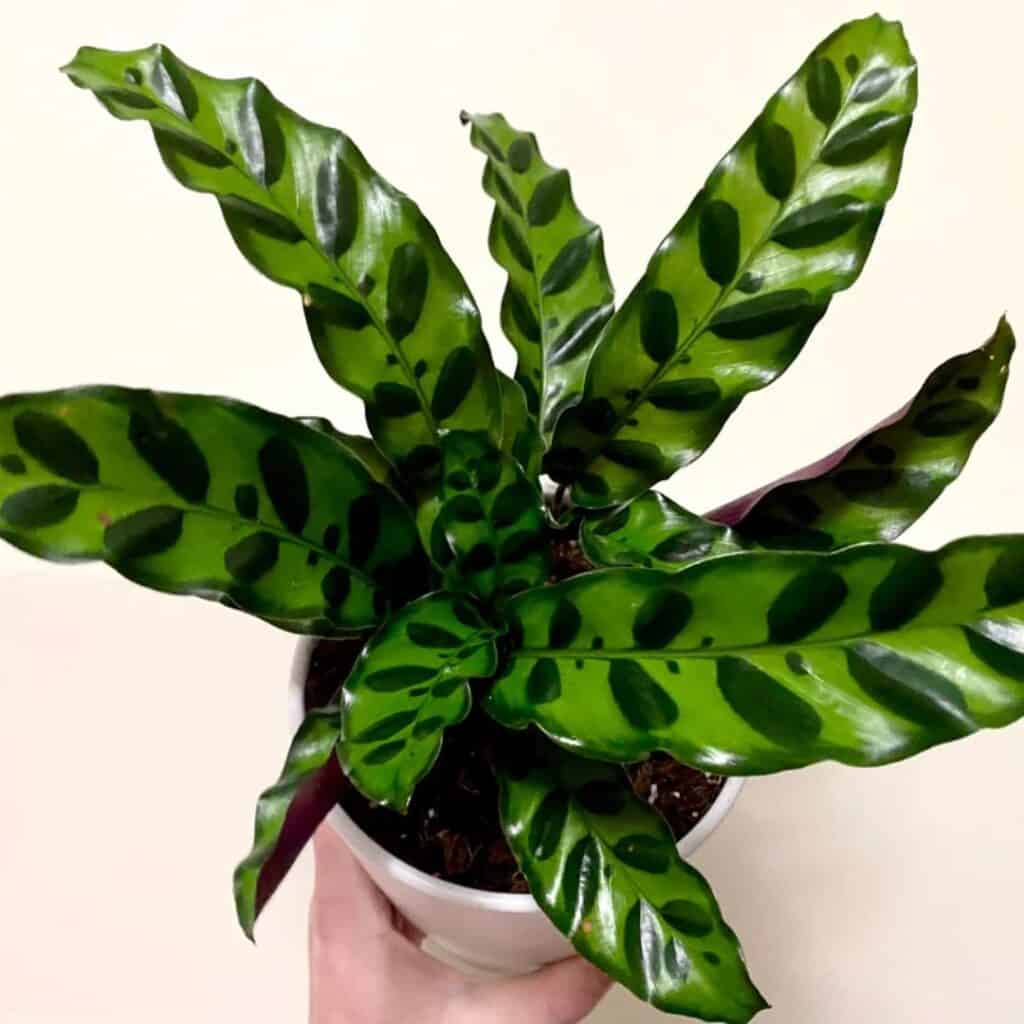
The Rattlesnake Plant is a real show-off with its wavy leaves and wild patterns.
Dark green tops, purple undersides—it just pops under soft light.
It’s also non-toxic to cats and dogs, which means I can relax even if my pets get a little too close.
Honestly, that peace of mind is priceless.
This plant does best in bright, indirect light, so I keep it near a north-facing window.
Humidity helps too, so I mist it or park it near a humidifier.
It likes its soil slightly moist but never soggy.
Letting the top layer dry out between waterings seems to keep it happy.
In winter, I water less since it grows more slowly.
I try to keep the temperature steady—drafts or cold air can mess with the leaves.
One fun thing: the leaves fold up at night, which is weirdly satisfying to watch.
It just adds a bit of personality to the room.
If you want a plant that’s easy, colorful, and pet-safe, the Rattlesnake Plant is a winner.
It brings texture and interest, and you don’t have to worry about your furry friends.
8) African Violet
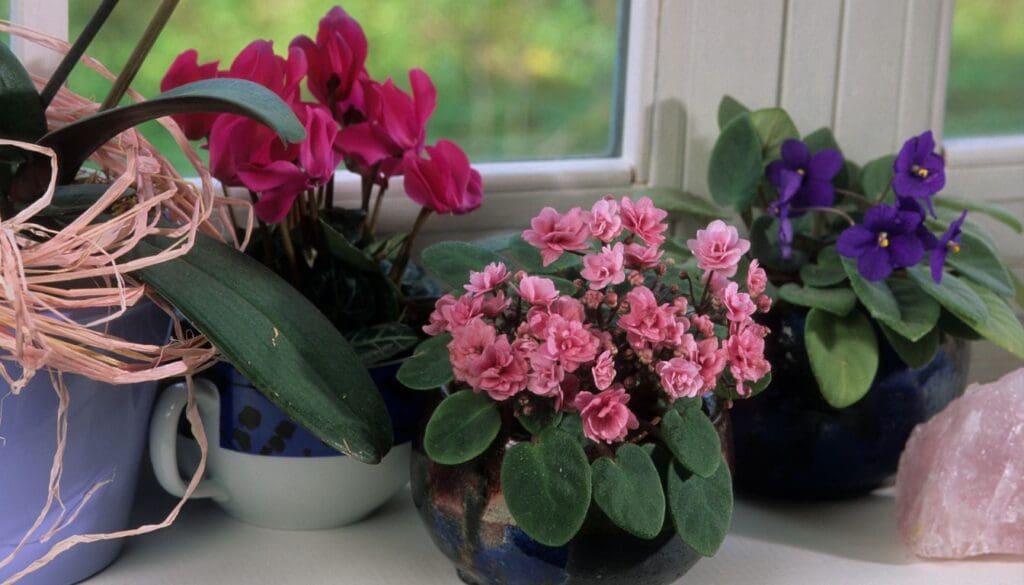
African Violets are small but mighty when it comes to color.
They’ve got soft, fuzzy leaves and bright blooms—purple, pink, white—that keep things cheerful all year.
They’re happy with indirect light, so I put mine on the windowsill or my desk.
I only water when the soil feels a bit dry on top, and a pot with good drainage is a must.
Best part? African Violets are non-toxic to cats and dogs.
No worries if my cat gets a little too curious, though I still keep it out of reach to avoid paw prints in the dirt.
I use room-temperature water and try not to splash the leaves.
A little gentle fertilizer once a month helps keep the blooms coming.
It’s small, safe, and always colorful—perfect for a pet-friendly home.
9) Cast Iron Plant
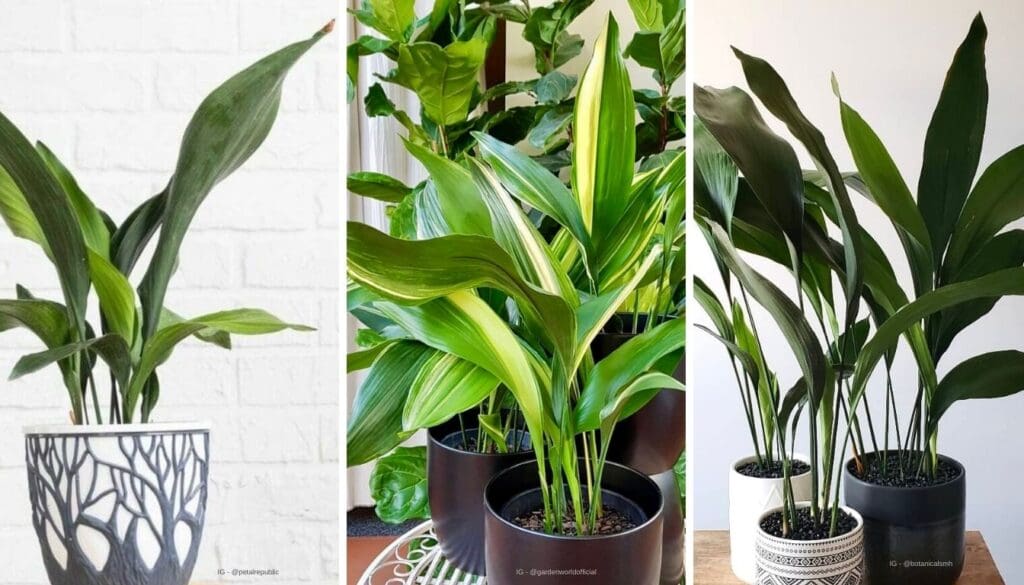
I’ve got a soft spot for the Cast Iron Plant. It’s honestly one of the few houseplants that really lives up to its tough name.
Even if I forget to water it for a while, it just keeps chugging along—green and sturdy as ever. This plant handles low light and inconsistent watering way better than most, which is a relief.
I keep mine tucked in a shady corner, and it still surprises me with new leaves now and then. Those wide, dark green leaves add a cozy pop of color wherever you put it.
One of the best things? It’s non-toxic to both cats and dogs. My pets can brush past it or give it a curious sniff, and I don’t have to stress. That kind of peace of mind is priceless.
It grows slowly, so I barely have to fuss over it. A quick wipe with a damp cloth when the leaves get dusty, and water only when the soil feels dry—couldn’t be easier.
If you’re busy but want a bit of greenery, the Cast Iron Plant is a solid pick. It keeps my place looking fresh and my pets out of trouble.
10) Prayer Plant
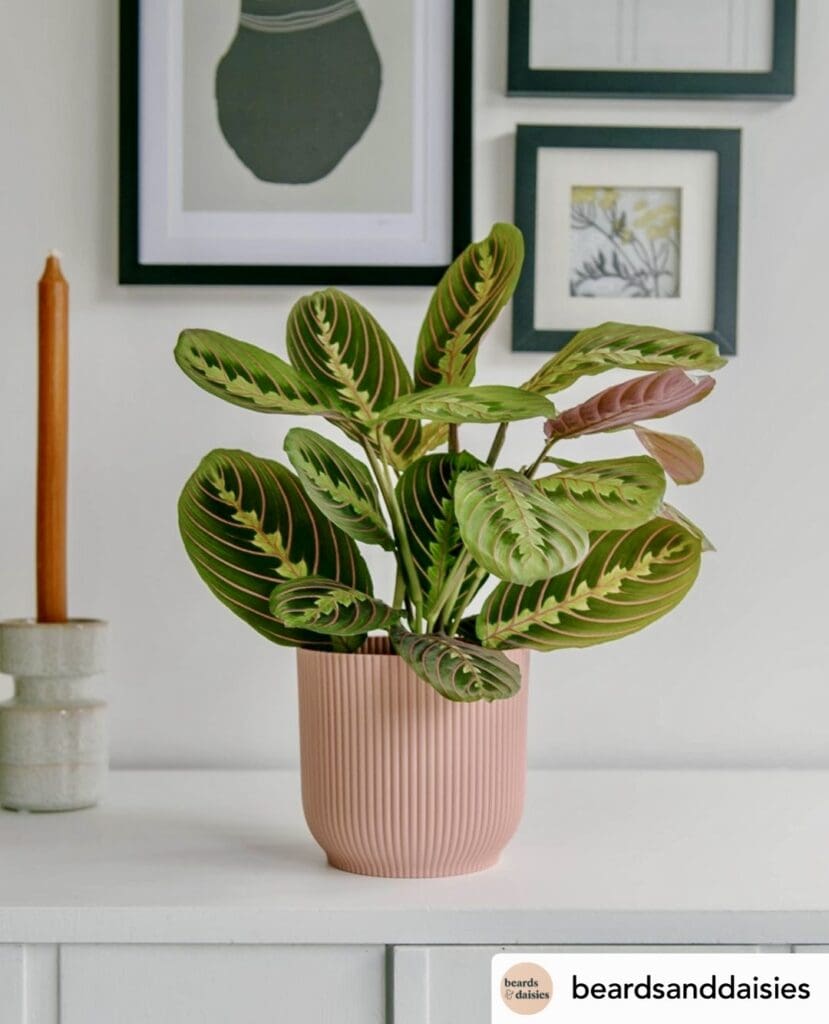
My Prayer Plant is a favorite because it brings so much color and life to my space—without ever putting my pets at risk. It’s totally non-toxic to pets, so I can relax even if my cat or dog gets curious.
The leaves are gorgeous, with patterns in green, red, and cream that catch my eye every time. At night, the leaves fold up like hands in prayer, which is honestly pretty charming.
I’ve noticed it likes indirect light and a bit of humidity. I keep it near a window with filtered sun, and it’s been happy there.
If the leaves start to curl or fade, it’s usually asking for a little more water or humidity. I try to pay attention, but sometimes I forget—thankfully, it’s pretty forgiving.
It stays small, so it’s perfect for a shelf or desk. I love how the colors pop in a simple pot, and it brightens up tight spaces without crowding them.
For me, the best part is how easy it is to care for. A little water, some shade, and the occasional dusting, and it just keeps going. It’s a safe, pretty, low-maintenance win.
11) Blue Echeveria
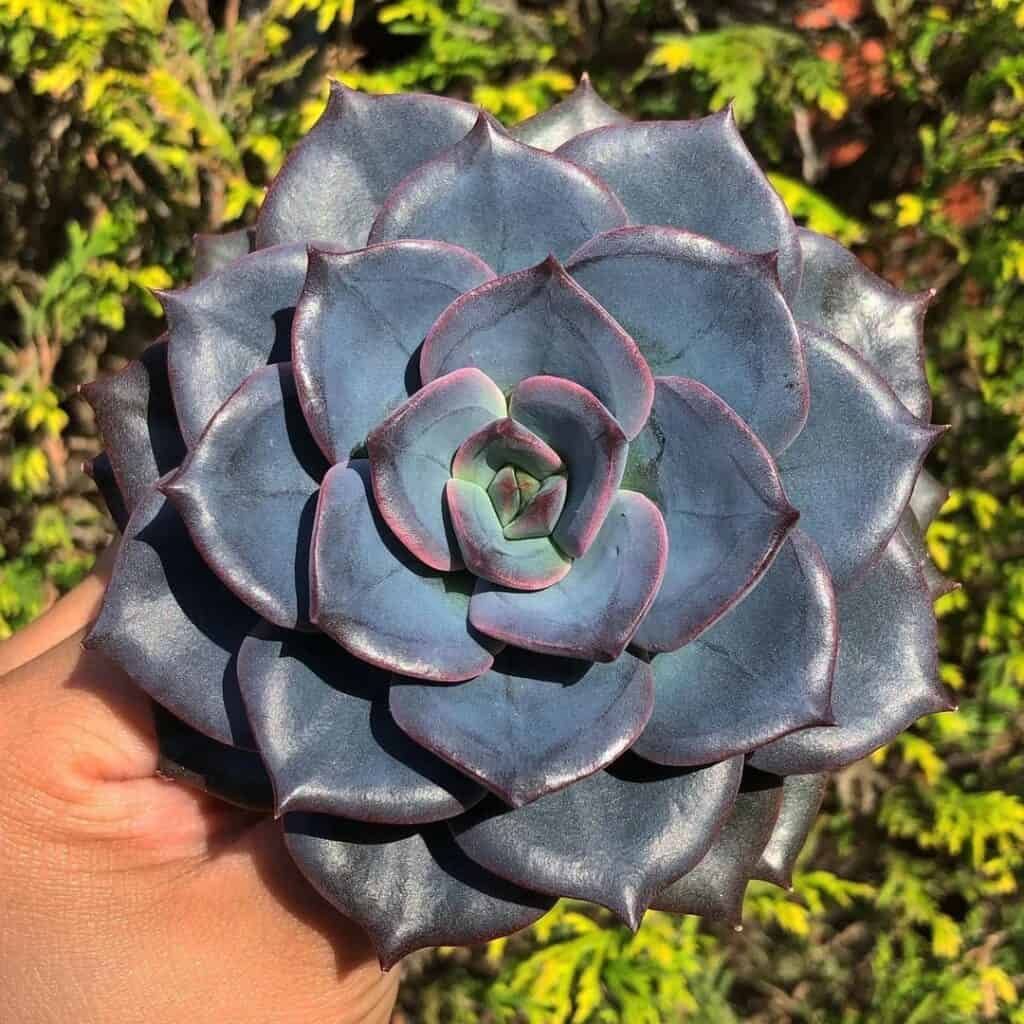
The Blue Echeveria is one of those plants that just makes a room feel put together. Its soft blue-green leaves form a neat little rosette that looks great almost anywhere.
What really sells me is that it’s non-toxic to cats and dogs. I never have to worry if my pets want to check it out or even take a tiny nibble.
This succulent loves bright, indirect light. I keep mine near a sunny window but out of the harsh rays—too much sun can burn those pretty leaves, which I learned the hard way.
I water it only when the soil feels dry. Succulents and overwatering just don’t mix, so I use a pot with a drainage hole to be safe.
Sometimes it sends up little flowers on tall stems, and I think they’re a sweet bonus. The blooms are simple but cheerful, and they fit the plant’s calm vibe.
Because it stays compact, I can tuck it into small spots without making my place feel cluttered. Low maintenance and safe for pets—what’s not to love?
12) Baby Rubber Plant

The Baby Rubber Plant is a breeze to care for. Its small, thick, glossy leaves instantly brighten up any room, and it stays compact, making it ideal for apartments or desks.
My favorite thing? It’s non-toxic to cats and dogs. No worries if my pets get curious or take a nibble—it’s safe and stylish, which is all I really want in a plant.
This plant thrives in bright, indirect light. I keep mine near a window with filtered sun, but it’s flexible and can handle lower light too, which is handy when I move things around.
I let the top inch of soil dry before watering, and that seems to keep it happy. Good drainage is key—I’ve learned that the hard way with other plants.
The leaves do gather dust, so I wipe them with a damp cloth now and then. It takes just a minute and keeps them looking fresh.
It barely needs pruning and rarely drops leaves, so it’s perfect for my busy days. It just keeps growing, slow and steady.
If you’re new to houseplants or want something that’s safe for pets, the Baby Rubber Plant is a no-brainer. It adds a calm, green touch without the hassle.
13) Moth Orchid
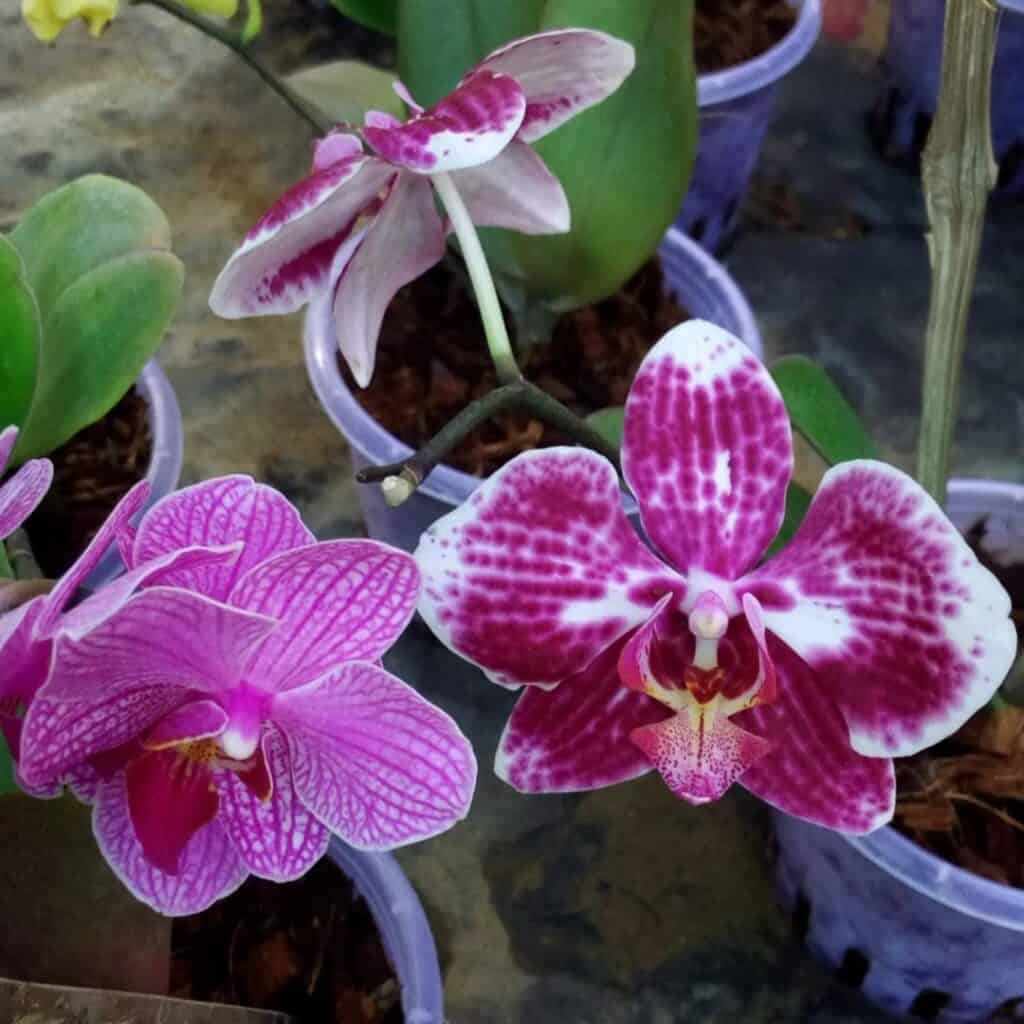
I can’t get enough of Moth Orchids. Their blooms last for weeks and come in soft shades of white, pink, yellow, or purple—so pretty and calming. Plus, they’re non-toxic to cats and dogs, so I can keep them anywhere.
These orchids like bright, indirect light. I put mine near a window with a sheer curtain, since direct sun can scorch the leaves.
Watering took me a bit to figure out, but now I just let the potting mix dry a little before watering again. The key is not to let the roots sit in water—these plants really hate soggy soil.
Humidity helps. I’ll mist the leaves or set the pot near a humidifier, and the flowers seem to last longer that way.
It’s honestly pretty low-maintenance once it’s settled in. No mess, no shedding—my cat sniffs it sometimes, but that’s about it.
When the blooms fade, I snip the flower spike just above a node. After a bit, new flowers show up, and it feels like a little reward for my patience.
The Moth Orchid stays neat and compact, so it doesn’t take over my table. I love seeing those flowers every time I walk by.
For pet owners who want gentle color and easy care, the Moth Orchid is a safe, lovely pick. It makes my home feel brighter without any worry.
14) Peperomia

I’ve always liked having Peperomia around. It’s cute, pet-safe, and there are so many shapes and colors to choose from—it’s hard not to want more than one.
Peperomia grows slowly and stays small, so it fits perfectly on a shelf or desk. My pets don’t seem interested in it, and it doesn’t make a mess. Great for anyone with curious animals.
I water when the top inch of soil feels dry. It likes bright, indirect light but isn’t fussy if the light’s a bit lower. That makes it easy to care for, especially in apartments.
It barely needs fertilizer, and pests aren’t usually a problem. I just wipe the leaves when they get dusty, and that’s about it.
There are lots of types to try—Peperomia obtusifolia, watermelon Peperomia, and even the baby rubber plant. Mixing a few together adds some nice variety.
Since it’s non-toxic to pets, I don’t have to worry if my cat gets a little too close. That’s why Peperomia is always on my list.
15) Haworthia
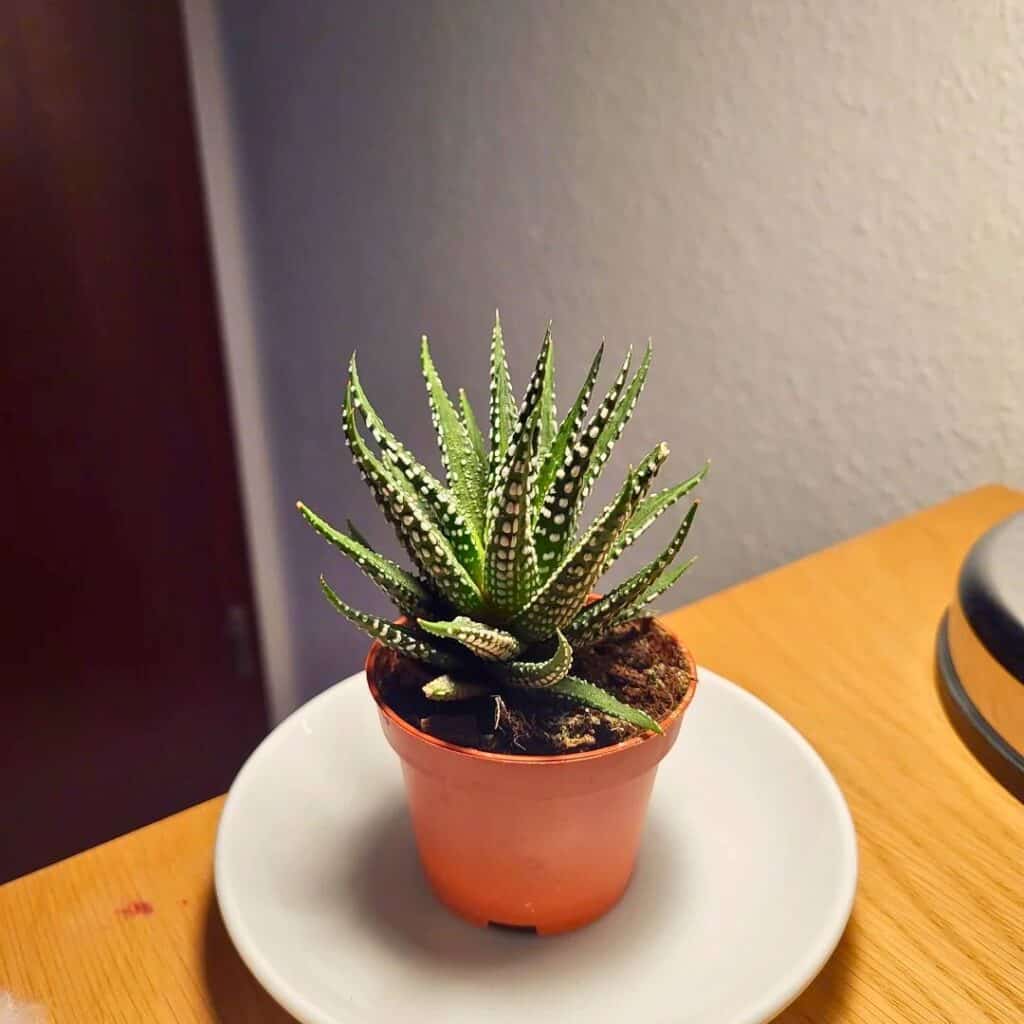
I really like Haworthia plants. They look like mini succulents and are totally safe for cats and dogs. The thick, green leaves often have cool stripes or patterns, which makes them stand out.
This plant is compact and tidy, so I can squeeze it onto almost any windowsill or shelf. I keep mine on a sunny ledge, and honestly, it doesn’t ask for much. Haworthia thrives in bright, indirect light and doesn’t mind if I forget to water it now and then.
Letting the soil dry out between waterings keeps the roots healthy. Too much water is a no-go, so I always make sure the pot drains well. If you’re forgetful about watering, this one’s forgiving.
I love the simple beauty of the rosette-shaped leaves. They bring a modern, clean look to my space, and since the plant stays small, it never crowds out my other plants.
Haworthia is a great addition to my pet-friendly collection. It’s low-maintenance, good-looking, and safe for animals. Honestly, it’s hard to beat for a houseplant arrangement.
16) Polka Dot Plant
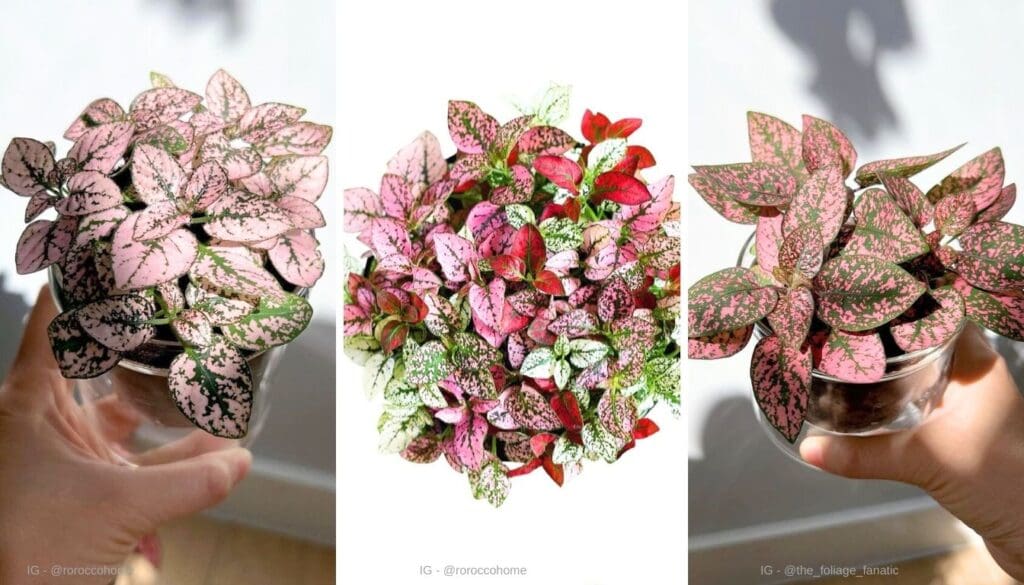
The Polka Dot Plant is such a cheerful little plant. Its leaves come in pink, red, or white with green spots—so fun for a windowsill or desk. It stays small, which makes it easy to fit in anywhere.
It’s safe for cats and dogs, so I don’t have to stress if a pet gets curious. I still try to keep it out of reach, though, since eating too much can upset their stomachs.
The Polka Dot Plant prefers bright, indirect light. I keep mine near a sunny window but out of direct sun so the colors stay bold. If it starts looking dull, I’ll move it to a brighter spot.
Watering is pretty simple. I keep the soil evenly moist but not soggy—just a drink when the top layer dries out. A pot with drainage is a must.
I trim it now and then to keep it bushy. If it starts to stretch, a quick pinch of the tips brings it right back.
Dry air isn’t its favorite, so I mist the leaves when my place gets stuffy. A little humidity goes a long way, especially in winter.
With its bold colors and easy care, the Polka Dot Plant is a fun addition to my indoor garden. It mixes well with other pet-safe plants and brings a splash of color wherever it goes.
17) Lipstick Plant
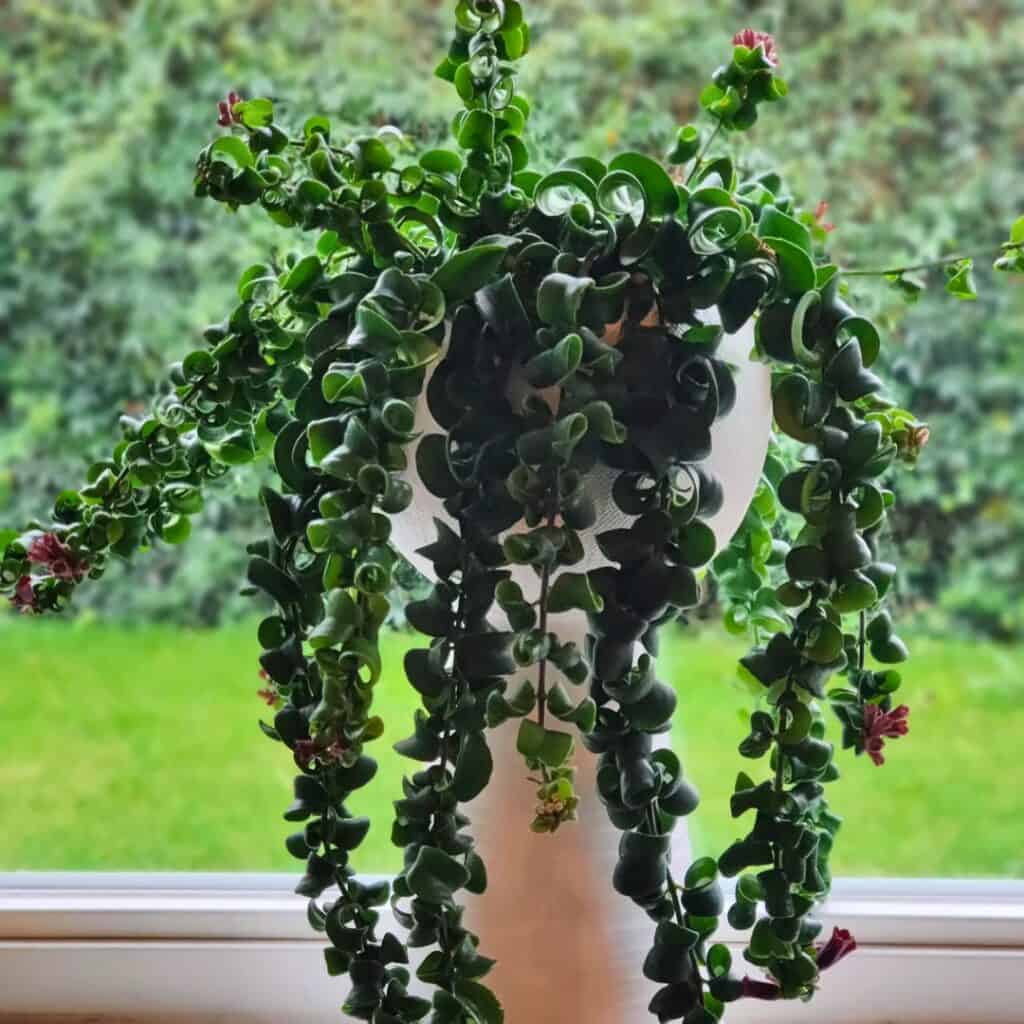
I’m a big fan of the Lipstick Plant—those quirky, tube-shaped flowers really do look like little lipsticks about to pop. It brings such a cheerful splash of color to any room, and honestly, knowing it’s safe for cats and dogs is a huge relief.
No need to stress if my pets get curious and poke around the leaves. This plant is easygoing, which is perfect for days when I forget to fuss over it. I keep it in bright, indirect light so the vines and flowers stay healthy.
It likes a bit of humidity, so I’ll sometimes stick it in the kitchen or bathroom. When the soil dries out, I give it a light drink—overwatering can make the roots unhappy.
The trailing stems look great draping from a shelf or hanging basket. Those glossy leaves stay green all year, so I get a touch of nature even when it’s chilly outside.
It grows at a slow pace, so I don’t have to trim or repot it all the time. If you want a low-maintenance, pet-safe plant that adds a bit of charm, the Lipstick Plant is honestly a fantastic pick.
18) Friendship Plant

I really enjoy having a Friendship Plant at home—it adds a lush, green vibe without making me worry about my pets. Also called Pilea involucrata, it’s totally non-toxic to cats and dogs.
It’s nice not having to stress when paws and noses get a little too close. The leaves have this soft, textured feel, which makes it stand out on my shelf.
I keep mine in bright, indirect light and water when the top inch of soil dries out. Good drainage is key, since soggy soil isn’t its thing.
What’s fun is how easy it is to share with friends. The plant grows little offshoots that I can separate and pass along—spreading greenery is always a win.
This one thrives in warm, humid rooms, so I like keeping it near a kitchen or bathroom window. I mist it lightly every few days, and watching it grow makes my space feel livelier.
19) Money Tree

The Money Tree (Pachira aquatica) is so easy to care for, and I love how it looks with those shiny leaves and braided trunk. It’s non-toxic to cats and dogs, so I don’t have to worry if my pets get a little too close.
It grows best in bright, indirect light but can handle a bit of shade. I water every week or two, letting the soil dry out a bit—root rot is a real thing, so I always check the top inch before watering.
The braided stems are a cool detail, and I keep mine near a window for gentle light. It just adds a calm, natural touch to my space without asking for much.
The Money Tree grows slowly, which is great for both small apartments and bigger rooms. If I see any yellowing, I know it’s time to adjust the water or move it to more light.
Having a pet-safe plant that looks stylish and stays healthy is definitely worth it. The Money Tree brings easy greenery into my home, and I can enjoy it without any pet worries.
20) English Ivy

I’m drawn to English Ivy for its classic trailing vines and timeless shape. It brings a calm, natural vibe to shelves, baskets, or even climbing up a wall.
The leaves stay bright and full even in low light, so it’s perfect for cozy corners. But here’s the catch—English Ivy is toxic to cats and dogs if they chew the leaves.
Because of that, I always keep mine way out of reach. A high shelf or hanging pot does the trick, letting me enjoy its beauty without risking my pets’ health.
Ivy likes bright, indirect light and slightly moist soil, but it’s not needy. I let the top layer of soil dry a bit before watering again.
If I want the same look without the worry, I’ll go for pet-safe alternatives like spider plants or even faux vines. Still, there’s something about real English Ivy that’s hard to beat.
As long as I keep it up high and care for it, I can safely enjoy English Ivy at home and keep my pets out of trouble.
21) Bird’s Nest Fern

The Bird’s Nest Fern really brings a calm, tropical feel to any room. Those wide, wavy fronds grow out in a bright green rosette, and honestly, it looks fresh all year.
I don’t even need flowers—its shape is enough to make it stand out. It’s safe for both cats and dogs, which is a huge win for me.
I can relax knowing my cat or dog can get close without any danger. That means I can put it on a coffee table or a low shelf and not worry.
The Bird’s Nest Fern thrives in medium or low light, so it works in spots that don’t get much sun. I keep the soil just moist, not soggy, and if the leaves curl, that’s my sign to water.
It loves humidity, so I often place it in the bathroom or by a kitchen window. When the air feels dry, a quick misting perks it right up.
This plant stays compact and grows slowly, so it fits nicely on desks or small stands. I like how its soft texture balances out harder décor—metal frames, glass, you name it.
If you’re after a hardy, pet-friendly plant with relaxing vibes, the Bird’s Nest Fern is a solid choice. It’s gentle on pets and looks good anywhere.
22) Venus Flytrap

The Venus Flytrap always catches my eye with those bright green traps and red centers. It’s such a fascinating little plant—even if it’s known for “eating” bugs, it’s still safe for cats and dogs.
I keep mine on a sunny windowsill where it gets plenty of light. It does best with distilled or rainwater, not tap water.
The traps snap shut when something brushes the tiny hairs inside, which is always a conversation starter. I’ve learned not to mess with the traps too much—handling them just wears the plant out.
If it’s indoors and can’t catch its own bugs, I’ll feed it a live insect now and then. It stays pretty small, so it fits in tight spaces, and I love that it doesn’t drop leaves or make a mess.
Having a pet-safe carnivorous plant like this is just fun. Even if my cat gets curious, I know it won’t do any harm.
23) Christmas Cactus
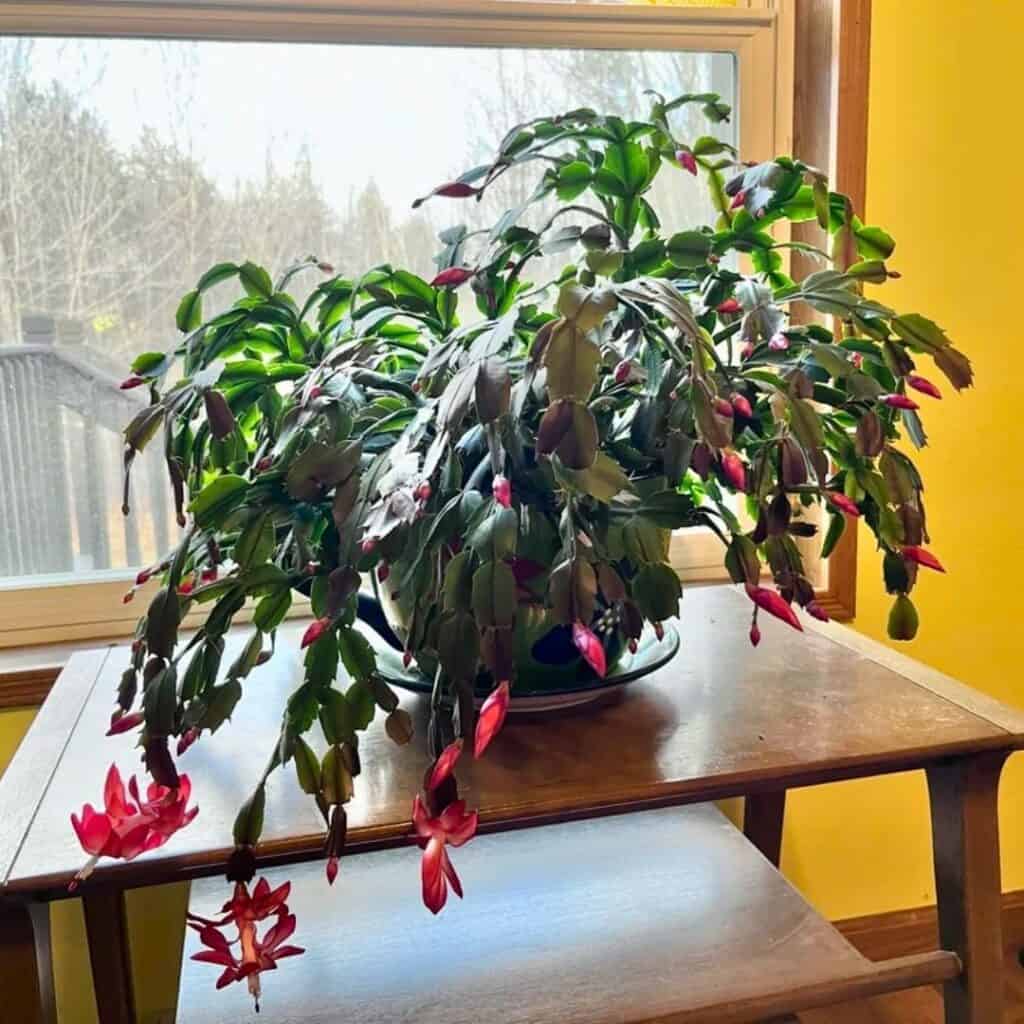
The Christmas Cactus is such a treat in winter—those pink, red, or white blooms brighten up my home when everything else feels a bit dull. It’s a relief that it’s non-toxic to cats and dogs, so I can relax if my pets get too close.
I do still keep it out of reach, since any plant can upset a pet’s stomach if they chew on it. But it’s nice knowing it isn’t dangerous.
This plant likes bright, indirect light and regular watering. I let the top inch of soil dry out before watering again—too much water is a no-go.
I always use well-draining soil and a pot with drainage holes. When it blooms, the flowers last for weeks and really liven up the room.
With a little care, my Christmas Cactus can stick around for years and even get bigger. It’s such an easy, colorful, and pet-safe option for the house.
24) Air Plant
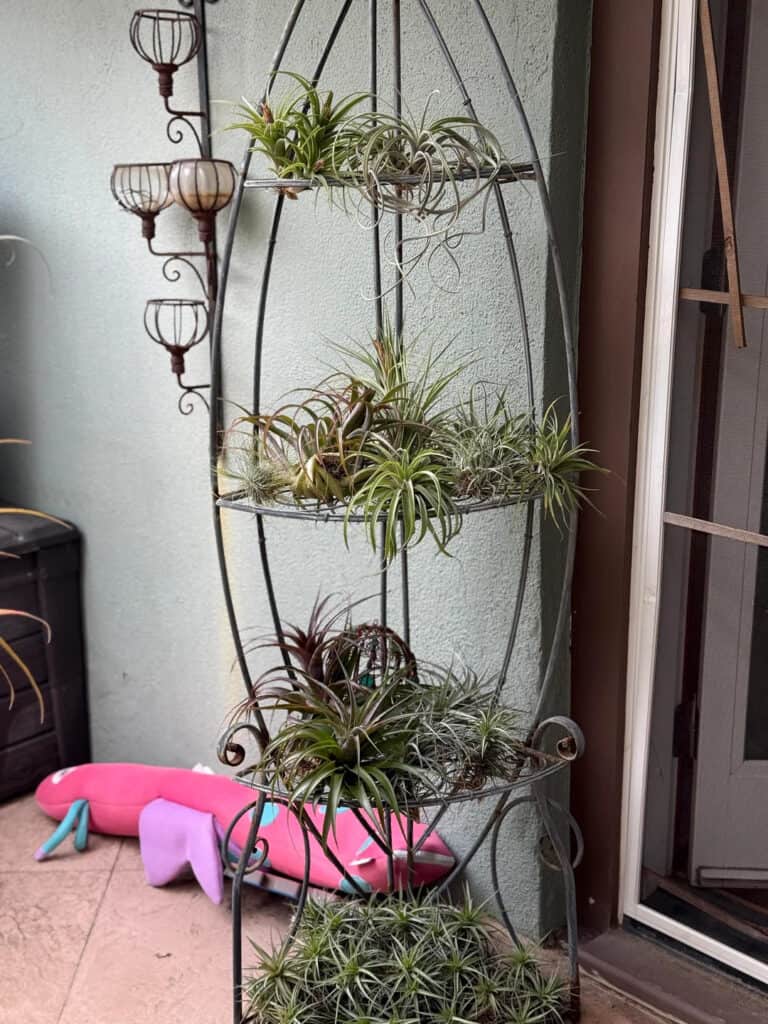
I can’t get enough of air plants—they bring life to a room without needing any soil at all. They’re small, easy to move, and honestly, just fun to have around.
Air plants are non-toxic to cats and dogs, so I never worry when my pets get a little too interested. They can sniff or tap the leaves, and it’s totally fine.
Care is a breeze. I just soak them in water for about 20 minutes once a week, then let them dry before putting them back. The rest of the time, they’re happy in bright, indirect light.
Because they don’t need soil, I get to play around with how I display them—glass terrariums, seashells, even mounted on the wall. It’s fun to switch things up when I change my décor.
There are so many shapes and sizes—curly Tillandsia ionantha, soft Tillandsia xerographica—I like mixing them for variety. They freshen up any space, and my pets stay safe.
25) Burro’s Tail

I adore how Burro’s Tail brings a soft, cozy feel to my shelves or hanging baskets. Those long, trailing stems with plump, pale green leaves are just so charming.
It’s a relief that this succulent is safe for cats and dogs. I still keep it out of reach, mostly because the leaves fall off so easily.
Burro’s Tail likes bright, indirect sunlight and well-draining soil. Mine sits near a window for gentle light, and I only water when the soil is bone dry—overwatering is the enemy here.
I’ve learned not to move it around much since the leaves drop if I’m not careful. When I do handle it, I’m extra gentle.
With the right care, it grows slowly and stays healthy. It’s simple, lovely, and—best of all—my pets are safe around it.
Reasons to Choose Pet-Safe Indoor Plants
I really like filling my home with greenery that’s safe for my pets. It keeps the air fresh, brightens up each room, and helps everyone—pets included—feel more relaxed and healthy.
Choosing non-toxic plants means I’m not worrying about surprise vet visits or stressful health scares.
Health Benefits for Pets and People
I’ve noticed my pets seem calmer when they’re surrounded by natural plants. Pet-safe plants like spider plants, Boston ferns, and prayer plants release clean oxygen and help cut down on indoor dust.
That just makes breathing easier for all of us. A lot of plants boost humidity too, which helps with dry skin and sore throats.
My dog’s coat even looks better when the air isn’t so dry. Having greenery indoors also helps me relax and focus better.
A few quick benefits I’ve seen:
- Cleaner air: Filters out dust and mild toxins.
- Better mood: Greenery lifts spirits and calms nervous pets.
- Improved comfort: Adds humidity for healthier skin and fur.
Living with safe plants is such a simple way to care for my pets and make my home a little more peaceful.
Common Dangers of Toxic Houseplants
Some plants look beautiful but, honestly, they can be pretty dangerous for cats and dogs. Lilies, aloe, pothos, and philodendrons have stuff inside them that can really mess with a pet’s stomach—or worse, if they eat enough.
I always try to double-check plant types before bringing anything new home. I mean, it’s just not worth the risk.
If pets chew or lick toxic leaves, you might notice symptoms like vomiting, drooling, or even loss of balance—and it can happen fast. That’s scary, so I try to learn what the early warning signs look like.
Toxic parts aren’t always obvious; sometimes it’s the leaves, sometimes the sap, or even the stems. To play it safe, I keep a short list of pet-friendly plants on my phone for quick checks at the store.
Tips for Keeping Your Plants and Pets Happy Together
A little planning goes a long way when it comes to making a home where both pets and plants can actually thrive. I focus mostly on placement, supervision, and just keeping an eye on things.
Safe Placement Strategies
Before I bring home a new plant, I really think about where it’ll go. Height and accessibility are huge factors.
I like putting plants up on sturdy shelves, tall stands, or hanging planters—anything that keeps those curious paws away. Heavy pots are a bonus since pets can’t knock them over as easily.
If I do use floor pots, I tuck them into corners or behind furniture where my pets don’t usually wander. Sometimes I’ll even add little barriers, like decorative fences or stands, just to make access a bit trickier.
Sprinkling cinnamon or citrus peels near the pots? That’s a trick I use sometimes, since pets don’t seem to like the smell and it won’t hurt them.
Here’s a quick guide:
| Location | Best For | Why |
|---|---|---|
| High shelves | Cats | Harder to jump near delicate leaves |
| Hanging planters | Dogs & cats | Keeps soil out of reach |
| Room dividers | Small pets | Adds distance without limiting light |
Consistent training helps a lot, too. I use simple cues like “no,” and reward my pets when they leave the plants alone.
Over time, they get the message—plants aren’t toys.
Recognizing Signs of Plant Toxicity in Pets
I try to stay alert for any weird changes in my pets’ behavior around plants. Early signs, like drooling, vomiting, pawing at the mouth, or just acting tired, can pop up soon after they chew something they shouldn’t.
I keep a list of non-toxic and toxic species near my garden area, just in case. If my pet ever nibbles on something suspicious, I don’t wait—I call my vet or the pet poison helpline right away.
During the first few days with a new plant, I watch how my pets react. If they seem too interested, I move the plant or block it off immediately.
I also make a habit of checking for fallen leaves or flowers—sometimes even safe plants can cause problems if pets eat too much.
Keeping an eye on these little details helps me keep the peace in my pet-friendly plant space.
Frequently Asked Questions
I’m always trying to keep my pets healthy, so I make sure to check which plants are safe before bringing them inside. The bonus? Lots of pet-safe plants also clean the air and add a splash of color.
What are some non-toxic plants for cats to have indoors?
I’ve found that Spider Plants, Boston Ferns, and Areca Palms are great choices for cats. They’re safe if your cat decides to take a nibble, and they do well in bright, indirect light.
Can you recommend dog-friendly houseplants that are easy to care for?
Definitely! Parlor Palms and Bamboo Palms are two of my go-tos. They’re low-maintenance, safe for dogs, and honestly, all they need is a bit of water when the soil feels dry and a spot near a sunny window.
What are the safest indoor plants for pet owners to keep?
I stick with plants that are non-toxic and easy to grow. Areca Palms and Spider Plants are favorites—they add some nice greenery and don’t put pets at risk.
Are there any common houseplants that could be harmful to pets?
For sure—some popular ones can actually be dangerous. Lilies, Aloe Vera, and Pothos can make cats or dogs sick if they snack on them. I always double-check before buying a new plant.
How can I tell if a plant is safe for my pet before bringing it home?
I usually search the ASPCA’s list of toxic and non-toxic plants, or I’ll just ask my vet. Reading the plant label or checking the scientific name online helps confirm if it’s safe.
What indoor plants can help improve air quality without risking pet health?
Plants like Boston Ferns, Areca Palms, and Parlor Palms clean indoor air, plus they’re safe for pets.
Honestly, I like these because they add a bit of freshness without worrying about my furry friends. Isn’t it nice when you don’t have to choose between plants and pets?
Note: Some images in the articles are sourced from Reddit and Other Platforms For Reference Purpose.