
Curly Spider Plant Bonnie Care Tips
The Curly Spider Plant ‘Bonnie’ is honestly one of my favorite houseplants. It’s easygoing and looks cool in just about any room.
Those curly leaves really set it apart from the standard spider plant, and I love how it grows baby plantlets that dangle down like little green ornaments.
With a few simple care steps, my ‘Bonnie’ stays healthy and puts out new growth year-round. They’re forgiving plants, but they do need a good balance of light, water, and humidity if you want them to look their best.
In this guide, I’ll cover everything from watering routines to troubleshooting the weird stuff that sometimes pops up. You’ll get tips on keeping those leaves green, when to repot, and how to spot issues before they get out of hand.
Please note: Simplify Plants is reader-supported. As an Amazon Associate, I earn from qualifying purchases made by our readers with no extra cost added to you all! Some links in the post are affiliate links and I get a commission from purchases made through links in the post.
1) Provide bright, indirect light
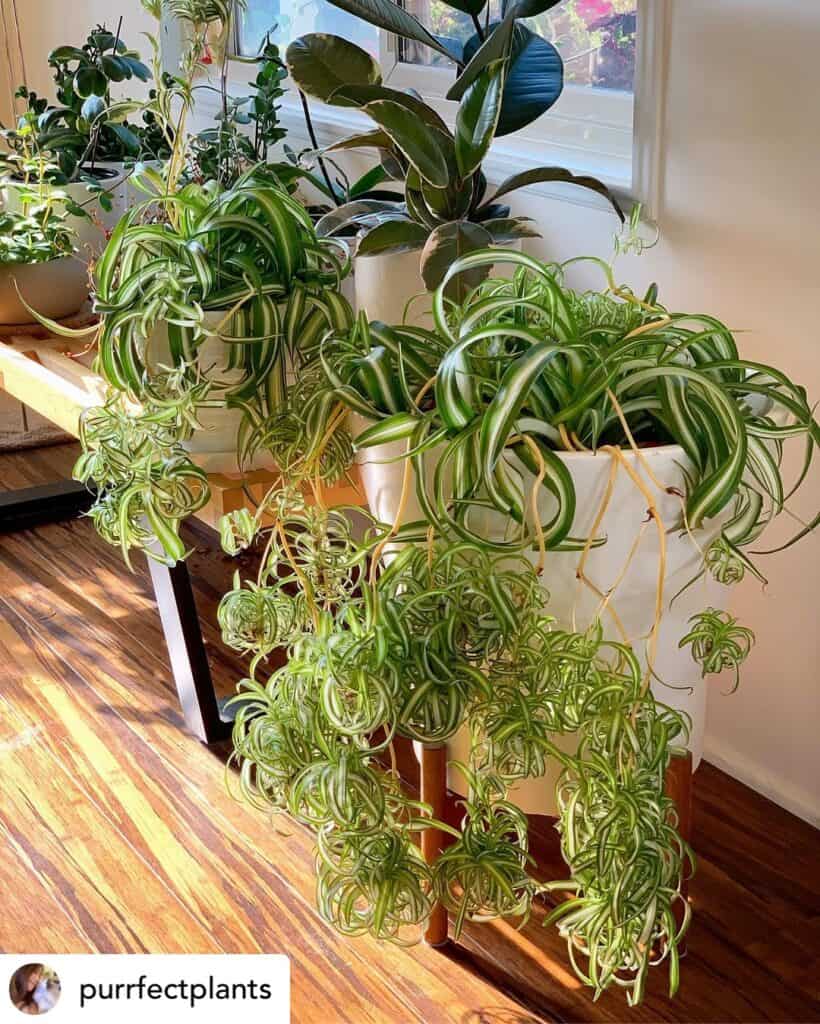
I always keep my Curly Spider Plant ‘Bonnie’ near a window for lots of light, but never in direct sun. Direct sunlight can burn those curly leaves and cause brown tips—definitely not what you want.
An east or north-facing window is perfect for mine. If all you’ve got is a south or west window, just pull the plant back a bit or hang up a sheer curtain to soften the light.
If your ‘Bonnie’ isn’t getting enough light, the leaves might lose their curl or you’ll see the growth slow down. Sometimes it gets a little leggy as it stretches toward the light.
Quick Tip: Give your plant a quarter turn every week or so for even growth all around.
During those darker winter months, I move my ‘Bonnie’ closer to the window. But if you do that, keep an eye out for any leaf bleaching—sometimes too much light all at once can be a shock.
2) Water when top inch of soil is dry
Before I water my ‘Bonnie’, I stick my finger about an inch into the soil. If it feels dry, that’s my cue to water.
Spider plants really hate soggy roots. Too much water can cause root rot, which is a quick way to lose a good plant. When I water, I make sure it drains right out the bottom of the pot.
Quick Tip: In winter, water less often—growth slows down and the soil stays wet longer.
The curly leaves can sometimes make it tricky to see what’s happening with the soil, so I never just guess. The finger test is honestly the best way.
If you’re in a dry area or running the heat a lot, you might need to water more often. But seriously, skip the strict schedule—checking the soil is always better.
3) Use well-draining potting mix
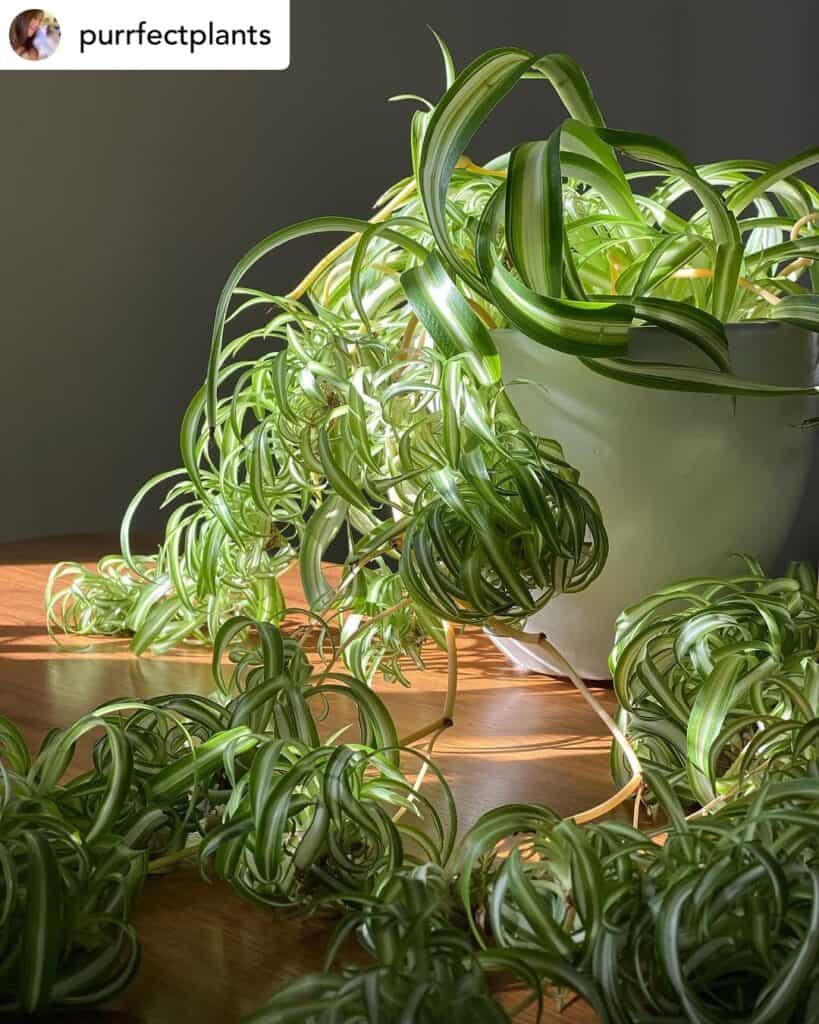
Your ‘Bonnie’ really doesn’t like sitting in wet soil. I always use a potting mix that drains quickly so the roots stay happy.
A good mix for spider plants usually has perlite, peat moss, or coconut coir. These help water move through instead of pooling at the bottom—regular garden soil is just too heavy.
Quick Tip: I mix in about 20-30% perlite with basic potting soil if I’m making my own blend.
When I water, the excess drains out in seconds. That’s what you want. If water just sits on top, your mix is too dense—probably time to change it up.
You can buy ready-made mixes for houseplants or even succulents at any garden center. Both work well for spider plants since they’re designed to keep roots from getting soggy.
4) Keep humidity levels around 40-50%
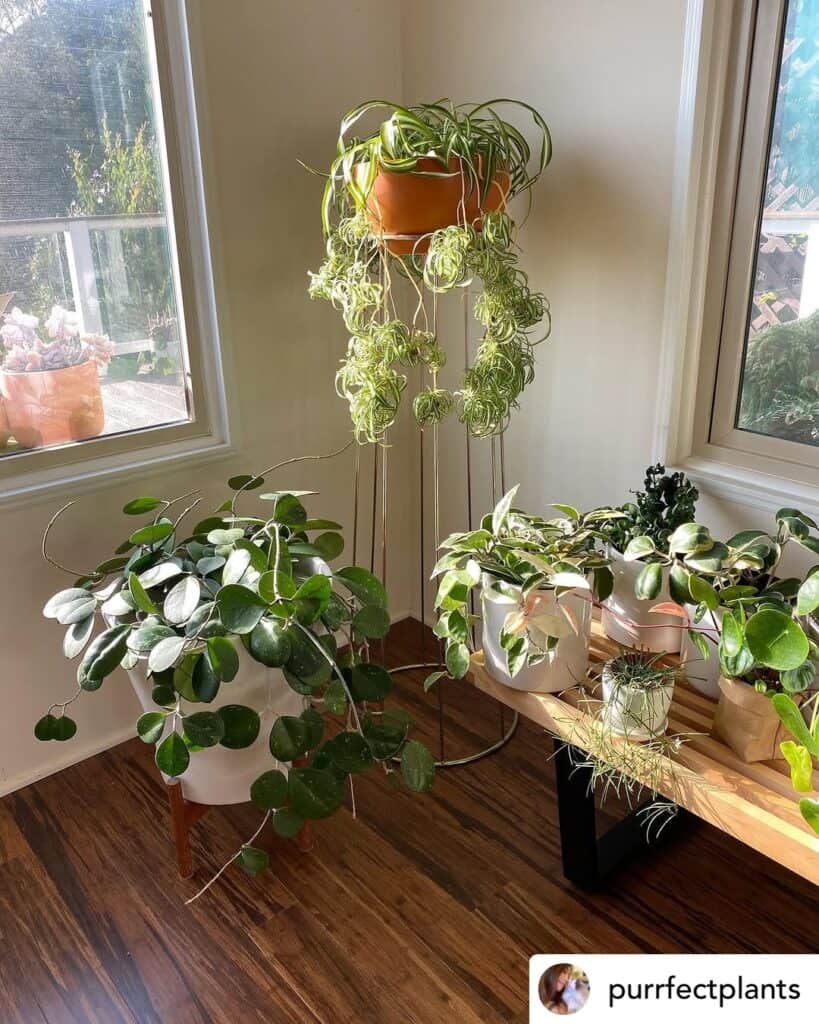
From what I’ve seen, ‘Bonnie’ isn’t super picky about humidity, but it seems happiest around 40-50%. Most homes fall in that range anyway, so it’s not a hassle.
If the air gets too dry, you might see brown tips on the leaves. Happens a lot in winter with the heat on all day. A small humidifier nearby can really help.
Quick Tip: Group your ‘Bonnie’ with other houseplants to bump up the local humidity a bit.
No need to overthink it with misting or gadgets. I just check the leaves—if the tips look crispy, the air’s probably too dry. When it’s humid or in summer, make sure there’s some airflow so you don’t get fungus issues.
5) Fertilize monthly during growing season with balanced fertilizer

I feed my ‘Bonnie’ about once a month from spring through early fall. That’s when it’s busy putting out new growth. I go for a balanced liquid fertilizer—something like 10-10-10 or 20-20-20.
In winter, I stop fertilizing altogether. The plant just doesn’t need it when it’s resting.
I always dilute the fertilizer to half strength—spider plants are kind of sensitive, and too much can cause brown tips. Mix it with water and pour it on damp soil, not dry.
Quick Tip: If you see brown tips even though you’re watering right, try skipping a month or use even less fertilizer next time.
Keep an eye out for crispy edges or yellow leaves—those are signs you might need to tweak your routine. If the plant’s growing well, you’re probably on the right track.
6) Trim dead or yellow leaves regularly
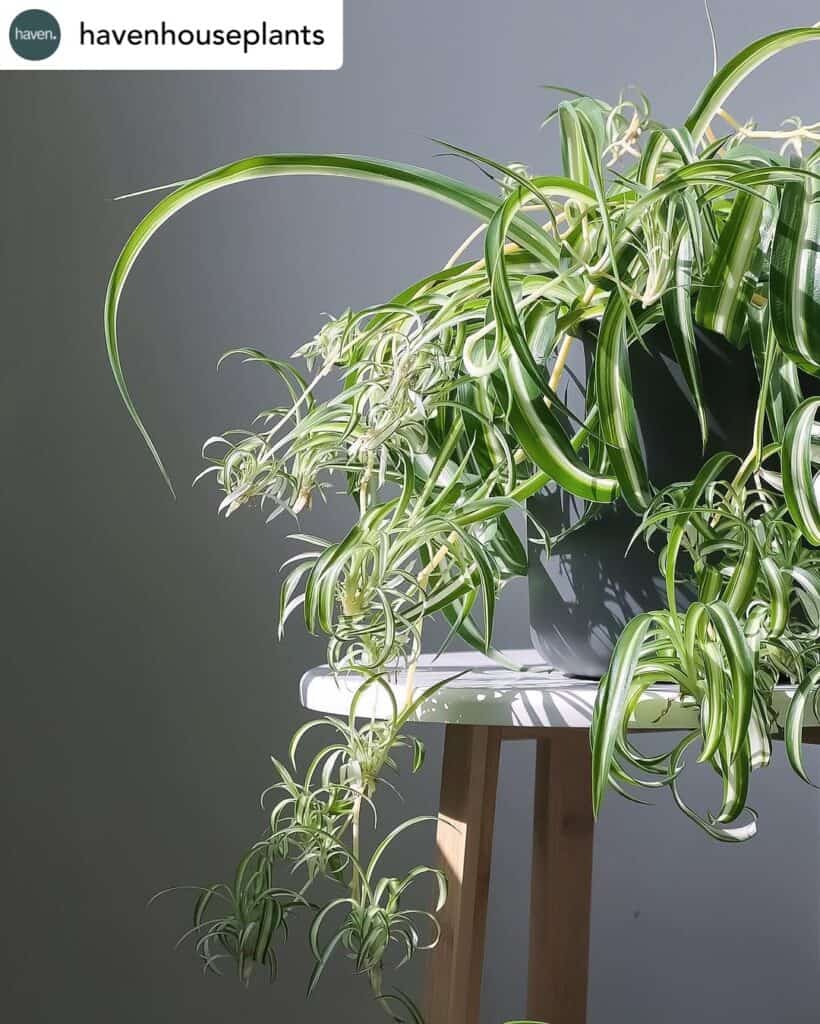
I check my ‘Bonnie’ for yellow, brown, or dried leaves pretty often. Once they’re gone, they’re gone—better to snip them off so the plant doesn’t waste energy.
Dead leaves can attract pests or hold moisture that leads to rot. Cutting them away keeps things tidy and lets air move around the healthy leaves.
Quick Tip: Wipe your scissors with rubbing alcohol between cuts—just in case there’s anything funky going on with the leaves.
I usually do a quick look every week or two when I water. It only takes a minute and really helps the plant look its best. Don’t stress about cutting too much—your ‘Bonnie’ will put energy into new growth instead.
7) Repot every 1-2 years in spring
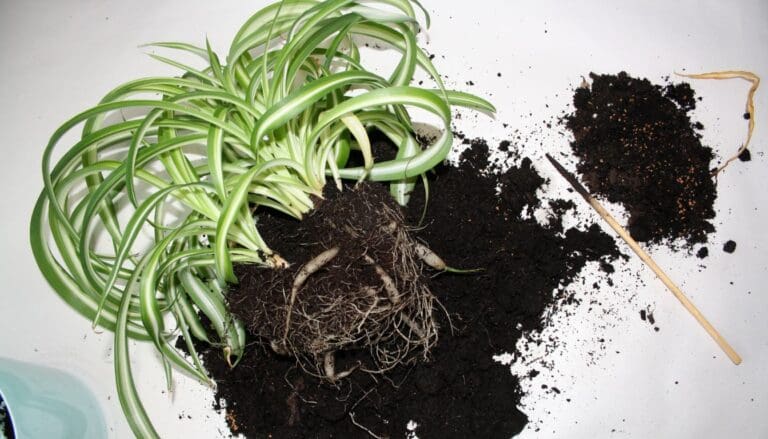
Your ‘Bonnie’ will outgrow its pot every year or two. I look for roots coming out of the drainage holes or circling the top of the soil—those are clear signs it’s time.
Spring’s the best time to repot, since the plant is waking up and will bounce back faster.
Pick a pot just 1-2 inches wider than the old one. Too much space means soggy soil, which is never good. Use fresh, well-draining soil and gently loosen any tangled roots before moving it to the new home.
Quick Tip: If your ‘Bonnie’ looks happy and isn’t rootbound, you can totally wait another year. No need to repot just for the sake of it.
After repotting, give it a good drink and keep it out of direct sun for a few days so it can settle in without extra stress.
8) Avoid cold drafts below 50°F

‘Bonnie’ really doesn’t like it when temps dip below 50°F. Cold air from windows, doors, or AC vents can hurt the leaves and slow growth. I’ve seen brown tips and droopy leaves pop up after just a few chilly nights by a drafty window.
Keep your plant away from those cold spots, especially in winter. Move it at least three feet from windows on freezing nights. If you live somewhere cold, it’s worth checking for sneaky drafts before picking a spot for your plant.
Quick Tip: If the leaves feel cold to the touch in the morning, that’s a sign that spot’s too drafty.
Look out for curling leaves or brown edges that show up suddenly. Those usually mean the temperature dropped too low. Try to keep things between 65°F and 80°F for the best results.
9) Wipe leaves to remove dust
Dust builds up on those curly leaves way faster than you’d expect. Even a thin layer blocks light and makes it harder for the plant to do its thing.
I use a soft, damp cloth and gently wipe each leaf every few weeks. The curls trap dust, so I take my time and get into the folds. Cold water works fine—no need for leaf shine sprays, which can actually do more harm than good.
Quick Tip: Support each leaf from underneath while you wipe to avoid snapping the stems—they can be a bit delicate.
Clean leaves make it easier to spot pests, too. Spider mites and mealybugs love hiding in dusty spots. A quick wipe keeps things fresh and gives me a chance to check for any unwelcome guests.
10) Use a humidity tray with pebbles and water
When the air gets super dry, especially in winter, I set up a humidity tray. It’s really just a shallow tray, some pebbles, and water—nothing fancy.
Fill the tray with pebbles, add water just below the top of the stones, and set your plant pot on top. The water shouldn’t touch the bottom of the pot or you’ll risk soggy soil and root rot.
As the water evaporates, it bumps up the humidity right around your plant. My ‘Bonnie’ seems happier when the air’s not bone dry from the heater.
Quick Tip: Top off the tray every few days, and rinse the pebbles once a month to keep algae away.
Honestly, if you live somewhere humid or it’s summertime, you probably won’t need this at all. The plant gets enough moisture from the air naturally then.
11) Rotate plant weekly for even growth
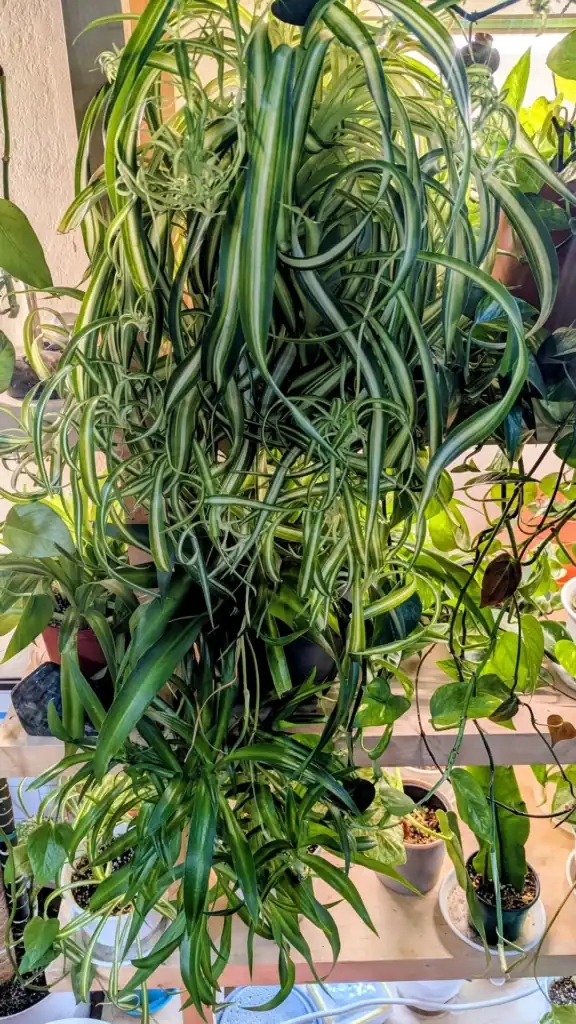
I make a point to turn my ‘Bonnie’ about a quarter turn every week. Plants always lean toward the light, so if you don’t rotate, one side gets bushy and the other can look a bit sad.
Rotating helps all sides get their fair share of sunlight and keeps the shape nice and balanced. I usually do it while I’m checking the soil or trimming dead leaves—it just becomes part of the routine.
Quick Tip: Pick a day you won’t forget—I do it every Wednesday morning with my coffee.
If your ‘Bonnie’ lives near a window or in a spot with uneven light, rotating is even more important. After a few weeks, you’ll see the difference—fuller growth all around, not just on one side.
Troubleshooting Common ‘Bonnie’ Curly Spider Plant Issues
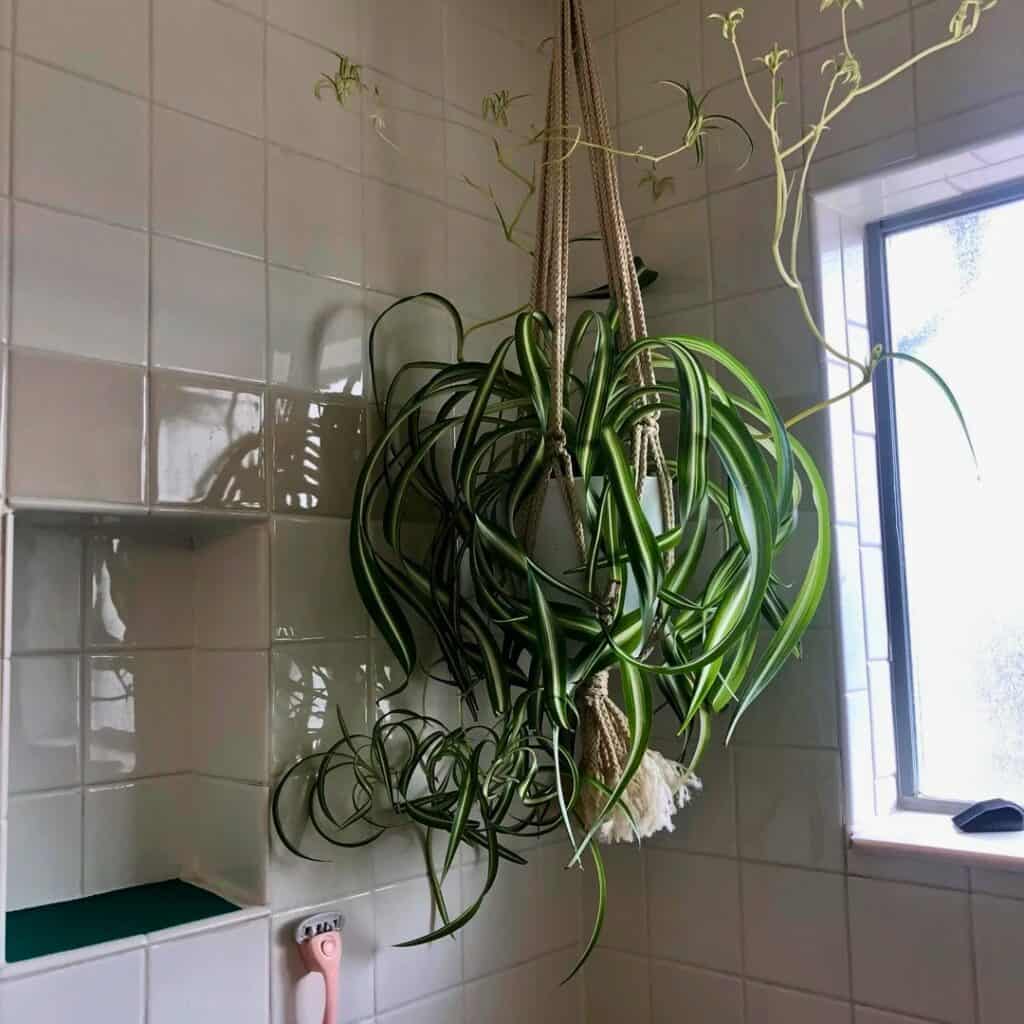
Brown tips, curling leaves, and tiny pests can show up even if you think you’re doing everything right. Let’s go over the most common issues I run into with Bonnie spider plants.
Identifying Pests and Diseases
Spider mites are probably the biggest headache for my Bonnie plants. They make fine webbing between the leaves and leave yellow speckles all over. I always check under the leaves since that’s their favorite hiding spot.
Mealybugs look like tiny white cotton balls tucked into the leaf joints. They suck the sap and leave behind sticky gunk. If I catch them early, I just wipe them off with a cotton swab dipped in rubbing alcohol.
Scale insects show up as small brown bumps on stems and leaves. They’re trickier to remove because of their tough coating.
Fungal issues like root rot happen when the soil stays too wet for too long. Roots turn black and mushy, and leaves start yellowing from the bottom up. I always make sure my pots have drainage holes and let the soil dry out a bit between waterings.
Quick Tip: Spray your plant with neem oil every couple of weeks to keep pests from moving in.
Dealing with Brown Tips
Brown tips usually mean I’m overwatering, or maybe my tap water has too much fluoride and chlorine. My Bonnie doesn’t like soggy soil, so I wait until the top couple of inches are dry before watering again.
Those tap water chemicals can build up in the soil over time. I started using filtered water—or I just let tap water sit out overnight so some of the chemicals have a chance to evaporate.
Low humidity is another culprit, especially in winter when the heat’s blasting indoors and the air gets dry. I try to keep my plant away from heat vents or radiators, just in case.
If the tips have already turned brown, I snip them off with clean scissors, cutting at a slight angle. It keeps things looking neat, and honestly, the plant doesn’t seem to mind.
Quick Tip: Water with room-temperature distilled or rainwater to avoid that annoying mineral buildup that causes brown tips.
Addressing Leaf Curling and Discoloration
Curling leaves usually mean the plant’s stressed out. Nine times out of ten, it’s because it’s too dry—the leaves curl in to save moisture.
I just stick my finger in the soil to check if it’s dry before I start worrying. Too much direct sun can also bleach and curl the leaves, which I’ve learned the hard way.
My Bonnie seems happiest in bright, indirect light, not harsh afternoon sun. After I moved it a few feet back from the window, the new growth looked way healthier.
Yellow leaves at the base? That’s just normal aging. But if there’s a lot of yellowing, it’s probably overwatering or poor drainage—so I check for that telltale rotten smell at the roots and repot if needed.
Pale or washed-out leaves usually mean it wants more light or maybe a little fertilizer. I feed mine with diluted liquid fertilizer about once a month during spring and summer.
Quick Tip: If leaves curl and feel crispy, it’s time to water. If they’re mushy, you’re probably watering too much.
Frequently Asked Questions
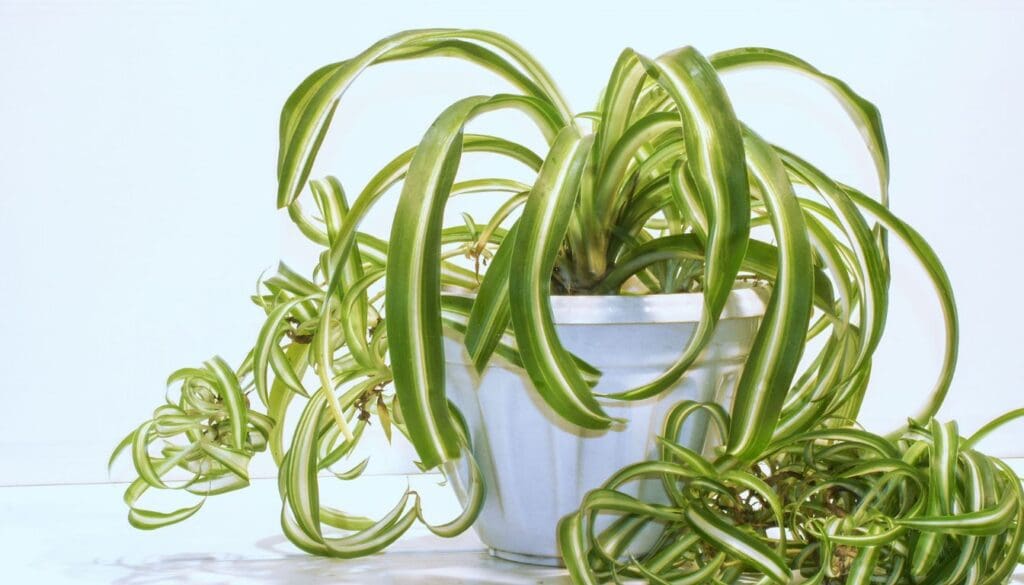
Curly Spider Plant ‘Bonnie’ owners tend to ask about watering, lighting, propagation, soil, repotting, and pest issues.
How often should I water my Curly Spider Plant ‘Bonnie’?
I water my Curly Spider Plant ‘Bonnie’ when the top inch of soil feels dry. For me, that’s usually every 7-10 days, but honestly, it depends a lot on your home’s temperature and humidity.
Stick your finger in the soil to check. If it still feels damp, just wait a few more days.
Quick Tip: Overwatering causes root rot way faster than underwatering will hurt the plant.
I’ve noticed ‘Bonnie’ handles slightly dry soil better than soggy roots. The curly leaves droop a bit when thirsty, which is actually pretty helpful.
What’s the best lighting condition for a healthy Curly Spider Plant ‘Bonnie’?
Bright but indirect light keeps my ‘Bonnie’ looking strong and vibrant. I keep mine near an east or north-facing window where it gets plenty of filtered sunlight.
Direct sun burns the leaves and causes brown tips, but too little light makes the plant leggy and kind of sad-looking.
Quick Tip: A spot about 3-5 feet away from a sunny window seems to be the sweet spot.
The curly leaves stay tighter and more compact with enough light. I like to rotate mine every few weeks so all sides get their fair share.
Can you provide tips for propagating a Curly Spider Plant ‘Bonnie’?
I propagate my ‘Bonnie’ using the baby plantlets that pop up on those long runners. I wait until the babies have little roots before snipping them off the mother plant.
You can root the plantlets in water or stick them right into moist potting mix. If you go the water route, give them 2-3 weeks to grow strong roots before planting.
Quick Tip: Snip the runner with clean scissors, leaving a tiny piece attached to the baby.
Personally, I’ve had better luck planting babies straight in soil. Just keep the soil moist for the first few weeks so the roots get established.
What type of soil is ideal for growing Curly Spider Plant ‘Bonnie’?
I use a well-draining potting mix for my ‘Bonnie’ to keep water from pooling around the roots. A standard houseplant mix with some perlite or coarse sand works just fine.
The soil needs to hold a bit of moisture but still drain quickly. Heavy, dense soil just leads to root problems and yellow leaves.
Quick Tip: Try mixing 2 parts potting soil with 1 part perlite for better drainage.
I skip garden soil or topsoil—they’re just too heavy for pots. My ‘Bonnie’ does best when the roots have room to breathe.
How do I know if my Curly Spider Plant ‘Bonnie’ needs repotting?
I look for roots poking out of the drainage holes as a sign it’s time for a bigger pot. The soil drying out way faster than usual is another clue.
If the plant gets top-heavy and tips over easily, that’s a hint too. I usually repot every couple of years in the spring.
Quick Tip: Go for a pot that’s just 1-2 inches bigger than the current one to avoid overwatering headaches.
I gently slide the plant out and check the roots. If they’re circling the soil in a thick mass, it’s definitely time to upsize.
Are there any common pests to watch out for with Curly Spider Plant ‘Bonnie’ care?
Spider mites—ugh, those are probably the most annoying pests I’ve dealt with on ‘Bonnie’ plants. You might notice their fine webbing on the leaves, and honestly, the speckled yellow patches are a dead giveaway.
Sometimes, aphids or mealybugs make an appearance too. Usually, I’ll catch them as tiny white or green bugs hiding out on the fresh growth.
Quick Tip: Try wiping the leaves down with a damp cloth every month. It’s a simple habit but goes a long way to keep pests at bay.
If I do spot pests, I’ll usually give the plant a good rinse in the shower, or I’ll reach for some insecticidal soap. Keeping the humidity around 40-50% seems to help, since spider mites really love dry air for some reason.
Note: Some images in the articles are sourced from Reddit and Other Platforms For Reference Purpose.




Just what I was looking to learn. Thanks