15 Best Window Box Flowers That Thrive In Full Sun
I’ve always thought a simple window box can turn any plain wall or balcony into a colorful focal point. When you fill it with the right flowers, the whole space just feels more alive—especially when the sun’s out.
Picking blooms that love direct sunlight keeps your display looking bright for months.
In this article, I’ll share which flowers handle full sun best and bring lasting color to your window boxes. You’ll find options that are easy to keep healthy with just a bit of regular care, plus a few ideas for mixing plants to get a nice balance and variety.
It’s really about making a space that’s bright, cheerful, and somewhere you actually want to look at every day.
Please note: Simplify Plants is reader-supported. As an Amazon Associate, I earn from qualifying purchases made by our readers with no extra cost added to you all! Some links in the post are affiliate links and I get a commission from purchases made through links in the post.
1) Petunias
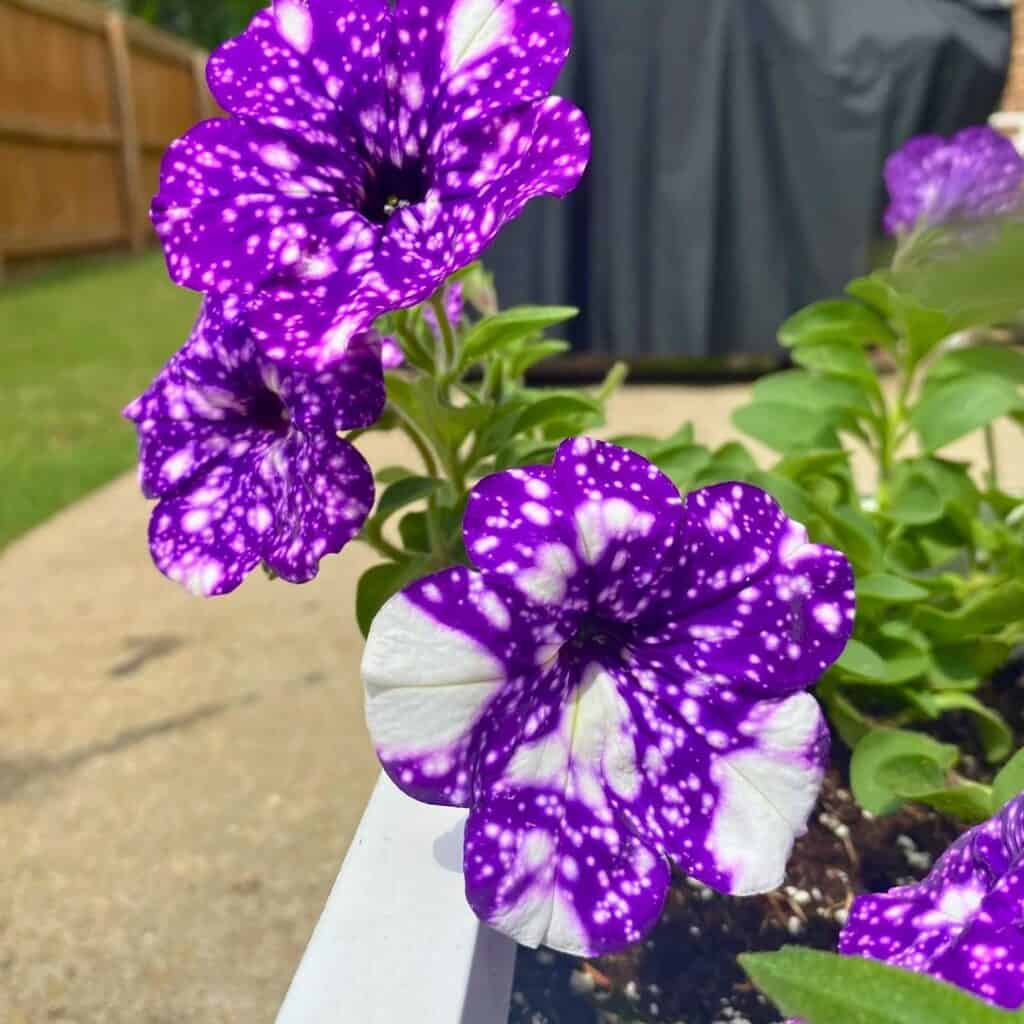
I always end up reaching for petunias when I want steady color in my window boxes. They handle full sun like champs and come in so many shades—soft pastels, deep purples, reds, you name it.
If they get at least six hours of sunlight, they bloom like crazy.
Petunias grow fast and can really fill out a window box with trailing blooms. I love mixing a few colors together for a bolder look.
The trumpet-shaped flowers attract butterflies and sometimes even hummingbirds. It makes the window area feel lively and a little magical.
I water them pretty often, but I’m careful about drainage. Too much water can cause root rot, so I always check that the top layer of soil is dry first.
A simple, balanced fertilizer keeps them blooming strong.
Deadheading faded blossoms is worth the effort. I usually pinch off old blooms once a week—it’s quick and keeps the whole box looking fresh.
When I want easy color and steady performance under bright sun, petunias are one of my first choices. They’re low-maintenance and just plain cheerful.
2) Marigolds

There’s something about marigolds—they’re just so bright and easygoing. The golden yellow and orange petals bring instant cheer to a window box.
These flowers stand up to long hours of direct sunlight and actually need full sun to really bloom.
I’ve found they do great with six or more hours of sunlight daily. They don’t mind the heat either, which is perfect for sunny windows.
I water mine when the soil feels dry, but I try not to overdo it. Their roots handle dry spells better than soggy soil.
A well-draining potting mix helps them stay happy.
Deadheading old blooms keeps new ones coming, and it only takes a minute or two. Plus, marigolds have this clean, spicy scent that seems to keep bugs away.
With their rich color and dependable growth, marigolds make any window box look warm and welcoming. I always enjoy seeing their blooms open in the morning light.
3) Geraniums

Geraniums are one of those flowers that just instantly brighten up a window box. Their blooms are bold and the neat, upright shape makes them stand out—even from the street.
These flowers love full sun and warm weather, which keeps their colors rich and vivid.
I’ve noticed that geraniums are pretty low-maintenance. As long as the soil drains well and I water them regularly, they stay healthy.
Letting the soil dry slightly between waterings helps prevent root rot.
Geraniums come in so many shades—red, pink, white, salmon—so it’s easy to mix and match. Sometimes I pair them with trailing plants like ivy or sweet potato vine for a bit of texture.
Their upright growth adds nice height to the window box.
To keep the flowers coming, I remove faded petals pretty often. It’s a simple step, but it really does encourage new buds.
Every few weeks, I give them a balanced fertilizer to keep the blooms strong and the leaves bright.
When it gets cold, I’ll sometimes bring my geraniums inside to protect them from frost. With good light and less water, they hold up until spring.
They’re definitely one of my top picks for sun-loving window box flowers.
4) Zinnias
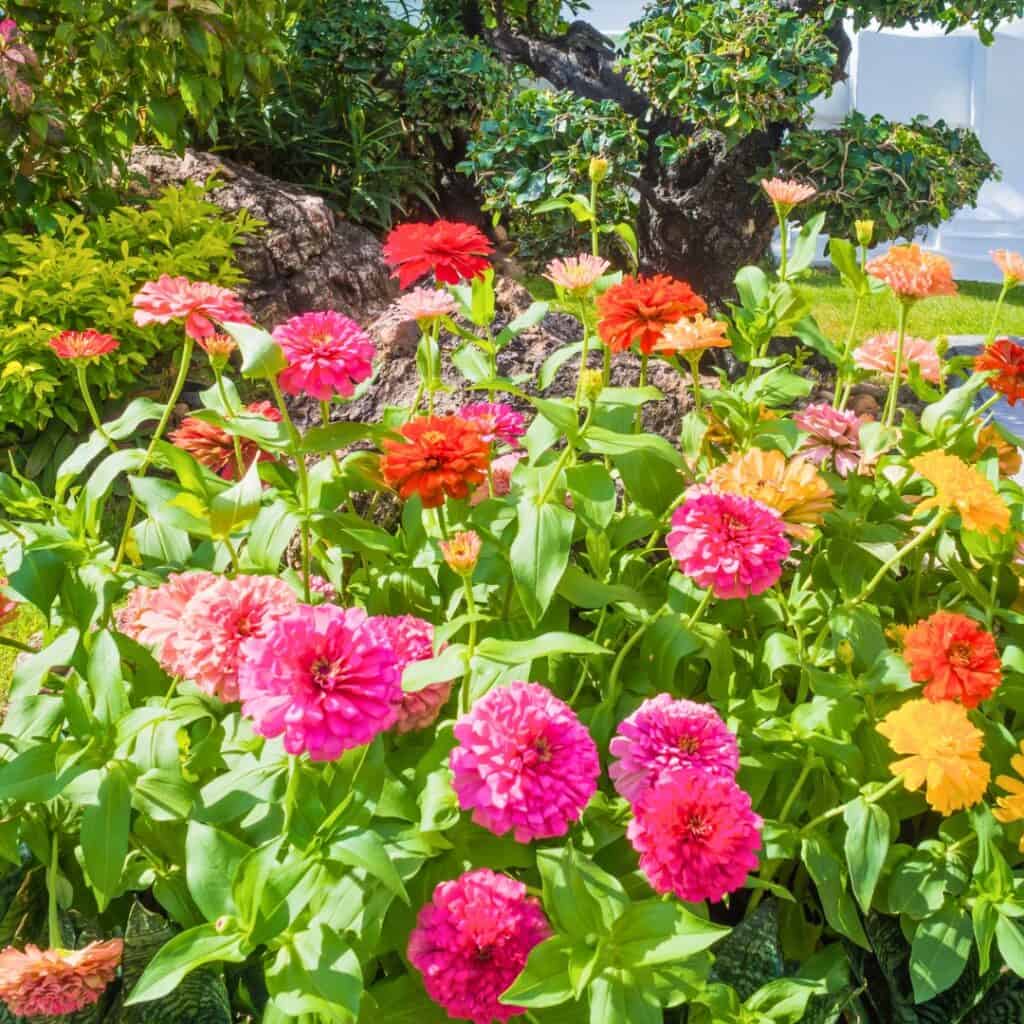
I’m a big fan of zinnias for window boxes. They’re just so bright and cheerful, and they thrive in full sun.
These hardy flowers bloom nonstop through the warm months.
I find them easy to grow, even if I forget to water them once in a while. Zinnias come in a rainbow of colors—red, pink, yellow, orange, purple, white.
Mixing different types gives a really eye-catching display.
The strong, upright stalks help them stand tall, even if it gets windy. I plant them in well-draining soil and water when the top inch feels dry.
Good air flow keeps them healthy and helps prevent mildew.
Once the first flowers fade, I trim them to encourage more blooms. One of the best things is how pollinators love zinnias.
Bees, butterflies, and even hummingbirds drop by, making the window box feel like a tiny garden party.
Zinnias last a long time, both in the box and as cut flowers indoors. They add simple, lasting beauty without much fuss.
Sometimes the easiest flowers to grow really are the most rewarding.
5) Lantana

I can’t help but love Lantana for window boxes. Those clusters of small, bright flowers are real attention-grabbers.
They come in warm shades—yellow, orange, red, pink—and sometimes you’ll see all those colors on the same plant.
Lantana thrives in full sun and actually needs it to bloom well. The more sunlight, the more flowers.
It’s a tough little plant that handles heat and dry soil better than most.
I make sure the soil drains well, since standing water can cause root rot. These plants prefer things a bit on the dry side.
I only water when the top of the soil feels dry.
What I love most is how low-maintenance Lantana is. I don’t have to fuss over it or feed it too often.
A light pruning now and then keeps it bushy and full of fresh blooms.
Bees, butterflies, and hummingbirds are frequent visitors. Seeing them around my window box just makes the whole thing feel alive.
Lantana’s bright colors and sweet scent make it a small but satisfying addition to any sunny window.
6) Gerbera Daisies
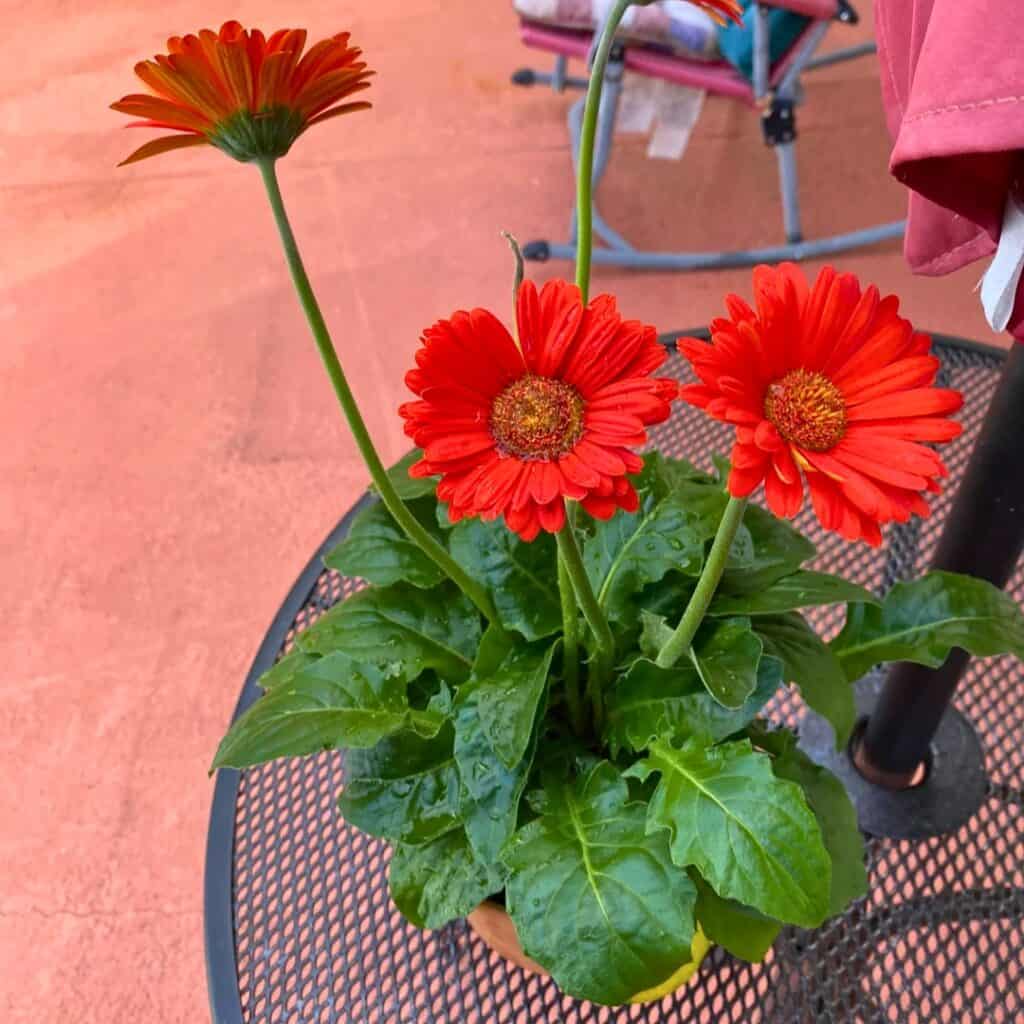
I can’t resist Gerbera daisies—they just add so much bold color and energy to a window box. The large, round blooms look like little bursts of sunshine.
They come in bright shades of pink, orange, yellow, red, and white, so it’s easy to mix and match for a lively look.
Gerberas do best with at least six hours of full sun each day. They like well-draining soil, so I always use a good potting mix and make sure the box has drainage holes.
If the roots stay wet, they can rot, so I let the soil dry a bit between waterings.
To keep the blooms coming, I remove faded flowers often. That encourages new blossoms and keeps the plant healthy.
I feed them every two to three weeks with a balanced liquid fertilizer during the growing season.
Gerberas like it mild to warm, usually between 60°F and 75°F. On really hot days, I’ll move the box to a spot with some afternoon shade to keep the leaves from wilting.
These daisies look great with short grasses or small herbs like thyme or oregano. The mix of textures makes the window box feel full and interesting.
Even a single color can look stunning if I want something a bit more uniform.
When I take care of them, Gerbera daisies bloom from late spring through fall. The long-lasting flowers always make my windows look bright and happy.
7) Portulaca

I’m a big fan of Portulaca, or moss rose, for window boxes. It brings such bright color with almost no effort.
This little succulent loves full sun and shrugs off hot, dry weather that would wilt other flowers.
The blooms come in shades of pink, yellow, orange, red, and white, so you can match any style. The flowers open up during sunny hours and close at night, which gives my window box a lively daytime look.
Portulaca has thick, fleshy leaves that store water. I don’t need to water it often, and it stays healthy even if I forget.
It’s honestly perfect for busy days.
To keep it neat, I’ll pinch off spent blooms every week or so. That helps new flowers appear and keeps the plant compact.
A light, well-draining potting mix is best so the roots don’t get soggy.
Portulaca pairs nicely with other sun-lovers like marigolds or petunias. Mixing textures keeps things interesting.
If I want a fuller look, I let the stems trail a bit over the box edge.
It grows fast, so I usually start fresh each spring with small plants. They fill in quickly and bloom all summer.
Portulaca is honestly one of the easiest ways to get long-lasting color in a sunny window box.
8) Verbena
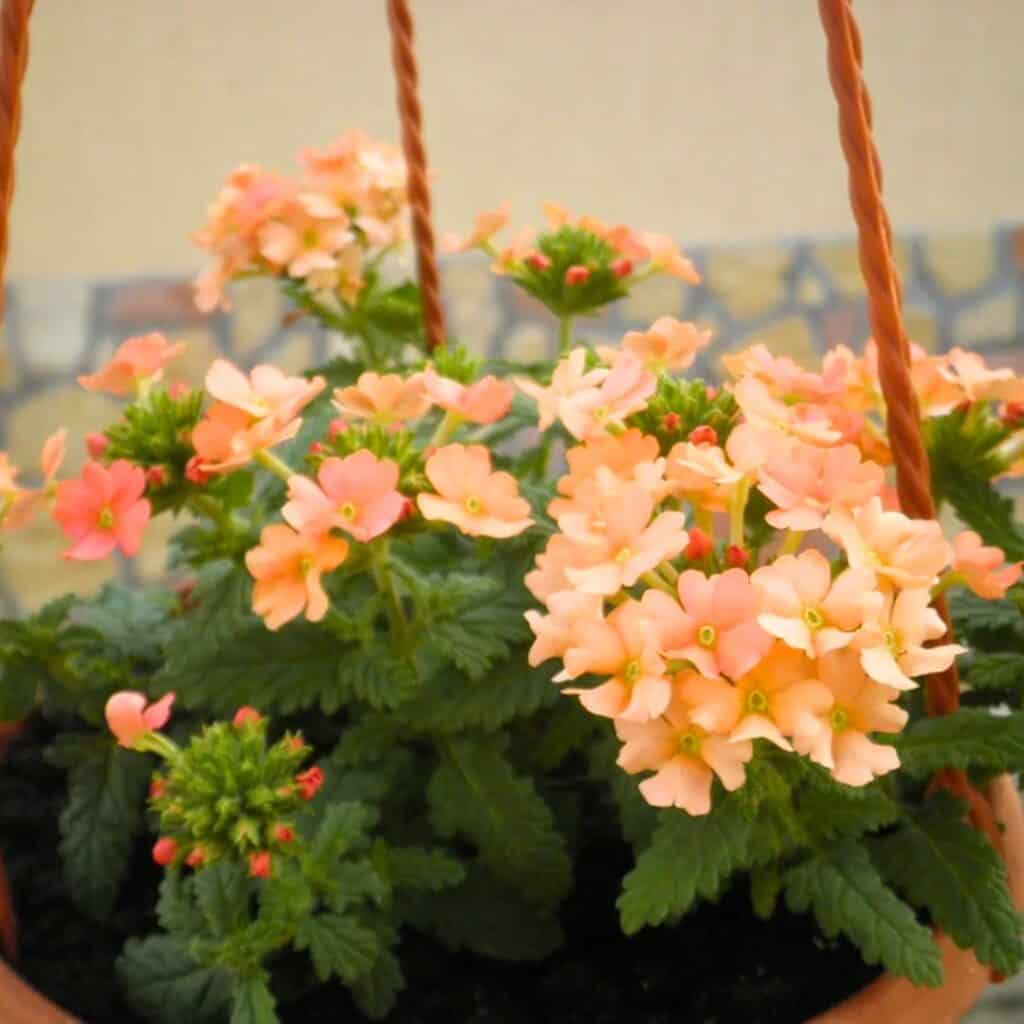
Verbena always brightens up a window box with its clusters of colorful blooms. The flowers come in purple, pink, red, and white, adding instant cheer to any sunny spot.
I like how it keeps blooming for months if I give it enough light and water.
This plant enjoys full sun and dry conditions, so it’s great for hot spots that might be tough for other flowers.
I make sure my container has well-draining soil to keep the roots happy—Verbena really doesn’t like sitting in water.
I often use Verbena to fill gaps or trail over the edge of boxes. It grows neatly and adds a soft, flowing look.
It pairs well with sun-lovers like petunias or calibrachoa.
A light trim during the season keeps the plants full and tidy. When blooms start to fade, I pinch them off.
Regular deadheading encourages new growth and helps the display last longer.
If pests show up, I check the leaves and use a mild soap solution if needed. Usually, Verbena stays low-maintenance and healthy.
For a lasting effect, I like mixing different colors of Verbena in one box.
The contrast makes the flowers stand out even more, and I end up with a bright display that looks fresh all season.
9) Snapdragons
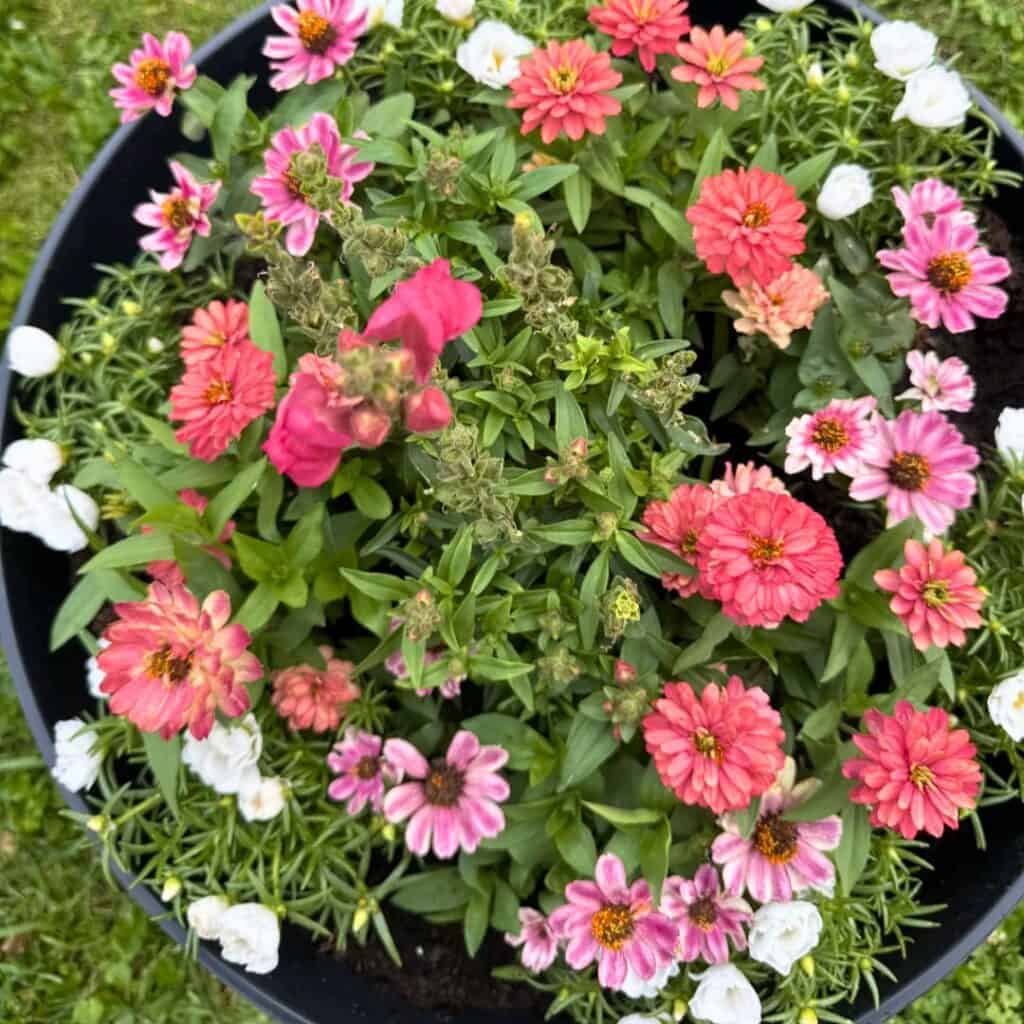
I’ve always loved adding snapdragons to my window boxes. Their tall, cheerful spikes stick around for weeks and the playful blossoms come in so many shades—pink, yellow, white, red, even bicolor.
These flowers really do best in full sun with well-drained soil. I water them often but never let the box get soggy—too much water is just asking for root trouble, so I poke my finger in the soil before grabbing the watering can again.
Snapdragons actually handle cool weather better than hot. I try to plant them early in spring or again in fall when it’s mild. If summer gets way too hot, I’ll trim them back and, more often than not, they’ll bloom again when things cool down.
I like mixing snapdragons with lower growers like petunias or alyssum—it keeps the height balanced and the box looks much fuller. Their upright shape gives the whole arrangement some structure.
To keep blooms coming, I snip off faded flowers. Deadheading really does encourage new buds. With just a bit of care, snapdragons give me steady color all season.
10) Alyssum

I’m a big fan of Alyssum in window boxes—it’s just so easy to grow and keeps its color for ages. The plant forms a soft, low blanket of tiny flowers that spill right over the edges, which looks great.
The blooms come in white, pink, or purple, adding gentle charm to any sunny window. Alyssum loves full sun but can handle a bit of shade during those blazing afternoons.
I find it thrives in well-draining soil that stays slightly moist. It doesn’t ask for much—just water when the top of the soil feels dry, and it’ll reward you with constant blooms.
The best thing? That light, sweet scent that drifts from the blooms. Bees and butterflies seem to love it, so there’s always a bit of movement by my window.
When flowers start to fade, I give it a quick trim to keep things tidy and encourage new growth. With its easygoing nature and soft fragrance, Alyssum has honestly become one of my favorite picks for sunny windows.
11) Dusty Miller

I really enjoy growing Dusty Miller for its soft, silvery leaves—they add such a nice contrast to any window box. The fuzzy foliage looks clean and bright, especially next to bold flowers like petunias or geraniums.
It’s one of those plants that somehow makes everything around it look better. Dusty Miller thrives in full sun and shrugs off the heat.
I don’t have to worry much if I miss a day of watering. The silvery coating on its leaves helps it handle dry spells better than most.
I usually plant Dusty Miller near the edges so its mounded shape spills gently over the sides. It pairs well with both bold colors and soft pastels, which keeps the look balanced.
A few plants go a long way in filling space and adding texture. Maintenance is simple—just trim any leggy stems to keep it compact.
Even when other flowers fade, Dusty Miller stays attractive right into the cooler months. If I want dependable foliage that stands out in strong sunlight, Dusty Miller is an easy choice.
It adds brightness, texture, and contrast without much fuss from me.
12) Coleus

I can’t get enough of Coleus—it adds instant color without even needing flowers. The leaves come in so many shades—red, green, yellow, and purple—and every variety feels unique.
I like to mix a few types together for a bold, textured look. Coleus thrives in full sun as long as the soil stays evenly moist.
Dry soil will make the leaves fade or curl, so I water my window boxes regularly, especially when it’s hot, just to keep those colors bright.
This plant grows fast and fills up space in no time. I pinch back the tips to keep it compact and to encourage more branching.
It’s an easy way to get a fuller, more balanced window box. I also love how Coleus pairs with other sun-lovers like marigolds or petunias—their colors really pop together.
Each season, I end up experimenting with new patterns and shapes. Whether it’s solo or mixed in, Coleus always stands out and brings my sunny windows to life.
13) Salvia
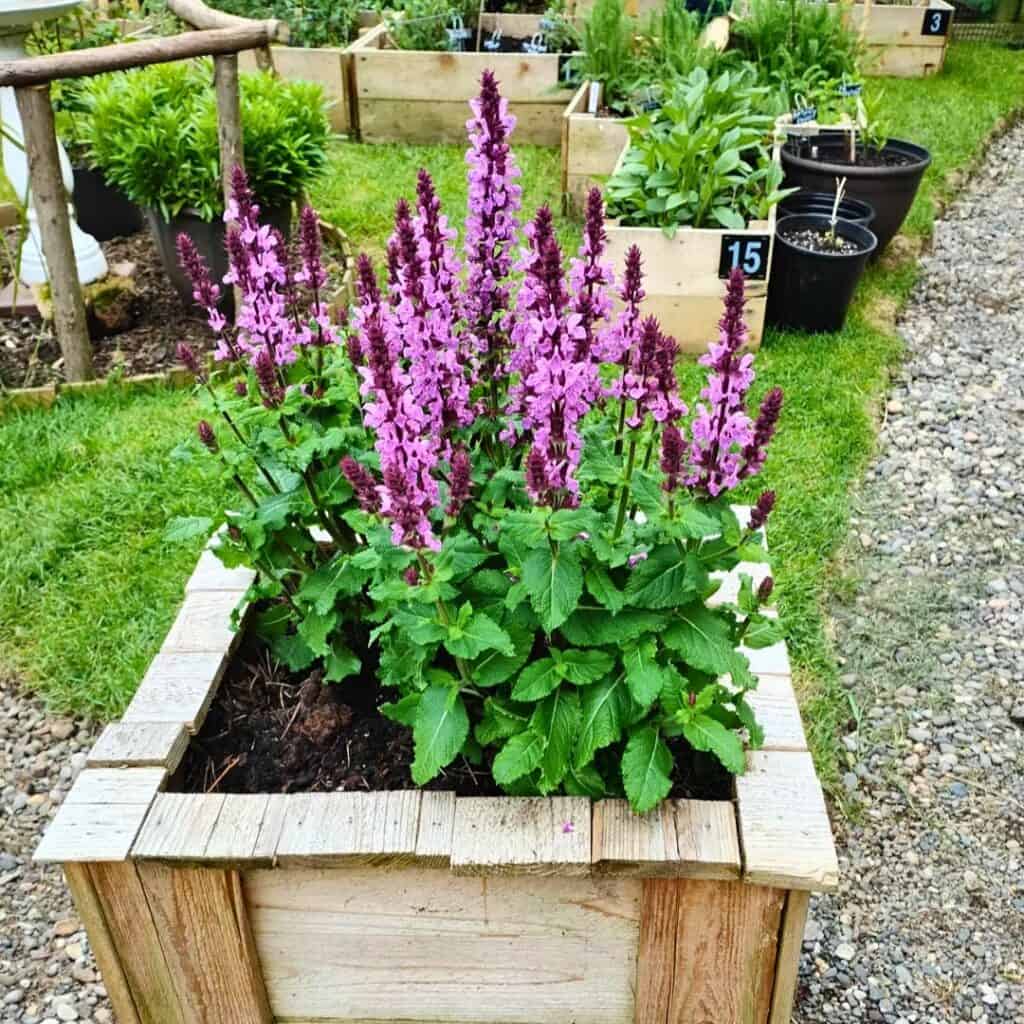
I’m always happy to grow salvia in my sunny window boxes. It brings such bold color and draws in pollinators.
The flowers bloom in tall spikes, giving some height and texture, and I get bees and butterflies stopping by all the time. That just makes the garden feel more alive.
Salvia likes full sun and well-drained soil. I water it regularly but let the soil dry a bit in between.
Too much water can be a problem, so I try to stay on top of that. I’ve found salvia is pretty heat-tolerant and keeps blooming through the hottest months.
The plants stay upright and neat, which helps my boxes look tidy without much extra work. There are loads of types to try.
I go for the red, purple, and blue varieties most often—they mix well with white or yellow flowers, and each color brings a different vibe. Switching them up each season keeps things interesting.
To keep blooms coming, I remove faded flowers every week. That seems to help with new growth.
A light trim in midsummer keeps them compact and healthy. Salvia’s just easy to grow and maintain.
If you want color, pollinators, and not much hassle in full sun, it’s a winner. Salvia makes my window boxes stand out all season.
14) Impatiens
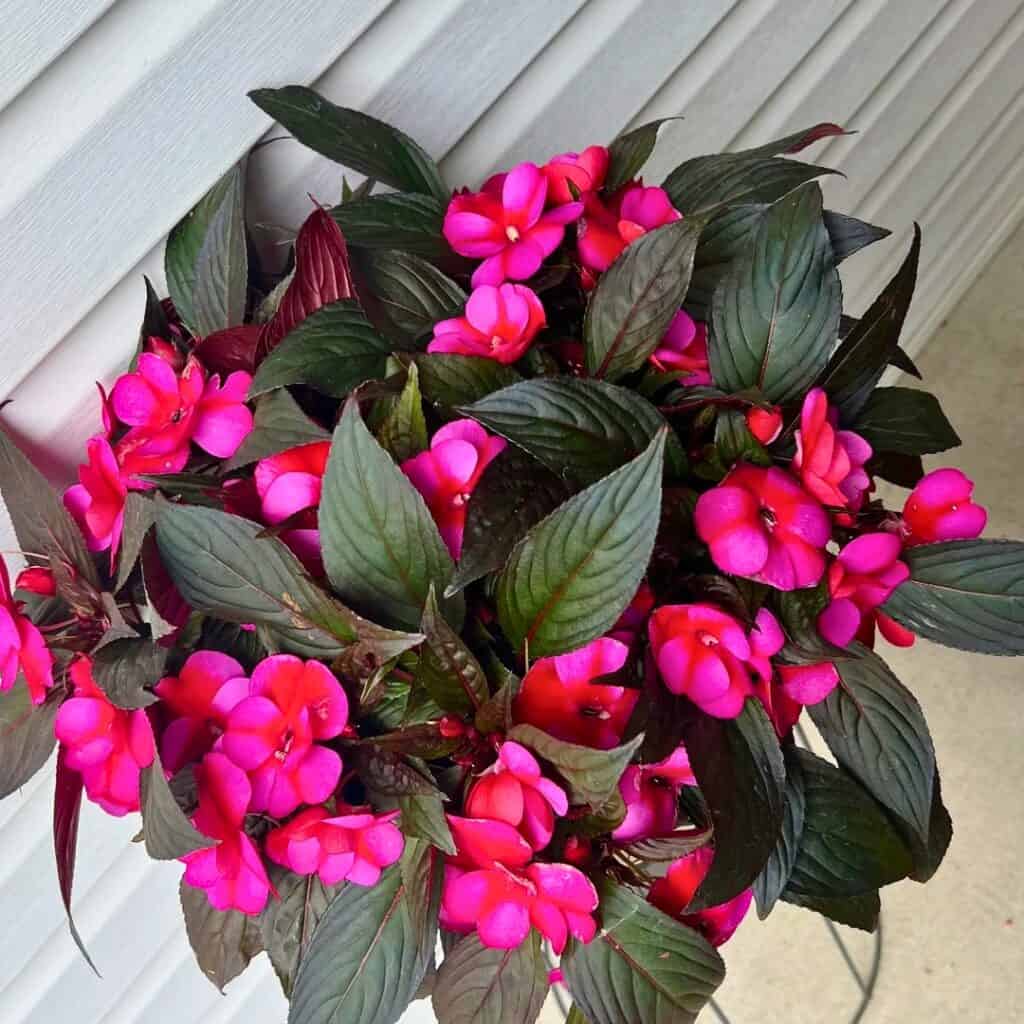
I love how Impatiens bring instant color to a window box. The bright blooms come in so many shades—pink, red, white, purple—so it’s super easy to match them with whatever else I’m growing.
They have a soft, full look that makes any window area feel cheerful. Even though Impatiens usually do best in partial shade, some newer sun-tolerant varieties handle full sun pretty well.
I like that they adapt as long as I keep the soil moist and water them regularly. Dry soil causes wilting, so good drainage is a must.
These flowers bloom for months, from spring right up until frost. They stay compact and tidy without much trimming, which is great for low-maintenance color.
I tend to plant them close together for a lush, full display. The bursts of color look fantastic alongside green foliage, and they pair well with other sun-loving plants like petunias or geraniums.
A light, balanced fertilizer every few weeks keeps them blooming even more. They really don’t need much fuss—just a bit of care and attention.
For a small window box, Impatiens are a go-to for keeping things bright and lively with very little effort.
15) Sweet Alyssum
I’m always happy to plant Sweet Alyssum in my window boxes. It adds gentle charm and that light, sweet scent I can’t get enough of.
The tiny white, purple, or pink flowers bloom in clusters and trail beautifully over the edges, giving a soft, full look. This plant thrives in full sun but can handle partial shade if things get too hot.
I’ve found it grows best in well-drained soil and just keeps blooming when I water it regularly, without overdoing it. Sweet Alyssum is easy to care for, which is why it’s one of my favorite low-maintenance picks.
It attracts pollinators like bees and butterflies, so there’s always a bit of action outside my window. When it starts to look tired, I trim it back lightly and it bounces right back with fresh blooms.
That quick step keeps it neat and healthy all season. If I want to mix colors, I’ll pair it with petunias, geraniums, or marigolds.
It naturally fills gaps and softens the look of bold flowers. It’s surprising how much impact such a small plant can have—Sweet Alyssum really does make a window box feel complete.
Tips for Successful Window Box Gardening
I focus on getting the growing environment right—healthy soil, good light, and careful watering. Clean containers and a bit of regular upkeep keep the flowers looking their best.
Choosing the Right Soil Mix
I always start with light, well-draining potting soil instead of garden dirt, which just compacts and makes things tough for roots. My go-to mix usually has peat moss or coco coir, perlite, and compost—it’s enough to hold moisture but still lets extra water drain out.
I check soil labels for slow-release fertilizer or nutrients like nitrogen, phosphorus, and potassium. If something’s missing, I’ll toss in a handful of balanced fertilizer before planting.
For sun-loving flowers, I like soil with some moisture-retaining crystals—those help during hot spells. Before planting, I moisten the soil a bit so roots settle in easily.
A quick squeeze test—making sure it’s damp but not soggy—tells me when it’s good to go. Using quality soil up front saves me headaches later.
Tip: Swap out part of the soil each season to refresh nutrients and keep drainage on point.
Best Practices for Sun Exposure
Most flowering plants in window boxes need at least six hours of full sun a day. I always check where sunlight hits my window throughout the day to find the brightest spot.
South-facing windows usually win for steady light. If heat builds up against the wall or glass, I’ll use light-colored containers or a thin reflective screen to stop roots from overheating.
Flowers like petunias, geraniums, and marigolds handle bright light well, but I still rotate boxes now and then to even out growth. When sunlight is intense, I water early in the morning so plants can soak it up before the heat peaks.
Sometimes I trim thick foliage that shades out smaller flowers. If I see bleached patches on leaves, it’s a sign the light’s too strong and I need to move or shade the box a bit.
Watering and Drainage Essentials
I water as soon as the top inch of soil feels dry. Shallow boxes dry out fast, so in summer I’m often out there with the watering can once a day.
A watering can with a narrow spout helps me reach under the leaves and keeps flowers dry—wet blooms can get mildew. Good drainage is just as important as watering.
Every box needs holes at the bottom so water doesn’t pool. Sometimes I add a thin layer of gravel before filling with soil to help roots stay above any extra moisture.
If water drains too quickly, I’ll use self-watering inserts or line the box with coconut fiber to hold moisture longer. I watch for yellow leaves or drooping—they’re signs I need to tweak my watering routine.
Keeping soil damp but not soaked is the key to strong, happy blooms.
Design Ideas for Vibrant Window Boxes
I’m all about window boxes that turn heads but still feel balanced. The best designs use bold color contrasts and a bit of seasonal planting so things stay lively all year.
Placement, matching hues, and mixing up the plants really make a difference in how fresh the windows look.
Color Combinations That Wow
When I’m planning my boxes, I like to pick three main colors—a base, a highlight, and a neutral. That keeps things interesting but not chaotic.
For example, purple petunias, yellow marigolds, and white alyssum work well together, balancing bright and soft tones. I also group plants by how they grow.
My go-to rule is:
- Spillers (trailing plants) like ivy or sweet potato vine
- Fillers (plants that add bulk) like verbena or geranium
- Thrillers (tall focal points) like salvia or snapdragons
I stick with the same container color for all my windows so the flowers really pop. Light boxes make dark blooms stand out, while darker boxes highlight pastels.
These pairings give a polished, energetic look without making things feel crowded.
Seasonal Themes for Year-Round Beauty
I like to switch up my plant choices as the seasons change. In spring, I’ll fill my boxes with pansies, daffodils, and creeping phlox.
Their bright colors just feel right for that fresh, hopeful time of year. In summer, I swap them out for heat-loving blooms like zinnias, lantanas, and portulacas.
When fall rolls around, I start blending in mums, ornamental kale, and some small grasses. That gives everything a warm, textured look I really enjoy.
In winter, I usually go with evergreens, holly, or sometimes just pinecones and ribbons to keep things cheerful.
I’ll admit, I sometimes toss in tiny accents like small lights or little wooden tags for a bit of charm.
With a few small updates each season, my windows stay lively and colorful—without too much effort, honestly.
Frequently Asked Questions
I tend to pick hardy flowers that love bright sunlight and don’t ask for much fuss. With good soil, a steady watering routine, and maybe a few trailing plants, any sunny window box can look fresh for months.
What are some colorful flowers that can withstand direct sunlight in a window box?
I’m a fan of Petunias, Marigolds, and Zinnias. They can handle strong sun without fading, and their colors stay bold even on hot days.
Can you recommend low-maintenance flowers for sunny window boxes?
For easy care, I usually go with Geraniums or Lantana. They don’t need to be watered all the time, but still bloom like champs.
Which flowers will bloom all summer in a sunny window box environment?
Zinnias and Petunias are my go-tos for non-stop color. They’ll bloom from early summer right into fall, as long as I keep them watered and snip off the faded blooms.
How often should I water window box flowers in full sun?
Honestly, I water every day during hot weather. When it’s cooler, I cut back.
The soil should feel slightly moist—not soggy.
Are there any trailing plants suitable for sunny window boxes?
Definitely. I like planting Lantana or trailing Petunias.
They spill over the sides and give the box a soft, full look that’s hard to beat.
What should I consider when choosing soil for sun-loving window box flowers?
I usually go for a light, well-draining potting mix and toss in a bit of compost. That combo helps roots stay happy and avoids soggy messes in the box—nobody wants that.
Note: Some images in the articles are sourced from Reddit and Other Platforms For Reference Purpose.