18 Best Tall Indoor Plants Perfect For Empty Corners
I just love how tall indoor plants can instantly shift the whole vibe of a room. They turn empty corners into something warm and full of life.
When you pick the right tall plant, you bring in height, color, and a bit of calm energy.
You’ll find so many types that could work, from big leafy varieties to those graceful palms. Each plant adds its own charm, helping every room feel just a bit more inviting.
Please note: Simplify Plants is reader-supported. As an Amazon Associate, I earn from qualifying purchases made by our readers with no extra cost added to you all! Some links in the post are affiliate links and I get a commission from purchases made through links in the post.
1) Fiddle Leaf Fig
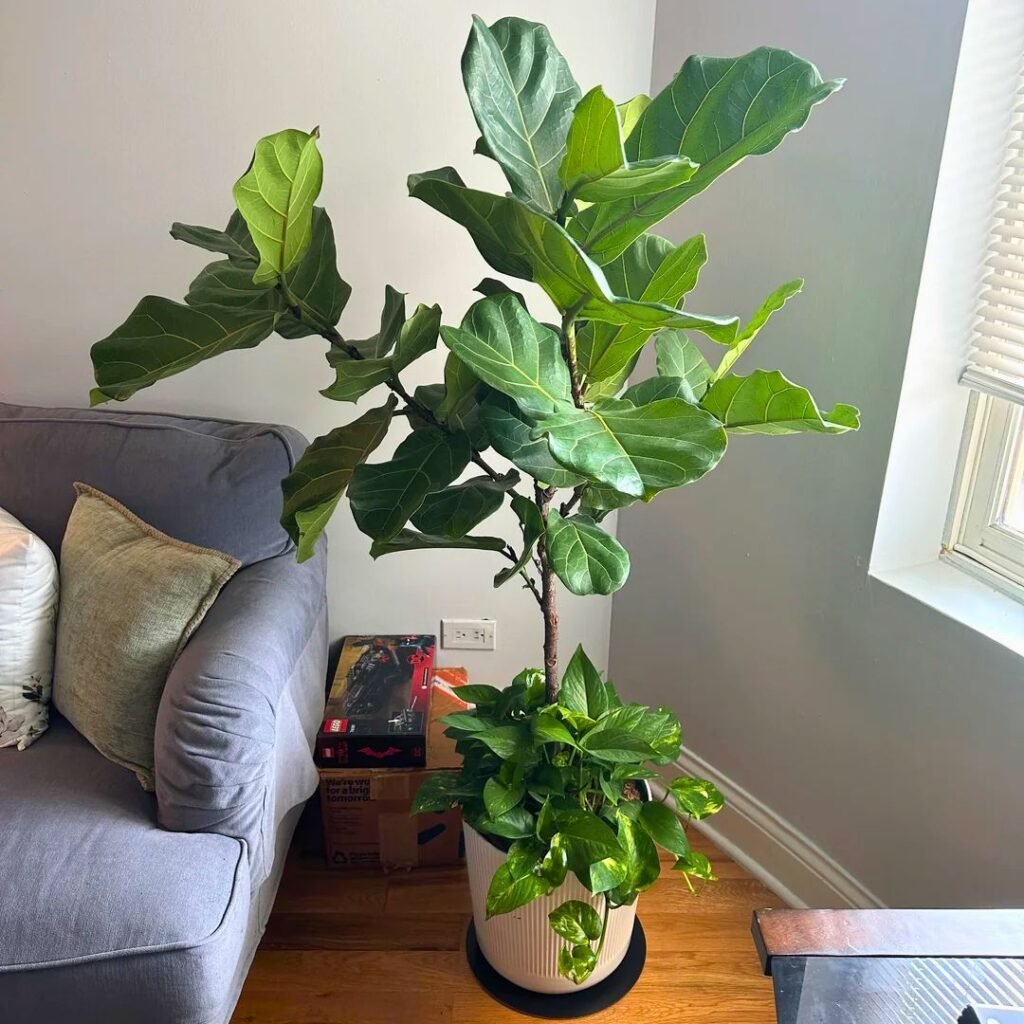
The Fiddle Leaf Fig is one of those plants that instantly makes a space feel brighter and a little more stylish. Those big, glossy leaves really stand out and add a bold touch to any corner.
When I first brought mine home, it became the main focus of my living room almost overnight. It grows upright and tall, which makes it perfect for empty spaces near walls or by windows.
I keep mine where it gets bright, indirect light. Direct sun can scorch the leaves, so filtered light is the way to go.
Watering is important, but not complicated. I only water when the top inch of soil feels dry.
Too much water can cause root rot, so I make sure it drains well. A pot with drainage holes is a must.
The Fiddle Leaf Fig likes things consistent. I try not to move it around or let it get chilly drafts.
Dusting the leaves with a damp cloth keeps them shiny and helps them soak up more light. It’s a simple routine.
What I really love is how it adds height and texture without eating up too much floor space. Whether you live in a modern apartment or a cozy house, this plant brings any corner to life.
2) Snake Plant (Sansevieria)

The Snake Plant just adds instant height and structure. Its upright leaves are sharp and clean—great for corners or next to furniture.
The leaf pattern gives a simple but stylish look. I like that it works even in small spaces and doesn’t demand much care.
This plant grows well in low to bright light, which means I can put it almost anywhere.
It tolerates dry air and uneven watering, so if I forget to water it for a bit, it’s still fine. That’s a relief.
What stands out is just how low-maintenance it is. I water when the soil’s dry, and it keeps on looking fresh.
It’s also a nice bonus that it helps with indoor air quality by filtering out toxins. Makes my space feel cleaner.
Depending on the variety, the Snake Plant can get pretty tall, which balances out empty corners or blank walls.
I usually go for a simple white or gray planter to let those strong leaf shapes shine.
If you want a tall, sleek plant that’s tough and easy, this one’s a total winner. It’s durable, neat, and fits with just about any decor.
3) Kentia Palm

There’s something about the Kentia Palm that brings a calm, tropical feel to any room. Its tall, arching fronds make a statement, but never feel overwhelming.
I like using it to fill up empty corners that just need a little green. It grows slowly, so I never worry about it outgrowing the space too quickly.
Indoors, it can reach up to 10 feet tall—that’s some serious height and texture for a room. I like that it stays pretty neat, and it doesn’t drop leaves all over the place.
The Kentia Palm thrives in bright, indirect light, but it also handles lower light better than most tropical plants. I usually keep mine a few feet from a window to avoid harsh sun.
Moderate watering is all it asks for. I don’t fuss over it much.
It looks great beside a sofa or near a doorway—the fronds are soft, so they don’t block the way. That deep green color pairs nicely with neutral walls or minimal decor.
When friends come over, they always notice how elegant it looks. The Kentia Palm proves you don’t need bright flowers or tricky care for a plant to make a big impact.
4) Rubber Plant (Ficus Elastica)
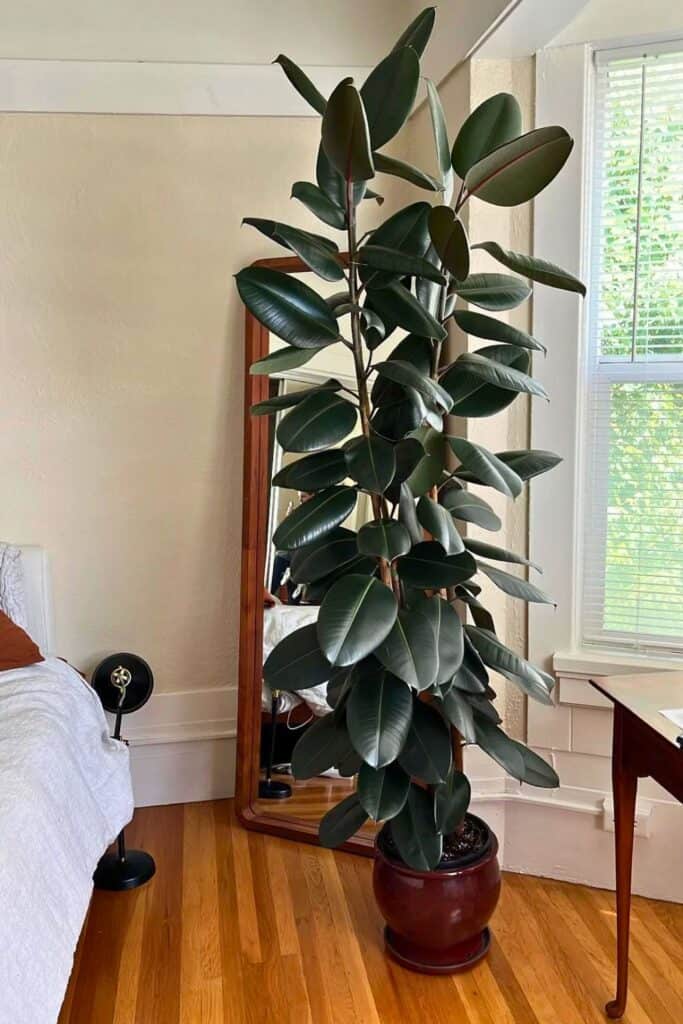
The Rubber Plant is one of those plants that just brings instant height and freshness to a room. Its big, glossy leaves look so modern and clean—perfect for corners that need a bold touch.
Even a single plant can make a simple space feel more alive. I put mine near a bright window, and it grows fast, keeping that deep green shine.
It likes indirect light best, but it’s not too picky. I try to keep the soil slightly moist, letting it dry out a bit before watering again.
What’s nice is how easy it is to manage. The Rubber Plant can get tall, but if it’s getting too big, I just trim it back.
New leaves pop out from the top, so it always looks fresh. It’s also a good air cleaner, which is a plus.
Sometimes the shiny leaves collect dust, so I wipe them with a damp cloth now and then. Keeps things looking vibrant.
If I want more, I can propagate a new plant from cuttings—pretty simple and satisfying. It’s an elegant plant that doesn’t need constant attention, which is why I keep coming back to it.
5) Areca Palm

The Areca Palm just lights up a room. Its tall, feathery fronds bring a tropical vibe that works almost anywhere.
The soft green leaves are great for softening sharp corners or filling empty wall spaces. This plant loves bright, indirect light.
I keep mine near a sunny window, but not right in the direct sun—too much can scorch the leaves. If it doesn’t get enough light, it grows slower or loses its lush color.
The Areca Palm likes slightly moist soil, but I let the top inch dry out before watering again. Using filtered or room-temp water helps the leaves stay healthy.
It enjoys some humidity, so I give it a mist when the air feels dry. One thing I like is that it’s known to help improve indoor air.
It filters out some common pollutants and just gives the space a fresher feel. Indoors, it can hit six or seven feet tall, which is great for tall rooms or bare corners.
If it gets too big, I just trim old fronds from the bottom to tidy it up. It looks awesome in a simple, neutral pot—fits right in with modern or natural decor.
With enough light and regular care, the Areca Palm becomes a beautiful focal point. The leaves move gently in a breeze, adding a sense of calm and balance.
6) Bird of Paradise

The Bird of Paradise is one of my favorites for its bold, tropical look. Those wide, paddle-shaped leaves give any empty corner instant texture and height.
This plant can get pretty tall, making a room feel fresh and alive without much extra decoration. I keep mine near a bright window, and the leaves just reach for the sun.
It needs lots of light to stay healthy, but I avoid harsh direct sunlight to prevent burning the leaves. A warm, sunny spot is perfect.
I let the top inch of soil dry before watering again—too much water and you risk root rot, so I’m careful about that.
The big leaves collect dust, so I wipe them down with a damp cloth every few weeks. Makes the plant look fresher and helps it soak up more light.
I like how this plant fits with almost any style. Its tall shape works well next to a sofa or in a dining room corner.
It fills blank walls and empty spots without needing a bunch of other decorations. If you give it the right care, a Bird of Paradise might even produce bright orange and blue flowers.
That usually happens indoors only with strong light, but even without flowers, those leaves make a statement.
Honestly, it’s a rewarding plant for anyone wanting natural height and color. With regular care and bright light, the Bird of Paradise stands out as one of the most impressive tall houseplants I’ve had.
7) Dracaena Marginata

The Dracaena Marginata (or Dragon Tree) is great for lifting a dull corner. Its thin, arching leaves and tall stems are perfect for adding height without taking up much space.
I find it works in modern, minimalist, or boho rooms. This plant grows slowly, so I don’t have to repot it all the time.
I usually keep it in a bright room with indirect light. Direct sun can burn the leaves, but it does fine in lower light too.
When it comes to care, I water only when the top inch of soil is dry. Too much water can cause root rot, so I always check first.
Every so often, I wipe the leaves to remove dust. The Dragon Tree can grow several feet tall, slowly filling a wall or corner and drawing the eye upward.
Its slim shape keeps things looking clean, even in smaller rooms. What I like most is how low-maintenance it is.
It doesn’t need much pruning, and it can take a little neglect if I forget to water for a week. That resilience makes it a good pick for new or experienced plant owners.
Adding a Dracaena Marginata gives any space structure and life. It’s a calm, steady presence that makes a room feel more finished without much effort.
8) Monstera Deliciosa

Monstera Deliciosa just brings a room to life. Those big, split leaves make a bold statement and work well in almost any space.
Even a single plant can fill an empty corner with personality. It grows best in bright, indirect light, but it can handle some shade.
I keep mine near a window with filtered light, and it stays green and healthy. When the leaves start to droop, I know it’s time to water.
Good drainage is key, so I use a pot with holes to keep roots from sitting in water.
Every few months, I gently wipe the leaves to remove dust and help them breathe. What’s cool is how the Monstera changes as it matures.
The leaves start small and solid, then develop holes and splits over time. Watching that happen feels like a little reward for taking care of it.
The aerial roots climb or hang, adding a natural, tropical vibe. Sometimes I guide them around a moss pole to keep the plant upright and looking fuller.
Since it can get big, I pick a corner with room for it to spread out. It balances blank walls without much effort.
A well-placed Monstera softens the edges of a modern room or highlights a cozy nook. I like that it’s low maintenance compared to a lot of big houseplants.
As long as it gets light, warmth, and the right amount of water, it thrives. Those lush leaves just make the space feel peaceful and fresh.
9) Parlor Palm
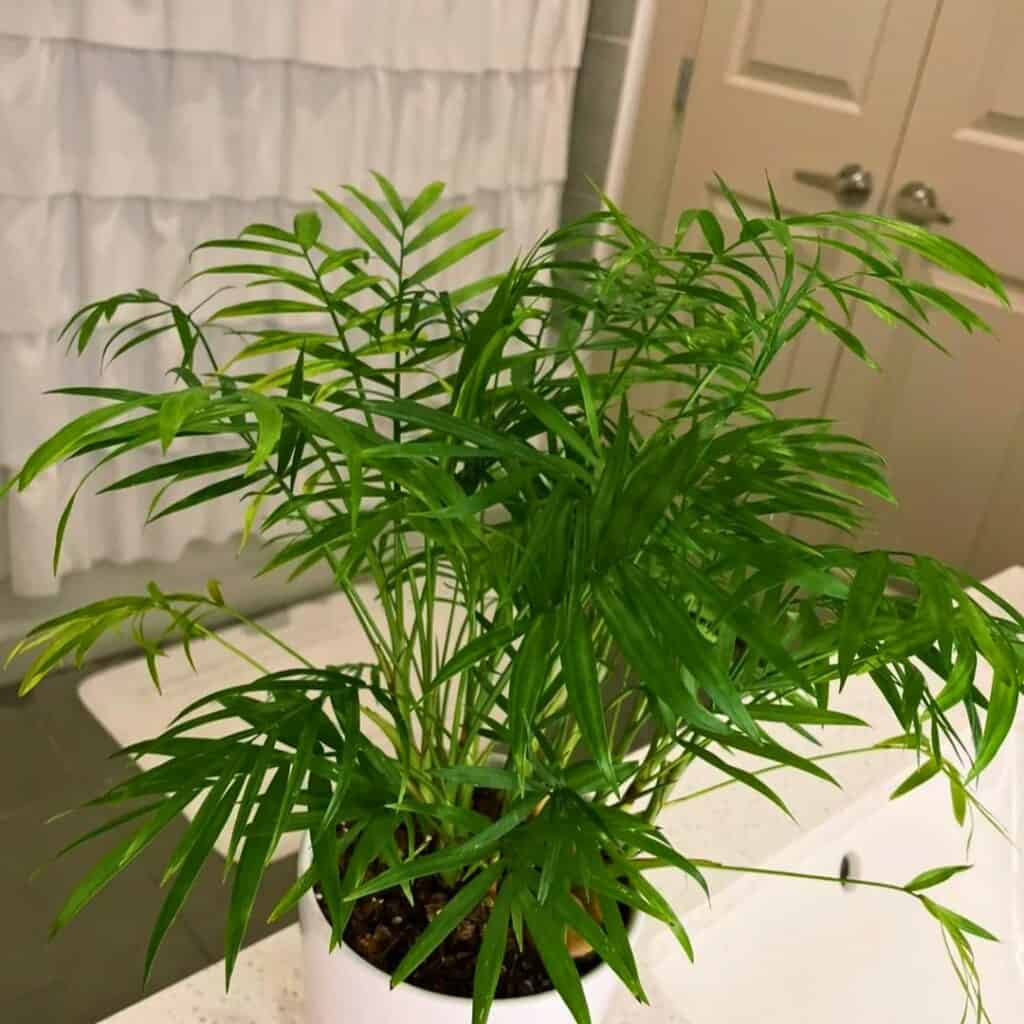
I just love how the Parlor Palm brings a sense of calm to any space. Its soft, feathery fronds make my place feel fresh and inviting, but never too busy.
This plant stays compact compared to some of the bigger houseplants out there, yet it can still reach four to six feet if it’s happy. That’s just right for an empty corner or next to the couch where a little extra height feels balanced.
The Parlor Palm is happy with indirect light, so I don’t stress about keeping it right by the window. Mine sits in a spot with filtered light and just grows along, slow and steady.
It doesn’t need much water—just a gentle soak when the top of the soil is dry. That’s easy enough to remember.
I’ve noticed it does well in average room temperatures and typical humidity. No need to fuss with misting or anything special, which is a relief if you ask me.
Every few weeks, I dust the leaves and the fronds stay green and shiny. It’s a small chore, but it makes a difference.
Sometimes I group my Parlor Palm with smaller plants for a layered look. It’s a simple trick to make a room feel more put together.
What I really like is the soft texture the fronds bring. When there’s a breeze, they move just a little, and somehow the room feels more alive.
If you’re looking to create a relaxing spot or fill an empty corner, the Parlor Palm is a solid pick. It’s elegant, undemanding, and fits in with almost any decor.
10) Corn Plant (Dracaena Fragrans)
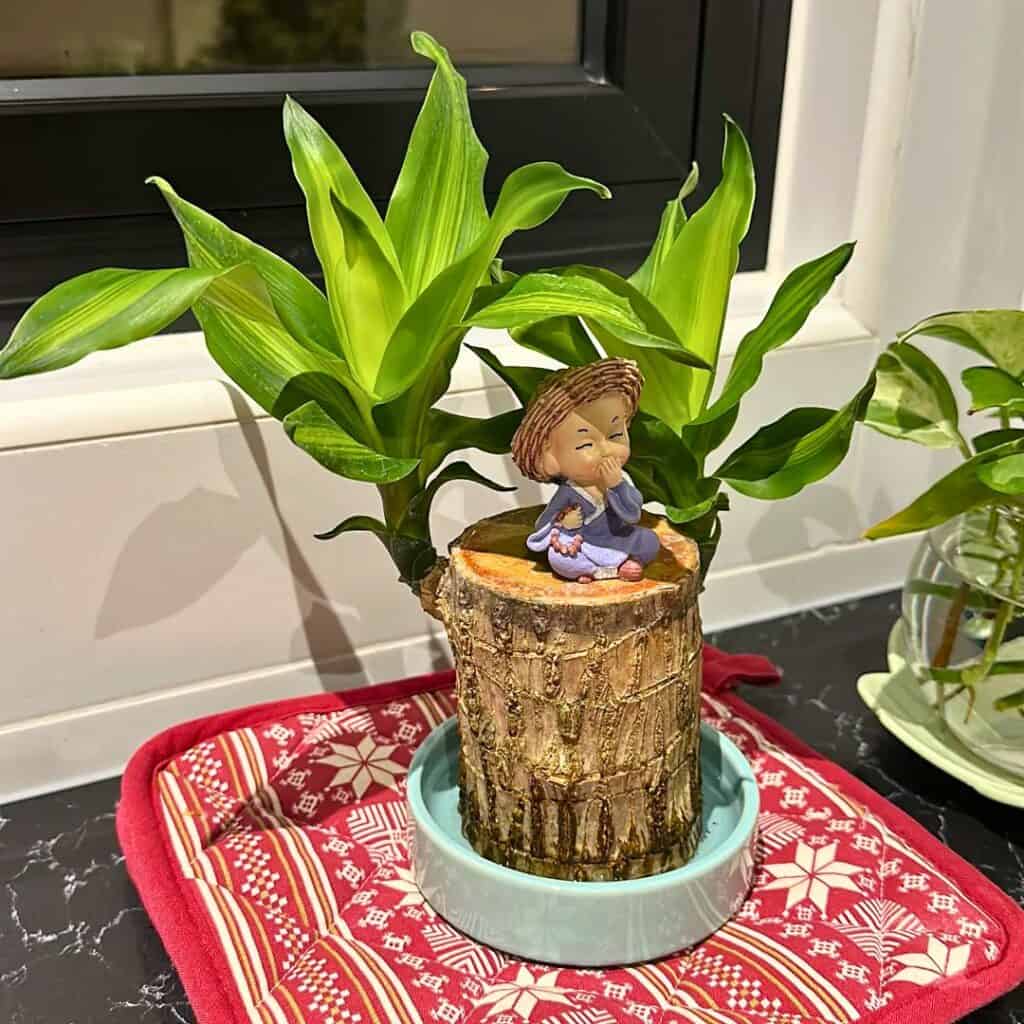
The Corn Plant is honestly one of the easiest tall houseplants I’ve tried. I love how it adds height and a splash of green without asking for much.
Its long, arching leaves grow from a thick cane, and that gives it a sleek, tidy look—perfect for corners or against plain walls.
This one likes bright, indirect light, but it’s not fussy. I usually set mine a few feet from a sunny window, so the leaves don’t get scorched.
I water my Corn Plant when the top inch of soil is dry. Overwatering leads to yellow leaves, so I always let it drain well.
The Dracaena Fragrans can get pretty tall, sometimes over six feet indoors. I trim the canes every so often to keep the height in check and encourage bushier growth.
It adapts easily, so it works well in smaller spaces or apartments. That’s a big plus.
What I like most is how it brightens up dull spots. The striped green and yellow leaves just make a blank wall feel more lively.
If your place is dry, this plant appreciates a little misting now and then. I also wipe down the leaves with a damp cloth to keep them shiny.
These simple steps keep it looking clean and vibrant, even through the seasons.
11) Yucca Plant

The Yucca plant is a favorite of mine for adding a modern, natural vibe to a room. Its long, sword-like leaves and tall stems look sculptural, especially in bright corners that need a bold touch.
Yuccas do best in bright, indirect sunlight and honestly don’t need much attention. I water mine only when the top few inches of soil are dry—too much water and the roots can rot, so I try to hold back.
I usually pick a spot with plenty of light, but not too much direct sun, especially on hot afternoons. If there’s not enough light, it can get a bit leggy or dull.
The Yucca plant grows tall and strong, sometimes reaching several feet indoors. Its sturdy trunk and upright leaves really work well in empty corners or beside big furniture.
It adds height without taking over the whole room, which is perfect for smaller spaces. I also appreciate how easy it is to care for.
No need for frequent pruning or repotting, and it handles dry indoor air like a champ. I just wipe the leaves every so often to keep them looking sharp.
For anyone wanting a tall, low-maintenance plant with a sleek look, the Yucca’s a winner. It fits with so many styles, from minimalist to boho, and always brings a bit of life to blank walls or open corners.
12) ZZ Plant (Zamioculcas Zamiifolia)
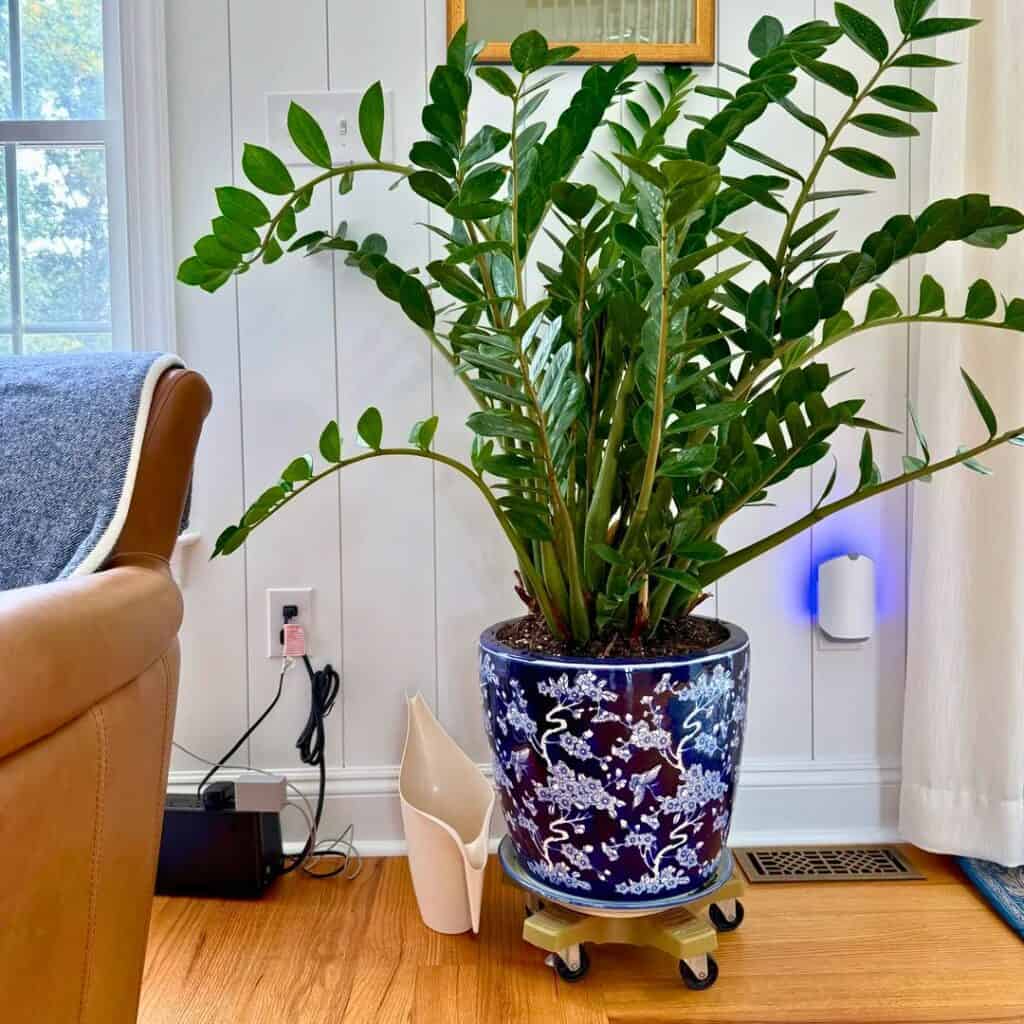
The ZZ Plant is honestly one of the best for glossy green leaves and a tidy, upright shape. It stands tall but doesn’t hog space, so it’s perfect for corners or next to a wall.
The leaves look almost polished, and that gives any room a clean, modern vibe. Plus, it’s one of the easiest houseplants to care for.
It barely needs water and handles low light like a champ. Sometimes I forget to open the curtains or skip a watering, but it never seems to mind.
I just wait for the soil to dry out completely before watering again. The ZZ Plant grows slowly, but it’s worth the wait—thick stems and new shoots pop up straight from the soil.
Its compact shape adds height and texture without getting messy. I like that it doesn’t need much pruning, so it always looks neat.
I keep mine in a simple pot with good drainage to avoid soggy roots. It doesn’t mind being a bit root-bound, so I only repot every couple of years.
A quick dusting of the leaves keeps them shiny and helps them soak up more light. What I love most is how low-maintenance it is.
I can leave it alone for weeks and it still looks healthy. Not many houseplants are this forgiving, which makes it perfect for beginners.
When grouped with other plants, the ZZ Plant adds depth and a rich green tone to the mix. I keep mine near my desk, and its sleek leaves brighten up the room without stealing the show.
13) Peace Lily
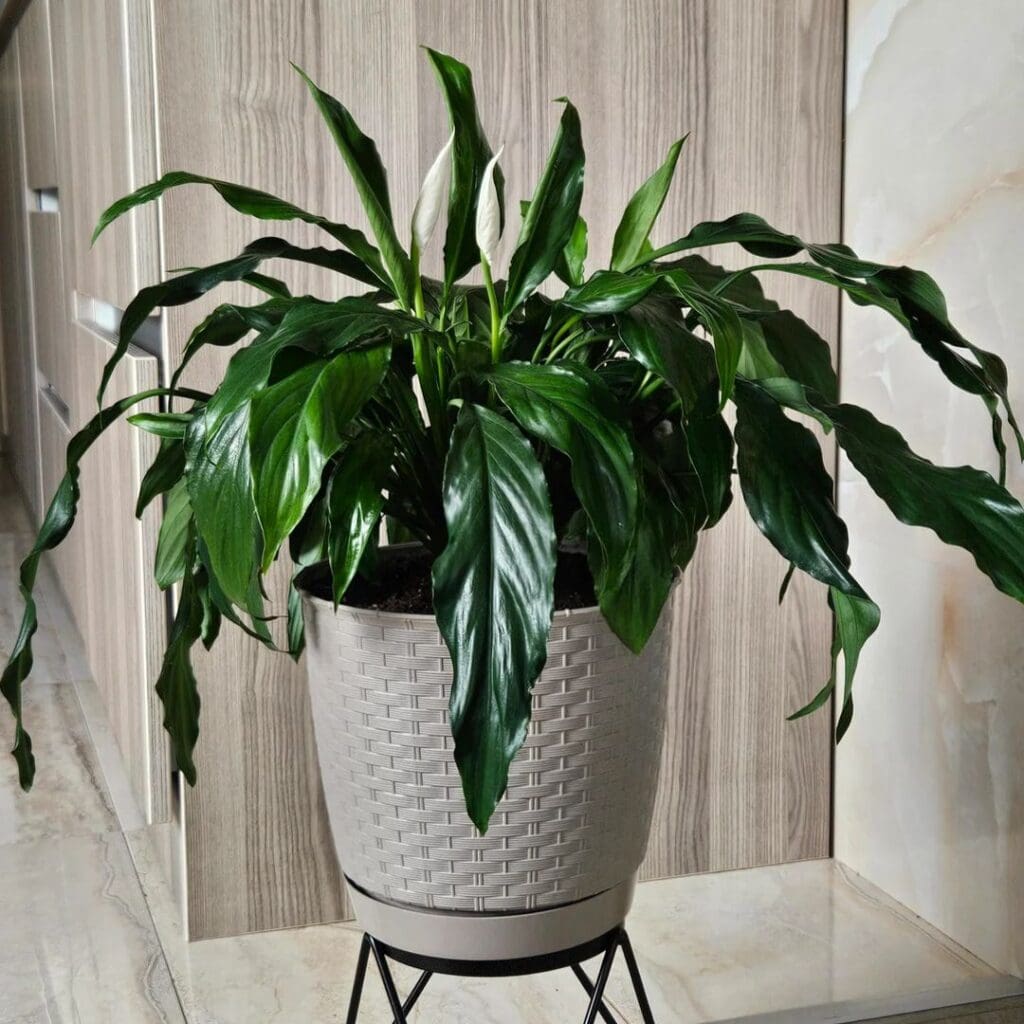
The Peace Lily is such a classic for brightening up a dull corner. Its glossy green leaves and white blooms always bring a clean, calming vibe to any space.
I keep my Peace Lily in indirect light—too much sun burns the leaves, so a shaded spot near a window works best. When the soil feels dry, I water it just enough to keep the roots moist but not soggy.
One thing I really appreciate is how this plant helps clean the air. It removes some indoor pollutants, so my home feels fresher.
It’s also easy to tell when it’s thirsty—the leaves droop a little as a reminder. The Peace Lily doesn’t get super tall, but some varieties are big enough to fill a corner.
I like putting mine in a decorative pot for a touch of style. It fits in living rooms, bedrooms, or even small offices.
I wipe the leaves every so often to keep them glossy and healthy. With a little care, my Peace Lily rewards me with fresh blooms all year.
14) Bamboo Palm
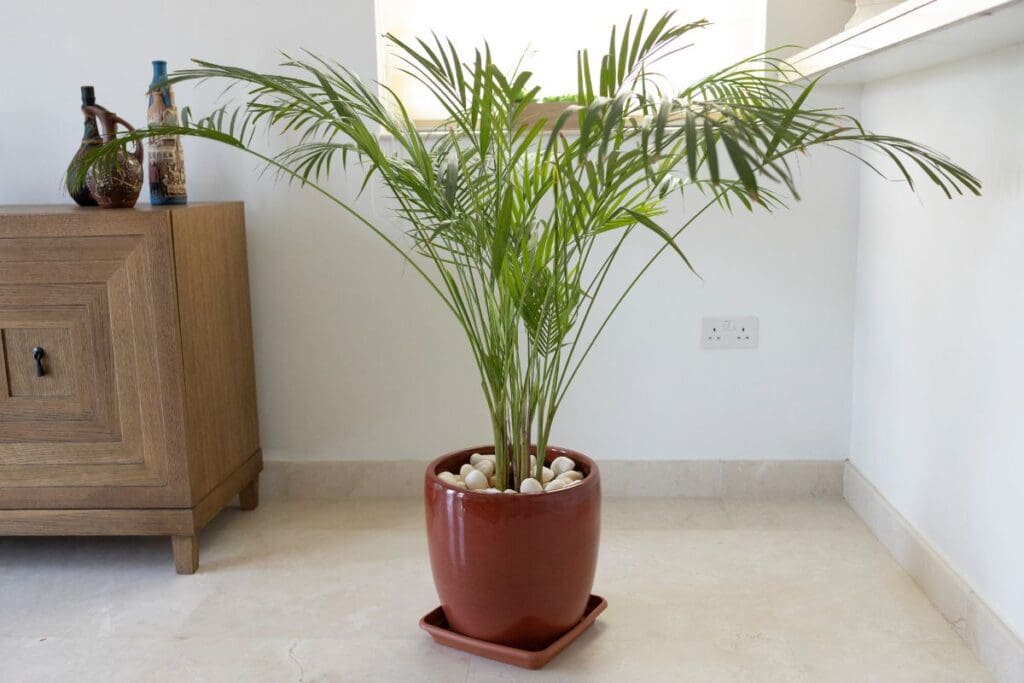
The Bamboo Palm is one of my favorites for adding a calm, tropical vibe indoors. Its thin, feather-like leaves and tall, graceful stems make any room feel a bit more relaxed.
This plant can grow several feet tall, so it’s perfect for filling empty corners or framing a window. I find it easy to care for as long as it gets bright, indirect light.
Too much sun can scorch the leaves, but if it’s too dark, the green color fades. I water it when the top inch of soil is dry, keeping things just moist enough.
What’s great is the Bamboo Palm helps clean the air. It can reduce some indoor pollutants and keeps the air feeling fresher.
In my living room, it not only looks good but also brings a gentle, natural vibe that helps me unwind. Sometimes I mist the leaves, especially in winter when the air gets dry.
It’s best to trim any brown fronds to keep it tidy and healthy. With steady care, my Bamboo Palm stays lush all year and brightens up my space.
15) Chinese Evergreen (Aglaonema)
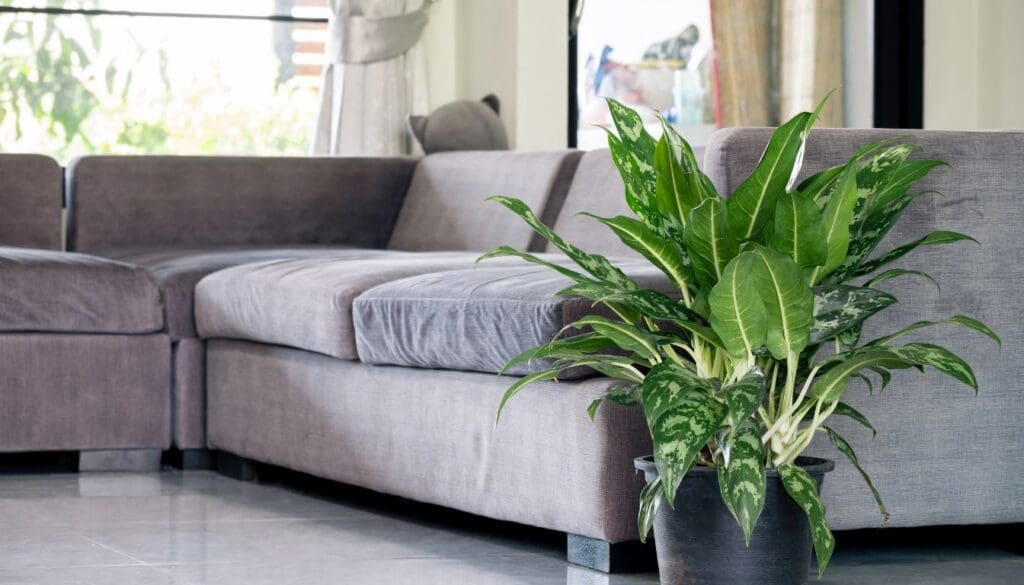
The Chinese Evergreen is honestly one of the easiest tall plants I’ve ever had. It grows slowly, which is nice because it fills an empty corner without taking over the whole room.
Its wide, glossy leaves come in shades of green, silver, and sometimes even pink—so it adds a bit of color without shouting for attention. I keep mine in indirect light and it seems happiest there.
It tolerates low light better than most tall plants, so it’s perfect for apartments or offices. I’m careful not to overwater—just enough to keep the soil slightly moist.
What’s cool is the Aglaonema cleans the air while it grows. It removes some common indoor toxins, which is a bonus.
This plant also adapts well to different temperatures. As long as the room doesn’t get too chilly, it keeps going strong.
A quick wipe of its broad leaves keeps them shiny and dust-free. If you want a low-maintenance tall plant with a lush, full look, I’d definitely recommend the Chinese Evergreen.
It’s forgiving, slow-growing, and just looks good in almost any setting. For me, it’s a reliable favorite that always makes my space feel a bit more alive.
16) Schefflera
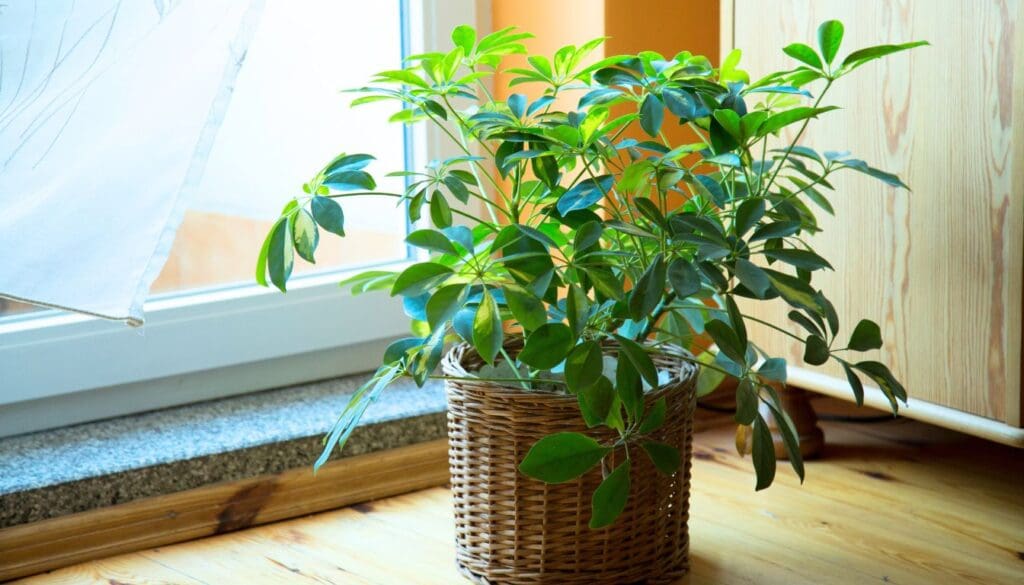
The Schefflera, or umbrella tree, is such a fun plant with its bright green leaves that spread out like little umbrellas. It adds a tropical touch to any room and doesn’t need much fuss.
The glossy leaves always catch my eye and make the space feel more lively. This plant can grow tall and full, so it’s great for empty corners or wide walls.
I usually put mine near a window with bright, indirect light. It grows best there, but it can handle lower light if that’s all you’ve got.
When I water my Schefflera, I let the top inch of soil dry before adding more. Too much water can cause root issues, so I stick to a steady routine and a well-draining pot.
Every few weeks, I wipe the leaves to remove dust and keep them shiny. Clean leaves look better and help the plant breathe.
If I want it bushier, I’ll trim the top stems every few months. That encourages more growth at the base and lets me control the height.
Sometimes I spot small drops of sap on the leaves, which is normal. I just wipe them off with a damp cloth.
Because it grows tall but stays slim, the Schefflera fits nicely next to furniture or in awkward spots. I think it’s a great pick if you want greenery without giving up much floor space.
The best part? It looks stylish all year. Its evergreen leaves stay vibrant, giving my home a fresh pop of color—even in the middle of winter.
17) Cast Iron Plant (Aspidistra)

I’ve got a soft spot for the Cast Iron Plant—it really lives up to its name. It just shrugs off low light, temperature swings, and even those times I forget to water.
It’s the kind of plant that’s perfect for anyone who’s busy or a little forgetful. The dark green, glossy leaves stand upright and bring a calm vibe to any spot.
They usually grow two to three feet tall, so you get some height without the plant taking over. I like its simple elegance—it’s never flashy, but it looks good anywhere.
The Cast Iron Plant handles low to medium light—even brighter spots if the sun isn’t too harsh. I keep mine away from direct sunlight because those leaves can scorch pretty easily.
It’s happy in shaded corners or hallways with just a bit of filtered light. I don’t water it all that often—the soil needs to dry out a little first.
Usually, I water every couple of weeks, but honestly, if I forget, it doesn’t seem to mind. That’s a relief.
It grows slowly, which I think is a plus. I don’t have to repot it much—just every now and then, into a slightly bigger pot with well-draining soil.
The Cast Iron Plant makes my space feel greener without any real effort. That deep color looks awesome against white walls or next to lighter plants.
Even when other plants are struggling, this one just keeps going. It’s safe for most homes and fits right in at the office or in an apartment.
If you want a plant that’s tough, low-maintenance, and sticks around, this is a solid pick—especially for beginners.
18) Philodendron Selloum
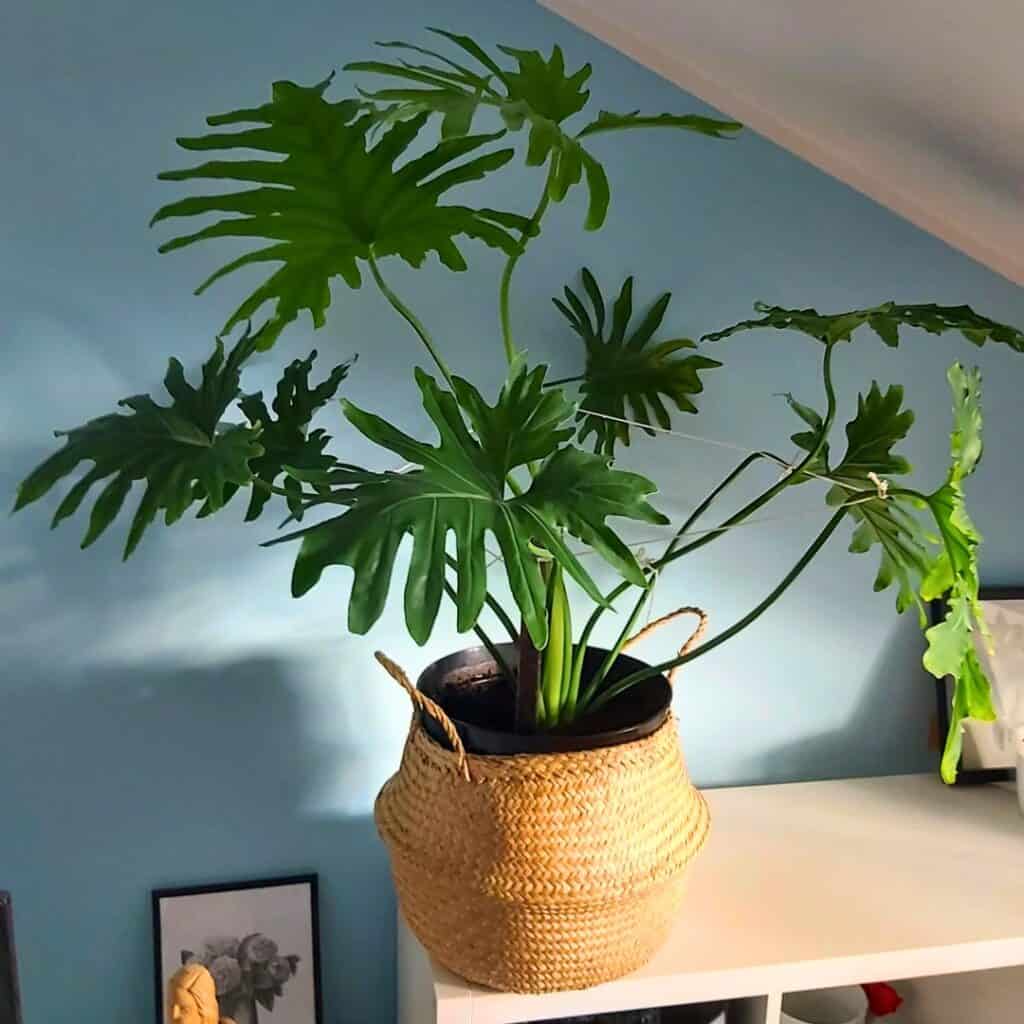
Philodendron Selloum is my go-to when I want instant tropical vibes. Its large, deeply cut leaves just fan out everywhere, making a statement without overwhelming the space.
It brings a room to life with almost no effort. This plant is happiest in bright, indirect light, though it’ll tolerate lower light if it has to.
I keep mine a few feet from a sunny window, and it seems to thrive there. Too much direct sun is a no-go—the leaves can burn, so I’m a bit careful about where I set it down.
I water my Philodendron Selloum when the top few inches of soil feel dry. Soggy roots are a problem, so drainage is important.
Every so often, I wipe the leaves with a damp cloth to keep them shiny and dust-free. One thing I really appreciate is its size—it can get pretty big, which is perfect for filling empty corners or balancing out tall furniture.
I keep it in a simple pot so its bold leaves stay the main attraction. It also helps purify the air, which is a nice bonus.
It grows steadily all year, so I trim it now and then to keep it tidy. A little pruning encourages it to get fuller and healthier.
If you want a statement plant that’s easy to care for but still looks impressive, Philodendron Selloum is a solid choice. It brings in greenery, texture, and a splash of the tropics with almost no hassle.
19) Norfolk Island Pine

The Norfolk Island Pine is one of my favorites for adding height and texture without making a room feel crowded. Its branches grow in these soft, symmetrical layers—almost like a little indoor pine tree.
I love putting it in tall corners or near windows for that burst of greenery. It likes bright, indirect light, so I keep it close to a window but out of harsh sunlight.
If it doesn’t get enough light, it can lose its shape or look a bit dull. Consistent light keeps those needles looking lush.
This plant likes consistent moisture, but soggy soil is a no-no. I water when the top inch is dry and let any extra drain out.
Dry air can brown the tips, so I mist the needles a few times a week or use a humidifier nearby. It handles cooler temps better than most houseplants, which is a nice bonus.
I try to keep it around 60–72°F (16–22°C) and away from any heat vents or drafts. Its upward growth makes it a great evergreen accent any time of year.
During winter, I like using it as a holiday plant. A few light ornaments or string lights and it feels festive—then I just take them off and enjoy it as usual.
The Norfolk Island Pine grows slowly, so repotting is rare. With good care, it can eventually reach over five feet indoors.
Its classic, graceful look fits just about anywhere, and the care routine is simple enough for anyone.
How Tall Indoor Plants Transform Your Space
Honestly, tall indoor plants do more than just look pretty—they totally change the feel of a room. They can cozy up open corners, clean the air, and draw attention to spots you want to highlight.
Enhancing Visual Interest
Whenever I bring a tall plant into a space, everything feels more balanced and lively. The extra height fills up vertical space, especially in rooms with high ceilings.
A tall plant like a fiddle-leaf fig, bird of paradise, or parlor palm softens harsh corners and makes things more inviting. I like to mix tall plants with smaller ones to create layers of greenery.
That gives the room depth and a bit of texture. The difference in leaf shapes—wide banana leaves next to slim bamboo stalks—adds some movement and keeps things interesting.
Tips for placement:
- Put tall plants near natural light for the best growth.
- Use pots that match your furniture style.
- Try grouping plants of different heights for a more natural look.
Even just one tall plant can make a plain corner feel intentional and stylish.
Improving Air Quality
I’ve noticed my home’s air feels fresher after adding a couple of large plants. Tall species like rubber plants, areca palms, and dracaenas are great at absorbing toxins and releasing oxygen.
They’re like natural air filters, helping clear out stuff like formaldehyde and benzene. In dry or heated rooms, these plants also add humidity, which makes breathing easier and keeps skin from drying out.
I really appreciate that during winter when everything feels stuffy. To help them grow well, I dust the leaves every few weeks.
Clean leaves take in light and filter air better. I usually water once a week and mist now and then to keep them happy.
Cleaner air, better moisture, and steady growth—these tall plants are practical and pretty.
Creating a Focal Point
A tall indoor plant can totally become the centerpiece of a room. I like putting one where it naturally catches the eye—next to a reading chair, by the entryway, or near a window.
The height adds some drama without making things cluttered. Picking the right container helps, too.
A ceramic pot or woven basket really grounds the look and makes the plant feel like part of the decor. I often match the pot color to something else in the room, like a rug or lamp, just to tie it all together.
For open spaces, a pair of matching tall plants creates symmetry. In smaller rooms, one tall plant anchors the layout and keeps things tidy.
With the right height, texture, and placement, large indoor plants turn into natural design features that make the space feel complete.
Tips for Placing and Styling Tall Indoor Plants
I like using tall plants to fill empty corners, balance out a room, or add some height to flat walls. I always look for spots where the plant looks best, fits well with the furniture, and gets enough light.
Choosing the Right Corner or Wall
First, I check how much space the plant will need. Some get wide or tall pretty fast, so I measure to make sure it won’t block walkways or doors.
Corners are great for softening sharp angles or drawing the eye up. Here’s a quick checklist I use:
| Step | What to Check | Why It Matters |
|---|---|---|
| 1 | Height & width of plant | To prevent overcrowding |
| 2 | Distance from windows | To control light levels |
| 3 | Wall or corner shape | To find visual balance |
When I put a plant behind furniture, I make sure it’s taller than the chair or sofa back. That helps add height and depth.
For really blank walls, a big planter grounds the space and keeps it from feeling empty.
Complementing Your Decor
I match the planter style to the room’s vibe. Sleek, matte pots for modern spaces; woven baskets or textured ceramics for cozy or rustic looks.
The idea is to make the plant feel like it belongs, not just something I plopped down. Color matters, too.
I go with neutral planters if the leaves are bright green, or choose bold colors if the room needs a little contrast. Mixing up heights and shapes—like a tall floor plant with a smaller tabletop one nearby—keeps things harmonious.
Sometimes I’ll move lamps or side tables to frame the plant naturally. That way, the room doesn’t feel crowded and the plant stands out just enough.
Maximizing Natural Light
I always check which way each window faces before picking a spot for my plants. South-facing windows? They’re the real MVPs for strong light, while north-facing ones are much gentler.
I like to turn my plants every week or so, just so they don’t get all lopsided and start leaning toward the sun. It’s a small thing, but it makes a difference.
If I notice the leaves turning yellow or fading, I’ll move the plant to a new spot. Sometimes, I’ll hang up sheer curtains to soften the light if it’s getting a bit too intense; sensitive leaves can burn pretty fast.
For those shadowy corners, I’ll usually set up a small grow light. Even a regular lamp with a daylight bulb can do the trick for plants that can’t be near a window.
I just like knowing that every part of my home can have a bit of green, even if the sun doesn’t quite reach there.
Frequently Asked Questions
People ask me all the time how I keep my tall indoor plants healthy and looking good. Honestly, I pay attention to light, watering routines, pot size, and making sure the plants are stable.
Which tall plants are best for indoor low light conditions?
Personally, I think Snake Plants and Rubber Plants are awesome for low-light rooms. The Kentia Palm is also surprisingly chill about being in the shade.
They all seem to handle low light just fine and don’t get fussy about not having direct sun.
How often should I water my tall indoor plants?
I just poke my finger into the top inch of soil—if it feels dry, it’s time to water. I pour slowly until everything’s evenly damp.
Most of my tall plants only need water every 7–10 days, but it really depends on how warm and bright the room is.
What are some low-maintenance tall plants for indoor spaces?
If you’re after something easy, the Snake Plant, Rubber Plant, and Areca Palm are my favorites. They barely need pruning and don’t mind if you miss a watering now and then.
Perfect for anyone who’s got a lot going on and can’t babysit their plants all day.
Can tall indoor plants help improve air quality in my home?
Yep, plants like the Fiddle Leaf Fig and Areca Palm can actually help clean the air and add a bit of fresh oxygen.
Honestly, the air just feels less stuffy when I’ve got a few tall plants around.
What are the ideal pot sizes for tall indoor plants?
I usually go for pots that are about 2–4 inches bigger than the root ball. That way, roots have space to grow but don’t end up drowning.
Oh, and a drainage hole is a must—otherwise, you’re just asking for trouble with root rot.
How do I prevent my tall indoor plants from tipping over?
I usually go for heavy pots—clay or ceramic are my favorites because they just feel sturdier. Sometimes, if the plant’s especially wobbly, I’ll add plant stakes or anchors for a bit of backup.
Trimming the plant now and then helps too. Oh, and rotating it so it doesn’t lean too much in one direction? That makes a surprising difference.
Note: Some images in the articles are sourced from Reddit and Other Platforms For Reference Purpose.