14 Best Quick-Spreading Ground Covers for Fast Coverage
When I need to fill bare spots or want a lush, green space quickly, I always look for plants that spread fast and stay low.
Ground covers aren’t just about making things look tidy—they help keep weeds down and protect the soil, too.
The right quick-spreading ground covers can turn plain ground into a healthy, attractive landscape in a short time.
I’ve pulled together a list of favorites that grow fast and thrive in different places. You’ll see options with bright leaves, delicate flowers, and easy care, so matching them to your space isn’t hard.
Each plant brings its own texture and color, livening up gardens, paths, and borders.
Please note: Simplify Plants is reader-supported. As an Amazon Associate, I earn from qualifying purchases made by our readers with no extra cost added to you all! Some links in the post are affiliate links and I get a commission from purchases made through links in the post.
1) Creeping Jenny
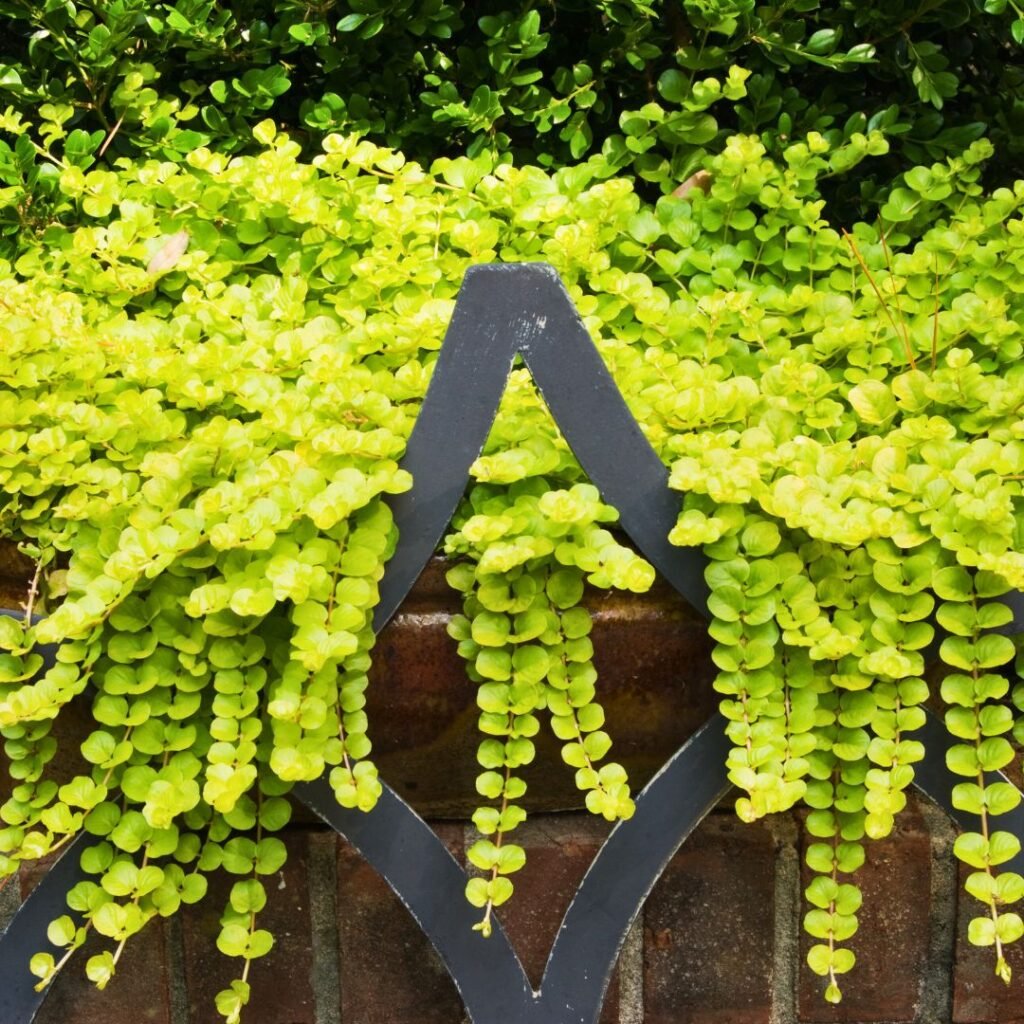
I just love how Creeping Jenny fills empty spots fast. This low-growing perennial spreads quickly and forms a thick mat of round, bright green leaves.
In sunny spots, the leaves often turn golden yellow, which gives the garden a warm glow. It’s a pretty transformation, honestly.
I’ve noticed it does best in moist, well-drained soil. It can handle a bit of shade, but the color pops most in full sun.
Once it settles in, it’ll cover bare ground, trail over rocks, or spill out of containers. I like tucking it between stepping stones—it softens those hard edges.
The small yellow flowers that show up in early summer are a sweet bonus. They don’t need much fuss.
Creeping Jenny is a champ on slopes or places where grass just won’t grow. Because it spreads so quickly, I do keep an eye on it so it doesn’t crowd out other plants.
A quick trim now and then keeps it in check. It’s easy to divide, too, if I want more coverage somewhere else.
Overall, Creeping Jenny is just a simple and reliable ground cover. It grows fast, stays low, and gives my garden that lush, finished look—without much waiting.
2) Ajuga Reptans

Ajuga Reptans—or bugleweed—is one of my go-tos for filling in empty spots. It spreads through short stems that root wherever they touch the soil, so you get a dense carpet in no time.
The leaves are what really catch my eye. They range from deep green to purple or bronze, depending on the variety.
In spring, you get spikes of blue or violet flowers that pop up above the foliage. Bees seem to love them.
Ajuga grows best in partial shade, though it’ll handle some sun if the soil doesn’t dry out. I’ve grown it in all sorts of soil, as long as it drains well.
Once it’s settled, it barely needs any attention—maybe a little water during dry spells.
After flowering, I trim it back to keep things tidy and stop it from spreading too far. If runners sneak into places I don’t want, I just pull them.
It’s great for areas where grass won’t grow or on slopes where you need to hold soil. Since it stays low, mowing isn’t even a thing.
For me, Ajuga Reptans is one of the easiest ground covers out there. Fast results, bold color, and barely any work—that’s my kind of plant.
3) Irish Moss

There’s something about Irish Moss that just makes a garden look soft and inviting. It spreads quickly and fills those awkward gaps between stones or paths.
The tiny, tight leaves look like a plush carpet. It gives everything a neat, cared-for vibe.
Irish Moss stays super low—usually under an inch—but spreads wide over time. I find it easy to grow in either full sun or partial shade.
It likes moist, well-drained soil, so I make sure it doesn’t dry out completely.
In late spring and early summer, tiny white flowers pop up all over. They add a little sparkle without being showy.
It’s subtle, but I think it really elevates a walkway or border.
Irish Moss tolerates light foot traffic, so it’s perfect for stepping-stone areas. I usually start with a few patches and let it spread naturally.
For quicker results, I just plant them closer together.
I like that Irish Moss stays green year-round in many places, even when it’s cold. It’s a reliable, low-maintenance way to fill bare spots with a soft touch of green.
4) Mazus Reptans
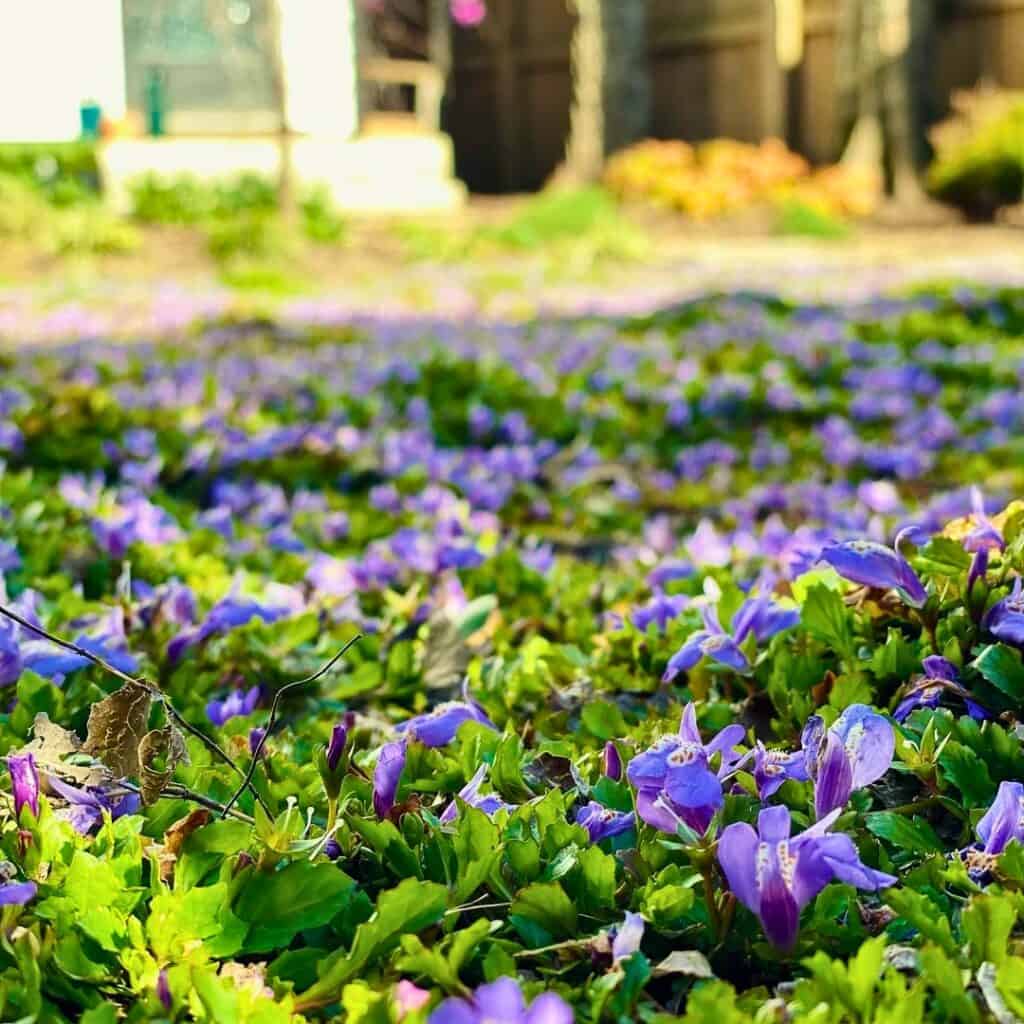
Mazus Reptans is a little workhorse for filling small gaps between stepping stones or along paths. It’s low-growing and spreads fast, making a soft carpet of tiny green leaves.
It barely gets taller than two inches, which I appreciate.
Come late spring and early summer, you’ll see cute purple-blue flowers with yellow centers. They add a splash of color but don’t overwhelm the space.
The flowers attract small pollinators, which is always a plus for my garden.
Mazus likes moist, well-drained soil and partial shade, but it’ll tolerate a bit of sun, too.
Keeping it evenly watered helps, especially if it’s hot out. Once it’s settled, it’s pretty hands-off.
Its creeping stems help it spread quickly. In just a few months, bare spots fill in.
If it starts to wander, a quick trim brings it back in line.
I use Mazus where grass won’t grow or where I want a lush, green cover that doesn’t get tall. It can handle a little foot traffic, so it’s fine for walking on now and then.
If you want a neat, vibrant ground cover, Mazus Reptans is a solid pick.
5) Sweet Woodruff

Sweet Woodruff is a favorite for filling shady spots with fresh green color. It forms a soft carpet that stays tidy and doesn’t ask for much.
I love planting it under trees or along pathways where not much else grows.
In late spring, little star-shaped white flowers pop up. They brighten shady corners and have a gentle, sweet scent.
The leaves look clean and stay green for most of the season.
Sweet Woodruff spreads fast but isn’t a bully about it. It grows from runners that slowly expand the patch, and it’s easy to shape or thin if needed.
It likes moist, well-drained soil and shade, so I water it regularly at first. After that, it’s pretty self-sufficient.
A bit of mulch helps keep the soil cool and damp.
Planted under shrubs or trees, it acts as a natural weed barrier. Its dense growth blocks sunlight, so weeds have a hard time popping up.
I also use it along edges for a soft, finished touch.
It’s hardy, handles cool weather, and deer usually leave it alone. For quick, easy cover in shady spots, I can’t really think of anything better.
6) Blue Star Creeper

Blue Star Creeper is one of those plants that just gets the job done. It fills in bare spots fast and doesn’t need much from me.
You get a soft, green carpet dotted with tiny blue flowers in spring and early summer. The blooms are small, but they make everything look fresh and inviting.
It spreads quickly but stays low—usually no more than two inches tall. I can walk on it gently, so it’s perfect for between stepping stones or along garden paths.
It grows best in full sun to partial shade and can handle light foot traffic.
Blue Star Creeper isn’t picky about soil, as long as it drains well. Once it’s established, I really don’t have to fuss over it.
Regular watering helps it spread, especially in dry spells.
It stays green most of the year if winters aren’t too harsh. It resists weeds by covering the soil tightly, so there’s less weeding for me.
That’s always a win.
7) Clover

Clover is a classic for quick, green coverage. It grows fast and fills empty spots with bright leaves.
It spreads on its own, so there’s not much waiting around for results.
Clover improves soil health by pulling nitrogen from the air and adding it to the soil. I’ve seen my lawn look greener when clover is mixed in—it naturally helps the grass.
It’s also really low-maintenance. Clover stays short, so mowing isn’t much of a chore.
It handles foot traffic well, which makes it great for walkways, play areas, or garden paths. Even in dry weather, clover keeps some color when other ground covers fade.
Clover brings in bees and pollinators, adding life to the garden. In spring and summer, you’ll see small white or pink flowers—cheerful but not overwhelming.
I usually pick white clover or microclover for fast coverage. Both spread quickly and form a thick mat.
Microclover is shorter and blends into lawns for a neat look.
If I see bare spots, I just scatter some seed and water for a week or two. The area greens up quickly—it’s a simple, wallet-friendly fix.
Whether it’s on slopes, under trees, or between stones, clover gives me dense, tidy coverage all season. Fast growth, low effort, and natural charm—that’s why it’s a favorite.
8) Corsican Mint

Corsican mint is such a neat little plant. It forms a soft, green carpet with tiny round leaves that hug the ground.
It’s perfect for filling spaces between stepping stones or along garden paths. The texture feels smooth, and the color stays bright all season.
Once it takes root, it really spreads fast. I’ve watched it cover bare spots in just a few weeks if the conditions are right.
It does best in partial shade and likes moist, well-drained soil. Too much sun or dry soil can slow it down, so I give it a little shade and regular water.
What I love most is the fresh mint scent. Walking across a path covered in Corsican mint releases a light, clean fragrance.
It’s not overpowering, but it makes the garden feel extra fresh. The scent also seems to keep some bugs away, which is a nice perk.
Because it stays under an inch tall, I never have to trim it. I use it in garden corners, under shrubs, and even around pots for a finished look.
It pairs well with stepping stones and can handle a bit of foot traffic.
Corsican mint works well in cool, damp spots where other ground covers fail. It keeps the ground green and soft, even when other plants are struggling.
In my garden, it adds charm without much work. For a low-maintenance, aromatic ground cover, Corsican mint is a smart pick.
9) Vinca Minor

Vinca Minor, or periwinkle, is a speedy ground cover that’s hard to beat. It grows low, spreads fast, and forms a dense mat of glossy green leaves.
In spring, small blue or purple flowers pop up and add a soft touch of color, especially in shady spots.
I find it easy to grow where grass just won’t cooperate. It loves partial to full shade and works under trees or along borders.
Once it’s in, it barely needs any care. I just trim the edges if it tries to wander too far.
Vinca Minor is evergreen, so it keeps its color most of the year. That makes my yard look green even in the colder months.
It also helps control soil erosion on slopes, since its roots hold the soil tight.
When planting, I space the starts about a foot apart and let them do their thing. They fill in quickly.
I water regularly at first, then let the rain handle the rest. It’s not picky—just wants well-drained soil and a little time to settle.
It’s a forgiving, easy plant that gives me fast, lasting coverage year after year.
10) Bugleweed

I’ve always liked how Bugleweed fills bare spots with a thick, colorful mat. It spreads by runners, creating a lush carpet that really keeps weeds in check.
The leaves show off shades of green, bronze, and purple, so it’s easy to match with other plants. In spring, those small blue flower spikes pop up and add just the right amount of color without getting out of hand.
I find Bugleweed super useful under trees or along shady garden paths where grass just refuses to grow. It prefers partial shade and moist, well-drained soil, though I’ve seen it handle less-than-perfect conditions.
When I first plant it, I water regularly, but once it settles in, it’s surprisingly low-maintenance. It spreads fast, so I do trim the edges a few times a year—otherwise, it’ll wander into places I don’t want it.
I’ve found it’s best to give Bugleweed its own space. If I let it go wild, it’ll take over more than I bargained for. Still, I appreciate how it covers ground quickly and keeps the soil cool and protected.
If I need a low-maintenance, fast-growing ground cover that looks good year-round, Bugleweed is always on my list. It adds color in shady spots and saves me time on weeding and watering.
11) Lamium Maculatum

I really enjoy growing Lamium maculatum, or spotted dead nettle. It spreads quickly and brings soft color to those tricky shady areas.
The silvery-green leaves with delicate patterns brighten up darker corners of the garden. I usually plant it under trees or along borders where grass just won’t cooperate.
Its low, trailing stems root as they go, so it fills in gaps fast. In spring and early summer, the pink, purple, or white flowers bloom above the foliage—bees love them, and it gives my garden a gentle, lively touch.
I like that it doesn’t take over too aggressively if I keep an eye on it. Lamium does best in partial to full shade and likes moist, well-drained soil, but it can handle short dry spells once it’s settled in.
If it starts to wander too far, I just trim it back and it behaves. I also appreciate that it’s deer- and rabbit-resistant, so hungry critters don’t bother it.
It works well in containers, on slopes, or along shaded pathways. With hardly any effort, I get quick, colorful coverage that keeps things lively all season.
12) Thyme (Creeping)

I’m a big fan of creeping thyme because it spreads fast and adds so much charm to open spaces. This sturdy ground cover grows close to the soil, making a soft, green carpet that’s perfect between stones or along paths.
It loves full sun and doesn’t need much water once it’s settled in. I’ve found it’s perfect for dry or rocky spots where other plants just won’t make it.
When it blooms, tiny pink or purple flowers show up and attract bees and butterflies. There’s a light, fresh scent that makes the whole garden feel alive.
Creeping thyme stays low-growing—usually under three inches—so it won’t crowd out taller plants. It can even handle a bit of foot traffic, which is great for walkways.
I usually start with small plugs or divisions and space them out, since they spread so fast. Within a season, bare patches are gone and I’m left with a neat, even cover.
What I love most is how versatile it is. I tuck it between pavers, along borders, or around herbs. It keeps weeds down, adds color, and just makes everything look a bit more natural and tidy.
13) Snow-in-Summer

I really like how Snow-in-Summer (Cerastium tomentosum) quickly covers bare ground with a soft, silvery carpet. The small, gray-green leaves stay low, and once it’s established, it spreads fast.
In late spring, it’s covered in bright white flowers that look just like a fresh dusting of snow. It’s a tough plant that thrives in full sun and well-drained soil.
I’ve had the best luck planting it on slopes, in rock gardens, or along borders where water drains away quickly. Too much moisture can cause root rot, so I avoid damp spots.
Snow-in-Summer spreads by runners, filling in gaps between stones or dry patches where other plants give up. It hardly needs any care once it’s going—just a quick trim after flowering keeps it looking good and encourages thicker growth.
It’s also drought-tolerant, which is perfect for low-maintenance areas. I’ll often use it around patios or walkways, where the silver leaves reflect sunlight and keep things bright, even in the heat.
This plant can get a bit aggressive if it’s happy, so I keep an eye on the edges and prune as needed. With a little attention, it stays neat and gives me that lush, uniform coverage I’m after.
14) Sedum Spurium

I’m always impressed by how Sedum spurium—creeping sedum or two-row stonecrop—fills empty spots with dense mats of small, fleshy leaves. It hugs the ground and spreads fast once it’s settled.
This plant stays tidy, making it perfect for sunny borders, rock gardens, or between stepping stones. It thrives in full sun and well-drained soil, even in dry or poor spots.
The foliage changes with the seasons. In spring and summer, leaves are bright green or tinged with red, then turn copper or burgundy in fall. I think that color shift keeps things interesting.
In summer, tiny pink or red flowers bloom in clusters above the leaves. Bees and butterflies show up, and the bursts of color are a nice bonus, even if they don’t last long.
Sedum spurium is ridiculously easy to maintain. I barely fertilize or trim it, and it still spreads evenly. If it gets too ambitious, I just cut back a few pieces and replant them—each one roots fast and covers new ground in no time.
Since it’s so tough, it works well on slopes or in places where grass won’t grow. It helps prevent erosion and stays green when other plants fade. For a simple, low-care ground cover that looks tidy and spreads fast, this one’s always a favorite of mine.
Benefits of Quick-Spreading Ground Covers
Quick-spreading ground covers are a lifesaver—they handle a bunch of yard problems at once. They keep soil in place, cut down on maintenance, and fill open spaces where weeds love to pop up.
These plants save me effort while making the garden look healthy and inviting.
Erosion Control
Bare soil washes or blows away way too easily when it rains or gets windy. Ground covers help with that. Their roots hold soil tightly, which is a huge help on slopes, garden beds, or near driveways.
I use them in spots where grass just won’t cooperate. Different ground covers do better in different places, though. For example:
| Slope Type | Best Options |
|---|---|
| Gentle slopes | Creeping thyme, Ajuga |
| Steep slopes | Vinca minor, Crown vetch |
I like how these dense mats slow down water runoff and let rain soak in, instead of washing everything away. Over time, the ground stays put and nutrients stick around for my other plants.
Low-Maintenance Landscaping
I’ll admit it—I prefer low-effort landscaping. Quick-spreading ground covers help me get there. Once they fill in, I barely need to mow, water, or fertilize compared to a traditional lawn.
That saves a ton of time and money. These plants often handle drought and poor soil, so they’re tough when the weather gets weird. Sedum and Creeping phlox are two that really thrive with almost no attention.
A light trim a few times a year keeps things even, but otherwise, they do the work for me. My yard stays green and happy without constant chores.
Natural Weed Suppression
Maybe my favorite part: ground covers naturally block weeds. A thick layer of leaves shades the soil, so weed seeds don’t get enough light to sprout.
Some varieties even release natural chemicals that make it tough for weeds to grow nearby. I’ve noticed this with Liriope and Lamium.
As they spread, these plants keep the soil covered year-round. Less time pulling weeds, fewer chemicals—my garden just feels cleaner and less stressful.
Tips for Successful Ground Cover Planting
I focus on giving my plants a good start: prepping the soil, planting with the right spacing, and keeping up with watering and nutrients. These steps help them spread fast and fill bare spots before I know it.
Soil Preparation
First, I always check the soil type and condition. Ground covers do best in loose, fertile soil with good drainage.
I loosen compacted soil about 6 inches deep and clear out weeds, rocks, and roots. That way, roots can grow without competition.
Mixing in organic matter like compost or aged manure helps with nutrients and texture. For sandy soil, I add peat moss or garden soil to help hold water. In clay, I’ll mix in coarse sand or perlite for better drainage.
Before I plant, I test the pH level with a basic kit. Most ground covers like slightly acidic to neutral soil (pH 6.0–7.0). I tweak it if needed—lime to raise pH, sulfur to lower it—so the plants can soak up nutrients.
Optimal Spacing
I space my plants for their mature size, not just how they look on day one. Crowding them might look good at first, but it can cause airflow and disease issues down the line. A little planning now saves headaches later.
Here’s a simple spacing guide I use:
| Plant Size at Maturity | Recommended Spacing |
|---|---|
| Small (under 6 in. tall) | 6–8 inches apart |
| Medium (6–12 in. tall) | 12–18 inches apart |
| Large (over 12 in. tall) | 18–24 inches apart |
I stagger the plants in a triangular pattern for faster coverage. This helps avoid bare spots and lets them knit together evenly as they grow.
Watering and Fertilization
I always water deeply right after planting so the roots get a good start. For the first few weeks, I try to keep the soil evenly moist but not soggy—not always easy, but it’s worth it.
Too much water can lead to root rot, and dry soil just slows everything down. Once the plants settle in, I cut back and water less often, but I make sure it’s a good soak when I do.
To help things along, I use a slow-release fertilizer in spring. I’m partial to balanced formulas, like 10-10-10, since they’ve always worked for me.
If you use too much nitrogen, you’ll get a lot of leaves but not much spreading—so I stick to the label instructions, even if it’s tempting to add more.
I like to mulch with a thin layer around the plants to hold in moisture and keep weeds out. About two inches of shredded bark or straw does the trick.
It breaks down slowly, so over time, the soil just keeps getting better.
Frequently Asked Questions
People ask me all the time about picking ground covers that look good and fill in quickly. Some are better for sun or shade, and a few are champs at handling weeds, drought, or pets. Here’s what I’ve picked up along the way.
What are some low-maintenance ground covers that spread quickly?
I’m a big fan of Creeping Jenny—it grows fast and doesn’t ask for much. The bright green leaves are a nice bonus.
Ajuga Reptans is another solid option. It’s colorful, stays low, and doesn’t get out of hand.
Can you suggest fast-growing ground covers for full sun areas?
For those sunny spots, Irish Moss has worked well for me. It’s soft, dense, and doesn’t mind the sun.
Creeping Jenny also does great in full sun, and honestly, it brightens up any bare patch.
What are the best ground covers to prevent weeds?
If you want to block weeds, Ajuga Reptans is a tough competitor. It shades the ground so weeds barely get a chance.
Mazus Reptans is another one that fills in quickly and leaves little room for weeds to sneak through.
Could you recommend some drought-tolerant ground covers that spread fast?
When it’s dry, I usually reach for Sweet Woodruff. Once it’s settled in, it handles those dry spells like a champ.
Ajuga Reptans is pretty versatile, too—it seems to manage short dry periods without much fuss.
What ground covers can thrive in shady areas and offer quick coverage?
For those shady corners, Sweet Woodruff is a go-to. It spreads nicely under trees or next to buildings where the sun barely reaches.
Irish Moss can handle dappled shade and makes a smooth, green carpet in low-light spots.
Are there any quick-spreading ground covers that are pet-friendly?
I’ve had good luck with Mazus Reptans—it’s gentle on paws and honestly feels pretty nice to walk on, too. Even if your pets run around a lot, it seems to spring right back.
Creeping Jenny is another pet-safe option. It adds a splash of color and you don’t have to stress about chemicals or prickly bits.
Note: Some images in the articles are sourced from Reddit and Other Platforms For Reference Purpose.