14 Beautiful Hanging Flowering Plants for Your Garden
I just love how hanging plants can turn a plain space into something colorful and alive. They bring texture and brightness to patios, balconies, and gardens, even if you don’t have much room.
Choosing the right flowering plants to hang really does wonders for creating a cheerful, inviting vibe.
I’ll share some of my favorite hanging flowers that keep looking good through the seasons.
You’ll find a few care tips and ideas for showing them off in fun ways. Each plant has its own personality, so there’s something for everyone.
Please note: Simplify Plants is reader-supported. As an Amazon Associate, I earn from qualifying purchases made by our readers with no extra cost added to you all! Some links in the post are affiliate links and I get a commission from purchases made through links in the post.
1) Fuchsia

Fuchsia is one of those plants that just pops in a hanging basket. The flowers look a bit like tiny lanterns—so charming! You can find them in pink, purple, red, and white, and honestly, mixing a few colors together is half the fun.
When I grow them, I make sure they get bright, indirect sunlight. Too much heat? The blooms start to wilt, so I usually hang them somewhere with a bit of afternoon shade.
Fuchsias like their soil moist but not soggy, so I check the soil often. They really thrive in cooler temps, which makes them perfect for spring and early summer.
Pinching back the new growth helps make the plant fuller and encourages more flowers. It’s a tiny thing that really pays off.
One of my favorite things is how they attract hummingbirds. Early mornings, I’ll see them darting around the blossoms—those bright colors are a magnet for pollinators.
To keep my fuchsias blooming, I use a balanced liquid fertilizer every couple of weeks during the growing season. I also make sure the soil never gets bone dry, especially in the heat.
Once you get the hang of their watering and sunlight needs, fuchsias are pretty easygoing. Their hanging flowers make my porch feel lively and bright—definitely a top pick for a vibrant, graceful display that won’t stress you out.
2) Petunia
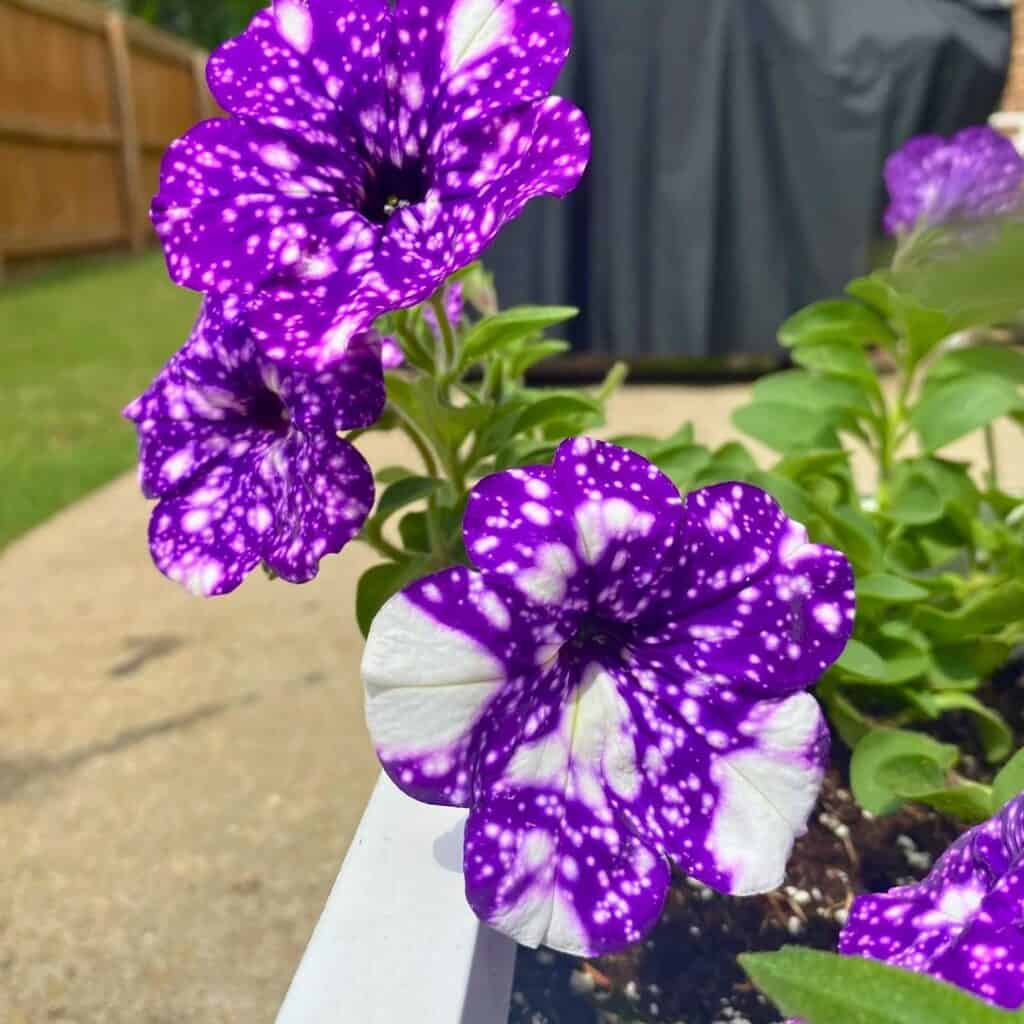
Petunias are just such a classic for hanging baskets. Their blooms spill over the edges, making everything look more cheerful. I like them because they’re easy to care for and pretty forgiving if you forget a watering here or there.
They come in tons of colors and patterns—deep purples, pinks, whites, even stripes or spots. I’ll often mix a few varieties in one pot for a playful, almost wild look.
I water my petunias when the top of the soil feels dry, but I always make sure the basket drains well. Soggy roots are a no-go. Regular watering and sunlight keep the blooms coming.
Deadheading faded blossoms keeps them looking tidy and encourages more flowers. It only takes a minute, but it really helps.
I always put my petunias in full sun. They love the warmth and can handle quite a bit of heat, but even when it cools down, they keep adding color until frost.
Petunias look great with trailing plants like lobelia or ivy. I usually let them be the star, with other plants filling in the gaps. Their thick, lush growth makes any basket look full and lively.
What I appreciate most is their versatility. Whether it’s baskets, pots, or edging a garden, petunias always bring a burst of color and warmth with very little fuss.
3) Trailing Lobelia

Trailing Lobelia is such a gentle way to add color to a hanging basket. The little flowers cascade down in shades of blue, purple, white, or pink—honestly, they pair with almost anything.
I plant lobelia in a light potting mix that drains well. The roots are happiest when the soil is moist but not soggy, so I water often during hot days.
This plant does best in cooler weather with partial sun. Too much heat can slow the blooms, so I shift the basket to a shadier spot when summer gets intense.
When the flowers start to fade, I trim the stems. A quick trim brings on new growth and more blooms.
I love mixing trailing lobelia with petunias, bacopa, or alyssum for a soft, rounded look. Blue lobelia with white flowers is a favorite combo of mine—it just pops. It’s such an easy way to brighten patios or window boxes with barely any effort.
4) Bougainvillea

Bougainvillea is pure drama in a garden, honestly. The bright pink, purple, orange, or white bracts look like glowing paper petals in the sun. Hanging from a basket or trellis, it just lights up the whole space.
This plant needs warm, sunny spots, at least six hours of sunlight a day. I always make sure the soil drains fast—too much water and you risk root rot.
Pruning is key. I trim the long vines after each flowering period to keep it neat and encourage more blooms.
Bougainvillea likes dry conditions once it’s settled in. I water deeply but not too often, letting the soil dry out a bit in between. A light monthly feed with balanced fertilizer keeps things looking sharp.
When I hang bougainvillea, I use a sturdy basket—it can get heavy! The cascading branches look stunning from tall planters or balcony railings.
Despite looking delicate, bougainvillea is surprisingly tough and low-maintenance. It stands up to heat and wind, and the color is just unbeatable for that tropical vibe.
5) Calibrachoa
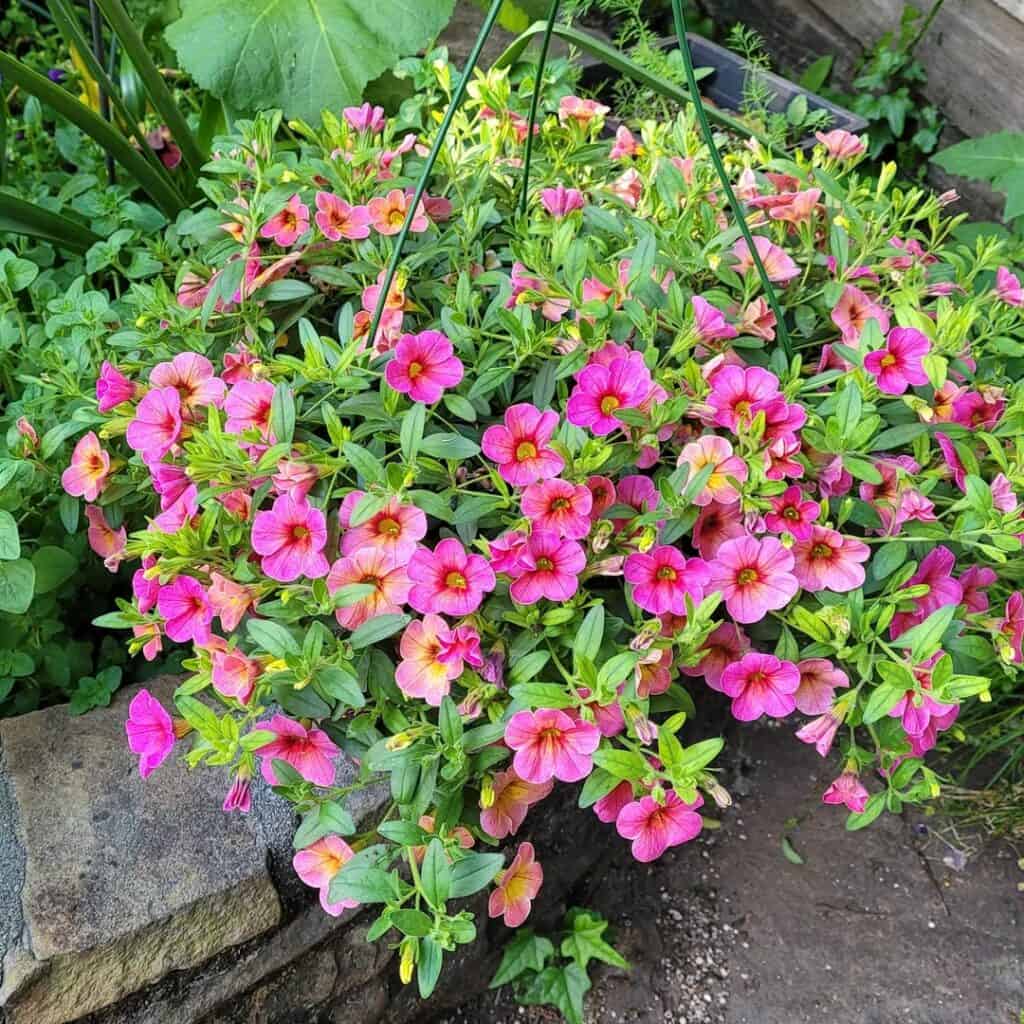
Calibrachoa fills my garden with tiny, colorful blooms that look a lot like mini petunias. It’s often called “Million Bells” for a reason—one plant can be absolutely loaded with flowers. I love how it trails over the sides of hanging baskets.
It’s easy to care for as long as it gets full sun and well-drained soil. I water regularly but never let it get soggy. Feeding with a balanced fertilizer every few weeks keeps the color coming.
The flowers come in pinks, reds, purples, yellows, oranges, and even bicolors. Mixing a few shades in one basket gives a really lively look. Each bloom is small, but together they make a bright, cheerful carpet.
I don’t need to trim it much—just pinch back any leggy bits to keep things tidy. It keeps blooming from late spring through fall, even after rain or wind.
Calibrachoa attracts bees and butterflies, which is always a plus. It doesn’t have much scent, but the colors more than make up for it. For small spaces or sunny balconies, it’s one of my go-tos for quick, reliable color.
6) Ivy Geranium

Ivy Geraniums are fantastic for adding color and trailing vines to any space. Their blooms come in pink, red, white, or lavender, so it’s easy to match them with other plants. They look great in baskets and window boxes.
These guys do well in full sun to partial shade, and I make sure they get at least a few hours of sunlight. I water regularly but let the soil dry out a bit in between—soggy roots are a no for these.
They like a well-draining, nutrient-rich potting mix. I feed them with a balanced liquid fertilizer every few weeks during the growing season to keep them healthy and blooming.
Trimming the vines and removing faded flowers keeps them neat and encourages fresh growth. It’s a simple thing that really makes a difference.
What I love is how low-maintenance they are. Give them enough light and moderate water, and they’ll stay strong and colorful all season. Hanging them on a porch or near a sunny window always adds a soft, inviting touch.
7) Hanging Begonia

Hanging begonias are just perfect for bringing color to shady spots. Their soft, drooping blooms and cascading shape make them ideal for baskets on porches or patios.
They thrive in indirect light and like moist, well-drained soil. I water regularly but avoid letting the soil get soggy, especially when it’s hot and baskets dry out quickly.
Begonias come in pink, red, orange, and white. I sometimes pair them with ivy or other trailing plants for extra texture and contrast.
During the warm months, they bloom almost nonstop. Feeding them every few weeks with a balanced liquid fertilizer keeps them healthy. A quick trim now and then helps new buds form.
Before the first frost, I usually bring my hanging begonias indoors. They don’t like the cold, so a bright window is best for winter. With a bit of care, they can last for years and bloom again next season.
Hanging begonias just make everything look more cheerful. Their steady blooms and easy care make them one of my favorites.
8) Sweet Potato Vine
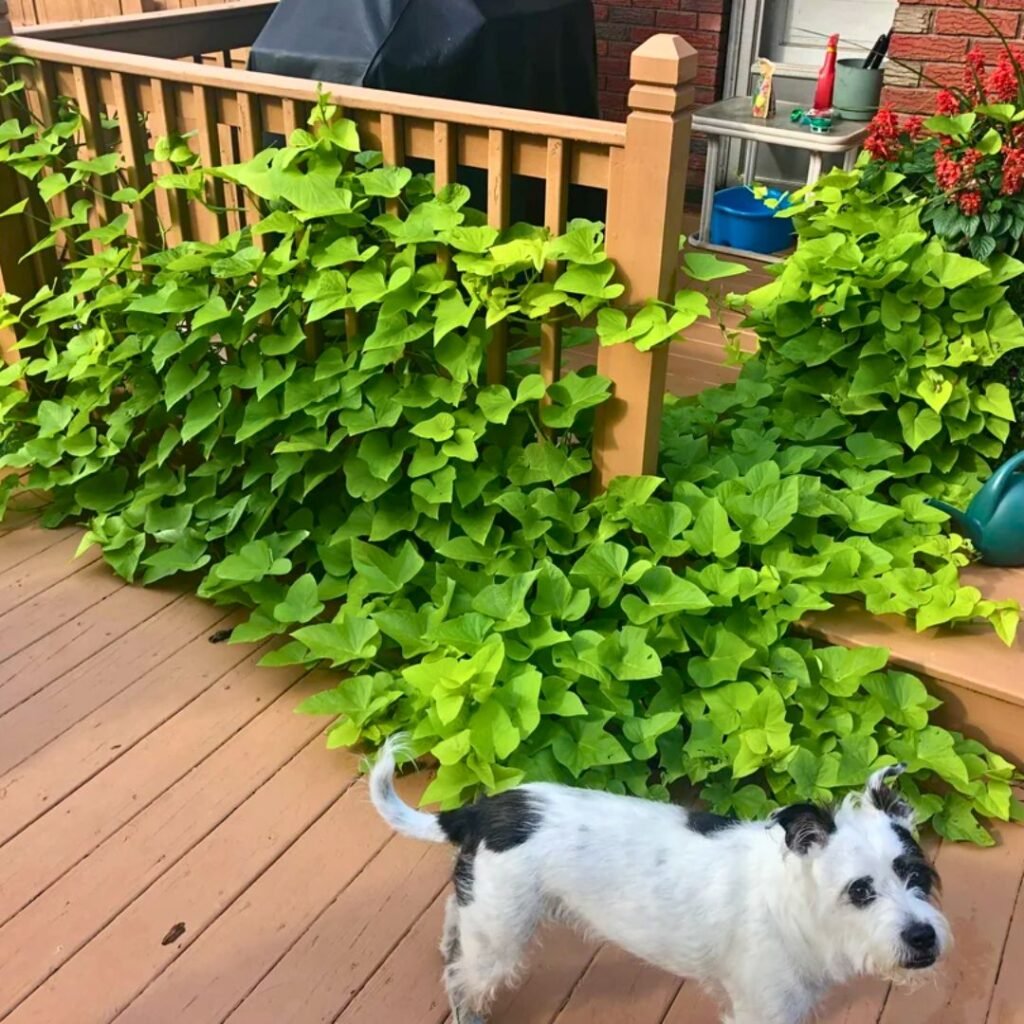
I can’t get enough of Sweet Potato Vine in hanging baskets. The trailing vines spill over the edges, giving a full, lively look. It’s super easy to grow, so it’s great for anyone—beginner or pro.
The bold, heart-shaped leaves come in lime green, deep purple, and bronze. Mixing a few colors together gives my garden a layered, textured vibe.
Sweet Potato Vine loves warm weather and bright light. I put it where it gets plenty of morning sun, but it handles partial shade well too.
To keep it looking good, I water enough to keep the soil just moist, not soggy. If the vines get too wild, I just trim them back for a neater shape.
I like pairing it with petunias, verbena, or calibrachoa. Their flowers stand out against the vine’s bold leaves, making the whole basket look lush and full.
This plant grows fast in summer. When the weather cools, I take cuttings and root them indoors so I can enjoy it again next year.
It’s honestly one of my favorites for bold, easy color in hanging displays. If you want a plant that gives quick results, Sweet Potato Vine is hard to beat.
9) Verbena
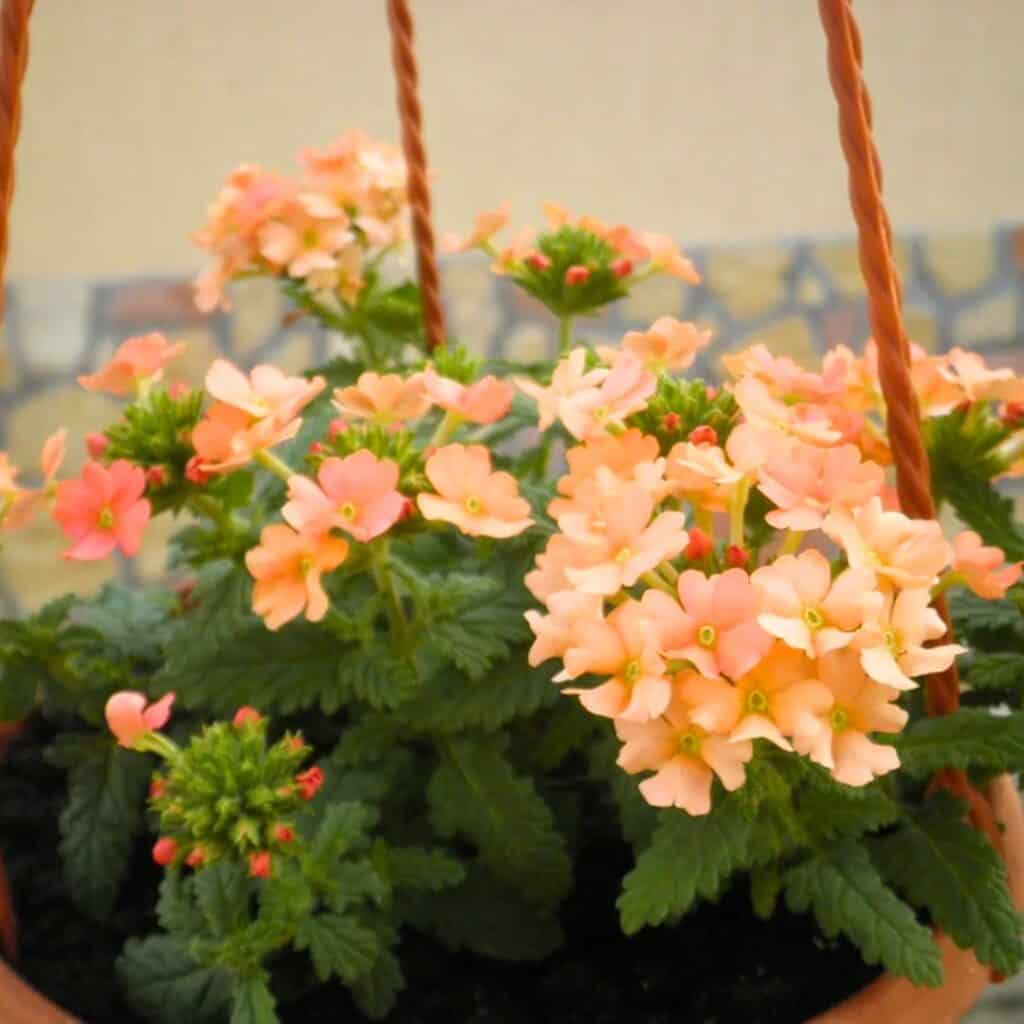
I can’t help but love Verbena for its bursts of tiny, bright blooms that spill so nicely from hanging baskets. The flowers come in purple, pink, red, and white—such a cheerful mix, honestly, and they last all season.
This plant thrives in full sun and really prefers well-drained soil. I try to water mine regularly but let the soil dry out just a bit between waterings, since too much moisture can be trouble for the roots.
Verbena attracts butterflies and bees, so it’s perfect if you want to help pollinators. On warm afternoons, I’ll spot butterflies fluttering around the flowers, which always makes me smile.
It blooms from spring through fall if I keep up with deadheading. Removing faded flowers encourages new buds, so it stays looking lush and full. Every now and then, I give it a quick trim to keep things neat.
Verbena is so low-maintenance—it doesn’t ask for much. Just a balanced fertilizer every few weeks keeps it going strong, even during hot spells.
I like to hang mine near sunny patios or balconies, where the long stems can trail over the edges. That gentle, cascading growth makes the whole space feel more inviting.
If you want steady blooms and easy care, Verbena is a reliable choice. It’s vibrant, attracts pollinators, and honestly looks good with almost any garden style.
10) Million Bells

I’m a big fan of Million Bells because they just keep blooming. The tiny, trumpet-shaped flowers remind me of little petunias and come in pink, yellow, purple, and white. They instantly brighten up any hanging basket or porch planter.
These plants love full sun and need soil that drains well. I water them often but never let things get soggy—roots hate that. Feeding them every couple of weeks with a balanced fertilizer seems to keep the blooms coming.
I really admire how easily they trail over the sides of containers. Their cascading growth adds a soft, colorful touch without being too much. After a heavy rain, they bounce back fast and don’t need much pruning at all.
What I appreciate most is how low-maintenance they are. Just picking off the odd dead bloom keeps things neat, and they’ll keep flowering until frost.
Million Bells also draw in butterflies and hummingbirds, which adds even more life to the garden. Watching them visit the flowers is one of my favorite parts of summer. I always make sure to include a few baskets of these in my garden plan.
11) Lobularia

I’m always drawn to Lobularia, or Sweet Alyssum, for its soft clusters of tiny, fragrant flowers. It’s one of those plants that fills a garden with gentle color and scent without needing much fuss.
It grows in a nice, mounding way that looks lovely spilling over a hanging basket or container. The little blooms come in white, purple, and pink, blending easily with whatever else I plant.
Lobularia seems happiest in full sun to partial shade. It wants soil that drains well and regular watering, but it’s not a fan of soggy roots. That makes it perfect for sunny patios where things dry out quickly.
It keeps blooming for ages—starting in early spring and sometimes lasting into fall if the weather’s kind. Bees and butterflies love it, so my garden always feels lively.
To tidy things up, I’ll trim it lightly when the flowers fade. It bounces back with fresh blooms in no time. Sometimes, it even reseeds itself in milder climates, which is a nice bonus.
If you’re after an easygoing, always-fresh hanging plant, Lobularia is hard to beat. It never tries to steal the show, but it quietly makes everything look better.
12) Hanging Impatiens
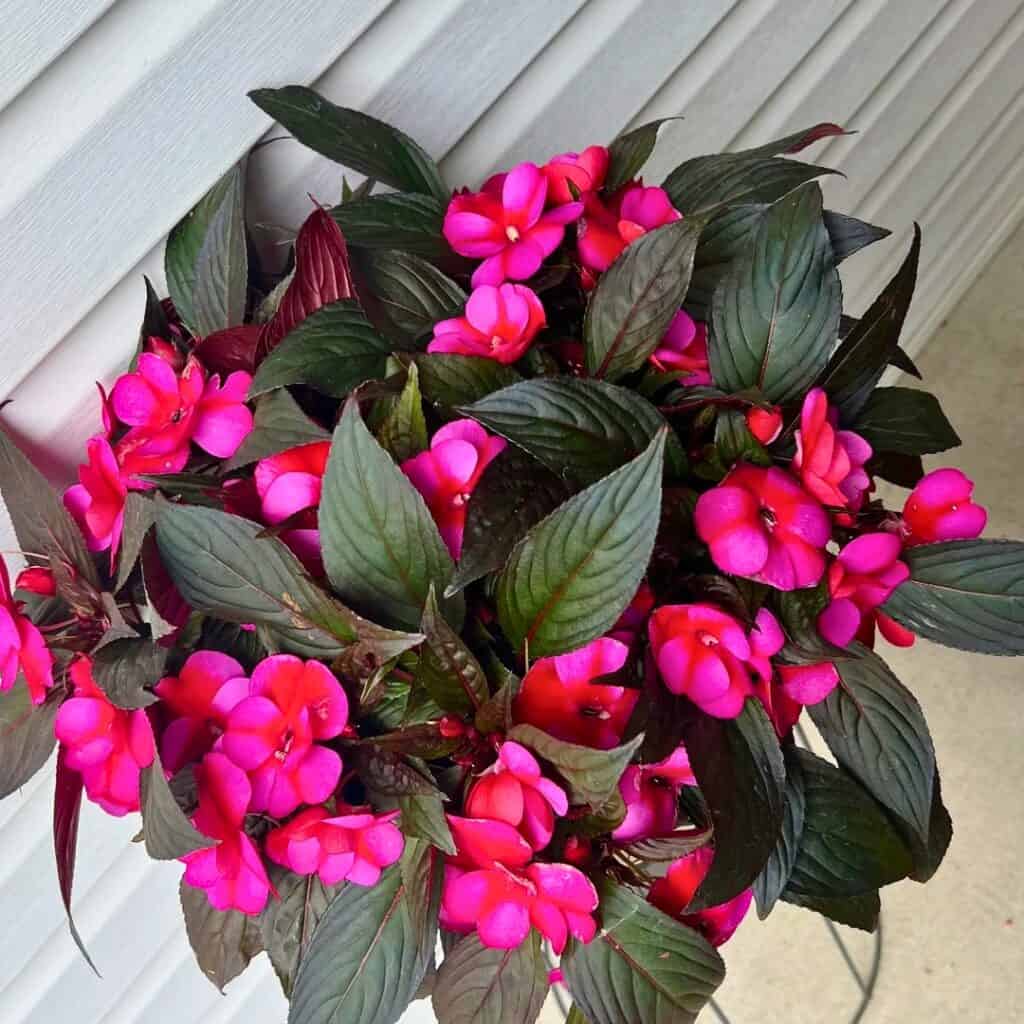
I can’t get enough of hanging impatiens—they bring such bright color to shady corners. The blooms come in pink, white, red, and purple, and those soft, full flowers really fill out a basket.
These thrive in partial to full shade, making them just right for porches or patios that don’t get much sun. I water mine often because they like their soil moist. If the soil dries out, the leaves wilt fast, but they perk up again with a good drink.
I’ve found that regular feeding helps them bloom for months. A balanced liquid fertilizer every couple of weeks keeps them lush and trailing over the sides, creating a curtain of color.
They like well-draining soil but hate to dry out completely. On hot days, I check the soil daily and water right away if the leaves droop.
When stems get too long, I pinch them back to keep things compact and encourage more blooms. It’s a simple trick, but it really helps the basket look tidy and full.
These flowers aren’t fans of frost, so I treat them as annuals in cooler places. In warm areas, they can keep growing all year. Sometimes I’ll bring my baskets indoors to stretch out the season a little longer.
Hanging impatiens add soft texture and steady color wherever they go. They’re forgiving, low-fuss, and perfect for filling up those shady spots that need a bit of life.
13) Hardenbergia

There’s something special about Hardenbergia when it wakes up the garden in late winter and early spring. The clusters of purple, pink, or white pea-like flowers make a gentle curtain of color, whether they’re tumbling from a basket or climbing up a trellis. The dark green leaves are a great backdrop for all those blooms.
Often called “Happy Wanderer,” this plant does well in sunny or partly shaded places. I’ve noticed it really takes off in well-drained soil with regular watering, especially during dry spells. Once it’s settled in, it handles a bit of drought, which is a relief.
Hardenbergia is more than just pretty—it’s tough and easy to care for. I trim the vines lightly after they flower to keep them tidy and get more blooms next season.
In hanging baskets, the vines spill nicely over the edges, and the flowers attract bees and butterflies—my garden feels so alive. The trailing habit looks great in planters or even as ground cover if you have the space.
Planted near a fence or railing, it climbs naturally and creates a soft, colorful screen. The mix of rich leaves and vibrant flowers always lifts my mood when I step outside. It’s one of those plants that keeps things lively when most others are still waking up from winter.
14) Cuphea

I’m a big fan of Cuphea, sometimes called the cigar plant or firecracker plant, because it brings so much color and energy to hanging baskets. The tiny, tube-shaped flowers come in orange, red, or purple and always seem to attract hummingbirds and butterflies.
Cuphea grows best in full sun but can handle a little light shade if that’s all you’ve got. I make sure it gets well-drained soil and keep up with regular watering, especially when it’s hot. Letting the top layer dry out a bit between waterings is key.
It has a compact, trailing habit that’s perfect for hanging containers. The stems spill over the edges for a soft, colorful look. I give it a light trim now and then to keep things tidy and to encourage more flowers.
Cuphea stands up to heat and humidity really well, so it’s a summer staple for me. In cooler places, I treat it as an annual, but in warm zones it’ll go all year. Either way, the steady blooms keep my space cheerful.
It’s also wonderfully low-maintenance. I don’t fuss with fertilizer much—just a bit of slow-release food every few weeks does the trick. With some sun and basic care, Cuphea gives me months of bright, happy color.
Essential Care Tips for Hanging Flowering Plants
I try to keep my hanging flowers happy with the right mix of water, sunlight, and trimming. These steps make all the difference for strong growth, longer blooms, and lots of color.
Watering and Fertilization Basics
Hanging baskets dry out faster than plants in the ground, so I check the soil moisture often. I water when the top inch of soil feels dry, which usually means once a day in warm weather. Cooler months call for less frequent watering, but I never let the roots dry out completely.
A watering can with a narrow spout helps me avoid splashing the leaves and blooms. Deep watering once or twice a week encourages strong roots, but I’ll add light watering in between to keep things evenly moist.
For feeding, I use a balanced liquid fertilizer every two weeks during the growing season. Overdoing it can cause weak growth, so I stick to the label directions. Once a month, I rinse the soil with plain water to get rid of any salt buildup from the fertilizer.
Choosing the Right Location
I always hang my flowering baskets where they get just the right amount of sunlight for each plant. Petunias and geraniums are sun-lovers, while fuchsias and impatiens do better in partial shade. I keep an eye on how much light each spot gets so the plants stay happy.
Wind can dry out or break delicate stems, so I avoid really exposed spots. Covered patios or balconies with gentle air movement seem to work best. I also double-check that the hooks are strong and secure before hanging any basket, especially the heavy ones.
If a basket starts looking droopy or faded, I’ll move it around until it perks up. Sometimes a small change in light or shade makes a big difference.
Pruning and Maintenance
A bit of regular pruning keeps hanging plants looking good and blooming. I pinch off faded flowers every few days to encourage new buds and stop the plant from wasting energy.
If stems get too long or start losing leaves, I trim them back to healthy spots. That helps refresh the shape and lets air move through the basket. I always disinfect my scissors with alcohol before each use to prevent spreading disease.
I also check for pests like aphids or spider mites once a week. If I see any, I rinse the leaves with water or use a gentle insecticidal soap. With steady care, my hanging baskets stay healthy, bright, and full of blooms all season.
Creative Ideas for Displaying Hanging Plants
I love finding simple, creative ways to show off my hanging plants. Mixing fun planters and colorful flowers always makes a garden or balcony feel fresh and lively—and it’s a great way to save space, too.
DIY Hanging Planters
I love making my own hanging planters with repurposed materials. Old jars, metal buckets, and woven baskets? They’re surprisingly perfect, especially if you pair them with sturdy rope or chains.
I usually drill a few drainage holes at the bottom. Then I line the inside with coconut fiber or mesh—that way, the soil actually stays put.
Here are a few easy options I’ve tried:
- Macramé hangers: Just a few knots of cotton rope and you’ve got a secure little home for your plants.
- Tin cans or plastic bottles: Paint them or wrap them in fabric for a bit of personality.
- Wooden frames: These are nice if you want to group several small pots together in one spot.
Before hanging anything, I always check the strength of the hooks and ceiling mounts. Plant weight can sneak up on you, especially when the soil’s wet.
I usually go with metal S-hooks or adjustable brackets to keep everything safe and balanced. No one wants a planter crashing down, right?
Mixing Flower Colors and Types
I get a kick out of playing with color contrasts and plant textures. Mixing bright blooms like petunias with trailing greens such as ivy is always a win for me.
Grouping flowers with similar sunlight and watering needs just makes life easier.
Sometimes I’ll sketch out a quick chart to help me plan combos:
| Light Needs | Flower Examples | Best Pairings |
|---|---|---|
| Full Sun | Geraniums, Portulaca | Calibrachoa |
| Partial Shade | Fuchsias, Lobelias | Ferns |
| Shade | Impatiens, Begonias | Vines |
I like layering plants by height and color intensity. Bold hues at eye level and lighter tones above—it just looks more natural and balanced that way.
It’s kind of amazing how much difference it makes when you tweak the arrangement, honestly.
Frequently Asked Questions
People often ask me about caring for hanging flowering plants, picking the right varieties, and keeping them happy. Every plant’s got its quirks, but with a few simple tips, anyone can enjoy colorful baskets all season.
What are some low-maintenance hanging flowering plants for outdoor spaces?
When I want easy-care options, I go for Petunias, Calibrachoa, and Trailing Lobelia. They grow fast, bloom like crazy, and don’t mind if I miss a watering now and then.
Regular sunlight and a bit of fertilizer keep them looking their best.
Can you recommend any perennial flowers that are perfect for hanging baskets?
Fuchsias and Bougainvillea are both reliable perennials in milder climates. I give them a trim in early spring to help them bounce back.
They like bright light and soil that drains quickly, so I stick with lightweight potting mix.
How often should I water my hanging flowering plants to keep them vibrant?
I just poke my finger into the soil—if it’s dry an inch down, it’s time to water. In hot weather, I usually water once a day.
Cooler months? Every few days is usually enough. I always make sure there’s good drainage so water doesn’t pool at the bottom.
What types of hanging flowering plants thrive in shaded areas of the garden?
Fuchsias and some kinds of Lobelia do pretty well in partial shade. I try to hang them where they’ll catch gentle morning sun but stay out of the harsh afternoon rays.
Keeping the soil moist (but not soggy) helps them keep blooming.
Could you suggest flowering plants that attract butterflies and hummingbirds for hanging pots?
If you want to draw pollinators, Petunias, Fuchsias, and Bougainvillea are my go-tos. Their colors and nectar bring in butterflies and hummingbirds all summer.
I like mixing a few varieties together—it just makes the space feel more alive.
What are the best ways to ensure proper drainage for hanging flowering plants?
Honestly, I always go for baskets that have drainage holes—otherwise, you’re just asking for trouble with soggy roots. Lining the basket with coconut fiber or sometimes a mesh insert works well too.
It might sound a bit extra, but tossing in a layer of small stones at the bottom really helps the water flow through more evenly. That way, your plants aren’t sitting in a puddle, and they seem a lot happier.
Note: Some images in the articles are sourced from Reddit and Other Platforms For Reference Purpose.