8 Houseplants That Struggle in Fall and How to Save Them
As fall rolls in, I can’t help but notice some of my favorite houseplants looking a little sad. Cooler weather and those shorter days? Not exactly their best friends.
Let me share which houseplants often hit a rough patch in the fall and how I try to help them bounce back.
With a few tweaks, my plants stay happy—well, mostly—even as the seasons do their thing.
Please note: Simplify Plants is reader-supported. As an Amazon Associate, I earn from qualifying purchases made by our readers with no extra cost added to you all! Some links in the post are affiliate links and I get a commission from purchases made through links in the post.
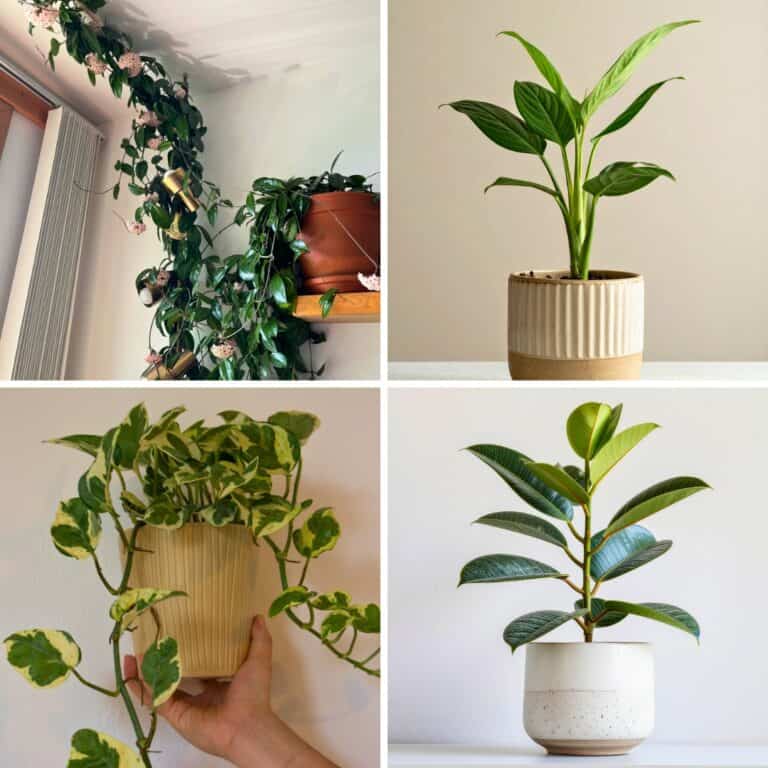
1) Fiddle Leaf Fig – prevent leaf drop by reducing watering

My Fiddle Leaf Fig used to stress me out every fall when its bright green leaves started dropping. Gorgeous plant, but honestly, it’s a little dramatic about seasonal changes.
With less sunlight, the Fiddle Leaf Fig slows down. It just doesn’t need as much water as it did in the lively spring or summer. If I water too often, the roots get soggy—never a good sign. That’s when yellow leaves and leaf drop usually kick in.
Now, I always check the soil before watering. If the top few inches are damp, I wait. No sense in drowning it.
Cooler rooms mean water sticks around longer. I keep my Fiddle Leaf Fig away from drafts and chilly windows.
Light is another thing I keep an eye on. More sun helps the plant stay happy. I’ll scoot it closer to a bright window, but not so close it gets a cold shock from the glass.
If leaves start to drop, I try not to freak out. A few lost leaves can be normal. But if it’s a lot, I check for soggy soil and mushy roots.
A pot with a drainage hole is a must. Good drainage helps the Fiddle Leaf Fig fight off root rot. If I need to repot, I use a light, airy mix so water can escape.
I skip fertilizer in the fall. The plant’s not growing much anyway, and overdoing it just stresses it out.
If my Fiddle Leaf Fig drops a leaf or two, I watch for new growth. Even one new leaf feels like a win. Patience really does help when nursing it through fall.
Sticking with a routine and tuning into what the plant wants has helped me keep my Fiddle Leaf Fig looking good, even when the weather’s all over the place.
2) Snake Plant – avoid cold drafts to reduce browning
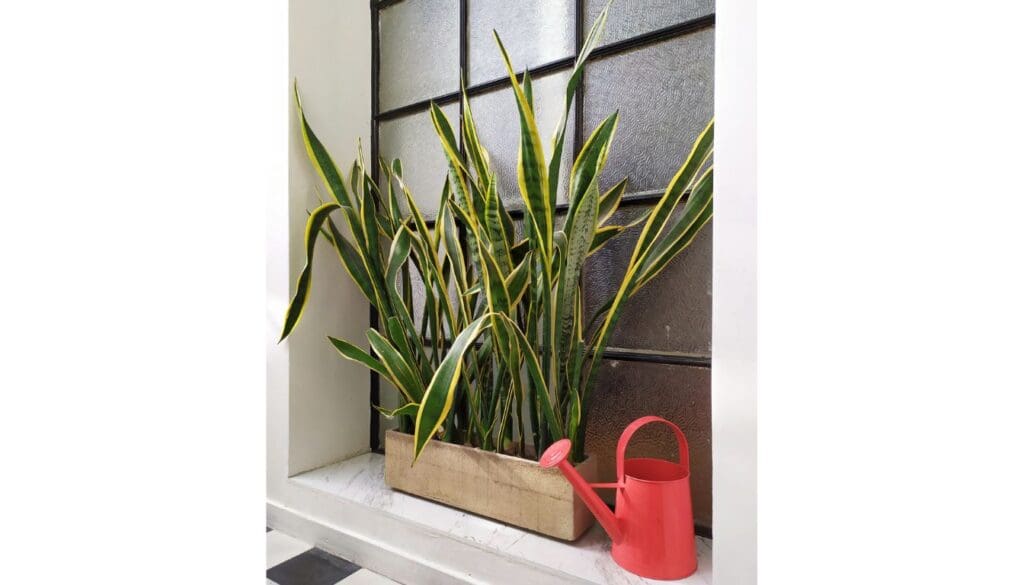
I love my snake plant for being low-maintenance, but fall can still trip it up. When the temperature drops, cold drafts from windows or doors can cause the leaves to brown. These plants really want things to stay steady and warm.
If I see browning edges, I check if it’s near a drafty window. Even a little breeze can do damage. I move my snake plant somewhere cozier and out of the line of fire.
Humidity drops in fall and the air gets dry when the heat’s on. I’ll set a tray of water nearby to help, but I don’t mist the leaves.
I’m careful not to overwater, especially when it’s cooler. Snake plants hate soggy roots. I let the top inch of soil dry out before I water again.
Bright, indirect light is best. In fall, I move it closer to a bright window, just not right in the draft or blasting sun. That keeps the leaves looking good.
Catching signs of cold stress early lets me fix things before they get worse.
3) Peace Lily – increase humidity to stop drooping

My Peace Lily always seems to droop once fall hits. The air gets dry, and the leaves look a little sad. Low humidity is usually the culprit for droopy Peace Lilies.
Dry air means my plant loses water fast. Leaves can turn brown at the edges or just flop over. When I spot drooping, I check the air in my home.
I’ll mist the leaves every few days to raise the humidity. Grouping my Peace Lily with other plants helps boost the moisture in the air, too.
Sometimes I use a pebble tray. Fill a shallow tray with water and pebbles, set the pot on top (not in the water), and let evaporation do its thing.
If things are really dry, I’ll use a small humidifier. It’s easy to set up and honestly, it helps my Peace Lily snap back pretty quickly.
I also keep it away from heaters and cold drafts. Those just make wilting worse. I find a bright spot with gentle light—never direct—for my Peace Lily in the fall.
Watering matters, but I don’t overdo it. When the top inch of soil is dry, I water. Overwatering is just asking for root rot.
By raising humidity and giving the right care, my Peace Lily perks back up—even when fall air inside is bone dry.
4) Spider Plant – trim brown tips and cut back dead leaves

Spider plants get cranky in fall when sunlight drops. I often see the tips of their leaves turning brown.
When I spot brown tips, I grab some clean scissors and trim just the brown part. I try not to cut into the healthy green.
Dead or yellow leaves? I cut those off at the base. That way, the plant isn’t wasting energy on dying leaves.
Heaters make the air dry, and that’s rough on spider plants. I like to mist the leaves every few days for a little humidity boost.
If my spider plant has too many babies (“spiderettes”), I snip off a few so the main plant stays strong.
If I forget to water, leaves get limp or crispy. I check the soil and only water when the top inch is dry.
Less light slows growth, so I move my spider plant closer to a window, but not right in direct sun.
I always clip off any dead or dying leaves right away. It keeps things tidy and healthier overall.
These little steps help my spider plant make it through fall looking pretty good.
5) Boston Fern – keep soil moist to prevent drying out

Boston Ferns are lovely, but wow, they can be fussy in fall. I notice my fern’s fronds turning yellow or brown as the weather cools. Usually, it’s because the indoor air gets dry and the soil dries out faster.
I make sure the soil stays moist, but not soggy. If it feels dry to the touch, I water gently.
Humidity is huge for Boston Ferns. I’ll set a tray of water nearby or use a room humidifier. A light mist once or twice a week helps too. Dry air is tough on these guys, so I try to add moisture whenever I can.
Heaters and vents? I keep my Boston Fern away from those. They dry out the leaves and soil fast. I look for a spot with indirect light and steady moisture.
If the fronds are dropping or getting crispy, I trim off the dead parts. That encourages new growth.
Honestly, just paying attention to soil moisture makes a big difference. Even a small tweak in watering keeps my Boston Fern green, even when it’s chilly outside.
6) Rubber Plant – wipe leaves to improve photosynthesis

My rubber plant looks amazing in summer, but once fall hits, it starts to lose its shine. Sometimes the leaves look dusty, too.
Dust blocks sunlight from reaching the leaves. That makes photosynthesis harder and the plant less happy. I’ve found that wiping the leaves with a damp cloth helps a lot.
I do it gently, just water and a soft cloth—no fancy cleaners. One hand supports the leaf, the other wipes.
If I skip this, the leaves get dull and the plant just doesn’t grow as well. Regular cleaning really does keep my rubber plant strong.
With weaker sunlight and shorter days in fall, every bit of light matters. Clean leaves make all the difference.
I also keep my rubber plant away from heaters, since dry air can make leaf problems worse. A quick wipe keeps it looking its best.
7) Philodendron – reduce fertilizer in fall to prevent burn

My philodendron definitely slows down in the fall. It just doesn’t need as much food as when it’s growing like crazy in summer.
If I keep feeding it the same way, the leaf tips start turning brown. That’s fertilizer burn—too many nutrients, not enough growth. It actually hurts the plant instead of helping.
So, I cut back on fertilizer. Instead of every month, maybe every other month, or even less.
I always check the fertilizer label. Overdoing it is a super common mistake, especially when the plant isn’t actively growing. Fall and winter? Time to feed less.
If I see yellow or brown edges, I stop fertilizing for a while. Sometimes I’ll water well to flush out extra fertilizer. It helps prevent damage and keeps my philodendron healthy.
Between feedings, I stick to plain water. That way, salts don’t build up in the pot.
By paying attention and adjusting my care, I avoid most fertilizer problems and get to enjoy a happy philodendron all year.
8) ZZ Plant – place away from direct cold windows

I’ve noticed that ZZ plants can really have a tough time in the fall, especially when the temperature drops. If I leave my ZZ plant too close to a cold window, the leaves start turning yellow and, honestly, just look kind of miserable.
This plant just wants to be warm and cozy, which, hey, I totally get. Drafts and cold spots? Not a fan—neither am I, and neither is my plant.
So, I always move my ZZ plant away from those windows that get chilly at night. Instead, I find a spot where it gets some gentle light but isn’t blasted by cold air.
If I spot the soil staying damp for days, I’ll cut back on watering. ZZ plants just don’t need much water in the fall since they’re not growing much.
I let the top inch of soil go dry before watering again. That seems to keep the roots pretty happy.
Sometimes, the leaves get a little dusty in fall, probably because I’m not opening the windows as much. I just wipe them down with a damp cloth so they stay shiny and can breathe.
Moving my ZZ plant away from cold windows and easing up on the water really helped. It’s looked greener and just healthier all winter.
If you want to help your ZZ plant in the fall, keep it warm and let the soil dry a bit before watering. Worked for me—maybe it’ll work for you too.
Common Causes of Fall Stress for Indoor Plants
When fall rolls around, some houseplants just start to struggle more than usual. Light, humidity, temperature—they all shift, and my indoor plants definitely notice.
Reduced Natural Light
Shorter days and more clouds mean my plants get less sunlight in the fall. A lot of houseplants, especially those that love bright spaces, don’t get the energy they need.
I’ve noticed leaves look dull or stems get all stretched out when there isn’t enough light. Sometimes plants even drop leaves or just stop growing.
To help, I move my plants closer to windows that get the most sun. South-facing windows are my go-to.
If that’s not enough, I’ll use a grow light on really dark days. Wiping dust off leaves helps them soak up more light, too.
Humidity Changes
Indoor air gets way drier in fall, especially when the heat kicks on. Some houseplants, like ferns or calatheas, really want moist air.
Dry air can make leaves turn brown and crispy at the edges, or sometimes spots show up. When I see dry tips or curling leaves, I try a few things.
I group plants together so they share moisture. Sometimes I set out trays of water near them.
I’ll mist leaves with water in the morning—just not too much. A humidifier also helps when things get really dry.
Plants just look happier and greener if I keep an eye on the humidity.
Temperature Fluctuations
Indoor temps can swing a lot in the fall. Cool nights, warm days, and drafts from windows or doors make it tough for plants to settle in.
Some sensitive ones, like pothos or snake plants, react by dropping leaves or getting yellow spots.
I try to keep plants away from cold drafts and heaters. Too close to a cold window at night? That’s a no-go.
It’s better to keep the room temperature steady:
- Most houseplants are fine between 65–75°F (18–24°C).
- I avoid sudden changes and keep an eye out for heaters or vents blowing right on them.
Keeping these basics in mind seems to help my plants get through fall in one piece.
How to Support Recovery and Growth
To help my houseplants bounce back in fall, I make a few changes. I pay attention to water, light, and humidity—those are the big three.
Adjusting Watering Habits
Most houseplants just don’t need as much water in the fall. With less sunlight, growth slows down, so watering like it’s summer can lead to root rot.
I check if the top inch of soil feels dry with my finger before watering. If it’s still damp, I wait.
For pots with no drainage holes, I try to re-pot or water even less. Some plants, like succulents, might only need a drink every 2-3 weeks.
Common signs of overwatering:
- Yellowing leaves
- Mushy stems
- Funky smell from the soil
I always dump out any extra water that collects in the saucer.
Optimizing Light Exposure
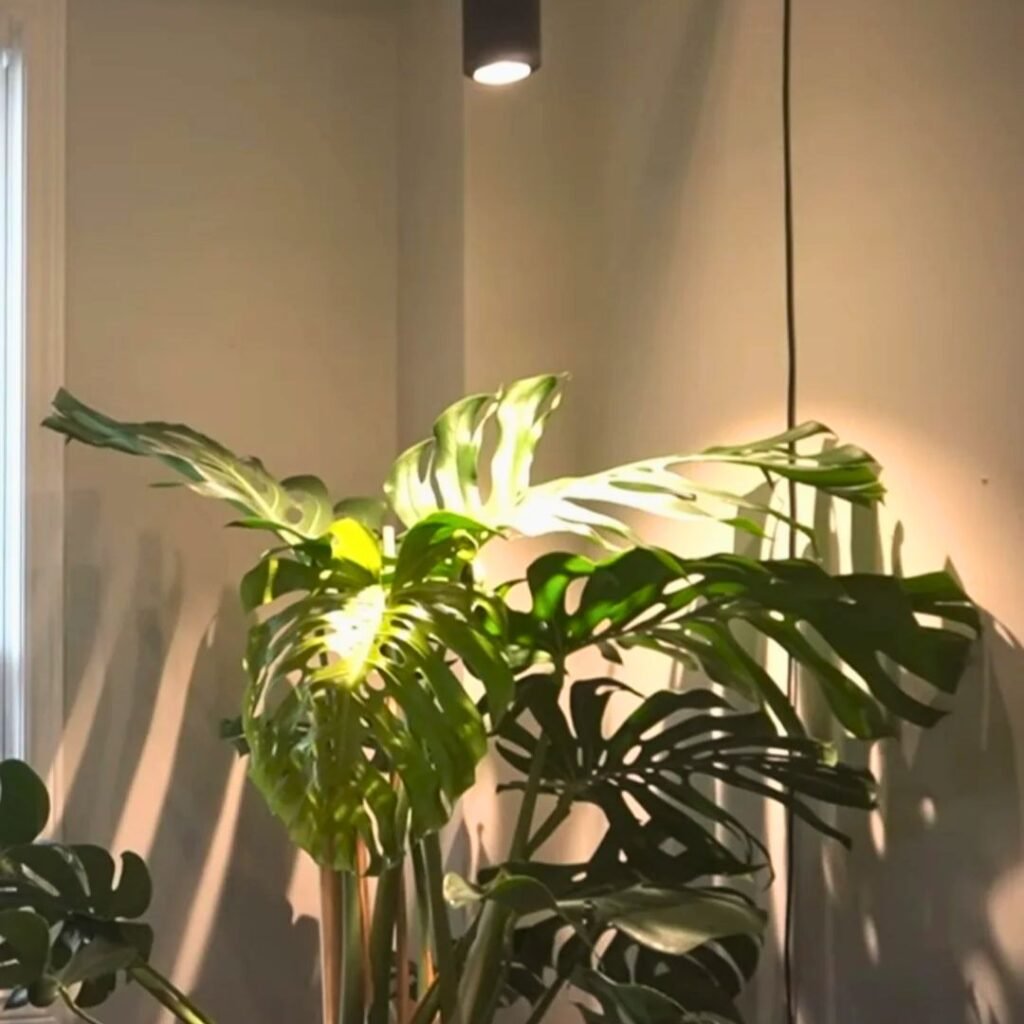
Shorter days mean less light for my plants. I move them closer to bright windows, but not so close that leaves touch cold glass.
I clean the windows and dust the leaves so they get as much light as possible. For plants that need lots of light, I use LED grow lights on a timer for 10-12 hours a day.
Low-light plants, like snake plant, can hang farther from windows, but I still try to give them a little daylight.
I rotate pots every week so all sides get light. That keeps plants from growing lopsided.
Maintaining Proper Humidity Levels
Once the heater’s on, the air gets dry. Most houseplants, especially tropicals, like humidity between 40-60%.
I use a cheap little hygrometer to check the air near my plants. Here’s what I do to boost humidity:
- Group plants together to make a mini “humidity zone”
- Pebble tray: Fill a tray with water and pebbles, put the pot on top (not sitting in water)
- Mist leaves if the plant likes it
- Run a humidifier nearby
Dry, crispy leaf tips mean I need to up the moisture. Watching the air helps keep my plants from suffering in fall.
Frequently Asked Questions
I see houseplants react to colder weather, drier air, and changing light every fall. Knowing what to do helps me care for my plants and avoid leaf problems.
How can I protect my indoor plants from the cold during the fall season?
I keep plants away from open windows and cold drafts. Just moving them a few feet from doors or vents helps.
If it gets really chilly, I’ll use a space heater in the room—but never right next to the plants. I also check that leaves aren’t touching cold glass and move them if they are.
What are the common problems indoor plants face as the weather gets cooler?
Leaves might yellow, brown, or drop when it gets colder. Dry air from heaters can make leaves crispy or cause drooping.
Root rot is a risk if I keep watering like it’s summer. Less sunlight can slow growth, so I move plants to brighter spots if I can.
Are there any home remedies to revive a plant that’s starting to wilt in autumn?
First thing, I check the soil. If it’s dry, I water just enough to moisten it—never soaking.
For dry air, I’ll put a tray of water near the plant or mist the leaves lightly. If leaves look rough, trimming brown or dead parts helps tidy things up and encourages new growth.
Can you suggest some hardy plants that are suitable for beginners and can thrive in low light?
Snake Plant and Spider Plant are my favorites—they don’t mind low light and can take some neglect.
Pothos and ZZ Plant are also solid picks since they stay healthy even if I forget to water now and then.
What should I do if my indoor plant’s leaves start to yellow or drop in the fall?
I cut back on watering since plants use less water in cooler months. I make sure the pot has good drainage.
If I see yellow or dropping leaves, I snip off the damaged parts and check for drafts or sudden temperature swings.
What are the top indoor plants recommended for beginners that can withstand seasonal changes?
Honestly, my go-to picks are the Snake Plant, Spider Plant, and Peace Lily. They’re super forgiving and don’t seem to mind when the weather starts acting up in the fall.
I’d also throw in Boston Fern and Pothos. The fern just wants its soil to be a bit moist, and honestly, trimming the occasional brown leaf isn’t a big deal for any of them.
Note: Some images in the articles are sourced from Reddit and Other Platforms For Reference Purpose.