5 Humidity Tips for Heated Homes This Season
When I turn on the heat in winter, the air inside gets so dry.
Keeping the right amount of humidity makes my place feel a lot more comfortable and honestly, it helps me stay healthy too.
Dry air brings on things like cracked skin and restless nights. I figured I’d share a few tips that help me keep indoor air just right when it’s freezing outside.
Please note: Simplify Plants is reader-supported. As an Amazon Associate, I earn from qualifying purchases made by our readers with no extra cost added to you all! Some links in the post are affiliate links and I get a commission from purchases made through links in the post.
1) Use a humidifier to maintain 40-50% indoor humidity
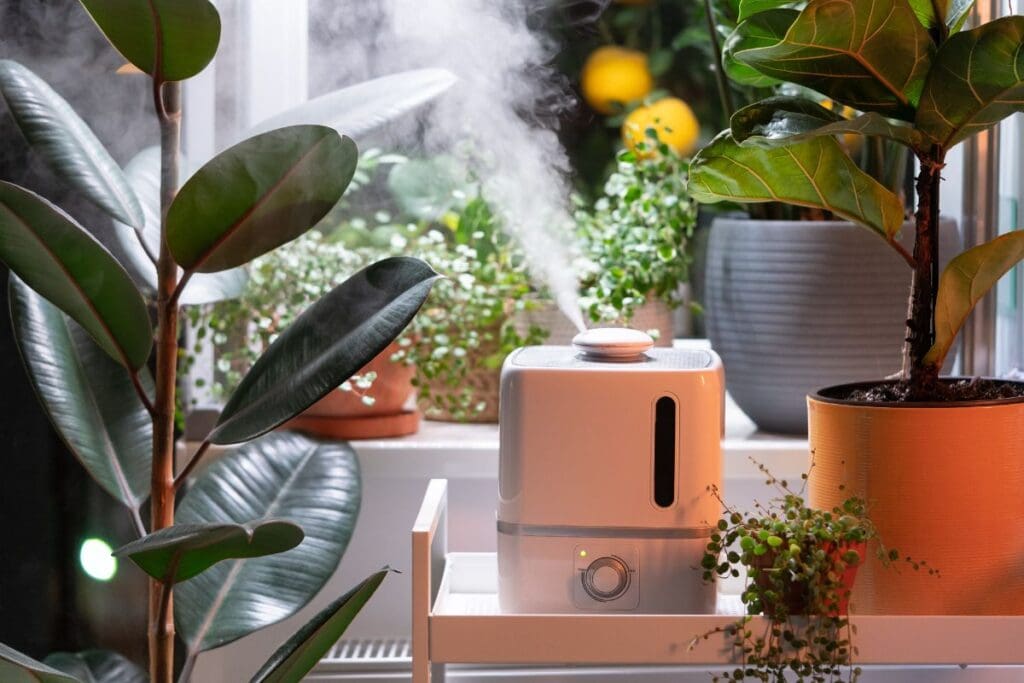
Every winter, I notice my home’s air gets way drier than I’d like. A humidifier adds back some much-needed moisture.
With the heat running, it’s easy for the humidity to dip too low. I try to keep it between 40% and 50%—that seems to be the sweet spot for comfort.
If it drops too far, my skin and throat get all scratchy. I keep a small, easy-to-clean humidifier in the rooms I use most.
Some humidifiers even show the current humidity, which is handy. It makes adjusting things a breeze.
I check the water level daily and clean it often. Gotta keep that air fresh and avoid mold.
If the house feels extra dry, I’ll put a second humidifier in another room. Bedrooms, especially, need more moisture since the heat runs all night.
Keeping humidity in that range also helps my furniture and plants stay happy. Dry air can be rough on wood and greenery.
I use a simple humidity meter to double-check things. It’s a small thing but super useful.
If I don’t have a humidifier, sometimes I just set bowls of water near the heat. But honestly, the humidifier is way easier.
Getting the right humidity is the first thing I do when winter hits. It really does make a difference.
2) Place water basins near heating vents to add moisture
I sometimes put water basins by my heating vents when the air is bone dry. The warm air helps the water evaporate into the room.
It’s a simple trick that actually works. My skin doesn’t feel as tight, and my lips aren’t as chapped.
Wide, shallow bowls are best. More surface area means more vapor, right?
I use clean water and check the bowls so they don’t run dry. Placing them by the vents lets the warm air do its thing.
If you’ve got pets or kids, heavy bowls are a must. I keep them out of high-traffic spots so there are no spills.
It’s nice not having to buy anything special. Just grab a bowl from the kitchen and fill it up.
I put bowls in the rooms where I hang out the most. It’s a quick fix and fits right into my routine.
If I start seeing condensation on the windows, I know I’ve probably added enough moisture. I’ll move the bowls if things get a bit too damp.
3) Grow indoor plants like peace lilies to boost humidity

I keep a few indoor plants around, especially in winter. Peace lilies, spider plants, and ferns are great for adding a little moisture to the air.
When I water them, they slowly release water vapor through their leaves.
Peace lilies are pretty easy and don’t need a ton of sunlight. They’re perfect if you’re not a plant expert.
I’ve noticed my room doesn’t feel as dry when I have a few healthy plants together. Grouping them creates a little pocket of higher humidity.
I keep an eye on the soil so I don’t overdo it or let them dry out. Usually, peace lilies need water once a week, but I check more often if the air is really dry.
Besides helping with humidity, plants just make my place look brighter. In winter, that little touch of green is so nice.
Sometimes I mist the leaves for a quick boost. It’s easy and helps both the plants and the air.
Overwatering is a no-go. Too much water leads to root rot, so I stick to the care tips for each plant.
Peace lilies even droop a bit when they’re thirsty, which is kind of helpful.
Just a few plants have made a real difference. The air feels softer, and my house looks more inviting.
Peace lilies and a couple of other green friends really help keep things comfy.
4) Dry clothes on racks indoors to increase moisture naturally

When I need extra moisture in the air, I’ll dry laundry indoors. It’s such a simple hack.
As clothes dry, water evaporates right into the room. That helps with dry skin and cuts down on static shocks.
I set up the drying rack in the driest rooms—usually the bedroom or living room. If it’s near a vent, the moisture spreads faster, but I make sure not to block the heat.
Drying clothes this way saves energy since I’m not running the dryer as much. That’s good for my bills and the planet.
I spread things out so they dry evenly and add more humidity. Wet towels and sheets work great.
No overcrowding, though—air needs to move. When everything’s dry, the house just feels better.
Plus, the smell of fresh laundry indoors? Love it. It’s a tiny change that makes a big difference in winter.
5) Seal windows and doors to prevent dry heat loss

I always check my windows and doors for drafts once it gets cold. Gaps let warm, humid air out and bring in dry, chilly air.
Weatherstripping is a lifesaver. I use it to seal up cracks around windows and doors.
Even tiny gaps can waste a lot of heat. I run my hand around the edges—if I feel cold air, there’s a leak.
Sealing those spots keeps things warmer and helps the humidity stick around. Sometimes I add a door sweep at the bottom for extra draft protection.
Old windows? I’ll use plastic insulation kits. They’re easy to put up and help keep heat and moisture inside.
Taking a little time to seal things up saves energy and keeps the air from getting too dry.
The house feels cozier, and I’m not losing all the moisture I’ve worked to add.
Good sealing means less wasted energy and better humidity. It’s a quick fix that honestly makes a big difference.
Understanding Humidity Levels in Heated Homes

When the heat’s on, the air inside can get uncomfortably dry. Spotting the signs of low humidity early helps me avoid bigger problems.
How Central Heating Affects Indoor Humidity
Turning on central heating pulls moisture right out of the air. Warm air from the heater just doesn’t hold as much water as cold air outside.
That’s why humidity drops so much, especially on really cold days. Dry air makes my skin itch and can even lead to nosebleeds.
Sometimes I get more static shocks, and wooden furniture can start to crack. It’s not great.
Key effects of low humidity from heating:
| Effect | What Happens |
|---|---|
| Dry Skin | Feels itchy, flaky |
| Nose and throat issues | More coughing, nosebleeds |
| Static electricity | More shocks |
| Wood damage | Furniture might crack |
Common Signs of Low Humidity
I know the air’s too dry when my lips chap, and lotion doesn’t seem to help. Waking up with a sore throat is another sign.
More dust, more static shocks—those are clues, too. Even my plants wilt faster if it’s too dry.
Paper and wooden stuff can get warped or brittle. Catching these signs early lets me keep my indoor air healthy.
Here’s what tells me humidity is too low:
- Dry, flaky skin and chapped lips
- Static shocks everywhere
- Itchy eyes or throat
- Cracking wood or peeling wallpaper
- Droopy houseplants
Health and Comfort Benefits of Proper Humidity
Getting the humidity right in winter just makes me feel better. It even helps me sleep more soundly.
Balanced humidity keeps my airways happy and my skin from feeling like sandpaper.
Protecting Respiratory Health
When I keep humidity between 30% and 50%, my nose and throat don’t get as dry. Dry air can make my sinuses ache or lead to nosebleeds.
Moist air helps my nose trap dust and germs. I’ve had fewer coughing fits and less dry skin since I started using a humidifier and water trays.
Breathing is just easier, especially if you have allergies or asthma. Humid air feels less harsh.
Signs I might need more humidity:
- Sore throat
- Dry, itchy skin
- Stuffy nose
- Frequent cough
Enhancing Sleep Quality
Humidity really affects my sleep. If the air’s too dry, I wake up with a dry mouth or stuffy nose.
Adding moisture helps me sleep more comfortably. My skin doesn’t feel so tight, and my nose stays clear.
I’ve noticed fewer wake-ups at night and better mornings. Moist air can even cut down on snoring, which is a bonus.
Tips I use for better sleep:
- Run a humidifier in my bedroom
- Drink water before bed
- Keep bedroom doors closed to hold in humidity
Frequently Asked Questions
Keeping the right humidity at home just makes life more comfortable. It helps keep annoying stuff like dry skin, static shocks, or even mold at bay.
I try to tweak my daily habits and use a few gadgets to keep things from getting too dry or way too muggy.
What’s the ideal indoor humidity level during winter months?
Honestly, I shoot for 40% to 50% indoor humidity when it’s cold out. That range just feels right to me—not too dry, not too sticky.
Can you recommend ways to maintain comfortable humidity levels at home?
I rely on a humidifier when my heater dries everything out. Sometimes, I’ll put bowls of water near the vents, and I keep a couple of indoor plants (peace lilies are my favorite) to naturally bump up the moisture.
What signs indicate excessive moisture in the house?
If I see condensation on the windows or catch a whiff of a musty smell, that’s a big red flag. Damp spots on walls or ceilings also make me pause and check for hidden moisture.
How can I quickly lower the humidity in my home?
When my place feels a bit swampy, I’ll crack open some windows for a few minutes. I always use the exhaust fans in the kitchen and bathroom, and a dehumidifier is honestly a lifesaver when things get out of hand.
Are there natural methods to reduce indoor humidity in winter?
I try to keep things sealed up tight by closing windows and doors properly. If it’s already humid, I skip drying laundry indoors, and I’ll swap out thirsty plants for something like a cactus to cut down on extra moisture.
What should my humidifier settings be for the cold season?
I usually keep my humidifier set to about 40% or 45% when the temperature drops.
If I notice my windows starting to fog up, that’s my cue to dial it back a little—no one wants too much moisture hanging around.
Note: Some images in the articles are sourced from Reddit and Other Platforms For Reference Purpose.