4 Things to Stop Doing to Your Plants in December for Healthier Growth
I love taking care of my plants, but winter? It’s a whole different game. December sneaks up with its cold weather, and suddenly, everything my plants need seems to shift.
If I just keep doing what worked in the warmer months, I could actually do more harm than good. That’s a little frustrating, honestly.
This time of year, I try to be extra mindful of my daily habits. Even small mistakes can pile up and make winter tougher for my plants.
By knowing what not to do, I can give them the best chance to make it through until spring.
Please note: Simplify Plants is reader-supported. As an Amazon Associate, I earn from qualifying purchases made by our readers with no extra cost added to you all! Some links in the post are affiliate links and I get a commission from purchases made through links in the post.
1) Overwatering your plants during cold nights

I used to think more water in winter would help my plants, but it turns out, not so much. Cold nights slow down how much they drink, and honestly, it’s easy to forget that.
Watering too often at night leaves the soil wet for way too long. Wet soil mixed with cold air? That’s a recipe for root rot, and if the roots go bad, the plant’s in real trouble.
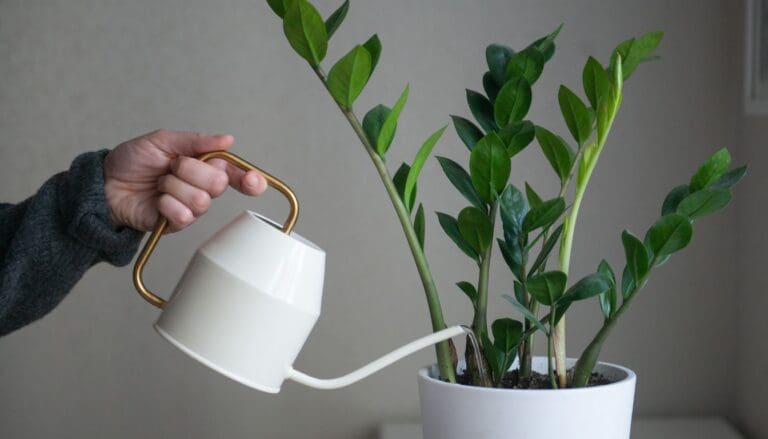
Now, I check the soil first. If the top feels dry, I’ll water—usually in the morning, not at night.
Morning watering gives them time to soak it up before it gets cold again. I also make sure my pots have good drainage.
Standing water in winter is just asking for trouble. Keeping things a bit drier seems to work better for my plants in December.
2) Moving plants outdoors in freezing temperatures
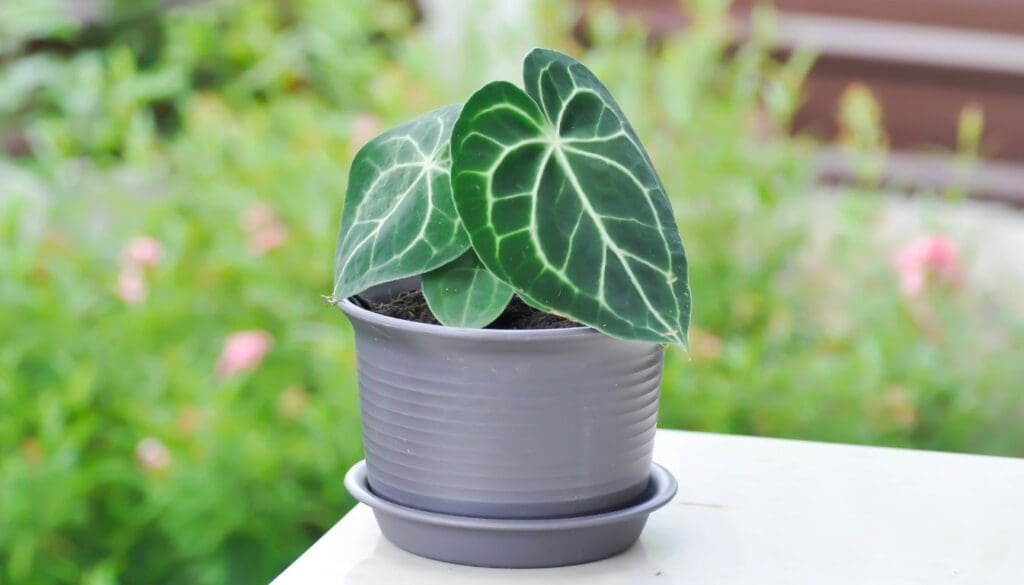
I never put my plants outside once it’s freezing. Cold air can shock the roots and leaves, even if they look sturdy inside.
The soil in pots cools down fast when it’s cold out, and that makes it tough for roots to take up water or nutrients. Growth slows, and some plants just can’t bounce back.
I keep my plants inside where the temperature doesn’t swing so much. Even a quick trip outdoors can mean wilting, leaf drop, or frost damage.
If I want them to get some fresh air, I wait for a mild day—above 50°F is my usual cutoff. I always check the forecast first.
Honestly, they don’t need outdoor air to be happy in winter. Good light, careful watering, and a steady indoor climate are enough to get them through.
3) Ignoring signs of pest infestations
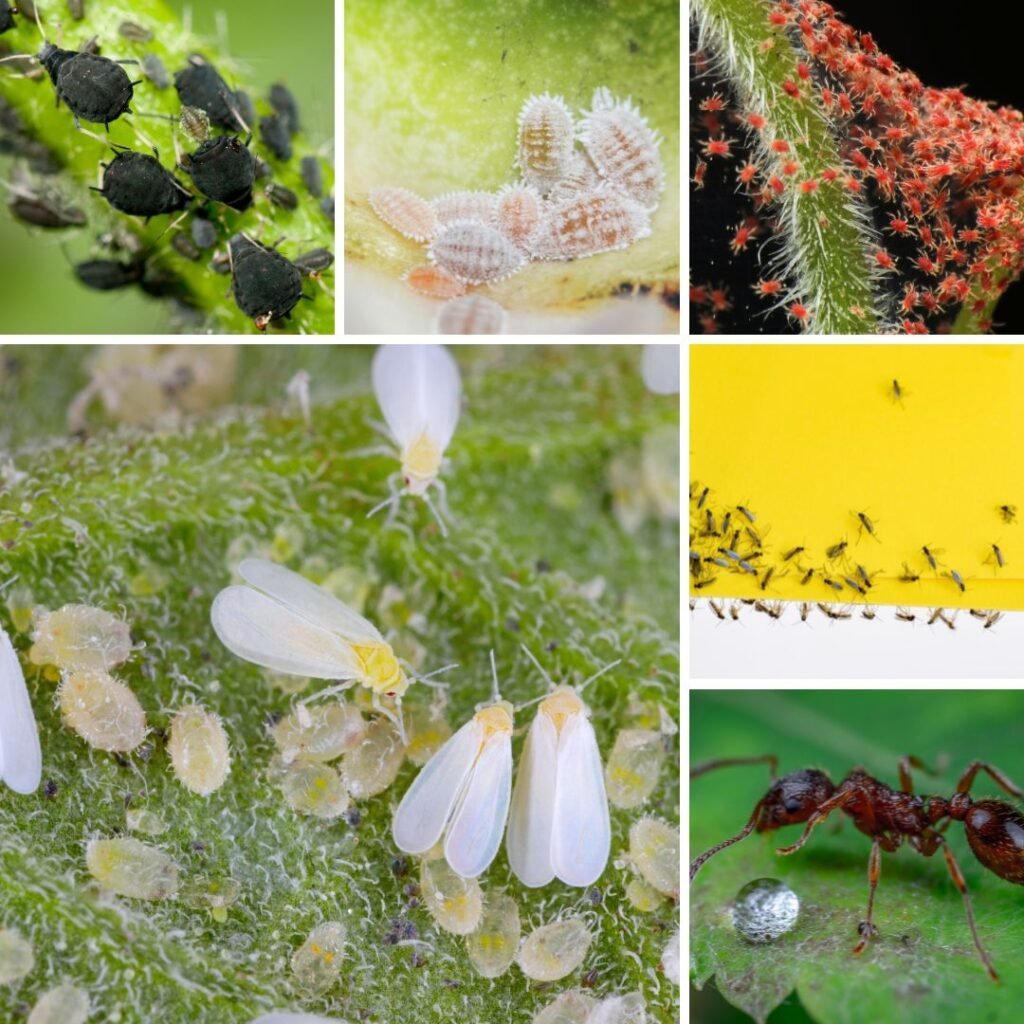
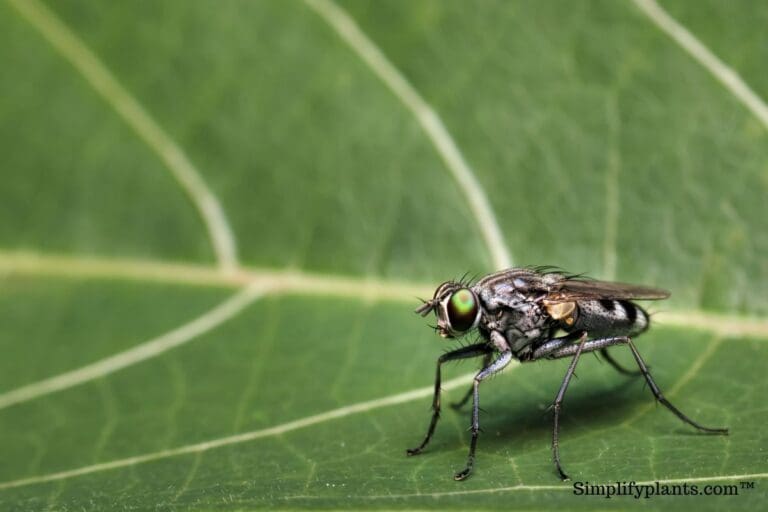
Pests don’t care that it’s cold out. Even when growth slows down, things like spider mites, aphids, and fungus gnats can still show up.
If I ignore them, they take over fast. I check the leaves, stems, and soil pretty often.
Tiny spots, webbing, sticky stuff—those are usually warning signs. If I catch them early, it’s way easier to fix.
I also peek under the leaves since pests love to hide there. Yellowing leaves or stunted growth? That’s another red flag.
If I see anything weird, I do something about it right away. Wiping leaves, rinsing with water, or using a gentle insecticidal soap usually does the trick.
I try to keep treatments gentle because I don’t want to add more stress. Staying alert saves me a headache later.
A quick check now and then can really protect my plants all season.
4) Using fertilizer in December
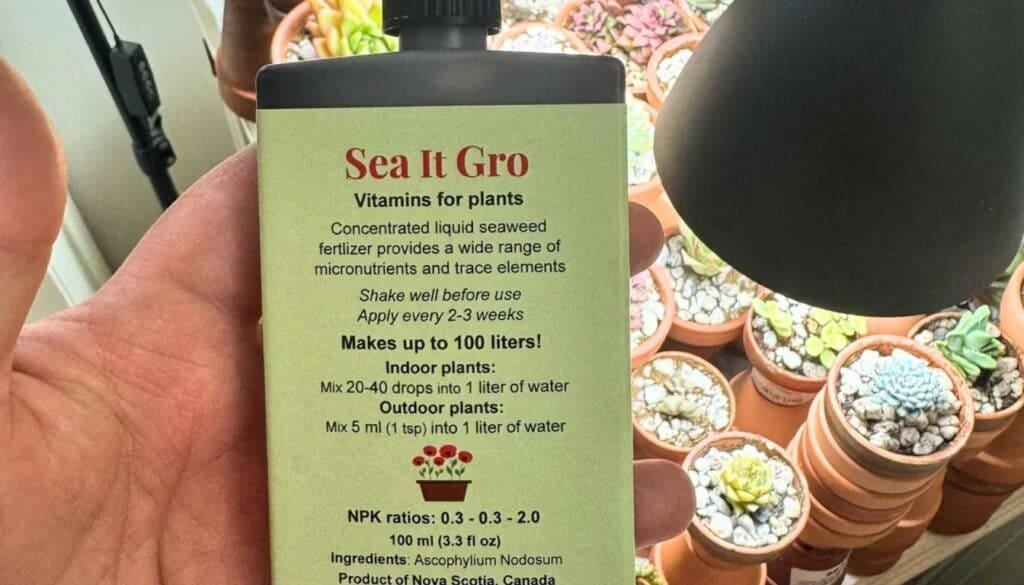
I skip fertilizer in December because most plants aren’t really growing much. They just don’t need it, and honestly, I’ve seen it do more harm than good.
If I feed them now, the nutrients just hang out in the soil and build up salts. That stresses the roots, and that’s the opposite of what I want.
I wait until spring to start feeding again. That’s when they actually want the extra boost.
Instead of fertilizer, I focus on keeping the soil barely moist and making sure they’re getting enough light. Sometimes, simple care goes further than anything fancy in winter.
Understanding Plant Needs in December
I pay attention to how the shorter days and cooler air change my plants’ behavior. Sometimes it’s subtle, but little signals pop up if they need something.
How Seasonal Changes Affect Houseplants
December means less daylight, and that slows everything down. New leaves show up slower, and some plants just stop for a while.
That’s normal, though—doesn’t mean I’m doing anything wrong. Indoor heating dries out the air, and a lot of houseplants like it more humid.
I’ll use a tray of water nearby or a humidifier if things get too dry. Dry air can make leaves crisp or brown at the tips.
Temperature swings matter, too. Plants near windows can get cold drafts, while ones close to heaters might get too warm.
I try to find a stable spot for them—not too hot, not too chilly.
Recognizing Signs of Plant Stress
I keep an eye out for stress. Yellowing leaves often mean too much water, while dry, curled leaves usually point to low humidity or not enough water.
If growth is weak or thin, maybe they need more light. I always check the soil before watering.
In winter, plants want less water, so soggy soil is a no-go. I just stick my finger in about an inch to see if it’s dry.
Leaves might drop even if I do everything right—sometimes they’re just adjusting to the season. Some stress is normal, but catching changes early helps me keep them healthy.
Creating a Supportive Winter Environment
I try to give my plants the right air and light in winter. It gets dry and dim inside, so a few tweaks can really help them stay strong.
Adjusting Indoor Humidity
My house gets super dry with the heat on all day. Dry air makes leaves crisp and brown at the edges.
A humidifier in the plant room helps a lot. If I don’t feel like running one, I’ll put bowls of water near heaters or set plants on pebble trays with water.
As the water evaporates, it bumps up the humidity around them. Grouping plants together helps, too—they release moisture and keep each other happier.
I usually skip misting leaves in winter, since cool, damp air can cause fungus. I check humidity with a little hygrometer and aim for 40–50% if I can.
Optimizing Light Exposure
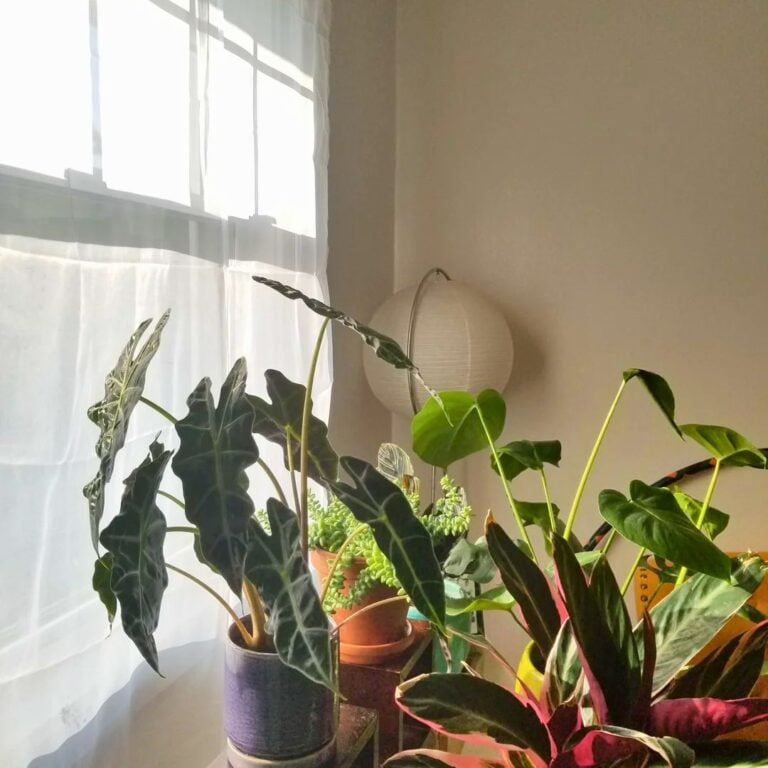
Short days and weak sunlight make it tough for plants to get what they need. I move mine closer to south- or east-facing windows for the best light.
Cleaning windows and gently wiping leaves helps them soak up more energy. When that’s not enough, I use grow lights.
I set them on a timer for about 10–12 hours a day, which seems to keep the plants happy. LED grow lights are my favorite—they use less power and give off the right kind of light.
I rotate my plants every week so they don’t lean and get lopsided.
Frequently Asked Questions
I keep a close eye on my plants in December, since the cold changes everything about how they grow. Watering, feeding, pruning, and temperature all need a little extra attention this time of year.
What common watering mistakes should I avoid in December?
Overwatering is the big one. Plants use less water when days are short and nights are cold, so I always let the top layer of soil dry out before watering again. Here’s a guide if you want more tips.
How can I prevent over-fertilizing my plants during the winter months?
I just stop using fertilizer in December. They aren’t actively growing, and feeding now can lead to weak, spindly growth that doesn’t last.
Are there specific pruning practices I should stop doing in December?
I don’t do heavy pruning in winter. Plants are resting, so I just remove dead or damaged leaves instead of cutting back healthy parts.
Which plants are most sensitive to temperature changes in December?
Tropical plants like pothos, philodendrons, and peace lilies are quick to react to cold drafts. I keep them away from doors and windows that let in chilly air.
How can I protect my plants from indoor heating issues this winter?
I move plants away from heaters and vents so they don’t dry out. Sometimes I use a humidity tray or lightly mist the leaves to keep the air from getting too dry.
Is it okay to repot my plants in December, or should I wait?
Honestly, I usually hold off on repotting until spring. Plants just seem a lot more resilient when they’re in their active growth phase.
Repotting in December? That can really stress them out, especially since they’re supposed to be resting. Maybe it’s best to give them a break until things warm up.
Recommended Garden Supplies
| Product Image | Our Recommended Gardening Supplies | Check Offers! |
|---|---|---|
Top Top
Top
Top
Top
Top
Top
Top
Top | rePotme Houseplant and Tropical Classic Potting Soil Mix | Check Offer On Amazon |
 Top
Top
Top
Top
Top
Top
Top
Top | Espoma Organic Indoor Plant Food | Check Offer On Amazon |
 Top
Top
Top
Top
Top
Top
Top
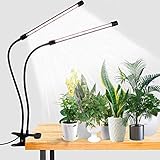
Top | GooingTop LED Grow Light 6000K Full Spectrum Clip Plant Growing Lamp | Check Offer On Amazon |
 Top
Top
Top
Top
Top
Top
Top
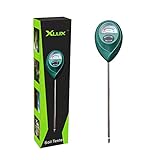
Top | Soil Moisture Meter | Check Offer On Amazon |
 Top
Top
Top
Top
Top
Top
Top
Top | Govee Hygrometer Thermometer, Bluetooth Enabled! | Check Offer On Amazon |
 Top
Top | LEVOIT Humidifiers for Large Room(Best For Plants) | Check Offer On Amazon |
 Top
Top
Top
Top
Top
Top
Top
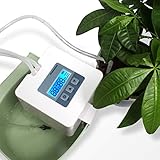
Top | Upgraded DIY Automatic Drip Irrigation Kit, 15 Potted Houseplants Support | Check Offer On Amazon |
 Top
Top
Top
Top
Top
Top
Top
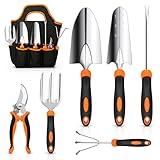
Top | Stainless Steel Heavy Duty Gardening Tool Set | Check Offer On Amazon |
 Top
Top
Top
Top
Top
Top
Top
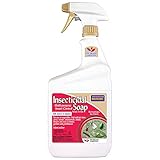
Top | Bonide Insecticidal Soap | Check Offer On Amazon |
 Top
Top
Top
Top
Top
Top
Top
Top | Bonide 32 oz Spray Neem Oil for Organic Gardening | Check Offer On Amazon |
 Top
Top
Top
Top
Top
Top
Top
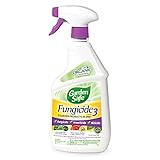
Top | Garden Safe Fungicide | Check Offer On Amazon |