17 Best Mosquito-Repelling Plants You Must Grow!
Nothing ruins a relaxing evening outside faster than hungry mosquitoes buzzing around. I like keeping my backyard comfortable and peaceful without relying only on sprays or candles.
You can grow natural, mosquito-repelling plants right in your space to help keep the bugs away.
In this article, I’ll show you simple, practical ways to build a calm, bug-free outdoor area using plants that smell great and add beauty to your garden.
From fragrant herbs to flowering favorites, each plant brings its own benefits while helping protect your time outdoors.
Please note: Simplify Plants is reader-supported. As an Amazon Associate, I earn from qualifying purchases made by our readers with no extra cost added to you all! Some links in the post are affiliate links and I get a commission from purchases made through links in the post.
1) Citronella Grass

I like citronella grass because it’s probably the best-known plant for keeping mosquitoes away. Its strong citrus scent naturally masks the smells that attract bugs.
When I brush the leaves with my hand, the fresh smell fills the air right away. I’ve noticed citronella grows best in warm, sunny spots.
It needs full sun and well-drained soil to stay healthy. I keep mine in large pots so I can move them around if the weather gets weird.
This grass can grow up to six feet tall, so I use it to create a border around my sitting area. The tall blades make my patio look lush and green while helping keep pests at bay.
Crushing the leaves releases the strongest fragrance. Sometimes I rub a bit of the fresh oil from the leaves on my arms or legs when I’m outside for a short time—just a quick, natural way to help reduce bites.
Citronella grass looks a lot like lemongrass, but they’re not exactly the same. Citronella has a stronger lemon scent, while lemongrass smells lighter and a bit sweeter.
If I plant it in the ground, I make sure it has room to spread because it can get pretty wide and dense. During cold months, I bring potted plants indoors since they don’t handle frost well.
With a little care, they last for years and keep my space smelling fresh. In my backyard, this plant isn’t just useful—it also adds a gentle tropical look.
Friends often ask what that refreshing smell is, and I tell them it’s from my citronella grass. It’s simple, natural, and honestly just pleasant to have around any outdoor spot.
2) Lavender

I love lavender because it smells great and looks beautiful in any garden. This hardy plant not only adds color to my space but also helps keep mosquitoes away.
Its pleasant scent may relax me, but mosquitoes tend to avoid it. When I brush the leaves or flowers, they release even more fragrance into the air.
That strong aroma comes from natural oils that act as a mosquito repellent. I often plant lavender near patios or walkways where I spend time outside, and it helps reduce the number of bugs around me.
Lavender grows best in full sun and well-drained soil. I’ve found it does great in garden beds or pots, as long as it doesn’t sit in wet ground.
Regular pruning after blooming keeps the plant neat and encourages more flowers. I like to cut a few stems and dry the flowers for small sachets or decorations inside the house.
Even indoors, the scent adds a calm, fresh smell. Plus, it reminds me of summer evenings in the garden.
Whether I plant it along borders or in containers, lavender adds color, fragrance, and natural mosquito control to my yard. It’s an easy plant that just makes my outdoor space feel more peaceful and comfortable.
3) Marigold

I love planting marigolds because they bring bright color and natural pest control to my yard. These cheerful flowers stand out with their sunny yellow and orange petals, making any garden look lively.
Plus, they give off a distinct scent that many mosquitoes dislike. When I set pots of marigolds near doors or patios, I notice fewer bugs hanging around.
They seem to work best when placed where people gather outside. I also like planting them along garden borders to create a simple barrier against pests.
Marigolds are easy to grow, even if you’re new to gardening. They don’t need much care—just full sun and well-drained soil.
I make sure to water them regularly and remove faded flowers so they keep blooming longer. Another thing I appreciate is how these plants help beyond repelling mosquitoes.
They can deter other insects, like aphids and whiteflies, which helps my other plants stay healthy. I often pair them with herbs and vegetables because they support a balanced garden environment.
Marigolds fit in almost any outdoor space. Whether in the ground or in containers, they thrive through the summer and keep blooming for months.
A few pots of marigolds can make a noticeable difference in keeping my backyard more pleasant and colorful.
4) Basil
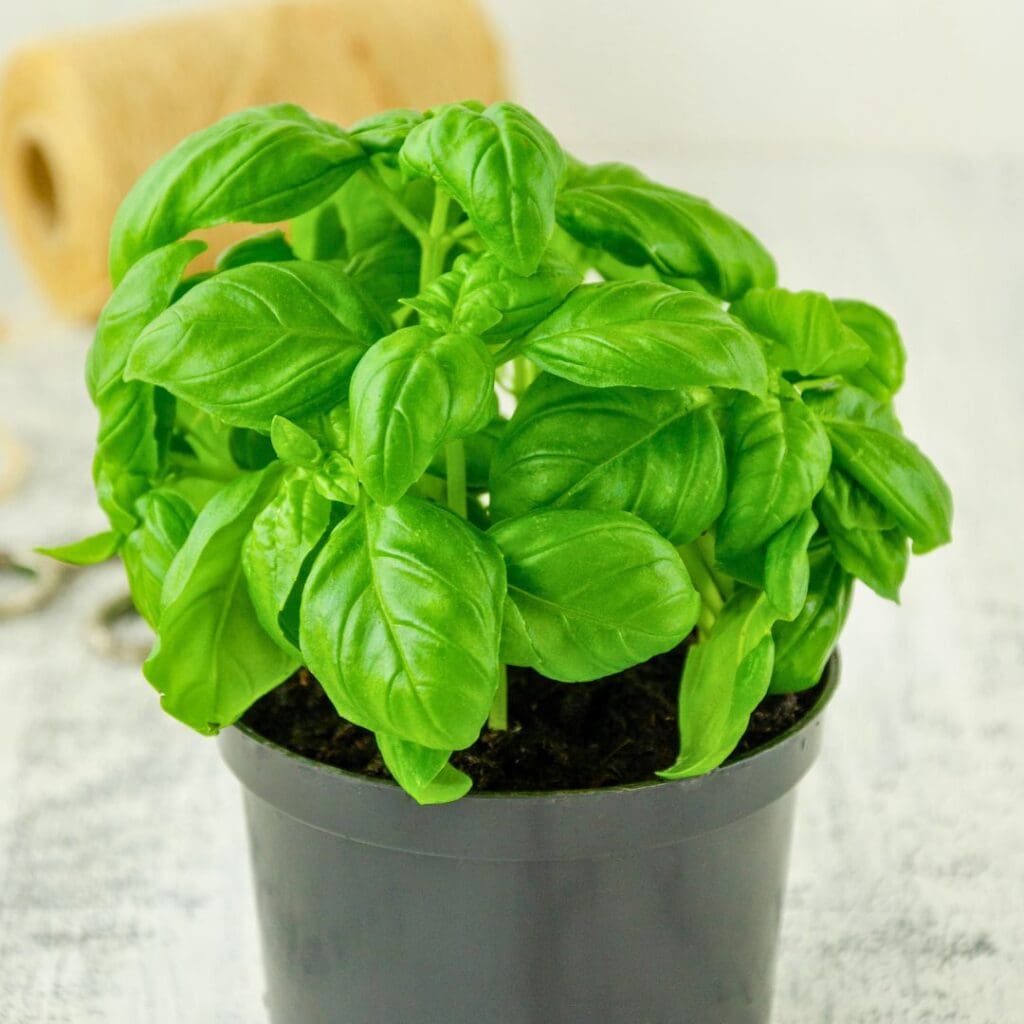
I always love growing basil because it smells great and keeps mosquitoes away. This common herb gives off a strong scent that masks the smells that attract bugs.
When I sit outside, I can actually notice fewer mosquitoes around my basil pots. I usually place basil near doors, patios, or windows.
It works best when planted in sunny spots with well-drained soil. I water it often because basil likes to stay moist but not soaked.
Fresh basil looks good and is handy for cooking. I pick the leaves to add to pasta, salads, and sauces.
It’s nice knowing I’m using a plant that both repels insects and adds flavor to my meals. Sometimes I crush a few leaves to release more scent before sitting outside.
This simple step helps spread the aroma around the area and adds a pleasant smell to the air. It’s an easy, natural way to enjoy evenings outdoors without as many bites.
5) Peppermint

I love planting peppermint in my garden because it looks great and smells even better. The crisp, cool scent fills the air and helps keep mosquitoes away naturally.
I’ve noticed fewer bugs buzzing around when I crush a few leaves or brush past the plant. This hardy herb grows fast and takes little effort to care for.
I usually keep it in a pot or container so it doesn’t spread too far. Peppermint likes moist soil and partial sunlight, so I water it regularly and keep it out of the harsh afternoon sun.
The plant’s strong menthol aroma is what discourages mosquitoes. I sometimes rub a leaf between my fingers to release the oils before sitting outside.
It gives off a refreshing scent and adds a light, herbal note to the space. Peppermint also doubles as a handy kitchen herb.
I use it in teas, desserts, and drinks, which makes it one of my favorite multipurpose plants. Having it nearby means I can enjoy a fresh flavor boost while also keeping pesky mosquitoes at bay.
6) Rosemary

I love growing rosemary because it smells great and helps keep mosquitoes away. Its strong, pine-like scent confuses bugs, making it harder for them to find me when I’m outside.
I notice fewer bites around my patio when I have rosemary plants nearby. This herb grows well in sunny, dry spots and doesn’t need much care once it’s established.
I usually plant it in pots, so I can move it around my outdoor seating area. It also looks nice with its green, needle-like leaves and small flowers.
When I cook, I often clip a few sprigs for seasoning meat or vegetables. That makes it one of my favorite multitasking plants.
At the same time, the trimmed branches release even more of that mosquito-repelling aroma. Burning a little rosemary on a grill or in a fire pit gives off a strong scent that keeps insects farther away.
It’s an easy and natural option for evenings outside. I like that it’s both useful and aromatic without the need for chemical sprays.
If I forget to water it for a few days, rosemary still stays green and healthy. That makes it perfect for people who don’t have a lot of time for maintenance.
A few hearty plants can make a big difference in keeping a backyard more comfortable during mosquito season.
7) Catnip

I’ve found that catnip does more than excite cats—it’s also a powerful mosquito repellent. This hardy plant belongs to the mint family and grows easily in sunny spots.
When I brush against its leaves, a strong scent is released that mosquitoes seem to avoid. Catnip contains nepetalactone, an oil that helps keep insects away.
Some studies suggest it can repel mosquitoes more effectively than certain chemical sprays, though results vary. I like using it as a natural option in my garden so I can enjoy the outdoors without harsh products.
I usually plant catnip near patios or seating areas where mosquitoes tend to gather. It grows best in well-drained soil and can spread quickly, so I trim it often to keep it under control.
The plant’s small purple flowers also add a nice touch of color. If I crush a few leaves, the scent becomes stronger and works well for short-term mosquito protection.
I sometimes rub a small amount on my garden gloves or place leaves around outdoor tables. Freshly crushed catnip leaves smell stronger than dried ones, so I use them right after picking.
Catnip grows fast and comes back each year in most climates, which makes it simple to maintain. It’s also a fun choice if I have cats—they love playing with the leaves while I enjoy fewer mosquito bites.
8) Lemon Balm

I love growing lemon balm because it smells so fresh and bright. Its leaves give off a lemony scent that naturally helps keep mosquitoes away.
I find it perfect for planting near patios or outdoor seating areas where I like to relax in the evenings. This herb is part of the mint family, which means it spreads quickly.
I usually plant it in a pot or a small container to keep it under control. That way, I can move it around if I want to change my garden setup.
Lemon balm grows well in full sun or partial shade. I water it regularly but make sure the soil drains well so the roots don’t get soggy.
It’s a hardy plant that doesn’t need a lot of attention, which makes it great for busy gardeners like me. The fresh leaves come in handy for more than mosquito control.
I often crush a few and rub them on my skin for a light, natural repellent. Sometimes I even add them to tea or drinks for a gentle lemon flavor.
When the plant blooms, I trim it back to encourage new growth. This also keeps the scent strong, which helps with repelling mosquitoes longer through the season.
I always enjoy how easy and rewarding it is to care for lemon balm in my backyard.
9) Garlic Plant
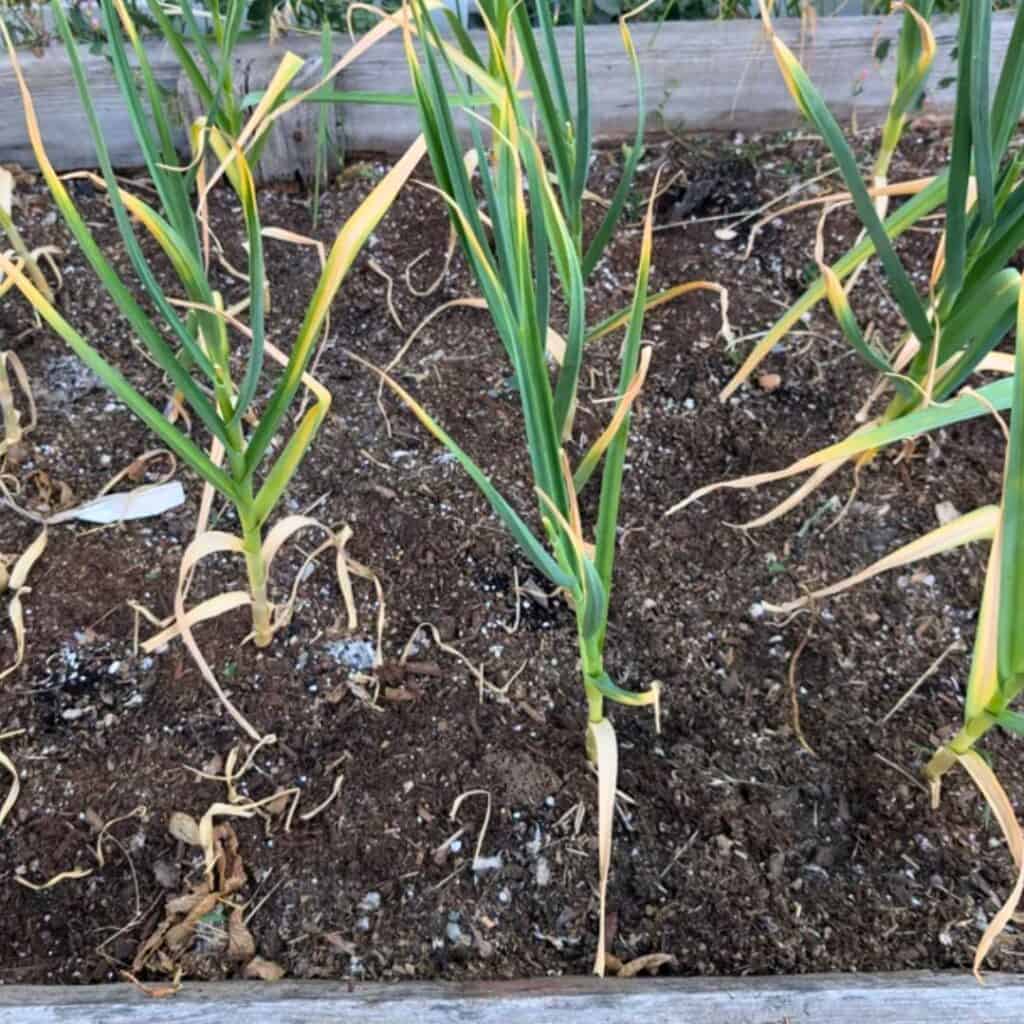
I love using garlic in my garden because it does more than flavor my meals. It helps keep mosquitoes and other insects away.
When I crush or cut the bulbs, they release a strong smell that insects tend to avoid. I usually plant garlic in sunny spots with well-drained soil.
It grows best when I plant individual cloves about two inches deep and a few inches apart. In a few months, I see long green shoots that add nice texture to my garden.
What I really like is that garlic plants are low maintenance. I water them just enough to keep the soil slightly moist.
They rarely attract pests or need much care. Sometimes, I even place a few cloves in small pots near my patio.
The scent helps reduce the number of mosquitoes while I relax outside. It’s a simple and natural way to enjoy my backyard without constant buzzing.
When harvest time comes, I pull up the bulbs, dry them, and use some in cooking. The rest go back into the ground for the next season.
Garlic pulls double duty as both a kitchen staple and a useful mosquito repellent.
10) Eucalyptus
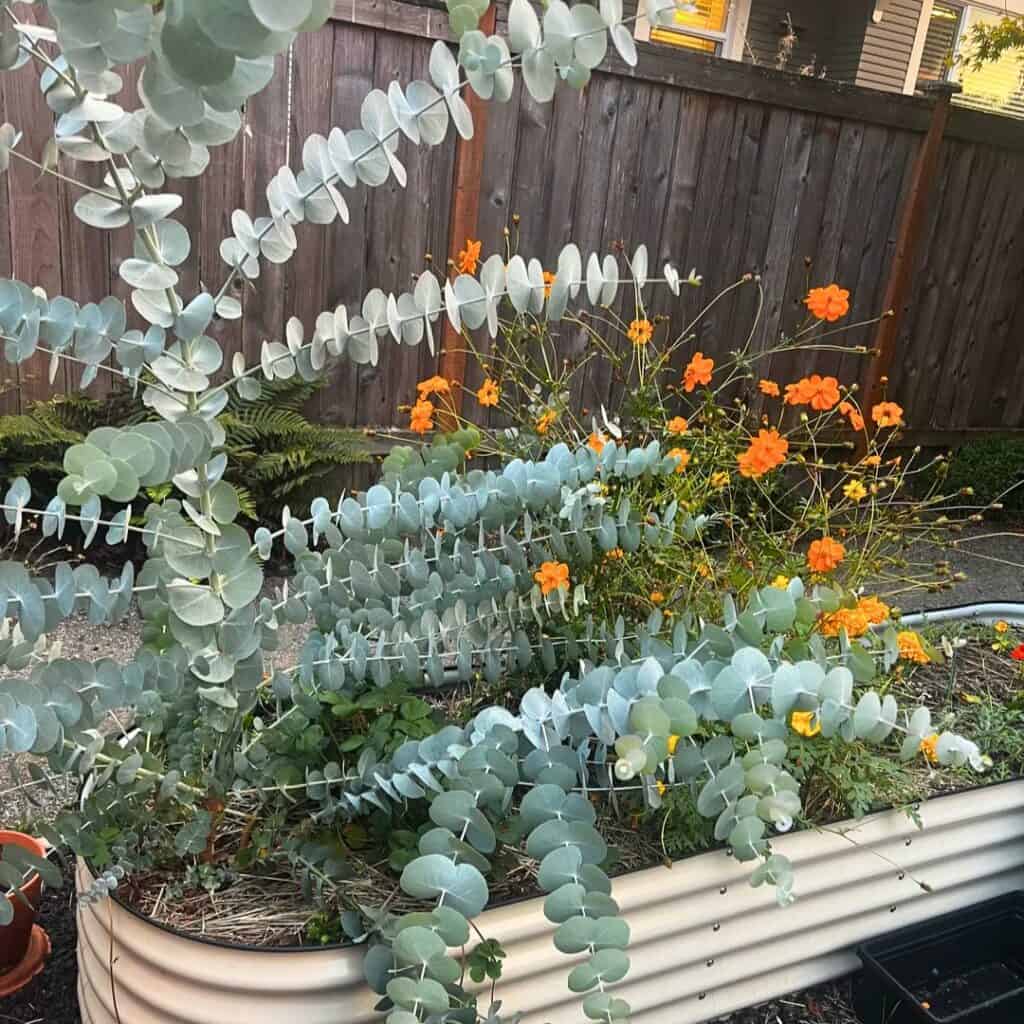
I just love how fresh eucalyptus smells. It has that clean, sharp scent that instantly makes my backyard feel calm and a little more refreshing.
Even better, this plant helps keep mosquitoes away. The natural oils in its leaves act as a gentle repellent that most bugs seem to avoid.
I keep mine in a big pot because it can take over if planted directly in the ground. Eucalyptus loves full sun and well-drained soil, so I make sure it gets plenty of light.
Whenever I trim the leaves, the scent gets even stronger. Sometimes I’ll hang a few dried eucalyptus branches on my patio.
They look nice and keep the air smelling clean. The leaves last ages after cutting, which is great if you want to bring some inside.
To boost its repelling power, I’ll crush a few leaves to release more oil. That simple trick brings out the scent that mosquitoes really don’t like.
It’s such an easy, natural way to enjoy summer nights with fewer bites. I’ve also found eucalyptus works best alongside other repelling plants like lavender or peppermint.
Together, they make the garden look good, smell amazing, and help me relax outside without all the swatting.
11) Bee Balm

I’m a big fan of planting bee balm because it brings both color and purpose to the garden. The bright red, pink, or purple blooms attract bees, butterflies, and hummingbirds.
At the same time, it helps repel mosquitoes with its light citrus scent. I notice fewer bugs buzzing around when bee balm is nearby.
The smell isn’t strong or unpleasant, but mosquitoes just don’t like it. I usually plant it near patios or walkways where I spend most of my time.
Bee balm grows best in full sun and moist, well-drained soil. It’s a hardy perennial, so it comes back every year and is pretty easy to care for once it’s settled in.
I trim it after it flowers to keep it looking fresh and to encourage more growth. Sometimes I clip a few flowers to bring inside—they make lovely, colorful arrangements and still give off that subtle scent.
If it spreads too much, I just divide the clumps in early spring to keep things under control. Adding bee balm not only keeps mosquitoes away but also supports pollinators.
I really like that it brings life and movement to my garden while helping me stay more comfortable outdoors. It’s a simple, practical choice for any backyard.
12) Scented Geranium

I’m always adding scented geraniums to my patio because they’re colorful and have a light, pleasant fragrance. There are so many varieties—some smell like lemon, rose, or even mint.
The best part is that some of those scents can help deter mosquitoes when you brush the leaves or crush them a bit. I keep my geraniums in pots near seating areas since they’re easy to move and grow well in containers.
They need plenty of sunlight and well-drained soil to stay happy. When I water them, I let the soil dry out a bit between waterings to avoid overdoing it.
The leaves are what make this plant special—they’re soft, decorative, and smell great when touched. I’ve noticed mosquitoes steer clear of my deck when I have a few of these nearby, especially on warm evenings.
While they’re not as powerful as sprays, they’re still a nice natural addition to mosquito control. I also like that scented geraniums bloom with small, colorful flowers, adding charm to the garden.
They mix well with other herbs and can be brought indoors during cooler months. Keeping them trimmed helps them grow thicker and healthier.
For me, these plants do double duty—they look beautiful and offer light mosquito protection. Plus, their fresh scent just makes being outside nicer.
13) Thyme

I really enjoy growing thyme because it’s low-maintenance and smells fantastic. This tough little herb does more than just flavor my food—it also helps keep mosquitoes away.
When I brush against the leaves, they release a scent that mosquitoes don’t seem to like. I usually plant thyme in a sunny spot where it can stay warm and dry.
It grows well in pots or garden beds, so it works even if you don’t have much space. The small green leaves stay lush all season with barely any fuss.
Crushing a few leaves brings out more of its natural oils and gives stronger protection from bugs. Sometimes, I’ll even rub the leaves on my skin during summer evenings.
The smell is light and pleasant, honestly much nicer than most sprays I’ve tried. I like pairing thyme with other herbs like basil or rosemary.
Together, they make a fragrant, mosquito-resistant area on my patio. Thyme also looks lovely when it blooms with tiny purple or white flowers, attracting bees but not mosquitoes.
For anyone wanting a bug-free backyard, thyme is a straightforward and useful pick. It fits into any garden and keeps the air fresh while offering natural mosquito control.
14) Calendula

I’m a big fan of calendula because it brings such a bright pop of orange and yellow to the garden. People sometimes call it pot marigold, but it’s not quite the same as regular marigolds.
This cheerful plant doesn’t just look good—it also has a light scent that helps discourage mosquitoes. Calendula thrives in full sun and does well in most types of soil.
I find it easy to care for, which is great if you’re new to gardening. I only water it when the top of the soil feels dry.
Too much water can cause root rot, so I try to keep things just slightly moist. When the flowers bloom, they attract bees and butterflies, making my backyard feel more alive.
I like that I’m helping pollinators while keeping unwanted bugs away. The plant fits nicely in borders, containers, or mixed flower beds, and its compact shape means you can tuck it in almost anywhere.
I often dry the petals for homemade balms or soaps. Lots of people say calendula soothes skin, and I enjoy experimenting with natural products from my own garden.
Even if you don’t use it that way, growing it adds both beauty and function outside. Having a few calendula plants near my seating area makes evenings more comfortable.
The flowers keep blooming from spring through fall and hold up for a long time. Bright, easy, and practical—that’s how I’d sum up this plant.
15) Lemon Verbena
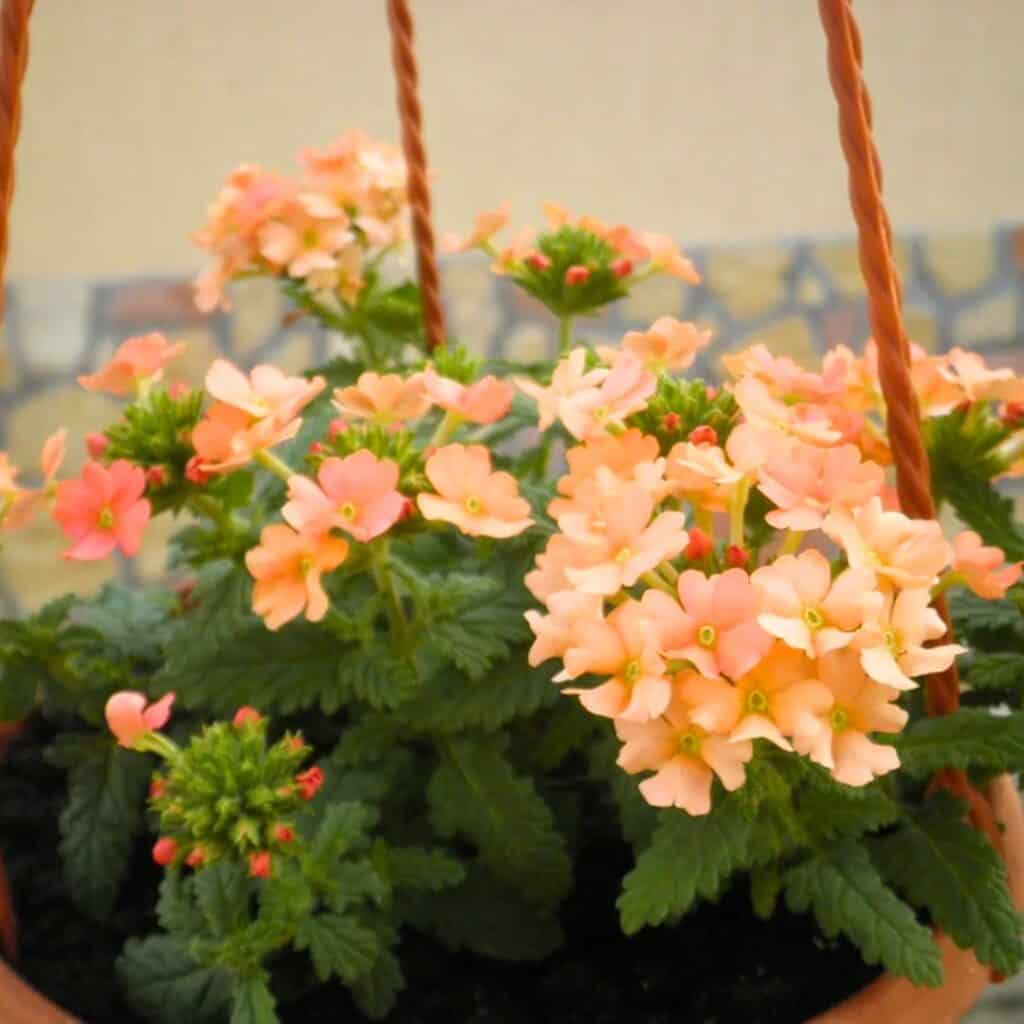
I really like growing Lemon Verbena because it smells so fresh and clean. Its strong lemon scent does more than just lift my mood—it actually helps keep mosquitoes away.
When I brush the leaves, the smell gets stronger, making it a pleasant and natural way to discourage bugs. The oils in the leaves act as a mild repellent.
I’ve noticed mosquitoes tend to avoid the area when Lemon Verbena is nearby. It’s not as intense as citronella, but it still makes a difference, especially if I plant it close to where I sit outside.
This plant loves warm, sunny spots and well-drained soil. It’s not a fan of cold weather, so I always bring mine inside before winter.
A bright windowsill is perfect for keeping it healthy during colder months. I also snip a few leaves now and then to make herbal tea or add flavor to desserts.
The scent it leaves on my hands is honestly one of my favorite things about gardening. Having it near my patio gives the whole space a clean, lemony scent all summer.
If you want a pretty, fragrant plant that adds a bit of mosquito control, Lemon Verbena is an easy pick. It looks great in a pot and can be trimmed into neat shapes, so it’s both useful and attractive in any backyard.
16) Tansy

I like planting tansy because it’s both pretty and practical. The bright yellow, button-like flowers add color to the yard and help keep mosquitoes away.
The scent is strong and a little spicy, which bugs don’t seem to enjoy. I’ve noticed that when I grow tansy near seating areas or doorways, I get fewer bites.
Tansy’s natural oils can help deter insects, including flies and ants. It’s one of those plants that quietly does its job while looking nice.
Tansy grows best in full sun and well-drained soil. Once it’s established, I barely have to water it.
It can spread quickly, so I keep it in check by trimming or planting it in containers. I like to dry a few bunches and hang them in my shed or near windows.
The dried flowers keep their scent for ages and can help ward off small pests indoors. It’s a low-maintenance plant that gives back more than it takes.
If you want something hardy and functional, tansy is a smart pick. It fits easily into garden borders or herb beds and provides reliable mosquito resistance during summer evenings.
17) Rue

I grow rue because it looks nice and helps keep mosquitoes away. Its strong, bitter smell seems to make insects stay back.
I like how easy it is to care for, especially since it handles hot, dry weather so well. The plant has small blue-green leaves that add a soft color to my garden.
When I brush against the leaves, they release a strong scent. That scent is what mosquitoes dislike the most.
I find it helpful to place rue near my outdoor seating area. Rue doesn’t need much water once it’s grown.
I plant it in sunny spots with soil that drains well. Too much water can cause problems, so I let the soil stay on the dry side.
I’m careful when handling rue because its sap can irritate skin in sunlight. I always wear gloves when pruning or moving it.
A little caution goes a long way when working with rue. This plant also attracts butterflies, which makes my garden more lively.
I like that it balances beauty with practical use. When summer evenings roll around, I enjoy sitting outside with fewer bites, thanks to my rue plants.
How Mosquito-Repelling Plants Work
I’ve learned that some plants naturally protect outdoor spaces from mosquitoes by releasing scents and oils that these insects dislike.
Their effectiveness often depends on both the type of plant and where I place them in my yard.
Natural Compounds That Deter Mosquitoes
Many plants release essential oils that confuse or repel mosquitoes. These oils come from compounds like citronellal, limonene, and geraniol.
I often spot these same ingredients in repellents, candles, and sprays for outdoor use. Here are a few examples of how these compounds work:
| Compound | Common Plant Source | Effect on Mosquitoes |
|---|---|---|
| Citronellal | Lemongrass, Citronella | Masks human scent |
| Geraniol | Geraniums, Lemon Balm | Repels biting insects |
| Limonene | Basil, Rosemary | Interferes with mosquito receptors |
When the leaves are brushed, crushed, or warmed by the sun, more oils get released into the air. That stronger scent barrier helps keep mosquitoes away from where I’m sitting.
That’s why I’ll often crush a few leaves between my fingers before guests arrive—it really boosts each plant’s natural power.
How Plant Placement Impacts Effectiveness
Where I put mosquito-repelling plants matters just as much as the type I choose. I’ve found that keeping them in clusters near patios, doors, and walkways makes the scent more concentrated.
For the best coverage, I use a mix of potted and ground-planted options. Pots let me move plants closer to where people gather, especially on those humid evenings.
Placing taller herbs like lavender behind shorter ones like mint helps the smell spread more evenly. Wind direction is a big deal, too.
I try to put my mosquito-repelling plants upwind of seating areas so the breeze carries their scent across the yard. With a little planning, the natural oils reach more spots and offer better protection.
Tips for Growing and Caring for Mosquito-Repelling Plants
I make my garden thrive by focusing on healthy soil, the right sunlight, and steady watering. Keeping plants strong helps them produce the natural oils that keep mosquitoes away.
Simple care habits prevent common issues and keep my yard green and bug-free.
Best Practices for Outdoor Success
I always start by planting in well-draining soil. Most mosquito-repelling plants really don’t like wet feet, so that’s a must.
Mixing in compost or some organic matter helps boost nutrients and keeps the soil from getting too soggy. It’s a bit of a balancing act, but it pays off.
Sunlight is another biggie—lemongrass and basil need full sun, while mint and lavender are happier with a bit of shade. It’s easy to overlook, but makes a huge difference.
I try to water early in the morning, just to cut down on evaporation. Watering deeply but not too often seems to help roots get stronger.
Regular trimming is a habit I’ve picked up. A little pruning every couple of weeks keeps the plants bushy and stops them from getting scraggly.
I keep an eye out for pests, like aphids or spider mites. If I spot any, I’ll just rinse them off or use a mild soap spray.
Harvesting leaves often is something I do, too. It encourages the plants to produce more of those fragrant oils that actually repel mosquitoes.
Common Mistakes to Avoid
I’ve noticed that overwatering is a huge problem. Too much water just leads to root rot and fungus—no one wants that.
Now I check if the top inch of soil is dry before watering again. It’s a simple step, but really helps.
Planting too close together is another mistake I learned the hard way. Tight spacing just creates damp spots that mosquitoes love.
Leaving a few inches between each plant keeps things airy and dry, which is way better for everyone.
I also steer clear of synthetic fertilizers most of the time. They might make things grow fast, but the plants don’t smell as strong, which kind of defeats the purpose.
Natural compost or a balanced organic fertilizer works best for me.
And before the first frost, I always move container plants indoors. Cold snaps can wipe out tropicals like citronella or basil in a night.
A sunny windowsill is usually enough to keep them going until spring rolls around again.
Frequently Asked Questions
I’ve found that choosing the right plants really makes a difference for keeping mosquitoes at bay. With just a little effort, you can have these plants in gardens, pots, or even tucked onto a small patio.
Pets and kids? Still totally doable, as long as you double-check which plants are safe.
What plants can I add to my garden to keep mosquitoes away?
My go-tos are citronella grass, lavender, marigold, basil, and peppermint. Their scents are just not a mosquito’s favorite thing.
Planting them near places you like to sit outside helps a lot, honestly.
Are there any mosquito-repellent plants that are also pet-friendly?
Actually, yes. Lavender and basil are safe for most pets if you’re growing them in the garden.
I skip citronella grass in spots where pets might chew, since it could upset their stomachs. Always worth a quick check before planting anything new around your furry friends.
How do I care for citronella plants, and how effective are they at repelling mosquitoes?
I keep citronella grass somewhere sunny and make sure it gets regular water, but I’m careful not to let the soil get soggy.
The leaves let off a lemony smell that helps keep mosquitoes away, though I wouldn’t rely on it alone for pest control.
Can I grow mosquito-repelling plants in containers, and if so, which ones work best for small spaces?
Absolutely. Container growing is actually my favorite for basil, peppermint, and marigold.
They stay nice and compact, and I can move them around the porch or balcony depending on where the bugs are worst.
What are some flowering plants that also act as natural mosquito repellants?
Marigolds are a top pick for me—their bright blooms are just cheerful, and their scent keeps mosquitoes at bay.
Lavender is another good one. It adds color, smells fresh, and even brings in pollinators like bees.
How often should I water and fertilize my mosquito-repellent plants to keep them healthy?
I usually water my mosquito-repelling plants when the top of the soil feels dry to the touch. It’s a simple check, but it works.
During the growing season, I give them a light feeding about once a month. Too much fertilizer isn’t great—honestly, it can dull their natural scent and oils, which kind of defeats the purpose, right?
Note: Some images in the articles are sourced from Reddit and Other Platforms For Reference Purpose.