15 Hardy Perennials That Keep Blooming Year After Year
I’ve always loved how some plants just show up every spring, no fuss required.
They fill the garden with color and life, saving me time and honestly, a bit of sanity. You can enjoy lasting blooms year after year without replanting every season.
Let’s talk about hardy perennials that stick around through all kinds of weather and keep the garden looking lively.
I’ll toss in a few care tips and ideas to help each plant fit your space, too.
Please note: Simplify Plants is reader-supported. As an Amazon Associate, I earn from qualifying purchases made by our readers with no extra cost added to you all! Some links in the post are affiliate links and I get a commission from purchases made through links in the post.
1) Peony
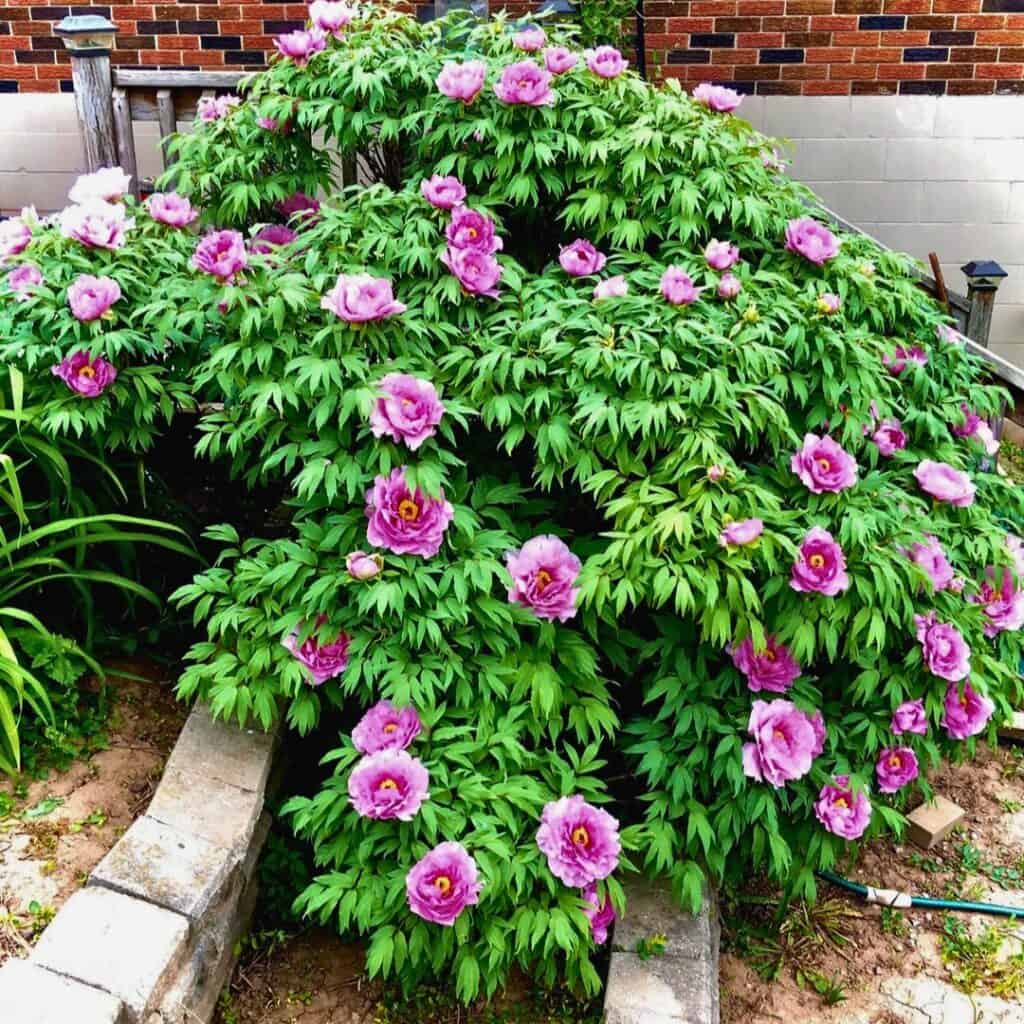
There’s something magical about peonies popping up every spring with even more blooms than before. They’re easily one of the most reliable perennials I’ve ever grown, and once they’re settled in, they barely ask for anything.
Their big, colorful flowers are perfect for cutting and bringing indoors. I make sure to plant my peonies in full sun—at least six hours a day is ideal.
They want well-drained soil and really don’t like being moved after they’ve settled. I always give them enough space so air can move around and keep them healthy.
Each spring, I cut away old stems and add a thin layer of compost. It’s a quick job, but it makes a big difference for strong stems and big blooms.
Taller types need staking early on, or the heavy flowers end up flopping over. Peonies can live for decades in the same spot, which is wild when you think about it.
Their bloom time isn’t long, but the lush green leaves stick around and look good all summer. When the flowers are done, I snip them off to tidy things up.
I leave the foliage until fall so the plant can store up energy for next year. With just a bit of care, peonies give me years of color and charm.
2) Hosta

Hostas are my go-to for shady spots that need a little love. Their big leaves come in all kinds of greens, blues, and even golds, so each one feels a bit unique.
They do best in partial to full shade and like moist, well-drained soil. If it’s dry, I make sure to water them so the leaves stay plump.
In early summer, they send up tall flower stalks with white or lavender blooms. Bees and hummingbirds seem to adore them.
Even after the flowers are done, the leaves keep the garden looking fresh. Hostas are super easy to care for.
I divide them every few years to keep things from getting crowded, and it’s a nice way to get new plants for free. Slugs can be an issue, but I keep the area tidy and use some safe traps when needed.
They mix really well with ferns, astilbes, and other shade lovers. Together, they fill out empty spaces and make everything feel calm and green.
If you want a plant that just keeps coming back without much fuss, Hosta is a solid pick. It’s reliable, beautiful, and honestly, a breeze to grow.
3) Daylily
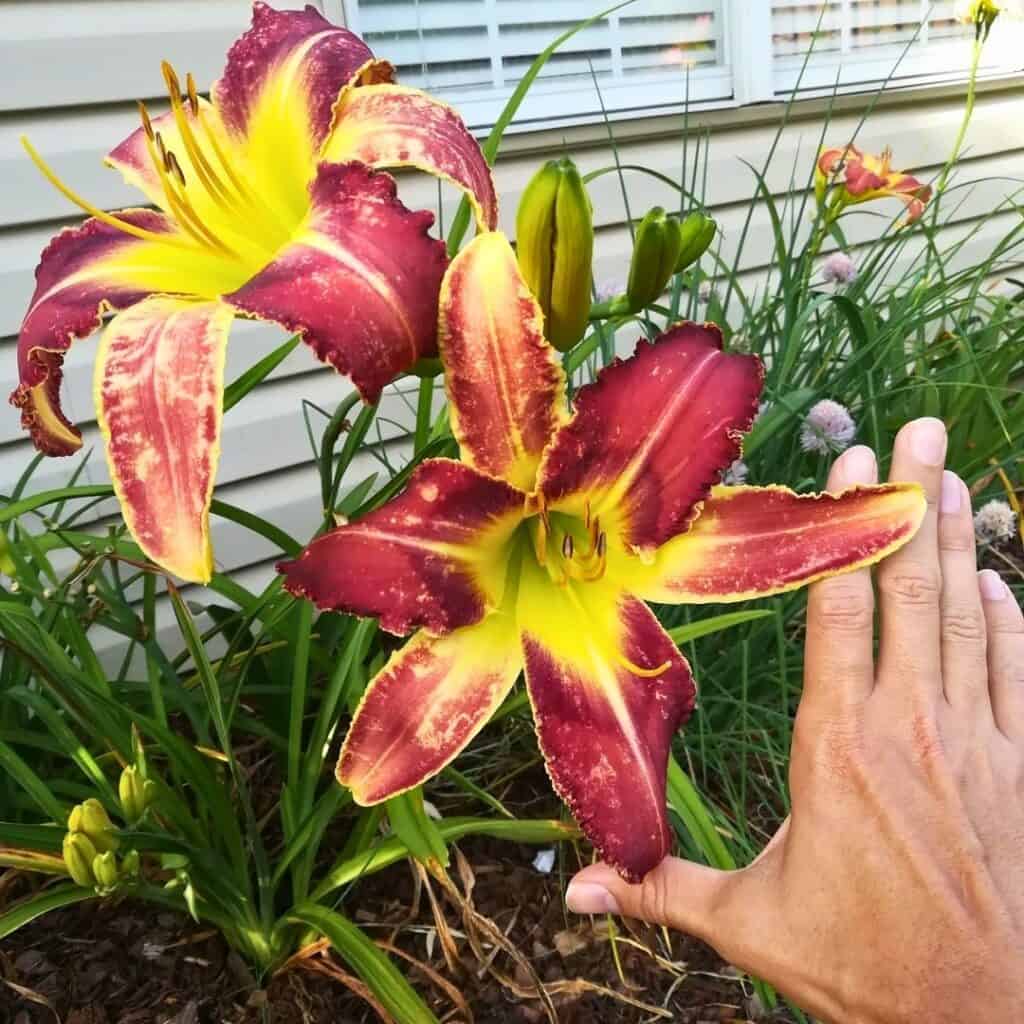
Daylilies are such an easy win—they pop back up stronger every year and don’t seem to care much about heat, drought, or tricky soil. Their bright blooms add a ton of energy, especially when other flowers are fading.
The funny thing is, each flower only lasts a day, but new buds keep opening for weeks, so there’s always color. I plant a mix of varieties for a rainbow of yellows, oranges, pinks, and reds all summer.
Daylilies need little care. I’ll water during dry spells and deadhead the faded blooms to keep things tidy. Every few years, I split up the clumps to give them room and keep them happy.
They love full sun but can handle partial shade too. Well-drained soil with a bit of compost is all they really want.
I like using them along fences, borders, and even on slopes—they help with erosion and fill in gaps with their long, arching leaves. Deer don’t seem interested, which is a relief, and pollinators like bees and butterflies show up often.
If I want even more color, I mix early, mid, and late-blooming types for flowers from early summer into fall. Daylilies are reliable, and honestly, that’s why they’re one of my favorites.
4) Sedum
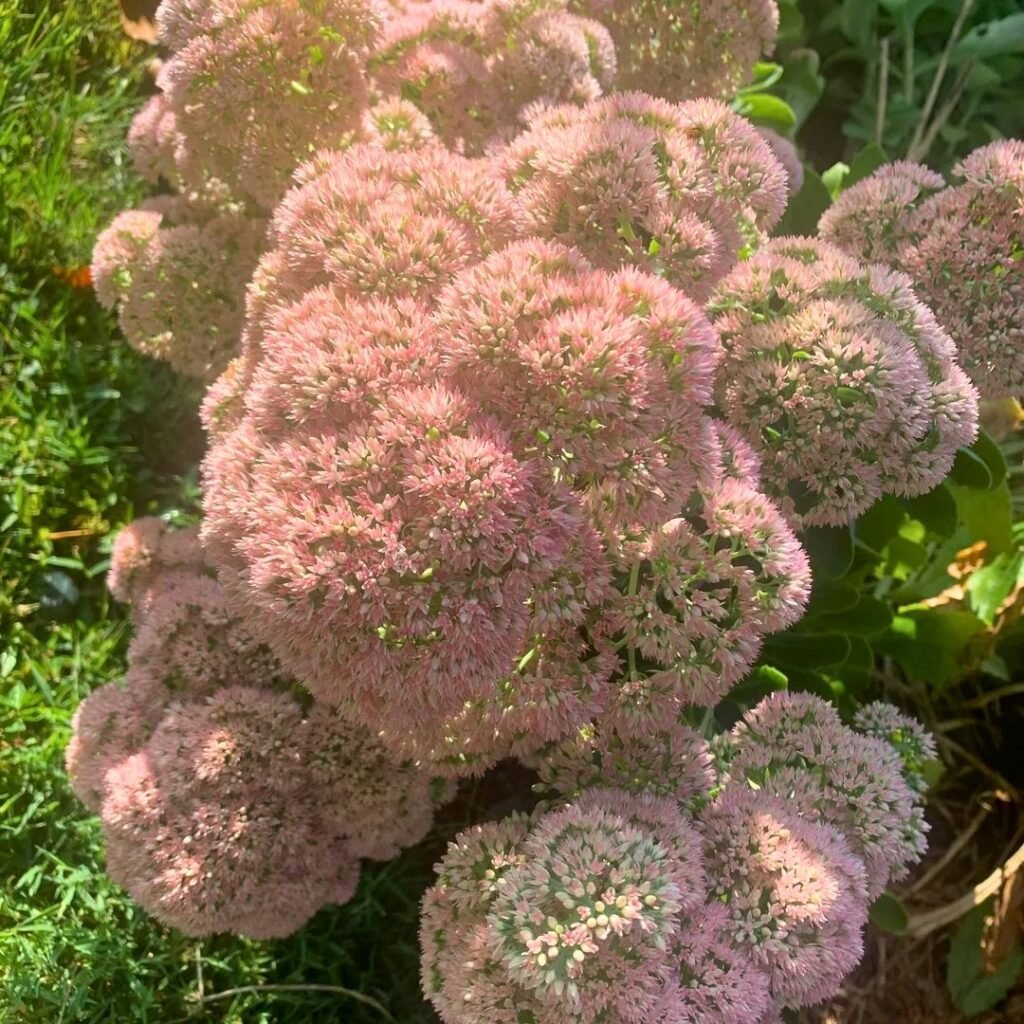
Sedum is almost too easy—it thrives even when I forget to water, thanks to those thick, fleshy leaves that store moisture. It just keeps looking good, no matter what.
There are so many kinds, from low, spreading mats to tall types with clusters of tiny flowers. Mixing them up adds a lot of texture and color to my beds.
Sedum blooms from late summer into fall, which is perfect when other plants are winding down. The flowers bring in bees and butterflies, making the garden feel lively.
I always plant Sedum in well-drained soil and full sun. It hates soggy roots, so I avoid areas that stay wet after rain. Once it’s settled, it barely needs any care.
I’ll snip off a few stems now and then to root in other spots—super easy and a cheap way to fill out the garden. Even in winter, the dried flower heads look nice against the snow.
Sometimes I leave them up until spring for a bit of winter interest. If you want a plant that’s beautiful with almost no effort, Sedum is a top pick.
It’s tough, dependable, and colorful year after year.
5) Coneflower (Echinacea)

Coneflowers just keep coming back, no matter what. These hardy perennials shrug off heat and drought, which is great when I’m too busy to fuss over them.
Their daisy-like blooms bring pops of color from early summer straight through fall. I plant them in full sun and well-drained soil—too much water, and the roots can rot, so I let the soil dry out between waterings.
Coneflowers come in all sorts of colors—purple, pink, white, orange. I like mixing them up for a wild, meadow vibe. The tall stems are also perfect for cutting and bringing some color inside.
They’re magnets for bees, butterflies, and birds. Goldfinches especially love the seed heads, so I leave them standing through winter for the birds.
Every few years, I’ll divide my coneflowers to keep them healthy and full. It’s a simple way to get more plants for free.
No matter what the weather throws at them, coneflowers bounce back. Their resilience is why they’re one of my favorite low-maintenance perennials.
6) Black-eyed Susan (Rudbeckia)
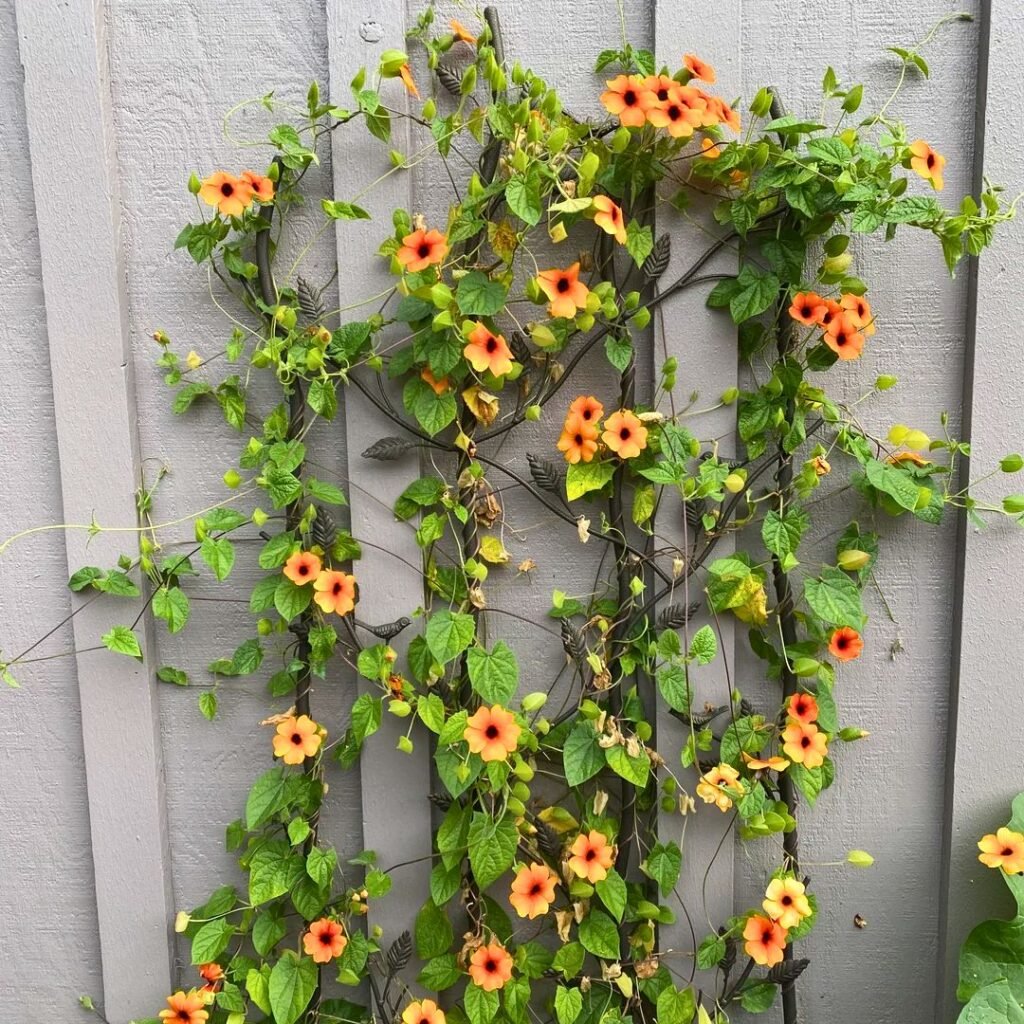
Black-eyed Susans light up my garden every summer with those golden-yellow petals and dark centers. They’re so cheerful, you can spot them from way across the yard.
They’re easy to grow and don’t need much attention. Once they’re in, they come back every year.
They handle heat, drought, and poor soil better than a lot of other flowers I’ve tried. I always plant them in a sunny spot, at least six hours of light a day.
They bloom best in full sun, and their color really pops. I only water when the soil feels dry.
These perennials attract bees and butterflies, which is great for the rest of my garden. Goldfinches love the seed heads in late summer, and I enjoy watching them visit.
They spread at a nice, manageable pace. Dividing clumps every few years keeps them healthy and gives me extra plants to share or fill in other spots.
When the flowers fade, I leave some seed heads for the birds and cut the rest back. They come back stronger and brighter every year.
7) Lavender

Lavender just makes everything better—it looks lovely, and the smell is incredible. Those soft purple flowers and fresh scent instantly make the garden feel calm.
This perennial does best in full sun and well-drained soil. Wet roots are a no-go, so I always pick a dry spot for planting.
Lavender blooms from late spring to early summer, and sometimes throws in a second round later. I snip off faded blooms to encourage new ones.
Bees and butterflies can’t seem to stay away from my lavender, and having them around helps the whole garden. I like using dried lavender for simple crafts and home fragrance—it keeps its scent for ages, and little sachets are fun to make.
There are a few types, like English, French, and Spanish. I lean toward English lavender since it’s more cold-hardy and survives winter here.
Once established, lavender barely needs any water. I give it a deep soak now and then, but that’s about it.
If I plant a few together, they make a neat, low hedge that adds color and shape. Every few years, I prune them back to keep them from getting woody.
Lavender is just the right mix of beauty, fragrance, and resilience—I can always count on it to return with almost no effort.
8) Bee Balm (Monarda)

Bee Balm is a favorite for adding bold color and tons of pollinators to my summer garden. The flowers come in red, pink, purple, and white, and they really stand out.
It grows best in full sun and moist, well-drained soil. I give it plenty of space since it likes to spread underground, and dividing it every few years helps keep things in check.
The blooms bring in bees, butterflies, and hummingbirds—I often plant Bee Balm near veggies and herbs to help with pollination. It’s a great way to get more life buzzing around the yard.
Bee Balm can get powdery mildew if it’s crowded or the air is damp. I water at the base and make sure there’s good airflow, and pulling off old leaves helps too.
This perennial dies back in winter, but every spring it pops up again. I trim stems to the ground after frost and toss on a bit of mulch for protection.
Bee Balm makes a pretty cut flower and the leaves are nice for herbal tea—they’ve got a gentle, minty flavor.
It’s just easy to grow and brings so much life to the garden. With a bit of attention, Bee Balm keeps blooming year after year and always makes my yard feel brighter.
9) Coral Bells (Heuchera)
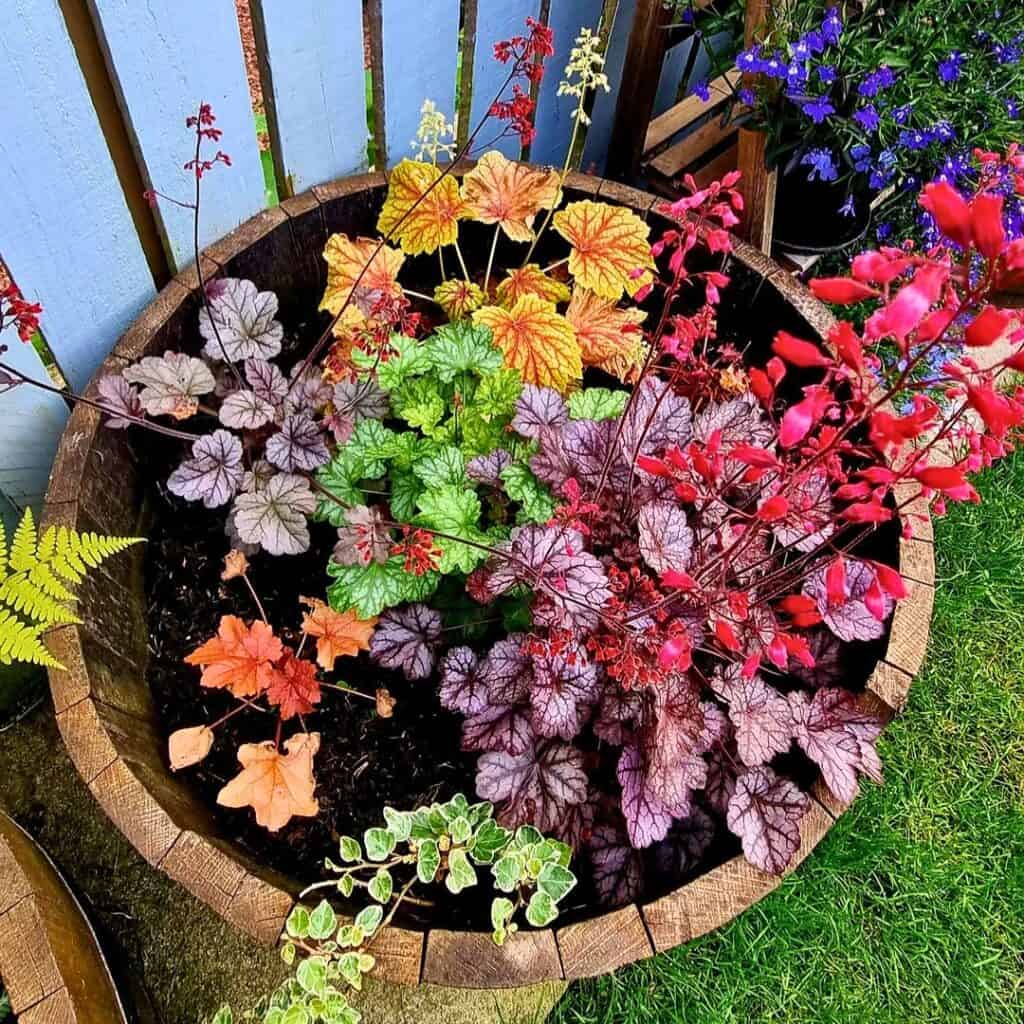
I really enjoy growing Coral Bells—they just bring so much color and texture to my garden, no matter the season. The rounded leaves come in all sorts of shades: green, purple, bronze, and even silver. They stand out, even when nothing’s blooming.
In late spring or early summer, these plants send up delicate flower spikes. The blooms attract hummingbirds and bees, which always makes the garden feel a bit more alive. I can’t help but watch those tiny flowers swaying in the breeze.
I like to tuck Coral Bells into partial shade spots where they catch some gentle morning sun but stay cool later in the day. They’re happiest in well-drained soil—if the soil feels a bit dry, that’s when I water. Sitting in soggy soil? They’re not fans.
From what I’ve seen, these perennials handle both heat and cold pretty well. In winter, I mulch around the base to protect the roots. Even after a frost, the foliage usually keeps its color, which is a nice surprise in colder months.
Mixing different varieties is one of my favorite tricks. Some have deep purple leaves, others are more silver or chartreuse. Combining colors like that makes the garden lively with barely any extra effort.
Coral Bells fit right into containers or borders. I often tuck them along paths or under taller plants to fill in little gaps. Their tidy shape and low height make them easy to squeeze in just about anywhere.
Every few years, I’ll divide the clumps to keep things healthy and full. It’s a simple refresh, and I end up with more to share or plant elsewhere. Who doesn’t love free plants?
Coral Bells are just low-maintenance and reliable. They don’t ask for much and always reward me with color from spring through fall. If someone’s looking for a hardy perennial, I’m quick to recommend Heuchera.
10) Catmint (Nepeta)

There’s something about Catmint that just softens up the garden. The lavender-blue flowers last for ages, and those gray-green leaves stay neat, even when the weather gets hot.
I like to plant it where I want steady color but don’t want to fuss much. Once it’s settled in, it handles drought like a champ—I don’t stress if I miss a watering now and then.
All summer, bees and butterflies show up for the flowers. It’s great knowing I’m helping pollinators while keeping the garden lively.
After the first bloom, I give the plants a quick trim. That little bit of effort helps it rebloom and keeps things tidy through the season.
Catmint loves full sun and well-drained soil. I’m careful not to overwater since soggy roots can be a problem.
I use it a lot along borders or paths. The soft scent and gentle color seem to go with just about any other perennial—salvia and coreopsis are favorites to pair with.
Even out of bloom, the foliage looks good. It keeps things fresh from spring right through fall.
For me, Catmint is a dependable, low-maintenance perennial that gives back months of gentle color for just a little care.
11) Russian Sage (Perovskia)
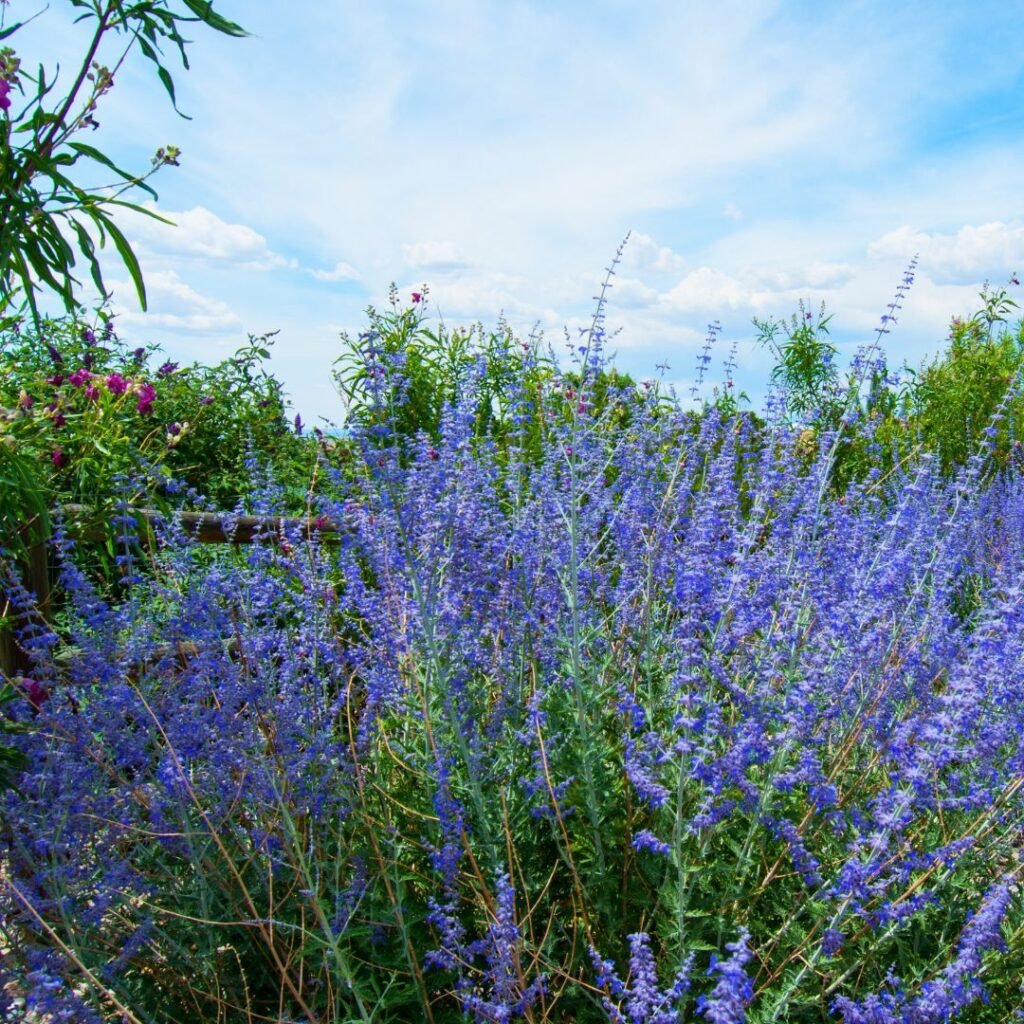
I can’t get enough of Russian Sage for its soft, airy look. The tall, silvery stems and tiny lavender-blue flowers really pop, even from across the yard. That color sticks around for weeks, making everything feel calm and a bit dreamy.
I always plant it in full sun—that’s where it thrives. It shrugs off heat and drought, which honestly makes it one of the easiest plants I grow. Once established, I barely have to water it.
The leaves have a mild, herbal scent that catches me off guard when I brush by. It’s a nice bonus. Plus, bees and butterflies can’t seem to stay away, which keeps the garden buzzing all summer.
Each spring, I trim the stems back to keep things neat. Russian Sage grows fast when it warms up, filling in bare spots before I know it. I don’t bother with much fertilizer or fancy soil.
When I mix it with coneflowers or black-eyed Susans, the colors just work together. The silver foliage makes the bright flowers stand out. It’s a simple way to get a garden that looks full and colorful without much fuss.
Because it’s hardy and long-lasting, I never worry about it disappearing after a season. Every year, it comes back strong and blooms well into fall. That kind of reliability makes it a top pick for me.
12) Bleeding Heart (Dicentra)
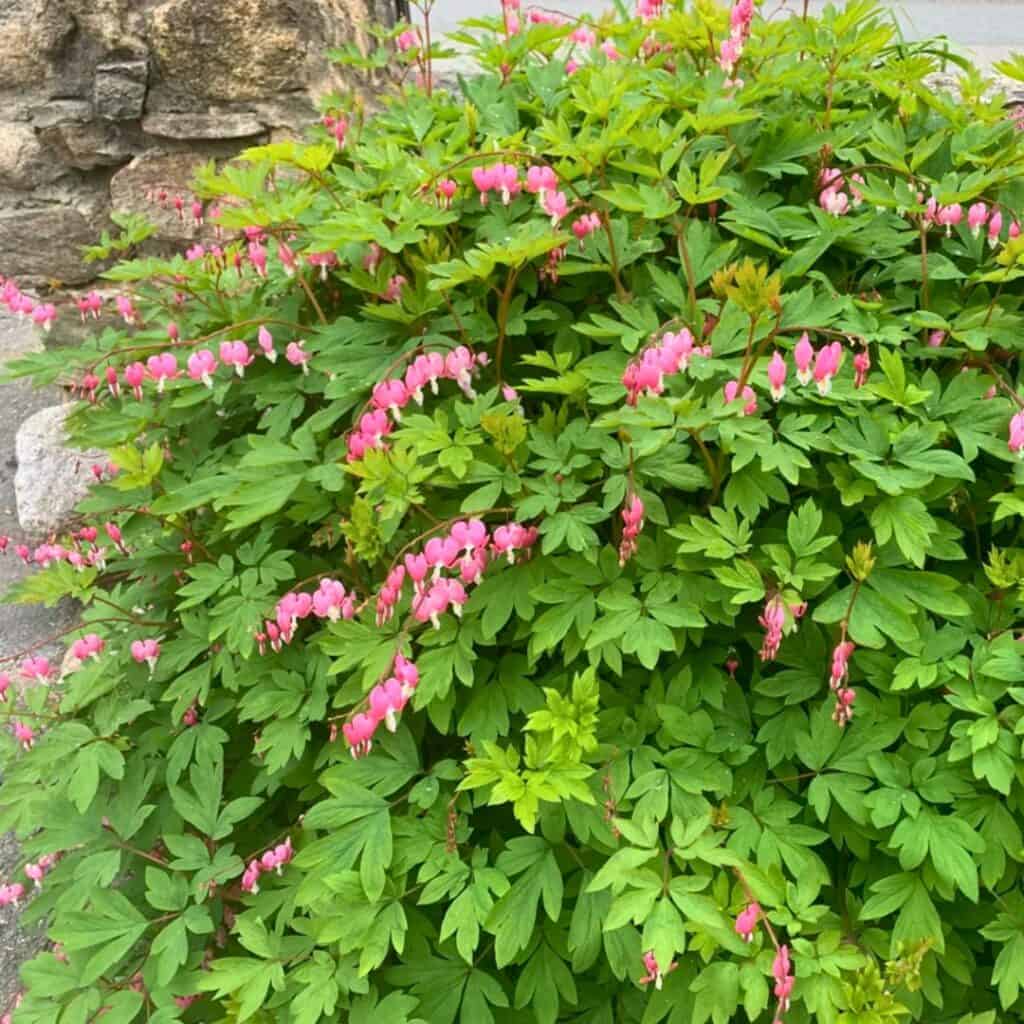
Bleeding Heart brings a bit of magic to shady corners. The heart-shaped flowers dangle from arching stems and look so delicate, but they always return every spring. Blooms usually show up in late spring and stick around for several weeks.
I plant mine in partial to full shade, where the soil stays cool and moist. This plant doesn’t love hot, dry spots, so I make sure it’s shielded from harsh sun. Mulch helps keep the roots damp and happy.
After flowering, the foliage might fade if summer gets too hot. I trim back the yellowed leaves and let other plants fill in. The roots just hang out underground and send up new growth next spring.
Bleeding Heart pairs well with ferns, hostas, and astilbes. They all like the same shade and moisture, and together they create a soft, layered look that’s pretty hard to beat.
There are a few types to try. The classic Dicentra spectabilis has pink and white blooms, while Dicentra formosa and Dicentra eximia bloom longer and have finer leaves. I find those smaller varieties fit into tight spaces more easily.
To keep things healthy, I water during dry spells but avoid soggy soil—too much water can lead to root rot. A balanced fertilizer in early spring gives it a boost.
Bleeding Heart is pretty tough and survives cold winters in a lot of places. Once it’s settled, it doesn’t need much beyond watering and the occasional trim.
Seeing those little hearts every spring is a sure sign the season’s changing. It quietly brightens shady spots and rewards a bit of care with lasting beauty.
13) Astilbe
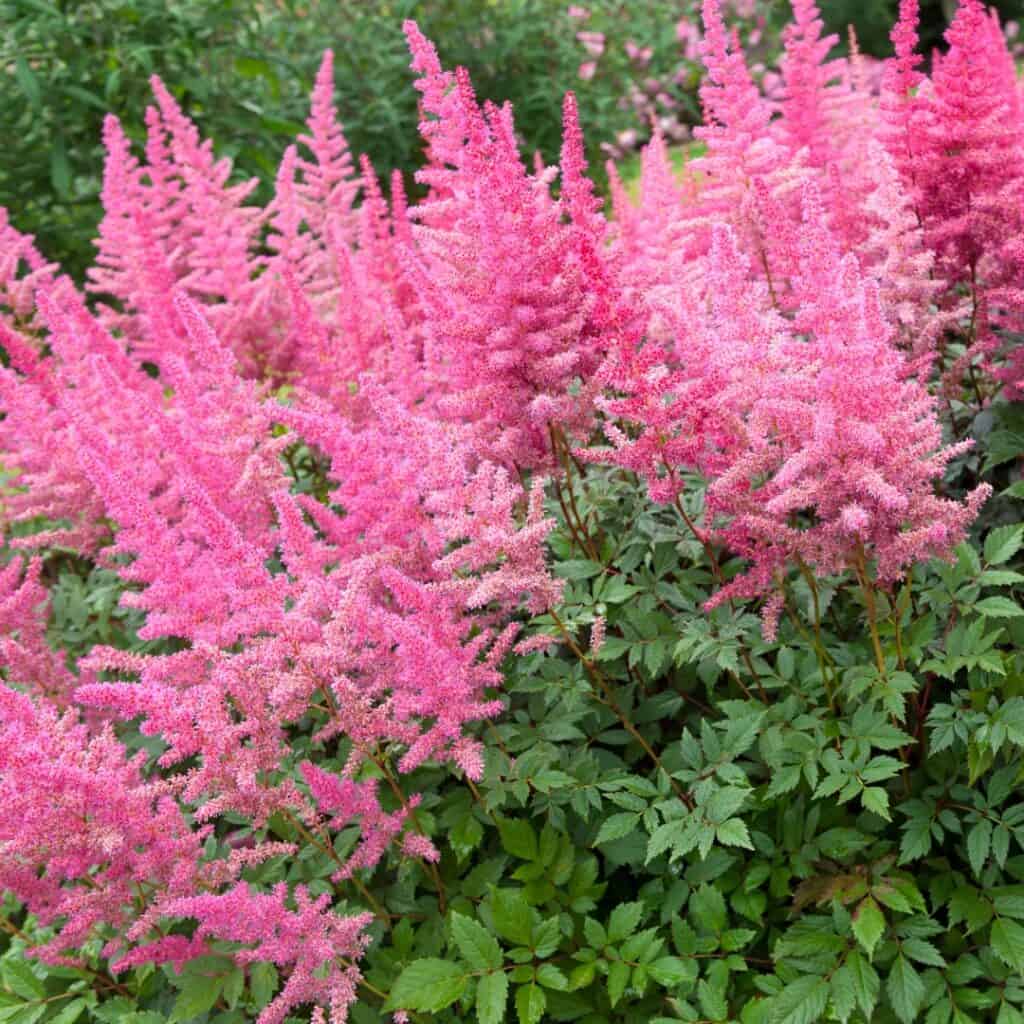
Astilbe is my go-to for brightening up shady spots. The feathery plumes add soft color just when other plants are fading. I use it a lot to bring texture and variety to those tricky, low-light areas.
You’ll find this perennial in shades of pink, white, red, and lavender. The blooms rise above deep green or bronze leaves, which makes for a great contrast. Planting a few together always looks fuller and more dramatic.
Astilbe likes moist, well-drained soil best. I make sure to water regularly, especially if things dry out, since it really doesn’t like to get thirsty. Mulch is a lifesaver for keeping soil cool and damp.
I’ve noticed it thrives in partial to full shade, so it’s perfect for woodland gardens or shady borders. Too much sun can scorch the leaves, so I keep it out of direct afternoon light.
In early summer, those plumes show up and last for weeks. Even after the flowers fade, the dried seed heads are nice for added texture. I usually leave them up through fall just for the look.
Astilbe doesn’t ask for much maintenance. I cut back old stems in late winter or early spring to make room for new growth. Dividing clumps every few years keeps them healthy and blooming.
One thing I appreciate—deer and rabbits usually leave it alone. That saves me some headaches. It pairs really well with hostas, ferns, and heucheras, giving that lush, layered look.
If I want stronger blooms, I’ll add compost in spring. The plants reward me with taller plumes and richer color. Steady care really pays off with Astilbe; it keeps coming back year after year.
14) Phlox

Phlox is a summer highlight in my garden—bright, cheerful, and surprisingly easy to care for. It comes in all sorts of shades: pink, purple, white, red—and once it’s settled, it blooms every year with almost no fuss.
I usually plant Phlox in full sun so it gets at least six hours of light. It also does best in well-drained soil that stays a bit moist. Regular watering keeps the blooms looking their best and helps them last.
There are both tall and creeping varieties. Tall garden Phlox can hit four feet, while the creeping types spread out low, making a colorful ground cover. Mixing both types adds some nice variety.
To keep Phlox happy, I deadhead faded flowers so more blooms pop up. I also divide the plants every few years to prevent crowding and improve airflow. That really helps cut down on mildew, which sometimes hits the leaves.
Bees, butterflies, and hummingbirds all love Phlox. I see them visiting all season long, so it’s an easy way to support pollinators and keep things lively.
Phlox usually starts blooming in mid to late summer and can keep going into fall, depending on the type. With just basic care, it rewards me with steady color and a sweet scent that fills the garden.
Phlox is a dependable choice for me—lots of beauty and life, not much work. It’s one of those plants I can always count on to come back strong.
15) Butterfly Weed (Asclepias tuberosa)
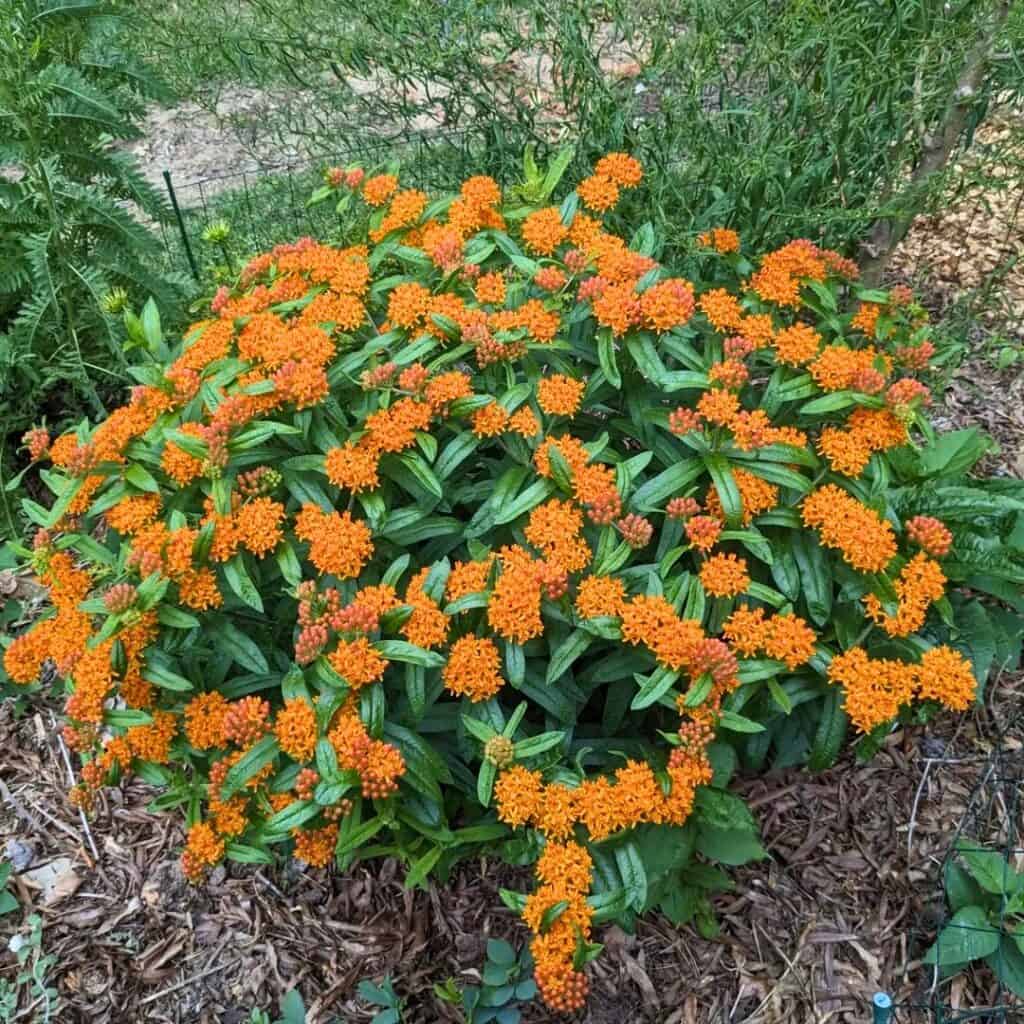
I’m a big fan of Butterfly Weed for its bold color every summer. The orange blooms really pop against green leaves and bring in butterflies, especially monarchs. It’s a tough perennial that loves sunny, dry spots—so easy to look after.
I plant it where it’ll get full sun most of the day. It doesn’t need fancy soil or much water once it’s established. Deep roots help it handle heat and drought, making it a reliable garden buddy year after year.
I’ve noticed Butterfly Weed starts blooming in early summer and keeps at it for weeks. The flower clusters attract bees and other pollinators. When the blooms are done, the seed pods add some interest—and I can collect them to grow new plants.
I try not to move this plant once it’s settled, since it’s not a fan of being transplanted. Instead, I let it spread on its own or start new ones from seed. It’s always rewarding to spot new plants popping up.
Another plus: deer and rabbits usually leave it alone, so I don’t have to worry about critter damage. Its low-maintenance style fits right in with borders, wildflower gardens, or sunny slopes.
Seeing butterflies flutter around those orange flowers always makes me glad I planted it. Butterfly Weed brings color and life to my yard with barely any effort.
How To Care For Hardy Perennials
Keeping my hardy perennials healthy mostly comes down to good soil, steady watering, proper feeding, and timely pruning. These basics help each plant stay strong and keep blooming year after year.
Soil And Watering Tips
I always start with well-draining soil—soggy roots just don’t end well. Mixing in compost or aged manure improves the texture and adds nutrients. A slightly loose, rich soil helps roots spread out.
I water deeply about once a week, letting the soil dry a bit between waterings. Deep watering encourages strong roots, while frequent shallow watering can actually weaken them.
To lock in moisture, I lay down a 2–3 inch layer of mulch around each plant. Mulch also helps keep weeds down and protects roots from temperature swings.
If it’s been dry, I check the soil by pressing my finger in about an inch. If it feels dry, I water right away. I try to water early in the morning so leaves dry before night—less chance for disease that way.
Fertilizing For Long-Lasting Blooms
I usually reach for a balanced fertilizer (like 10-10-10) in early spring, right when those first green shoots pop up. It seems to kickstart strong stems and brighter flowers—at least, that’s what I’ve noticed.
For perennials that put on a show all summer, I’ll feed again in midsummer with a slow-release or organic fertilizer. Honestly, I try not to overdo it; too much nitrogen just makes things leafy and kind of skimpy on blooms.
I toss in some compost or leaf mold once or twice a year too. It keeps the soil nice and rich, and I swear it helps with moisture when the weather gets dry.
Here’s a quick guide I tend to follow:
| Season | Fertilizer Type | Purpose |
|---|---|---|
| Early Spring | Balanced (10-10-10) | Start growth |
| Mid-Summer | Slow-release | Support blooms |
| Fall | Compost | Rebuild soil |
Dividing And Pruning Techniques
Every 3–5 years or so, I divide my perennials to keep them from getting overcrowded. I dig up the clump, slice it into healthy chunks, and pop them back in the ground right away.
This really helps keep the plants strong and stops that annoying dead patch in the middle.
Once the flowers are done, I’ll prune off dead blooms to coax out more buds. Dead or damaged stems get the chop too—better air flow, less disease, and the whole plant just looks tidier.
In fall, I cut perennials down to a few inches above the soil after frost. For evergreens, I just pull off the dead leaves and leave the rest.
I always clean my tools before and after pruning. It’s a simple step, but it saves a lot of trouble with pests and disease.
Design Ideas For Perennial Gardens
When I’m planning out my perennial garden, I try to keep it interesting all year and mix in different plant types. Mixing textures, colors, and bloom times really helps the space feel full and lively—no matter what month it is.
Pairing With Annuals And Shrubs
I love mixing perennials with annuals and shrubs. Perennials are the backbone, but annuals fill in gaps and bring a pop of quick color. Shrubs add structure and a bit of height that makes everything look more finished.
When I’m putting combos together, I look for contrasting shapes and colors. Here’s a little cheat sheet:
| Perennial | Annual | Shrub |
|---|---|---|
| Black-eyed Susan | Zinnia | Boxwood |
| Salvia | Petunia | Hydrangea |
| Coneflower | Marigold | Spirea |
Taller shrubs go in the back, then medium perennials in the middle, and low annuals up front. It’s an easy way to keep everything visible and not lost in the crowd.
I’ll repeat a few plants across the bed, too. Repeating colors and textures makes the whole garden feel connected—not just a random jumble.
Seasonal Color Planning
I try to plan so there’s always something blooming. Early spring bulbs like tulips and daffodils kick things off, then summer perennials like daylilies and coneflowers keep the color going. Asters and sedums take over in fall, while shrubs add background interest.
Grouping plants by bloom time makes things easier to care for. When one group fades, the next is just getting started.
I also lean on foliage color to fill in the gaps. Silver, variegated, or deep green leaves add depth—especially when flowers are taking a break. Mixing up bloom times and leaf colors keeps my garden bright from spring to frost.
Frequently Asked Questions
People ask me all the time how to keep gardens full of color and life with plants that come back every year. I’ve found that picking hardy, sun-loving, and low-maintenance perennials just makes everything easier—and honestly, a lot more fun.
What are some low-maintenance perennials that bloom all season?
Daylilies and Sedum are my go-to. They barely need any fuss, bloom for ages, and don’t seem to mind if I forget to water sometimes.
Can you suggest perennials that thrive in full sun?
Coneflowers (Echinacea) and Peonies both love soaking up the sun. They give you strong, colorful blooms and attract pollinators—plus they don’t wilt in the heat.
Which perennials can survive harsh winters and still bloom every year?
Hostas and Peonies are tough. I cut them back in fall, and like clockwork, they bounce back every spring with barely any effort.
Are there any perennials that can provide continuous color in my garden?
I mix Daylilies with Sedum for steady color. When one’s winding down, the other is just getting started, so there’s always something happening out there.
What are the best perennials for attracting bees and butterflies?
Coneflowers and Sedum are magnets for bees, butterflies, and even the occasional hummingbird. Planting them together keeps pollinators coming back all summer.
How do I care for perennials to ensure they bloom year after year?
I usually water them deeply, though not too frequently—honestly, it’s easy to overdo it. Trimming off dead flowers helps, and every couple of years, I’ll divide the plants.
Regular care and plenty of sunlight seem to make a big difference. That’s what keeps them coming back strong each season.
Note: Some images in the articles are sourced from Reddit and Other Platforms For Reference Purpose.