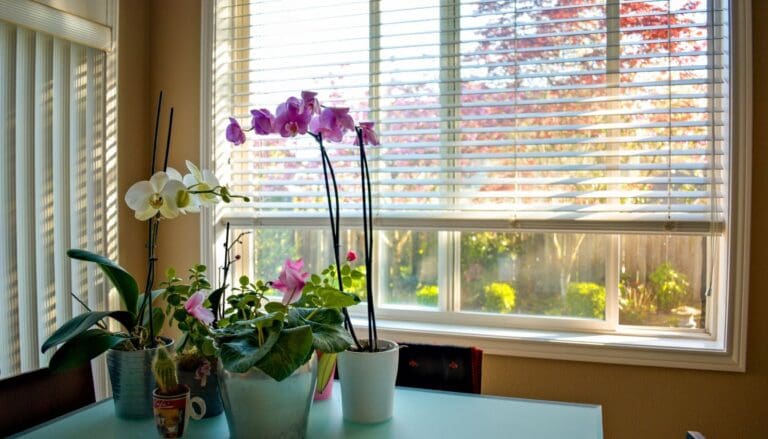
15 Full Sun Garden Borders You’ll Love
I can’t help but love how a sunny garden instantly brightens up any space. When you fill it with plants that actually thrive in full sun, you end up with a border that stays lively from spring right through fall.
You really can build a colorful, low-maintenance garden that looks great all season long—without too much fuss.
In this article, I’ll toss out some ideas for easy, sun-loving plants that bring lasting color and texture. You’ll see how mixing blooms, shapes, and heights can make borders feel balanced and full of life.
Each plant adds its own special touch to help your garden shine in the sunlight.
Please note: Simplify Plants is reader-supported. As an Amazon Associate, I earn from qualifying purchases made by our readers with no extra cost added to you all! Some links in the post are affiliate links and I get a commission from purchases made through links in the post.
1) Lavender

I always end up planting lavender when I want color and fragrance that lasts all summer. Those soft purple blooms and silvery-green leaves look neat, even in the hottest spots.
Lavender really loves full sun and dry soil. I never overwater it—honestly, it’s happiest when the soil drains well.
Once it’s settled in, it can handle heat and drought with barely any care. I like how bees and butterflies flock to the flowers all season; the border feels alive, and nearby plants get a pollination boost.
The scent helps keep some pests away, which is a nice bonus. I’ll usually trim the plants after they bloom just to keep them in shape.
That little bit of maintenance helps them stay compact and encourages new growth. Lavender pairs well with roses, coneflowers, and ornamental grasses—the colors and textures together always look balanced and bright.
When I dry the flowers, I toss them into little sachets or vases inside. The fragrance sticks around for months and always reminds me of summer.
If you want a simple, sun-loving border plant that adds color, scent, and texture, lavender is a solid pick.
2) Coreopsis
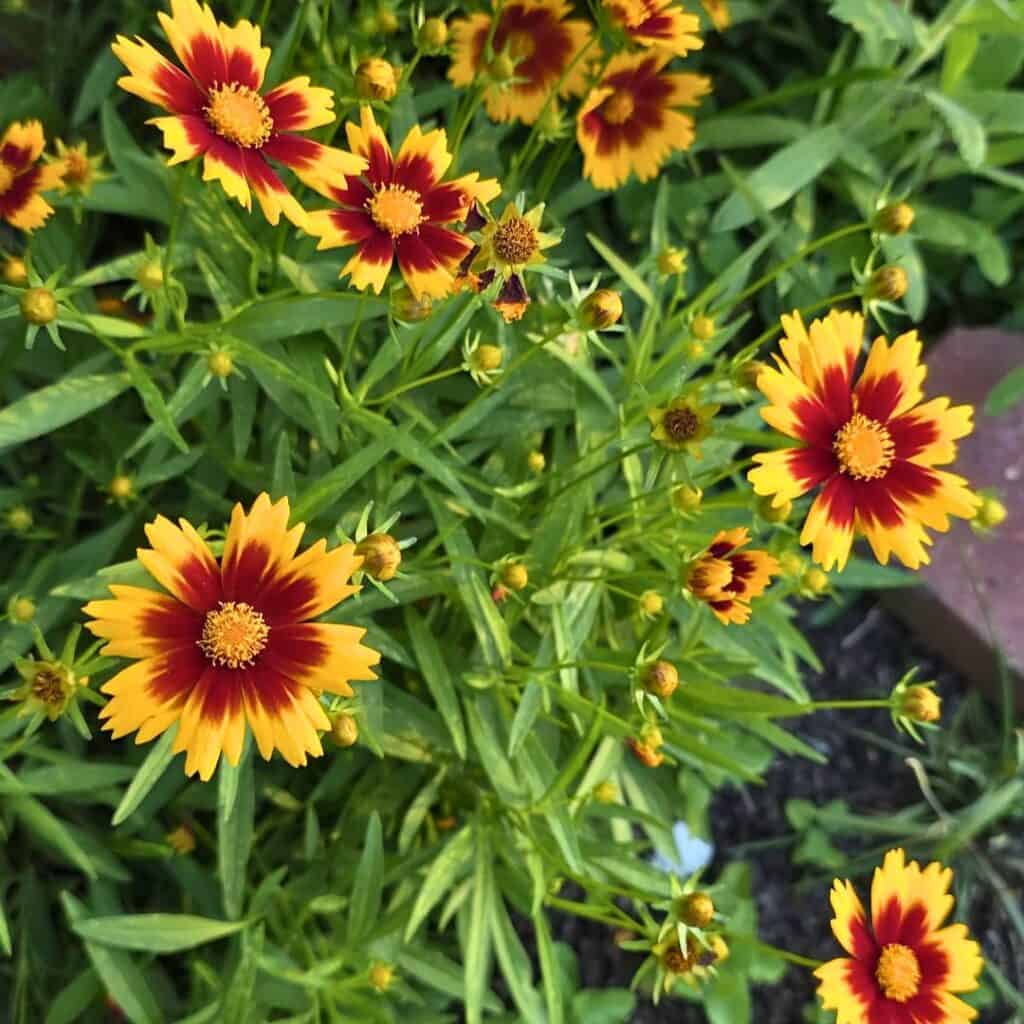
I love how Coreopsis brightens up a sunny border with its cheerful yellow blooms. They look like little suns, and they keep blooming for weeks in warm weather.
It’s perfect for adding steady color through summer and early fall. Coreopsis thrives in full sun, so I plant it somewhere it gets at least six hours of sunlight a day.
It handles heat and drought well once it’s established, so I don’t have to water it much. I like that Coreopsis comes in many varieties—from pale yellow to deep orange and even pink.
Some grow low and tidy, while others get up to two feet tall. That makes it easy to mix them with other sun-lovers like coneflowers or black-eyed Susans.
To keep the blooms coming, I just deadhead the spent flowers every few days. It’s an easy way to get more buds.
I also trim it back lightly in midsummer if it’s looking messy. Coreopsis grows best in well-drained soil, and I steer clear of overwatering because soggy roots are never good.
Sometimes I add a bit of compost, but honestly, it doesn’t need rich soil. Bees and butterflies love Coreopsis—it’s always nice to see pollinators fluttering around while the petals sway in the breeze.
The flowers make sweet cut blooms for little vases indoors. If I want a low-maintenance border that stays colorful, Coreopsis is one of my go-tos.
It’s easy, dependable, and brings a warm glow to any sunny garden spot.
3) Blanket Flower (Gaillardia)
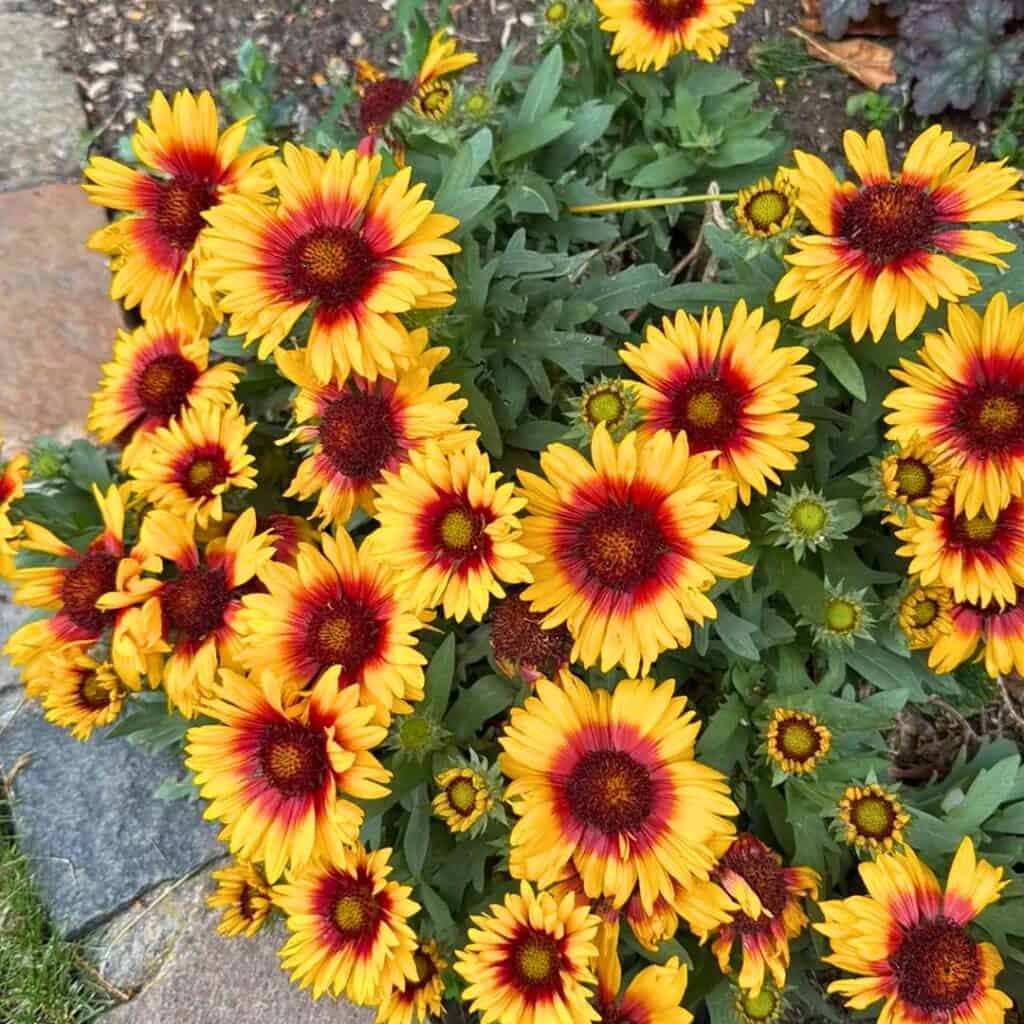
Blanket Flowers really do brighten up a sunny garden. Those bold red, orange, and yellow petals remind me of summer—even when it’s winding down.
These flowers bloom for months, so the border stays colorful and lively. I always plant them where they get full sun all day.
They’re tough, handling heat and dry soil better than most flowers I’ve tried. Once they’re settled in, I barely water them, which makes life easy.
Butterflies and bees seem to love my Blanket Flowers. The blooms attract pollinators, adding movement and life to the garden.
I like mixing them with coneflowers or coreopsis for a cheerful color mix. I usually grow them from seed since they sprout fast and bloom the first year.
Cutting off old flowers helps new ones show up faster. It’s a simple way to keep everything looking neat.
These plants stay compact—usually 12 to 18 inches tall—so they’re great for edging paths or filling small gaps. The leaves have a soft, fuzzy texture that looks nice next to smoother foliage.
Blanket Flowers do best in well-drained soil. If the soil stays too wet, the roots can rot, so I’ll add a bit of sand or gravel to help with drainage.
When the season ends, I let a few flower heads go to seed. Next year, I often spot new seedlings popping up on their own.
It’s always a nice surprise and keeps my border full without extra work. I love that these flowers keep their color even under strong sunlight—they don’t fade quickly, and the bright tones make the garden look warm.
For anyone wanting a low-maintenance, colorful border, Blanket Flower is one of my favorites.
4) Russian Sage
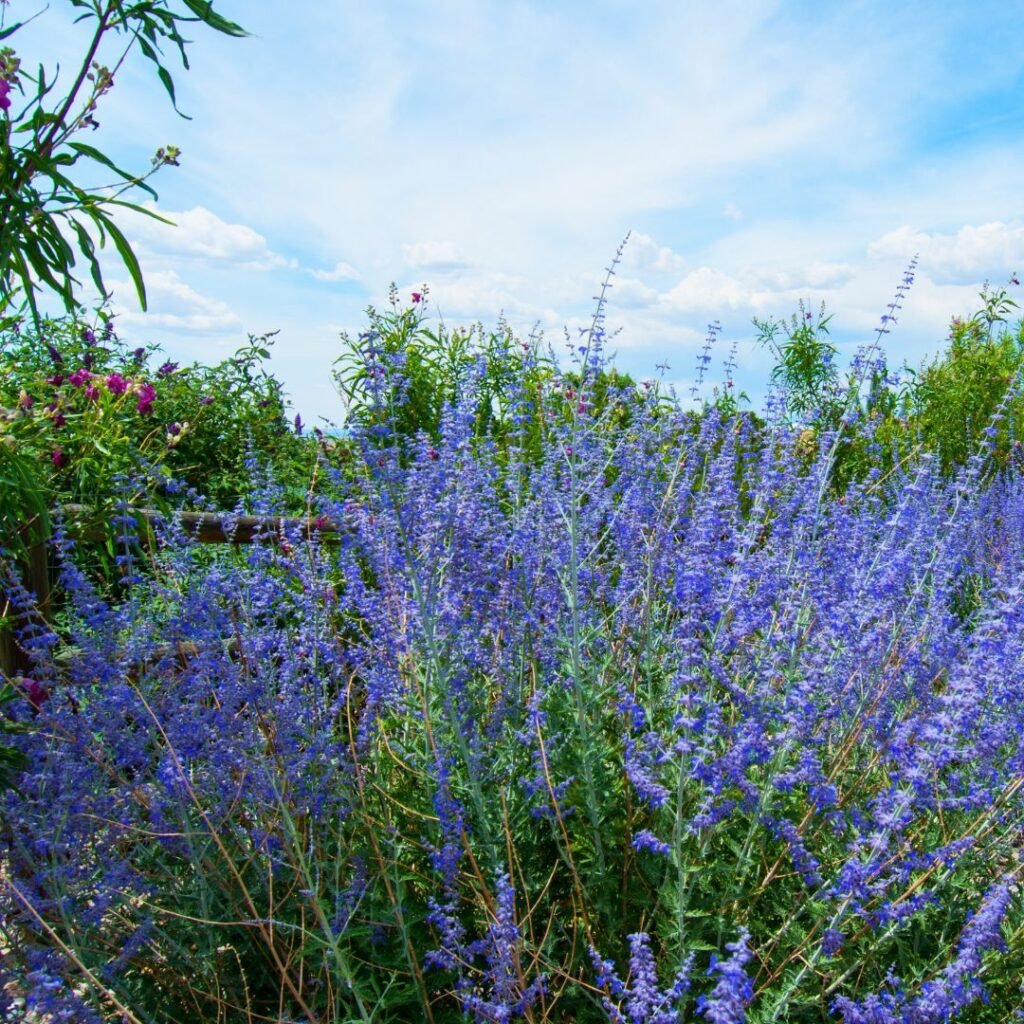
I can’t get enough of Russian Sage—it adds such soft color and texture to my sunny garden. Those silvery-green leaves and tall spikes of lavender-blue flowers give the border an airy, bright look.
It just keeps blooming from summer into fall, so my garden stays colorful for ages. This plant loves full sun and well-drained soil.
I don’t fuss over it much, since it’s drought-tolerant once established. I just make sure it gets plenty of sunlight and enough space to spread.
When planting Russian Sage, I leave about 2 to 3 feet between each one. It helps with airflow and keeps things healthy.
I trim the stems back in early spring to encourage fresh growth. Bees and butterflies are always hovering around the flowers, which is a great way to attract pollinators without much effort.
I like pairing Russian Sage with coneflowers, black-eyed Susans, or ornamental grasses. The mix of colors and textures just works.
If you want a plant that handles heat and still looks graceful, Russian Sage is a smart pick. It’s reliable, easy, and brings lasting charm to any sunny border.
5) Daylilies
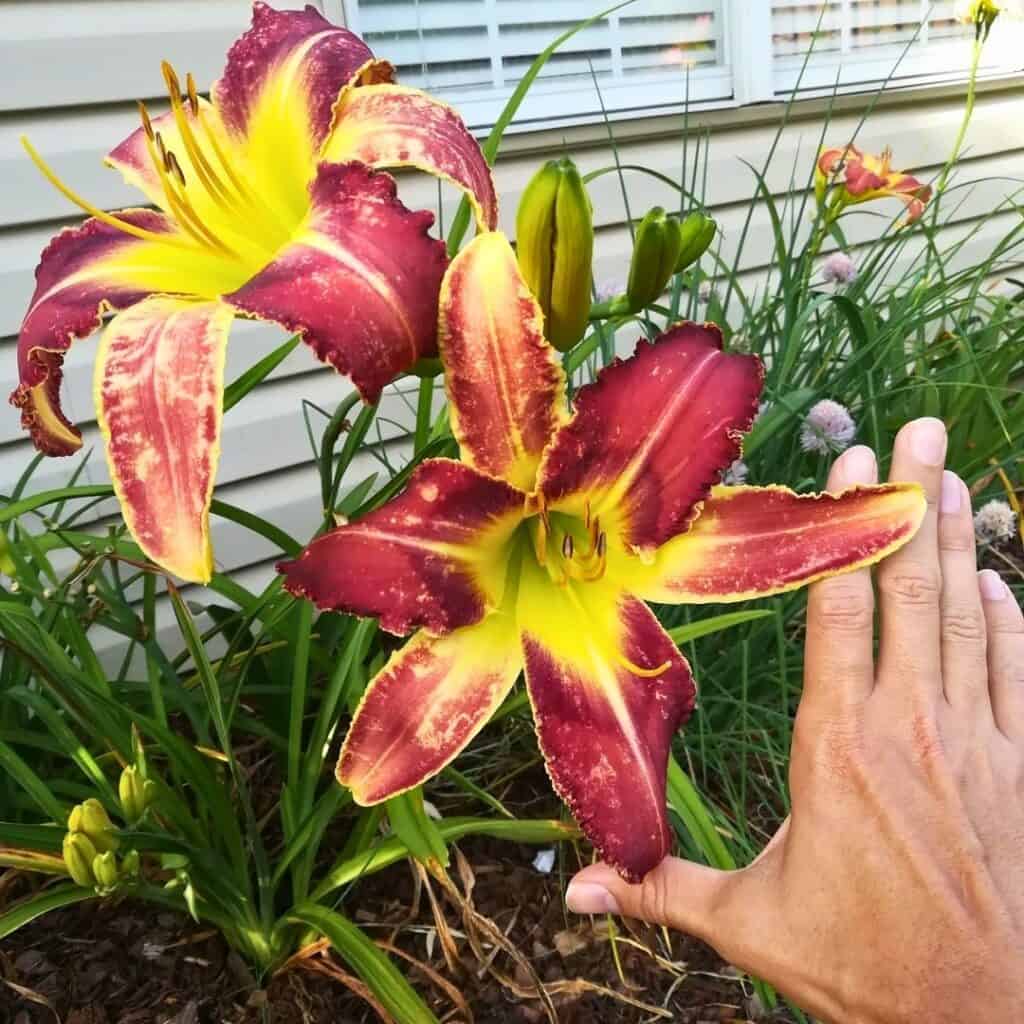
Daylilies are such a joy to plant—they bring bright color and life to sunny garden borders. These tough plants bloom in all sorts of shades, from yellow and orange to pink and red.
Each flower only lasts a day, but new ones open daily, so the garden stays lively for weeks. Daylilies love full sun and well-drained soil.
I water them during dry spells but never let the soil get soggy. Once they’re settled, they handle heat and short dry periods just fine.
They’re about as low-maintenance as it gets. I don’t have to fuss or prune much.
Removing old blooms keeps them tidy and encourages more flowers. Daylilies spread naturally, filling in empty spots along borders.
I divide the clumps every few years to keep them healthy and to get new plants for other spots. I often mix daylilies with coneflowers, black-eyed Susans, or salvia for a colorful border.
Their long, grassy leaves add nice texture and contrast with other blooms. With so many colors and sizes, it’s easy to find a variety that fits any garden style.
Whether I’m going for bold or something softer, daylilies make it easy. These plants attract butterflies and pollinators, which adds even more life to the garden.
Watching them visit the flowers just makes the space feel vibrant. For me, daylilies are perfect when I want reliable color with minimal effort.
They thrive in sunshine, come back every year, and keep the garden looking cheerful all season.
6) Sedum ‘Autumn Joy’
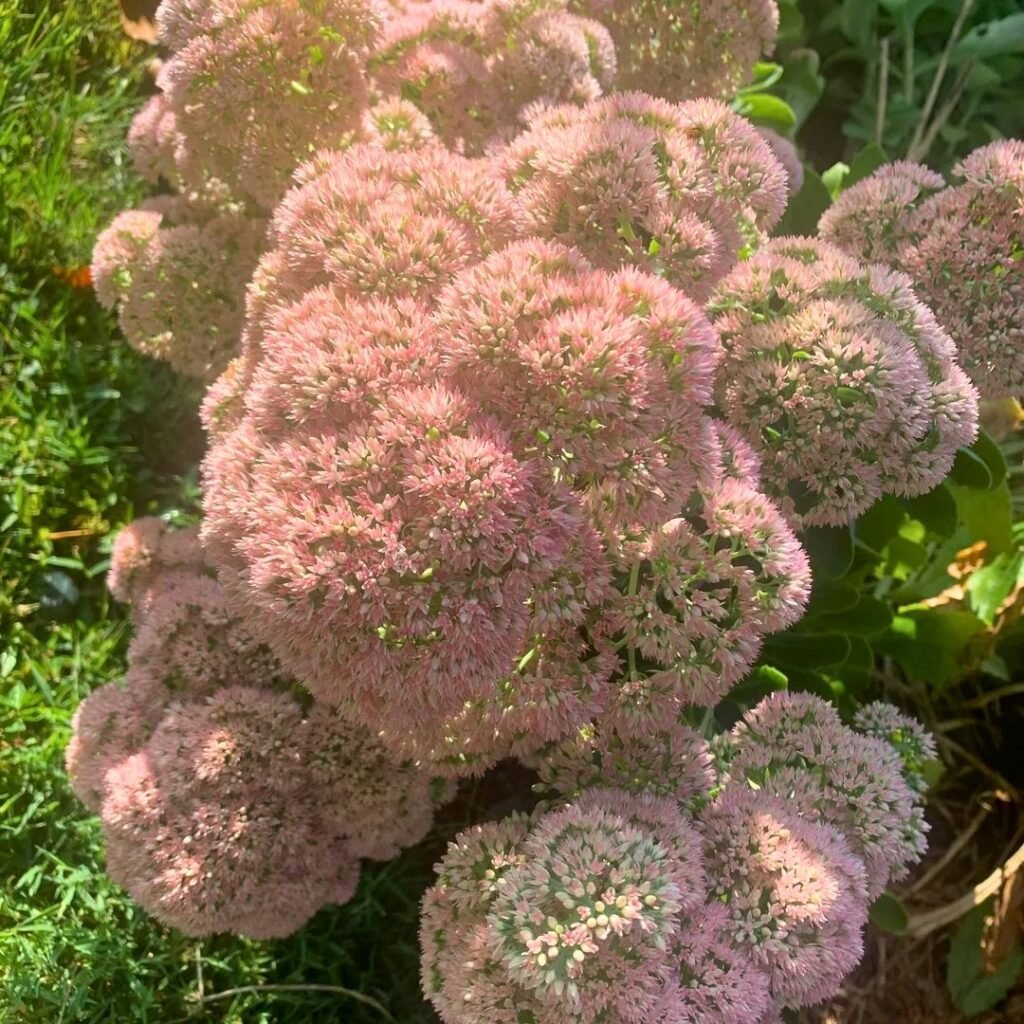
Sedum ‘Autumn Joy’ is one of those plants that quietly adds steady color to my sunny borders. It’s a hardy perennial that thrives in full sun and poor soil, so I barely have to think about it.
The thick, fleshy leaves stay neat all season, and the flower heads change color as the months pass. In late summer, the buds open into soft pink clusters that attract bees and butterflies.
As fall gets closer, the blooms deepen to rusty red, giving my garden a cozy, seasonal look. I love how the flowers stay pretty even after they dry, adding texture through winter.
This plant grows about 18 to 24 inches tall and forms tidy clumps, so it works well for borders and edges. I don’t need to stake or trim it much, and pests don’t seem to bother it.
I just plant it in well-drained soil and let it do its thing. I often pair ‘Autumn Joy’ with ornamental grasses or purple coneflowers for contrast.
The textures and colors together look bright and natural. When I cut a few stems for inside, they last forever in a vase.
If I need to fill a sunny gap, this sedum is usually my first choice. It’s low-maintenance, drought-tolerant, and just keeps coming back.
7) Salvia ‘May Night’
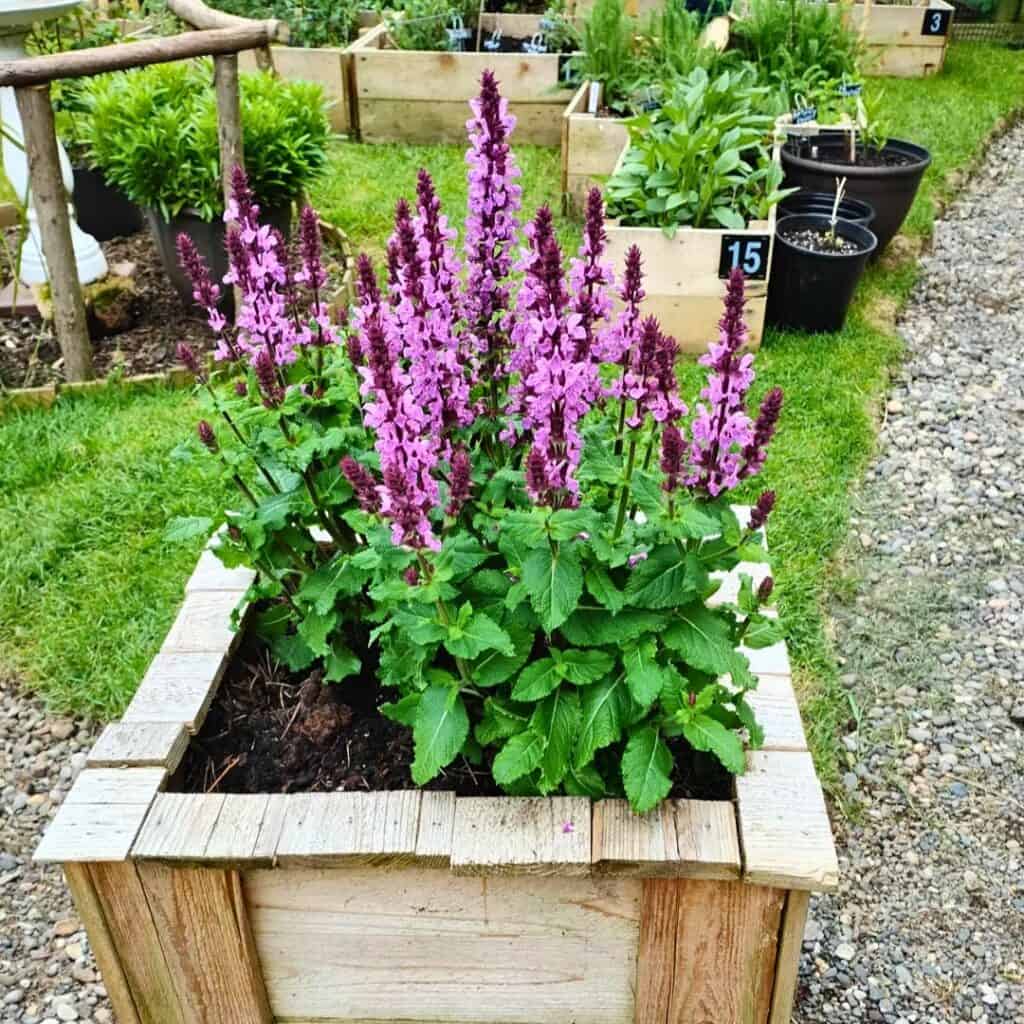
Salvia ‘May Night’ is a favorite for bringing strong color and structure to a sunny border. Those deep purple-blue flowers really stand out against the green leaves and draw in bees and butterflies all summer.
It likes full sun and well-drained soil. I water it regularly at first, but once it’s settled, it can handle short dry spells.
It grows in tidy clumps about 18 to 24 inches tall, which makes it easy to mix with other perennials. I love pairing it with coreopsis, yarrow, or coneflowers for a bright, balanced look.
After the first bloom, I trim the stems to encourage a second flush of flowers. That little bit of effort keeps the border looking fresh.
Salvia ‘May Night’ also shrugs off deer and rabbits, which saves me some headaches. Its neat shape and long bloom time make it one of my go-to’s for low-maintenance color.
When I walk by on a sunny afternoon, I always hear the soft hum of pollinators. It’s a small thing, but it makes the garden feel alive.
8) Coneflower (Echinacea)

Coneflowers are just tough. They handle full sun without any trouble.
Their bright, daisy-like blooms add cheerful color from early summer to fall. I often see butterflies and bees stopping by all season.
These plants love well-drained soil and don’t need much water once they’re settled. I appreciate that they’re low-maintenance and keep blooming through dry spells.
Deadheading old flowers helps them push out more blooms. Coneflowers come in all sorts of colors—purple, pink, white, and orange.
I usually mix a few shades together for a lively border. Their sturdy stems stay upright, so they’re neat even without staking.
Coneflowers pair well with black-eyed Susans, salvias, and ornamental grasses. The layers of color and texture always look good in my sunny beds.
In fall, I leave some seed heads up because birds love to snack on them. It adds interest when other plants are fading.
If I want more plants, I just divide mature clumps every few years—it’s a super easy way to expand my garden or share extras with friends.
Coneflowers are tough, colorful, and pollinator-friendly. They make any sunny border feel bright and full of life.
9) Black-eyed Susan
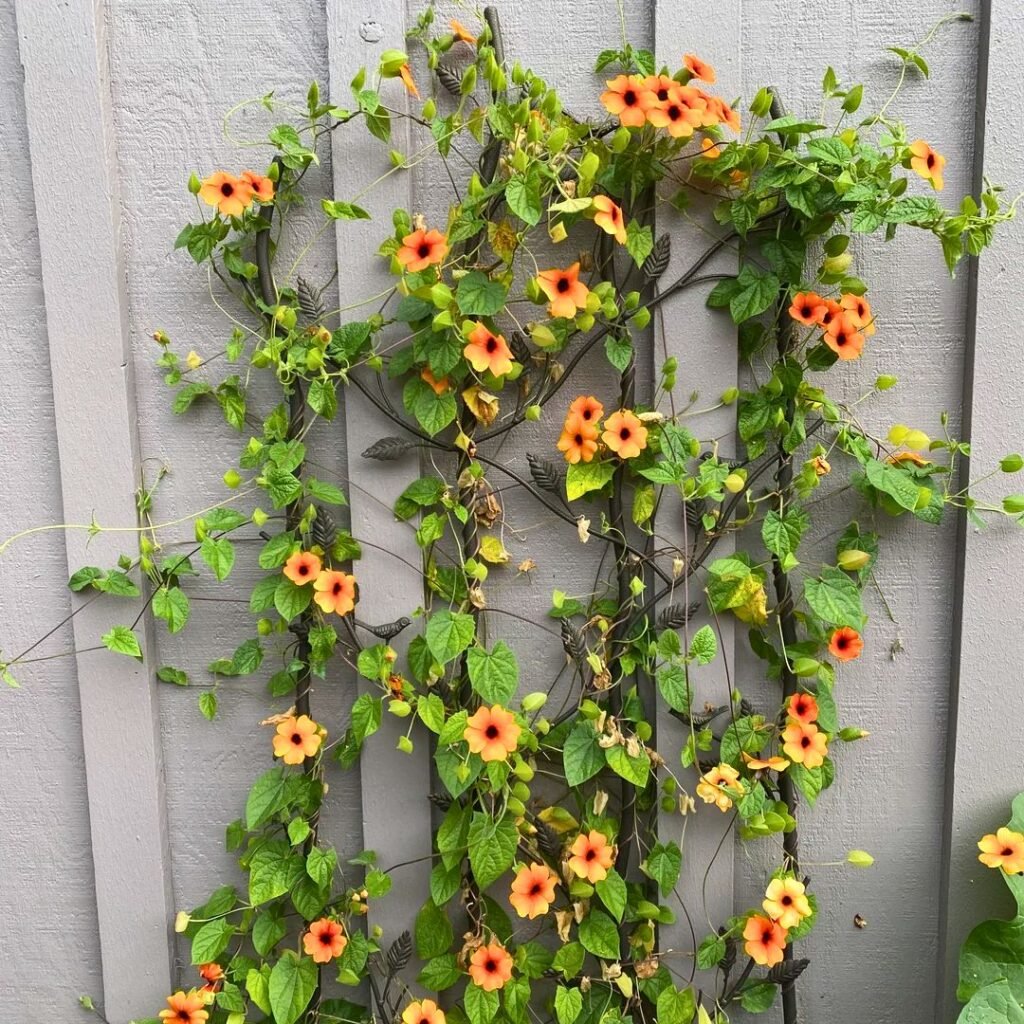
I just love planting Black-eyed Susans—they bring this burst of color and warmth that makes any garden feel friendlier. Their golden-yellow petals with those dark centers really pop in the sunlight and, honestly, they grab attention all summer.
These flowers do best in well-drained soil and need a good six hours of direct sun. Even in those dry spots where other plants give up, Black-eyed Susans keep going strong.
I usually plant them in clusters for that bold, cheerful vibe. The bright blooms mix perfectly with purple coneflowers, salvia, and shasta daisies—it’s a combination that keeps the border colorful way into late summer.
Black-eyed Susans are magnets for bees and butterflies, which is great for the rest of the garden. I find it relaxing to watch those visitors flit from bloom to bloom on a sunny afternoon.
Once the flowers fade, I tend to leave the seed heads. They feed birds in the fall and add a bit of interesting texture when everything else is winding down.
To keep things tidy, I snip off old blooms and split up big clumps every few years. That’s about all it takes to keep them healthy and looking fresh.
What I really appreciate is how low-maintenance they are. Just a bit of water during dry spells and they’ll keep on blooming with barely any fuss.
For a more natural, relaxed look, I like mixing them with grasses or other wildflowers. Their bright yellow against soft green foliage is just… well, it works.
When I want easy, lasting color, I always trust Black-eyed Susans. They make any sunny garden feel lively and honestly, a bit more welcoming.
10) Catmint (Nepeta)

I’m a big fan of Catmint (Nepeta) because it’s just so forgiving in a sunny garden. It thrives in full sun and shrugs off dry soil, so it’s a lifesaver for low-maintenance borders.
The soft lavender-blue flowers bloom for ages—sometimes from late spring right into fall. Those gray-green leaves bring a calming, silvery tone that looks amazing next to brighter flowers like coneflowers or coreopsis.
Pollinators absolutely love Catmint. Bees and butterflies are on it all day, which brings a lot of life and movement to the garden. Plus, it’s deer- and rabbit-resistant, so I don’t have to worry about critters munching it down.
When I plant Catmint, I give it room to spread since it forms these tidy, rounded mounds. After the first flush of blooms, I trim it lightly to keep it neat and get even more flowers.
Catmint works great along pathways, borders, or in rock gardens. I often use it as a soft edge in front of taller plants. It pairs beautifully with roses for that cottage-garden feel.
It’s hardy and drought-tolerant once it’s settled in. Even during those hot, dry stretches, it keeps its color and shape—honestly, that reliability is why it’s one of my top full-sun perennials.
If you want something easy, colorful, and long-blooming, Catmint is a solid pick. It adds texture, attracts pollinators, and just keeps going with almost no effort.
11) Yarrow
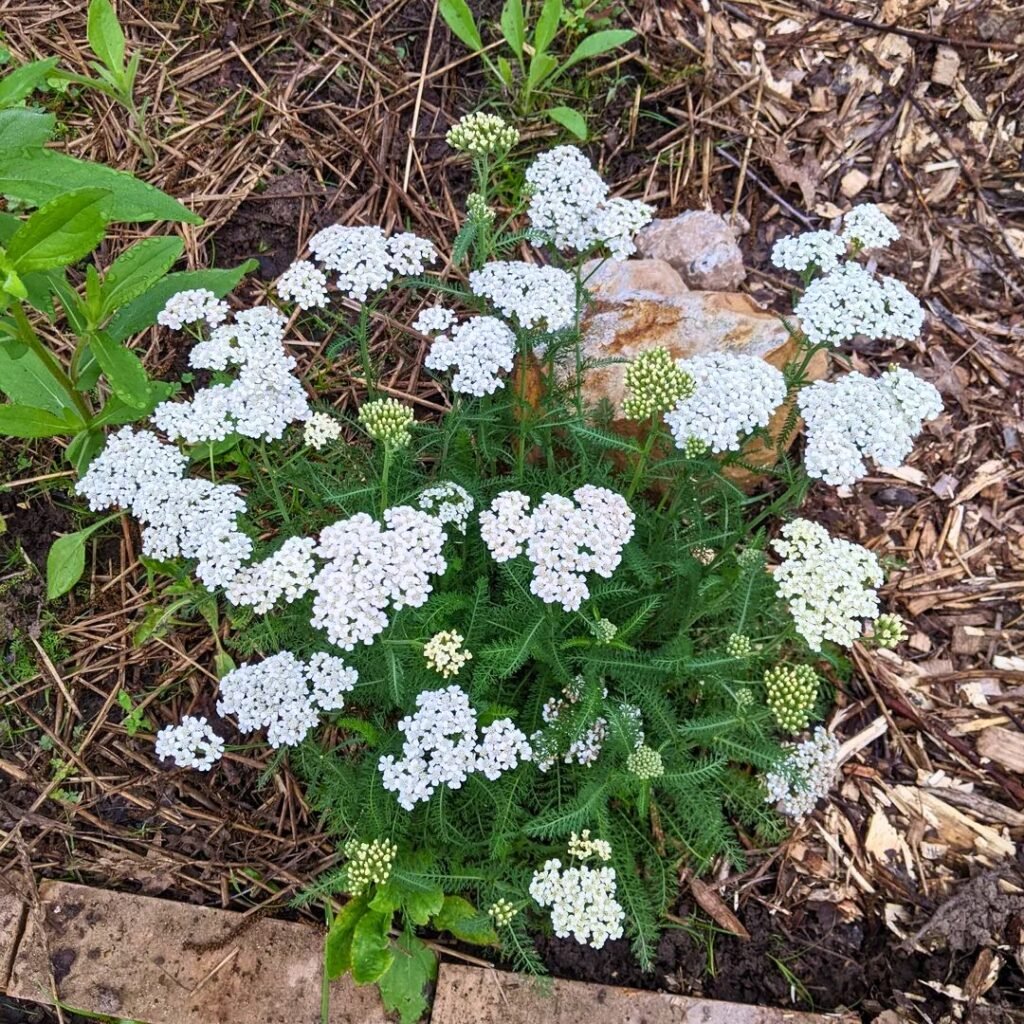
I’m always happy to grow yarrow—it brings so much color and texture to sunny borders. The flat flower clusters show up in yellow, pink, red, and white, and they stick around for weeks in summer.
This plant loves full sun and dry soil, so it’s super easy to care for. I barely have to water it, and it still looks fresh, even on the hottest days.
Yarrow grows about 1 to 3 feet tall, fitting nicely in the middle or back of a flower bed. I like how the fern-like leaves add a soft, airy touch next to bold plants like coneflowers or black-eyed Susans.
It’s a real pollinator favorite. Bees and butterflies are always visiting, which keeps my garden lively and balanced.
I often snip a few stems for fresh or dried bouquets—the flowers hold their shape and color really well. Even simple arrangements look cheerful with yarrow.
If I want more, I just divide the clumps every few years. It’s such an easy way to fill out the border without buying new plants.
For me, yarrow is a low-maintenance, colorful choice that keeps my sunny garden buzzing with life.
12) Gaura

I’m a big fan of Gaura for its light, airy feel in a sunny garden. Those tall stems with butterfly-like flowers sway in the breeze, bringing movement and a bit of whimsy. The blooms come in white or pink, and if they get enough sun, they’ll flower for months.
I’ve noticed Gaura thrives in full sun and well-drained soil. Once it’s settled in, it hardly needs any water, so it’s perfect for low-maintenance borders. I like to plant it near paths or edges so the delicate flowers really stand out.
When I add Gaura, I make sure to give it space since it can grow up to 3 feet tall and wide. It looks great with salvia, coreopsis, or lavender—all sun-lovers too. That mix of textures keeps the border lively without much work.
After the first round of blooms, I give the stems a quick trim to encourage more flowers. It’s a simple step but really helps with tidiness and repeat blooming. I skip the heavy fertilizer since Gaura prefers lean soil.
What keeps me coming back to Gaura is how easy and reliable it is. Even in hot, dry weather, it keeps its shape and color. It’s just an effortless way to fill sunny spots with soft color and gentle movement.
13) Shasta Daisy

I love how Shasta Daisies light up a sunny border with their clean white petals and yellow centers. They have this classic charm that fits with almost anything else you plant.
These tough perennials need full sun and well-drained soil. In my experience, they bloom best with at least six hours of sun—too much shade and they get a bit leggy.
I like planting them in groups for a fuller, more impressive look. Their upright stems stay strong and mix easily with other colorful plants like coneflowers or black-eyed Susans. The contrast just makes the whole bed pop.
Shasta Daisies usually start blooming in early summer and keep going into fall. I deadhead the old flowers to encourage more blooms. Every few years, I divide the clumps so they don’t get overcrowded and stay healthy.
They don’t ask for much—just a little water during dry spells and a layer of mulch to help hold moisture. That’s about it.
I often cut a few stems for vases inside. The flowers last for days and bring that same sunny feel indoors. Their simple shape fits into pretty much any bouquet.
If you’re after a low-maintenance, long-blooming plant that really loves the sun, Shasta Daisy is a fantastic option. It’s one of those flowers that always makes the garden look fresh and happy.
14) Penstemon
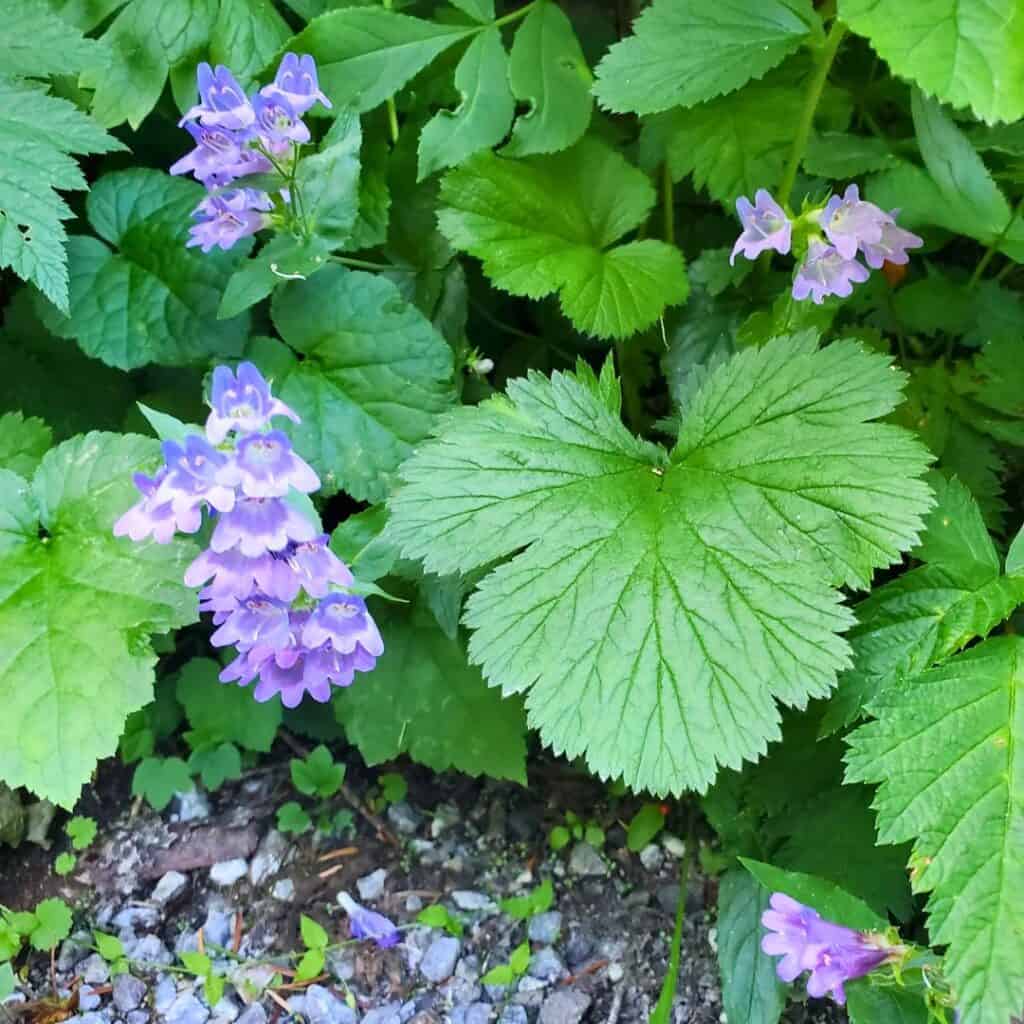
I really appreciate how Penstemon brings both color and interesting shape to a sunny border. These hardy perennials, often called beardtongues, grow upright with clusters of tubular flowers that hummingbirds and bees can’t resist.
I plant them in spots with full sun and well-drained soil—they’re not fans of soggy roots, so I make sure the area dries out between waterings. Once they’re established, they handle drought like champs, which makes them easy to care for.
The flowers come in shades of pink, purple, red, and white, which adds a cheerful mix. I like pairing Penstemon with salvia, coreopsis, or lavender for a colorful, low-maintenance border. The tall stems give some nice height and texture next to shorter plants.
I trim off spent blooms to keep the flowers coming through summer. In colder regions, I cut them down after frost and add mulch around the base for winter protection.
Bright, hardy, and pollinator-friendly, Penstemon is one of my go-to choices for a sunny border that’s packed with color and life.
15) Veronica
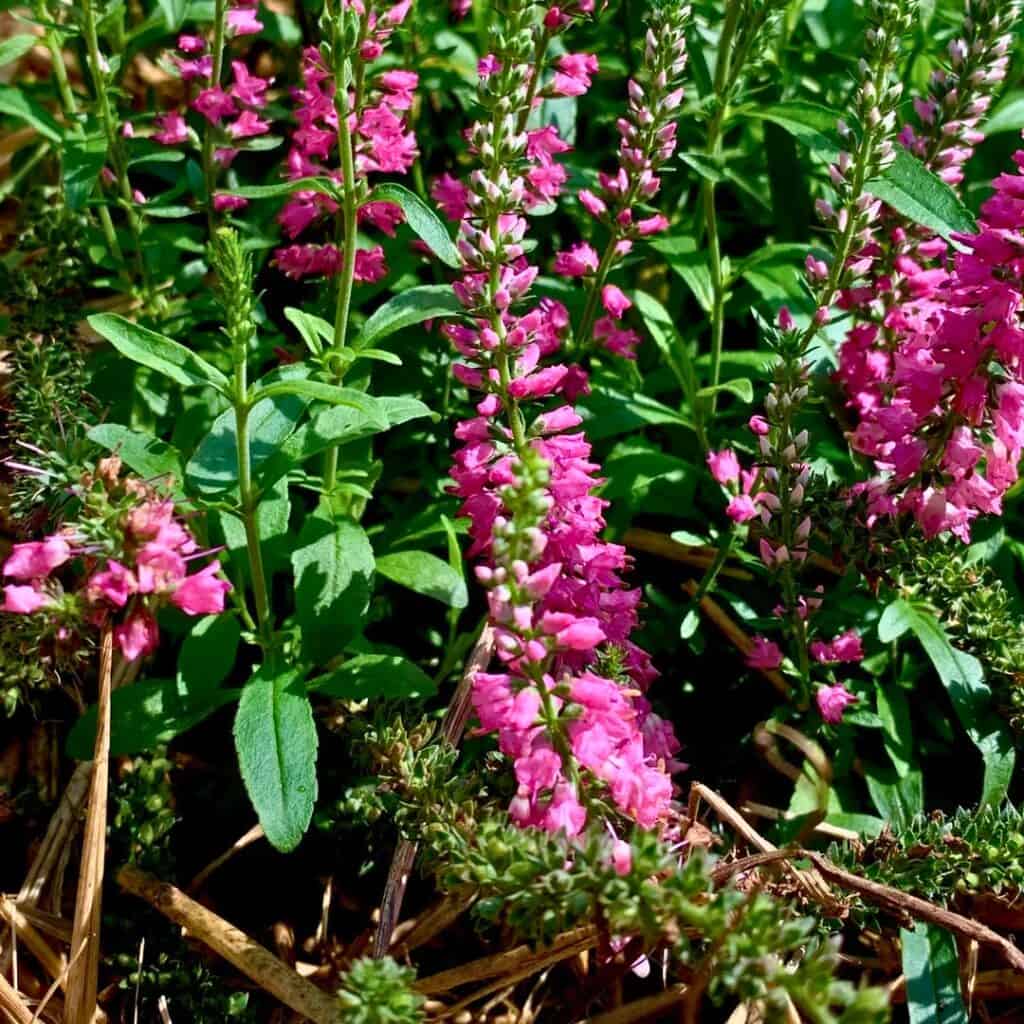
I really enjoy growing Veronica, or speedwell—it adds these bright spikes of color that last for weeks. The blooms come in blue, purple, pink, and white, standing tall above neat green leaves. They fit easily into sunny borders and blend well with other summer flowers.
I plant Veronica in full sun with well-drained soil. It handles heat and dry spells better than a lot of perennials, so it’s not much work. I’ll water it during long dry spells, but otherwise, it’s pretty hands-off.
The flowers attract bees and butterflies, which keeps the garden lively. I like how the upright spikes add some structure and contrast next to lower-growing plants. It’s also useful in narrow spaces where I want color without crowding things.
I usually plant Veronica with coreopsis, salvia, or coneflowers for a nice mix of textures and colors. The tall spikes look great behind shorter plants. When the first blooms fade, I trim them back and usually get another flush of flowers later on.
Veronica grows best in zones 4–9, depending on the variety. If the soil drains well, it can handle cold winters. I add a thin layer of mulch to protect the roots and help keep the soil moist.
It’s a nice cut flower too—I often bring a few stems inside to brighten up the table. The blooms last several days in water and give any room a fresh, simple look.
If you want a border that’s tidy but still colorful, Veronica is a smart pick. It’s low-maintenance, dependable, and easy to mix with other sun-lovers. I always enjoy how it keeps my garden looking lively from early summer into fall.
Design Tips for Full Sun Garden Borders
I try to create borders that look lively and can handle the heat. I pay attention to color balance, plant height, and when things bloom so the garden feels full and coordinated from spring right through fall.
Choosing the Right Color Combinations
I usually start by picking three main colors that work well together in bright sunlight. Too many shades can make things look chaotic, so I stick to a palette. Warm tones like red, orange, and yellow bring energy, while cool tones like blue and purple are more calming.
To keep things balanced, I’ll check a color wheel for complementary or analogous hues. For example:
| Color Theme | Example Plants |
|---|---|
| Warm | Coreopsis, Blanket Flower, Daylily |
| Cool | Salvia, Catmint, Russian Sage |
| Neutral | White Shasta Daisy, Silver Artemisia |
Repeating colors along the border helps tie everything together. Consistent color patterns make the space feel more intentional.
Layering Plants for Visual Impact
I arrange plants in three layers—tall in the back, medium in the middle, short in the front. That way, every plant gets seen and nothing gets lost in the shade.
Tall plants like sunflowers or ornamental grasses make a nice backdrop. In the middle, I go for coreopsis or coneflowers for steady color. Up front, I like low-growing lantana or alyssum to soften the border’s edge.
Mixing different leaf shapes and textures adds a lot of depth. Pairing spiky leaves with round ones makes the whole thing look fuller. I always leave enough space for airflow and easy upkeep.
Maximizing Seasonal Interest
I try to plan so there’s always something blooming. Spring bulbs like tulips and daffodils start the show, then summer perennials—think black-eyed Susans and salvia—take over. For fall, I lean on asters and ornamental grasses for color and movement.
A few evergreen or silver-leaved plants give the border some structure in winter. Mulch and tidy edges help keep things neat year-round.
Mixing bloom times and textures keeps the garden colorful and interesting, even when some things start to fade.
Caring for Sun-Loving Border Plants
I keep my sun-loving border plants healthy by giving them the right mix of water, nutrients, and pest control. Each part matters, because strong, well-fed plants handle heat and sunlight better—and they bloom longer through the season.
Watering and Soil Requirements
I like to water deeply so the moisture actually gets down to the roots, not just the surface. Most full-sun plants want about 1 inch of water per week, but if you’re working with sandy soil, you’ll probably find yourself watering a bit more often.
I usually check the soil by poking my finger in—if it’s dry a couple inches down, that’s my cue to water.
Good soil really changes everything. I mix in compost or aged manure to help with drainage and keep nutrients around longer.
If my soil’s heavy clay, I toss in some coarse sand or fine gravel to lighten it up and avoid soggy roots.
Here’s what’s worked for me:
| Soil Type | Watering Frequency | Notes |
|---|---|---|
| Sandy | Every 2–3 days | Drains fast, needs organic matter |
| Loamy | Once a week | Ideal balance for most plants |
| Clay | Every 5–7 days | Avoid overwatering, improve drainage |
I also like to add mulch around each plant. It keeps the soil cool and helps cut down on evaporation.
Fertilizing for Vibrant Blooms
To keep my border plants blooming, I use a balanced fertilizer. A slow-release 10-10-10 mix seems to work for most things. I usually feed in early spring, then again in midsummer if the plants look like they need a boost.
For flowers like zinnias or marigolds, I’ll go for a fertilizer with more phosphorus (that’s the middle number) to get bigger, brighter blooms. Always read the label, though—nobody wants scorched roots.
If I’m in the mood for something organic, I’ll use compost tea or fish emulsion every few weeks. That keeps the soil lively and helps roots grow strong.
After feeding, I water to help everything soak in.
Protecting Against Common Pests
I check my plants every so often for aphids, spider mites, and whiteflies—hot sunny spots seem to attract them. I peek under the leaves and along stems for any tiny clusters or webbing.
If I spot pests early, I’ll blast them off with a strong stream of water or use a bit of insecticidal soap. For bigger problems, I’ll bring in ladybugs or lacewings. They’re surprisingly effective.
To keep pests away in the first place, I clear out dead leaves and give each plant enough space for air to move through. I try not to water late in the evening either—damp leaves overnight just invite trouble.
Healthy, happy plants really do shrug off most pest problems and keep garden borders looking bright.
Frequently Asked Questions
I honestly love putting together sunny garden borders that look good and don’t take a ton of work. Choosing hardy plants, watering wisely, and playing with color keeps my garden cheerful through every season.
What are some low-maintenance plants for full sun garden borders?
I’m a fan of Lavender, Coreopsis, and Blanket Flower (Gaillardia). They don’t mind the heat, barely ask for water once they’re settled, and just keep blooming.
How do I design a colorful garden border that thrives in direct sunlight?
I like mixing up bloom times and using contrasting colors. Taller plants like Russian Sage go in the back, with shorter ones like Coreopsis up front. It just looks more balanced and lively that way.
Can you suggest perennial plants that are perfect for sunny garden edges?
Daylilies, Lavender, and Gaillardia are my go-tos. They come back every year, handle the heat, and the blooms are honestly hard to beat. Plus, pollinators seem to love them.
What are the best flowering plants for creating a vibrant full sun border?
I’d pick Coreopsis, Blanket Flower, and Russian Sage. They bloom for ages and their colors don’t fade, even in full sun. Mixing them gives the border a natural, happy vibe.
How often should I water my full sun garden border plants?
I usually water deeply about once or twice a week, depending on how hot it is. I let the soil dry out in between so roots grow deep and strong. If it’s really scorching, I check the soil more often—sometimes it just needs that extra drink.
What are some tips for ensuring a year-round colorful full sun garden border?
I like to mix in early, mid, and late bloomers so there’s always something popping up. That way, the garden doesn’t get dull halfway through the season.
Adding plants with colorful foliage is a must, especially once the flowers are done for the year. It keeps things interesting and honestly, it’s just nice to have some variety.
Oh, and don’t forget regular deadheading. It really does help keep everything looking fresh and bright, even if it feels a bit tedious sometimes.
Note: Some images in the articles are sourced from Reddit and Other Platforms For Reference Purpose.