15 Easy-to-Grow Annual Cut Flowers
I honestly love filling my home with fresh flowers, but let’s be real—I don’t always have time for needy plants.
That’s why I’m a fan of easy annuals that bloom quickly and just keep going all season.
These flowers bring bursts of color, sweet scents, and that lively vibe to any space, and they barely ask for anything in return.
You can stick them in garden beds, pots, or even along the edge of a walkway.
Steady blooms for cutting and displaying indoors? Yes, please. Here’s how I grow, harvest, and arrange beautiful flowers with minimal fuss.
Please note: Simplify Plants is reader-supported. As an Amazon Associate, I earn from qualifying purchases made by our readers with no extra cost added to you all! Some links in the post are affiliate links and I get a commission from purchases made through links in the post.
1) Zinnia
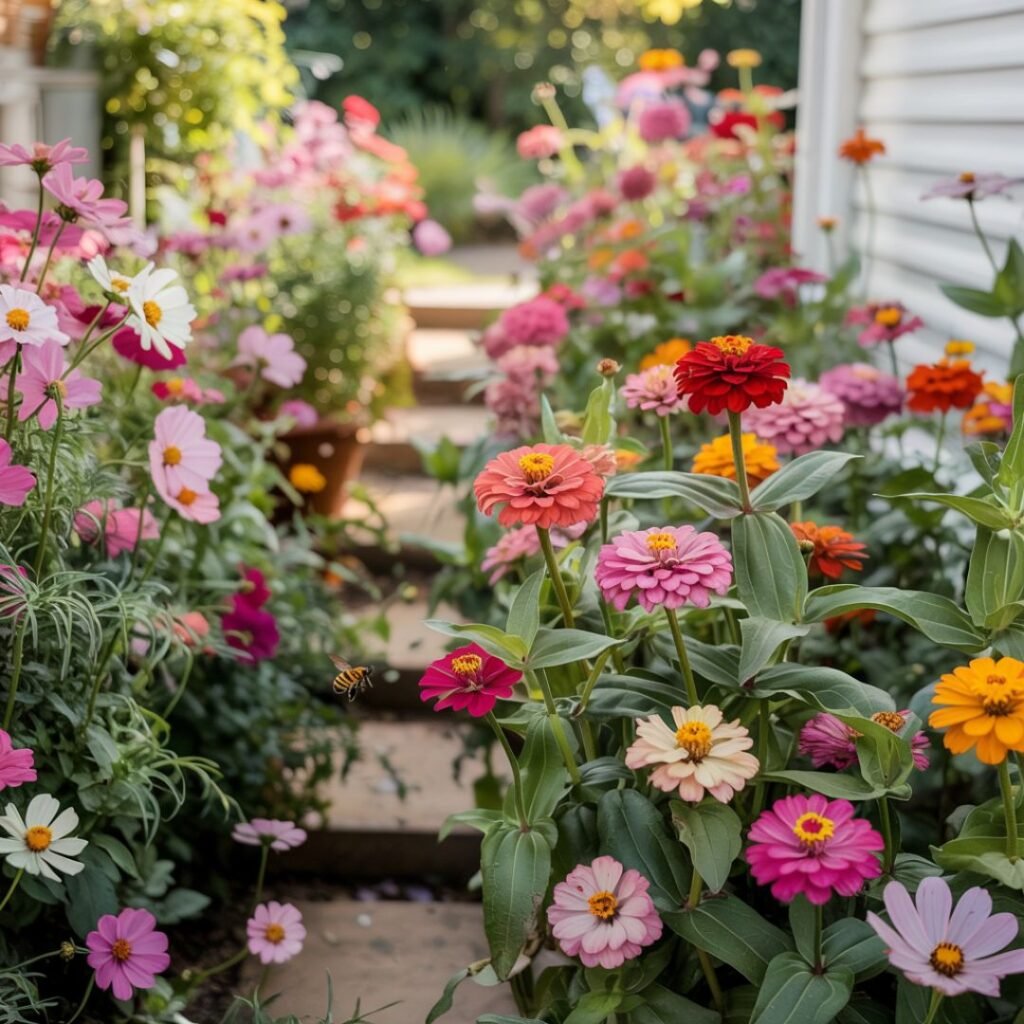
I’ve got a soft spot for zinnias—they’re just so bold and cheerful, and honestly, they’re a breeze to care for.
The color range is wild: red, pink, orange, yellow, white—you name it. They instantly lift the mood of any garden and look fantastic in a vase.
Zinnias grow crazy fast from seed, which is perfect if you’re impatient or new to this. I usually sow them after the last frost, once the soil’s nice and warm.
They crave full sun and well-drained soil. Give them enough light and they’ll bloom nonstop right through summer and into fall.
I space my zinnias about 6 to 12 inches apart—airflow is key. That helps prevent mildew, which can be a pain if the leaves stay damp. I always water at the base, not overhead, to keep the foliage dry.
Deadheading spent blooms keeps the show going. I cut stems regularly for bouquets, and honestly, the more I cut, the more I get. Zinnias just don’t quit.
They pull in butterflies and bees, which adds even more life to the garden. I could watch pollinators flit around those bright petals all day.
For fewer headaches, I stick to disease-resistant varieties like ‘Zahara’ or ‘Profusion.’ They handle heat and humidity like champs. Short ones are great for containers, while the tall guys really pop in garden beds.
I like to save seeds from my best plants at the end of the season. Once the flowers dry, I just collect and stash the seeds somewhere cool and dry. It’s kinda satisfying to grow them again next year from my own stash.
Zinnias bloom so quickly that you’ll see results in just a few weeks. Their colors are unbeatable, and the long stems are perfect for cutting. Honestly, not many annuals give you this much color for so little work.
2) Cosmos

I can’t help but love Cosmos—they’re bright, super easy, and basically take care of themselves. The soft, daisy-like petals just dance in the breeze, and the pinks, whites, and oranges are instant mood-boosters.
I start my Cosmos from seeds right in the garden after the last frost. They pop up fast in warm soil. They’re not fussy about rich soil or fertilizer, which is a relief.
Cosmos love full sun and don’t mind dry spells. I water once or twice a week, depending on how hot it is. Too much water and they get floppy, so I try not to overdo it.
When they start blooming, I cut them often—that just encourages more flowers. The stems are long and sturdy, which makes arranging them a breeze. A few Cosmos on the kitchen table always make things feel a bit brighter.
I’ve noticed bees and butterflies can’t resist Cosmos either. They really help bring pollinators to the yard, which is a nice bonus.
At the end of the season, I let some flowers go to seed. The dry seed heads are easy to grab and save for next year. Growing new plants from my own seeds just feels good.
3) Marigold

I always end up growing marigolds—they’re just so cheerful and tough. The orange and yellow blooms are like little suns scattered through the garden.
These guys sprout easily from seeds after the last frost. They’re quick to bloom too, which is great if you’re impatient.
Marigolds love full sun and don’t ask for much. I water them when the soil feels dry, but I never let things get soggy. They’re champs in the heat, so I don’t worry about them much in summer.
Cut marigolds last days in a vase, and their sturdy stems play nicely with other flowers. I use them in small arrangements to add a pop of color.
One more reason I plant marigolds? They repel pests like aphids and mosquitoes. I always tuck a few near my veggies.
There are tons of options—French marigolds are compact, while African marigolds are big and round. Mixing both gives a nice variety in the garden.
To keep blooms coming, I snip off faded flowers. It’s a quick chore that pays off with more buds.
Marigolds do best in well-drained soil and don’t need much feeding. Too much fertilizer and you’ll just get leaves, so I keep it simple.
They’re so reliable. Even if I forget to water, they bounce right back. Gardening feels easy with marigolds around.
When I see those bright petals, I remember why I plant them every year. Marigolds really do bring effortless color and charm.
4) Sunflower

I never skip sunflowers—they grow fast and just radiate happiness. Tall stems, big yellow petals, and suddenly the whole garden feels sunnier.
Sunflowers thrive in full sun and don’t mind the heat. I pick a spot that gets at least six hours of sunlight. They aren’t too picky about soil, as long as it drains well.
When I plant seeds, I space them about 6 inches apart. At first, I water regularly, but once they’re up and running, they’re pretty low-maintenance.
I love how sunflowers attract bees and birds. Bees buzz around for pollen, and later on, birds come for the seeds. It’s fun to watch.
For cut flowers, I pick blooms early in the morning when the petals are just starting to open. Straight into water they go, and they last longer that way. Sunflowers in a vase just make me happy.
Not all sunflowers are giants. Some dwarf types only get a few feet tall, which is perfect for small spaces or pots. Mixing tall and short varieties keeps things interesting.
If I want flowers all season, I plant new seeds every few weeks. Watching them turn toward the sun never gets old.
Sunflowers are just easy and rewarding. I can’t imagine my garden without them.
5) Snapdragon
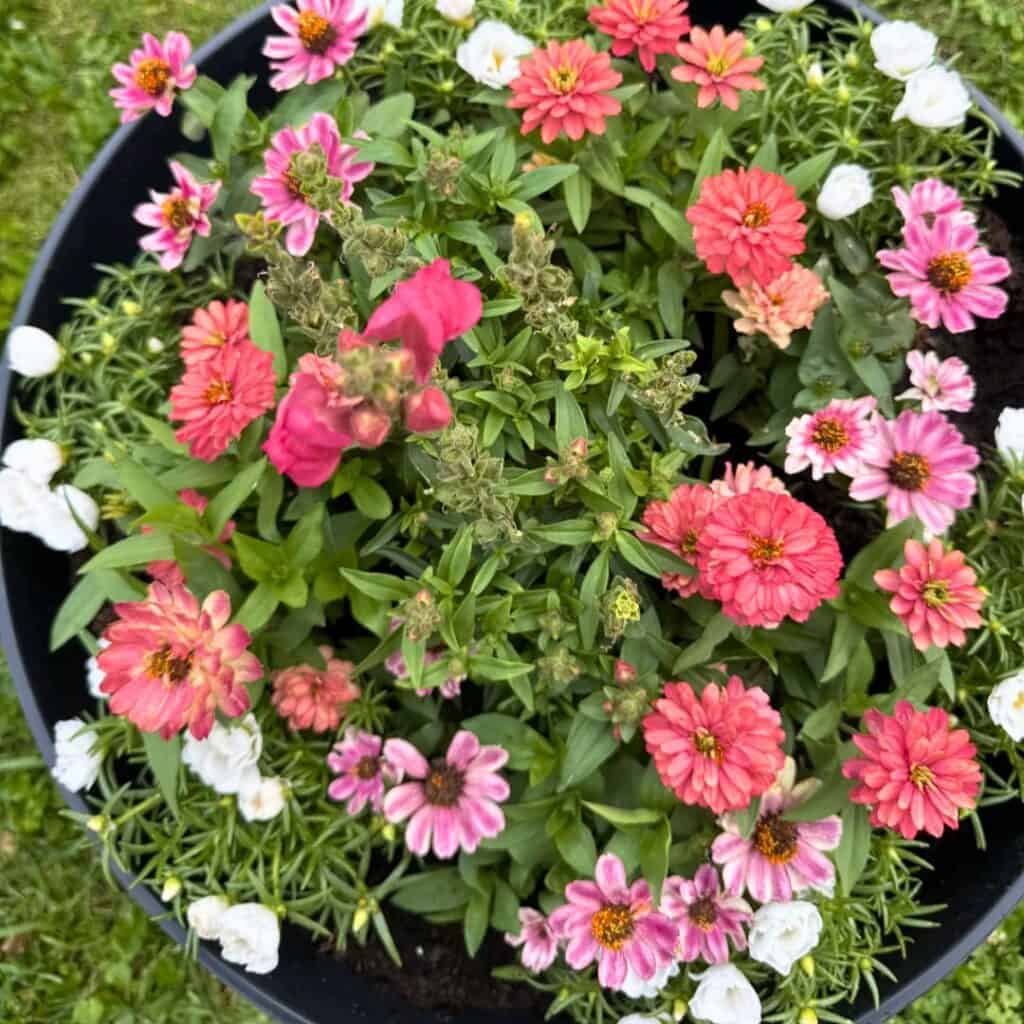
Snapdragons are such a fun addition—they’ve got these tall spikes and quirky blooms that really stand out. I love the burst of color and how they add a different texture to bouquets.
There are so many shades: pink, yellow, red, white. They mix well with other flowers and last ages in a vase. Those sturdy stems make arranging them a breeze.
I plant snapdragons in early spring after the last frost. They like full sun and well-drained soil. I keep things moist but never soggy.
When I cut snapdragons, I look for stems with a few buds still closed—those keep opening indoors. Regular cutting means more blooms, so I get fresh flowers for weeks.
They handle cooler weather, which is great for early or late season. If I stay on top of removing faded blooms, new ones just keep coming.
I start seeds indoors about two months before planting outside. The seedlings are tiny, but once they get going, they’re quick to grow. Transplanting gently is key so I don’t mess up the roots.
Snapdragons bring in bees and butterflies, which I’m always happy to see. They help out the rest of my plants too.
Sometimes, if I let a few flowers dry, snapdragons will self-seed and pop up again next year. It’s a nice surprise.
I use snapdragons in both fresh and dried arrangements. Their color and shape make them a top pick for me.
6) Nasturtium
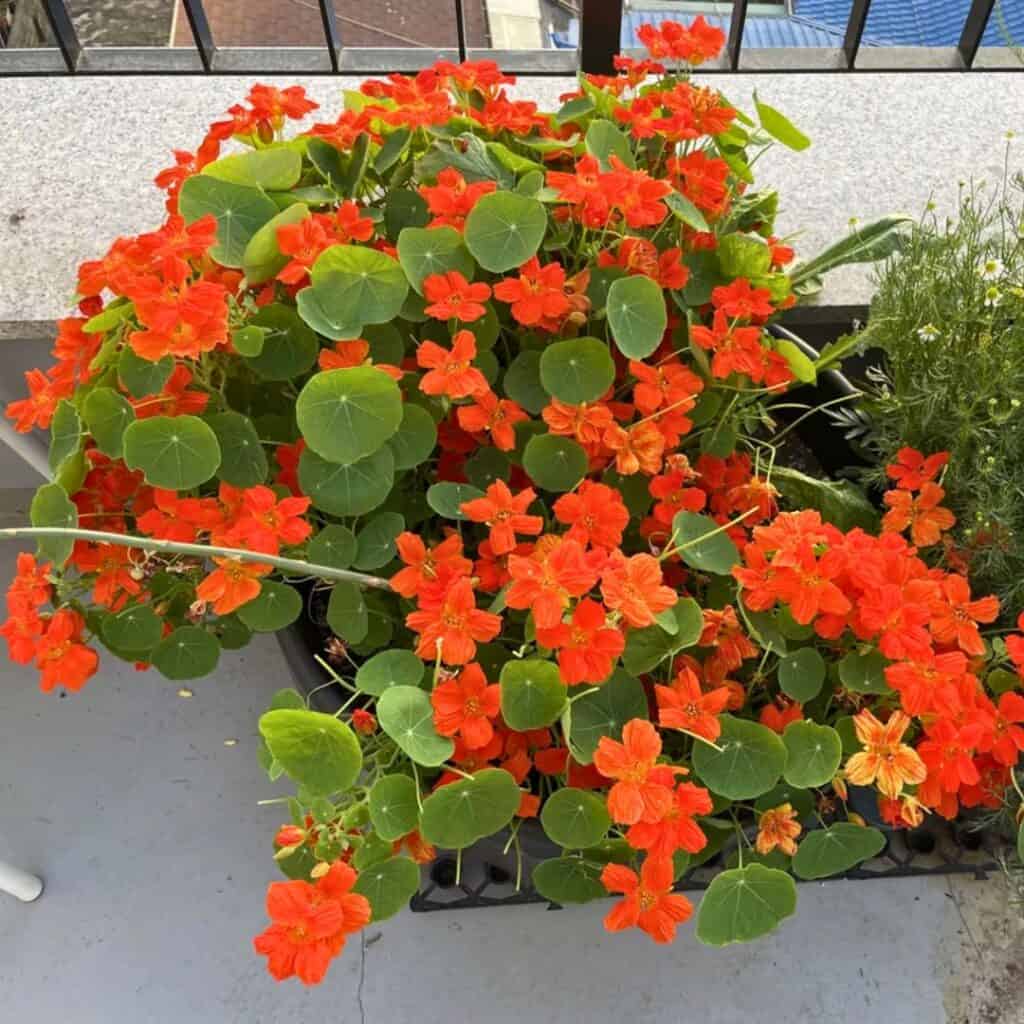
Nasturtiums are just plain fun—bright, easy, and pretty much foolproof. Orange, yellow, red—they’re little firecrackers in the garden.
They actually prefer poor soil, which is great when I don’t feel like fussing with fertilizer. Too much richness and they won’t bloom as well. I just make sure they get full sun and a bit of water now and then.
Nasturtiums work in beds, borders, or containers. The trailing types spill over edges, while bushier ones fill in gaps. I plant them near my veggies for natural pest control—aphids don’t stand a chance.
One of the coolest things? Nasturtiums are edible. Leaves and flowers have a peppery kick, so I toss them in salads for color and flavor.
They make sweet cut flowers too. I pick them early, pop them in cool water, and enjoy their wild, natural look for a few days.
At season’s end, I let the seeds dry and save them. Nasturtium seeds are big and easy to handle—no fuss at all.
They grow so fast, I use them to fill empty spots. In just a few weeks, I’ve got a carpet of leaves and blooms. Fast growth and zero drama—what’s not to love?
If you want to attract bees and butterflies, nasturtiums are a sure bet. Their open flowers are a pollinator magnet.
For anyone just starting out, nasturtiums are my go-to recommendation. Low-maintenance, colorful, and just plain rewarding.
7) Sweet Alyssum

I always have a soft spot for Sweet Alyssum—it’s so easy and smells amazing. Tiny, fragrant blooms pull in bees and butterflies, and the scent is just sweet enough to notice as you walk by.
It grows in full sun or partial shade, so it’s flexible. I plant it along borders or in containers, and it spills over the edges in the prettiest way. It’s also a great ground cover—spreads fast but stays low.
I sow seeds after the last frost, just pressing them into the soil. No need to cover. They sprout quickly, and soon enough I’ve got clusters of white or purple flowers. I keep the soil moist but not soggy.
Sweet Alyssum does best in well-drained soil. During dry spells, I water regularly but avoid drowning them. When flowers fade, I give them a quick trim—more blooms pop up, and the plants stay tidy.
I like pairing Sweet Alyssum with petunias, marigolds, and lobelia. The mix of colors and textures is really nice. It’s also handy for filling gaps between taller plants.
Since it’s an annual, I replant every year, but sometimes it reseeds itself and surprises me with new growth.
Sweet Alyssum keeps blooming from spring through fall. Its size and gentle fragrance make it a favorite for both garden beds and little cut arrangements.
8) Calendula

I love growing calendula—it’s bright, easy, and just plain dependable. Those cheerful orange and yellow blooms always warm up my garden, even when the weather’s a bit chilly.
Calendula grows well from seed. I usually just toss mine straight into the soil after the last frost, and they sprout up fast.
Once established, they barely need any fussing over. I plant them in full sun and well-drained soil, and they seem to handle cooler weather better than most annuals.
They’re a great choice for early or late-season color. The more I cut the blooms, the more flowers show up—seriously, it’s like magic.
I’ll pick a few stems each week and the plants just keep pumping out fresh blooms. The petals hold up nicely in a vase, and I like how their simple shape blends with other flowers.
They have a soft scent that adds a natural feel to bouquets. Plus, calendula draws in pollinators like bees, which is always good news for the rest of my garden.
I see bees buzzing around the bright centers all day long. These flowers can reach about 12 to 24 inches tall, depending on the variety.
Sometimes I tuck them along borders or between veggies for a pop of color. Calendula will even self-seed if I leave a few blooms to dry on the plant, so I get little seedlings popping up the next spring.
Even though they’re easy, I still check for pests like aphids now and then. A quick rinse with water usually does the trick.
Calendula just brings steady color, helpful insects, and loads of cut flowers. Honestly, it’s one of the easiest annuals I grow, and I’m always glad I made the effort.
9) Bachelor’s Button
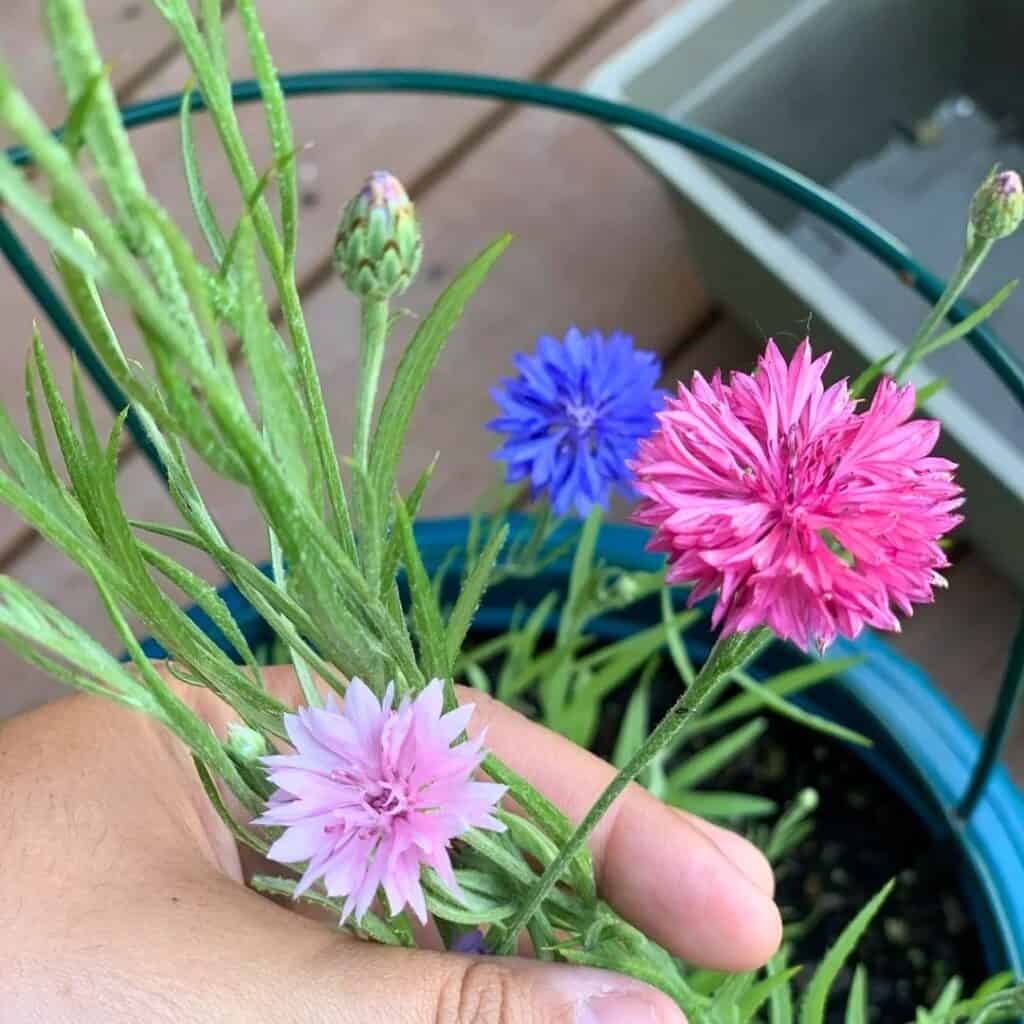
I love growing Bachelor’s Button (or cornflower). It’s simple, reliable, and adds those fun pops of blue, pink, white, or purple to my garden.
They look fantastic in a vase, too. I start the seeds directly in the ground once the soil’s warm enough.
They don’t need much attention, just full sun and well-drained soil. I water them lightly, just enough to keep things going.
The plants reach about 1 to 2 feet tall, which makes them great for borders or mixing into flower beds. I like planting them in clusters for a bigger splash of color.
They bloom for weeks, so I get plenty of flowers to cut. The stems are strong, and the blooms last ages in water.
Bachelor’s Buttons love to self-seed—I usually spot new plants the next year without doing a thing. That’s a win in my book if I want a low-maintenance patch.
They also attract bees and butterflies, which is always fun to watch. I often see pollinators buzzing around while I’m picking flowers.
If I cut the flowers often, the plants just keep producing more. It’s a super easy way to keep things colorful all summer.
Honestly, I recommend Bachelor’s Button to anyone who wants easy, bright, and reliable cut flowers. They make gardening feel relaxed and rewarding.
10) Petunia

I love growing petunias—they bloom fast and fill my garden with color. There are so many shades: pink, purple, red, white… I like mixing them with other annuals for a lively, cheerful look.
Petunias do best in full sun. I try to give them at least six hours of sunlight each day.
When I water, I keep the soil moist but never soggy. Too much water can cause root issues, so I’m careful.
I plant petunias in containers, hanging baskets, or garden beds. They adapt well anywhere, honestly. I especially like how they spill over the edges of pots for that soft, full effect.
To keep them blooming, I remove old flowers regularly. That really helps new buds form.
Every couple of weeks, I feed them with a balanced fertilizer to keep the growth steady. Petunias handle heat, but I try to protect them from heavy rain or strong wind.
If the weather gets rough, I’ll move my pots to a sheltered spot. That little step keeps them looking good longer.
I really enjoy how low-maintenance petunias are. Even if I skip a day of care, they bounce back fast.
Their long bloom season means my garden stays colorful from spring right through fall. For anyone just starting out, I always suggest petunias.
They’re simple, pretty, and honestly so rewarding. Watching them open each morning just makes my day brighter.
11) Impatiens
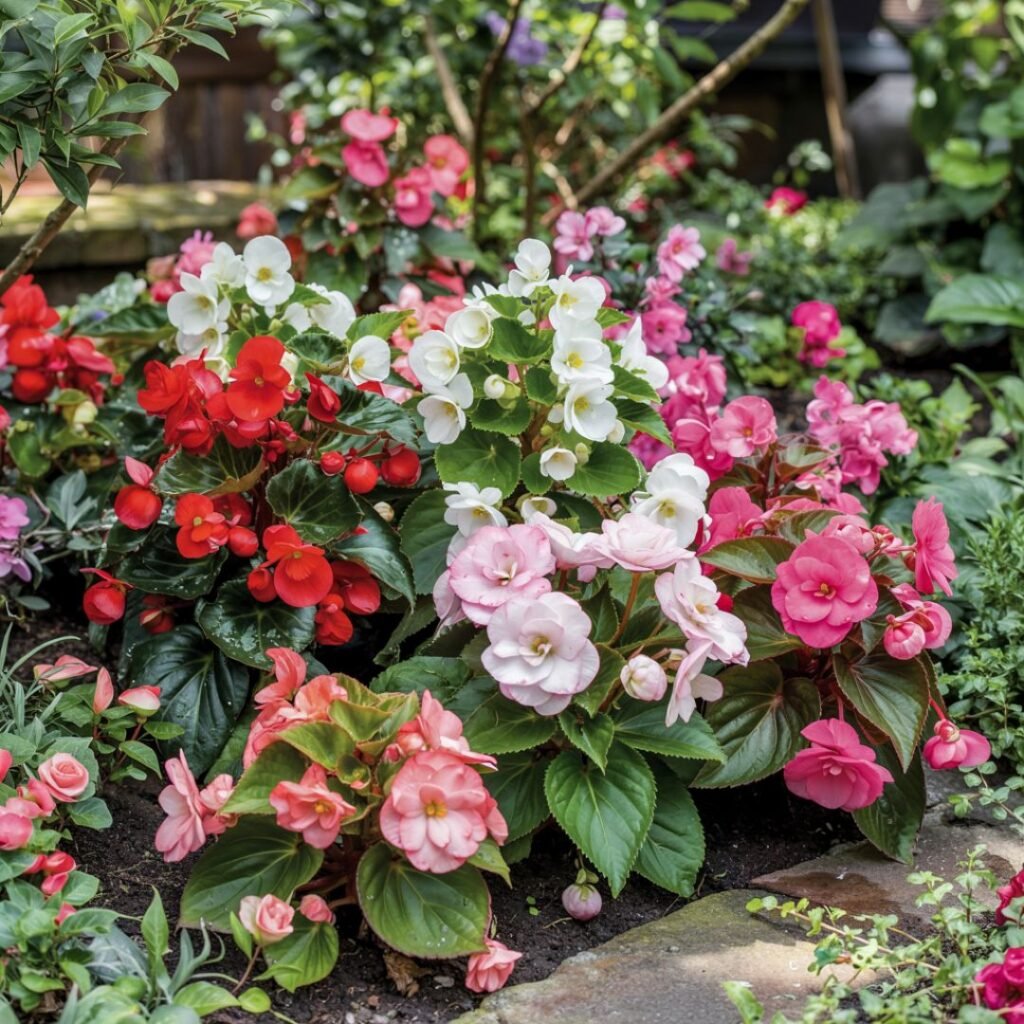
I love growing Impatiens because they bring instant color to shady spots. These flowers bloom nonstop through summer and come in pink, red, white, and purple.
They can really brighten up any corner that doesn’t get much sun. I’ve found Impatiens grow best in partial or full shade—too much sun and they’ll wilt on me.
I keep their soil moist but not soggy, especially on hot days. When I plant them, I space them about 8 to 12 inches apart so they have room to spread out.
Their compact size makes them perfect for flower beds, borders, and containers. I love planting them near my porch where I can see their color every day.
They seem to thrive in rich, well-draining soil. I usually mix in compost before planting, and every few weeks I give them a balanced liquid fertilizer to keep the blooms coming.
If I spot faded flowers, I pinch them off to encourage new growth. It’s a simple step but it keeps the plants looking fresh.
I’ll check for pests like aphids and treat them early if I see any trouble. What I like most is how low-maintenance they are.
Once they’re settled in, they just keep blooming with very little effort. Even beginners can grow them without any stress.
Impatiens pair nicely with other shade-loving plants like ferns and hostas. Their bright petals really stand out against green leaves, and it makes for such a calm, colorful display.
I often use them in hanging baskets too—the trailing types spill over the edges in a really pretty way.
It’s an easy way to decorate patios or entryways without much work. For me, Impatiens bring instant charm to those tricky shaded areas.
With a little water and care, they always reward me with months of color.
12) Celosia

I love growing Celosia because it brings bold color and fun texture to my garden. The blooms look like flames, feathers, or even coral—depends on the variety.
Those bright reds, oranges, pinks, and yellows always catch my eye. Celosia likes full sun and well-drained soil.
I water regularly but try not to soak the roots. Once it’s settled, Celosia handles heat well and just keeps blooming through summer.
I usually start mine from seeds indoors a few weeks before the last frost. When the seedlings are strong, I move them outside.
They grow fast and bloom for months, which is perfect for quick color in beds or pots. The flowers last a long time after cutting, too.
I use them in fresh bouquets or dry them for arrangements that last. Their texture holds up, and the colors stay bright even when dried.
Celosia attracts pollinators like bees and butterflies, which helps the rest of my garden. I like planting them near other sun-loving annuals for a lively mix.
With just a little care, Celosia gives me vibrant blooms all season. It’s honestly one of the easiest, cheeriest flowers I grow.
13) Dianthus
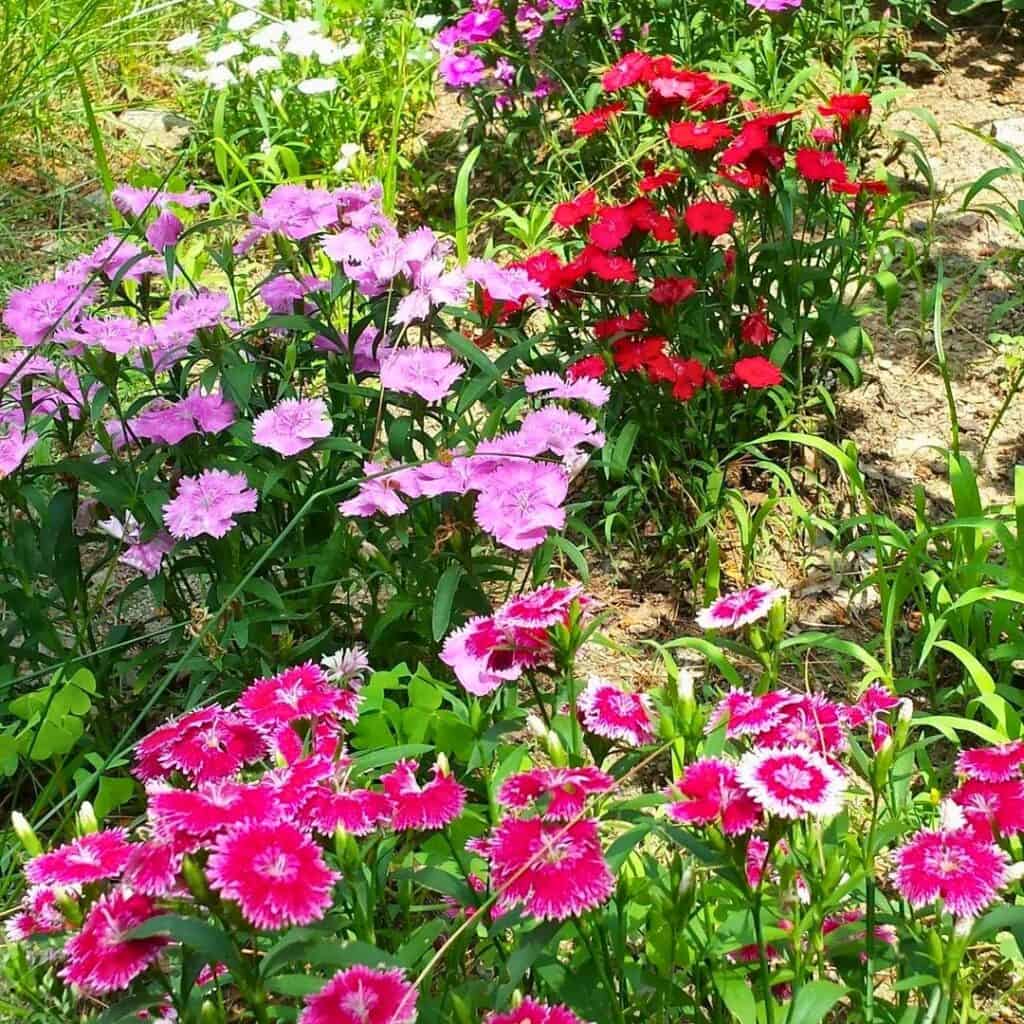
I love growing Dianthus for the bright color and that light, spicy scent. These flowers come in pink, red, white, and purple, and those fringed petals make every bouquet feel a bit special.
They’re easy from seed or small transplants. Dianthus prefers full sun and well-drained soil—keeps the roots happy and the blooms strong.
I water regularly but never let the soil get soggy. When I cut Dianthus for arrangements, I pick stems with several open flowers.
They’ll last a week or more in a vase, which is great for cut flowers. I like to mix them with other annuals for simple, colorful displays.
To keep them blooming, I remove spent flowers and trim back any leggy spots. That encourages new buds and keeps the plants tidy.
I feed them lightly every few weeks with a balanced fertilizer. Dianthus grows well in garden beds, borders, or containers.
I like planting them near paths just so I can enjoy their scent up close. Their compact size makes them perfect for small spaces or mixed planters.
They handle cool weather better than most annuals, so I plant them early in spring and enjoy them well into fall.
With a little care, Dianthus keeps my garden full of soft color and gentle fragrance all season.
14) Portulaca

I love growing Portulaca, or moss rose, because it brings big color with almost no work. The flowers open wide in the sun and come in shades of pink, yellow, orange, and white.
It grows best in full sun and well-drained soil. I usually put it in dry spots where other flowers just give up.
Portulaca loves heat and doesn’t need much water, which makes it a summer favorite for me. I like how low and spreading it grows—perfect for garden edges, rock gardens, and containers.
It forms a soft mat of green leaves and colorful blooms. Each flower only lasts a day, but there are always new ones opening every morning.
To keep it blooming, I remove old flowers and water lightly when the soil gets really dry. I don’t use much fertilizer; too much just gives me more leaves than flowers.
I start Portulaca from seeds or small plants. The seeds are tiny, so I just sprinkle them on the surface and press them in gently.
They sprout fast when the weather’s warm. Since it’s an annual, I replant every year, but sometimes it drops seeds and surprises me with new plants in spring.
Portulaca also draws in bees and butterflies, which is great for the whole garden. I love watching them visit the flowers on sunny mornings.
If I want a burst of color with almost zero effort, Portulaca is my go-to. It’s honestly one of the easiest flowers I’ve ever grown.
15) Cleome
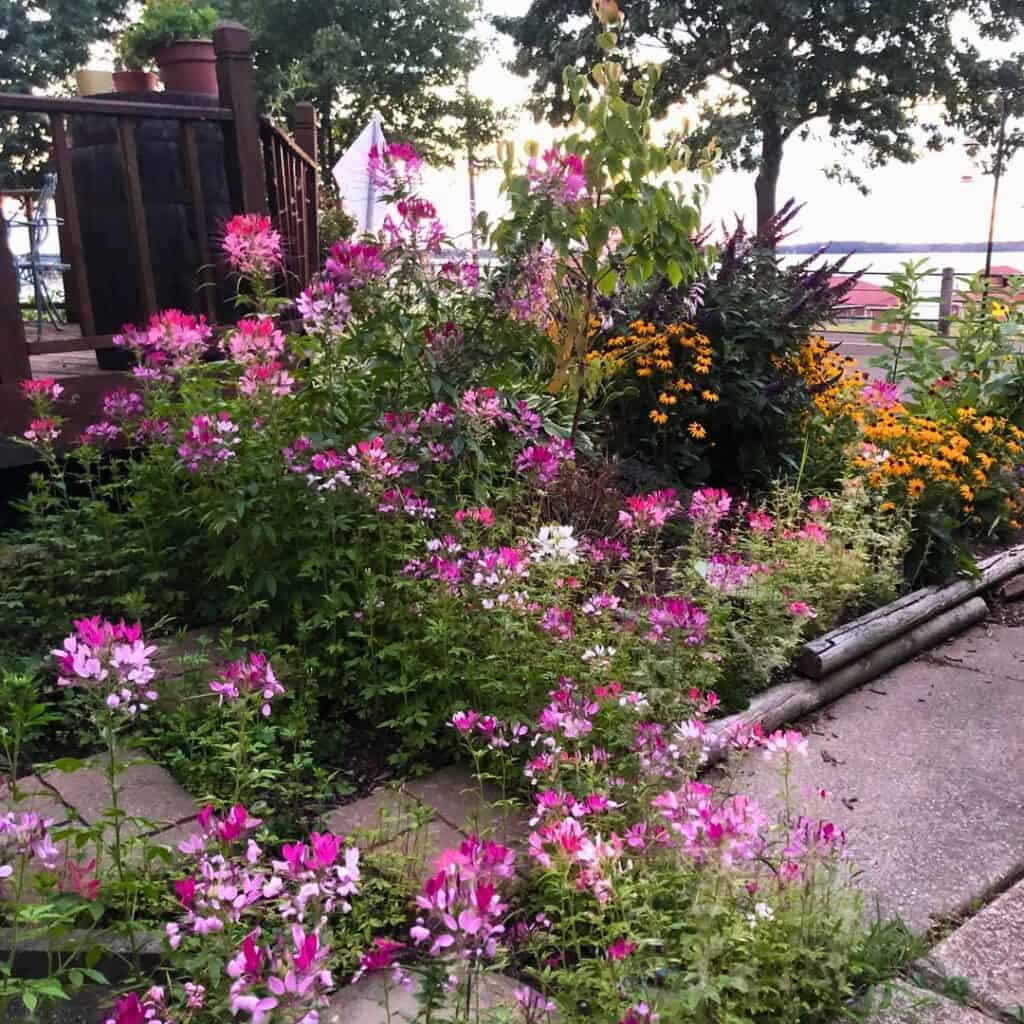
I like growing Cleome (or spider flower) for the height and texture it brings. The tall stems and airy blooms really stand out among all the shorter flowers.
Cleome does best in full sun and well-drained soil. Sometimes I start the seeds indoors before the last frost, but they’ll also sprout easily if I sow them straight in the garden.
The flowers come in pink, white, and lavender. They bloom from early summer until frost, so I get plenty of stems for fresh arrangements.
I appreciate that Cleome is pretty low-maintenance. Once it’s established, it tolerates heat and dry spells.
I only water when the soil feels dry. The plants can get 3 to 5 feet tall, so I put them at the back of my flower beds for a nice backdrop.
Cleome attracts bees, butterflies, and hummingbirds—it’s a good pick if you want to help pollinators.
There are small thorns on the stems, so I wear gloves when I cut them. The blooms last several days in a vase if I change the water often.
Cleome sometimes reseeds itself, so I usually spot new plants the next year. I thin out extras to give each one enough room.
I like how Cleome gives my garden a light, airy look without much work. It’s an easy, reliable flower for summer color.
Tips for Growing Annual Cut Flowers
I focus on giving my flowers the best start—choosing a sunny, open spot, improving the soil, and keeping a steady watering routine. Healthy soil, good light, and regular care really help the plants grow fast and produce strong, colorful blooms.
Choosing the Right Location
I always try to find a spot with at least 6 hours of direct sunlight every day. Most annual cut flowers—zinnias, cosmos, you name it—really need that much light to bloom their best.
If I put them somewhere too shady, they just get tall and floppy. Not exactly the look I’m going for.
I also pay attention to good air flow because it keeps mildew and other annoying diseases away. A gentle breeze is your friend here.
I stay away from cramped corners or anywhere air feels stuffy—plants need to breathe too.
Whenever I can, I plant in well-drained soil. Soggy roots are a recipe for disaster.
To check drainage, I water the area and watch how quickly it dries out. If it stays wet for hours, I’ll mix in some sand or compost and hope for the best.
Soil Preparation and Fertilizing
Before I plant anything, I loosen the soil about 8–10 inches deep. It just makes life easier for the roots.
I always pull out weeds and rocks so nothing steals nutrients from my flowers.
Mixing in compost or aged manure adds organic matter. It’s good for moisture, but the soil still drains well, which is what you want.
If my soil’s not great, I’ll use a balanced 10-10-10 fertilizer before planting and then again halfway through the season.
I watch how my plants react. If the leaves start looking pale, I’ll add a bit more nitrogen.
But if there are tons of leaves and barely any flowers, I know it’s time to ease up on the fertilizer.
Here’s a simple cheat sheet I use:
| Sign | Likely Cause | What I Do |
|---|---|---|
| Pale leaves | Low nitrogen | Add compost or fertilizer |
| Weak blooms | Too much nitrogen | Reduce feeding |
| Slow growth | Poor soil | Mix in organic matter |
Watering and Maintenance
I water deeply about once or twice a week, but it really depends on the weather. Shallow watering just doesn’t cut it—roots need to go deep.
Early morning is my go-to time for watering so leaves dry out during the day.
Mulching is a lifesaver for steady moisture and fewer weeds. I like a 2-inch layer of straw or shredded bark around each plant.
It even keeps the soil cool when it’s blazing hot outside.
Every few days, I check for pests like aphids or spider mites. If I spot any, I’ll rinse the leaves or grab some insecticidal soap.
Deadheading flowers makes a big difference—removing old blooms keeps new ones coming and the plants looking tidy.
Harvesting and Arranging Your Blooms
Timing is everything when picking flowers if you want them to stay fresh and bright. A few simple steps right after cutting can really help them last indoors.
Best Time to Cut Flowers
I always cut my flowers early in the morning while the air is cool and plants are full of moisture. That’s the best trick I know to prevent wilting.
Cutting during the heat of the day? Not a great idea—stems lose water way too fast.
For annuals like zinnias, cosmos, and marigolds, I wait until the blooms are just starting to open. They seem to last longer that way.
I use clean, sharp scissors or garden shears and always cut at an angle. It just works better.
Right after cutting, I drop the stems in a bucket of lukewarm water. If I’m not arranging them right away, I keep them in a shaded, cool spot so they don’t wilt.
Extending Vase Life
I always remove leaves below the water line—nobody wants rot or slimy water. Then I trim about one inch off each stem under running water before popping them in a vase.
My go-to mix for the vase is one teaspoon of sugar, a few drops of bleach, and a teaspoon of lemon juice in a quart of water. It feeds the flowers and keeps bacteria at bay.
I try to change the water every two days and re-cut the stems each time. Keeping vases away from direct sunlight and fruit helps too.
With these steps, I usually get to enjoy fresh, colorful flowers for days.
Frequently Asked Questions
I’m always on the lookout for flowers that look good, grow fast, and last in a vase. Some annuals are just so easy—blooming all season and adding fun shapes and colors to any bouquet.
What are some low-maintenance annual flowers that are great for cutting?
I love planting zinnias, cosmos, and marigolds—they hardly need any fuss. They grow fast, handle heat, and keep blooming after every cut.
Even if I forget to water for a day or two, they usually forgive me.
Can you recommend annuals that bloom all summer long for my cutting garden?
Zinnias and cosmos are my top picks—they bloom nonstop from early summer until frost. Cutting them often actually encourages more flowers.
Sunflowers are great too if you keep planting new seeds every few weeks.
How often should I water my annual cut flowers to ensure they thrive?
Most of the time, I water my annuals once or twice a week, but it depends on the weather. When it’s really hot, I check the soil and water when the top inch feels dry.
Deep watering is the secret to strong roots and happy flowers.
Are there any annual flowers that can grow in partial shade and still be good for cutting?
Absolutely. Snapdragons and cosmos can handle some shade and still put out bright blooms.
I usually put them where they catch the morning sun but get some afternoon shade—seems to help with the heat.
What tips do you have for arranging freshly cut annual flowers to keep them looking fresh longer?
I always cut stems early in the morning and pop them right into cool water. Removing leaves below the waterline and changing the water every couple of days makes a big difference.
And seriously, keep them out of direct sunlight if you want them to last!
Which annual flowers should I plant for a variety of colors and textures in my bouquets?
I love mixing zinnias for that bold pop of color. Snapdragons bring in some height, which just makes everything look more interesting.
Cosmos add this light, airy texture—honestly, they almost float. Marigolds throw in a bit of warmth, and I can’t resist adding sunflowers as a cheerful focal point.
With this combo, my bouquets always end up with a nice balance of shapes and shades. It just feels right, you know?
Note: Some images in the articles are sourced from Reddit and Other Platforms For Reference Purpose.