11 Ways To Hang Plants On Ceilings Without Drilling
I’m always on the lookout for creative ways to bring greenery into my place without wrecking the ceiling or walls.
Hanging plants overhead just makes any room feel fresher and cozier, but drilling holes? Not always possible—especially if you’re renting or short on space.
You can hang plants from the ceiling safely and securely without using a single drill.
Let me share a few clever ideas that make it super easy to display plants from above.
Tools like adhesive hooks, tension rods, and even magnetic hangers do the trick.
These methods keep plants off your tables and shelves, adding a splash of life and color to every little corner.
Please note: Simplify Plants is reader-supported. As an Amazon Associate, I earn from qualifying purchases made by our readers with no extra cost added to you all! Some links in the post are affiliate links and I get a commission from purchases made through links in the post.
1) Use adhesive ceiling hooks

I’m a fan of adhesive ceiling hooks because they’re so simple and there’s no mess. No tools, no drills, and I can pull them down whenever I want.
They stick right to the ceiling thanks to strong adhesive pads. Before I put one up, I wipe the spot with rubbing alcohol—just helps the hook last longer.
I let the spot dry and then press the hook on for at least 30 seconds. I try to wait about an hour before hanging anything, so the adhesive has time to really bond.
These hooks are perfect for small plants in lightweight hangers. I always check the weight limits on the package and stick well below them.
Smooth painted ceilings hold adhesive hooks better than textured ones, in my experience. If the ceiling’s rough, I go for a self-adhesive pad made for uneven surfaces.
When it’s time to take a hook down, I just pull the tab slowly and evenly. That keeps the paint safe and avoids sticky residue.
Honestly, it’s so easy to switch things up. With adhesive ceiling hooks, I can move my plants around whenever the mood strikes, and there’s never a hole left behind.
2) Try command hooks for renters
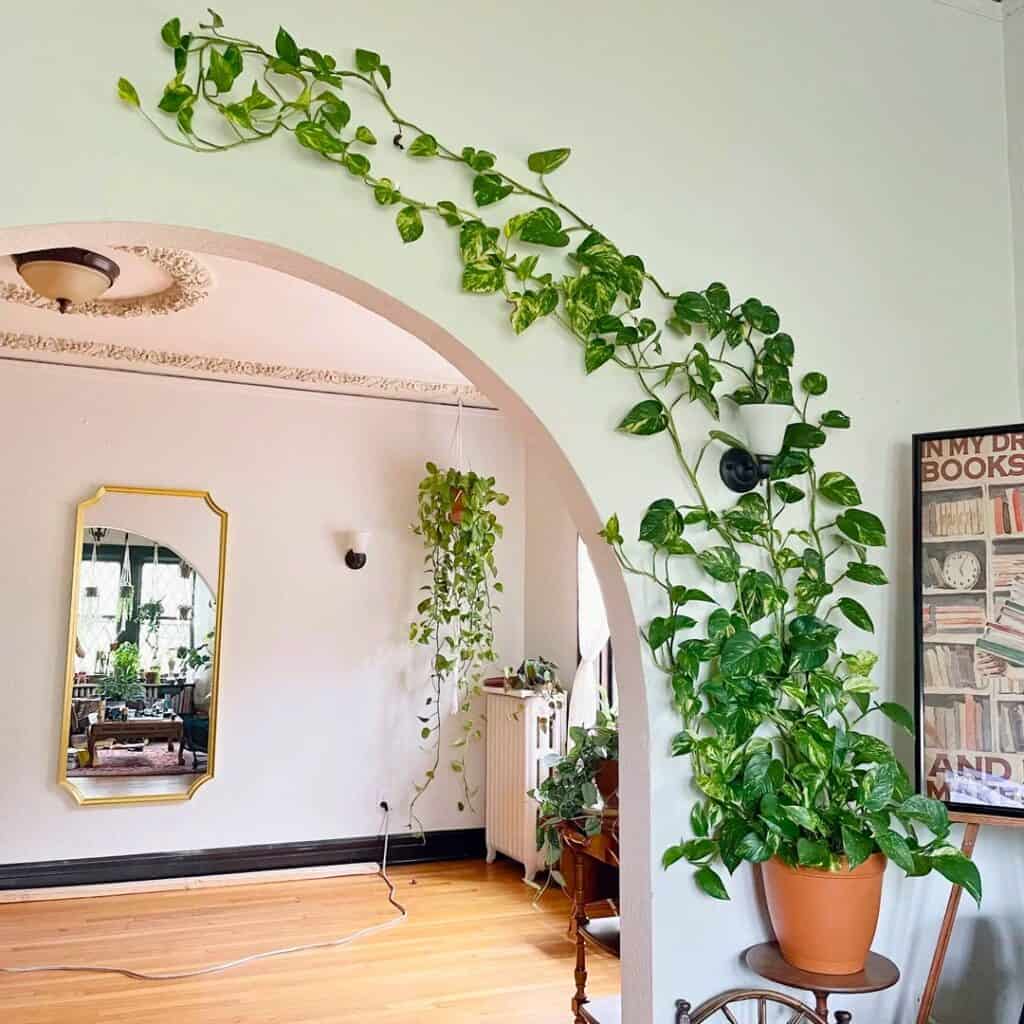
Command hooks are a lifesaver for renters. They let me hang plants without stressing about my security deposit or leaving marks behind.
I pick heavy-duty hooks made for ceilings, since they hold more weight and stay put longer. Before sticking one up, I make sure the spot is clean and dry.
Once the hook’s up, I wait at least an hour before hanging my plant. That way, the adhesive gets a good grip.
I use a lightweight planter with a macrame hanger or a thin chain. Always check the weight limit on the package—better safe than sorry.
If I want a row or cluster of plants, I space the hooks out so things look tidy. I also avoid spots near vents or damp areas, since heat and moisture can mess with the adhesive.
These hooks come in a bunch of colors and finishes, so it’s easy to match my style. And when it’s time to move or redecorate, I just pull the tab—no mess, no fuss.
3) Install tension rods

Tension rods are such a simple fix—no damage, no stress. All I need are two opposite walls or sturdy surfaces to wedge the rod between.
I measure the space first, just to make sure the rod fits snugly. Too short and it’ll slip, too long and I might dent the paint.
Once it’s in, I hang lightweight plants like pothos or spider plants. Small baskets or macramé holders with hooks work great on the rod.
Sometimes I use multiple rods if I want to hang a few small pots side by side. It spreads out the weight and looks kind of cool, honestly.
The best part? I can move the whole setup whenever I want. Just take the rod down and pop it up somewhere else. It’s a super flexible, renter-friendly way to hang plants—no drilling required.
4) Hang plants with macrame hangers

Macrame hangers are both practical and pretty. They cradle pots with soft cords and can hang almost anywhere—no drilling needed.
I usually attach them to a removable ceiling hook or a tension rod. Both options keep things renter-friendly and safe for lightweight plants.
There are so many designs and colors out there—some have beads or fancy knots, others are more minimal. I pick whatever fits my vibe.
If I hang a few together, I play with different heights for a cozy corner that feels extra lush. Layering the plants keeps things balanced and lets each one shine.
Macrame is best for small to medium pots, especially trailing plants like pothos or ivy. The vines spill out naturally, making the space feel full with almost no effort.
5) Use magnetic hooks on metal surfaces

Magnetic hooks are honestly such a game-changer. No screws, no nails, and I can move them around as much as I want.
They work best on strong metal surfaces—think ceiling beams, metal grids, or shelves. I always check if the magnet is strong enough to hold my plant and pot.
Before hanging a plant, I test the hook with a gentle tug. If it feels solid, I go ahead. I stick with light plastic or fabric planters to play it safe.
Some magnetic hooks have swivel heads or rubber coatings, which is nice if you don’t want scratches. There are plenty of styles to choose from.
If I get tired of the look, I just move the hooks. It’s flexible, mess-free, and keeps my ceiling looking good.
6) Employ ceiling track systems
Ceiling track systems are a neat way to hang plants without making any holes. They stick up with strong adhesive or tension mounts, so there’s no damage.
Tracks create a clean, organized look. I can slide hooks or clips along the rail to change up the spacing or height whenever I feel like it.
When I pick a track, I make sure it can handle the weight of my pots. Lightweight planters or faux plants are usually best. I also double-check the adhesive strength so the track actually stays up.
Ceiling tracks work in all sorts of spaces—apartments, offices, even rooms with drop ceilings. They give me tons of flexibility, and everything stays tidy and damage-free.
7) Utilize removable 3M strips

Removable 3M strips are my go-to for hanging lightweight plants without any drilling. They stick tight to the ceiling or a hook base, and come off cleanly when I’m done.
Before sticking anything up, I always wipe the surface to get rid of dust or moisture. A clean surface helps the adhesive work better.
I check that the strip and hook can handle my plant’s weight—most packages have a weight limit, and I never push it. The clear 3M command hooks blend in nicely, so they don’t draw attention.
If I want to move my plants around, I just peel off the strips. I always pull them down slowly to protect the paint. For heavier plants, I’ll use two strips side by side for extra support.
It’s just a fast, flexible way to hang and rearrange plants, all while keeping the ceiling flawless.
8) Hang from exposed beams with rope
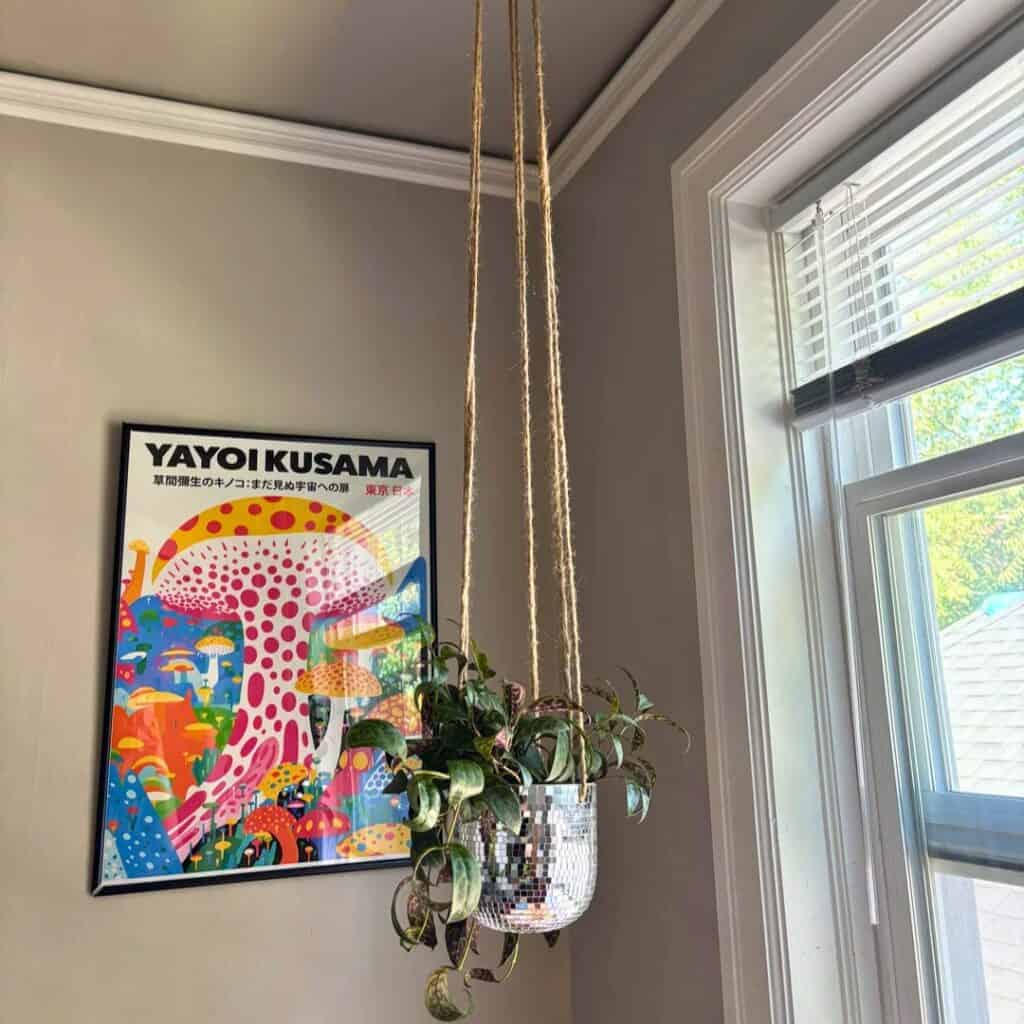
If you’ve got exposed beams, hanging plants gets so much easier. Those beams are already sturdy, so no need for extra hardware.
I pick a sturdy rope that fits my room’s style—cotton or jute are my favorites. I always make sure the rope’s thick enough for the plant.
To hang the plant, I loop the rope around the beam and tie a secure knot. Usually a double knot or slipknot does the trick, and it’s easy to adjust the height.
If I’m hanging more than one, I pay attention to spacing. Too many plants can crowd the area and block light, so I leave room for air to move around.
Sometimes I’ll braid the rope or add decorative accents, like wooden beads, for a little extra flair.
Before calling it done, I always give each plant a quick tug test. Safety first, right? Once it’s all set, it just brings the whole room to life.
9) Attach plants to light fixtures with clamps

Clamps are a clever way to hang small plants from light fixtures—no drilling, no commitment.
First, I check if the light fixture can handle the extra weight. I stick with lightweight plants like air plants or small vines, just to be safe.
Metal clamps with rubber grips are best, since they won’t scratch anything. Once the clamp’s on, I add a small hook or wire holder for the pot.
I always keep the plant a few inches away from the bulb, to avoid heat damage. That little touch of green really livens up the space.
I move the plants around if they need more or less light, and since everything is removable, changing things up is a breeze.
For a tidy look, I try to match the clamp color to the fixture or pot. It’s a quick, creative way to hang plants from the ceiling and keep everything looking neat.
10) Use plant hangers with suction cups

Honestly, I love using suction cup plant hangers. They make it ridiculously easy to hang plants—no drills, no screws, just stick and go.
They work best on smooth surfaces like glass, tile, or metal. That means my ceiling and walls stay clean and free of holes, which is always a win.
Before I put one up, I wipe down the area to make sure it’s dry and dust-free. If there’s any moisture or dirt, the suction just doesn’t hold as well.
Once it’s on, I give the hanger a gentle tug to see if it’s secure. No one wants a plant crashing down, right?
These hangers really shine with small or lightweight plants. I usually pick tiny pots with trailing vines or maybe some herbs.
If a plant feels even a little too heavy, I just switch to another method. Better safe than sorry.
What I really appreciate is how easy they are to move. If I get bored or want to redecorate, I just lift the tab and pop the hanger off.
No marks, no holes—super renter-friendly and great for temporary setups.
To keep them sticking well, I’ll sometimes rinse the suction cup with warm water and press out any air bubbles. It’s a tiny extra step, but it really helps.
Tip: I avoid putting them in hot spots or direct sun for too long. The heat can mess with the suction, so I stick to cooler, shaded areas.
Suction cup hangers just make it so easy to enjoy plants anywhere with a smooth surface. It’s a simple, no-tools solution for keeping plants up high and looking great.
11) Create a DIY pulley system
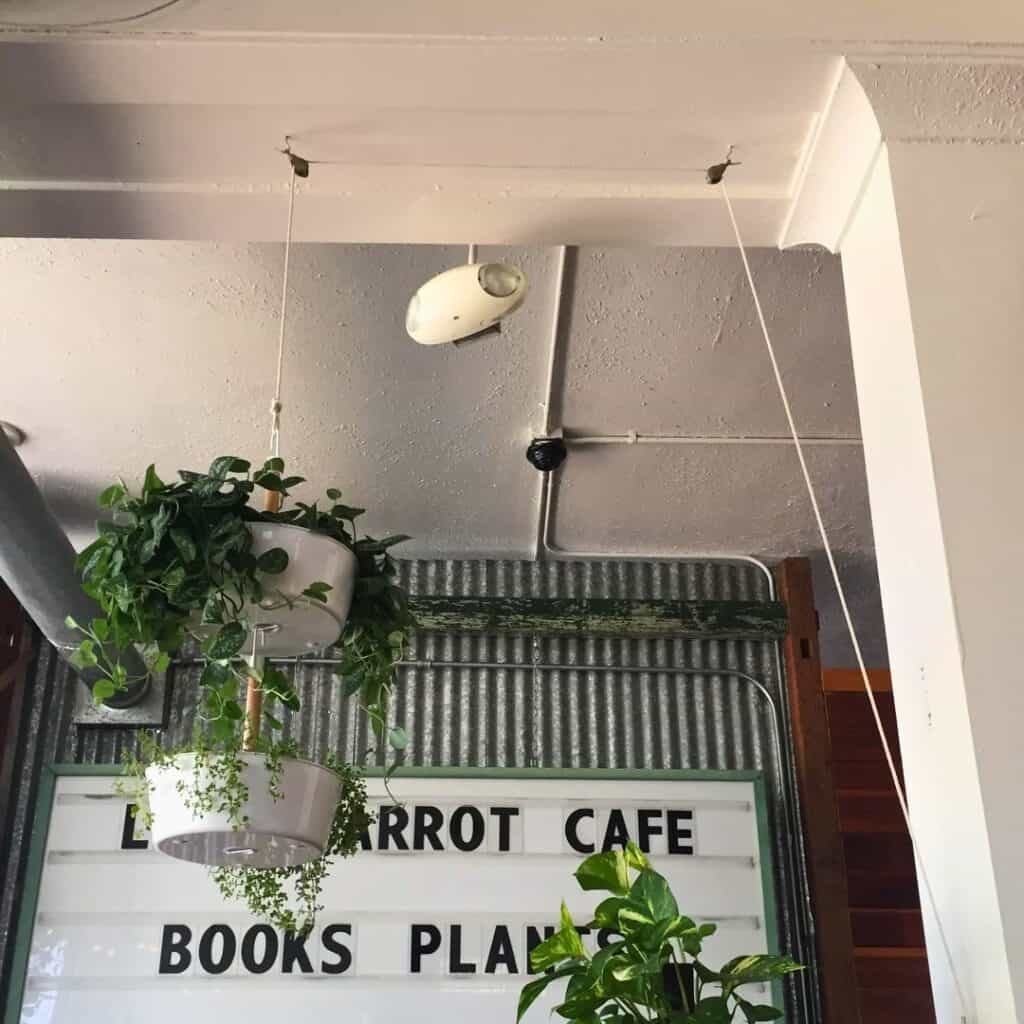
I’ve gotta say, a DIY pulley system is one of my favorite ways to hang plants from the ceiling—no drilling required.
It’s adjustable and makes watering way easier, since I can lower the plants whenever I need.
I usually start with strong adhesive hooks or removable ceiling clips that can handle the weight. Then I run a light rope or cord through a couple of pulleys—one near the ceiling, one lower down so I can reach it.
This setup lets me raise and lower the plants by just pulling the cord. I tie it off with a cleat or hook on the wall to keep things steady.
It’s a clever way to hang heavier plants and not stress about them falling.
I like that it works with different pot styles, too. Swapping out plants or changing their height to catch better light is a breeze.
It’s practical, and honestly, it adds a fun, creative vibe to the room.
For safety, I always check the rope and hooks every so often. A sturdy setup keeps my plants and ceiling safe, and everything still looks good.
Choosing the Best Ceiling Hooks and Hangers
When I’m picking ceiling hooks, I look for strong hold, easy setup, and safe materials.
The right pick depends on the ceiling type, plant weight, and how often I want to rearrange things. Every style has its limits, so knowing what works helps me avoid damaged ceilings or fallen plants.
Adhesive Hook Strength and Limitations
I reach for adhesive hooks for light or medium-weight plants—they stick well and don’t need any tools.
Most hold between 2 to 8 pounds, but I always double-check the label for max weight and best surfaces like painted drywall, plaster, or tile.
Before sticking one up, I clean and dry the spot really well. Even a little dust or moisture can make the adhesive peel.
After pressing it on for about 30 seconds, I wait a day before hanging anything. That way, the glue has time to cure.
Over time, temperature swings or humidity can loosen the hold. When I need to take one off, I pull the tab slowly downward to avoid wall damage.
If I reuse a hook, I always swap in a fresh adhesive strip, since adhesive loses grip after one use.
| Hook Type | Ideal Weight | Surface Types | Removal Risk |
|---|---|---|---|
| Small Strip Hook | 2–4 lbs | Smooth painted walls | Low |
| Medium Strip Hook | 5–6 lbs | Tile, plastic | Low–Medium |
| Large Strip Hook | 7–8 lbs | Wood paneling | Medium |
Magnetic Hanger Solutions for Metal Ceilings
If I’ve got a metal ceiling, I go for magnetic hooks instead of adhesives.
They hold steady with no residue or holes, and the strength depends on magnet size and thickness. A one-inch magnet can usually support around 10 pounds on a flat steel surface.
I always nudge the magnet a bit before hanging anything, just to see if it slides. If it stays put, it’s good to go.
Direct contact with clean metal is key—paint or dust can weaken the magnetic pull.
A lot of magnetic hooks have a rubber or epoxy coating, so they don’t scratch up the ceiling. I really like swivel-head designs for adjusting plant angles.
For heavier pots, I use neodymium magnets—they’re small but super strong.
| Magnet Type | Holding Power | Features |
|---|---|---|
| Ferrite Magnet | Up to 5 lbs | Budget-friendly |
| Neodymium Magnet | 10–20 lbs | Compact, very strong |
| Rubber-Coated Magnet | 7–12 lbs | Anti-slip, ceiling protection |
Safety Tips for Hanging Ceiling Plants
I always check if my ceiling and hardware can handle the plant’s weight before hanging anything up.
Balancing the load evenly is important—nobody wants a lopsided setup or a surprise crash.
Protecting Your Ceiling and Fixtures
First, I check what my ceiling is made of. Drywall, plaster, and concrete all need different hardware, so I match the hook to the surface.
If I’m using adhesive hooks or tension rods, I clean the spot really well for a stronger hold.
To avoid marks, I sometimes put a little adhesive pad or felt disc under each hook. It spreads out the pressure and keeps paint from chipping.
I never hang plants right next to light fixtures or vents—heat and moisture can mess with adhesives.
Before trusting a hook, I do a weight test with an empty pot. If it holds for a day, I’m good to go.
Every few weeks, I check for cracks or peeling adhesive. Catching problems early saves a lot of hassle.
Ensuring Weight Distribution
I spread the weight out over several points instead of just one hook.
When I use tension rods or track systems, I make sure each side is sharing the load. It really helps reduce stress on the ceiling and hardware.
For heavier planters, I stick with lightweight soil mixes and smaller pots. Stuff like coconut coir or perlite keeps things lighter and still healthy.
I always double-check the total weight—plant, pot, soil, water—before I hang it up.
With multi-plant setups, I hang the heavier ones closer to the center and lighter ones toward the ends.
Taking a look from a few different angles helps me spot if something’s off-balance. Even weight means less strain and a safer, neater display.
Frequently Asked Questions
Hanging plants from the ceiling doesn’t have to mean drilling or damaging anything. With adhesive hooks, tension rods, magnetic hooks, and a few creative tricks, I can keep my plants up and my space looking tidy.
What are some damage-free methods for hanging plants from the ceiling?
I like using adhesive ceiling hooks, tension rods, or magnetic hooks. They’re easy to remove and don’t leave holes or marks behind.
Can adhesive hooks be strong enough to hold ceiling plants?
They can, but I always check the weight rating first. As long as I follow the directions and clean the surface, lightweight plants or small planters usually stay put.
Are there any plant-hanging products that don’t require drilling?
Absolutely. Command ceiling hooks are my go-to—they stick to smooth surfaces and come off clean. Macrame hangers pair nicely with adhesive or magnetic hooks, too.
How can I use tension rods to hang plants from my ceiling?
I put a tension rod between two walls or window frames and hang lightweight planters from it. It’s simple, and I can move or adjust the height whenever I want.
What are the best practices for using magnetic hooks for ceiling planters?
I stick magnetic hooks onto any exposed metal beam or vent. I always test the strength first and keep the plants on the lighter side so nothing slips.
Can suction cups be effective for hanging plants on ceilings?
Suction cups really only stick well to smooth, flat surfaces like glass—forget about textured ceilings. They’re fine for lightweight plants, but honestly, I keep an eye on them because the suction tends to let go after a while.
Note: Some images in the articles are sourced from Reddit and Other Platforms For Reference Purpose.