11 Tips To Create A Thriving Pollinator Garden
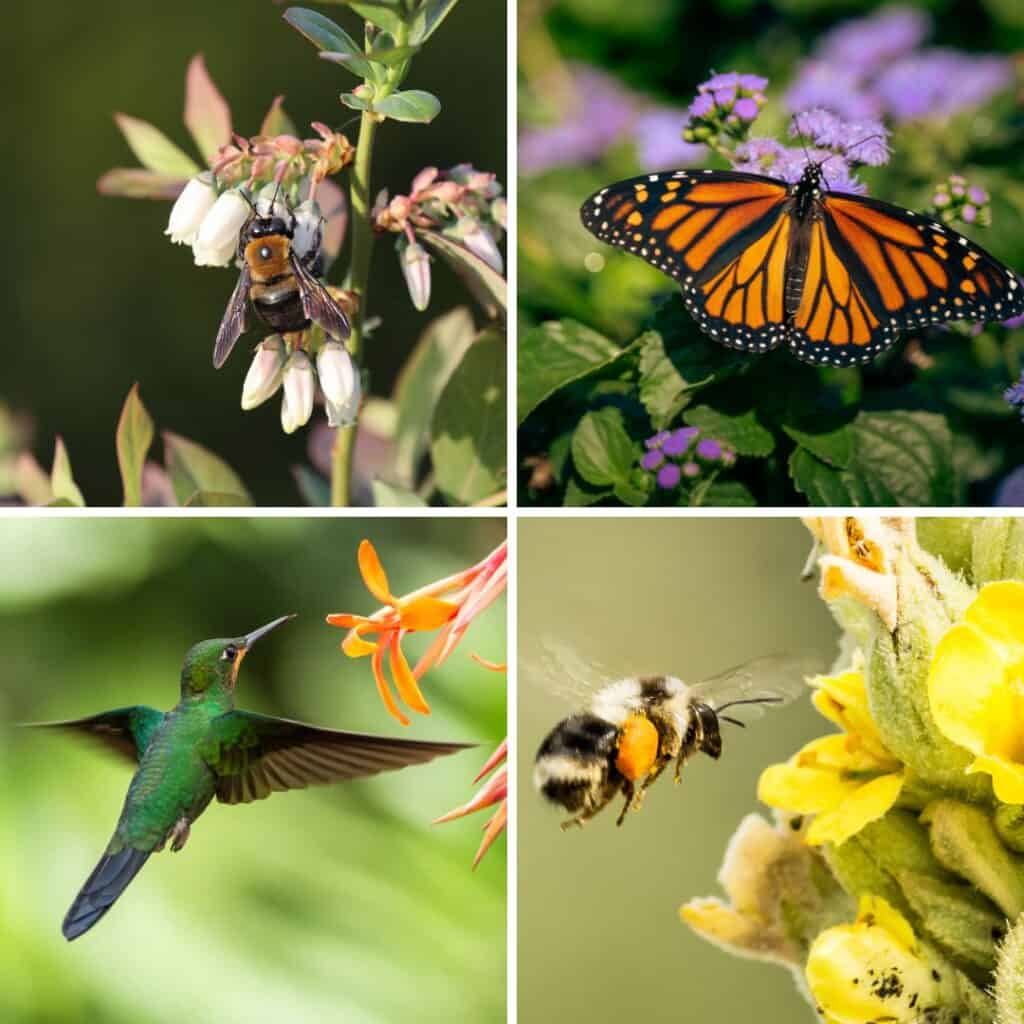
I absolutely love watching bees, butterflies, and hummingbirds zip around the garden.
It’s not just about the color and movement—these little visitors help plants grow and fruit flourish.
Building a pollinator garden really creates a space where nature and beauty just mesh together.
Let’s get into some easy ways to turn your outdoor space into a pollinator paradise.
I’ll talk about picking the right plants, adding simple features, and supporting these important creatures all season.
Please note: Simplify Plants is reader-supported. As an Amazon Associate, I earn from qualifying purchases made by our readers with no extra cost added to you all! Some links in the post are affiliate links and I get a commission from purchases made through links in the post.
1) Choose native flowering plants
When I’m starting a pollinator garden, I always go for native flowering plants first.
They’re already adapted to the local soil, weather, and bugs, so they don’t need much fussing over. Plus, local bees, butterflies, and hummingbirds seem to flock to them.
Choosing native plants always brings more pollinators to the yard. They recognize these blooms as a natural food source. Native plants just have the right nectar and pollen for the locals, so everyone wins.
Another thing I like—native plants usually shrug off pests and don’t guzzle water. That saves me time and makes the whole garden a lot easier to manage.
To keep flowers coming all season, I mix early bloomers like wild columbine with late ones like goldenrod. That way, there’s always something for pollinators to snack on.
I usually check with local garden centers or native plant societies for ideas. They know what works best in my region. Supporting local nurseries also helps the local ecosystem.
Going native just makes the garden more vibrant and balanced. It turns a little patch of dirt into a haven for pollinators, year after year.
2) Plant a variety of bloom times
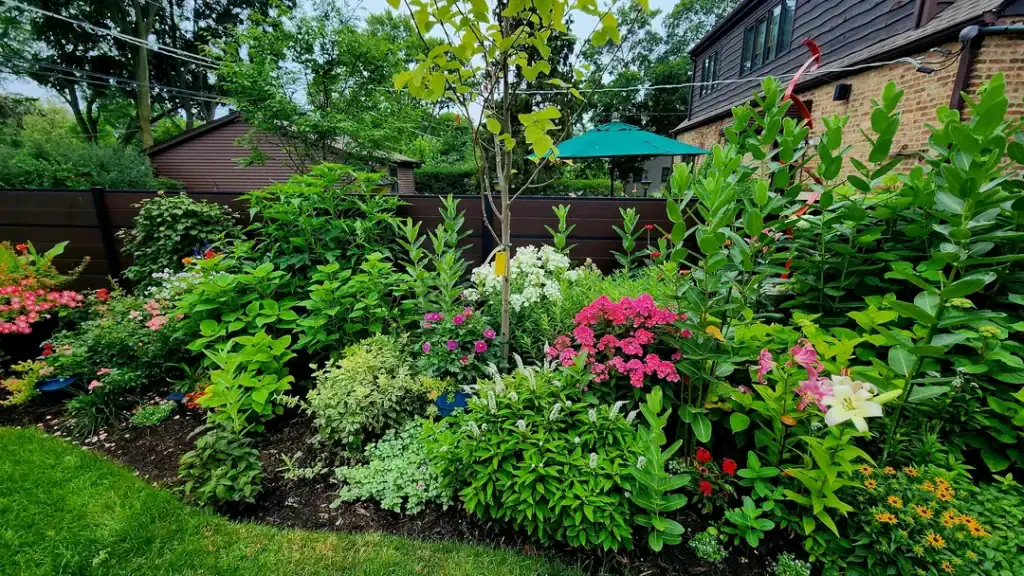
I try to fill my garden with flowers that bloom at different times throughout the year. That way, there’s always something for pollinators to eat, from early spring right up to the first frost. When one group of flowers fades, another steps in.
Early bloomers like crocus and daffodils give bees and other insects a much-needed boost after winter. Then, mid-season favorites like coneflowers and black-eyed Susans keep things lively.
For late-summer color, I throw in asters and goldenrod. These help pollinators stock up before the cold sets in. Continuous blooms mean the garden stays busy for months.
Mixing annuals and perennials keeps things interesting, too. Annuals fill the gaps between perennial flowers and draw in different insects. The variety keeps everything buzzing.
I usually check bloom charts for my area so I know what grows well here. That way, I’m sure to have steady nectar and pollen all season.
Even if your yard’s tiny, careful planning can make it a pollinator hotspot. I like to group plants with similar needs and give them space to stretch. It just makes the garden easier to handle.
By staggering bloom times, I’m giving bees, butterflies, and hummingbirds a reliable food source. It’s a small tweak that really pays off.
3) Include milkweed for monarchs
I always plant milkweed—it’s the only plant where monarch butterflies will lay their eggs. Without it, monarch caterpillars are out of luck.
There are a bunch of milkweed varieties, but I stick to ones native to my area. Native milkweed supports local wildlife and just handles the local weather better.
I pick a sunny spot with well-drained soil for milkweed. Monarchs like open areas where they can spot the plants easily. I steer clear of pesticides, since those can be deadly for eggs and caterpillars.
To attract even more monarchs, I plant milkweed with other nectar-rich flowers like coneflowers and black-eyed Susans. That way, adults have food while the caterpillars have a place to grow.
Every year, I peek at my milkweed for tiny white eggs or striped caterpillars. Even a few plants can really help monarchs out.
4) Provide a water source like a shallow dish

I always set out clean, shallow water in my pollinator garden. Bees, butterflies, and other insects need a safe spot to drink and cool off. A shallow dish or birdbath works great—as long as it’s not too deep.
I usually fill a shallow dish with fresh water and toss in a few stones or marbles. The stones give insects a place to land so they don’t risk drowning. I keep the water low so they can reach it easily.
To keep things clean, I change the water every few days. That keeps mosquitoes from showing up and the water nice and fresh. A quick rinse gets rid of any dirt or algae.
Sometimes I put the dish right by the flowers where pollinators already hang out. That way, they don’t have to search for water. If I can, I’ll pick a shady spot so the water stays cool a bit longer.
Adding a small water source is honestly one of the easiest ways to help pollinators. It doesn’t take much effort, but it makes a big difference for the bees and butterflies that stop by.
5) Avoid pesticides and herbicides
I always remind myself that pesticides and herbicides harm more than just pests. They can kill bees, butterflies, and other helpful insects that actually keep the garden healthy. Even a little bit can mess with pollinators’ ability to find food or reproduce.
Instead of spraying chemicals, I just pull weeds by hand or use mulch to keep them down. Mulch helps the soil stay moist, too, so my plants are happier. When I see pests, I look for natural fixes—like adding ladybugs or using a gentle soap-and-water spray.
Honestly, a balanced garden kind of takes care of itself. Healthy plants attract good bugs that eat the bad ones. By skipping chemical sprays, I let nature handle the balance.
If I absolutely have to treat something, I pick organic or non-toxic options and use them carefully. I avoid spraying when bees are out—usually early morning or evening is safest.
Avoiding pesticides and herbicides just makes the garden safer for everyone—me, my pets, and the environment. I’ve definitely noticed more bees, butterflies, and hummingbirds since ditching the chemicals. It feels good to know I’m helping them out while keeping my space beautiful.
6) Add butterfly houses
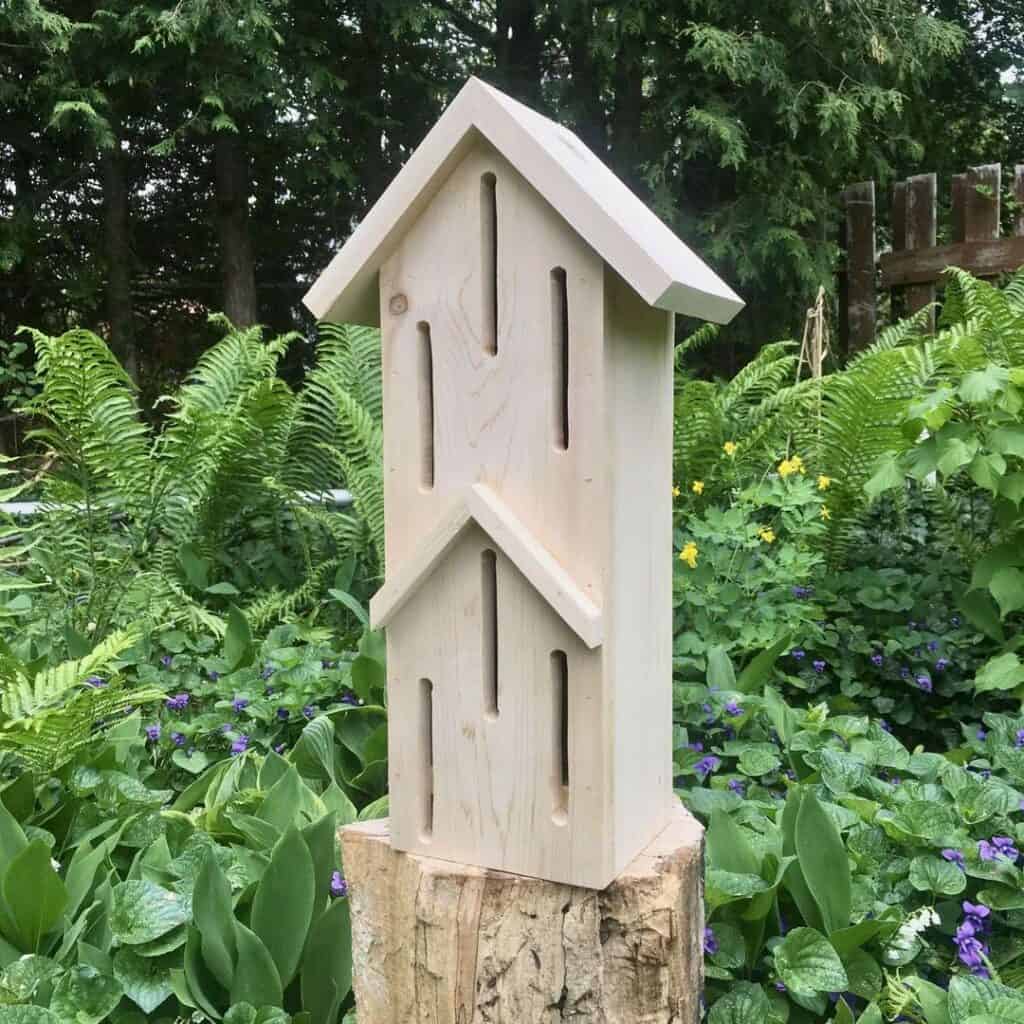
I like giving butterflies a safe spot to rest and hide. Butterfly houses protect them from wind, rain, and predators. Plus, they add a bit of charm to the garden.
I look for houses made of untreated wood—it’s safer for insects. The front slits should be narrow enough to keep birds out but wide enough for butterflies to slip in.
I hang the house in a sunny but sheltered spot, about four feet above the ground. That keeps it dry and easy for butterflies to find. I avoid putting it near busy walkways or where the wind howls.
Sometimes I toss in a few twigs or bits of bark inside, so butterflies have something to cling to while they rest. I try to clean the house once or twice a year, just to keep it fresh.
I’ve noticed butterfly houses work better when they’re surrounded by nectar-rich flowers. Butterflies feed nearby and then tuck in for shelter. It’s a simple way to make the garden feel more like home for them.
7) Incorporate herbs like lavender and thyme
I love adding herbs like lavender and thyme to my pollinator garden. Not only do they look and smell fantastic, but they also draw in bees, butterflies, and other good bugs.
Lavender is a classic—those soft purple flowers are bee magnets. I plant it in sunny spots with well-drained soil, and once it’s settled in, it barely needs any water.
Thyme is another favorite. It stays low, spreads nicely, and fills in the gaps between other plants. When it flowers, tiny pollinators show up in droves.
I like that these herbs pull double duty. I can snip them for the kitchen, and they give pollinators a boost at the same time. Growing herbs just connects my kitchen and garden in a fun way.
After they bloom, I give them a trim to keep things tidy and encourage more growth. Sometimes I let a few flowers go to seed, so the pollinators have food a bit longer.
Mixing herbs with flowers like coneflower or black-eyed Susan makes the garden look and smell amazing. The variety attracts a wider range of pollinators, too.
Planting herbs like lavender and thyme is easy, but it really makes the garden feel more alive. It’s a small change with a big payoff.

8) Create sunny spots for pollinators
I make sure there are plenty of sunny spots in my garden, since most pollinators love the warmth. Bees, butterflies, and other insects are most active when the sun’s out, so they naturally gather in bright places.
I avoid planting big trees or shrubs that block sunlight. Instead, I put flowering plants in open areas where the sun can reach them most of the day. Sunlight keeps the blooms healthy and packed with nectar.
I’ve noticed that flat rocks or sunny patches of bare soil are perfect for bees to rest and warm up. It’s especially helpful in the morning when it’s still cool.
When I plan the layout, I think about how the sun moves through the day. I group sun-loving plants together—lavender, coneflowers, black-eyed Susans—so pollinators have a steady food supply in bright areas.
If there’s a shady part of my yard, I’ll carve out a small sunny clearing to attract more activity. Even a few hours of sunlight can turn a quiet corner into a pollinator hotspot.
Keeping the garden bright and open just makes it a better place for pollinators to feed, rest, and thrive. Sunlight keeps everything lively and helps both plants and pollinators stay strong.
9) Use flat stones for basking
I like to scatter flat stones in sunny spots around the garden. The stones heat up during the day and give pollinators a cozy place to rest and warm up. Butterflies and bees, in particular, need that extra warmth to stay active and fly.
I look for stones that are smooth and stable so insects can land easily. Big, flat rocks hold heat longer and won’t tip over. I skip shaded or damp spots, since those don’t warm up much.
Sometimes I’ll group a few stones together to create little basking zones. That way, different species can find a comfy spot at different times of day. In the mornings, I often see bees just quietly sitting on the warm surfaces before they start their rounds.
To keep things looking natural, I mix the stones in with native plants and flowers nearby. That way, pollinators get both warmth and food without having to go far.
If the stones get dirty or muddy, I just give them a quick rinse with water. Clean surfaces help bees and butterflies grip better when they land.
Adding a handful of flat stones is such a simple thing, but it really helps pollinators recharge while they’re visiting the garden.
10) Plant in clusters for easy access
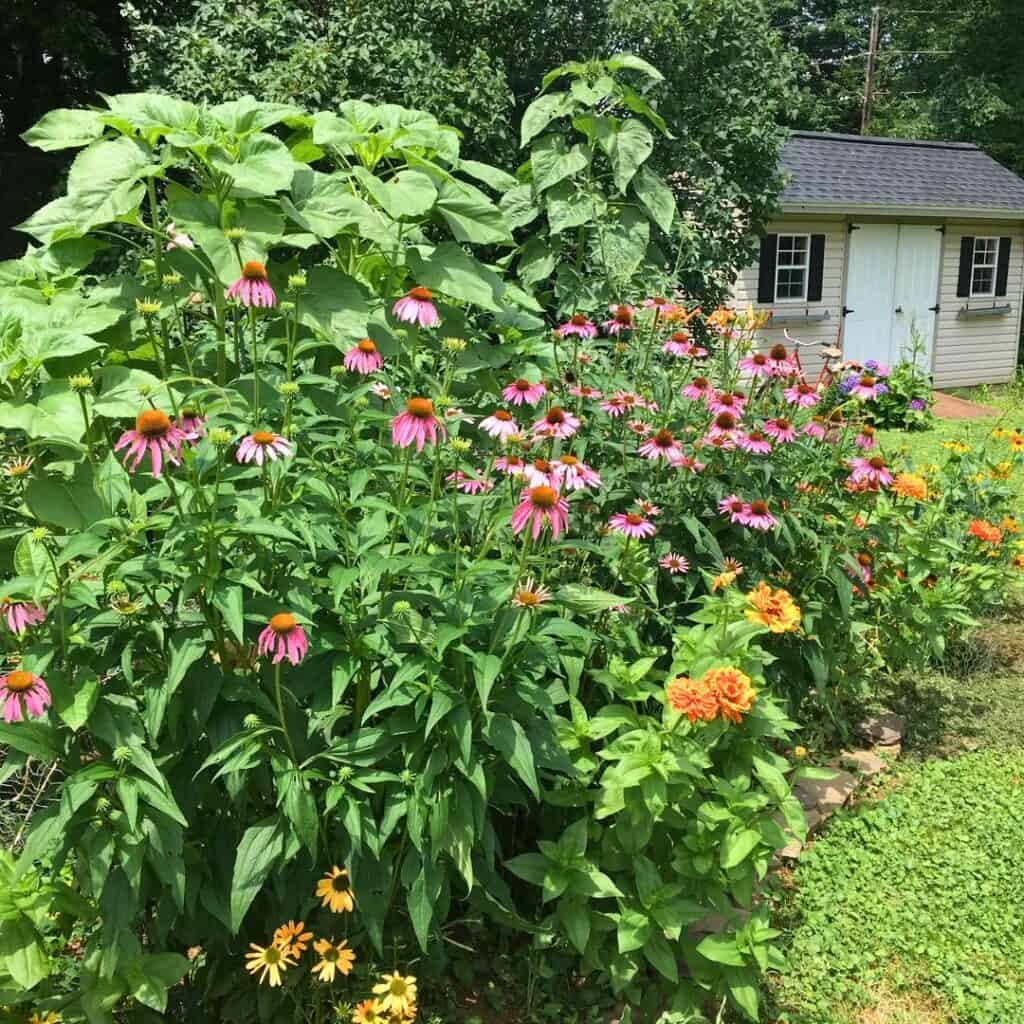
I’ve found that grouping flowers really helps bees and butterflies spot what they need. When I plant the same kind of flower in small clusters, pollinators can zip around easily, saving their energy.
Usually, I stick with three to five of the same flower close together. This makes a more obvious landing zone for pollinators, and honestly, it just looks better—more color, less chaos.
Clustering plants helps with cross-pollination too. When bees hit several flowers of the same type in one spot, they’re way more effective at spreading pollen.
I leave a bit of space between clusters so pollinators can move around, and it gives me room to water or tidy up without stepping on everything.
When I’m planning, I always think about color and bloom time. I’ll put clusters of early, mid, and late-season flowers near each other, so there’s always something blooming.
Butterflies seem to flock to big patches of bright colors, like purple coneflowers or zinnias. Bees? They’re into clusters of smaller blooms—lavender and salvia are favorites. It’s kind of fun to watch and take notes for next year.
Even if your garden’s tiny, you can still cluster plants with containers or raised beds. A few pots bunched together work just as well.
Planting in clusters makes my garden more efficient and inviting for pollinators. It’s a simple tweak, but it brings so much more life to the space.
11) Include host plants for caterpillars
I always remind myself that pollinators start out as caterpillars. To help butterflies and moths, I make sure to plant host plants where they can lay eggs and their young can feed.
Without these, a lot of species just can’t make it.
I like to stick with native plants because local caterpillars know them as food. For example, milkweed is a must for monarchs, and parsley, dill, and fennel bring in swallowtails.
These plants help caterpillars grow, and later, they bring more adult butterflies to the garden.
I don’t stress much about chewed leaves. Caterpillars need to eat, and the plants bounce back soon enough. Seeing new butterflies fluttering around makes it all worthwhile.
I try to plant host species in small groups, so there’s enough food in one spot. I also steer clear of pesticides, since even a little can hurt them.
Healthy, chemical-free plants make a safe space for caterpillars to thrive.
Including host plants just makes my garden feel more alive. It’s a nice reminder that pollinators need support at every stage.
Understanding Pollinator Habitats
I focus on creating spaces that offer pollinators food, shelter, and safe nesting areas. My goal is to grow plants that support bees, butterflies, and other helpful insects year-round, using native species and steady blooming cycles.
The Role of Native Plants
I go for native plants because they fit what local pollinators are looking for. These plants evolved alongside native bees, butterflies, and birds, so they’re easier for pollinators to use.
Native species also adapt better to local soil and weather, which means less watering and less fertilizer. Less work for me, and a healthier spot for wildlife.
I like mixing in milkweed, coneflower, and goldenrod to attract a range of pollinators. Each plant brings in different insects—milkweed for monarchs, coneflower for bees, goldenrod for late nectar.
To keep things balanced, I skip invasive plants that push out the natives. Instead, I group native flowers in clusters so pollinators can find them easily.
Seasonal Flowering Cycles
I plan my garden so something’s blooming every season. That way, pollinators always have a steady food source from early spring right into fall.
In spring, I plant wild lupine and phlox for the first bees. Summer is all about black-eyed Susan and bee balm for rich nectar. When fall comes, asters and goldenrod feed pollinators as they prep for winter.
I also leave seed heads and dry stems through winter. They give shelter and nesting spots for insects that stick around in the cold.
By tracking bloom times, I make sure my garden never goes without flowers. A simple trick: pick at least three plants for each season, so there’s always something for pollinators to visit.
Supporting Healthy Pollinator Populations
I focus on giving pollinators what they need most—clean water and safe places to rest. These small steps really help bees, butterflies, and other insects stay active in my garden.
Providing Water Sources
I make sure pollinators have shallow water sources—deep ones can be risky for tiny insects. An easy fix is a shallow dish filled with clean water and some pebbles or marbles for landing spots.
I rinse and refill the dish every few days, mostly to stop algae and mosquitoes. Fresh, clean water keeps pollinators coming back.
I also set up mud puddles for butterflies. They’ll sip water and minerals from damp soil, so I keep a little patch moist or use a tray with wet sand.
One quick tip: avoid chemical fertilizers near water. Even a bit can be harmful. Clean, chemical-free water helps keep the garden buzzing.
Safe Shelter Options
Pollinators need safe spaces to rest, nest, and hide from rough weather. I leave some bare soil for ground-nesting bees and don’t cover every inch with mulch.
I add bee hotels from hollow stems, bamboo, or drilled wood blocks. I try to clean them once a year so nothing nasty builds up.
Sometimes I let a few dead branches or logs stay tucked away in a corner. These make natural homes for beetles, solitary bees, and other good bugs.
Dense plants like shrubs and native grasses help butterflies and moths hide from wind and rain. Mixing open areas with sheltered spots turns the garden into a real pollinator haven.
Frequently Asked Questions
I stick with native flowers, plant for continuous blooms, add milkweed, skip pesticides, and always have clean water out. These steps keep bees, butterflies, and other pollinators active and healthy in my garden.
What plants are best for attracting bees and butterflies?
I go for native wildflowers like coneflowers, black-eyed Susans, and bee balm. They give bees and butterflies the nectar and pollen they’re after.
I also grow milkweed—it’s the only thing monarch caterpillars eat. Mixing up colors and bloom times keeps pollinators coming all season.
How do I choose the right location for a pollinator garden?
I look for a sunny spot that gets at least six hours of light. Most pollinator plants love full sun.
Good drainage matters too, and I try to keep the area sheltered from strong winds. Flowers stay healthier that way.
What are some organic gardening practices to support pollinators?
I avoid pesticides and herbicides—they’re just too risky for bees and butterflies. Instead, I handpick pests or use natural stuff like neem oil.
I toss in compost to keep the soil rich. Healthy soil means stronger plants and more flowers.
How can I provide water for pollinators in my garden?
I set out a shallow dish of water with pebbles so insects can land and drink. I refill it often to keep things fresh.
A small birdbath or dripping fountain works too, and it adds a bit of movement to the garden.
What are the benefits of having a pollinator garden?
My garden helps pollinators survive and supports the local ecosystem. It also means more fruits, veggies, and flowers for me.
Watching bees and butterflies visit every day just makes the garden feel so much more lively and colorful.
How can I make my pollinator garden thrive year-round?
I like to plant flowers that bloom at different times of the year, just to make sure pollinators always have something to snack on. Early spring blooms, plus a few late fall flowers, seem to keep them showing up.
Oh, and I usually leave some leaf litter and old stems out over the winter. It might look a little messy, but insects need places to rest and hide until spring rolls around.
Note: Some images in the articles are sourced from Reddit and Other Platforms For Reference Purpose.