11 Popular Orchid Varieties To Brighten Your Home
I’ve always found orchids fascinating—each variety has its own shape, color, and charm. They can brighten a room or add life to a garden, and honestly, they’re a rewarding hobby if you love plants.
Learning about the most popular orchid varieties can help you pick the right one for your home and your skill level.
As I explore these different orchids, I’ll share what makes each one special and how they stand out in care and appearance. Whether you’re drawn to bold colors, delicate blooms, or quirky patterns, there’s probably an orchid out there that’ll fit your taste.
Please note: Simplify Plants is reader-supported. As an Amazon Associate, I earn from qualifying purchases made by our readers with no extra cost added to you all! Some links in the post are affiliate links and I get a commission from purchases made through links in the post.
1) Phalaenopsis (Moth Orchid)
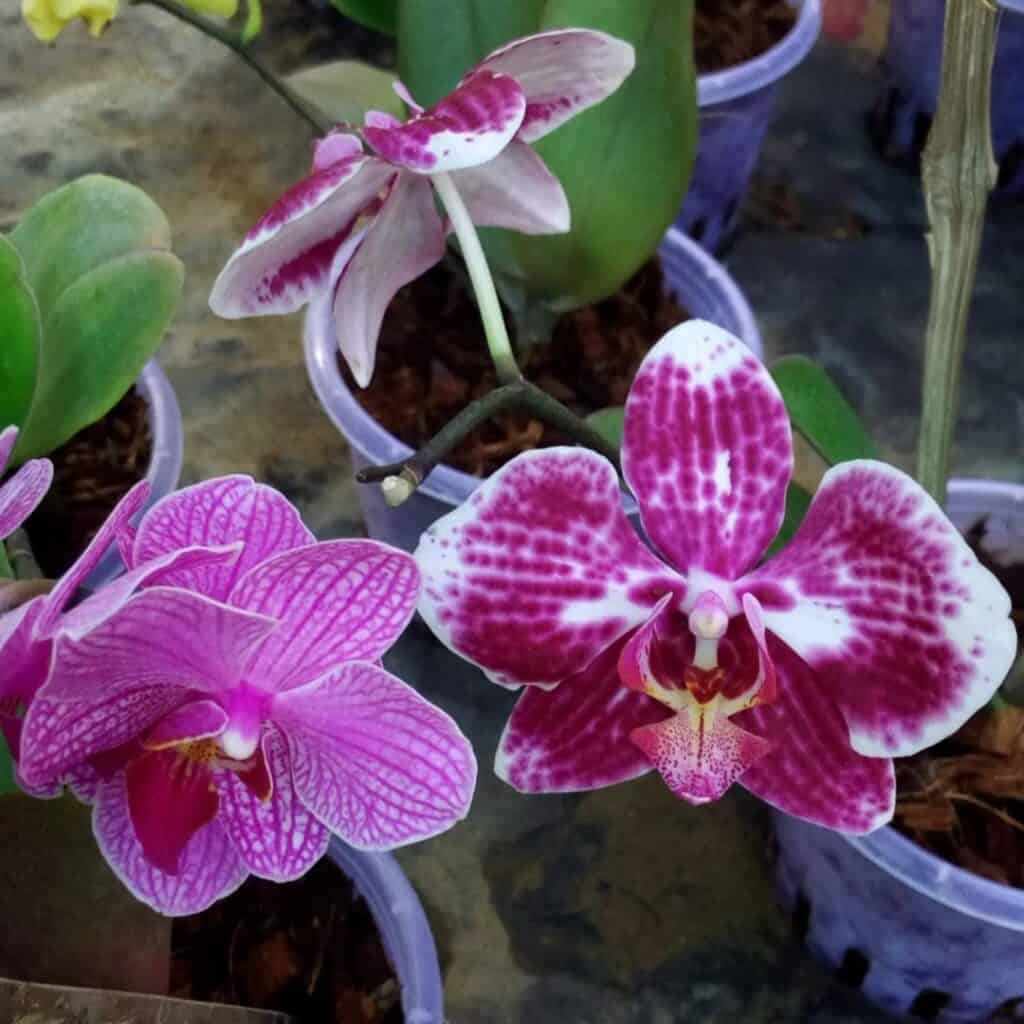
I love how Phalaenopsis orchids, or Moth Orchids, brighten up any space with their wide, flat blooms. They come in all sorts of colors—white, pink, purple, yellow—you name it.
Their soft, rounded petals always remind me of fluttering moths, which is how they got their nickname. I find these guys easy to care for, even if I’m busy or, let’s be honest, a bit forgetful.
They do well in indirect sunlight and like moderate humidity. I water mine about once a week, letting the roots dry out a bit in between. Too much water? Nope, that’s a recipe for root rot, so I try to be careful.
What I really appreciate is how long the flowers last—sometimes weeks, sometimes months. After they fade, I trim the stem just above a node, and often, new blooms show up later.
Phalaenopsis orchids like a well-draining orchid mix—bark or moss works. I make sure the roots get air, since they need oxygen to stay happy. A clear plastic pot helps me see when it’s time to water.
They don’t need much fertilizer. I’ll use a balanced orchid fertilizer once or twice a month during the growing season, just enough to keep the leaves green and the flowers going strong.
I also like how adaptable they are. They’re totally fine indoors and handle normal home temps. I keep mine away from cold drafts and direct heat, and that seems to help them bloom longer.
Phalaenopsis orchids make awesome gift plants—they look elegant but aren’t a pain to maintain. I’ve given a few to friends who’d never grown orchids before, and they did just fine.
When I spot new flower spikes, I get a little excited. It’s a clear sign the plant’s happy. Watching the buds open one by one is honestly pretty rewarding and brings a calm, natural vibe to my home.
I think of the Phalaenopsis as a gentle introduction to orchid care. It teaches patience and attention without being too demanding.
2) Cattleya Orchid
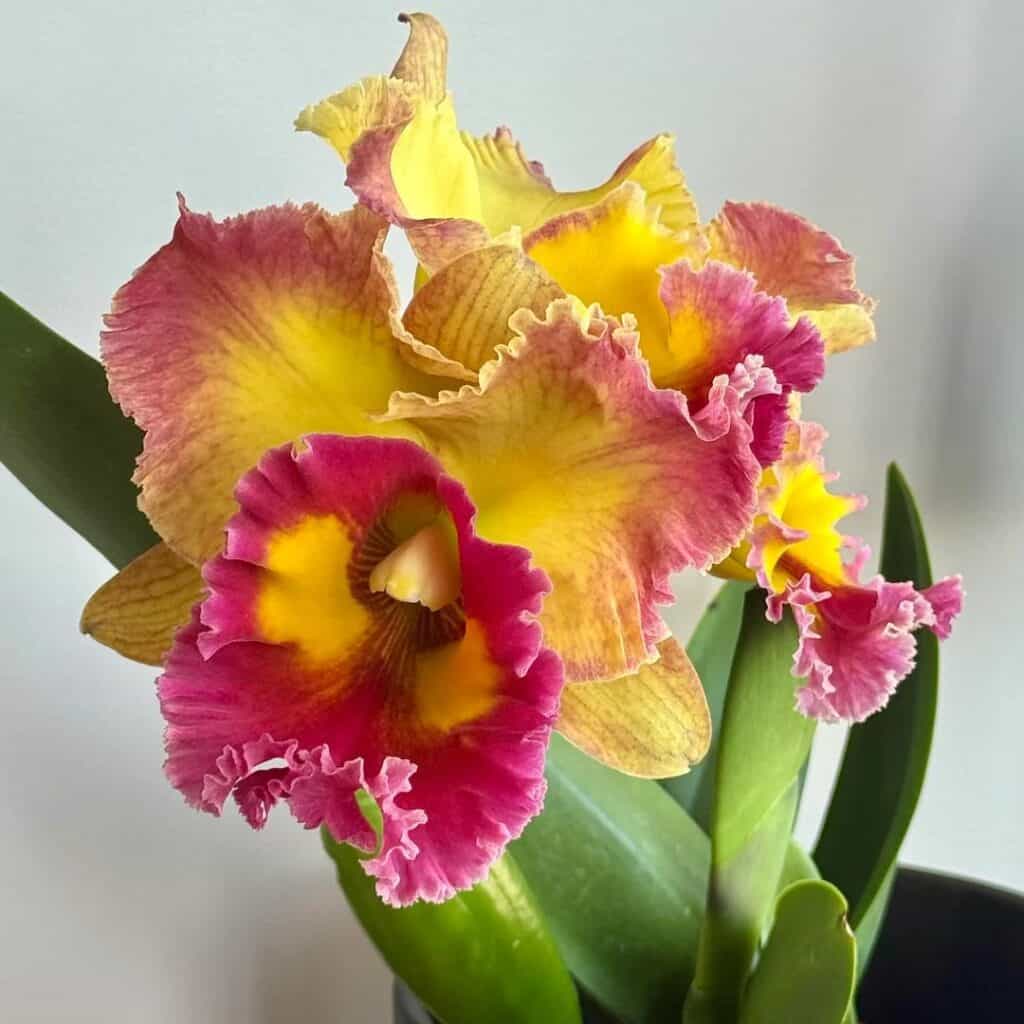
I love the Cattleya Orchid for its bright colors and big, showy blooms. It’s often called the “Queen of Orchids”, probably because it’s so beautiful and popular in corsages.
This orchid comes in all sorts of shades—pink, purple, white, yellow—and the blooms last for weeks if you treat them right. I think the light fragrance just adds to the whole experience.
Cattleyas like bright, indirect light. I usually put mine near a window with morning sun, but I keep it out of those harsh afternoon rays. If the leaves are too dark green, it’s not getting enough light; a nice medium green is perfect.
I water my Cattleya only when the potting mix feels dry. They like to dry out a little between waterings, and overwatering is a big no-no—roots can rot fast, so drainage is key.
For potting, I use a loose mix of bark and perlite to keep things airy. Cattleyas like fresh air, so I don’t keep them in stuffy spots. Good air movement helps keep away mold and pests.
During the growing season, I feed my orchid with a balanced orchid fertilizer every couple of weeks. When it gets cooler, I cut back to once a month. This routine keeps the plant strong and encourages more blooms.
When the flowers fade, I trim the old stem, hoping for new growth. With patience, I’ve seen my Cattleya bloom a few times a year, and the colors somehow look even brighter each time.
I think the Cattleya Orchid is a great pick if you want a classic, elegant plant that isn’t too fussy. With the right care, it really does brighten up any space.
3) Dendrobium Orchid
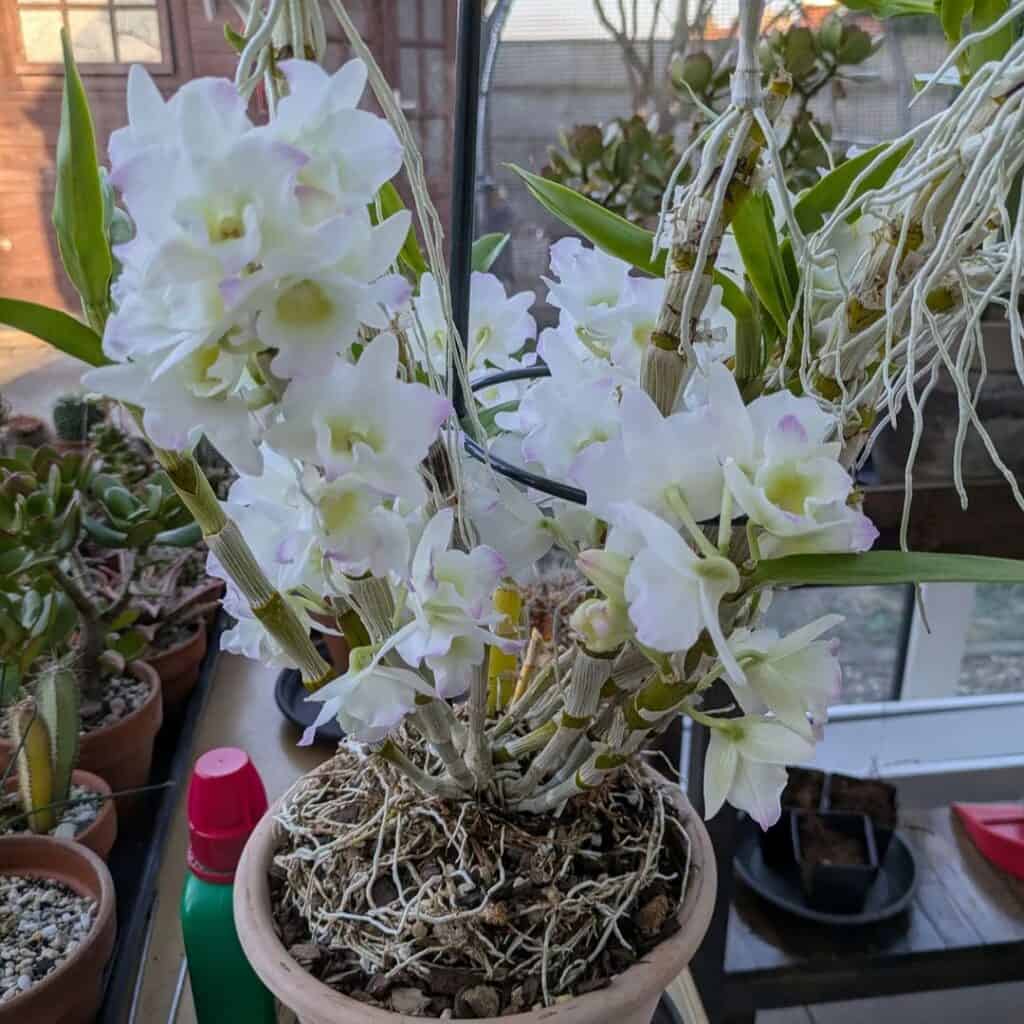
I love how Dendrobium orchids just bring color and life wherever they go. They come in so many shapes and shades—white, yellow, pink, purple. Their tall, slender stems always look fresh and bright.
These orchids like warm, bright conditions, but not too much direct sun. I usually keep mine near a window with filtered light. Too much sun isn’t great, but they do need plenty of light to bloom.
I water my Dendrobium only when the potting mix feels dry. Too much water is risky—so I let them dry out a bit between drinks. Good drainage is a must for these guys.
Dendrobiums grow from pseudobulbs, which store water and nutrients. It’s a handy feature that helps them survive short dry spells. I find this makes them easier to care for than some other orchids.
During blooming season, they put out clusters of colorful flowers that last for weeks. Watching new buds open is always satisfying. When the flowers are done, I trim the old stems and hope for new growth.
I feed my plant with a balanced orchid fertilizer every few weeks while it’s growing. In winter, I slow things down and let it rest.
Dendrobium orchids work indoors or outdoors if you’ve got a mild climate. I like keeping mine inside since it brightens up my living room. With a little care, you get beautiful blooms year after year.
4) Vanda Orchid

I love how Vanda orchids stand out with their bold, vibrant blooms. They come in shades like purple, blue, pink, and white, sometimes with wild patterns. The flowers are big and last a while, which is always a plus.
Vandas need lots of light and fresh air. I keep mine near a sunny window or even outside when it’s warm. They’re big fans of high humidity, so I mist them often to keep the roots happy.
Unlike most orchids, Vandas grow with their roots exposed. I usually hang them in baskets or mount them so the roots can breathe. It looks a bit wild, but it works!
Vandas need regular watering, especially when it’s hot. I’ll soak the roots for a few minutes, then let them dry before watering again. Overwatering can be a problem, so I try not to go overboard.
When they bloom, the flowers stick around for up to a month. If they get enough light and care, they’ll bloom several times a year. Watching a Vanda open its first flower never gets old.
I like how low-maintenance they can be once you find the right spot. As long as they get light, water, and air, they’re pretty happy.
If you’re into bold, colorful plants, the Vanda orchid is a great pick. It adds a tropical vibe and, with a little patience, puts on a fantastic show.
5) Oncidium (Dancing Lady)

The Oncidium orchid, or Dancing Lady, is a favorite of mine because the blooms look like little dancers in bright skirts. Flowers are usually yellow, brown, or red, and they grow in lively clusters.
I always recognize Oncidiums by their long, arching stems and frilly petals. Each bloom seems to move with the breeze, which gives it a playful feel.
When I grow Oncidiums, I make sure they get bright, indirect sunlight. Too much sun burns the leaves, but too little means no flowers. I keep mine near a window with filtered light.
These orchids like moderate humidity and good airflow. I mist the leaves lightly and let the roots dry a bit before watering again. Overwatering is a risk, so I always check the potting mix first.
Oncidiums bloom once or twice a year, depending on how much light and care they get. The flowers last for weeks, which is great for adding color indoors.
I repot my plant every couple of years using a well-draining orchid mix. It keeps the roots healthy and gives the plant space to grow.
For me, the Dancing Lady orchid just feels cheerful and graceful without being a hassle. Its bright flowers bring energy, and honestly, watching them sway always lifts my mood.
6) Paphiopedilum (Lady Slipper)

I’m a fan of Paphiopedilum orchids, or Lady Slippers, because their pouch-shaped blooms are just so unique. The flower looks like a little slipper—pretty memorable!
These orchids come from Southeast Asia, growing on forest floors or rocky slopes. I like that they prefer low light, which makes them easier to grow indoors.
I keep mine in bright, indirect light and water when the soil feels just a bit dry. They like humid air but hate soggy roots. A bark and perlite mix gives them the drainage they need.
Each plant puts out one flower per stem, and the blooms last for weeks. The colors range from green and white to deep purple and brown, often with cool patterns.
I think their leaves are just as pretty as the flowers. Many Paphiopedilum orchids have mottled or striped leaves, so they look good even when not blooming.
Since they don’t need strong light, I put mine near a north or east-facing window. They also do well under grow lights, which is handy for keeping them healthy year-round.
These orchids like stable temperatures. Sudden changes aren’t their thing, so I keep them away from vents and drafty spots.
When I repot, it’s every one to two years to refresh the potting mix. This keeps roots healthy and growth steady.
Whenever friends visit, my Lady Slipper orchid always gets attention. Its unusual shape and long-lasting bloom make it a standout in my collection.
7) Miltonia (Pansy Orchid)

I’ve always had a soft spot for Miltonia orchids, or Pansy Orchids as they’re sometimes called. Their blooms are just so cheerful, and honestly, they remind me of little faces. The flowers show off in shades of pink, white, yellow, and purple—sometimes with wild patterns that make each one feel a bit special.
It’s pretty easy to spot a Miltonia. The petals are wide and flat, almost like they’re waving at you. Blooms usually show up in clusters and, with a bit of luck and care, hang around for weeks. I’ve found that bright, indirect light keeps them happiest and encourages more flowers.
I like to keep mine where there’s good air flow and just the right amount of humidity. They’re not fans of hot or super chilly spots, so I steer clear of radiators and drafty windows. Miltonias like a bit more moisture than some orchids, but I always let the potting mix dry just a little before watering again.
For the roots, I use a well-draining orchid mix—bark and perlite do the trick. I’ll give a light feed every few weeks during the growing season, nothing too heavy. If I notice the leaves starting to wrinkle, that’s my cue the plant wants more consistent moisture or humidity.
One of the best things about Miltonias? That pleasant fragrance. Some varieties have this sweet, soft scent that drifts through the room—never overwhelming, just nice. Their graceful blooms really do brighten up a space.
When it’s time to repot, I wait until after the blooms fade. That way, the roots get a chance to settle in before the plant starts growing again. With steady care, Miltonias keep coming back with more color every year.
If you’re looking for an orchid that’s both beautiful and forgiving, Miltonias are honestly a solid choice. Their friendly look and gentle fragrance make them one of my favorites.
8) Cymbidium Orchid

There’s something about Cymbidium orchids that just livens up a room. The tall flower spikes and glossy leaves really make them stand out. You’ll find their blooms in all sorts of shades—pink, yellow, green, white—so there’s always something new.
These orchids are known for being easier to grow than some of the fussier types. I can keep them inside or out, as long as it doesn’t get too hot. They seem to love bright, indirect light and a regular drink of water.
One thing I’ve noticed is Cymbidiums bloom in winter or early spring—just when everything else looks a bit tired. The flowers last for ages, so you get to enjoy the color for weeks.
When I’m looking after mine, I stick to a potting mix that drains well. A little orchid fertilizer during the growing season keeps things ticking along.
I like that Cymbidium orchids can stick around for years if you treat them right. Their pseudobulbs store water and food, so they don’t mind the odd dry spell.
Their sturdy stems are perfect for cut flower arrangements. I see them in floral displays all the time—they just last and last.
Growing a Cymbidium feels pretty rewarding. It’s a plant that gives back—color, structure, a bit of elegance—without demanding too much in return.
9) Brassia (Spider Orchid)
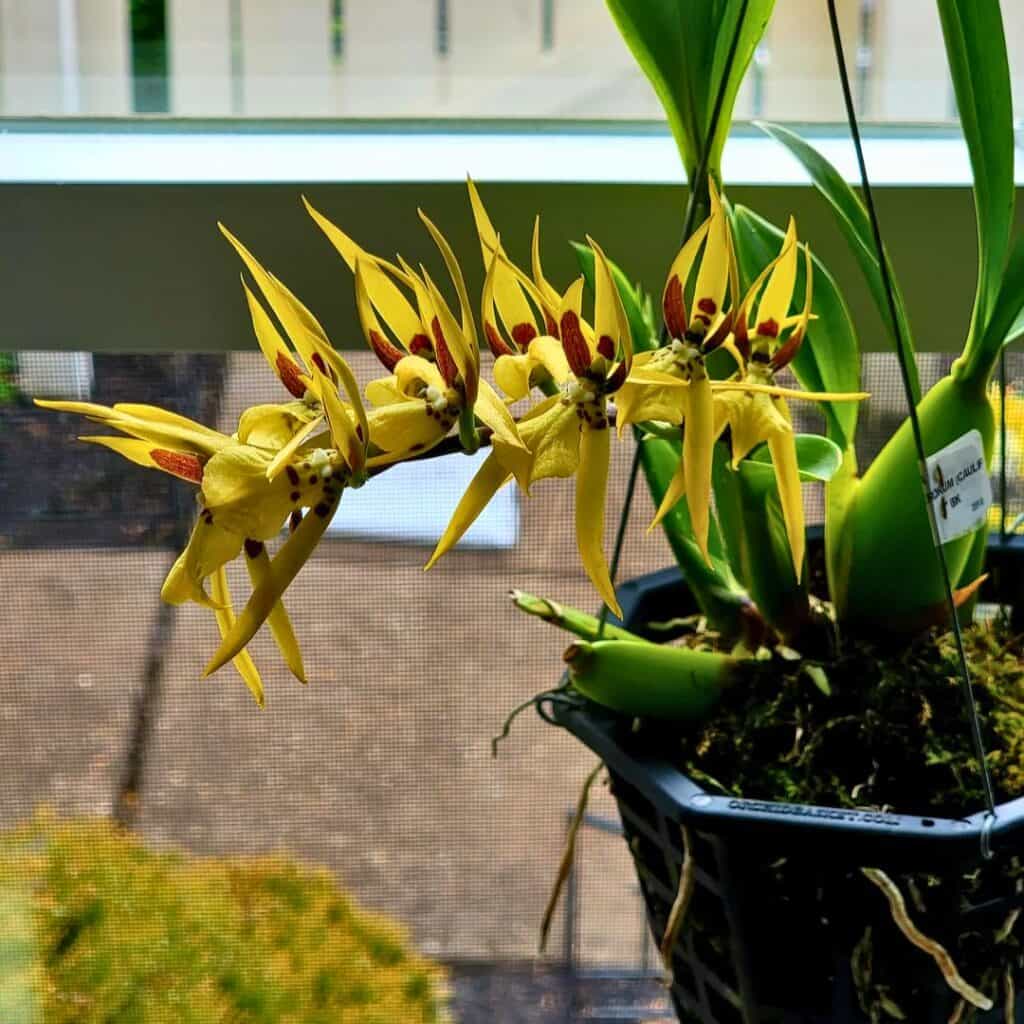
I can’t help but love the Brassia orchid, or Spider Orchid. Those long, narrow petals look just like spider legs—kind of weird but also pretty cool. They always catch my eye and add a bit of personality to my collection.
This orchid likes warm, humid conditions and plenty of bright, indirect light. I try to keep the air moving and the roots just moist enough, and it usually rewards me with a burst of healthy growth and blooms.
You’ll see flowers in yellow or green with brown spots or streaks. The scent is light and pleasant, especially in the morning. Each bloom sticks around for weeks, which honestly makes the effort worth it.
I water my Brassia when the potting mix starts to dry. It really hates wet feet, so drainage is key. I’ll feed it with a balanced orchid fertilizer about twice a month when it’s growing.
It’s easy to spot a Brassia. Those spidery petals make it stand out from the crowd. When it blooms, my space just feels a bit more lively.
I keep mine in a well-ventilated spot to avoid fungus or rot. Giving the roots and leaves plenty of air keeps the plant strong and blooming.
If you’re into orchids that look a little unusual, the Spider Orchid is worth a try. It’s striking and honestly not that tricky once you get the hang of its needs. I get a little proud every time mine blooms—it’s always a talking point.
10) Zygopetalum Orchid

The Zygopetalum orchid is a favorite of mine—mostly because of its bold colors and amazing scent. Not many orchids can fill a room with fragrance like this one does. The flowers are a wild mix of green, purple, and brown—almost like they’ve been painted by hand.
This orchid does well in cool to moderate temperatures. I keep it in bright, indirect light and make sure the potting mix stays a bit moist, but not soggy. It doesn’t like to dry out completely, but sitting in water is a no-go.
The leaves are long and glossy, which gives the plant a lush vibe even when it’s not in bloom. It usually sends up flower spikes with several blooms that last for weeks. No two flowers look exactly alike, which is kind of fun.
I feed my Zygopetalum with a balanced orchid fertilizer every few weeks when it’s growing. When it’s resting, I ease up on the feeding. With just a bit of attention, it rewards me with healthy growth and those bright, fragrant flowers.
If you want a showy, easy orchid, Zygopetalum is a great pick. It always gets noticed and brings a little bit of nature’s drama indoors.
11) Masdevallia Orchid

There’s just something about Masdevallia orchids—the shapes, the colors, the way they stand out. These come from cool, misty mountains in Central and South America, and their blooms often look like tiny triangles or stars. Super easy to spot once you know them.
Masdevallias like it cooler than most orchids. They’re happiest in bright, indirect light and love high humidity. I keep mine in a spot with good air movement to keep the leaves looking their best.
The flowers are small but seriously colorful. I’ve seen orange, red, purple, yellow—sometimes all on the same plant. Each bloom lasts for weeks, which is always a nice surprise.
I water my Masdevallia often since they like moist roots, but I make sure the potting mix drains well. A mix of fine bark and sphagnum moss seems to work for me.
Since they love humidity, I’ll sometimes set mine on a tray of wet pebbles. If the air feels dry, a light misting helps too.
Masdevallia orchids don’t want direct sun. Too much and you’ll see burnt leaves. I usually keep mine near a bright window with filtered light, or under a grow light if the weather’s gloomy.
I’ve noticed they bloom more when they’re not stressed. Keeping the temperature steady and air moist seems to make all the difference.
There are loads of Masdevallia species and hybrids out there. Some have big, showy blooms, others are tiny and delicate. I like collecting different types—each one has its own thing going on.
They can be a bit fussy, honestly, but I think they’re worth it. The unusual flowers always get people talking.
If you’re after orchids that break the mold, Masdevallia might be your thing. With a bit of care, they’ll reward you with bright, long-lasting color—especially in cooler spots.
Caring for Different Orchid Varieties
I’ve found that orchids really thrive when I try to mimic their natural environment. Getting the light, temperature, watering, humidity, and fertilizer right makes a huge difference.
Light and Temperature Needs
I stick my orchids in bright, indirect light. Direct sun can scorch the leaves, but too little light just slows everything down. East-facing windows are my go-to—morning sun is gentle enough.
Different orchids definitely have their own preferences. For example:
| Orchid Type | Ideal Light | Temperature Range |
|---|---|---|
| Phalaenopsis | Medium, filtered | 65–80°F (18–27°C) |
| Cattleya | Bright, indirect | 70–85°F (21–29°C) |
| Paphiopedilum | Low to medium | 60–75°F (16–24°C) |
I try to avoid sudden temperature swings—orchids really don’t like that. Buds can drop if things get too hot or cold. Gentle, steady airflow helps keep mold and leaf spots away.
Watering and Humidity Tips
I water my orchids when the potting mix feels almost dry but not bone dry. Overwatering is a classic mistake—roots just rot. Clear pots help me check if the roots are silvery; that’s usually my sign it’s time to water.
Most orchids like 40–70% humidity. I’ll use a tray of water or a little humidifier. Misting helps sometimes, but I try not to let water sit in the crown.
Here’s a quick cheat sheet I follow:
- Phalaenopsis: Water every 7–10 days
- Cattleya: Let dry out completely between waterings
- Dendrobium: Keep slightly moist when it’s growing
Room-temperature water is best, and I always let it drain so roots stay healthy.
Fertilizing Best Practices
I go with a balanced fertilizer (20-20-20) at about a quarter strength every couple of weeks when things are growing. If the plant’s resting or I’ve just repotted, I skip it.
Once a month, I flush the pot with plain water to wash out salts. Too much fertilizer can really mess up the roots.
If I want more flowers, I’ll switch to a “bloom booster” with extra phosphorus. I read the label and never fertilize dry roots—learned that one the hard way.
Common Challenges and Solutions
I run into things like pests, fungal spots, and root tangles with orchids. But with a few steps, it’s not too hard to keep them healthy.
Preventing Pests and Diseases
I keep an eye out for tiny bugs like aphids, mealybugs, and spider mites. They suck sap and cause yellow leaves. I’ll wipe leaves with a soft, soapy cloth or use neem oil spray once a week if needed.
For fungal and bacterial problems, airflow is key. Water should never sit on the leaves or in the crown—rot can set in fast. I water early in the day so things dry out before night.
If I spot black spots or mushy roots, I trim the bad parts with sterilized scissors and dust the cuts with cinnamon powder. Tools get cleaned before and after, just in case.
| Problem | Simple Fix |
|---|---|
| Aphids or mites | Wipe leaves and spray neem oil |
| Leaf spots | Improve airflow and reduce moisture |
| Root rot | Cut bad roots and repot in dry mix |
Repotting and Root Care
I usually repot every 1–2 years—fresh mix, healthy roots. When roots start poking out or the bark breaks down, it’s time.
I gently take the orchid out, rinse the roots, and snip off any brown or squishy roots. Healthy ones are firm, green, or silvery. I use a well-draining mix—usually bark, perlite, and some sphagnum moss.
After repotting, I wait a few days before watering so the roots can heal up. The plant goes back into bright, indirect light, and I skip fertilizer for a couple of weeks. That gives it time to adjust and start growing new roots without stress.
Frequently Asked Questions
People ask me all the time about caring for orchids, picking out the right varieties for different spaces, and figuring out how to tell them apart. Each type really does its own thing—watering schedules, light preferences, you name it. Knowing these quirks helps keep orchids happy and blooming longer.
What are some easy-to-care-for orchid varieties for beginners?
Honestly, Phalaenopsis (Moth Orchids) are my go-to suggestion. They’re pretty forgiving and seem to thrive in most homes, even if you forget about them for a few days.
Dendrobium and Oncidium orchids are also solid choices if you’re just starting out. They don’t fuss much as long as they get bright, indirect light.
How often should I water different types of orchids?
For my Phalaenopsis, I usually water once a week and let the roots dry a bit in between.
Cattleya and Oncidium orchids like to dry out even more, while Vanda orchids are a little high-maintenance—they want frequent misting since they grow without soil. I always check the roots before watering, just to be sure.
Can you recommend orchid varieties that thrive indoors?
Phalaenopsis orchids are probably the easiest to keep indoors. They handle regular room temps and filtered light like champs.
Oncidium orchids also do well inside, as long as there’s good airflow and moderate humidity. Mine sit near a bright window with sheer curtains, and they seem pretty content.
What are the best orchid varieties for outdoor gardens?
If you’re thinking about outdoor orchids, Cattleya and Dendrobium are worth a try, especially in warm, humid spots. They appreciate filtered sunlight and plenty of fresh air.
Vanda orchids can also thrive outside, but they’ll need lots of light and regular misting. It’s a bit of a balancing act, but the payoff is gorgeous.
How can I tell the difference between a Phalaenopsis and a Dendrobium orchid?
Phalaenopsis orchids have these broad, flat leaves and long stems with big, round flowers.
Dendrobium orchids are different—they’ve got thinner leaves along tall canes and their flowers show up in clusters. Once you’ve seen both, you can spot the difference pretty quickly.
What are some unique and exotic orchid varieties to add to my collection?
I’ve always had a soft spot for Vanda orchids—their bright colors and wild, dangling roots just grab your attention. If you’re after something bold, Cattleya orchids really make a statement with those big, fragrant blooms.
And hey, if you want a touch of whimsy, Oncidium (Dancing Lady) orchids have these cheerful yellow flowers that almost look like they’re dancing. Honestly, they’re just fun to have around.
Note: Some images in the articles are sourced from Reddit and Other Platforms For Reference Purpose.