ZZ Plant Mushy Stem: Causes & Fix!
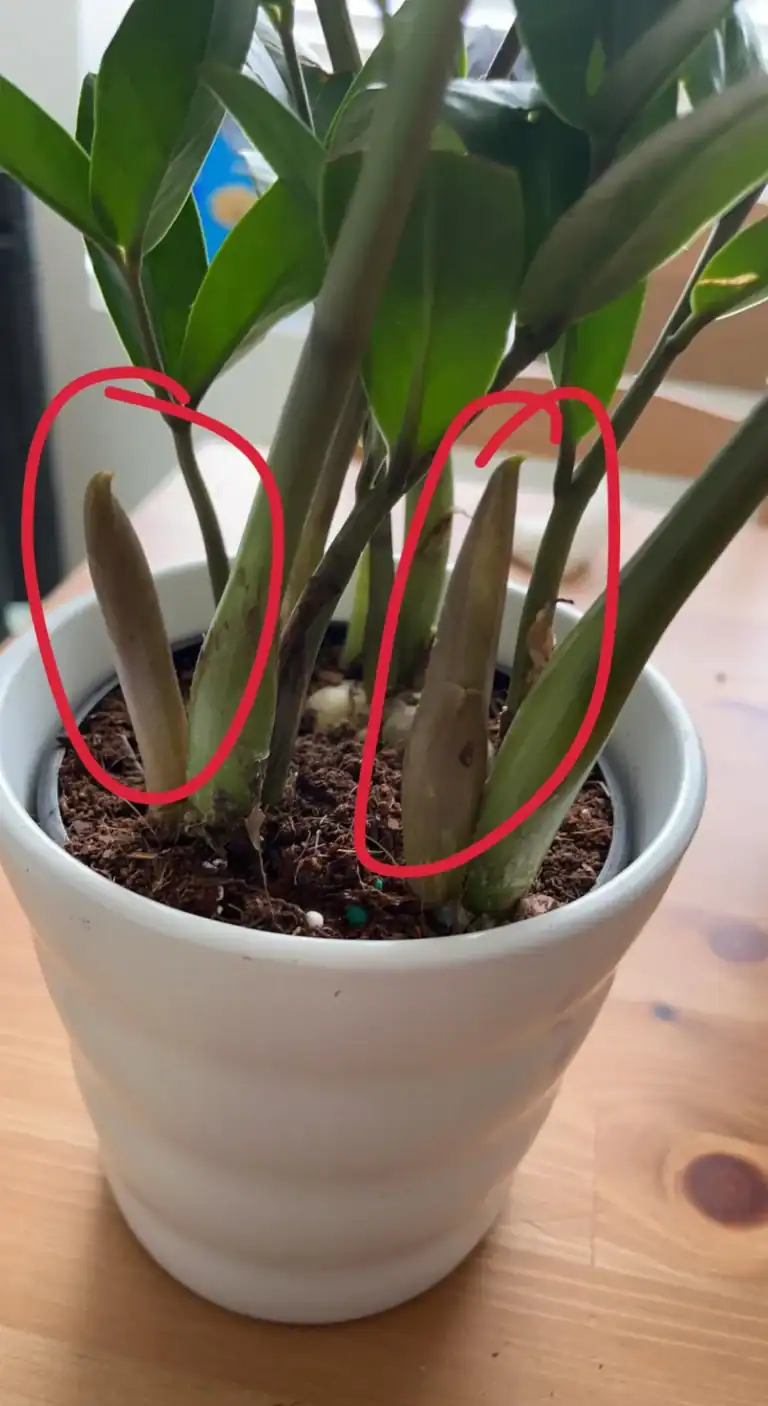
If your ZZ plant’s stem feels mushy, something’s definitely off. It’s usually a bad sign—rot is probably setting in. I get it, it’s stressful when a plant that’s supposed to be easy suddenly looks sad and squishy.
The top culprit for a mushy ZZ stem? Overwatering. Too much water leads straight to root rot, and that rot can creep right up into the stems.
I’ve run into this problem myself, and honestly, you can often rescue your plant if you move quickly.
The trick is figuring out how far the damage has gone and jumping into action. Sometimes, a stem that’s just a little soft only needs drier soil, but if it’s totally mushy—well, you’ll need to get your hands dirty.
In this guide, I’ll break down what causes mushy stems, how to check if your ZZ can be saved, and exactly what you need to do next.
You’ll also pick up some tips to keep this from happening again, so your plant can stick around for years (hopefully, anyway).
Please note: Simplify Plants is reader-supported. As an Amazon Associate, I earn from qualifying purchases made by our readers with no extra cost added to you all! Some links in the post are affiliate links and I get a commission from purchases made through links in the post.
Understanding ZZ Plant Mushy Stem Problems
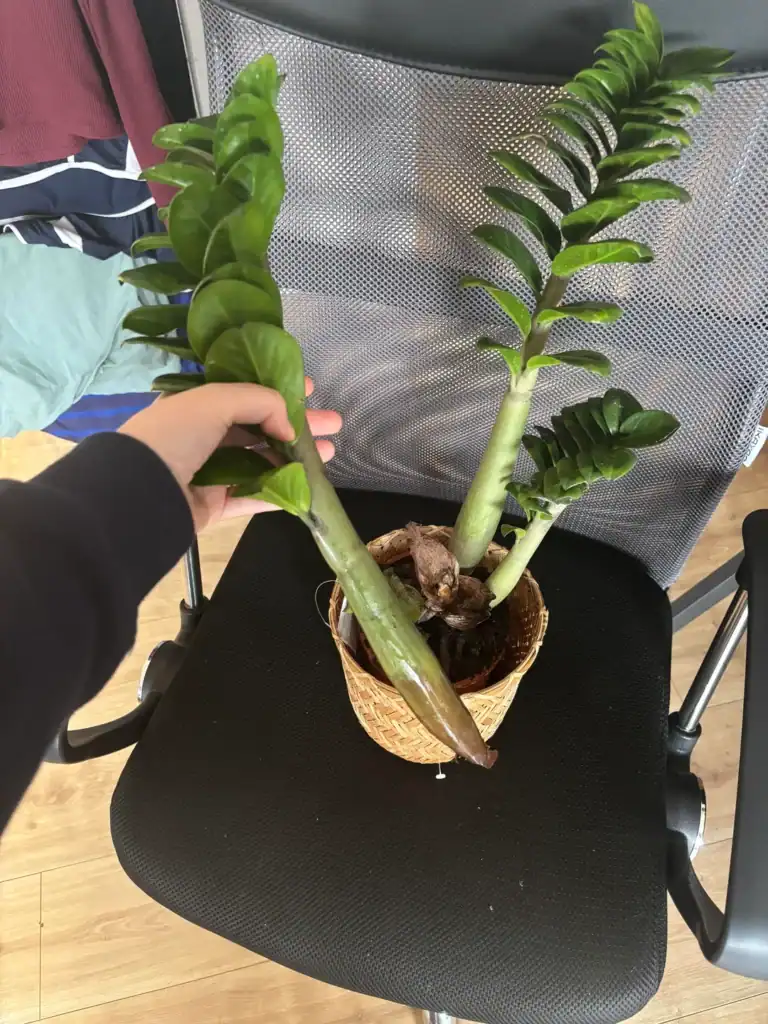
A mushy stem on your ZZ plant almost always points to rot, and it happens when the plant sits in wet soil for too long. Catching it early is really your best shot at saving the plant.
What Is ZZ Plant Stem Rot?
Stem rot is when the ZZ’s stem tissue starts breaking down and turning soft. It’s usually set off by fungi or bacteria—most often because the roots have been stuck in soggy soil.
The stem loses its firmness and feels squishy if you give it a gentle squeeze. You might spot dark brown or black patches where the rot is spreading. If the soil stays wet, the rot can move up the stem surprisingly fast.
ZZ plants are built to store water in their thick rhizomes and stems, so they’re really made for drier conditions, not constant moisture. If the soil never dries out between waterings, the roots can’t breathe. That’s when the nasty stuff starts to grow and attack the plant tissue.
Early Signs of Mushy Stem
The first thing I usually notice is a stem that feels a bit soft near the soil line—it’s supposed to be firm, almost snappy. It might look fine at first glance, but the texture is off.
Leaves turning yellow are often an early warning. Sometimes they droop or get wrinkly, even if you’ve been watering like normal. That’s because the stem isn’t moving water and nutrients like it should.
Dark spots or blackened areas at the base of the stem are another sign things are going south. Sometimes there’s a pretty gross, rotten smell coming from the soil. If the stem starts to lean or flop over, that’s another clue it’s losing its strength.
Quick Tip: Press gently on the stem near the soil—if it squishes instead of staying solid, it’s time to dig deeper.
Why Stem Health Matters
The stem is the lifeline for your ZZ plant, moving water and nutrients up from the roots. If it’s damaged, the whole plant suffers since that transport system is breaking down.
Mushy stems won’t bounce back on their own. The rot just keeps going if you don’t jump in and fix it. I’ve watched entire plants collapse in a matter of weeks if stem rot isn’t handled.
If you catch stem problems early, you might still be able to save healthy parts by propagating. Even if one stem is a goner, the rhizomes might still be okay—so don’t give up hope too soon.
Main Causes of Mushy Stems in ZZ Plants
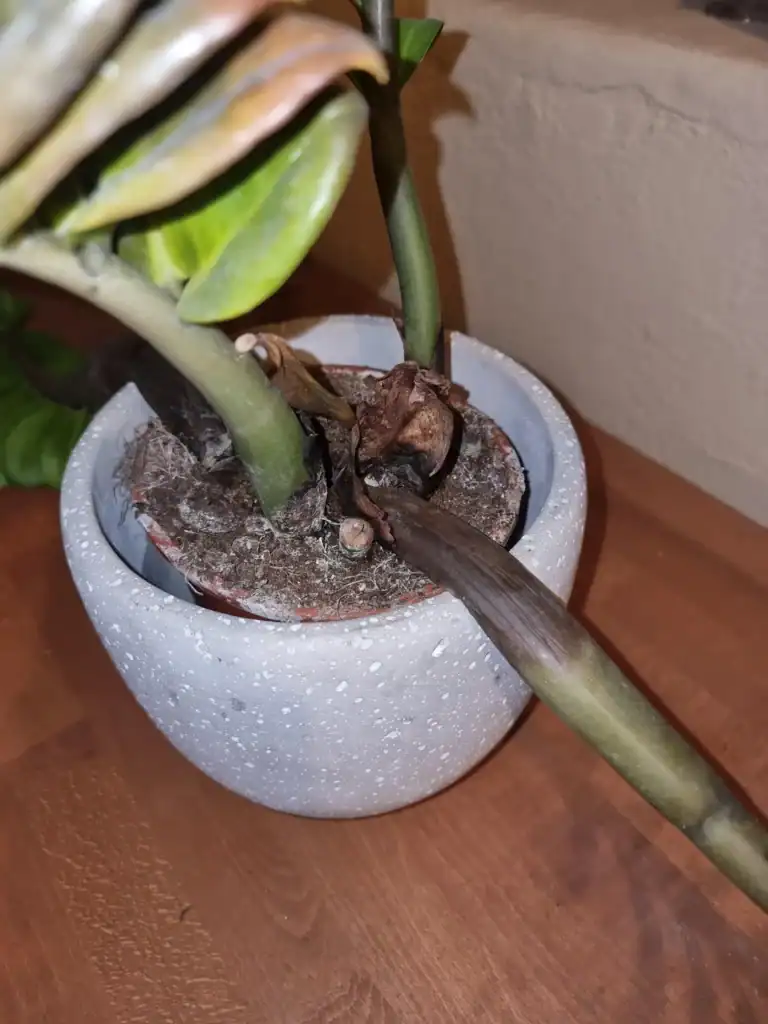
When I spot a mushy stem on my ZZ, it’s almost always due to too much water, drainage issues, or some kind of infection. Sometimes all three are working together, which is just the worst.
Overwatering Issues
In my experience, overwatering is the main reason ZZ plants end up with mushy stems. These guys store water, so they don’t want to be watered as often as your other plants.
If I water too often, the soil just stays wet. Roots can’t get the oxygen they need and start to rot. That rot moves up into the stems, and suddenly things are soft and gross.
Quick Tip: I only water when the top 2-3 inches of soil are bone dry.
Usually, ZZ plants need water every 2-3 weeks in the warmer months, and even less in winter. If I’m watering more than once a week, I know I’m overdoing it. The stems will start to feel squishy and might darken at the base.
Poor Drainage Conditions
Even if I’m careful with watering, bad drainage can leave roots sitting in water. I always double-check that my pot has drainage holes—no exceptions.
Heavy, dense soil is another problem. Regular potting soil can stay wet for days, which spells trouble. I like to mix in perlite, sand, or bark to help water move through faster.
Quick Tip: My go-to mix is 2 parts potting soil to 1 part perlite. It’s simple and works well.
Pot size matters too. If the pot is way bigger than the root ball, all that extra soil just holds moisture the roots can’t reach. I stick to pots just a bit larger than the roots—no need to go overboard.
Pathogenic Infections
Bacteria and fungi thrive in wet conditions. If the soil stays damp, these pathogens can quickly attack stems and roots.
Fungal root rot—often from Pythium or Phytophthora—spreads through wet soil and kills root tissue, then moves up into the stems. You might even catch a whiff of something rotten coming from the soil.
Bacterial soft rot is even faster. Stems become mushy and slimy in just a few days, and there’s usually a foul smell. Sometimes the affected area oozes if you press on it. Gross, right?
Quick Tip: I always isolate any plant with mushy stems right away. No sense risking the rest of the collection.
These infections can spread through dirty tools, pots, or reused soil. I always disinfect my scissors with rubbing alcohol before pruning, and I never reuse soil from a sick plant.
Identifying the Severity of the Damage
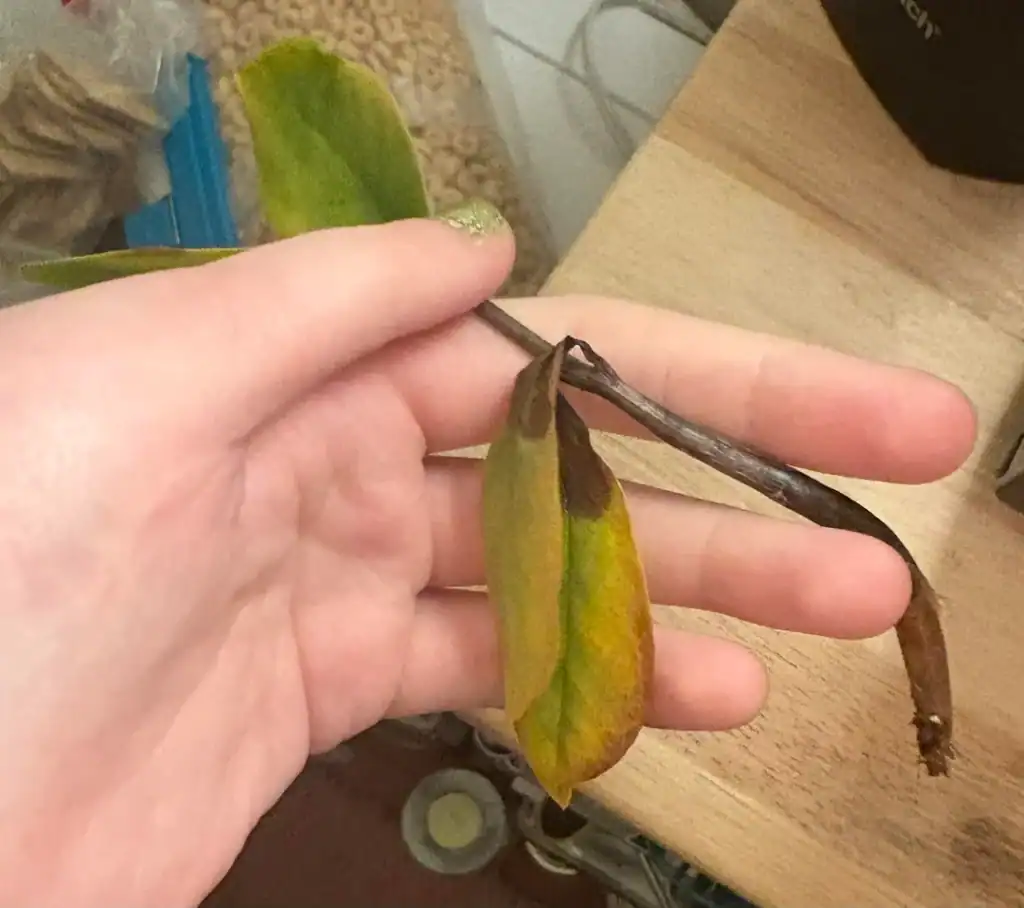
Figuring out how bad the damage is will help you decide what to do next. The stem’s texture and root health tell you everything you need to know.
How to Examine Stem Texture
I start by gently squeezing the stem between my thumb and finger. A healthy ZZ stem should feel firm and solid—think fresh carrot, not cooked.
If the stem feels soft or gives under pressure, it’s not a good sign. Look for brown or black spots creeping up from the base. Sometimes the damage is just on the surface, but it can go deep, so check carefully.
Quick Tip: Press stems at different heights to see how far the rot has traveled.
If only the bottom inch or two is soft, you might have caught it early. But if half the stem is mushy, or if several stems are affected, your plant’s in real trouble. Sometimes the outside looks fine but the inside is mush, so don’t just trust appearances.
Recognizing Root Involvement
Pull the ZZ out of its pot to check the roots. Healthy roots are firm, white, or light tan. Rotted roots are dark, mushy, and slimy to the touch.
If there’s a swampy, rotten smell, that’s root rot for sure. That smell is bacteria at work. See how many roots are affected—a few bad ones and you might still save it.
Quick Tip: Rinse the roots under lukewarm water to get a clear look at what’s still healthy.
If more than half the roots are mush, your plant’s chances drop. Roots are the anchor and the water source, so losing most of them makes survival tough.
Immediate Steps to Fix Mushy Stems
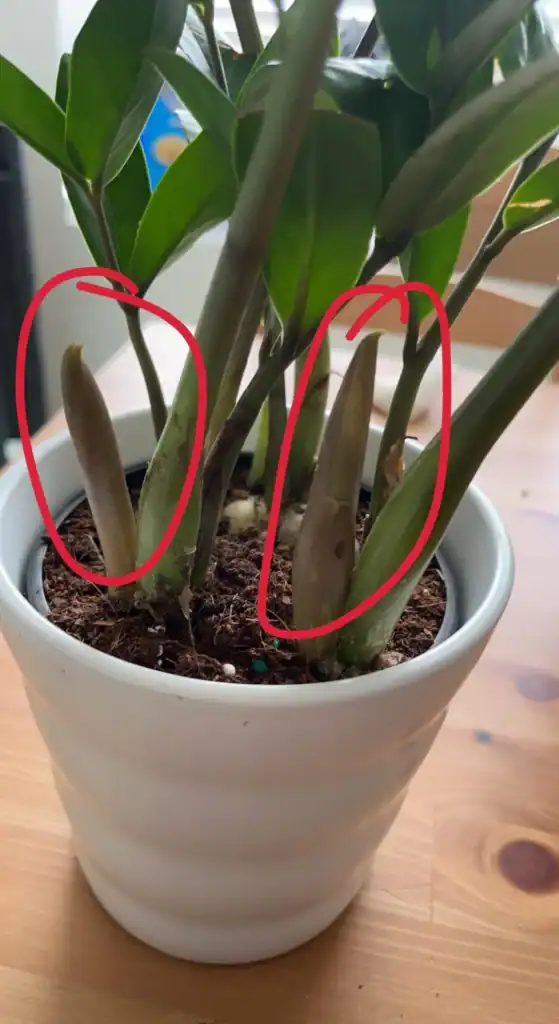
When I spot mushy stems, I don’t wait. The faster you act, the better the odds. First step is always to separate the sick plant and cut away the damaged parts.
Isolating the Affected ZZ Plant
I move the plant away from others right away. Root rot can spread through water trays or even contaminated tools—no sense risking my other plants.
The sick plant goes somewhere with good airflow—maybe the laundry room, bathroom counter, or even outside if it’s warm enough. Before touching anything else, I wash my hands and clean my tools with rubbing alcohol or a diluted bleach solution.
Quick Tip: Set the plant on something disposable, like newspaper, so you can just toss it when you’re done. Makes cleanup easier.
Trimming Mushy or Rotted Sections
I take the ZZ out of its pot and gently shake or brush off as much soil as I can. You want to see what’s going on with the roots and stems.
Using sharp, clean scissors, I cut away any mushy stems right at the base. Any roots that are brown, black, or slimy get trimmed until I’m back to healthy, white tissue.
Try to make clean cuts, not ragged ones. I usually cut at least half an inch above any soft spots, just to be safe.
After trimming, I let the plant sit out for a few hours so the cuts can dry and callus. This really helps prevent new infections when you repot.
Quick Tip: If more than 70% of the roots are mushy, it’s a long shot—but if there are any firm roots left, I still give it a try.
Treatment Methods for ZZ Plant Mushy Stem
Once you spot a mushy stem, you’ve got to move fast to stop the rot. For me, it’s all about cleaning things up and hitting the infection with fungicide.
Disinfecting Tools and Plant
I always sterilize my scissors or shears with rubbing alcohol (or a 10% bleach solution) before I start. No point spreading bacteria or fungus from one cut to the next.
I cut away every bit of mushy, brown, or soft stem I can find. I aim to cut into healthy, green tissue—at least an inch above the last bad spot. It’s better to take off a bit more than to leave any rot behind.
After every cut, I wipe down the blades again with alcohol. It seems like overkill, but it really helps stop the spread.
Quick Tip: If the rot has reached the rhizome (that thick underground part), you might have to remove the whole stem at soil level. It’s tough, but sometimes it’s the only way.
I always check the roots too. Healthy roots are white or tan and firm. Anything black and mushy gets the chop.
Applying Fungicide Treatments
Right after pruning, I dust the cut areas with fungicide powder or spray. I look for products with copper or sulfur—they work well against fungus.
Just sprinkle the powder on the wounds or spray a light layer. This helps block new infections from sneaking in.
Then I let the plant sit out of soil for a full day so the cuts can dry and callus. That healing time is key, especially if you live somewhere humid—maybe give it an extra day just to be sure.
Quick Tip: Don’t skip fungicide if you can help it. I’ve had much better luck saving plants when I use it, even though it’s a bit of a hassle.
Recovering and Reviving Your ZZ Plant
Once you’ve tackled the mushy stem, your plant’s going to need fresh soil and a bit of TLC if it’s going to recover. The focus now is on creating the right conditions for healthy new growth to (hopefully) show up.
Repotting with Well-Draining Soil
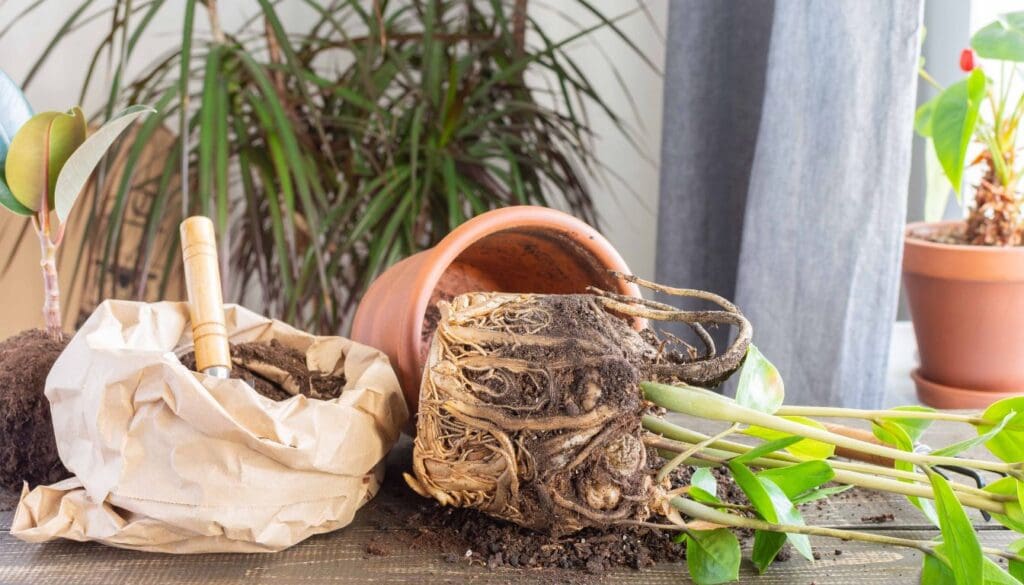
Whenever I repot a ZZ plant that’s had rot issues, I remove every bit of the old soil. That stuff probably still has some of the bacteria or fungus that caused the problem in the first place.
I like to mix equal parts potting soil, perlite, and coarse sand for a blend that drains fast. If you don’t feel like mixing your own, a commercial cactus mix works, too. The point is, you want soil that never stays soggy for long.
Pick a pot with drainage holes. Seriously—if there aren’t any holes, water gets trapped and you’ll just end up with the same mess again.
Before you tuck your plant into its new home, take a good look at the rhizomes (those chunky, potato-like bits at the base). Snip off any mushy, brown, or soft spots with clean scissors. Only keep the firm, healthy ones.
Quick Tip: Let those freshly cut rhizomes air out for a few hours before planting. It helps seal up the wounds.
After repotting, water just enough to settle the soil. Don’t go overboard here—light is better than a soak.
Encouraging Healthy Regrowth
After repotting, I keep my ZZ plant in bright, indirect light. Too much direct sun can stress it, but shoving it in a dark corner won’t help it bounce back either.
Hold off on watering for at least two weeks. The plant needs some time to settle in and start growing new roots. I check with my finger—if the soil is bone dry a few inches down, it’s probably ready for a drink.
Don’t freak out if you don’t see new shoots right away. Sometimes it takes 4-8 weeks for anything to pop up.
Skip the fertilizer for a couple of months. The plant’s busy repairing roots, not growing, and feeding too soon can burn whatever’s left.
Quick Tip: If the leaf tips turn brown during recovery, it’s usually just the plant focusing on its roots. Trim them if they bug you, but it’s not a disaster.
Keep an eye out for fresh green shoots poking through the soil. That’s a good sign your ZZ is bouncing back.
Long-Term Prevention Strategies
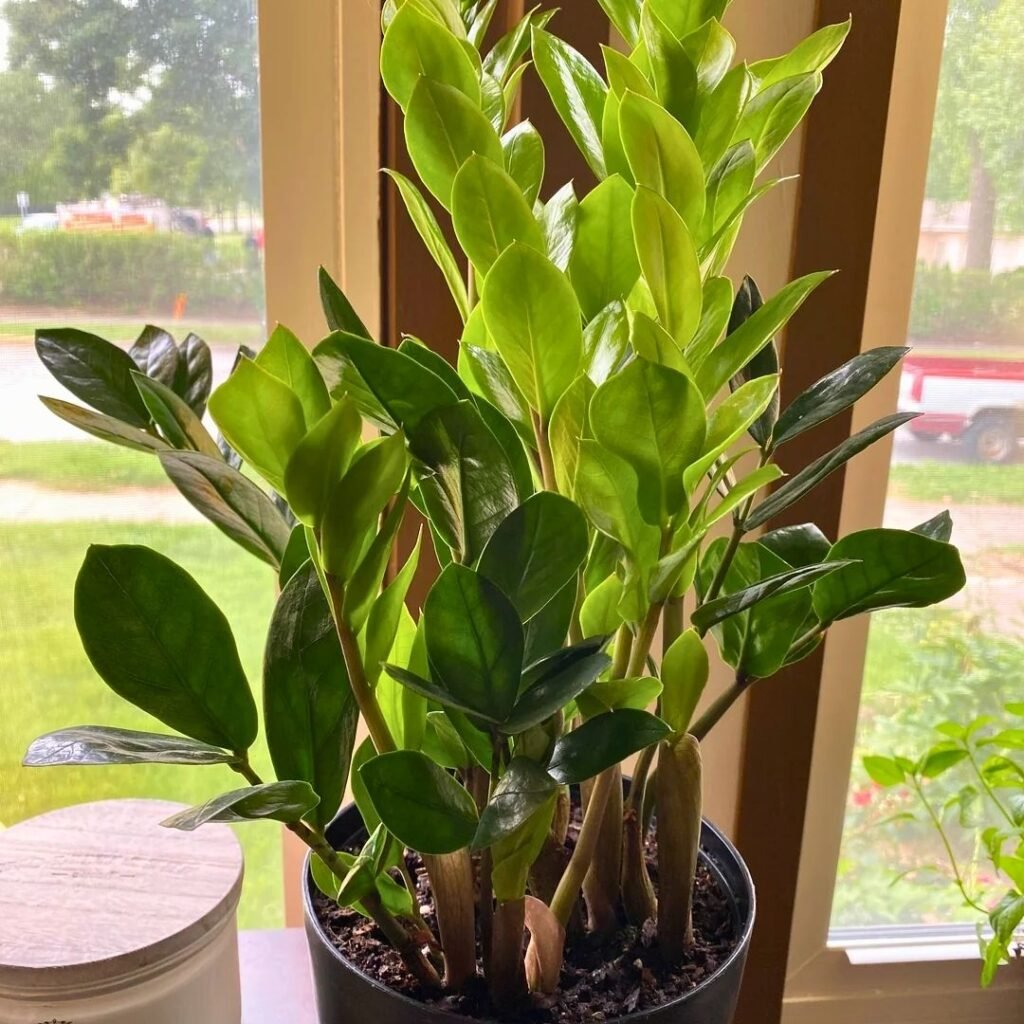
Keeping a ZZ plant happy really comes down to three things: how you water, the pot you use, and your regular care habits. Get these right, and mushy stems shouldn’t be a problem.
Proper Watering Techniques
Honestly, ZZ plants are like camels—they stash water in their thick roots and can go ages without a drink. The most common mistake? Watering on a set schedule instead of just checking the soil first.
I poke my finger 2-3 inches into the soil. If it feels dry down there, it’s time to water. If it’s damp, I wait at least another week.
When it’s finally time, I use the soak-and-drain method. Pour water slowly until it runs out the bottom, then let it drain fully. Never let your ZZ sit in a puddle.
Quick Tip: In winter, you might only need to water once a month. Growth slows, and the soil stays wet longer.
During hot summers, you might water every 2-3 weeks. If it’s cooler or your plant’s in a dim spot, stretch that to 3-4 weeks or even longer.
Choosing the Right Pot
The pot actually matters a lot for preventing root rot. I like terracotta pots since they’re porous and let extra moisture escape through the sides.
Drainage holes are a must—no exceptions here. Without them, water just pools at the bottom and makes a swamp for the roots.
Don’t go huge with the pot size. Stick to one that’s just 1-2 inches wider than the root ball. Too much extra soil just means more water sitting around the roots.
Quick Tip: If you love a pretty pot with no holes, just use it as a cover pot and leave your ZZ in a nursery pot inside.
Best Practices for Plant Care
I keep my ZZ plants near an east or west window with bright, indirect light. They’ll survive low light but grow slower and need even less water in those spots.
Always use a well-draining mix—cactus or succulent soil is perfect. Regular potting soil is just too heavy. I usually mix standard potting soil with perlite or coarse sand, about half and half.
I check my plants every few weeks for warning signs:
- Yellow leaves – usually too much water
- Wrinkled stems – needs water (rare, but it happens)
- Soft spots – could be the start of rot
Skip the fertilizer in winter while the plant is resting. In spring and summer, I use diluted liquid fertilizer every 6-8 weeks.
Try to keep temps between 60-75°F. ZZ plants really hate cold drafts or sudden drops below 45°F.
Frequently Asked Questions
Mushy stems on ZZ plants almost always mean too much water. Catching it early makes a huge difference—most of the time, your plant can recover if you act fast.
Why is my ZZ plant’s stem turning soft and how can I help it recover?
If a stem is soft, it’s usually because the plant has been sitting in wet soil too long. The roots can’t breathe, and the stem starts breaking down from the inside.
I always check the soil first—stick your finger down about two inches. If it’s damp, stop watering. Let the plant dry out.
To help it bounce back, I pull the plant out and check the roots. Healthy roots look white or tan and feel firm. Any black or mushy roots get snipped off with clean scissors.
After trimming, I repot in fresh, dry soil and use a pot with drainage holes. Then I wait at least two weeks before watering again.
Quick Tip: Bright, indirect light helps the plant focus on healing, not just pushing new growth.
What are some common signs of overwatering in ZZ plants, and how can I address them?
If the stems feel mushy when you squeeze them, that’s a bad sign. Yellow leaves that drop easily are another clue.
I also watch for brown spots on stems or a weird smell from the soil—usually means bacteria are at work on the roots.
First thing, stop watering. Let the soil dry out completely, which could take a couple of weeks depending on your home.
If things don’t improve, I unpot the plant and check the roots. Cut away any mushy parts and repot in fresh mix. After that, only water when the top two inches of soil are dry.
Can a ZZ plant with a mushy stem be saved, or is it too late?
It really depends on how far the problem has spread. If just one stem is mushy and the rest look fine, you can almost always save it.
I cut off the bad stem at the base with clean scissors. That usually stops the rot from spreading. The plant will send up new stems from the rhizome eventually.
If most of the stems are mushy and the roots are black or smell awful, it’s trickier. Still, if you find any firm, healthy rhizomes, you can cut them out, let them dry, and replant in fresh soil.
Quick Tip: As long as there’s at least one firm rhizome and some healthy roots, your plant still has a shot.
What should I do if I suspect root rot in my ZZ plant?
I gently remove the plant from the pot and shake off the old soil so I can really see the roots.
Healthy roots are firm and light-colored. Rotten ones are dark, mushy, and might smell pretty bad.
I use clean scissors to cut away all the damaged roots, trimming back to healthy tissue. Better to take off too much than leave rot behind.
Let the plant air out for a few hours after trimming, then repot in completely dry soil and a clean pot. I hold off on watering for at least a week so the roots can heal.
How can I prevent my ZZ plant’s stems from getting mushy in the future?
I only water when the soil is bone dry, usually every three to four weeks. ZZ plants store water in their rhizomes and hate being wet for too long.
Drainage holes are a must for me. No holes, no ZZ plant—simple as that.
I also use a chunky mix that dries out fast. Regular potting soil is just too heavy. Adding perlite or orchid bark helps a lot.
Quick Tip: Always check the soil with your finger before watering—if you feel any moisture, wait it out another week.
Are there any specific environmental conditions that contribute to ZZ plant stems becoming mushy?
Cold temperatures really slow down how fast soil dries out, so roots end up sitting in soggy conditions for longer than you’d expect. Honestly, I try to keep my ZZ plants away from drafty windows once winter hits, and I make sure temps stay above 60 degrees.
Low light is another sneaky culprit since the plant just doesn’t use as much water. Even if you stick to your usual watering routine, the soil can stay wet for ages in a darker spot.
If I’ve got a ZZ stuck in a dim corner, I definitely water less often compared to one that gets more light. It’s just one of those things you learn after a few close calls with mushy stems.
High humidity? It’s not usually a huge issue by itself, but it does slow down evaporation. If your place is both humid and cool, the soil might stay damp for weeks, which is kind of a nightmare for ZZ roots.
I find myself tweaking my watering schedule all the time, depending on the season and how quickly the soil actually dries out. It’s not an exact science, but you get a feel for it.
Plastic pots? They hold onto moisture way longer than terracotta. Terracotta just breathes better and lets water escape through the sides, which honestly feels safer for these plants.
I almost always go for terracotta, especially if my ZZ is in a cooler room or doesn’t get much light. It just gives me a little more peace of mind.
Note: Some images in the articles are sourced from Reddit and Other Platforms For Reference Purpose.